Clear Lid Boxes

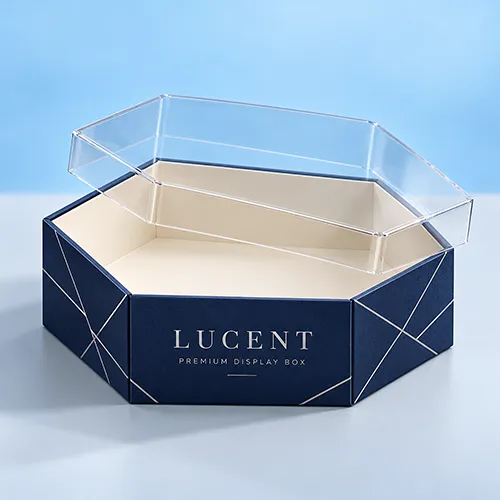
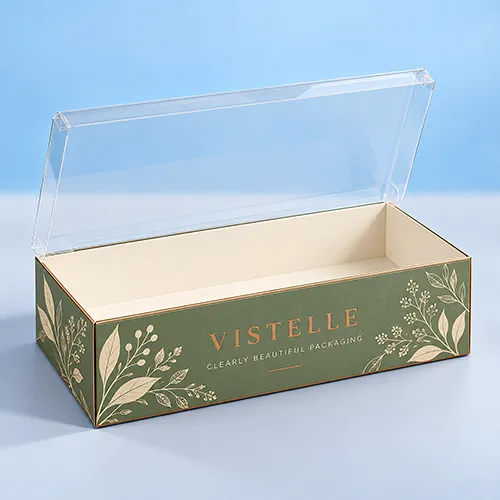
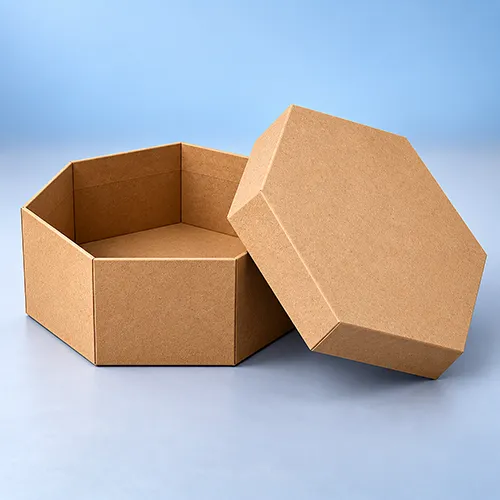
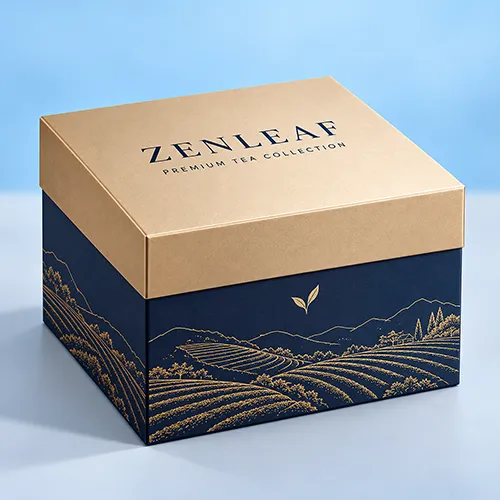
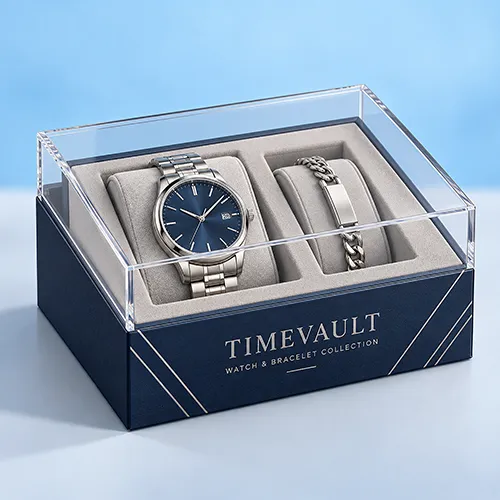
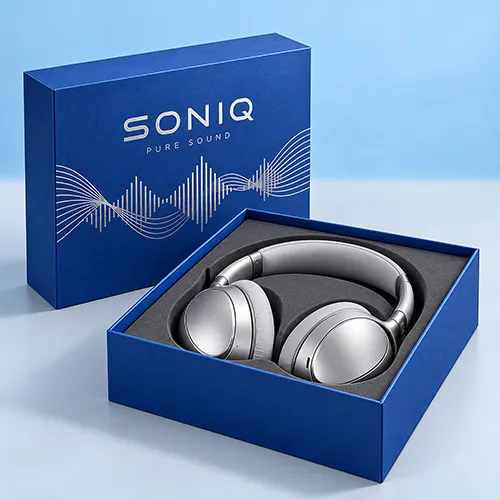
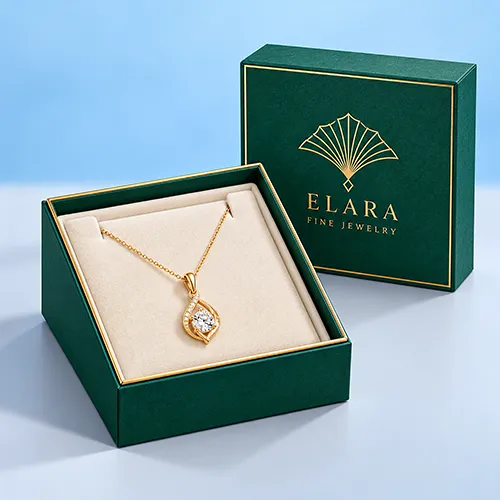
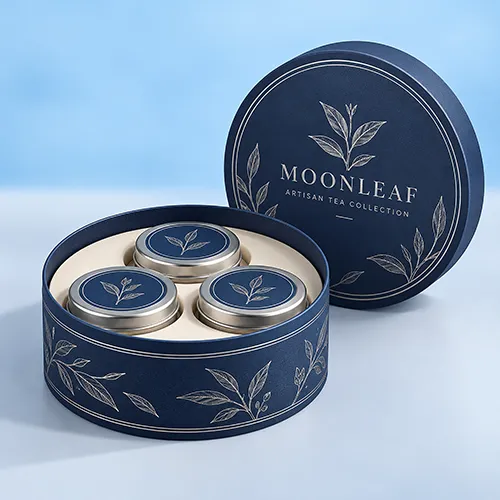
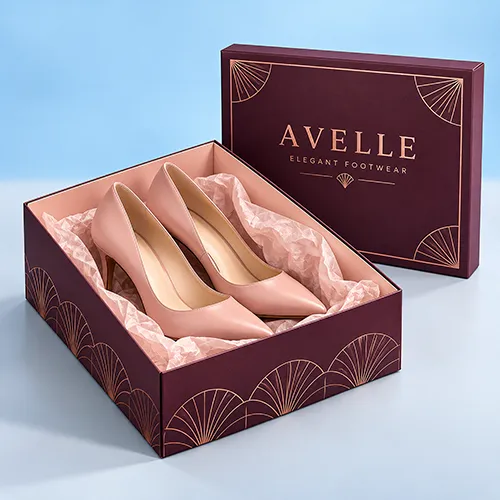
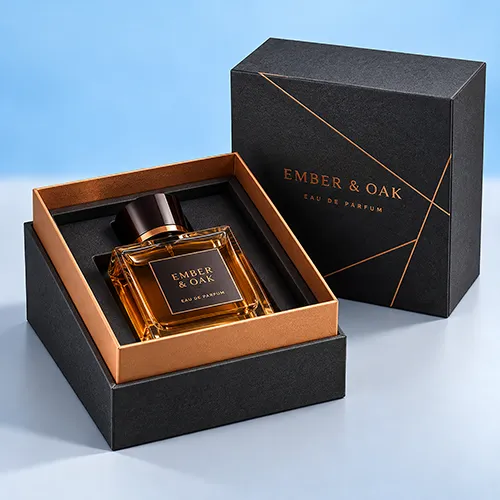
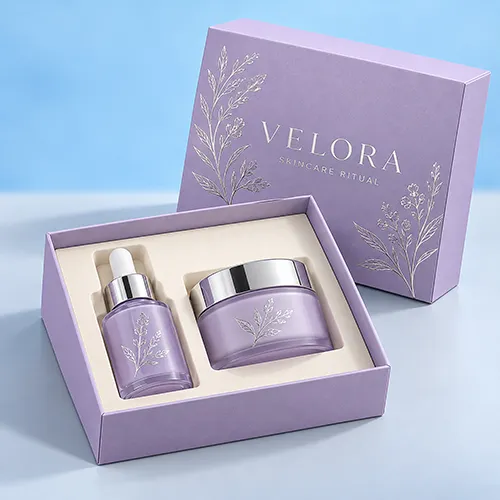
Custom Clear Lid Boxes combine an opaque structural base with a transparent top so customers can view the product or arranged set before opening the package. They can be developed for cosmetics, candles, stationery, accessories, retail sets and other products where broad top visibility is part of the buying experience. A clear lid changes more than the appearance of the box. Viewing orientation, visible empty space, insert depth, loaded product height, lid fit and branding around the merchandise all affect the finished presentation. As part of Custom Boxes With Lids, each project should therefore be developed around the actual product and intended view rather than a generic clear-top size. BoxBaba general MOQ starts from 100 units.
Trustpilot_Logo
5 out of 5 stars
4.5
Reviews 16 • Excellent

Custom Clear Lid Boxes for Product Display & Retail Packaging

Custom clear lid boxes combine transparent product visibility, tailored sizing, secure base construction, branded printing, inserts, and premium finishes for retail, gifting, and presentation packaging.

What We Give

Create Custom Boxes Quick and Easy

Design

Get your custom boxes made in the required size, shape, and style.

Print

Upload your artwork and get it superbly printed the way you want.

Get it done

Order any quantity, enjoy a wholesale price, pay no extra for die plates.

Related Products

What Are Clear Lid Boxes?

Clear Lid Boxes combine an opaque structural base with a transparent lid or top so the packed product remains broadly visible before the box is opened. The transparent component is not merely a decorative add-on. It changes what the customer sees immediately, including:
  • product orientation;
  • spacing;
  • empty areas;
  • insert layout;
  • product height;
  • interior presentation.
That makes functional visibility the defining attribute of this page. The exact transparent material should be selected during project specification rather than inferred from the phrase clear lid.

Clear Lid Boxes vs Window Boxes

A clear lid and a window solve different visibility problems.
Visibility Style Product View Branding Area
Clear Lid Broad visibility across most or a large part of the top presentation Branding shifts toward the base, sides, inserts and other opaque areas
Window Box A selected part of the product is visible through a localized opening More of the main panel remains opaque and printable
A Box With Window may be more appropriate when the brand needs a large printed top panel and only part of the merchandise should be shown. A Clear Lid Box is more appropriate when the merchandise itself should become a major element of the top presentation. Start with the question: What should the customer be able to see before opening the box?

Decide the Product View Before Finalizing the Box

Clear-lid packaging should be designed from the intended customer view. For a single product, determine:
  • which side faces the transparent lid;
  • which feature should remain visible;
  • whether the item should be centered or deliberately offset;
  • how much visible space should surround it.
For multi-item packaging, establish the complete arrangement before finalizing the footprint. Two packages can hold exactly the same merchandise but present it very differently. A carefully aligned product set may look organized through the transparent top. The same products sitting loosely in a larger cavity may make the package look unfinished even though every product technically fits. For Clear Lid Boxes, arrangement is part of the structural specification.

How to Size Clear Lid Boxes

Start with the actual finished products in their intended viewing orientation. Provide:
  • maximum product length;
  • width;
  • height;
  • highest point;
  • weight;
  • quantity per box;
  • accessories or secondary components.
For sets, provide the dimensions of each item and the intended arrangement. Keep the packaging dimensions separate. Product dimensions describe the merchandise. Insert-cavity dimensions describe the space that positions each product. Base internal dimensions describe usable space inside the package. Loaded height describes the highest point after the products and internal support are installed. External dimensions describe the finished closed package. Dieline dimensions describe the flat manufacturing layout where applicable. A useful planning sequence is: product → viewing orientation → arrangement → insert → base interior → loaded height → lid relationship Do not convert product dimensions directly into a universal Clear Lid Box size.

Plan the Visible Product Height

A Clear Lid Box creates a decision that ordinary opaque packaging can hide: How far below the transparent lid should the product sit? A product can physically fit and still look poorly positioned. If it sits too deeply, excess visible space can make the package appear empty. If an insert raises the merchandise too high, the product can approach or interfere with the lid. Review: base → insert → product → highest loaded point → transparent lid as one system. This is particularly relevant for products such as:
  • jars;
  • candles;
  • bottles;
  • cosmetics;
  • jewelry;
  • arranged multi-item sets.
There is no universal correct recess depth. Visible height should follow the product geometry, insert, approved lid construction and intended presentation.

Material for Clear Lid Boxes

Clear Lid Boxes combine two material roles. Opaque base → structure, support and branding Transparent top → visibility The base material should be selected around:
  • product dimensions;
  • weight;
  • box structure;
  • presentation;
  • insert requirements;
  • printing;
  • finishing;
  • handling.
Folding paperboard may suit some retail Clear Lid Boxes. Other project-appropriate opaque structures may be considered where the product or intended presentation requires them. When a particular base material becomes the defining buying requirement—such as a natural Kraft base or a presentation-focused setup structure—the more specific sibling route should own that intent. Exact board grade or thickness should be selected for the actual project rather than treated as one universal Clear Lid Box specification.

Transparent Lid Material

The exact transparent material must be confirmed for the approved project. Do not assume that every Clear Lid Box uses PET, PVC, acetate, acrylic or another specific material. Relevant selection factors can include:
  • required clarity;
  • finished dimensions;
  • rigidity or flexibility needed by the structure;
  • lid geometry;
  • manufacturing method;
  • fold or edge requirements;
  • fit with the base;
  • intended appearance.
If a particular material, certification, food-contact requirement or environmental characteristic is required, include that requirement in the quote request so it can be evaluated explicitly.

Inserts and Visible Product Arrangement

Inserts can become particularly useful when product movement would be obvious through the transparent top. Internal support may help:
  • align several products;
  • maintain spacing;
  • control product orientation;
  • set visible product height;
  • separate accessories;
  • organize a product set.
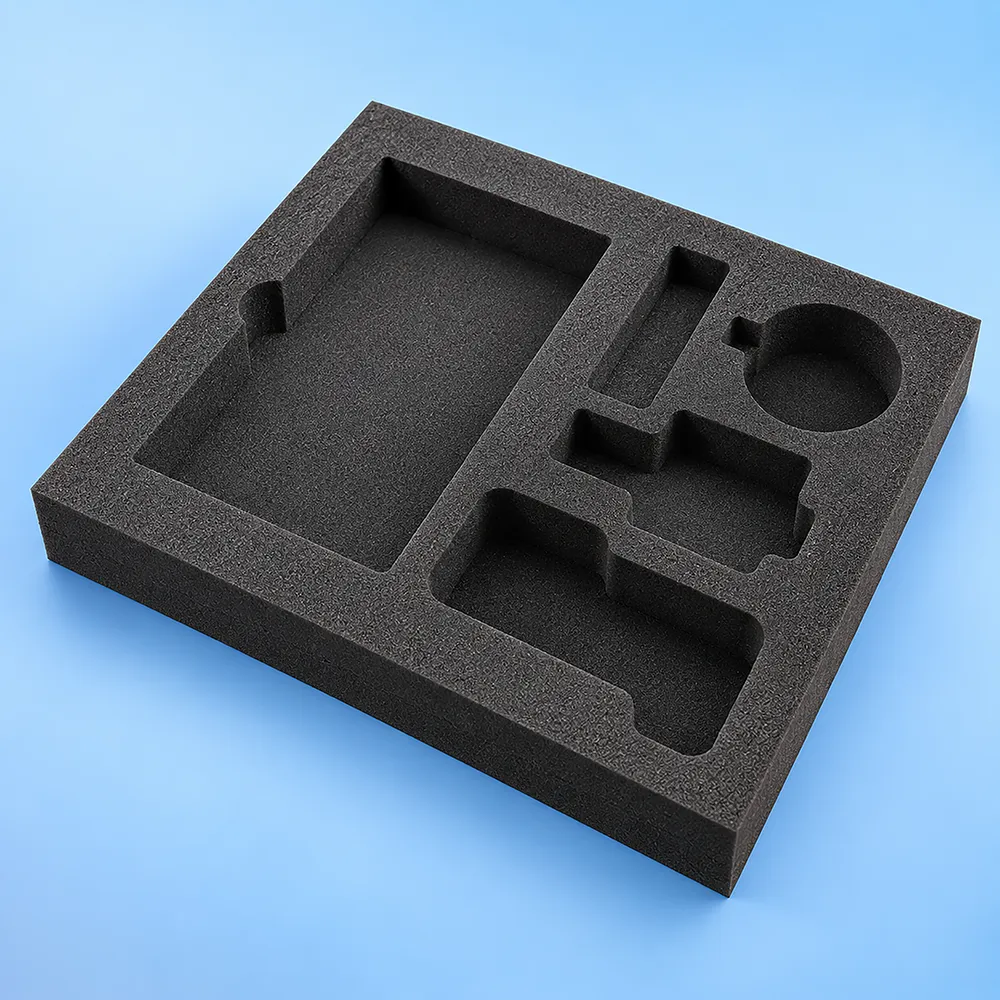
Paperboard supports and dividers can suit many projects. Where a fitted cavity is useful and compatible with the approved structure, a custom foam insert may also be considered. An insert is not automatically required. If the product already remains in the intended visible position, adding another component can consume internal space and increase cost without solving a meaningful problem. Choose the insert from the visible arrangement, not from a rule that every Clear Lid Box needs one.

Printing & Finishing for Clear Lid Boxes

Clear-lid packaging moves much of the conventional branding onto the opaque surfaces surrounding the product. Printing applies artwork and color. Finishing changes the visual or tactile treatment of compatible printed surfaces.

Offset Printing

Offset printing can suit compatible printed-base projects where detailed graphics and controlled reproduction are important.

Digital Printing

Digital printing may suit compatible projects where artwork flexibility or a different production setup is useful.

Flexographic Printing

Flexographic printing may be considered where the approved base material, artwork, quantity and production process make it suitable. No one printing method is universally best.

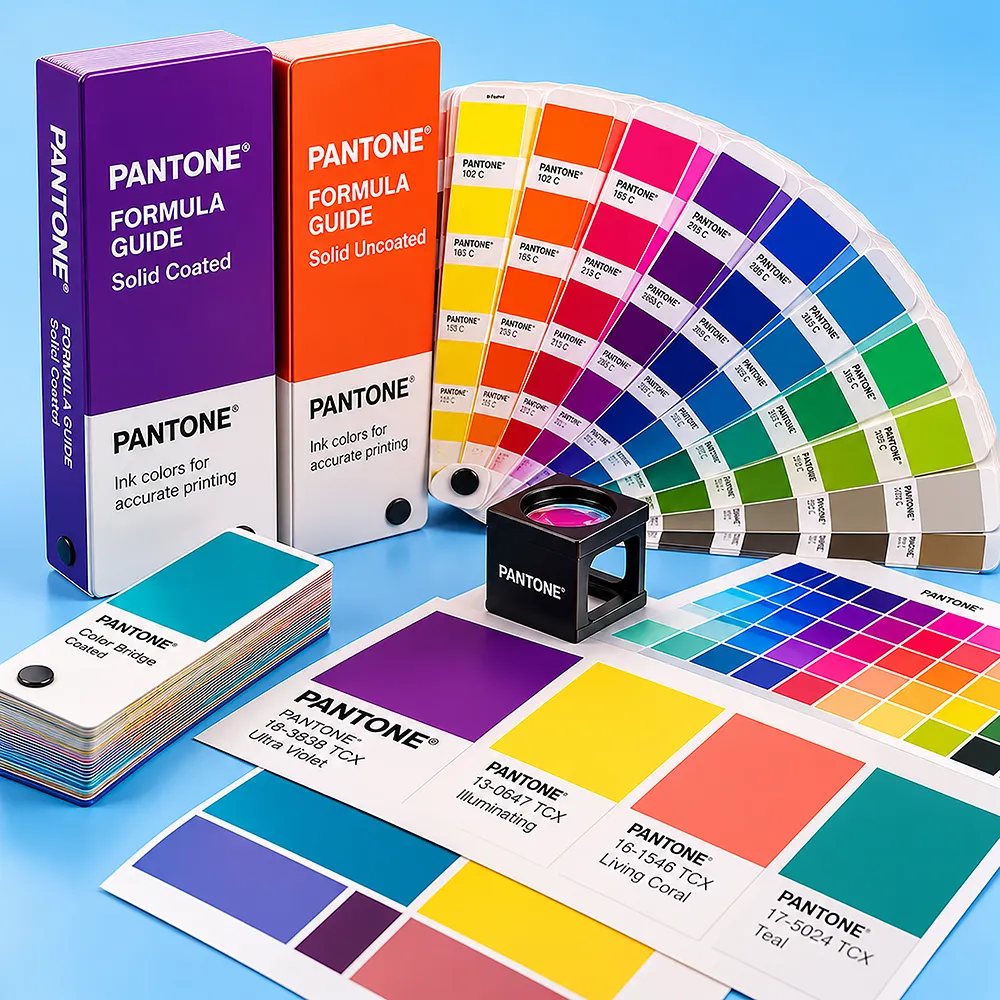
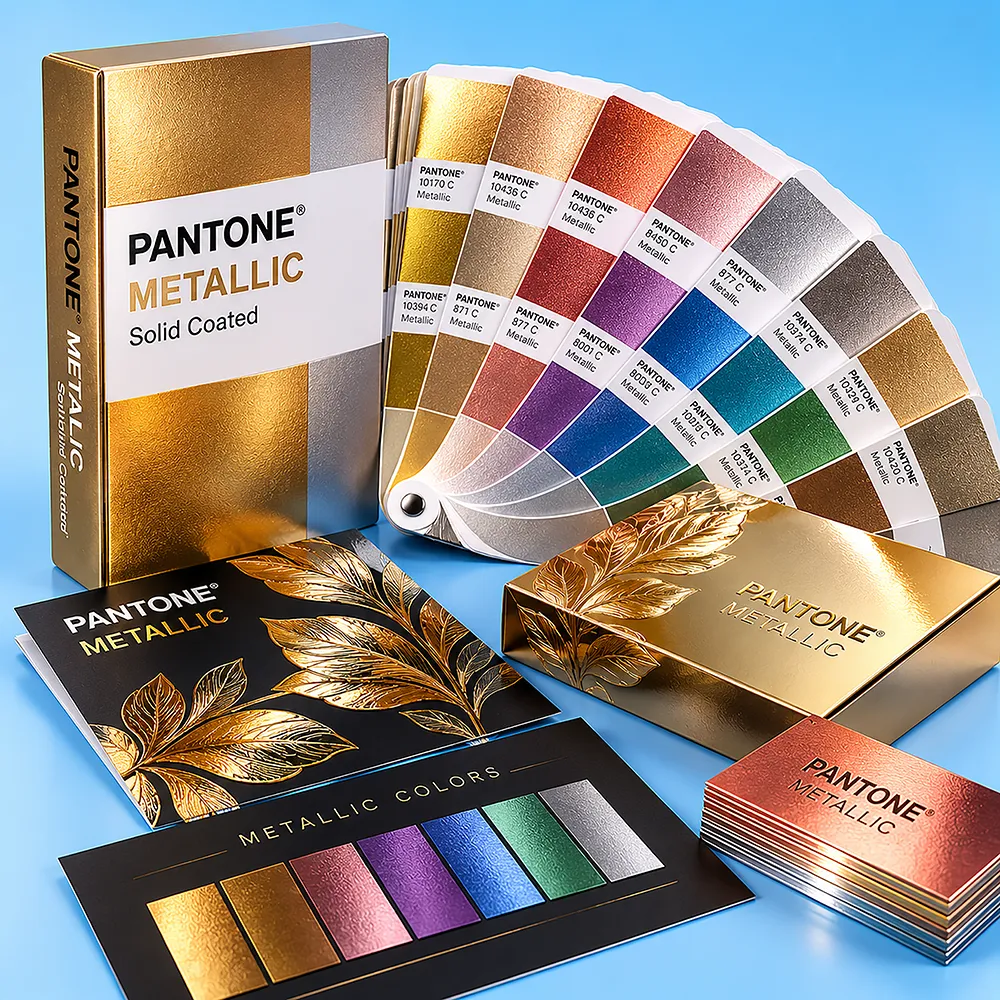
CMYK and Pantone/PMS

CMYK can support photographs, gradients, illustrations and full-color graphics. Pantone/PMS references can help manage defined brand-color targets. Physical color can change with:
  • substrate;
  • ink;
  • print process;
  • coating;
  • lamination;
  • foil;
  • surface finish.
Pantone/PMS should therefore support color management rather than guarantee identical visual appearance across every material or process.

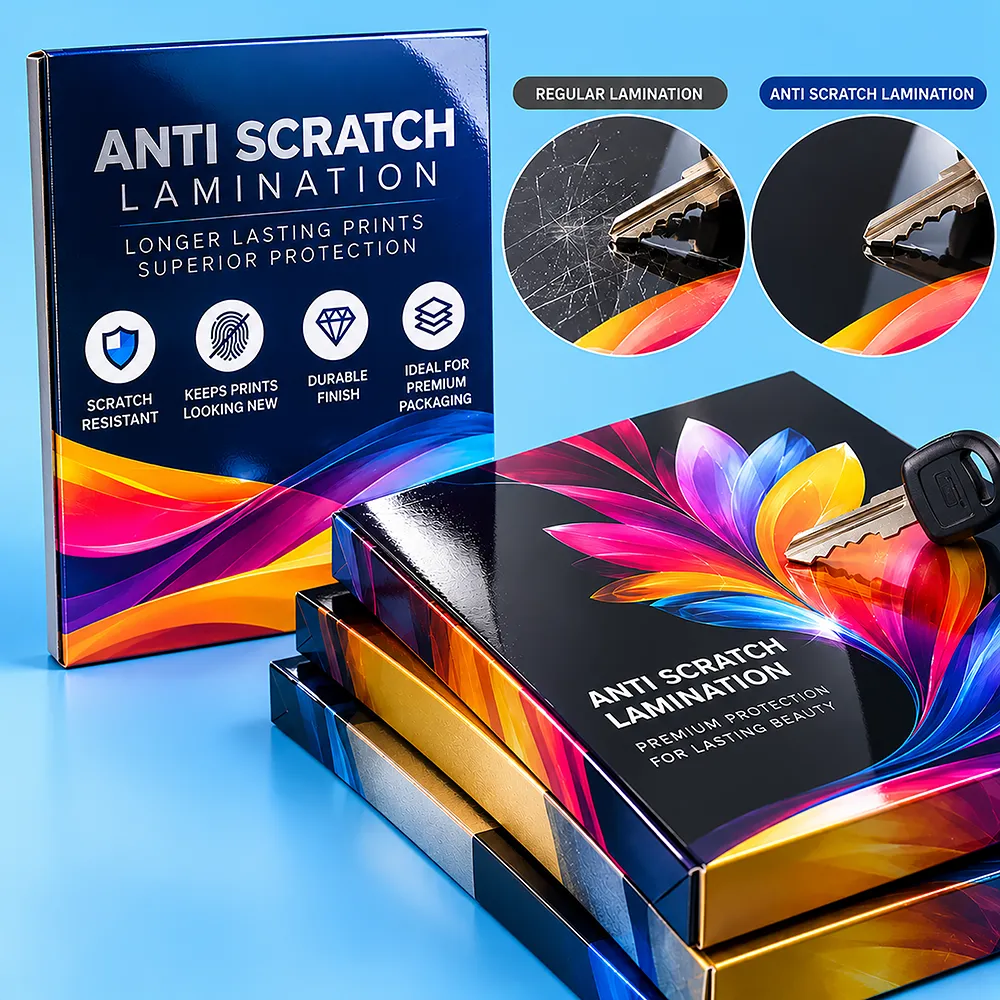
Finishing Options

Compatible opaque printed surfaces may use:
  • matte;
  • gloss;
  • soft-touch;
  • foil stamping;
  • embossing;
  • debossing;
  • Spot UV.
Finishing should frame the visible merchandise rather than compete with it. A foil logo on the base or a selective Spot UV detail can add branded emphasis while leaving the transparent viewing area visually clean. Printing or decorating the clear component itself depends on the exact transparent material and production method and should be confirmed for the specific project.

Plan Artwork Around the Transparent Viewing Area

A broad clear top reduces the conventional opaque area available for printed communication. Potential branding surfaces may include:
  • base sidewalls;
  • exterior base panels;
  • interior paper surfaces;
  • inserts;
  • structural framing around the clear top, where applicable;
  • supporting cards or bands included in the approved design.
Before artwork is finalized, determine whether the top presentation should be: product-dominant or product + branded frame If the top requires extensive printed graphics and only part of the product needs to remain visible, a Window Box may provide a better balance.

Clear Lid Boxes vs Clear Lid Gift Boxes

Use P-11 when general product visibility is the dominant requirement. When the project is specifically built around:
  • coordinated gift sets;
  • branded gifting;
  • promotional gifts;
  • seasonal gifting;
  • curated gift assortments;
compare Custom Clear Lid Gift Boxes. That page focuses on gift composition and gifting presentation. P-11 remains centered on the broader clear-lid function.

Clear Lid Boxes vs Presentation Boxes With Clear Lid

Use general Clear Lid Boxes when broad product visibility is the main purchasing requirement. When the package is primarily being specified around a presentation-led clear-top format, compare Presentation Boxes With Clear Lid. The two buyer questions are different: P-11: How should the product remain broadly visible through the clear top? Presentation route: How should a presentation-focused clear-top package be structured and staged? Keeping the responsibilities separate helps prevent overlapping product pages.

Is a Clear Lid Box a Shipping Box?

Not automatically. A Clear Lid Box can function as:
  • retail packaging;
  • display packaging;
  • product packaging;
  • an inner ecommerce presentation layer.
That does not automatically make it the correct outer parcel package. An ecommerce system may use: product → Clear Lid Box → additional protection where needed → outer shipping carton Whether an outer package is required depends on the actual product, structure and distribution environment. Visibility and shipping performance are separate packaging decisions.

When Might a Clear Lid Not Be the Best Choice?

A clear lid is useful when showing the actual merchandise adds value before opening. Another structure may be more appropriate when:
  • the product should remain concealed;
  • the top panel needs extensive printed communication;
  • only one selected product area should be revealed;
  • the visible internal arrangement cannot be maintained consistently;
  • distribution requirements point toward another packaging structure.
Choose Boxes With Window when selective visibility provides a better balance. Choose Custom Clear Lid Gift Boxes when gifting is the central commercial task. Choose Presentation Boxes With Clear Lid when presentation structure is the dominant requirement.

What Affects the Cost of Clear Lid Boxes?

Pricing depends on the complete project specification. Important cost drivers include:
  • finished dimensions;
  • base material and structure;
  • transparent lid specification;
  • lid geometry;
  • order quantity;
  • number of SKUs;
  • insert complexity;
  • printing coverage;
  • interior printing;
  • decorative finishing;
  • sampling;
  • assembly requirements;
  • delivery requirements.
A simple single-product Clear Lid Box and a multi-item package with fitted inserts, interior printing and several finishes require different production setups. For accurate pricing, provide the intended visible arrangement—not only the desired outside dimensions.

Samples and Proofing

Choose the proof or sample according to what the project needs to verify. A digital artwork proof can help review:
  • artwork placement;
  • logo position;
  • printed panels;
  • orientation;
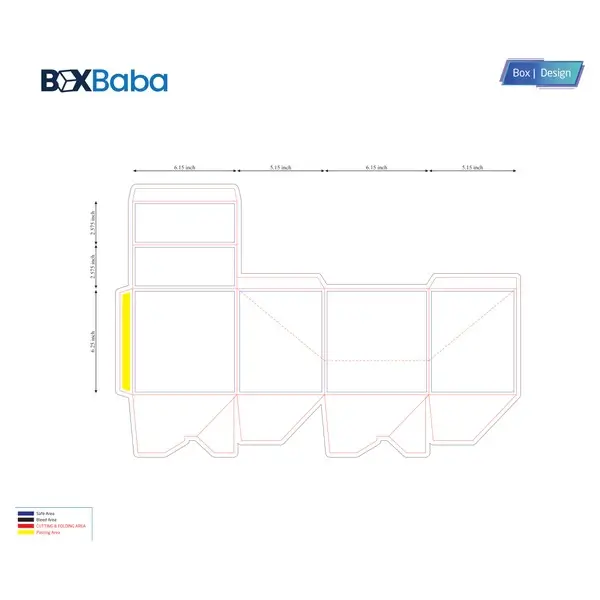
  • dieline relationships;
  • finish placement.
A 3D mockup can help communicate the intended assembled presentation. A physical structural sample becomes more useful when the buyer needs to evaluate:
  • lid fit;
  • base proportions;
  • transparent viewing area;
  • product orientation;
  • insert depth;
  • loaded product height;
  • opening and closing behavior.
A printed sample may be useful where printed color, finishing, material appearance or the relationship between branding and merchandise is central to approval. BoxBaba currently offers free stock samples on request. The customer initially pays the sample shipping charge, which is reimbursed with the first bulk order. Custom-printed samples are quoted separately according to material, printing, finishing, tooling and production requirements. Their sample shipping charges are also reimbursed with the first bulk order. Stock samples may demonstrate relevant materials, structures or finishes without representing the exact final project specification.

MOQ, Production and USA Shipping

BoxBaba standard MOQ generally starts from 100 units. Certain structures, materials or production methods may require a different project quantity, which will be confirmed in the quotation. Standard production takes 5–9 business days after the final artwork, proof and required order specifications are approved. Production and carrier transit are separate. BoxBaba currently provides free shipping across the USA for custom packaging orders. Review the current Shipping Policy when planning production and delivery. For time-sensitive projects, provide both the destination and required in-hand date during quotation.

Why Choose BoxBaba for Clear Lid Boxes?

BoxBaba can develop clear-top packaging around the product that will actually be visible rather than treating transparency as a generic decorative add-on. Projects can be reviewed for:
  • custom sizing;
  • viewing orientation;
  • visible product arrangement;
  • base structure;
  • lid relationship;
  • insert depth;
  • loaded product height;
  • transparent-material requirements;
  • artwork and dielines;
  • printing and finishing;
  • samples and proofing;
  • quantity and production requirements.

Request a Custom Clear Lid Box Quote

For an accurate quotation, provide:
  • finished product dimensions;
  • product weight;
  • quantity;
  • number of SKUs;
  • quantity of products per box;
  • intended viewing orientation;
  • desired visible area;
  • intended product arrangement;
  • preferred base structure or material if known;
  • insert or divider requirements;
  • artwork or logo files;
  • printing requirements;
  • finishing requirements;
  • shipping destination;
  • required in-hand date.
If you are unsure whether the package needs a broad clear lid or a smaller viewing window, describe what the customer should be able to see before opening the box. BoxBaba will evaluate and guide you toward the right packaging solution. Call: +1 305 574 4357 Email: sales@boxbaba.com

Frequently Asked Questions

Find all the urgent questions you may have.

Clear Lid Boxes combine an opaque structural base with a transparent lid or top so the packed product can remain broadly visible before the package is opened.
A clear lid provides broad visibility across most or a large portion of the top presentation. A window reveals only a selected area while leaving more of the surrounding panel opaque and printable.
The exact transparent material is project-specific. It should be selected according to the required clarity, dimensions, lid geometry, fit and structural requirements instead of automatically assuming PET, PVC, acetate or another material.
Provide the maximum finished length, width, height, highest point and weight, plus accessories and additional products. Also specify which side should face the clear top and how the items should be arranged.
A product can fit the base footprint but still sit too low or too high beneath the transparent lid. Inserts and supports change the highest loaded point, so visible height should be reviewed before finalizing the structure.
Yes. Depending on the project, paperboard supports, dividers or a compatible custom foam insert may be considered when the visible arrangement requires positioning, separation or height control.
Printing or decoration directly on the clear component depends on the exact transparent material and production process. It should be confirmed for the approved project rather than assumed.
No. P-11 covers general visibility-first Clear Lid Boxes. Custom Clear Lid Gift Boxes are the more specific route when gifting and gift-set composition are the dominant requirements.
They can be used as product or presentation packaging, but they should not automatically be treated as the outer parcel shipper. Distribution requirements should be evaluated separately.
BoxBaba standard MOQ generally starts from 100 units, although some structures or materials may require a different project quantity. Standard production takes 5–9 business days after final artwork, proof and required order specifications are approved. Carrier transit is separate.