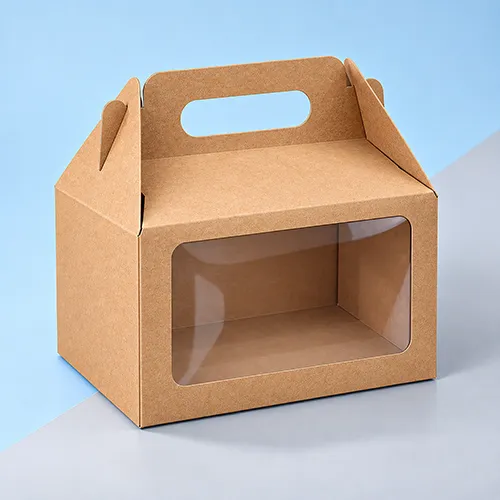
What Is a Kraft Rigid Box?
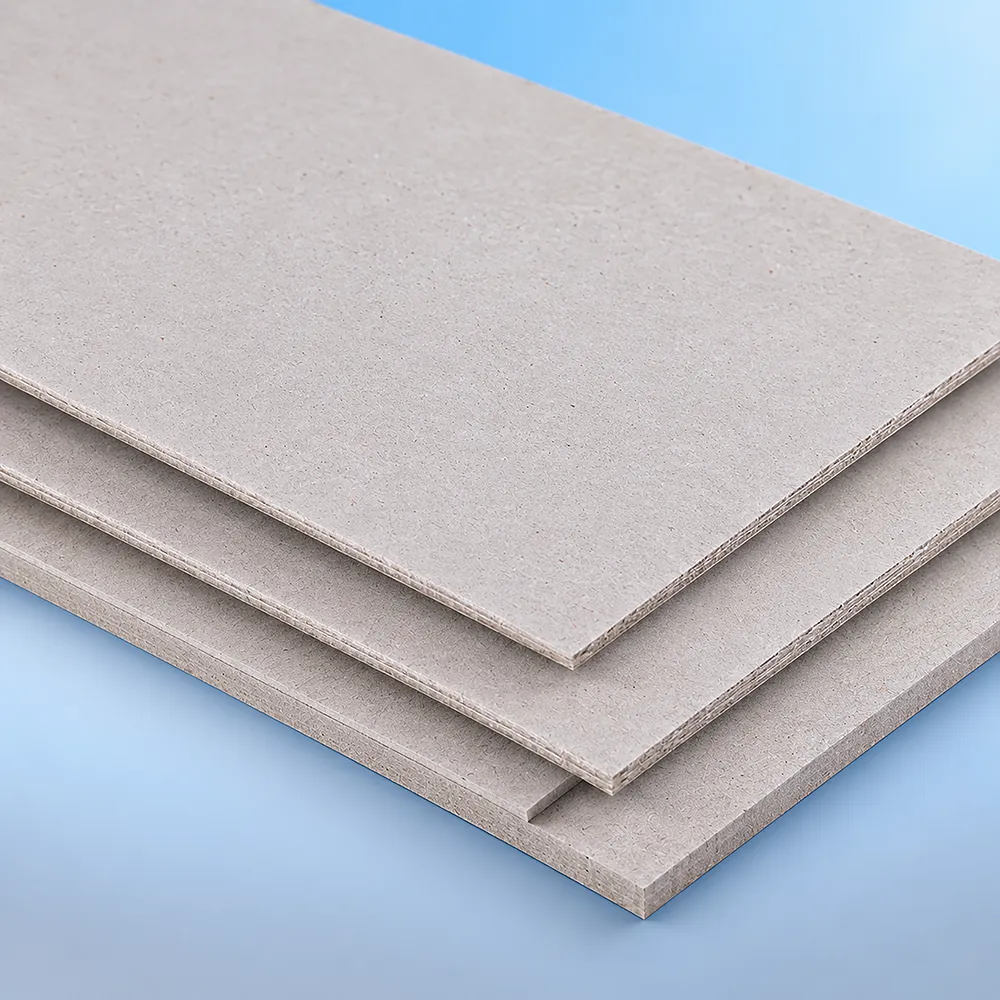
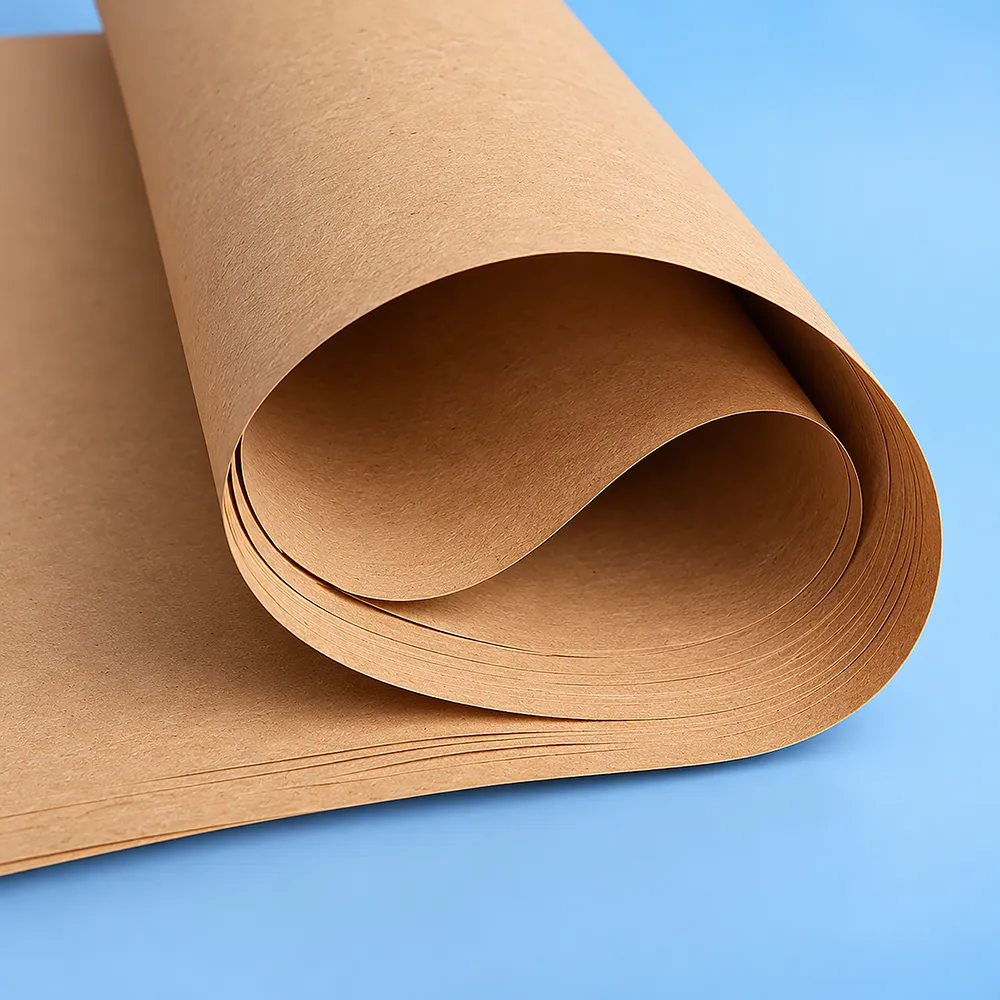
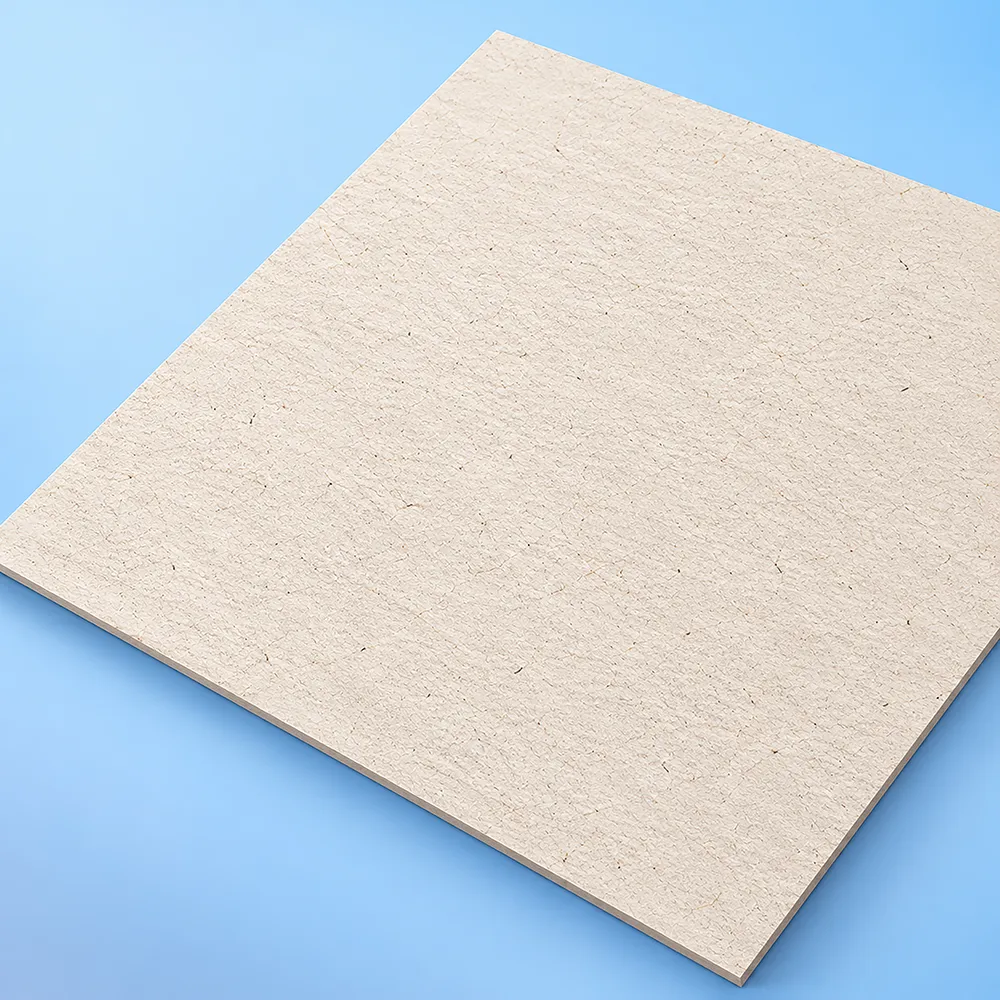
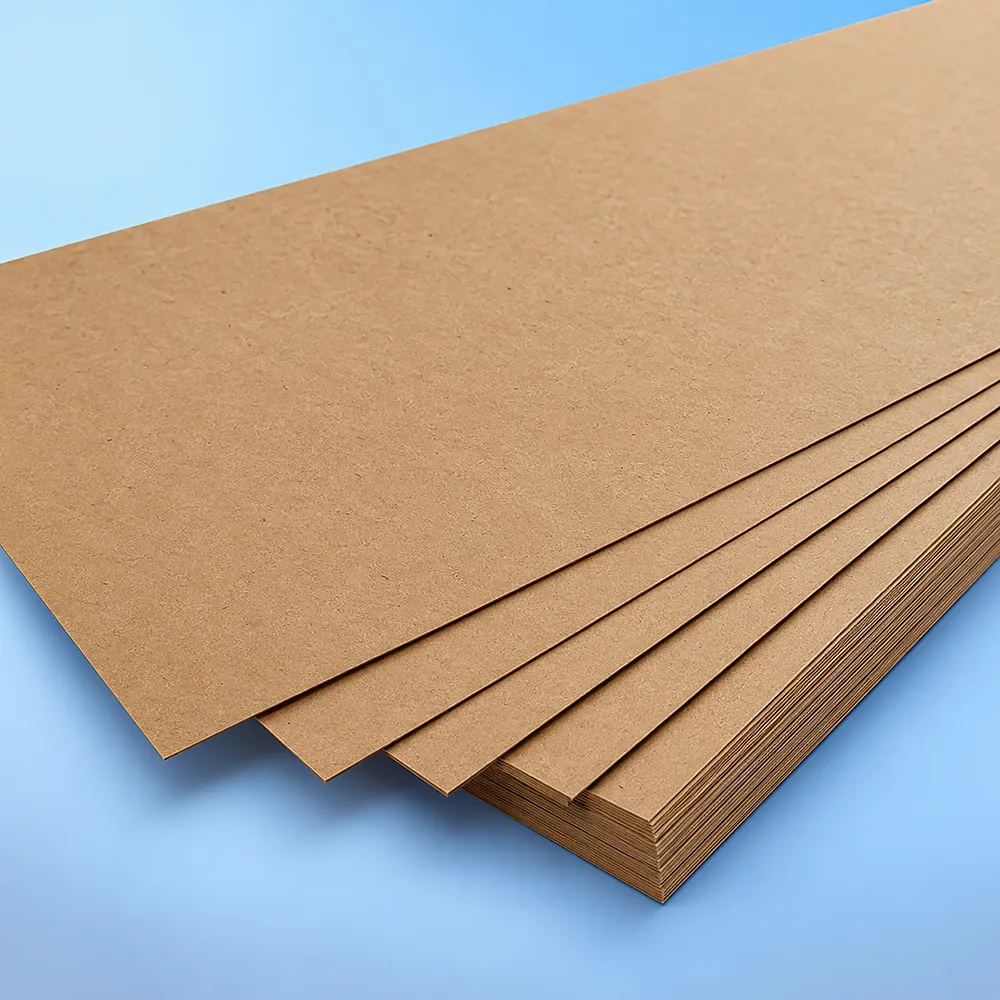
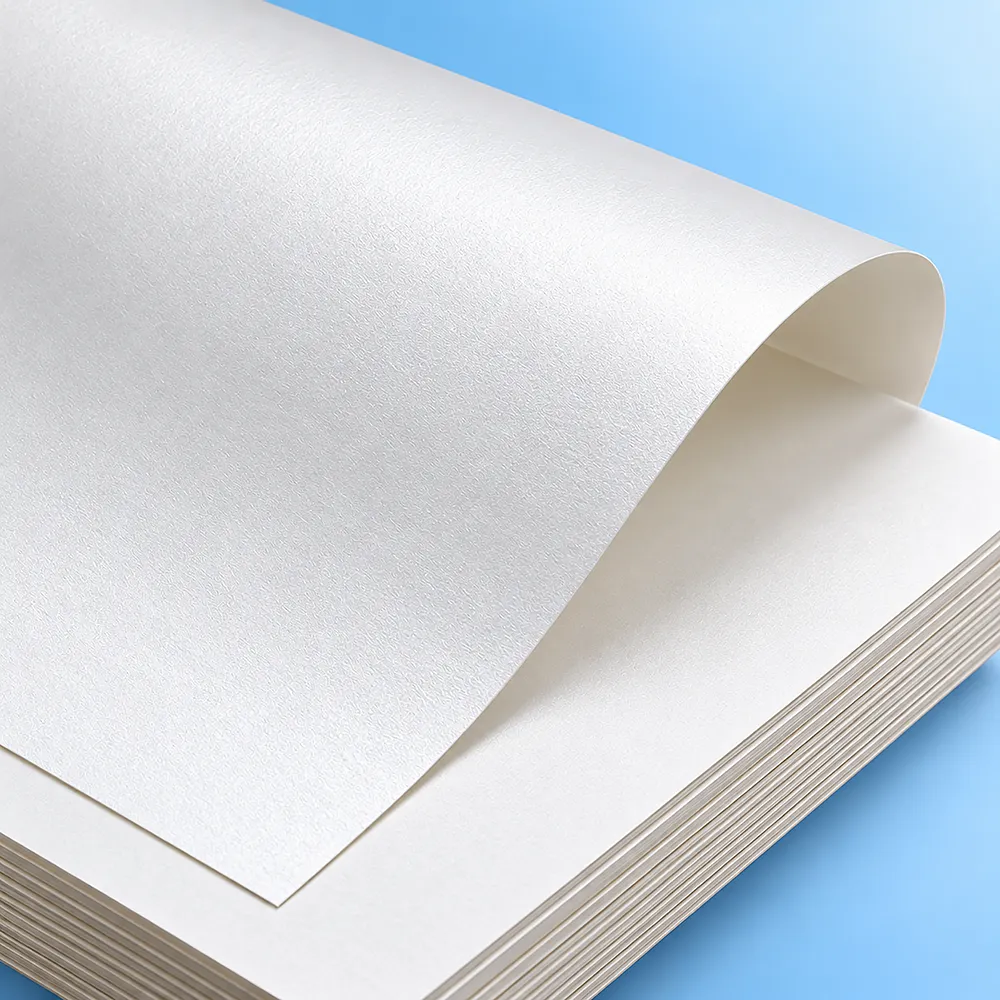
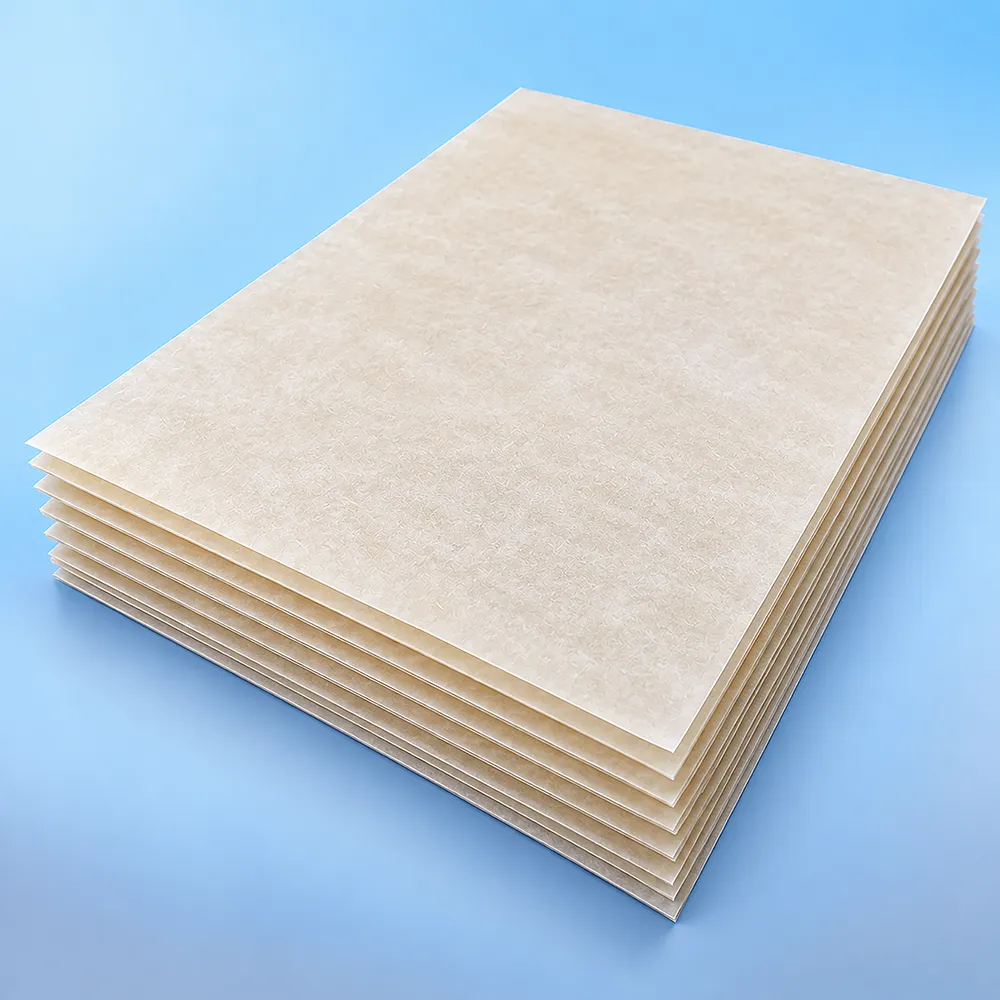
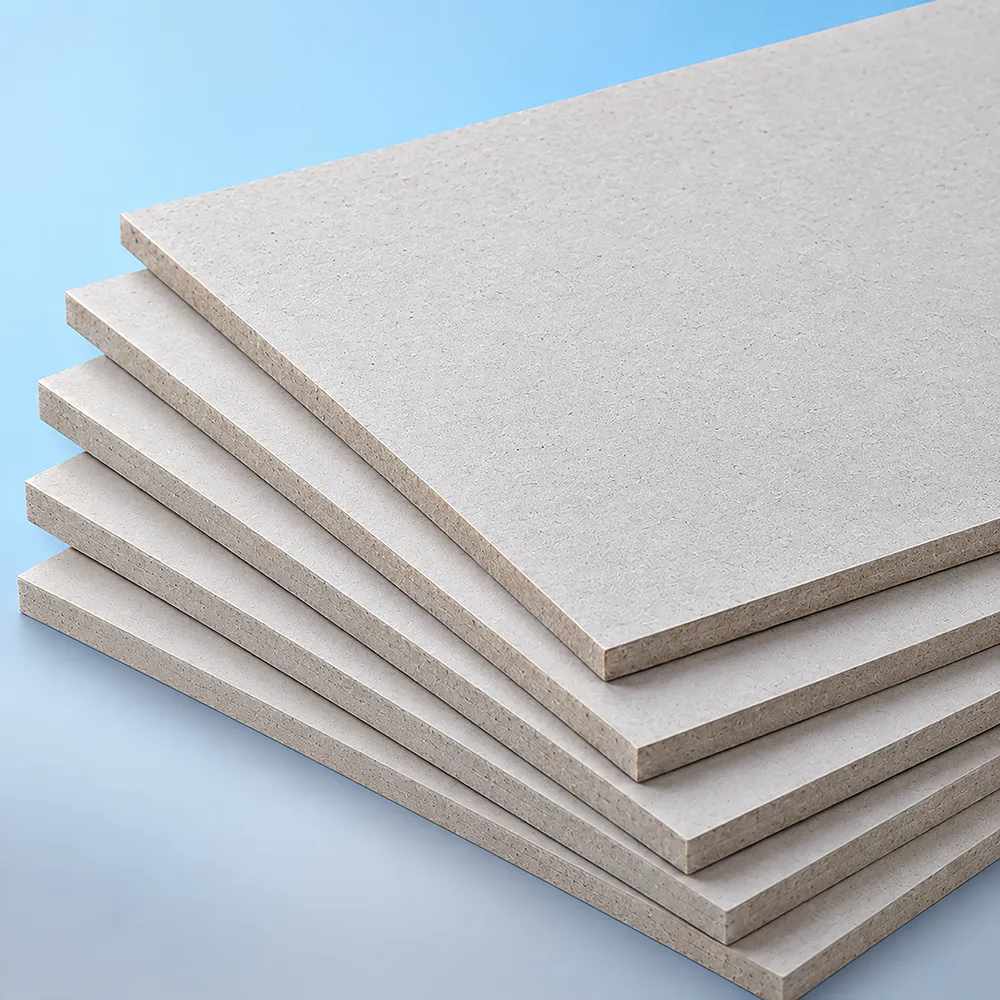
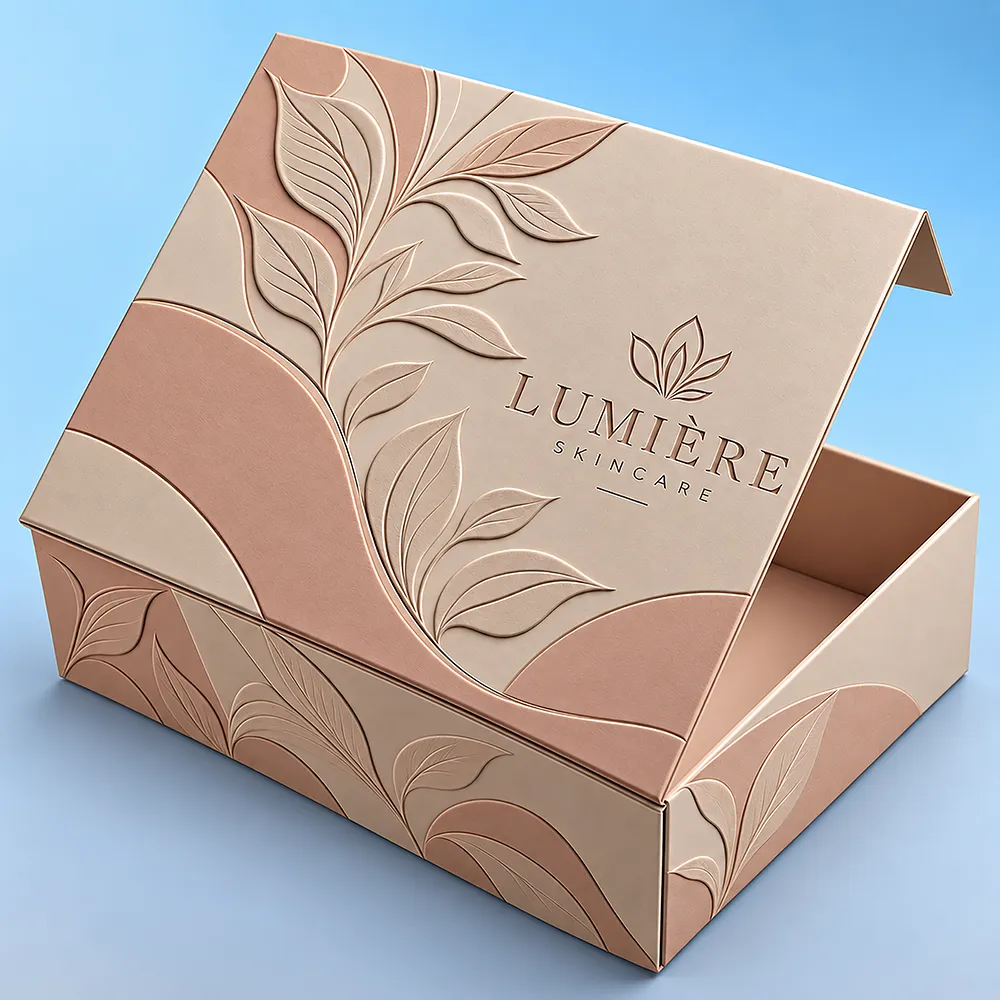
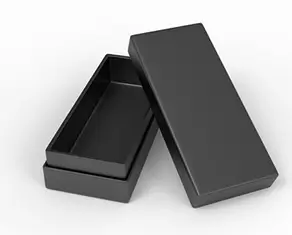
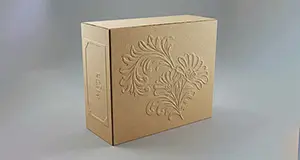
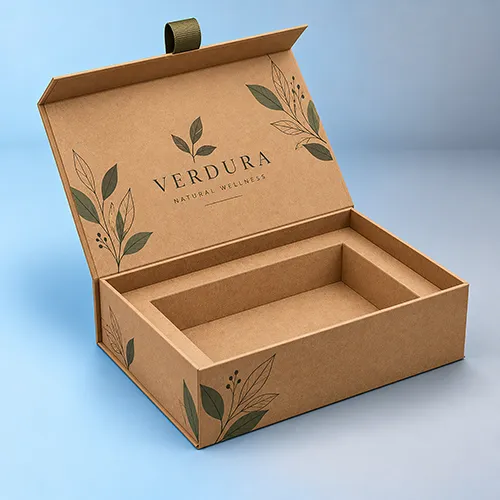
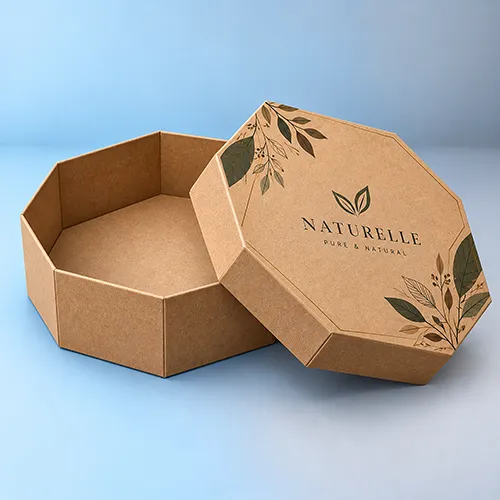
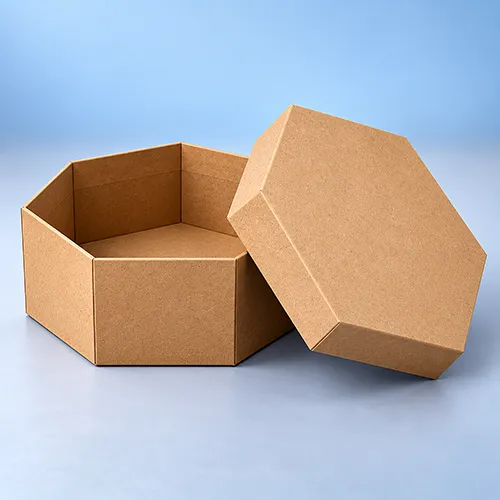
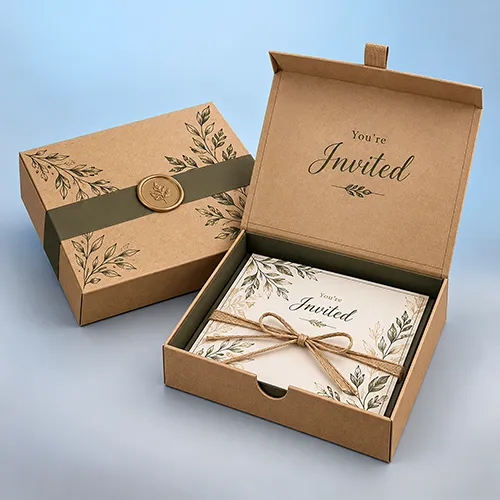
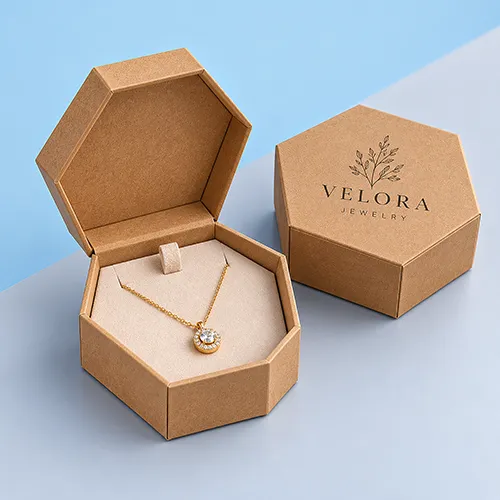
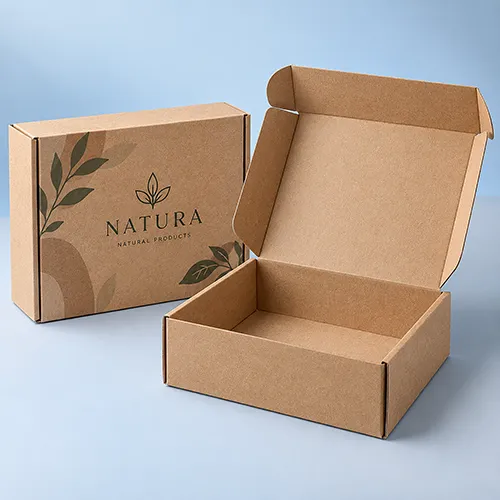
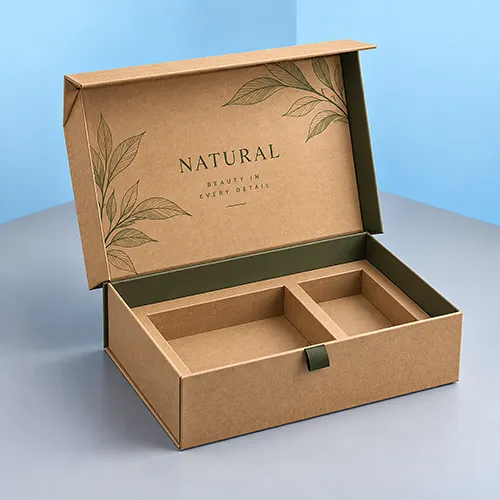
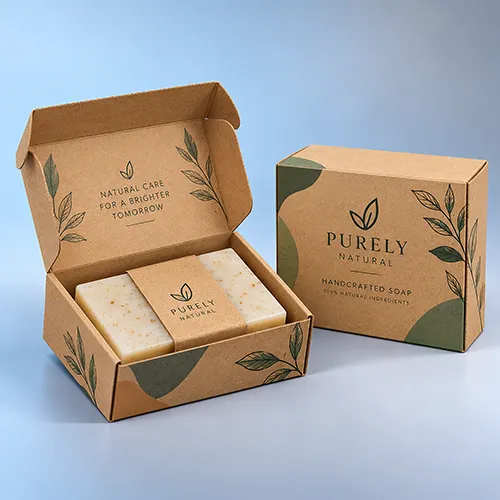
A Kraft Rigid box is a formed rigid package in which rigid paperboard creates the primary structural body and Kraft paper is used as the visible wrap or surface.
That construction is different from making a folding carton directly from Kraft paperboard.
Keep the entities separate:
Rigid Board → Structural Core
Kraft Wrap → Visible Material Surface
Two-Piece / Drawer / Magnetic / Shoulder-Neck → Opening Structures
The Kraft wrap does not determine the opening style, and the selected opening style does not determine one universal rigid-board specification.
If rigid construction is the main requirement but Kraft has not yet been selected, compare the broader Custom Rigid Boxes range first.
Kraft Rigid Boxes vs Kraft Paperboard Boxes
Both packages can present a natural brown Kraft appearance, but they are physically different.
A Kraft paperboard carton is generally die-cut, scored and folded from the paperboard itself.
A Kraft Rigid box uses a formed rigid core with Kraft paper wrapped over the visible structural components.
Use:
Kraft Paperboard → Folding Carton
while:
Rigid Core + Kraft Wrap → Kraft Rigid Packaging
This difference affects storage, assembly, insert planning, opening style and the overall packaging format.
If a lightweight folding carton can meet the product, retail and presentation requirements, Kraft Paperboard Boxes may be more appropriate than adding rigid construction unnecessarily.
Rigid packaging is most relevant when the product benefits from the formed structure, controlled opening sequence or presentation associated with a setup-style box.
Choose the Opening Structure From the Product
Natural Kraft does not define one rigid-box style.
The opening format should follow how the product will be packed, accessed and presented.
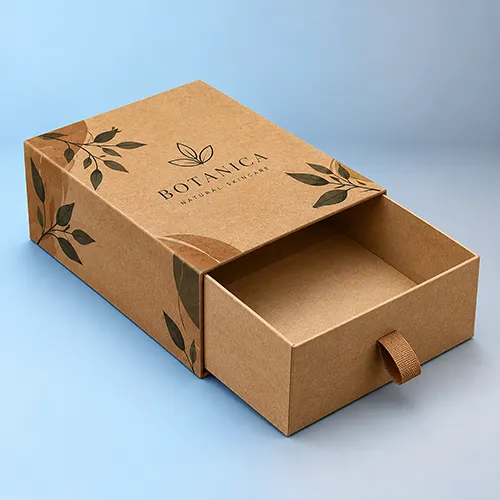
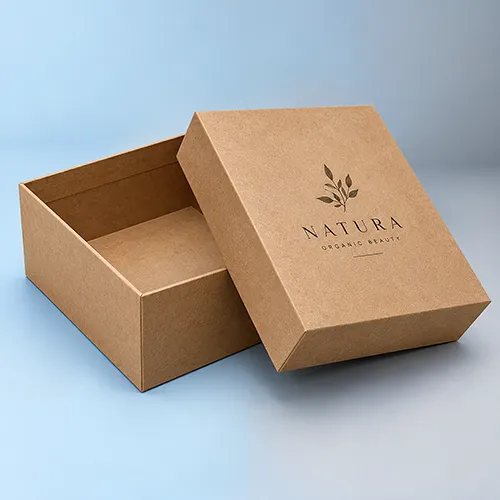
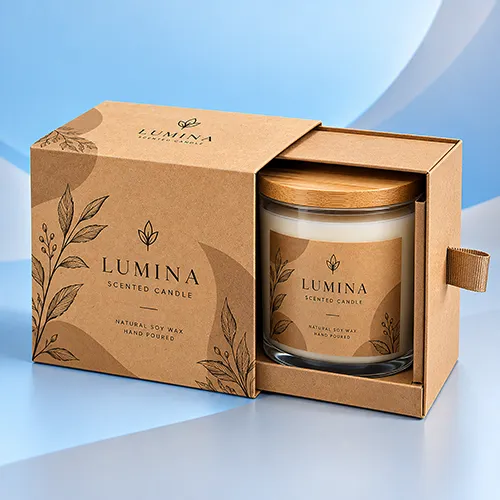
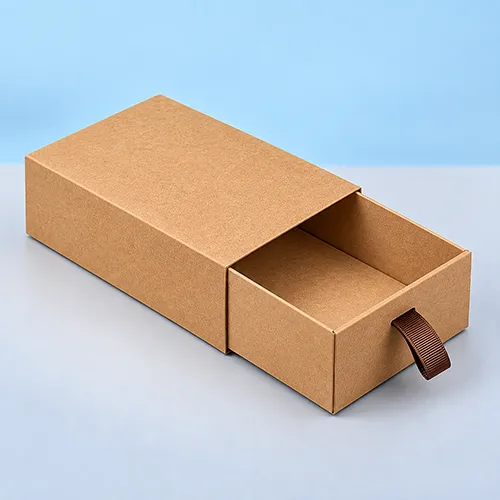
A two-piece box uses a separate lid and base. A drawer format uses a sliding inner tray and outer sleeve. Magnetic or hinged designs provide top-opening access, while shoulder-neck structures create another presentation relationship.
Use:
Product → Access Requirement → Opening Experience → Rigid Structure
rather than:
Kraft Appearance → One Standard Box
If full top access with a removable lid is required, compare Two Piece Rigid Boxes.
If a sliding reveal better suits the product, Custom Rigid Drawer Boxes provide the deeper structure-specific guidance.
KB-09 should help the buyer choose Kraft-wrapped rigid construction
; the dedicated rigid-style pages should own the detailed mechanics of each opening format.
Size the Interior Around the Finished Product and Insert
Do not begin with an arbitrary finished rigid-box size.
Measure the product in the exact condition it will occupy inside the box. Include lids, pumps, cables, accessories, literature or other components that affect the final packed arrangement.
Then establish:
Finished Product → Orientation → Arrangement → Insert → Required Internal Space
For multi-product kits, determine the complete layout before the rigid-box interior is finalized.
Internal and external dimensions solve different problems:
Internal Dimensions → Product + Insert Fit
while:
External Dimensions → Finished Box Footprint
Because rigid walls and wrapped structural components occupy physical space, the finished outside dimensions will be larger than the usable interior.
If you are reproducing an existing package, clarify whether your measurements are internal or external. BoxBaba guide on how to measure box dimensions can help standardize the measurement reference.
Plan the Insert as Part of the Rigid Box
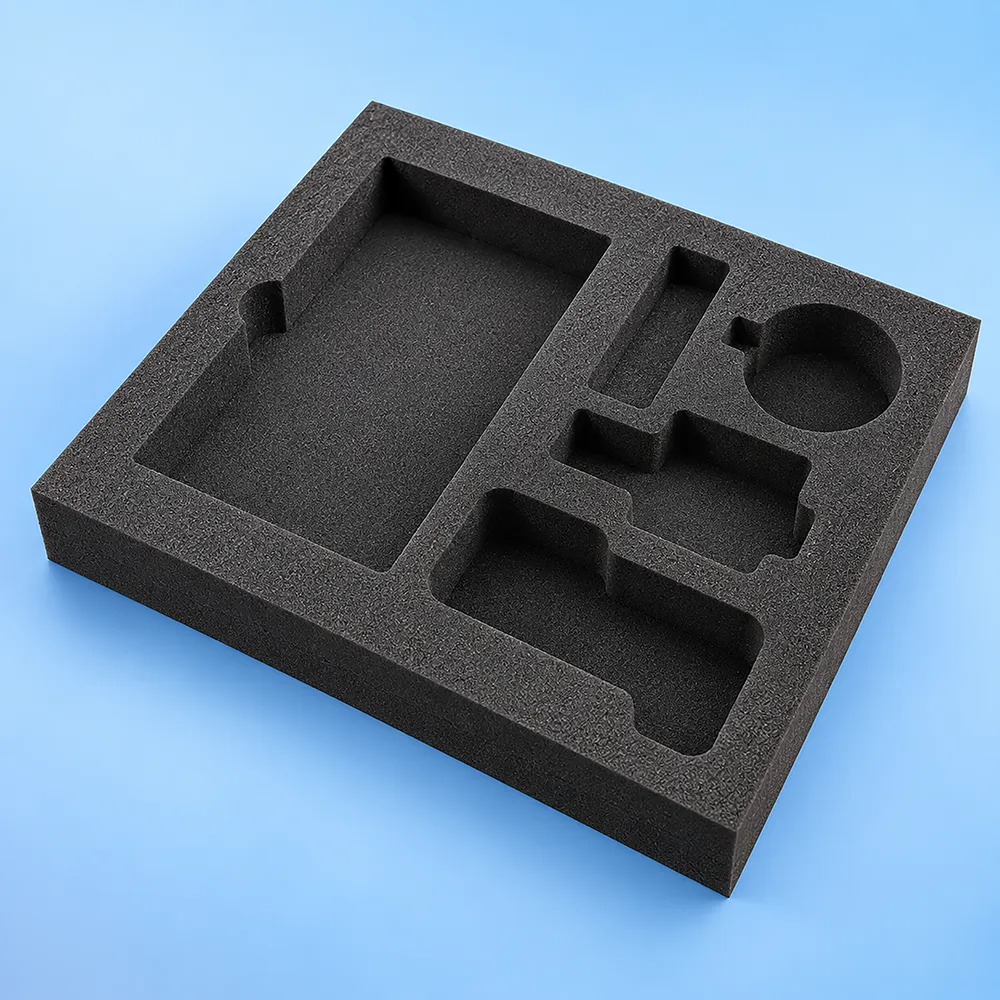
An insert should not be treated as a decorative part added after the outer box dimensions are already fixed. An insert can control product position, separate several items, organize accessories and influence how the product appears when the package opens.
It also consumes internal length, width and height.
Therefore:
Empty Box Interior ≠ Usable Product Space After the Insert Is Added
For projects where fitted product positioning is central, compare Printed Boxes With Inserts.
The insert material and geometry should follow the actual product, surface sensitivity, weight, presentation and removal requirements rather than one universal insert recommendation.
Product Removal Matters Alongside Product Retention
A product can look correctly positioned inside a rigid box but still be inconvenient for the customer to remove.
This becomes important when an insert closely surrounds bottles, jars, jewelry, electronics, cosmetic products or other compact items.
Review:
Product Retention → Removal Access → Insert Geometry
Depending on the product, useful removal solutions can include an exposed product edge, finger access or another appropriately designed aid.
The goal is not to make every insert as tight as possible.
The insert should hold the product according to the project requirement while still allowing the intended packing and removal process.
Product Fit and Structural Fit Are Different Relationships
Multi-component rigid boxes introduce more than one fit requirement.
In a two-piece structure:
Product + Insert → Fit Inside Base
while:
Lid → Fits the Completed Base
In a rigid drawer structure:
Product + Insert → Fit Inside Inner Tray
while:
Finished Tray → Fits Inside Outer Sleeve
Therefore:
Product Fit ≠ Component-to-Component Fit
These relationships are resolved by the selected rigid structure and production specification rather than by adding one universal clearance value.
Where either lid fit or drawer movement is particularly important, an appropriate physical sample can provide a better structural reference than a digital artwork proof alone.
Natural Kraft Is the Wrap Surface, Not the Complete Material Specification
The visible Kraft paper gives the box its brown Kraft appearance, but that surface does not identify everything inside the package.
The complete specification can include:
Rigid Structural Board + Kraft Wrap + Adhesive + Insert + Printing + Finishing
Two rigid boxes can therefore look similar from the outside while using different underlying specifications.
Do not assume:
Natural Brown Kraft = Recycled Kraft
or:
Kraft = Automatically Recyclable / Biodegradable
The environmental characteristics of the completed package depend on the actual rigid core, Kraft wrap, adhesives, laminations, magnets where used, inserts and other components, along with the relevant recovery or disposal system.
Natural Kraft Changes How Printed Artwork Appears
Natural brown Kraft is a non-white printing background.
Artwork viewed against white on a monitor therefore does not automatically represent its final appearance on the Kraft wrap.
Use:
Artwork + Actual Kraft Wrap → Printed Appearance
Dark typography and simpler graphic elements can interact differently with natural Kraft from pale colors, photography or low-contrast artwork.
Where brand colors are important, the artwork and actual wrap direction should be reviewed together.
If an opaque light-color treatment or another particular print effect is required, identify it during artwork review so compatibility can be confirmed for the selected wrap and printing process.
Plan Artwork Around Wrapped Rigid Components
Artwork for a Kraft Rigid box should be developed around how the paper wrap is applied to the formed structural components.
A flat artwork file does not represent the final viewing condition by itself.
Use:
Flat Artwork → Wrap Layout → Formed Component → Finished Visible Surface
Wrapped edges, corners and separate components can affect how artwork appears after assembly.
For a lid-and-base structure, the lid and base should be treated as defined components.
For a drawer structure, the sleeve and inner tray can require separate artwork relationships.
Important logos, small text, QR codes and barcodes should remain on areas where they are readable after wrapping and assembly.
Avoid assuming that a graphic can align continuously across separately wrapped or moving components without confirming the production layout.
Printing Options for Kraft Rigid Boxes
Custom artwork is generally applied to the selected paper wrap rather than treating the rigid structural core as though it were a standard folding-carton print surface.
Depending on the approved project, the Kraft wrap can carry logos, product names, campaign graphics, instructions and other brand information.
Printing method and color reference remain separate decisions:
Digital / Offset → Printing Methods
CMYK / Pantone PMS → Color Systems or References
The suitable printing process should follow the Kraft wrap, artwork, order quantity and final rigid-box specification.
For natural Kraft, color expectations should be reviewed against the actual brown surface instead of relying only on a white-screen preview.
Finishing Options for Kraft Rigid Packaging
Printing and finishing should be specified separately.
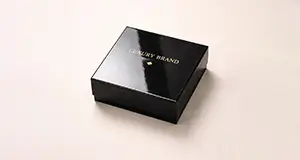
Depending on the selected Kraft wrap and production method, compatible options can include matte or gloss treatments, soft-touch finishes, foil stamping, embossing, debossing or spot UV.
The useful relationship is:
Rigid Component → Kraft-Wrapped Surface → Artwork Element → Finish Location
A foil logo on the lid creates a different instruction from a decorative treatment on the side of a drawer sleeve.
Natural Kraft itself may be the desired visual direction, so a premium finish should not be added simply because it is available.
Confirm the selected wrap, printing and finishing combination together before artwork approval.
Standard Setup vs Collapsible Rigid Packaging
Not every rigid box has the same storage and assembly behavior.
A conventional setup rigid box normally retains its formed shape.
A collapsible rigid structure is specifically designed to reduce storage volume before final setup.
Therefore:
Conventional Setup Rigid → Formed Storage
while:
Collapsible Rigid → Different Storage + Assembly Workflow
If warehouse volume, shipping before pack-out or assembly time matters to the project, state that requirement while selecting the rigid structure.
Do not describe all Kraft Rigid boxes as flat-packed or all of them as permanently assembled.
Kraft Gift Boxes vs Kraft Rigid Boxes
Gifting describes the application of the package.
Kraft Rigid describes the construction + visible material relationship.
Therefore:
Kraft Gift Box → Gift Application + Kraft Preference
while:
Kraft Rigid Box → Rigid Core + Kraft Wrap
A Kraft gift package could use folding paperboard, lid-and-base, rigid, drawer or another suitable structure.
If gifting is the primary requirement and rigid construction has not been decided, compare Kraft Gift Boxes.
If rigid construction is already required, select the specific rigid opening style around the product and presentation instead.
Which Products Suit Kraft Rigid Packaging?
Kraft Rigid packaging can be considered for products such as jewelry, watches, beauty sets, fragrance, candles, accessories, electronics, corporate gifts and other presentation-led products where a formed rigid box supports the desired packaging experience.
However, product category alone should not determine the structure.
Ask:
Does This Product Actually Need a Formed Rigid Package?
A lightweight retail product may be better served by folding Kraft paperboard.
A multi-product presentation set with fitted compartments may justify a rigid structure.
The correct decision should consider product fit, opening experience, storage, pack-out workflow and sales channel rather than simply assuming rigid is always the premium answer.
Kraft Rigid Packaging Is Not Automatically a Parcel Shipper
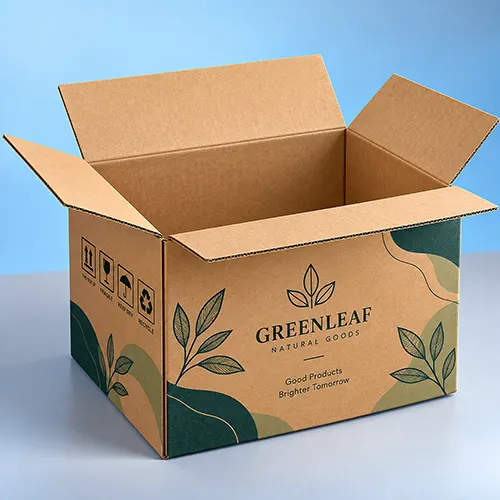
A rigid presentation box and a shipping carton perform different jobs.
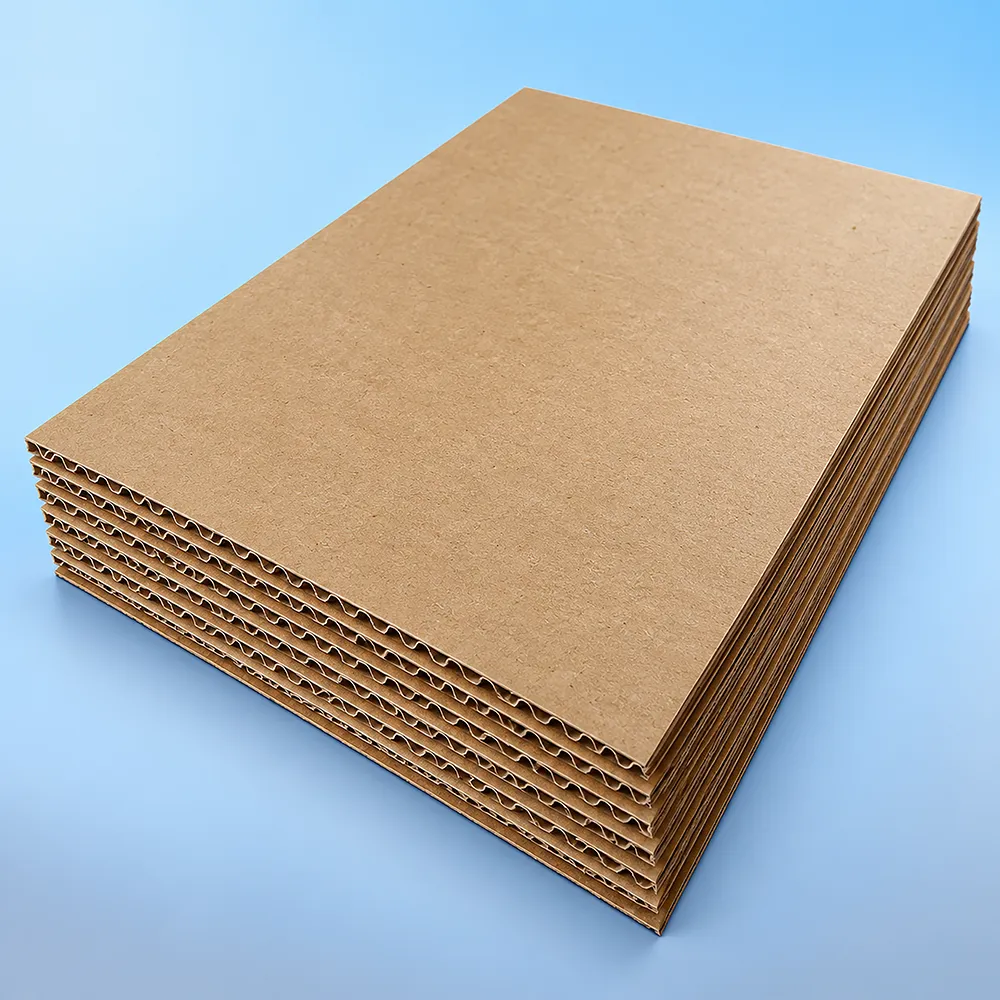
For ecommerce orders, the Kraft Rigid package may still need an appropriate corrugated outer shipper.
Use:
Product → Kraft Rigid Presentation Box
then, where required:
Rigid Presentation Box → Outer Shipping Package
The distribution requirement should follow the complete loaded product, fragility and delivery conditions.
Do not assume the rigid structure alone establishes parcel-shipping performance.
Food and Confectionery Projects Need Material Qualification
Kraft Rigid boxes can be used as presentation packaging for confectionery and gift assortments, but the Kraft wrap does not establish direct food-contact suitability.
In many configurations, food is already contained in a wrapper, tray, cup or other primary package before it is placed inside the rigid box.
Use:
Food Product → Primary Contact Package → Rigid Presentation Boxes
If food will directly contact an insert, tray or another paper-based component, disclose that requirement before the material specification is approved.
The completed Kraft appearance should never be used by itself as evidence of food-contact suitability.
Can One Rigid Structure Serve Several SKUs?
Potentially, when the relevant physical requirements remain compatible.
Different fragrances, shades or product variants may share an outer rigid size while using different printed wraps or insert layouts.
But:
Same Product Family ≠ Same Structural Specification Automatically
A shared structure is most practical when the relevant product dimensions, insert, opening style and outer requirements remain compatible.
When requesting quotations for multiple artwork versions, provide the quantity required for each version.
Digital Proofs and Physical Samples Validate Different Risks
A digital proof can help review artwork, logo placement, color references and component identification.
It does not fully validate product fit, insert fit, lid movement, drawer movement or the physical opening experience.
Where those relationships are important, an appropriate structural or physical sample can help review:
- product-to-insert fit;
- internal clearance;
- component fit;
- opening movement;
- product removal;
- assembled proportions;
- wrapped appearance.
Use:
Digital Proof → Artwork Review
while:
Physical Sample → Fit / Assembly / Opening Review
A sample should not automatically be treated as proof of shipping performance, food-contact compliance or environmental characteristics unless those requirements have been separately evaluated.
Common Mistakes When Ordering Kraft Rigid Boxes
One common mistake is assuming Kraft describes the complete structural board rather than distinguishing the rigid core from its paper wrap.
Other avoidable problems include choosing rigid construction when a folding carton would be sufficient, selecting the opening style only from appearance, sizing the box before the insert is planned, assuming every rigid box ships flat, placing artwork without accounting for wrapped components, or treating the natural brown appearance as automatic evidence of recyclability or sustainability.
A stronger workflow is:
Finished Product → Arrangement → Insert → Required Interior → Rigid Structure → Kraft Wrap → Artwork → Physical Review
What to Send for a Kraft Rigid Box Quote
A useful quotation should describe the actual product and desired opening experience.
Provide:
- finished product dimensions;
- product weight where relevant;
- number of products per box;
- insert or compartment requirements;
- preferred rigid structure if already known;
- standard setup or collapsible requirement where relevant;
- natural Kraft wrap preference;
- artwork status;
- exterior or interior branding requirements;
- printing requirements;
- finishing requirements;
- order quantity;
- quantity by artwork version or SKU;
- delivery destination;
- required in-hand date.
If you are reproducing an existing rigid package, clearly state whether its measurements are internal or external
and provide a structural reference where useful.
Custom Kraft Rigid Boxes Wholesale
BoxBaba develops rigid packaging for retail brands, gift businesses, beauty companies, jewelry brands, apparel businesses and other B2B presentation-packaging projects.
Custom rigid packaging orders start from 100 units
, with made-to-size structures, artwork assistance, dieline support and digital proof or 3D mockup review available for custom projects.
Production and delivery timing should be confirmed with the quotation after the final rigid structure, dimensions, Kraft wrap, order quantity, artwork, insert and finishing requirements are established.
Free shipping is available across the USA under applicable BoxBaba order terms. Where product fit, insert layout, lid fit, drawer movement or the opening experience requires physical review, discuss the appropriate sample option before bulk production.
Request a Quote for Custom Kraft Rigid Boxes
Share your finished product dimensions, quantity, preferred opening format, insert requirements and artwork direction so BoxBaba can prepare a quotation around the actual rigid packaging configuration. Place your order by calling +1 305 574 4357
or emailing sales@boxbaba.com.