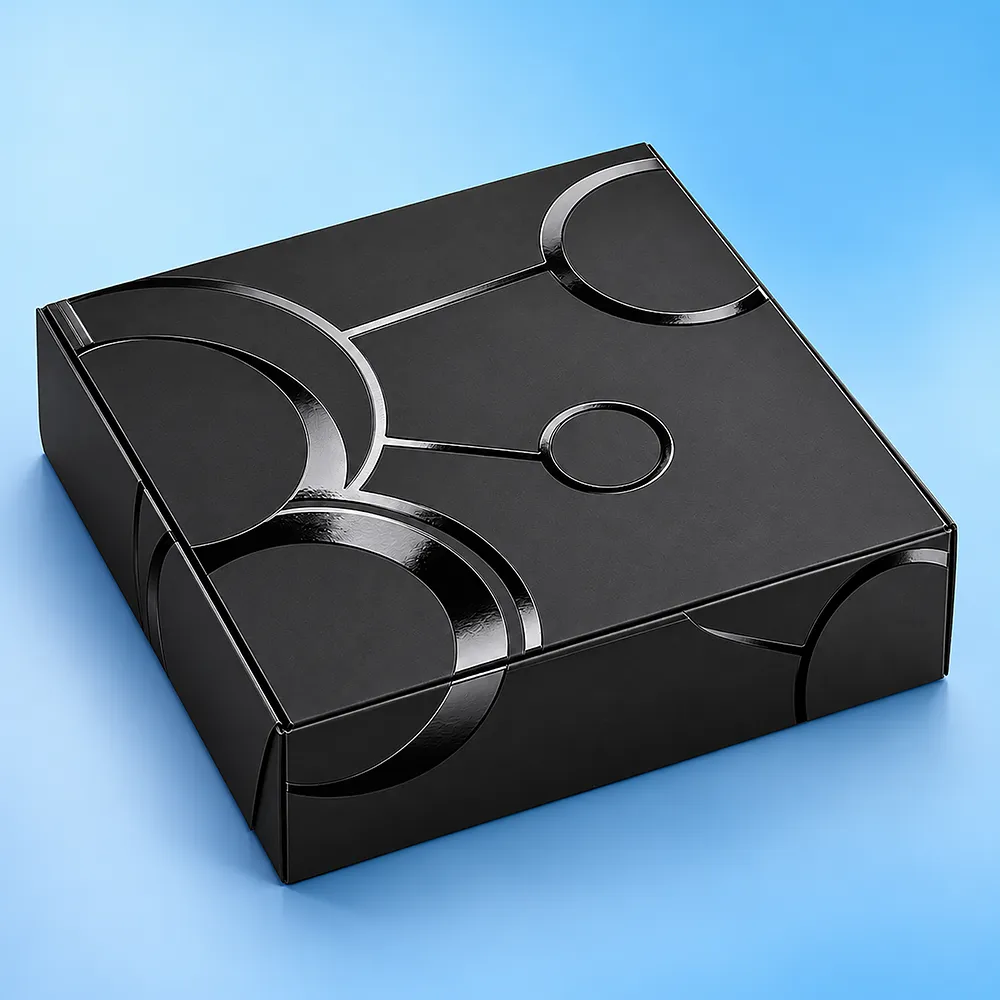
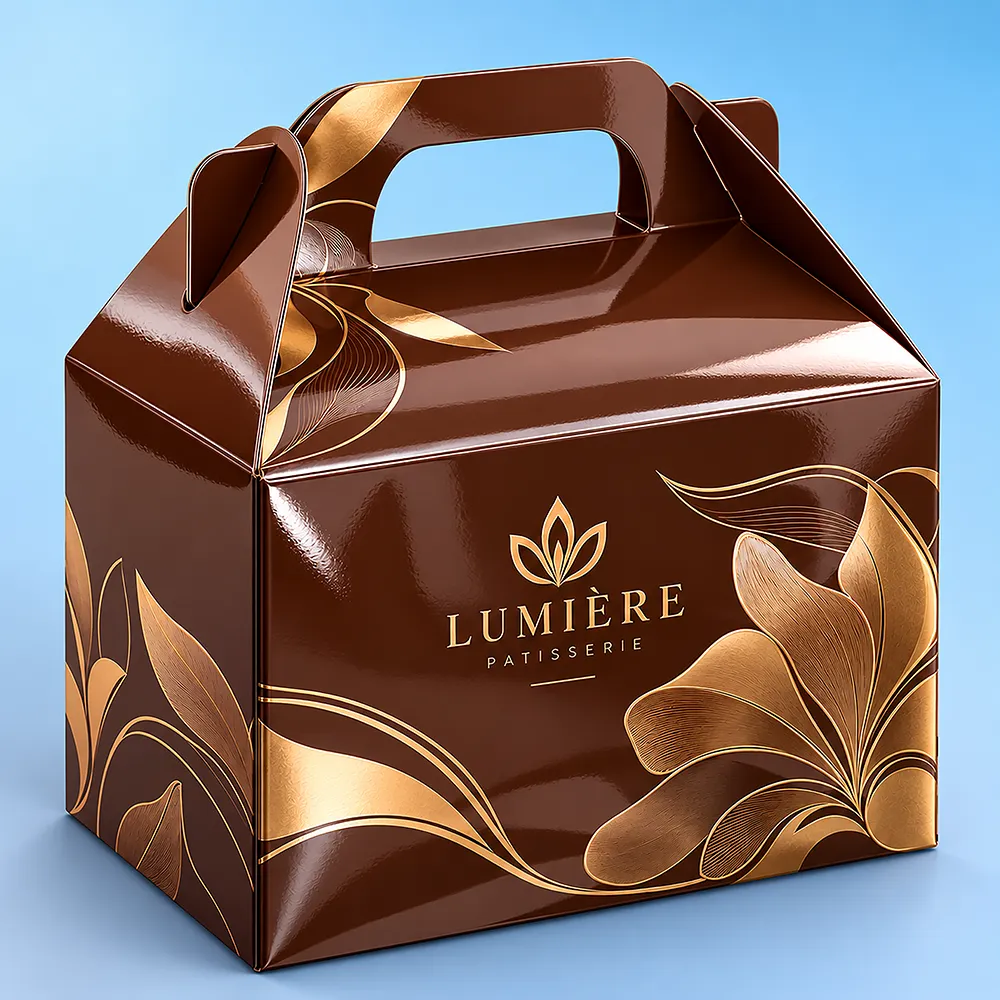
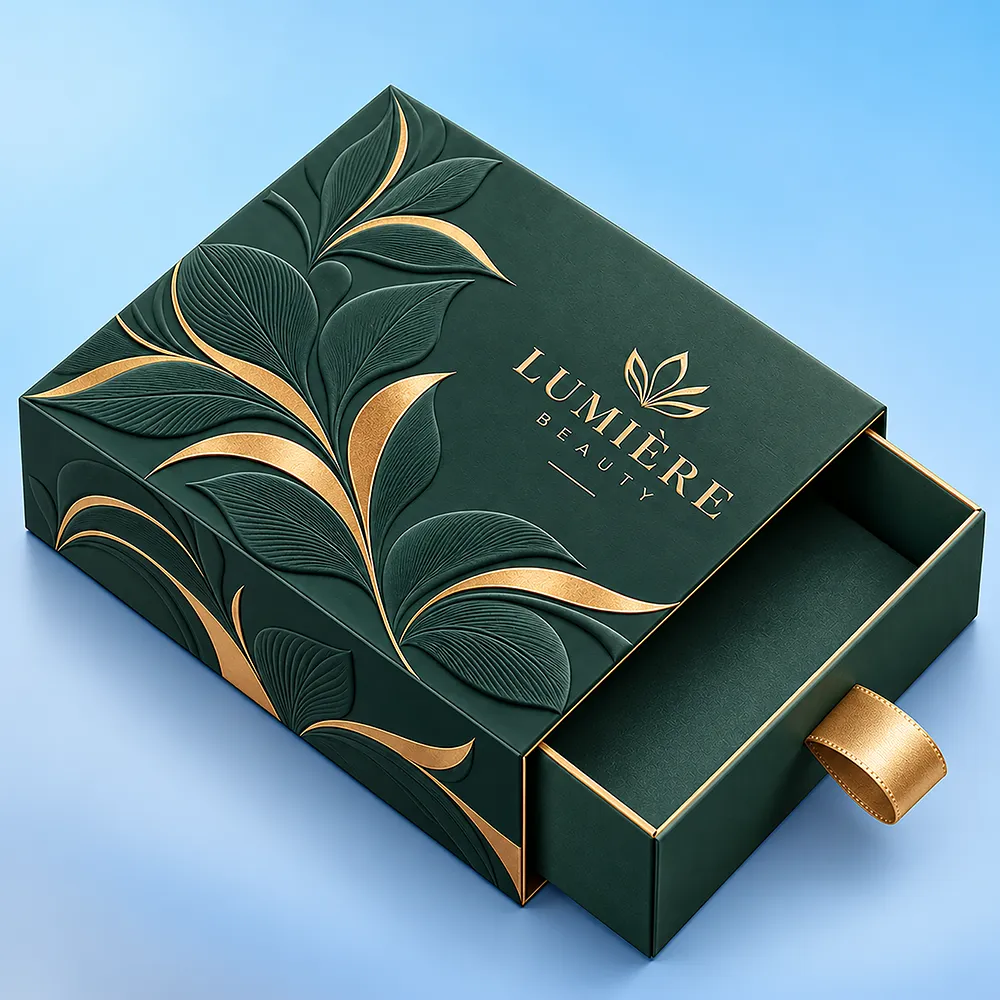
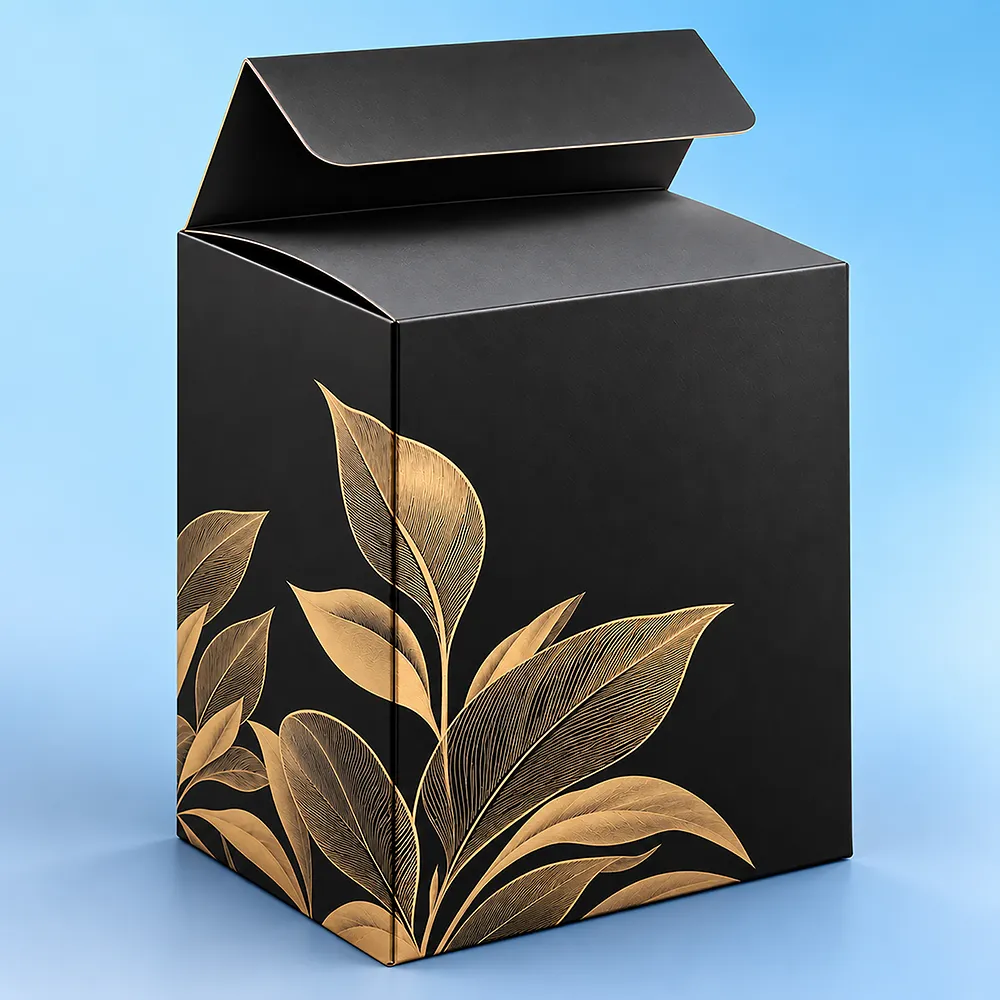
Kraft Presentation Boxes

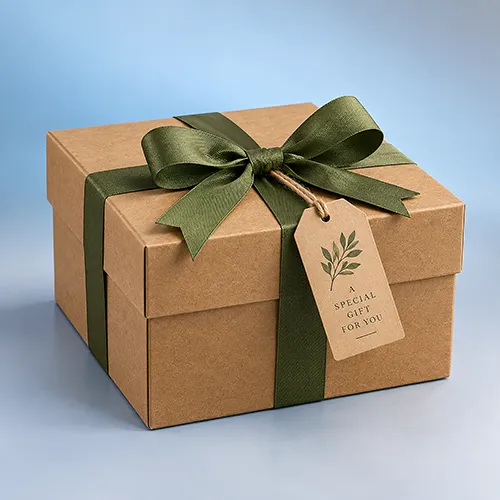
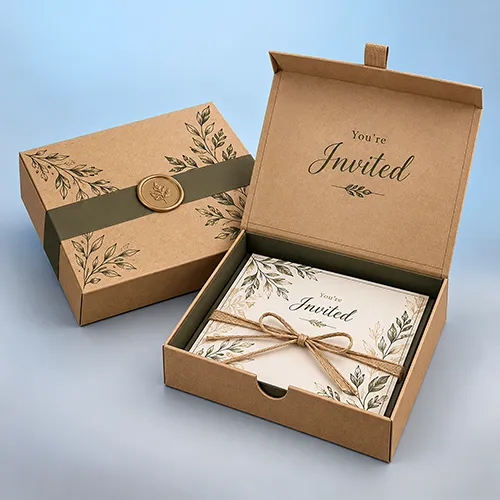
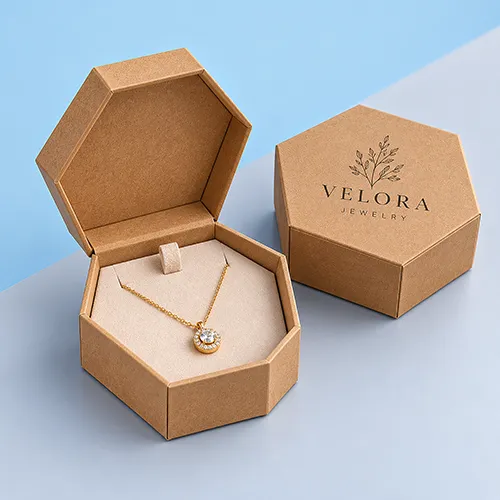
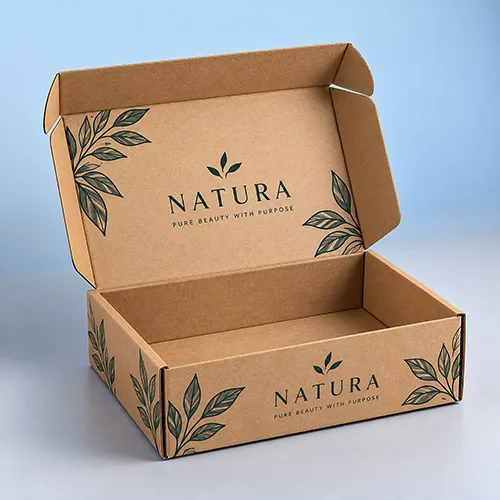
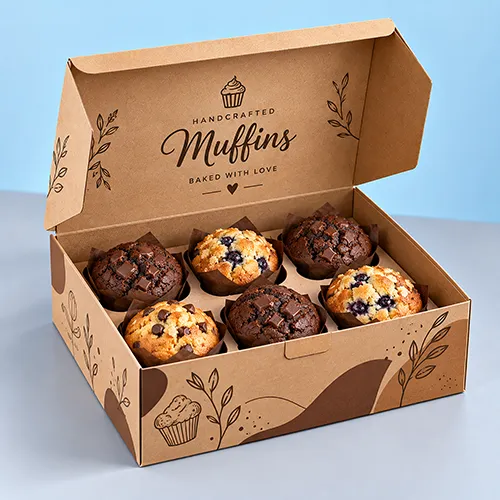
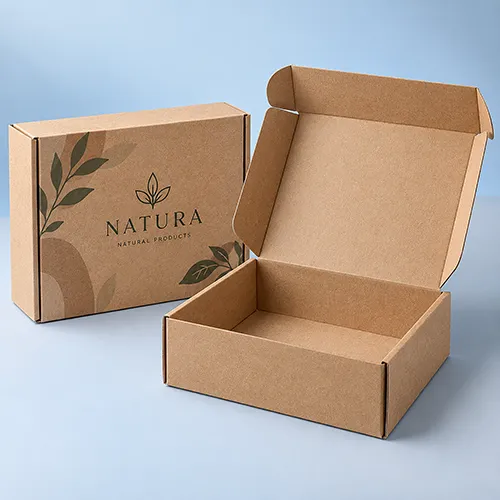
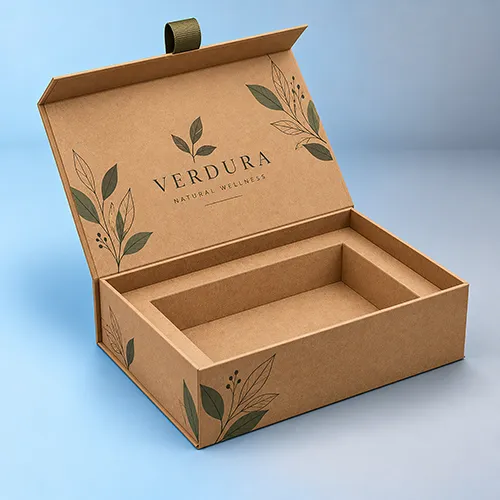
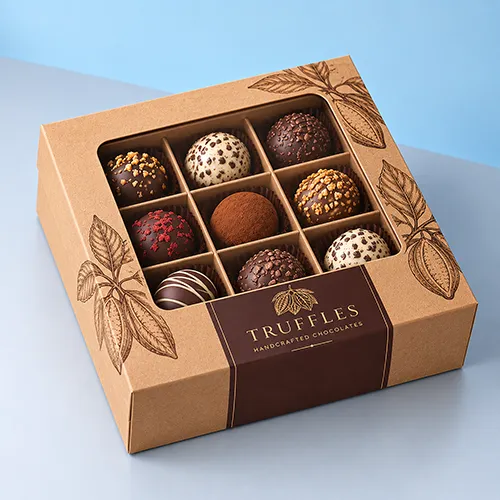
Custom Kraft presentation boxes are developed for products and sets where how the contents are arranged, revealed and removed matters as much as the exterior branding. Natural Kraft provides the brown material or visible surface direction, while the product layout and opening sequence determine how the presentation should work. A presentation box should therefore begin with the finished products and intended open-box view rather than an empty box style. BoxBaba can develop custom Kraft presentation packaging in product-specific dimensions with inserts, dividers, branded printing, viewing features and compatible finishes. Custom packaging orders start from 100 units. For broader natural Kraft packaging applications, explore custom Kraft boxes. If gifting rather than controlled presentation is the main requirement, compare Kraft gift boxes.
Trustpilot_Logo
5 out of 5 stars
4.5
Reviews 16 • Excellent

Kraft Presentation Boxes – Custom Kraft Packaging for Premium Gifts, Retail Products & Professional Display

Kraft presentation boxes made with durable kraft materials and customizable finishes, ideal for premium gifts, product launches, corporate presents, and retail packaging while enhancing protection and natural brand presentation.

What We Give

Create Custom Boxes Quick and Easy

Design

Get your custom boxes made in the required size, shape, and style.

Print

Upload your artwork and get it superbly printed the way you want.

Get it done

Order any quantity, enjoy a wholesale price, pay no extra for die plates.

Product Specification

Specification Custom Kraft Presentation Boxes
Box Type Made-to-size Kraft presentation packaging developed around product dimensions, premium presentation, protection and unboxing requirements
Dimensions Custom Length × Width × Height based on finished product size, orientation, presentation layout, required clearance and internal support needs
Order Quantity (MOQ) Starts from 100 units; final minimum may depend on structure, material, size and customization
Material Direction Kraft paperboard, suitable Kraft/corrugated constructions and rigid-style Kraft formats selected according to product weight and presentation requirements
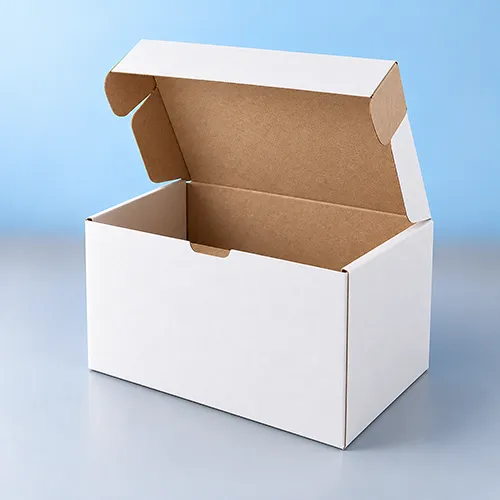
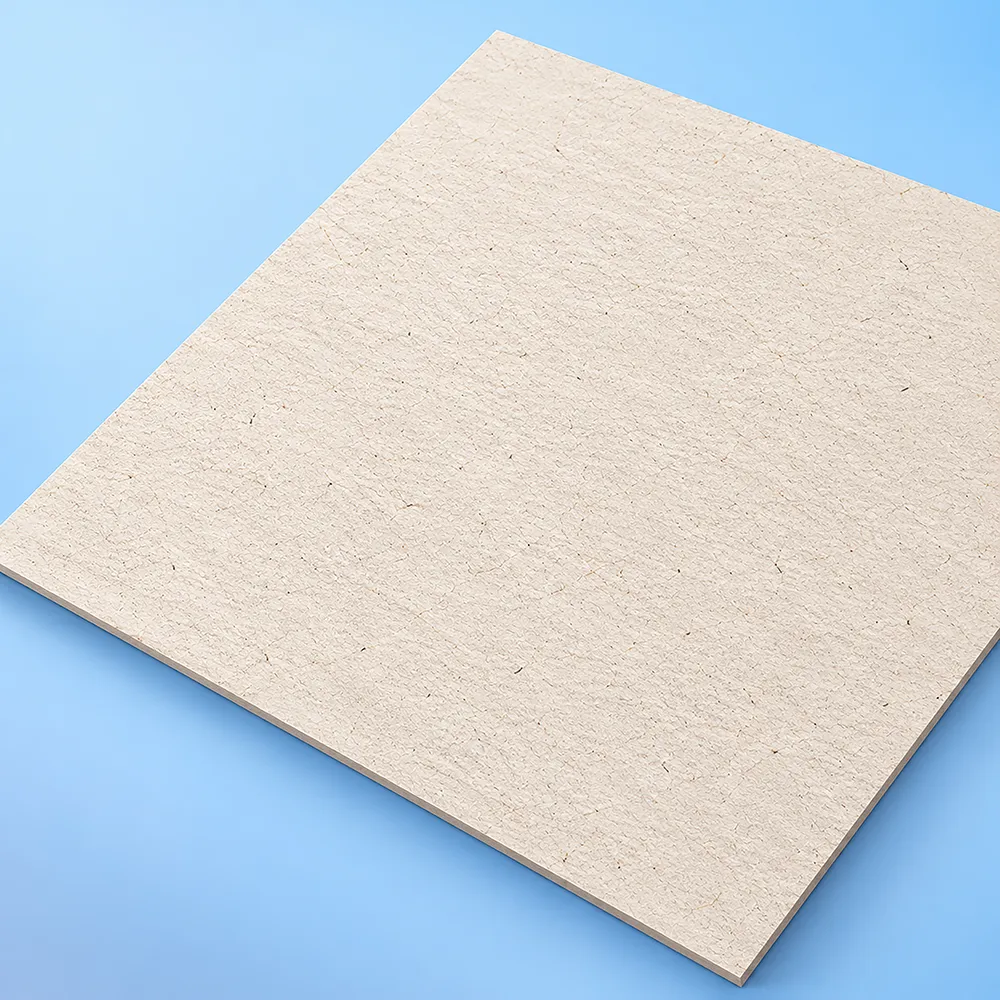
Surface Options Natural brown Kraft and alternative lighter/white Kraft directions where available for the selected construction
Structures Lid-and-base boxes, sleeve-and-tray formats, drawer boxes, hinged-lid boxes, magnetic-style presentation formats and other compatible Kraft presentation structures
Presentation Planning Box structure and internal layout can be developed around product reveal, item arrangement, opening sequence, brand presentation and product retention
Printing Logo, text, graphics, barcode and QR-code printing; CMYK/Pantone requirements and inside/outside printing can be discussed according to construction
Finishes Matte, gloss, soft-touch, foil stamping, embossing, debossing and Spot UV where compatible with the selected Kraft material
Inserts & Add-ons Custom inserts, dividers, partitions, trays, ribbon pulls, window cutouts and other presentation features can be incorporated according to product requirements
Artwork Support Custom dieline and artwork assistance available for exterior and interior branding, panel layout and insert coordination
Proofing Digital proof or 3D mockup for artwork, structure and presentation-layout review; physical sampling options should be confirmed for the individual project
Samples Free samples are available; delivery charges will be reimbursed on the first bulk order
Standard Production Approximately 5–9 business days after final artwork approval for qualifying orders; confirm timing with the quotation
Shipping Free shipping across the USA under applicable BoxBaba order terms

Related Products

Stock Type & Thickness

Cardboard

We use cardboard material with the least environmental impact and minimizes waste generation.
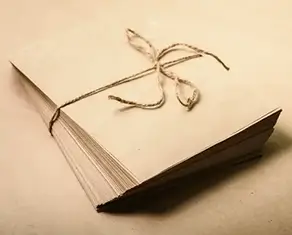
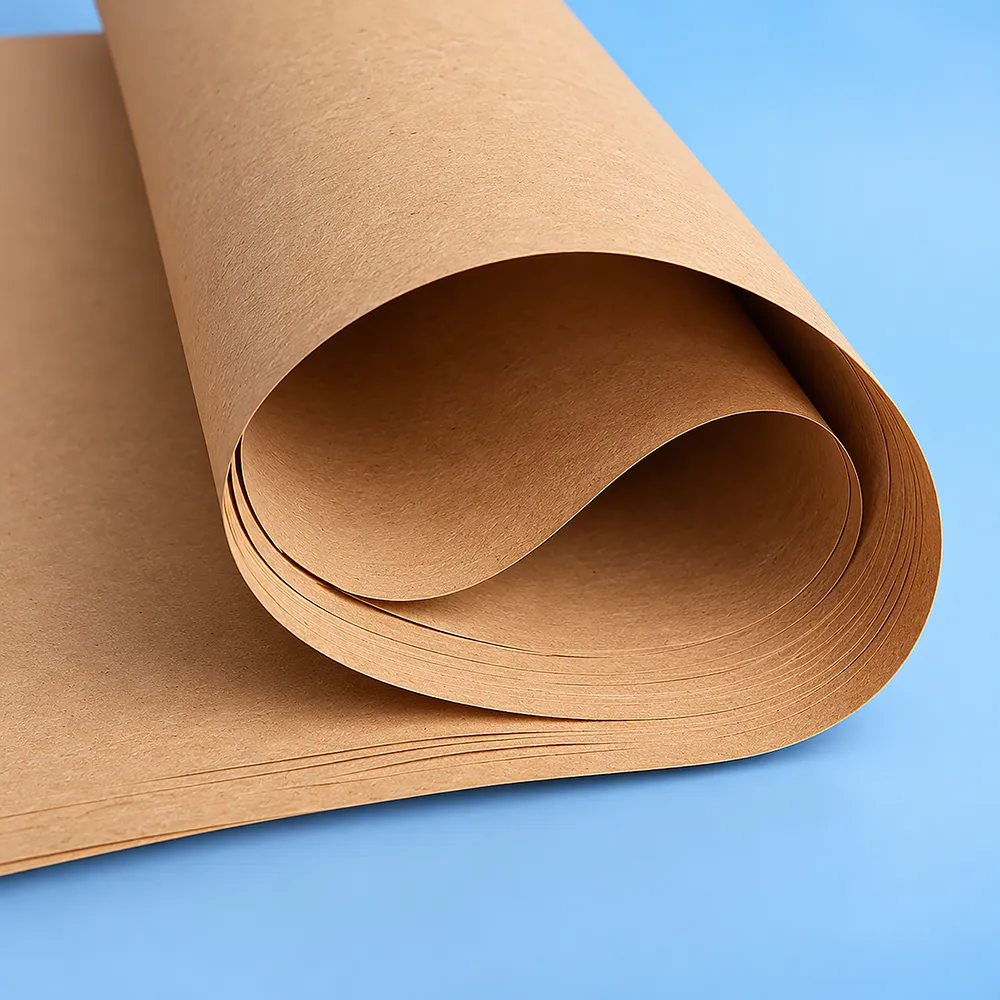
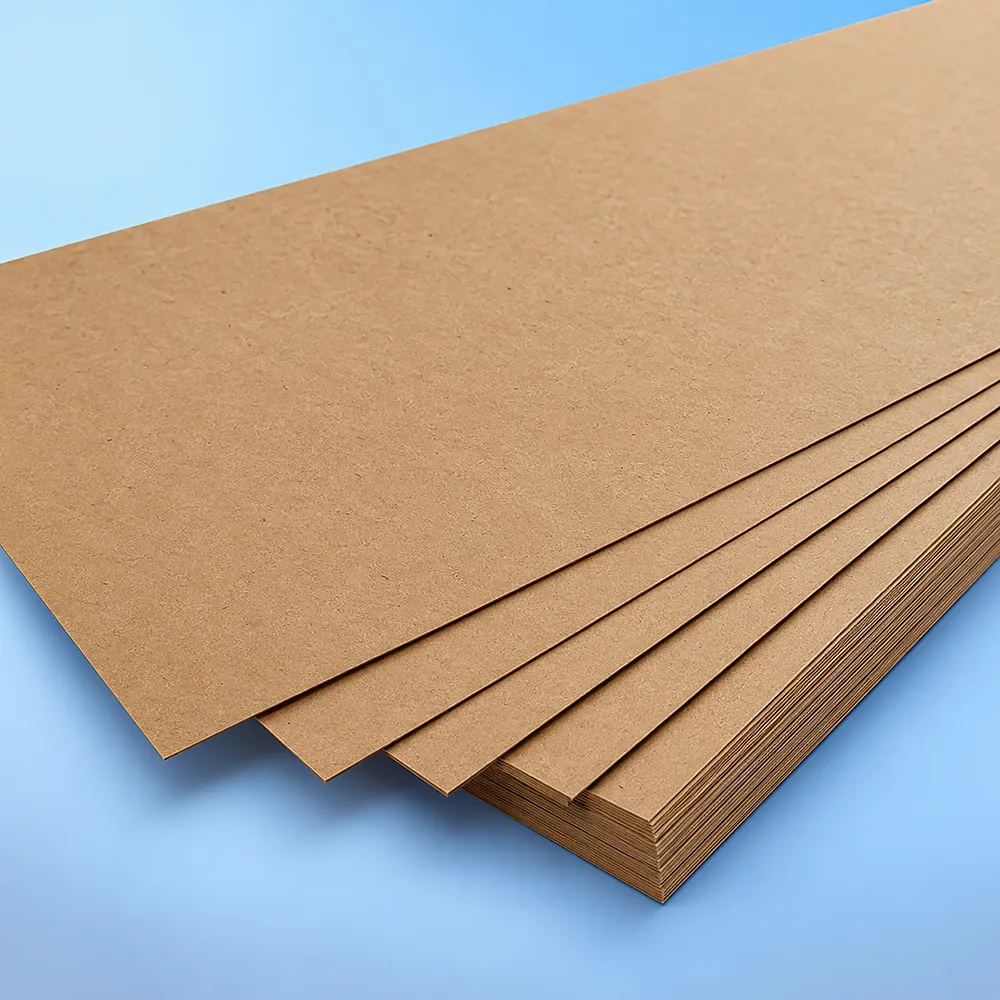
Kraft

Kraft paper is a strong, durable and reliable material that is widely used across many different industries.
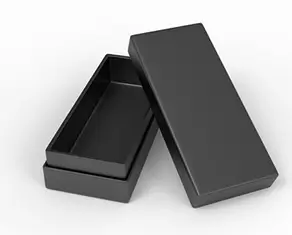
Rigid

Rigid is highly protective, affordable and recyclable material. These boxes provide maximum protection.
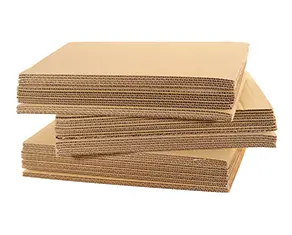
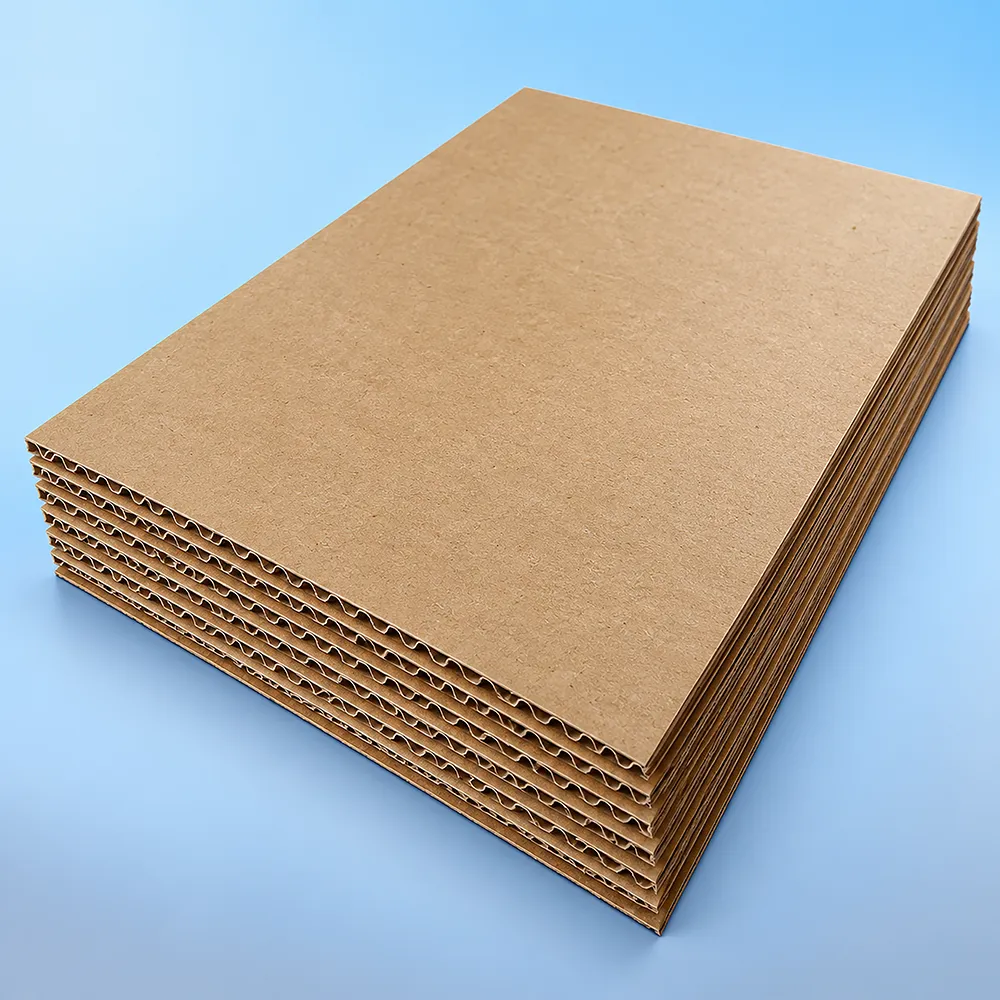
Corrugated

Corrugated material is easy to customize, cost effective and sustainable. It is also great for branding purposes.
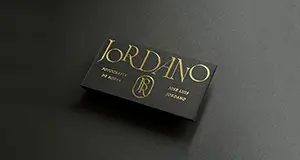
Finishing Assortment

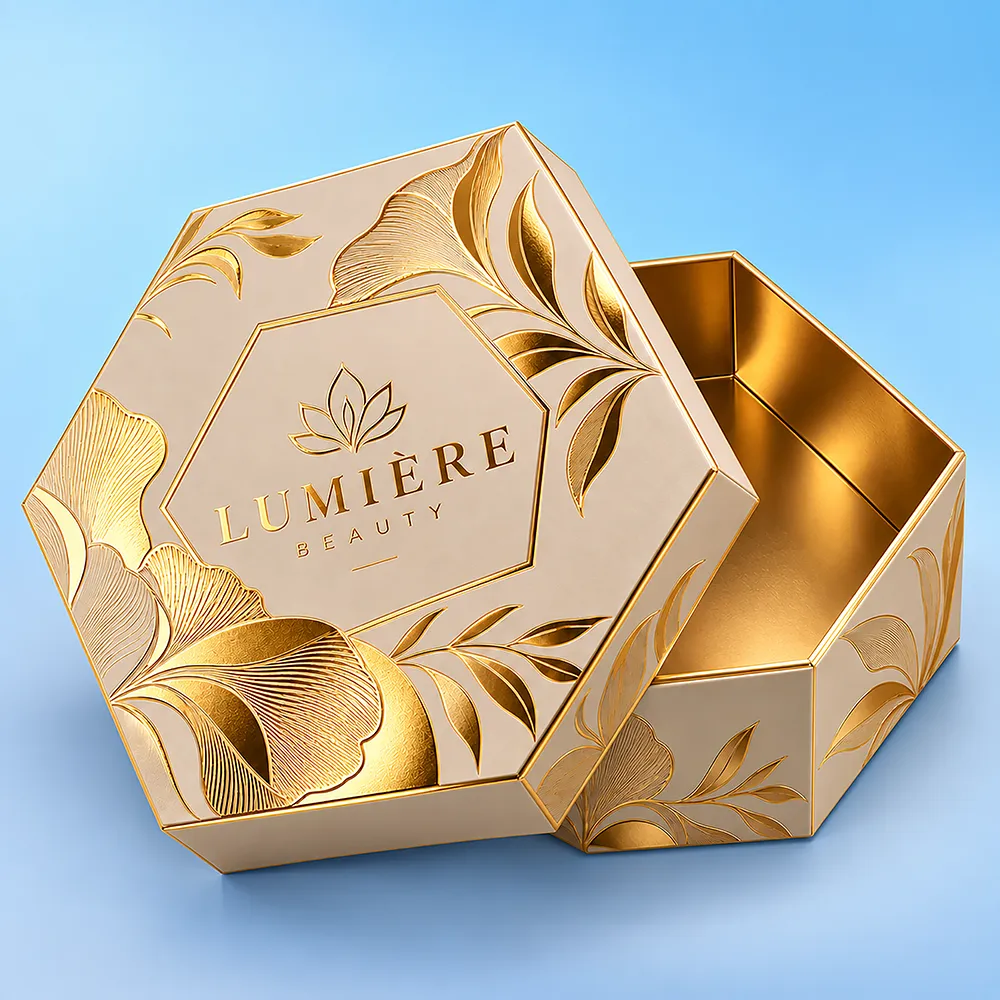
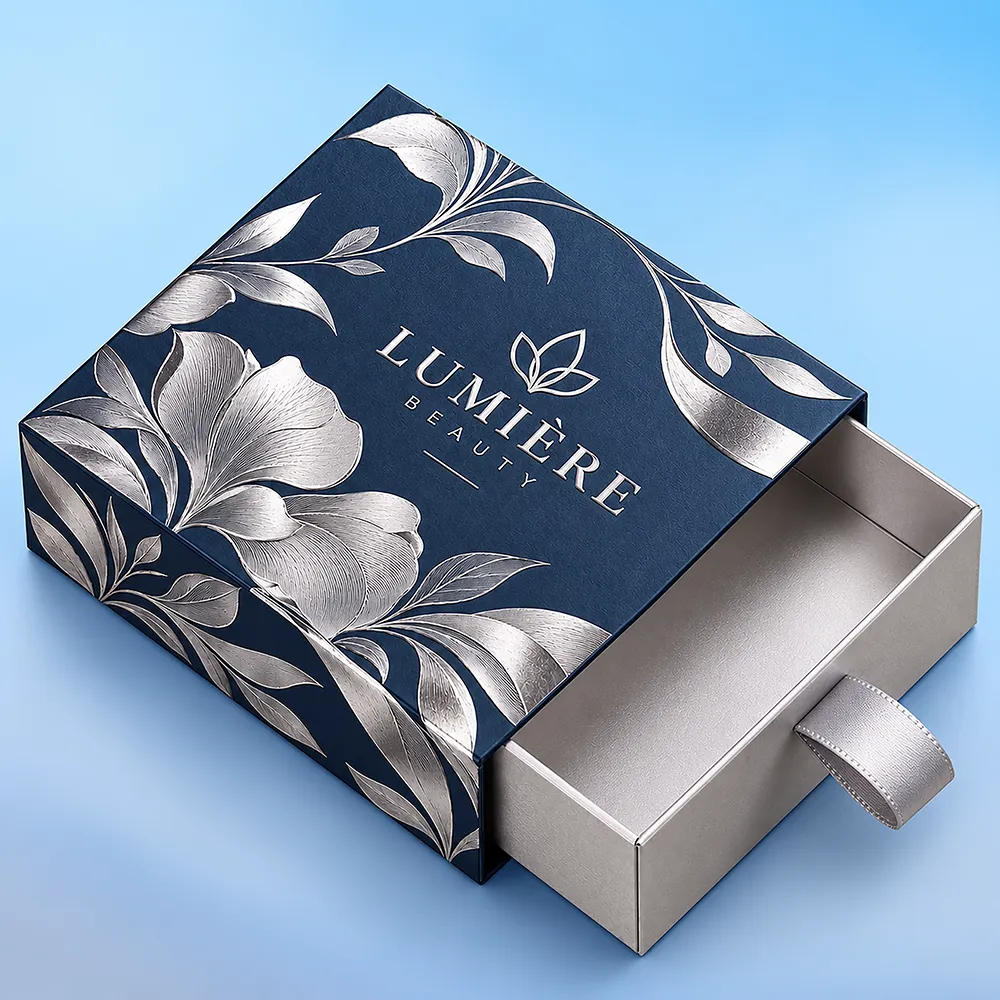
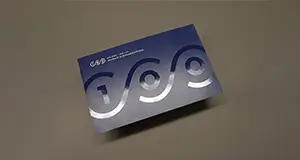
Foil Stamping

Foil Stamping

Enhance your packaging with premium foil stamping for a bold and luxurious appearance.
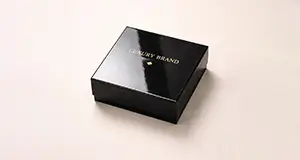
Spot UV

Spot UV

Our Spot UV coating adds a sleek shine and highlights key design elements beautifully.
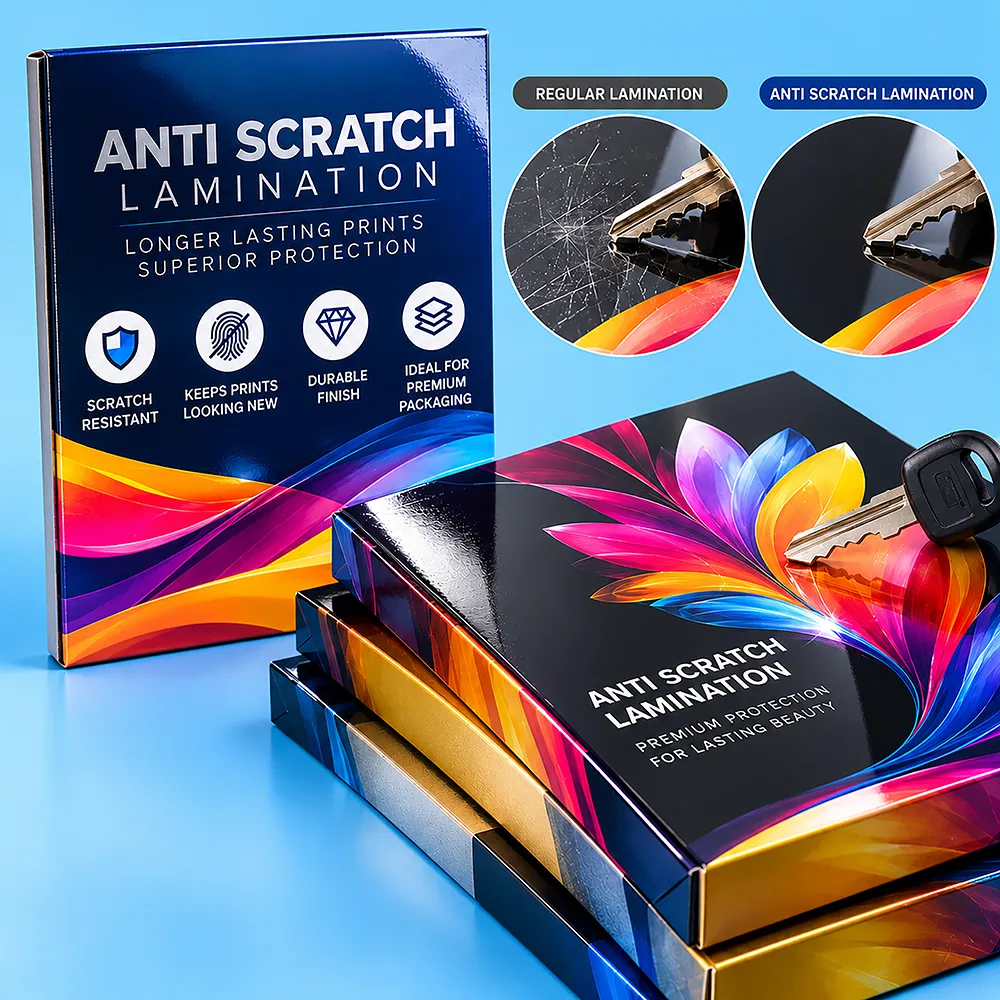
Gloss-Lamination

Gloss

Give your packaging a polished, glossy finish that enhances color and visual appeal.
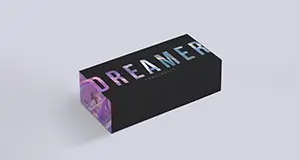
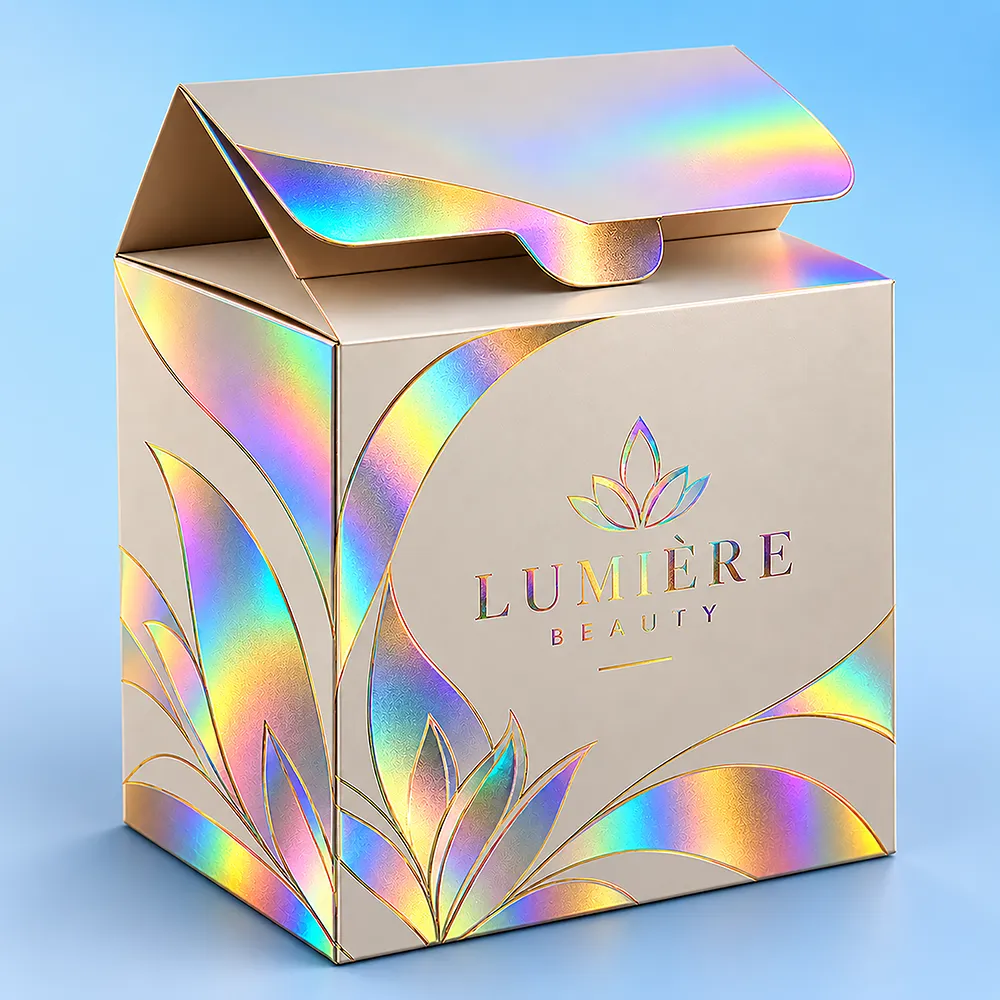
Holographic Foiling

Holographic Foiling

Create eye-catching packaging with holographic foil effects that shimmer from every angle.
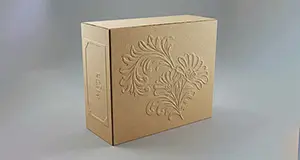
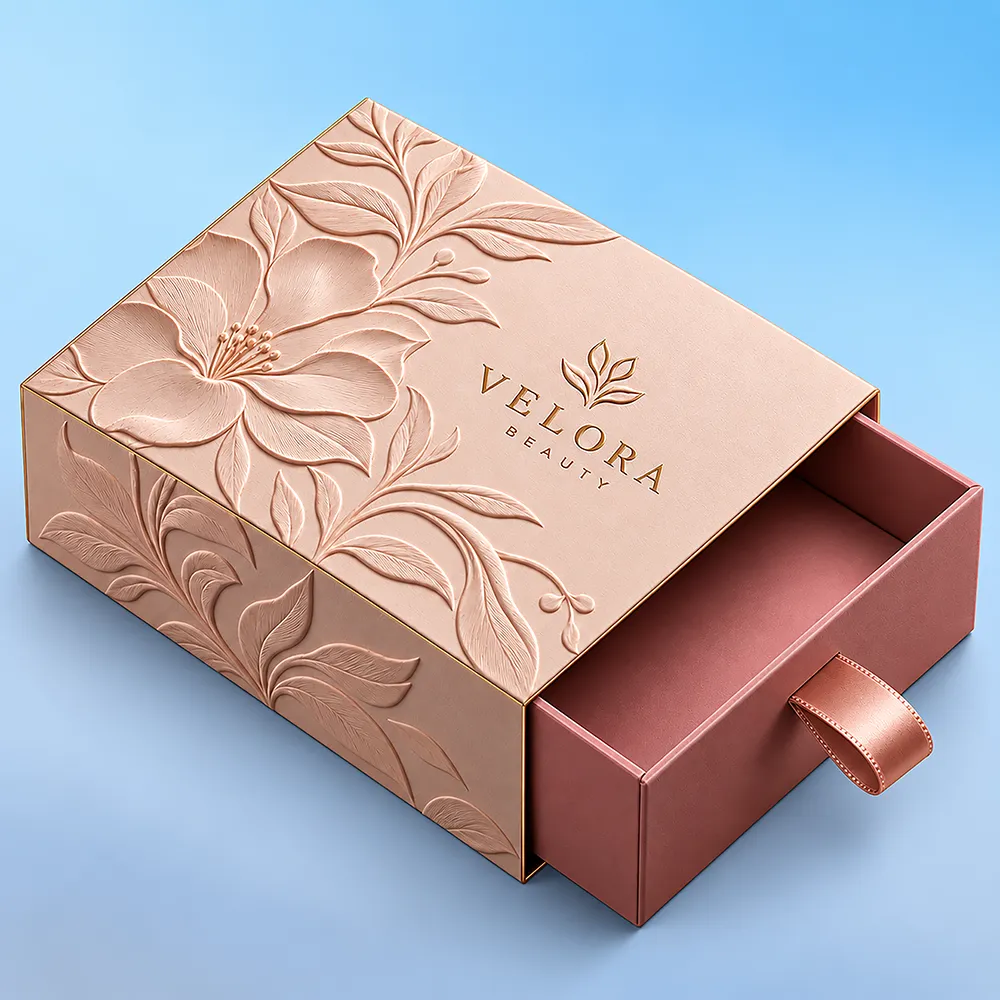
Embossing

Embossing

Add raised textures and elegant detailing to make your packaging stand out.
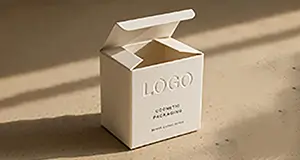
Debossing

Debossing

Create a refined pressed-in effect that adds depth and sophistication to your packaging.
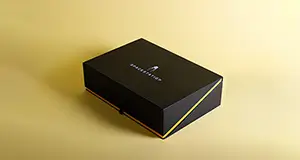
Matte

Matte

Achieve a smooth matte finish that minimizes fingerprints and delivers a modern look.
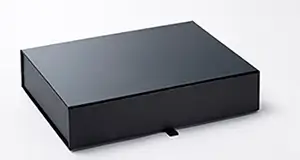
Soft Touch Lamination

Soft Touch Lamination

Protect your packaging with a silky-soft laminated finish for a premium feel.
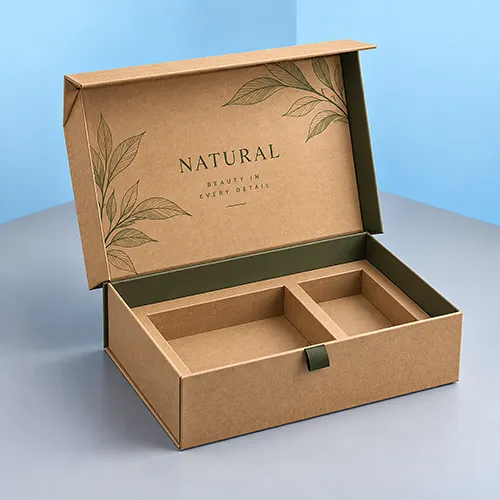
Plan the Presentation From the Open Box Backwards

A presentation-led package is easier to develop when the desired open-box view is established before the exterior structure. Ask what the recipient should see first. For a single product, that may be the front face, brand mark, decorated cap or other important surface. In a multi-product set, one hero item may need to appear centrally while accessories occupy supporting positions. A different project may require a specific left-to-right sequence or coordinated product colors. The useful relationship is: Desired Open-Box View → Product Orientation → Visual Order → Insert Layout → Box The most compact arrangement is not automatically the best presentation. At the same time, an unnecessarily oversized interior can weaken the intended visual hierarchy. The final layout should balance product fit, spacing, visual order and customer access.

Size Around the Complete Presentation Layout

Measure every product in its finished, pack-ready condition. Include caps, lids, pumps, handles, cables, sleeves, secondary cartons or other components that remain inside the box. Then establish the orientation and arrangement. Use: Finished Products + Orientation + Arrangement + Internal Components → Required Interior Cards, booklets, instructions, tissue, product wraps or accessories also occupy usable space and should be included before the outer dimensions are approved. If you are reproducing an existing box, identify whether its dimensions are internal or external. BoxBaba guide on how to measure box dimensions explains why internal dimensions are generally used for product fit while external dimensions relate more closely to shipping and storage.

Plan Inserts Around Product Position and Removal

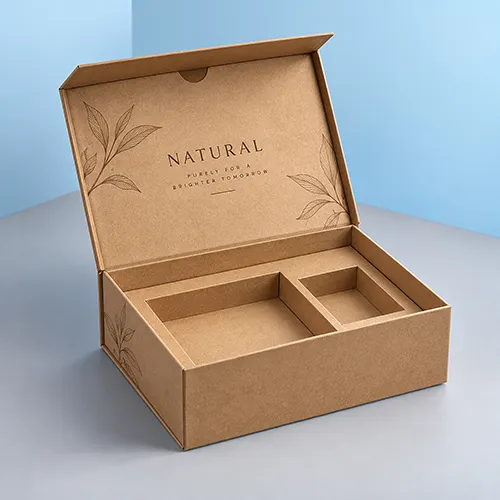
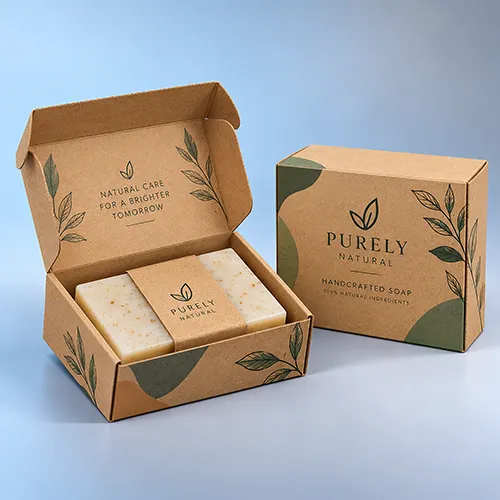
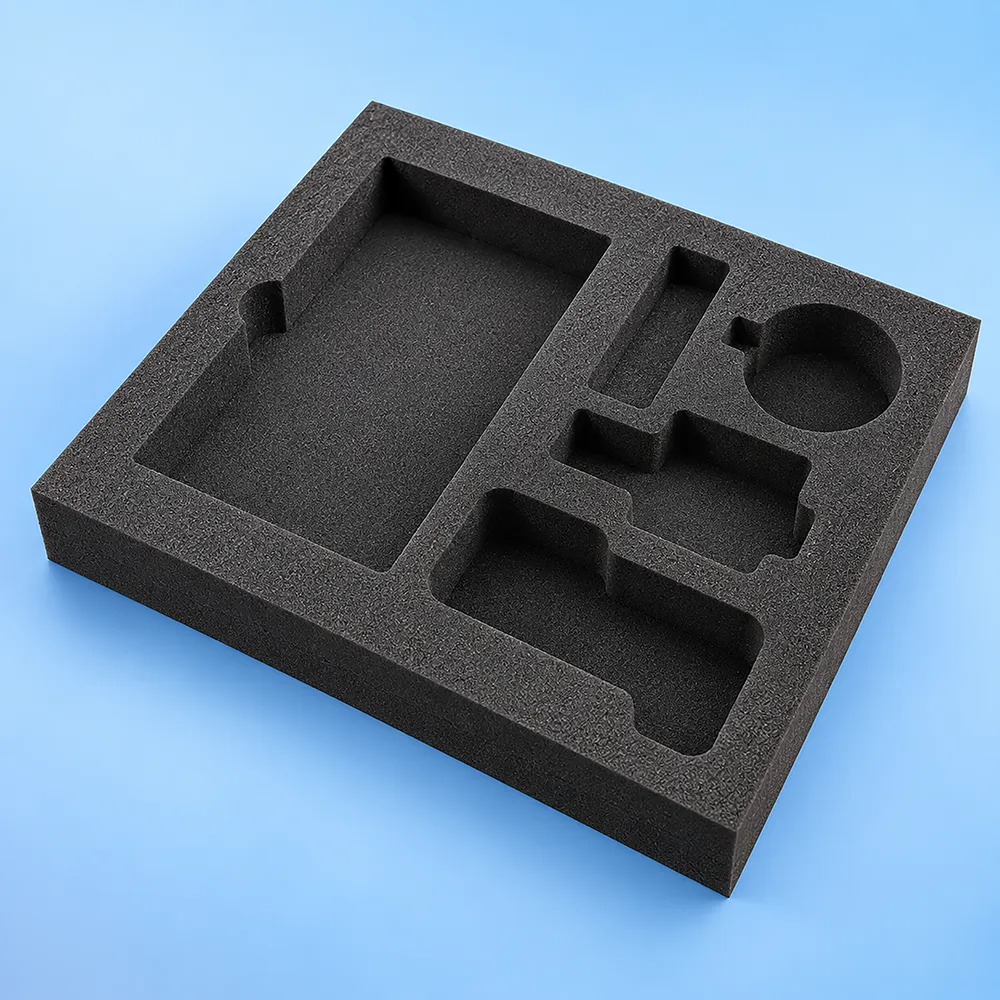
An insert is not simply filler inside a presentation box. It can establish the product position, orientation, presentation height and removal method. A fitted paperboard tray may hold one main product. A divider can separate several items. A cavity insert can create defined positions for bottles, jars, accessories or other components. A cavity can fit the product footprint correctly and still be inconvenient if the item sits too deeply to grip. Likewise, an unnecessarily tight insert can make loading or removal difficult or place pressure on caps, decorated surfaces or delicate product features. Where fitted positioning is an important part of the project, explore custom boxes with inserts for broader internal-layout options.

Insert Height Changes the Product Presentation Level

The insert controls more than horizontal position. Its height can determine how far above or below the box rim the product appears. A short product placed deep in the base may look visually lost. Raising the insert can bring more of the product into view when the package opens. An insert should not be elevated solely for visual effect without confirming that the lid, sleeve or other closure still operates correctly.

Design the Removal Path

Presentation packaging is incomplete if the product looks impressive but is difficult to remove. Review: Final Position → Finger / Hand Access → Removal Direction Depending on the product and insert, useful access may involve a finger recess, thumb notch, ribbon lift or another appropriate feature. A heavy product sitting deep inside a fitted insert creates a different removal requirement from a lightweight card or small accessory. Do not solve poor access merely by making the cavity excessively loose. The aim is a controlled presentation that still allows practical loading and removal.

Choose the Structure Around the Reveal

“Presentation box” describes the intended experience. It does not identify one universal construction.

Folding Kraft Presentation Cartons

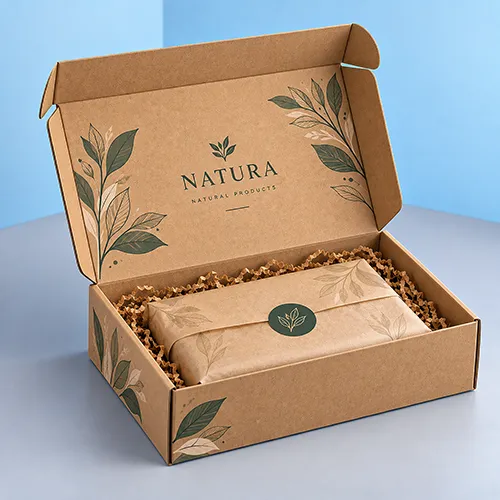
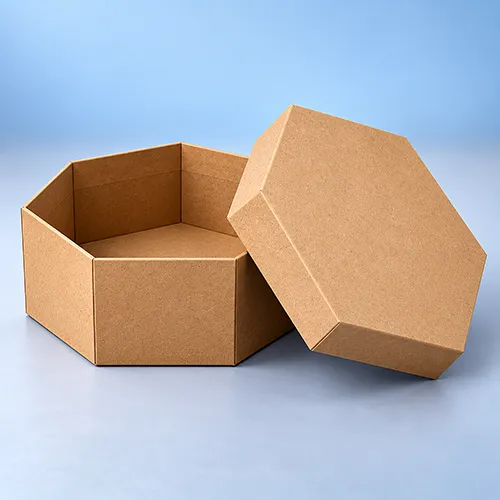
A folding Kraft paperboard structure can suit presentation projects where flat storage, efficient assembly and a natural brown surface are important. The format may use a tuck, attached lid, sleeve or another suitable folding relationship depending on the product and desired opening sequence.

Sleeve-and-Tray or Drawer Presentation

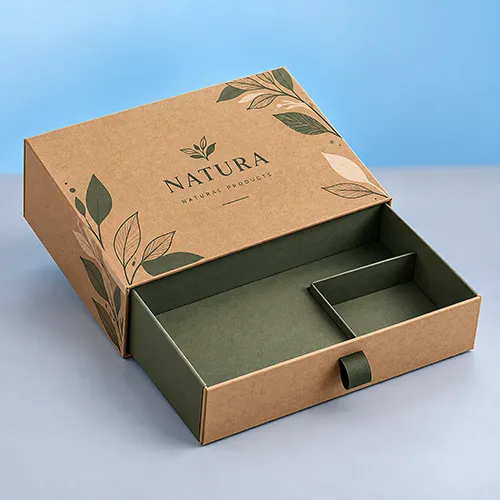
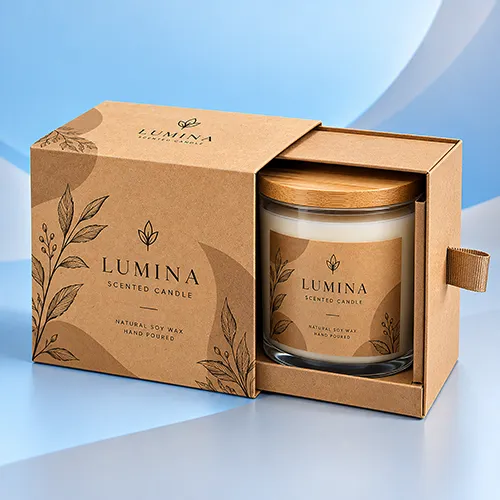
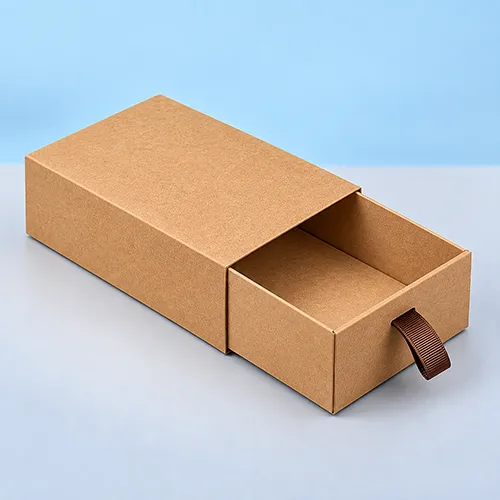
A sleeve-and-tray structure creates a slide-out reveal. The product arrangement remains in the tray while the sleeve controls how the presentation appears during opening. Tray clearance, insert layout and the sleeve should be developed together so the package operates without excessive looseness or resistance.

Lid-and-Base Presentation

A separate lid and base provide a top-down reveal. The lid depth, base height, insert level and product height should work together in both the open and closed package. If a removable lid itself is the main structural requirement, compare presentation boxes with lids.

Kraft-Wrapped Rigid Presentation Boxes

A rigid presentation box uses a different construction from a folding Kraft carton. In a Kraft-wrapped rigid structure: Rigid Board → Structural Body Kraft Paper Wrap → Visible Surface If rigid construction itself is the priority, explore custom rigid boxes for magnetic, drawer, two-piece, shoulder-neck, book-style and related rigid formats. The distinction matters because: Presentation → Application / Experience while: Rigid → Construction A presentation box can be rigid, but it does not have to be.

Keep Kraft Presentation Boxes Distinct From Gift and Display Packaging

Presentation packaging can overlap with several other commercial packaging terms, so each BoxBaba page should own a clear decision.

Kraft Presentation Boxes vs Kraft Gift Boxes

Kraft gift boxes should primarily serve products or sets where gifting is the main requirement. KB-21 should go deeper into: Arrangement → Controlled Reveal → Product Position → Removal The ownership is: Kraft Gift Boxes → Gift-Ready Packaging + Natural Kraft Kraft Presentation Boxes → Controlled Presentation / Reveal + Natural Kraft A corporate kit can serve both purposes, but the dominant buyer requirement should determine which page is the better primary route.

Presentation Boxes vs Retail Display Boxes

A presentation box is also different from a retail display. The presentation package is generally opened to reveal and access the product. Retail display packaging is developed to merchandise products on shelves, counters or other point-of-sale areas, often keeping several units visible or accessible during shopping. Therefore: Presentation Box → Reveal / Unboxing / Product Access Display Box → Shelf / Counter Merchandising Where shelf or countertop merchandising is the central requirement, explore custom display boxes. Keeping these entities separate prevents “product presentation” from becoming a catch-all phrase for every display-related package.

Windows and Clear Lids Create Different Viewing Experiences

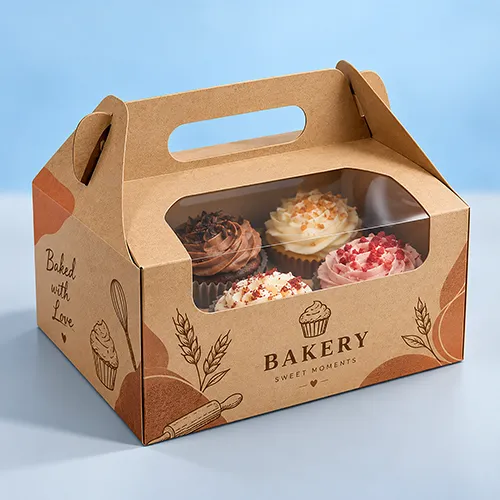
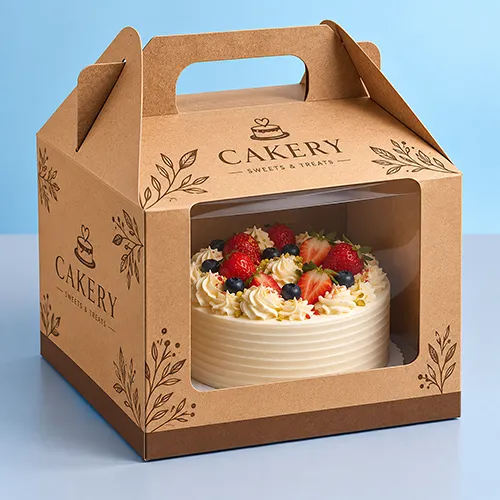
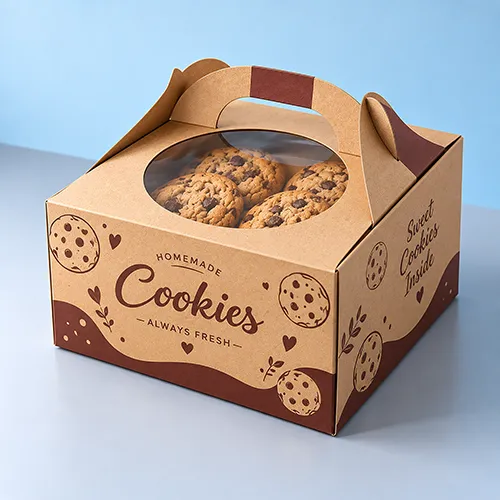
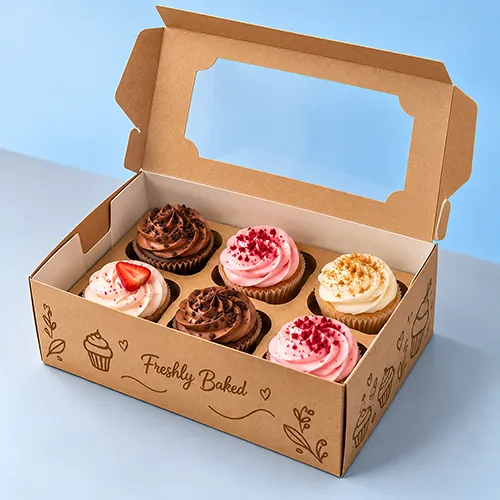
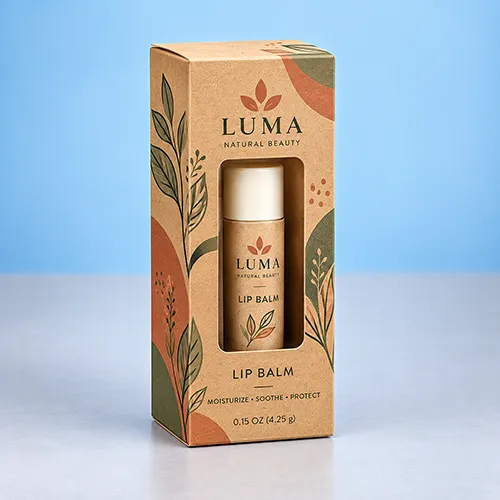
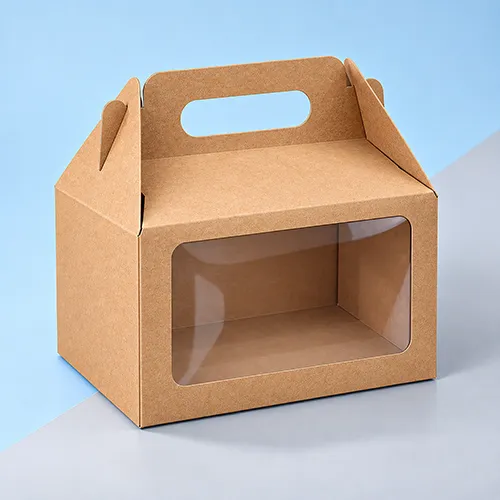
A viewing window reveals a selected part of the product through an opening in another box panel. Its position should follow the actual loaded arrangement: Product Position → Area to Reveal → Available Panel → Window Position The cutout should also remain clear of critical folds, locking features, glue areas and structural edges. A large transparent lid creates a different relationship because most or all of the product can remain visible while the package is closed. Therefore: Window → Localized Product Visibility Clear Lid → Broad Top-Down Visibility Where a transparent upper component is the main packaging feature, compare presentation boxes with clear lids. An open die-cut aperture and a window fitted with transparent material are also different specifications and should be confirmed separately.

Select the Kraft Construction Around the Finished Pack-Out

Natural Kraft appearance does not define one universal material or board construction. A folding presentation carton may use suitable Kraft paperboard. A rigid presentation structure may use rigid board wrapped with Kraft paper. A corrugated construction introduces fluted board and may suit a different handling requirement. The construction should follow: Finished Products + Loaded Weight + Box Dimensions + Opening Structure + Handling → Material Construction rather than assuming every brown presentation box uses the same stock, GSM, caliper or board type. For broader folding-material context, compare Kraft paperboard boxes.

Natural Kraft Changes How Presentation Artwork Appears

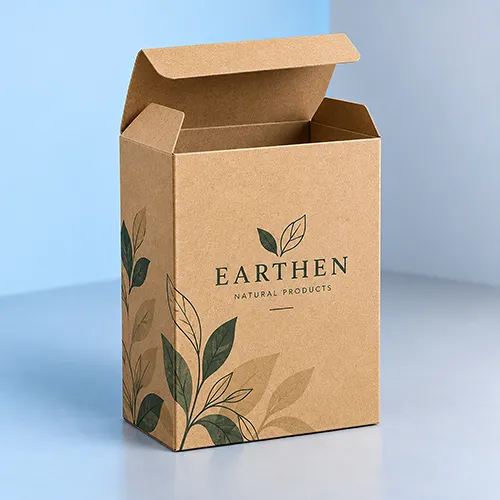
Natural Kraft provides a brown rather than bright-white printing background. That visible surface can intentionally remain part of the presentation design, but it also influences printed color. Artwork shown against white on a monitor may not reproduce identically on natural brown Kraft. Pale colors, low-contrast graphics, subtle gradients and photographic artwork can be particularly affected. Where brand-color accuracy matters, review the design against the actual substrate and appropriate proof rather than relying only on a screen preview.

Printing Options for Custom Kraft Presentation Boxes

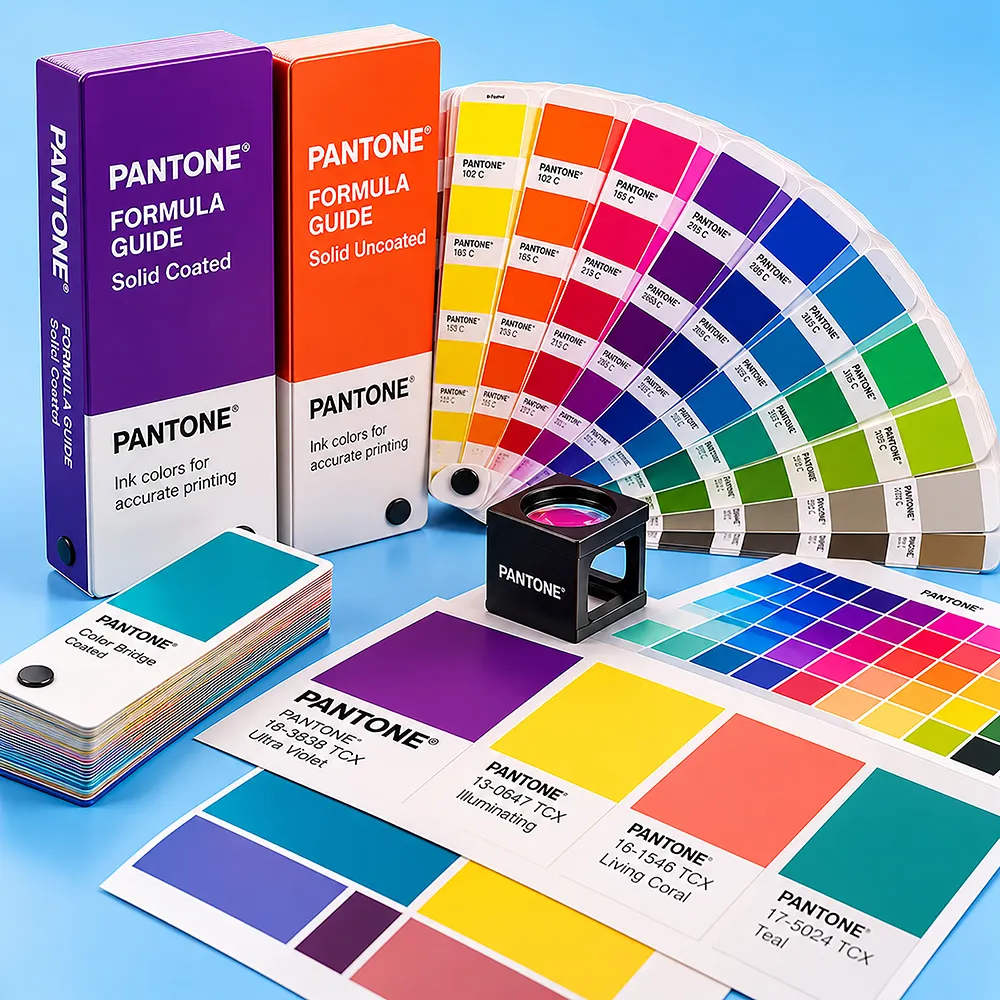
Custom printed Kraft presentation boxes can include exterior branding, interior messages, product information, campaign artwork, QR codes and barcode areas. Printing methods and color systems are separate decisions. Depending on the confirmed material, structure, artwork and order quantity, compatible projects may use digital or offset printing. Digital / Offset → Printing Methods CMYK / Pantone PMS → Color Systems or References The available artwork area also depends on the structure. A sleeve, lid, drawer face, interior tray and folding panel each create a different branding surface. Finalize the presentation structure and approved dieline before placing critical logos, messages, codes or finishing areas.

Finishing Options for Kraft Presentation Packaging

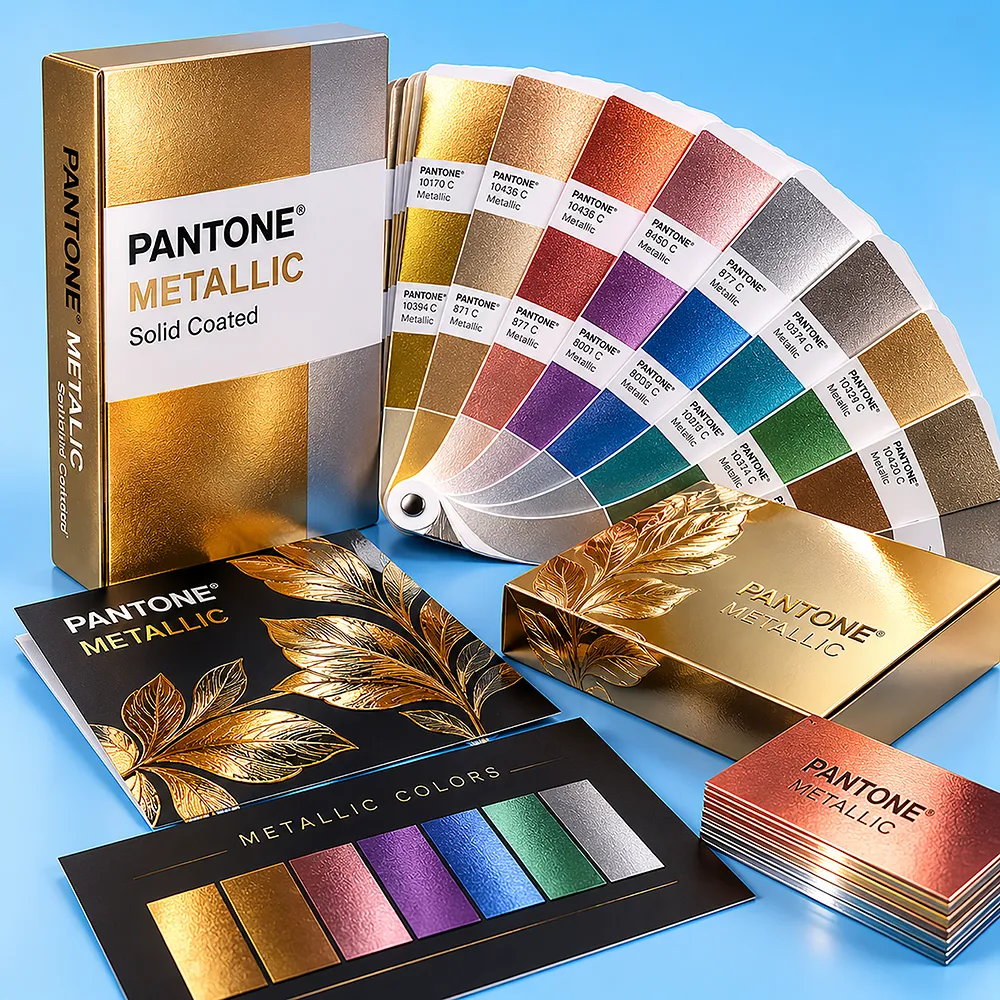
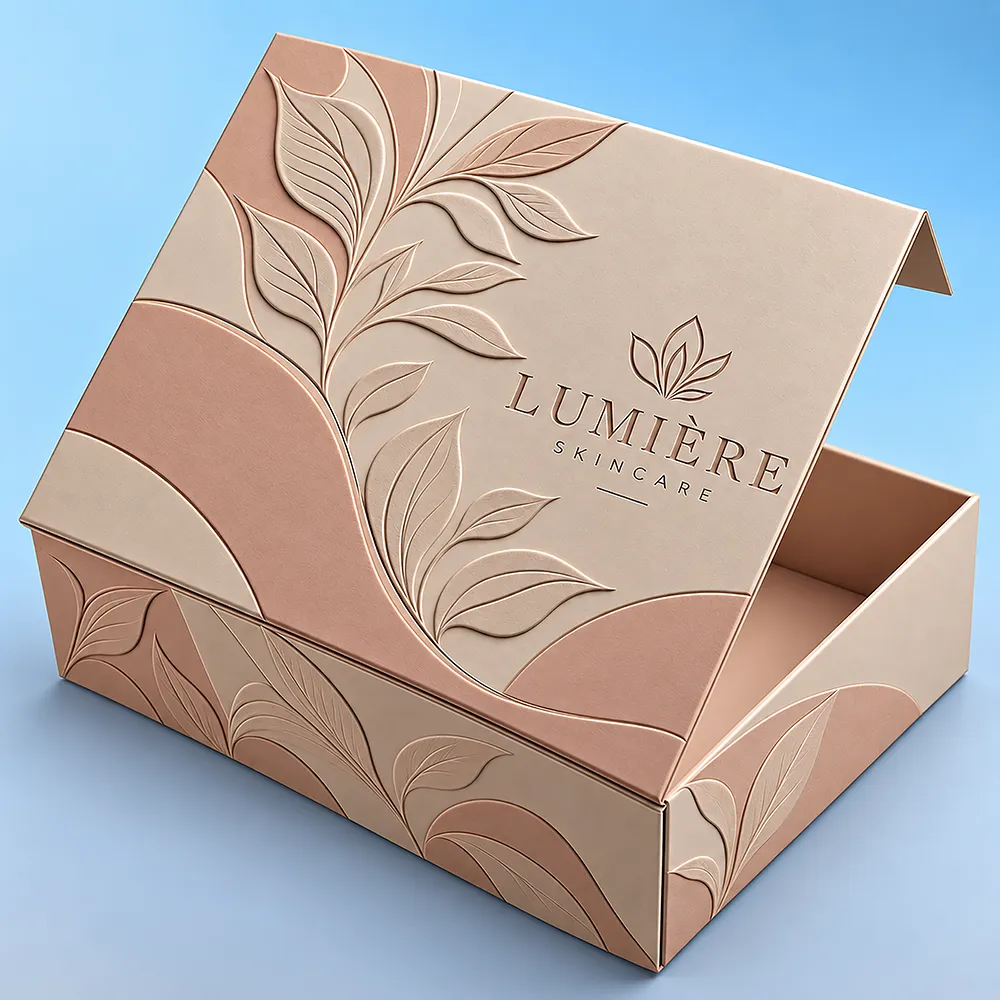
Finishing is separate from printing and should support a defined visual or tactile objective. Depending on the confirmed Kraft surface and construction, compatible options can include matte or gloss treatments, soft-touch finishes, foil stamping, embossing, debossing and Spot UV. Foil can highlight a logo while leaving the surrounding natural Kraft visible. Embossing or debossing can add tactile branding to a lid or sleeve, while selective Spot UV may provide contrast on compatible printed surfaces. Compatibility should be confirmed against the actual material and construction.

Design Exterior and Interior Artwork Around One Opening Sequence

Presentation-box artwork should follow how the customer actually interacts with the package. A closed box may first show the brand logo on a lid or sleeve. Opening it may reveal an interior message, product name or instruction before the customer removes the product. Inside printing can be considered where compatible with the selected structure and material, but the artwork orientation should make sense from the recipient viewing position.

Natural Kraft Appearance Does Not Automatically Prove Sustainability

Brown Kraft is frequently associated with environmental branding, but appearance alone does not establish the environmental properties of the finished package. Presentation boxes can also contain laminations, foil, window films, magnets, ribbons, adhesives, foam or other insert materials. Those components can affect separation, material recovery and end-of-life handling. Where recycled content, sourcing certification, recyclability or another environmental requirement matters, base the claim on the actual finished specification and supporting documentation.

Presentation Packaging Is Not Automatically Parcel-Shipping Packaging

A presentation box primarily manages product arrangement, display and opening experience. Parcel distribution introduces additional compression, vibration, impact and handling conditions. Therefore: Presentation Box ≠ Automatic Shipping Carton If the presentation package will travel through a courier or parcel network, it may need to work inside an appropriate outer shipping structure with additional protection based on the product and distribution conditions. A substantial rigid box or fitted insert alone should not be treated as proof of parcel-shipping suitability.

Several Product Versions Can Share One Dieline When the Pack-Out Matches

Brands often use the same physical presentation box across seasonal collections, campaigns, colors or corporate programs. A new artwork version does not automatically require a new structure. Several SKUs can potentially share one dieline when they retain compatible: Product Dimensions + Orientation + Arrangement + Insert + Opening Structure Artwork can then change while the physical package remains standardized. If product dimensions, count, orientation or insert geometry change, review the fit again. For accurate quotation and production planning, provide quantities by box size and artwork version.

Digital Proofs and Physical Samples Approve Different Risks

A digital proof or 3D mockup can help review artwork, text, logo orientation, color references, window position and finish locations before production. It cannot fully validate the physical presentation. A structural or physical sample provides a stronger reference for reviewing product position, cavity fit, insert elevation, loading access, product removal, lid or drawer clearance, sleeve movement and the finished open-box presentation. Where physical fit matters, compare the sample with the actual product or dimensionally representative components. A sample should not automatically be interpreted as proof of parcel-shipping performance or environmental characteristics unless those requirements have been evaluated separately.

Common Mistakes When Ordering Kraft Presentation Boxes

A common mistake is choosing an impressive-looking box structure before deciding how the products should appear when the package opens. Another is treating “presentation box” as another term for “rigid box,” even though suitable presentation packaging can also use folding Kraft paperboard. Projects can also fail when the outer box is approved before the insert, when a cavity secures the product but makes removal difficult, or when an elevated insert improves visibility but leaves insufficient lid clearance. Other avoidable mistakes include designing the window before the product position, confusing a large clear lid with a localized window, treating presentation and retail display packaging as the same thing, assuming stronger board replaces correct internal positioning, treating the presentation box as a parcel shipper and making sustainability claims from brown appearance alone.

What to Send for a Kraft Presentation Box Quote

An accurate quote starts with the finished products and the presentation you want to create. Provide the information you already have, including:
  • product or set contents;
  • maximum finished dimensions of each item;
  • loaded weight;
  • number of products per box;
  • intended product orientation;
  • desired visual order or hero product;
  • insert, divider or tray requirement;
  • desired presentation height;
  • preferred reveal or opening method;
  • loading direction;
  • product-removal requirement;
  • lid, drawer or sleeve clearance considerations;
  • localized window or clear-lid requirement;
  • ribbon, handle or magnetic closure requirement where applicable;
  • natural Kraft preference;
  • inside and outside printing requirements;
  • quantity by box size and artwork version;
  • artwork status;
  • finishing requirements;
  • retail, PR, corporate, event or ecommerce use;
  • delivery destination;
  • required in-hand date.
If you already use another presentation box, identify whether its dimensions are internal or external and provide photographs of the products in their loaded arrangement with the package open and closed where possible.

Custom Kraft Presentation Boxes Wholesale

BoxBaba develops custom Kraft presentation packaging for retail brands, ecommerce businesses, PR programs, corporate kits, product launches, subscription sets and other B2B projects where product arrangement and opening presentation matter. Custom packaging orders start from 100 units. Artwork assistance and dieline support are available, with digital proof or 3D mockup review before production. Sample options are available where product fit, insert position, opening sequence or construction requires physical evaluation. Under applicable BoxBaba sample terms, the delivery charge for a qualifying sample can be reimbursed with the first bulk order. Standard production is generally 5–9 business days after final artwork approval for eligible configurations. Rigid construction, complex inserts, specialized finishes, order quantity or multiple artwork versions can affect the final schedule, so production and delivery timing should be confirmed with the quotation. Free shipping across the USA is available under applicable BoxBaba order terms.

Request a Quote for Custom Kraft Presentation Boxes

A strong Kraft presentation-box specification begins with what the customer should see and how they should interact with the product when the package opens. Share your finished product dimensions, loaded weight, presentation layout, insert requirement, opening method, natural Kraft direction, artwork and quantity so BoxBaba can develop the package around the actual presentation. To discuss your project, call +1 305 574 4357 or email sales@boxbaba.com.

Frequently Asked Questions

Find all the urgent questions you may have.

Kraft presentation boxes are product or set packages where natural Kraft is used as part of the material or visible surface direction and the package is developed around how the contents should be arranged, revealed and removed.
No. Presentation describes the packaging application or experience, while rigid describes a construction. Presentation packaging can use folding Kraft paperboard, Kraft-wrapped rigid structures or other appropriate formats.
Measure each finished product and establish its orientation and arrangement. Include inserts, trays, dividers, cards, literature, tissue or other components that will remain inside the package.
Insert height controls how high the product appears when the box opens. Raising the product can improve visibility but also reduces the clearance available below the closed lid.
Potentially. Several artwork or SKU versions can share one structural dieline when their product dimensions, orientation, arrangement, insert and opening structure remain compatible.
No. Environmental characteristics depend on the complete package, including the selected Kraft stock, coatings, laminations, adhesives, windows, magnets, ribbons and inserts.
A presentation package should not automatically be treated as a complete parcel-shipping box. Wider distribution may require an appropriate outer shipping carton and additional protection.
Custom packaging orders start from 100 units. Final order requirements should be confirmed according to size, construction, inserts and artwork versions.
Yes. Sample options can be especially useful where product fit, insert elevation, removal access, lid clearance or the opening sequence requires physical review.
Standard production is generally 5–9 business days after final artwork approval for eligible configurations. Complex rigid structures, inserts, finishes, quantities or multiple artwork versions can affect the final schedule.

Get a Custom Quote