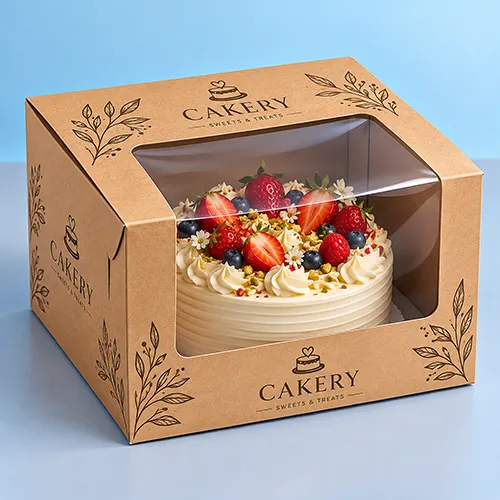
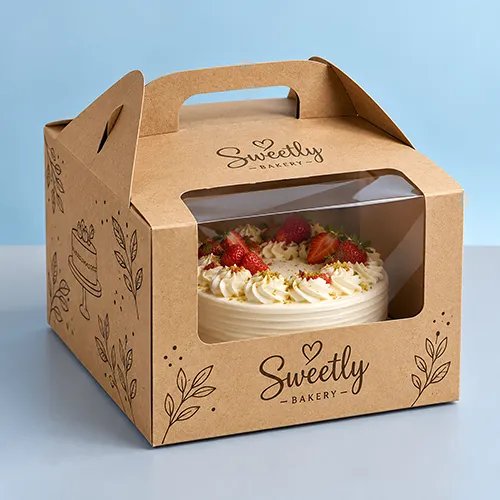
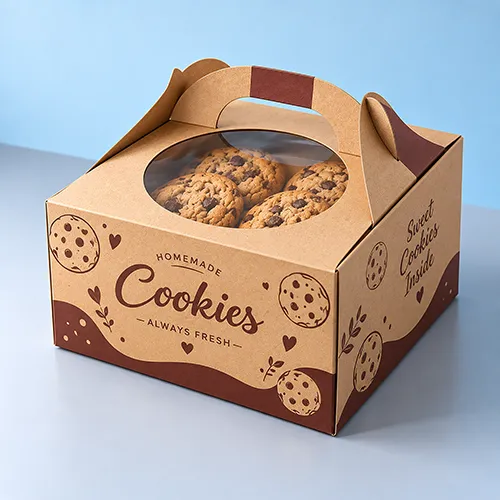
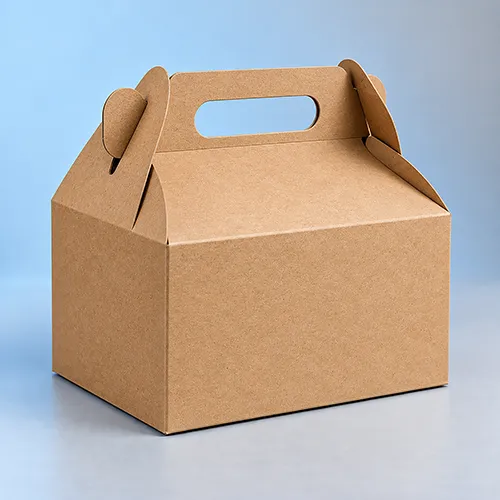
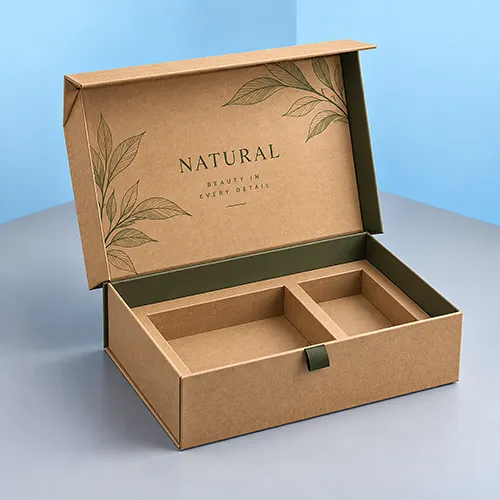
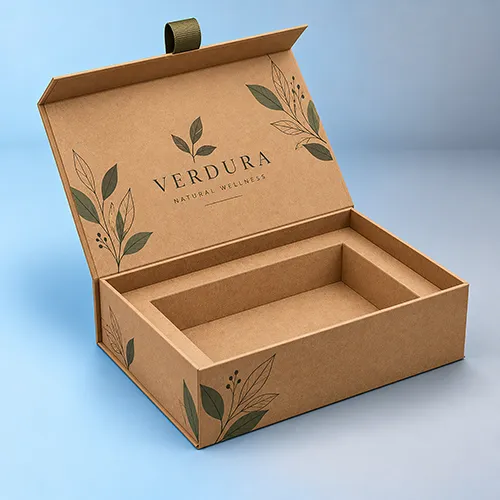
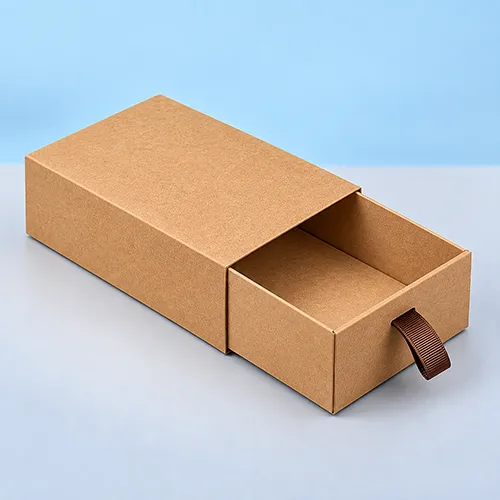
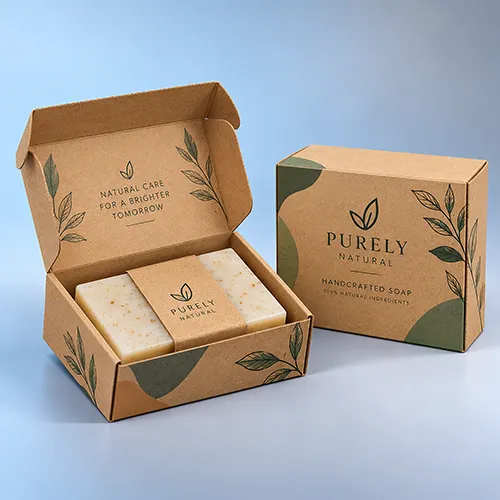
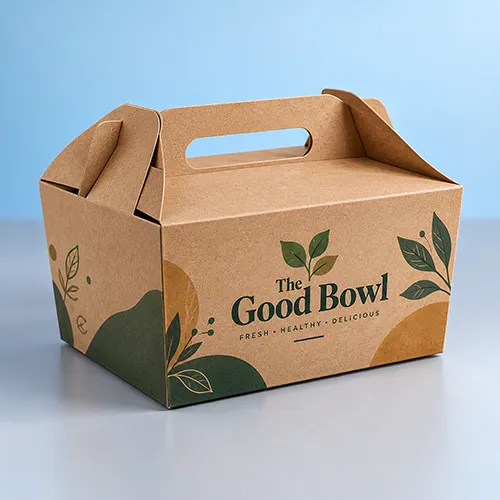
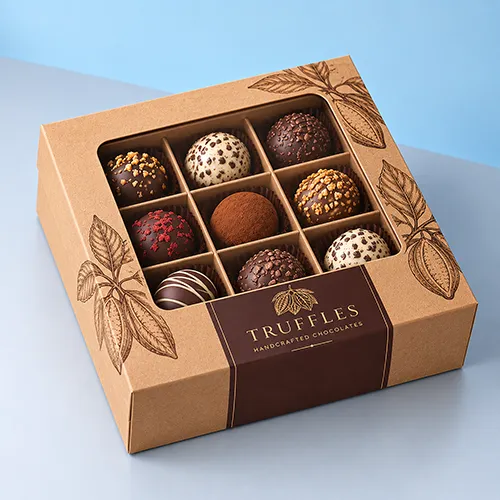
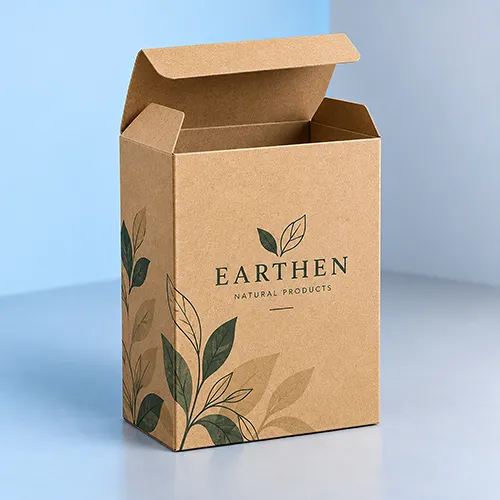
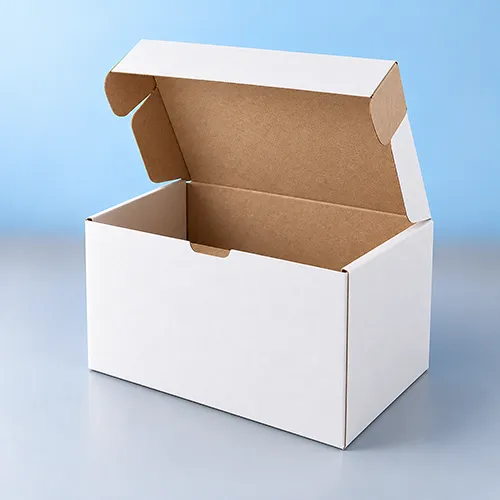
What Are Kraft Cake Boxes?
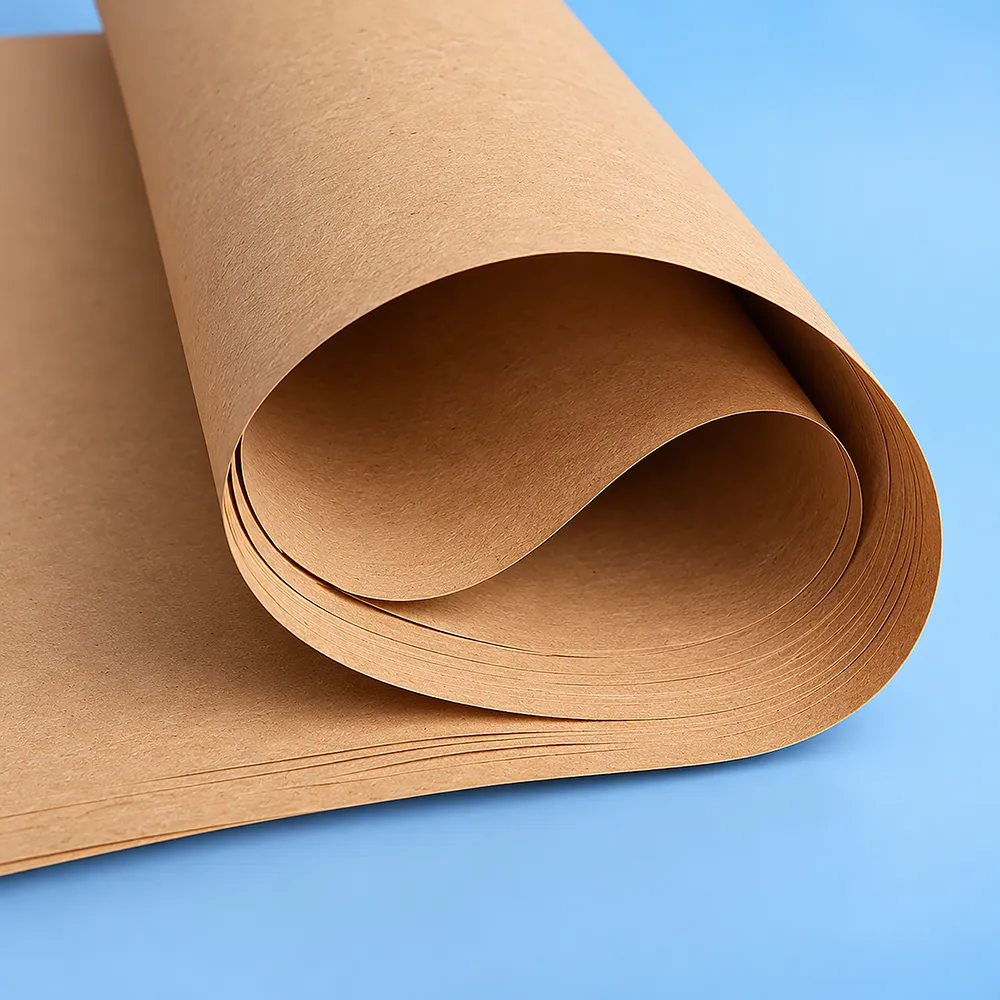
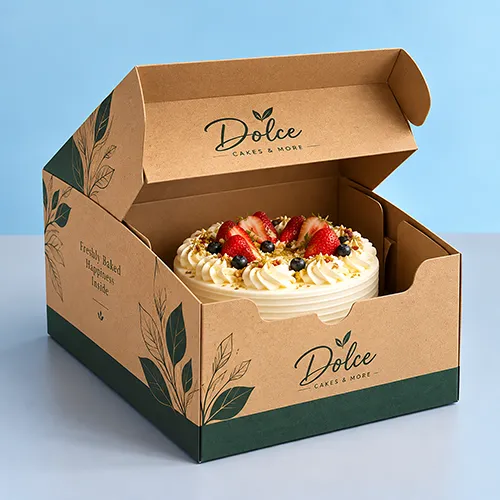
Kraft cake boxes are cake-specific paper-based packages where natural Kraft is intentionally selected as the material or visible surface direction. The exact structure can still vary according to the cake dimensions, cake-board size, loaded weight, decoration and packing method.
Keep the entities separate:
Kraft → Material / Surface
Cake → Product Application
Folding Lid / Tuck Closure / Window / Other Opening Format → Structure or Feature
Paperboard / Corrugated → Construction
This distinction matters because a small individual cake and a tall decorated celebration cake should not automatically use the same construction simply because both require a natural brown Kraft appearance.
Measure the Finished Cake, Not the Undecorated Base
Custom cake-box sizing should begin after the cake finished dimensions are understood. Measure the maximum width, depth or diameter after decoration. Also measure the complete height including frosting and any decorative element that will remain inside the closed package.
Use:
Finished Cake → Maximum Horizontal Footprint → Maximum Decorated Height
Do not rely only on cake-pan size, recipe diameter or an undecorated sponge measurement. A cake sold as an 8-inch cake, for example, can require a larger internal footprint when the cake board, frosting or decoration extends beyond that nominal size.
If you need help distinguishing product measurements from internal and external packaging dimensions, review BoxBaba guide on how to measure box dimensions correctly.
The Cake Board Can Determine the Box Footprint
In many cake-packaging projects, the cake does not sit directly on the carton base.
It may sit on a cake board, drum, tray or another supporting component. If that component is wider than the finished cake, it becomes the relevant base footprint for sizing. A cake that appears to fit by diameter can still bind against the side walls if its board is larger. The quotation should therefore include the dimensions of the actual board used with the cake rather than only the cake size shown on the bakery menu.
Cake Fit and Decoration Clearance Are Different Requirements
A cake may fit correctly across the bottom of the package while its frosting still touches the lid or top panel.
That creates two separate fit relationships:
Cake Board / Base → Determines Horizontal Fit
while:
Frosting + Toppers + Decoration → Determine Vertical Clearance
Therefore:
Cake Fits the Base ≠ Cake Clears the Lid
Measure the tallest point that will remain inside the closed package, including relevant frosting, piping, fruit, chocolate decorations, edible toppers and other raised elements. If a topper will be removed before boxing or supplied separately, identify that configuration rather than unnecessarily increasing the complete box height.
Avoid Too Little or Too Much Headroom
Insufficient internal height can cause the top panel to touch the cake decoration. Excessive internal height is not automatically better.
A much taller carton can increase package volume and create a visually oversized presentation without solving another packaging requirement.
The goal is:
Required Decoration Clearance → Appropriate Internal Height
not:
Maximum Empty Space → Better Cake Boxes
The final clearance should be established around the finished cake, packaging structure and actual bakery packing process rather than one universal allowance.
Plan How the Cake Will Enter and Leave the Box
Final internal dimensions do not tell the complete fit story.
The bakery also needs to load the decorated cake without damaging the sides, frosting or toppings.
Review:
Cake Board → Box Opening → Loading Direction → Final Position
A cake box with adequate final dimensions can still be awkward to pack if a large cake board must be lowered between close side walls. The loading relationship becomes particularly important for tall cakes, heavily iced cakes, larger boards, delicate side decoration and products with projecting toppings. Depending on the structure, top loading, fold-down side panels or another opening arrangement can materially change the packing process.
The package should make loading practical without suggesting that the carton can eliminate every handling risk associated with a decorated cake.
Choose the Construction Around the Finished Cake
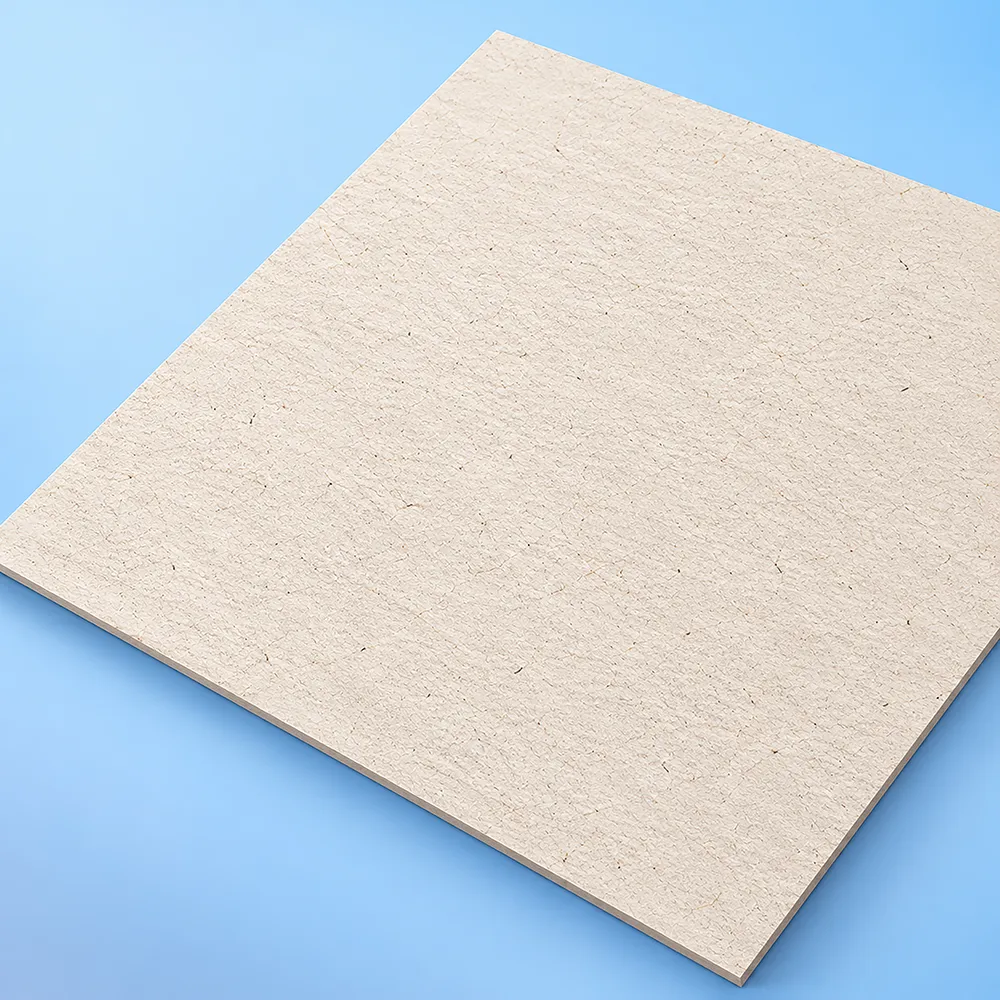
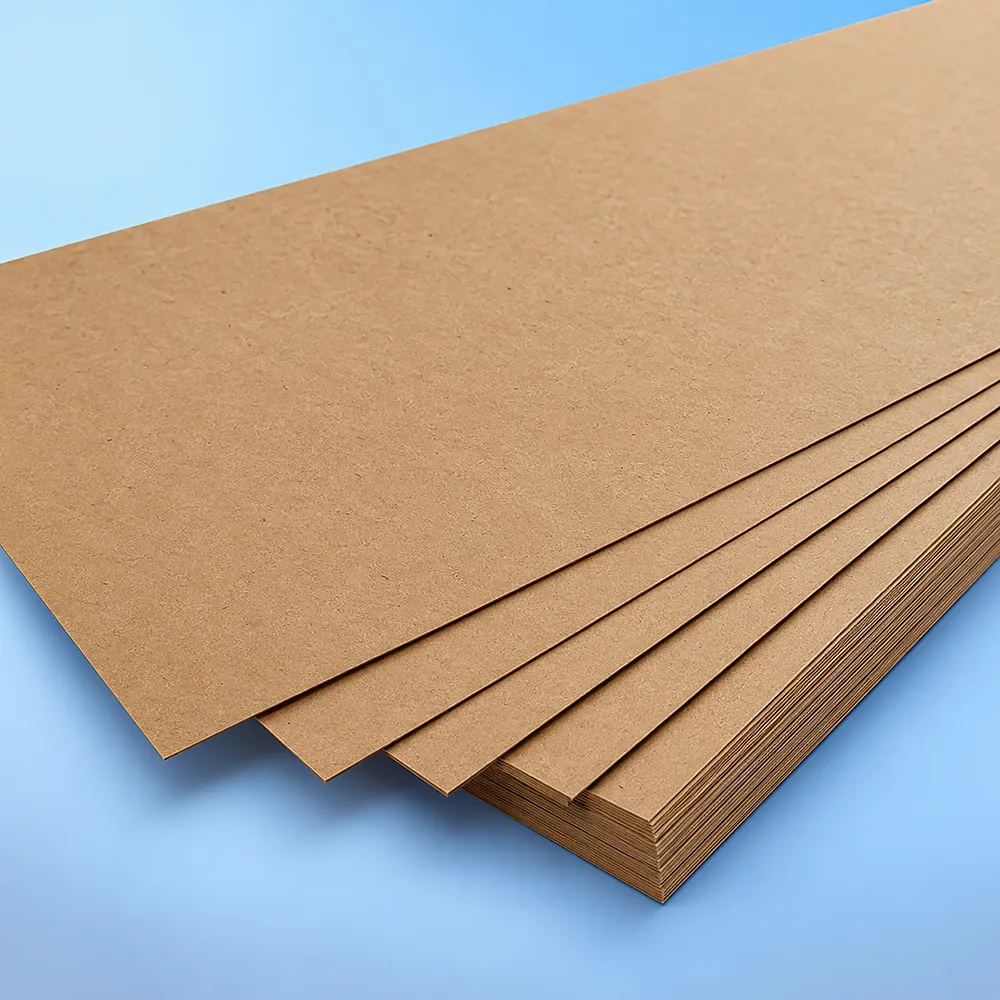
Not every cake requires the same board construction. An appropriate Kraft paperboard can suit folding cake cartons where the finished cake, box dimensions and handling requirements support that format.
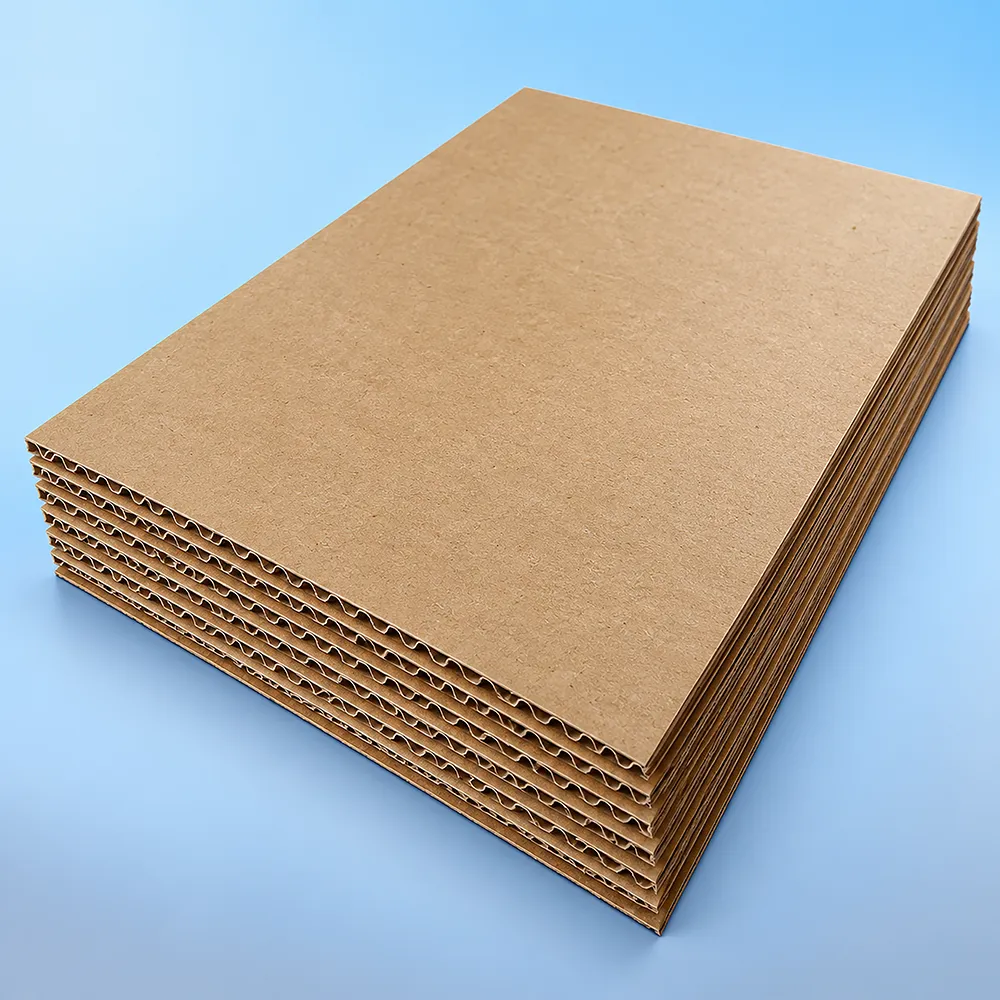
A larger package or a project with different stacking, delivery or handling requirements may need another construction, including corrugated board where appropriate.
Use:
Loaded Cake + Box Size + Handling Requirement → Construction
rather than:
Cake → One Standard Board
For broader folding-material guidance, compare Kraft Paperboard Boxes.
If fluted construction becomes the primary physical requirement because of the loaded package and handling conditions, review the broader Custom Corrugated Boxes family rather than selecting a corrugated flute or grade only from the word cake.
Round and Small Cakes Have More Specific Packaging Routes
Cake shape and scale can create more specific buying intent even when natural Kraft remains the preferred material direction.
A round cake still needs an internal box footprint developed around the cake board rather than merely around the cake diameter.
If the project primarily requires a round presentation format, compare Round Cake Boxes for the more shape-specific route.
For mini cakes, individual cakes or other compact formats, Small Cake Boxes provide a more size-focused route.
Tall and Layered Cakes Need Maximum-Height Planning
Tall cakes increase the difference between nominal cake size and the dimensions required by the finished package. For unusually tall or multi-tier cakes, the loaded weight, base support, loading route and handling process become increasingly important. Do not assume that simply making a standard lightweight carton taller will automatically create an appropriate package for every tiered or heavily decorated cake.
What Controls the Cake Inside the Box?
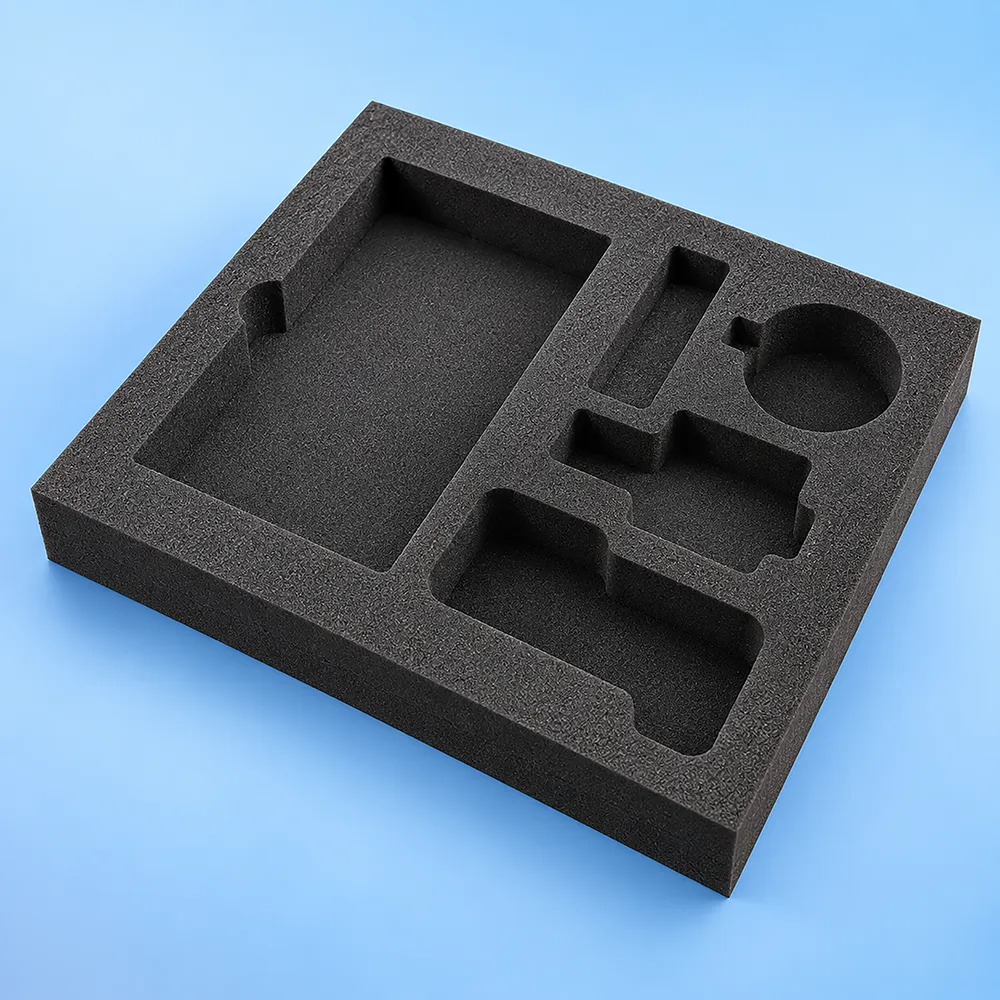
Many cakes rely primarily on the combination of a suitable cake board and correctly sized box rather than a fitted insert. Additional internal components may be relevant for individual cakes, cake sets or specialty configurations where the product position needs greater control.
If an insert, divider or another internal component is used, its geometry occupies part of the usable interior and should be established before the final outer dimensions are approved.
A Stronger Box Does Not Automatically Stop the Cake From Sliding
Outer-box construction and internal movement are different packaging problems.
A heavier or more substantial board may affect the structure, but it does not automatically control a cake board inside an oversized interior.
The more relevant solution may be:
Correct Internal Footprint + Appropriate Cake Board / Retention Configuration
rather than simply increasing board weight.
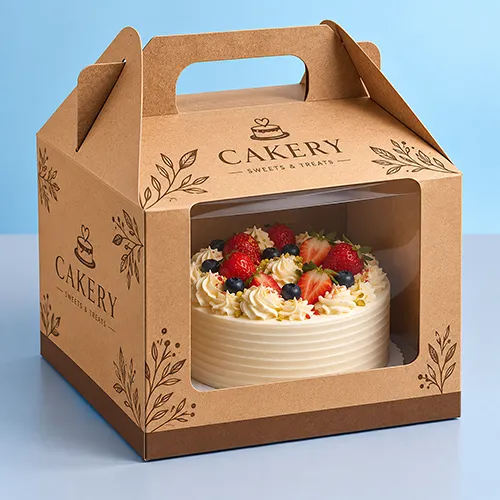
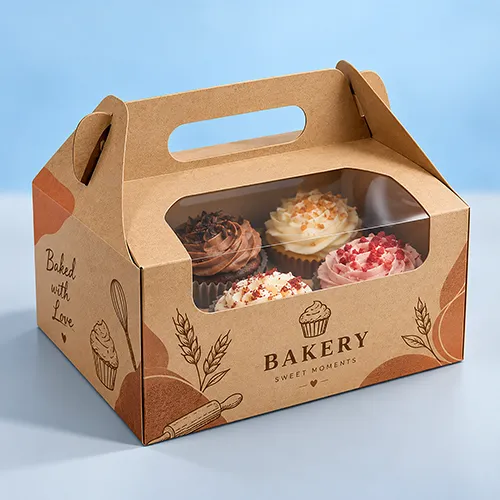
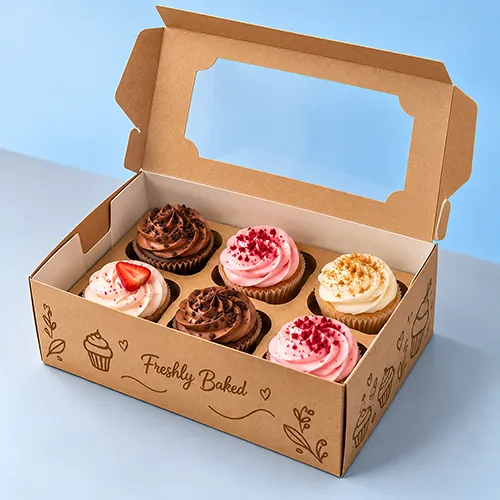
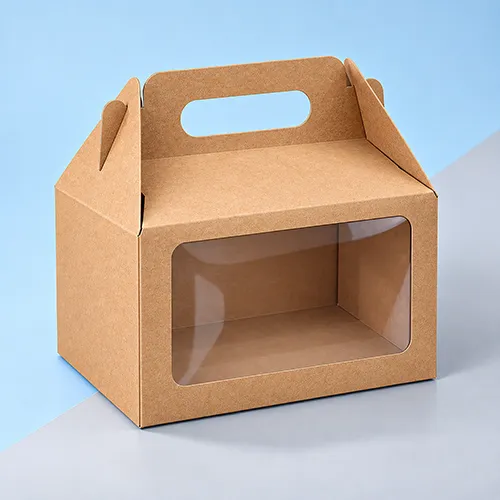
Kraft Cake Boxes With Windows
A viewing window can allow the customer to see the cake without opening the carton.
The window should be designed around the actual cake position and intended viewing angle. A top window can emphasize frosting and decoration, while another placement may expose a different part of the cake depending on the structure.
The cutout also removes material from the panel, so it should remain clear of important folds, locking features and other structural areas. If the viewing feature becomes the primary packaging requirement, compare Window Bakery Boxes for the more window-focused bakery route.
Food Contact Depends on the Actual Cake Pack-Out
Natural Kraft appearance does not establish food-contact suitability. In many applications, the cake base sits on a separate cake board:
Cake Base → Cake Board → Box
However, frosting, side decoration or another part of the cake may still contact an interior packaging surface depending on the box dimensions, movement and opening structure. If direct food contact is possible, communicate that requirement together with relevant grease, moisture, temperature and holding conditions.
For broader food-material and contact decisions, compare Custom Food Boxes.
Grease and Moisture Conditions Vary by Cake
Cake formulations and decorations do not create identical packaging conditions. A relatively dry sponge, buttercream-covered cake and moist dessert cake can interact differently with a paper-based package. Do not assume natural Kraft automatically provides a grease or moisture barrier. If a coating, liner or other barrier is necessary, it should be specified for the actual cake and pack-out rather than added as a generic bakery-box feature.
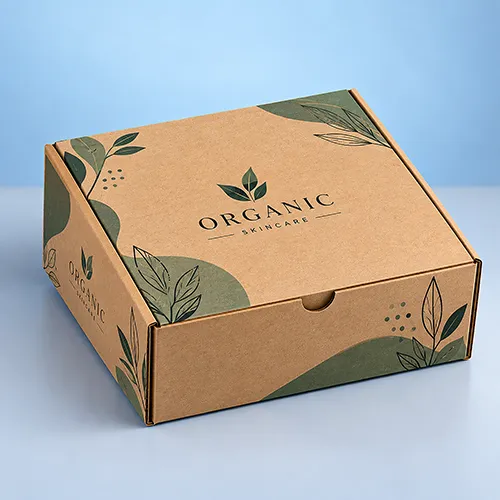
Natural Kraft Changes Printed Color Appearance
Natural brown Kraft creates a non-white background for printed artwork. A logo viewed on a white screen can therefore appear different when applied to the actual Kraft surface. Dark logos, typography and simpler graphics can interact differently with brown Kraft from pale colors, photographs and low-contrast designs. Where brand colors matter, review the selected material and artwork together.
Printing Options for Kraft Cake Boxes
Custom Kraft cake packaging can provide space for bakery logos, product names, seasonal graphics, instructions, QR codes, barcodes and other buyer-supplied information according to the selected structure.
Available printing methods are:
- Digital Printing
- Offset Printing
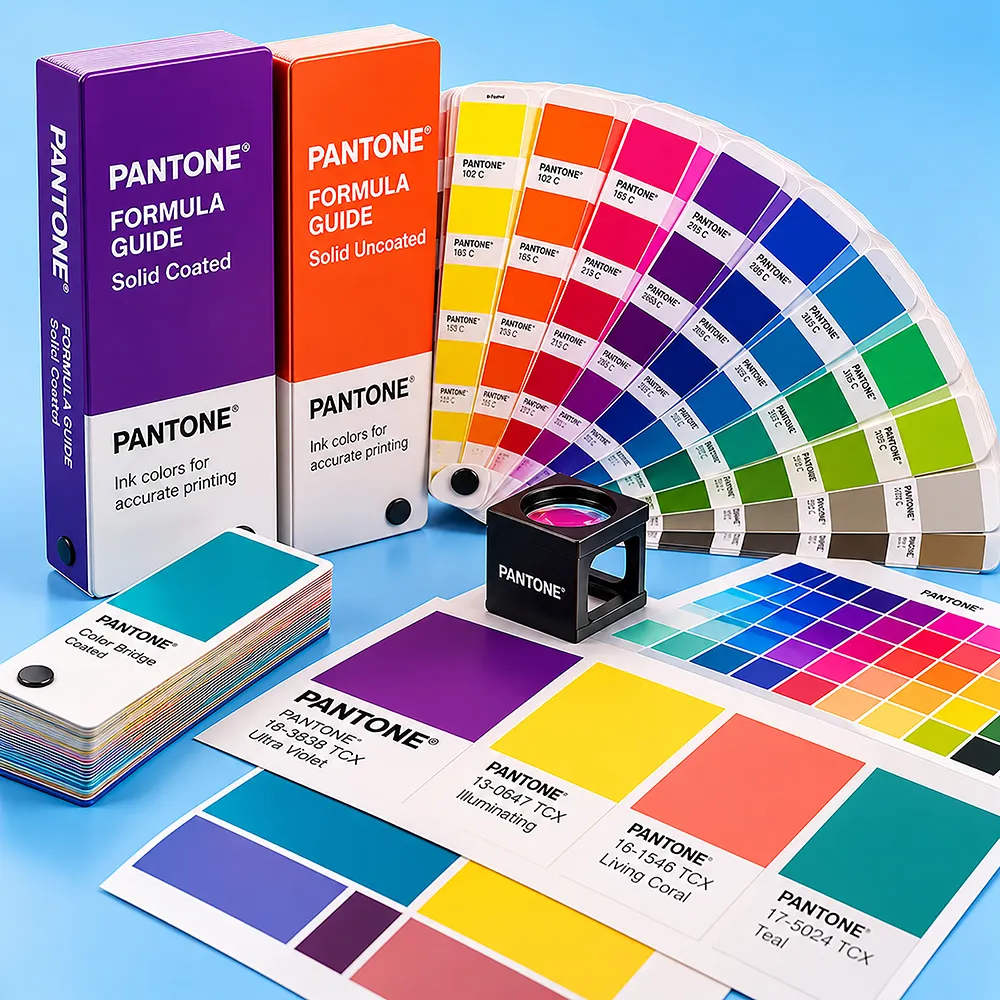
CMYK / Pantone PMS → Color Systems or References
The appropriate printing method should follow the Kraft stock, artwork, quantity and final package construction. If artwork is printed on an interior area that may directly contact the cake, disclose that contact relationship before the complete material, ink and coating specification is approved.
Inside and outside printing should also be treated as separate artwork requirements rather than assumed automatically.
Plan Artwork Around the Cake-Box Opening
Cake boxes often use the top and side panels as major branding surfaces. However, folds, locking areas, windows and the opening sequence determine what is actually visible after assembly. A logo on the top panel should be oriented for the intended customer view.
Where a window occupies part of the lid, branding should be developed around the remaining printable area rather than positioned first and cut through later.
Important QR codes, barcodes and functional copy should remain clear of folds, panel joins and other structural areas.
Finishing Options for Kraft Cake Packaging
Printing and finishing should remain separate production decisions.
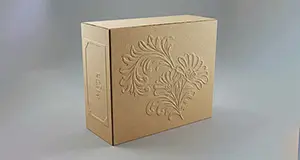
Depending on the selected Kraft stock, structure and print process, compatible options can include matte or gloss surface treatments, soft-touch finishes, foil stamping, embossing, debossing or spot UV.
For bakery packaging, a decorative treatment intended for an exterior branding area should not automatically be assumed appropriate for a surface that may directly contact food. Material, printing and finishing requirements should therefore be reviewed together.
Pickup, Local Delivery and Parcel Shipping Are Different Use Cases
A cake handed across a bakery counter, transported locally by a bakery or customer, and sent through a parcel network encounter very different handling conditions.
Therefore:
Cake Box → Retail Pickup / Local Delivery Packaging
does not automatically mean:
Cake Box → Parcel Shipping Package
A conventional Kraft cake carton should not be described as shipping-qualified simply because it feels substantial or uses a particular paper-based material.
If the cake will enter a broader distribution system, provide:
Complete Cake + Packed Weight + Internal Retention + Delivery Method + Handling Conditions
before the packaging configuration is selected.
An additional outer package or a different overall packing system may be required where shipping becomes a separate distribution requirement.
Plan a Cake-Box Size System for Multiple Products
Bakeries often sell several cake diameters and heights.
Do not automatically use one oversized box for the entire range.
Use:
Cake Board Footprint + Maximum Decorated Height → Required Box Size
for each relevant size group.
Several cake flavors or artwork versions can potentially share one structural dieline where their physical requirements remain identical.
For example:
Same Cake Board + Same Maximum Height + Same Structure → Potential Shared Dieline
while:
Different Board / Height / Structure → Separate Box Review
This approach can help a bakery organize recurring packaging sizes without compromising cake-board fit or decoration clearance.
Provide quantity by box size and artwork version when requesting pricing.
Digital Proofs and Physical Samples Check Different Risks
A digital proof can help review artwork, logo position, color references, panel orientation and window placement on the dieline.
It does not fully demonstrate the physical relationship between the cake board, walls and decoration.
Use:
Digital Proof → Artwork Review
while:
Physical / Structural Sample → Fit + Assembly Review
Where physical fit is important, a sample can help evaluate cake-board clearance, internal height, lid or panel movement, loading path, window position and the overall assembled proportions.
The actual finished cake—or a dimensionally representative pack-out—provides a stronger fit reference than artwork alone.
A physical sample should not automatically be treated as proof of direct-food-contact compliance, shelf life, grease resistance, shipping performance or environmental characteristics unless those requirements have been separately established.
Natural Kraft Does Not Automatically Establish Environmental Claims
Natural brown packaging is often associated with environmental positioning, but appearance alone does not determine the properties of the completed package.
Do not automatically assume:
Natural Kraft = Recycled Kraft
Kraft = Recyclable
Kraft = Biodegradable
Kraft = Compostable
The completed cake package can also contain coatings, adhesives, printing, window materials and other components.
If documented environmental characteristics are important to your bakery or procurement program, request confirmation for the actual quoted material specification instead of relying on the natural brown appearance.
Common Mistakes When Ordering Kraft Cake Boxes
One of the most common mistakes is ordering according to cake diameter and forgetting that the cake board is larger.
Another is measuring before final decoration and overlooking the extra height required for frosting, piping or toppers.
Other avoidable problems include choosing excessive empty headroom, ignoring how the finished cake will be loaded, adding a window without considering the cake position, assuming a stronger outer box automatically stops the cake from moving, treating Kraft appearance as proof of sustainability, and assuming a retail cake carton is automatically appropriate for parcel shipping.
A better workflow is:
Finished Cake → Cake Board → Maximum Decorated Footprint → Maximum Height → Loading Path → Handling Method → Structure → Kraft Material → Window / Internal Requirement → Artwork → Physical Review
What to Send for a Kraft Cake Box Quote
A useful quotation should describe the cake in the exact condition in which it will be packed.
Provide:
- cake shape;
- finished cake diameter, width and depth where applicable;
- complete packed weight where relevant;
- paperboard or corrugated preference if already established;
- direct-food-contact requirement where applicable;
- grease or moisture conditions where relevant;
- window requirement;
- inside and outside printing requirements;
- order quantity by cake-box size;
- quantity by artwork version;
- artwork status;
- finishing requirements;
- delivery destination;
- required in-hand date.
If you already use another cake box, clarify whether its dimensions are internal or external
, and provide the actual cake-board dimensions and maximum finished cake height as well.
Custom Kraft Cake Boxes Wholesale
BoxBaba develops custom Kraft cake packaging for bakeries, cake studios, cafés, dessert businesses, caterers and other B2B bakery programs where natural Kraft is part of the intended packaging specification.
Custom packaging orders start from 100 units
, with made-to-size structures, artwork assistance, dieline support and digital proof or 3D mockup review available for custom projects.
Production and delivery timing should be confirmed with the quotation after the cake dimensions, cake board, structure, Kraft material, food-contact requirement, quantity, artwork and finishing specifications are finalized.
Free shipping is available across the USA under applicable BoxBaba order terms.
Where cake-board fit, decoration clearance, loading, window position or structural assembly requires physical review, discuss the appropriate sample option before bulk production.
Request a Quote for Custom Kraft Cake Boxes
Share your cake dimensions, cake-board size, maximum decorated height, quantity, handling method and artwork requirements so BoxBaba can prepare a quotation around the actual finished cake. For a custom quote, call +1 305 574 4357 or email sales@boxbaba.com.