Kraft Cookie Boxes

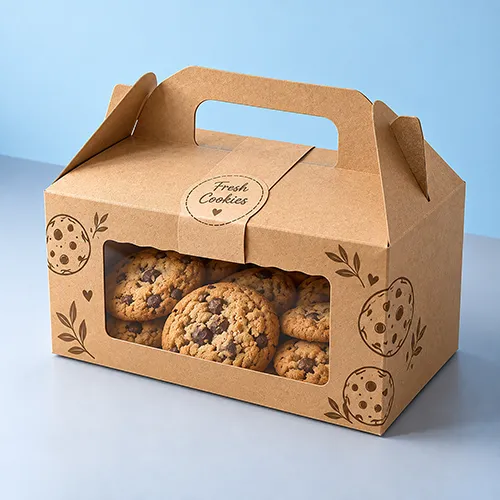
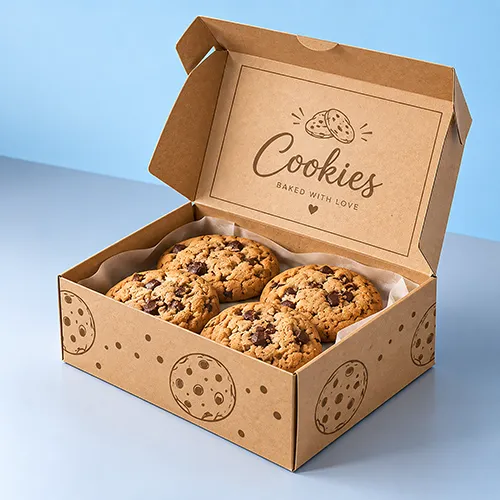
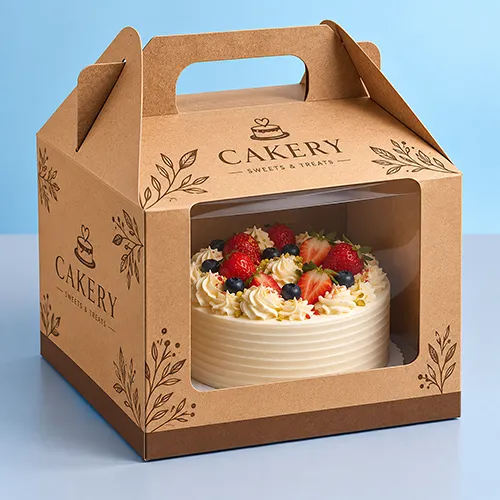
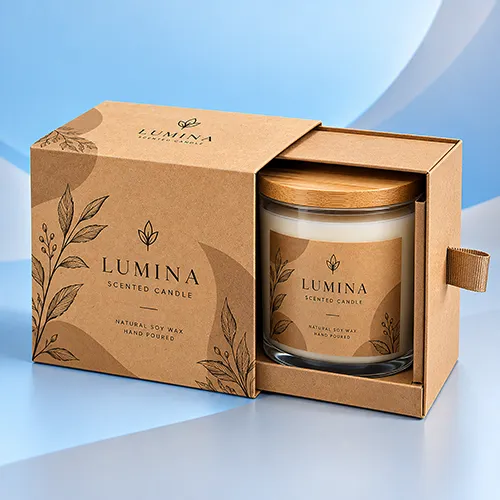
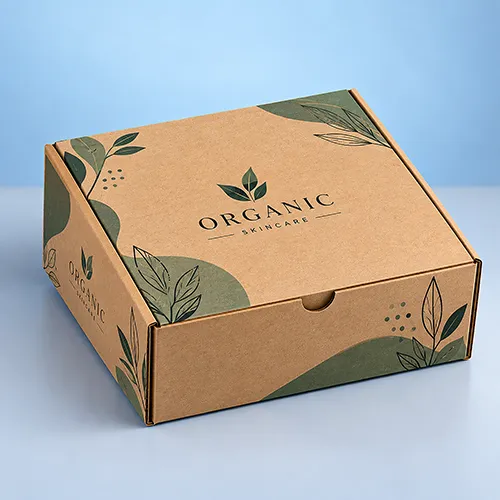
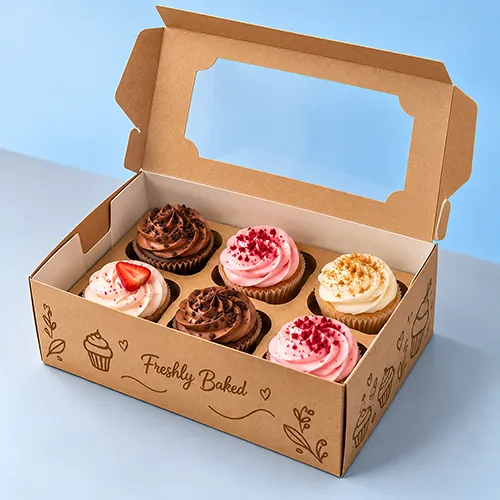
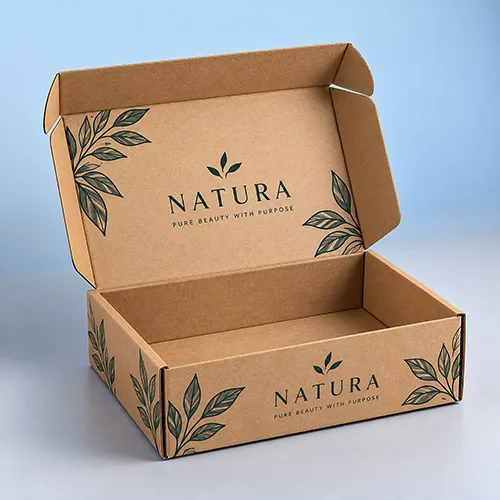
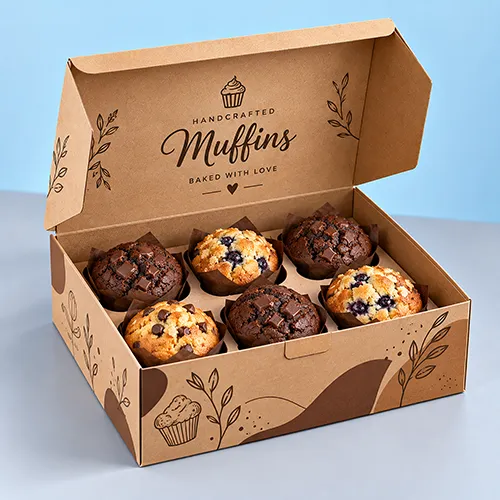
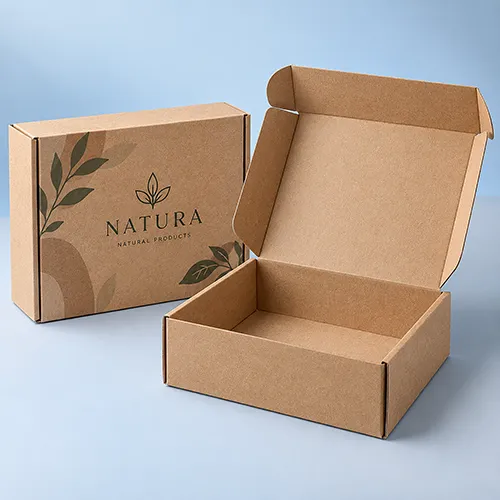
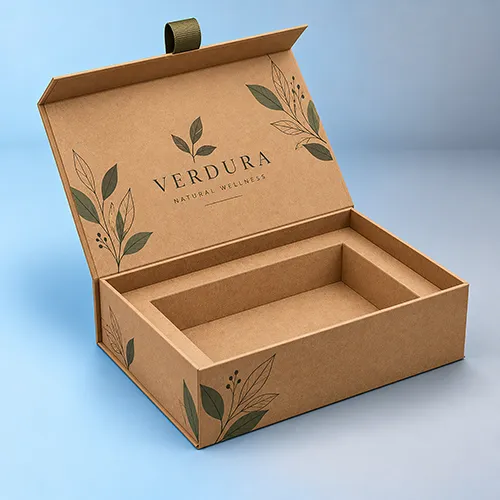
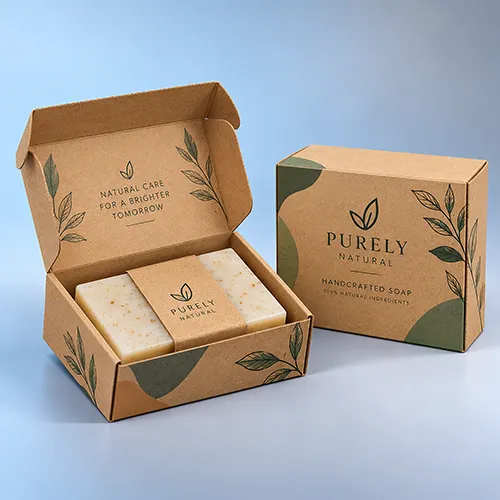
Custom Kraft cookie boxes are developed around the finished cookie dimensions, thickness, quantity and packing arrangement, with natural Kraft providing the brown material and visual direction of the package. Cookies may sit flat in one layer, stack vertically, occupy separate compartments or use fitted trays. Each arrangement creates a different box footprint, internal height and structural requirement. Six decorated cookies arranged individually, for example, can require very different packaging from the same number divided into two stacks. BoxBaba can produce custom Kraft cookie packaging with made-to-size dimensions, windows, inserts, dividers, branded printing and compatible finishing options. Custom packaging orders start from 100 units. For packaging across other natural Kraft applications, explore our custom Kraft boxes. Bakeries sourcing packaging for several product types can also browse custom bakery boxes.
Trustpilot_Logo
5 out of 5 stars
4.5
Reviews 16 • Excellent

Kraft Cookie Boxes – Custom Kraft Packaging for Cookies, Bakery Treats & Retail Display

Kraft cookie boxes made with food-grade materials and customizable printing, ideal for bakeries, cafes, cookie gifts, and retail packaging while protecting treats and enhancing natural brand presentation.

What We Give

Create Custom Boxes Quick and Easy

Design

Get your custom boxes made in the required size, shape, and style.

Print

Upload your artwork and get it superbly printed the way you want.

Get it done

Order any quantity, enjoy a wholesale price, pay no extra for die plates.

Product Specification

Specification Custom Kraft Cookie Boxes
Box Type Made-to-size Kraft cookie packaging developed around cookie size, count, arrangement, presentation and handling requirements
Dimensions Custom Length × Width × Height based on cookie diameter or footprint, quantity, stacking method, insert layout and required clearance
Order Quantity (MOQ) Starts from 100 units; final minimum may depend on structure, material, size and customization
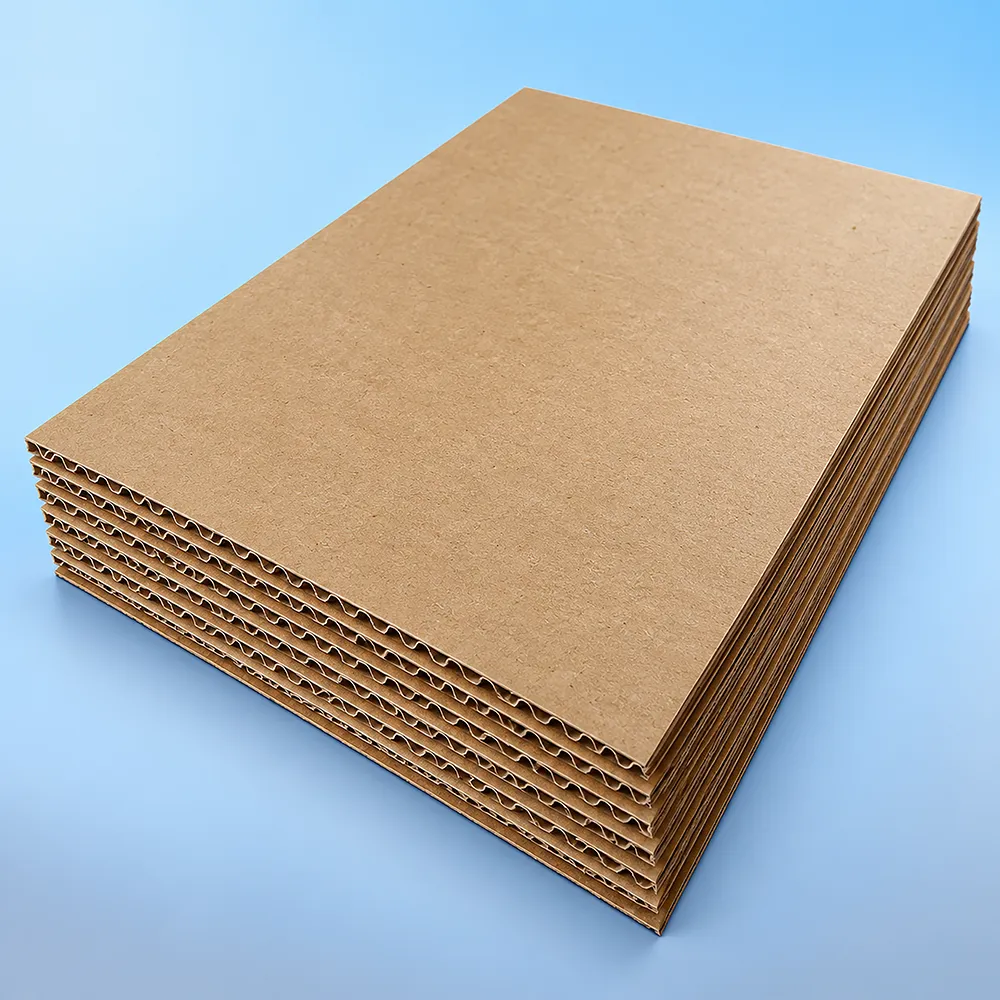
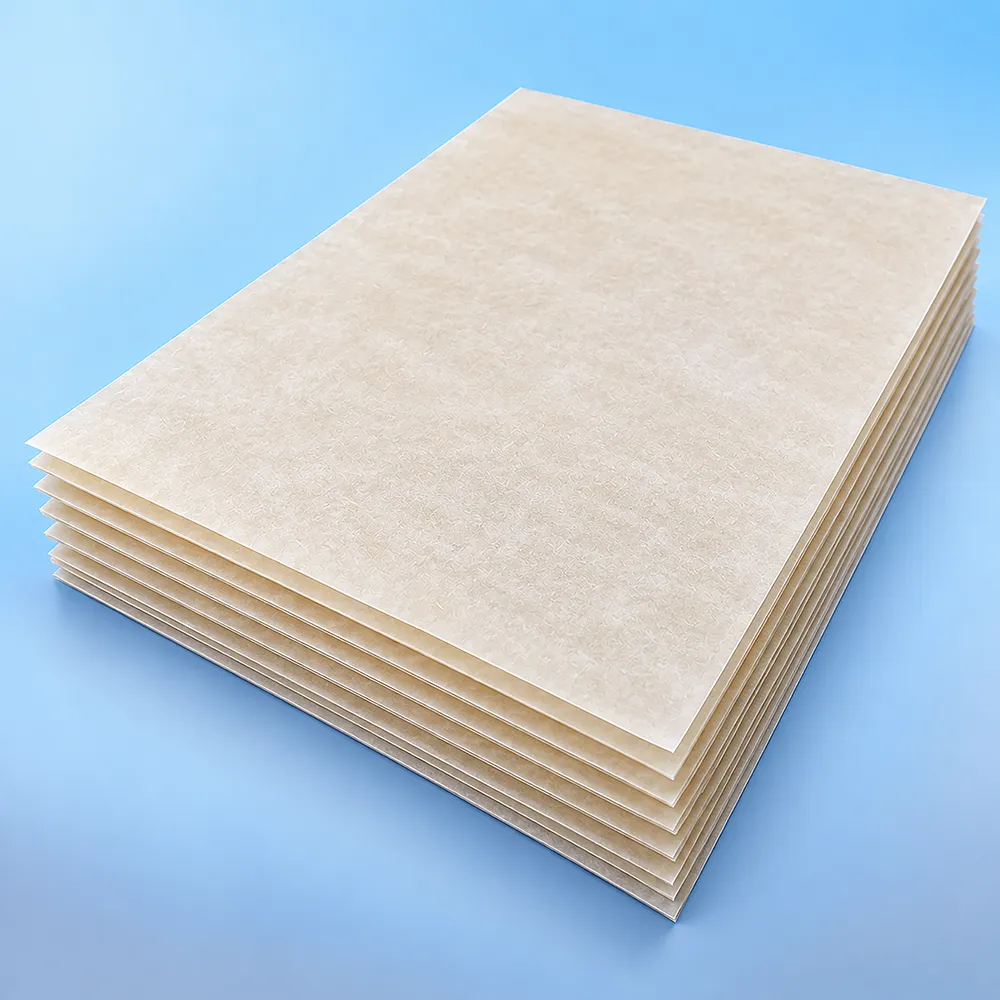
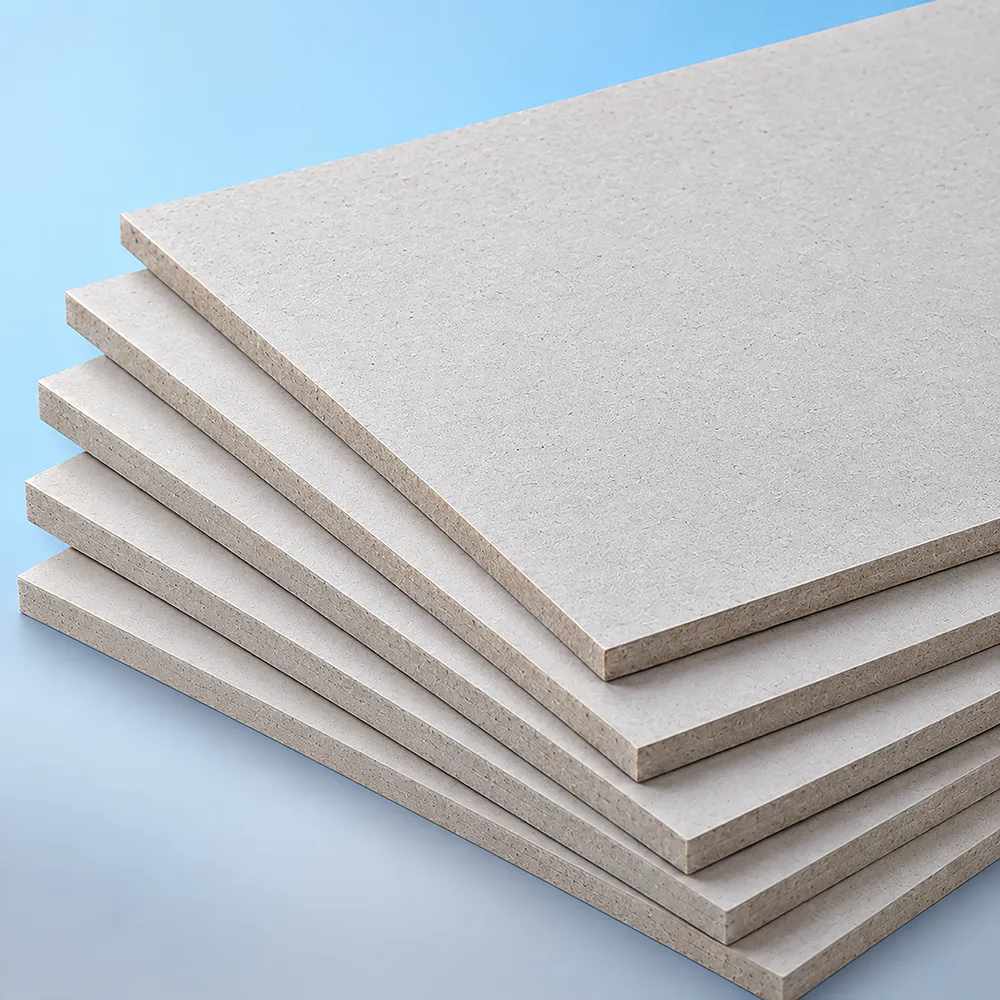
Material Direction Kraft paperboard and suitable Kraft/corrugated constructions selected according to cookie count, box size, stacking needs and handling requirements
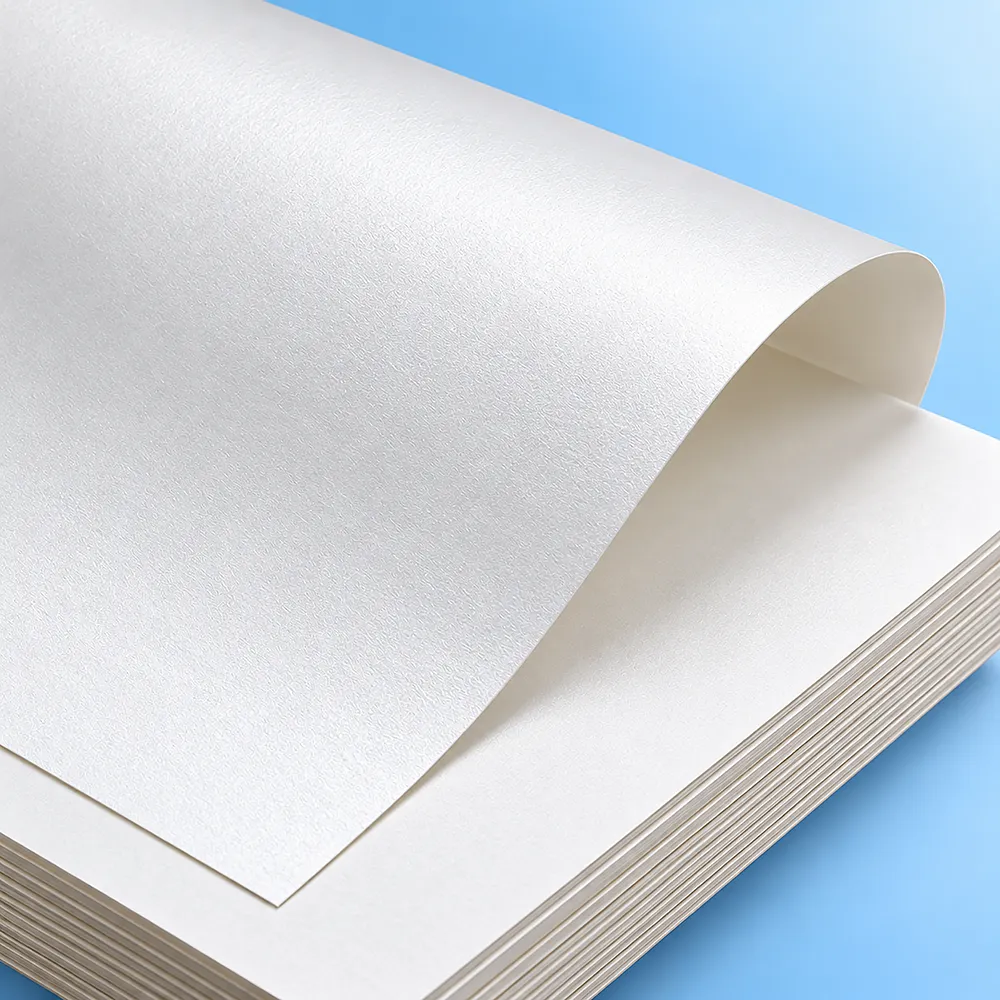
Surface Options Natural brown Kraft and alternative lighter/white Kraft directions where available for the selected construction
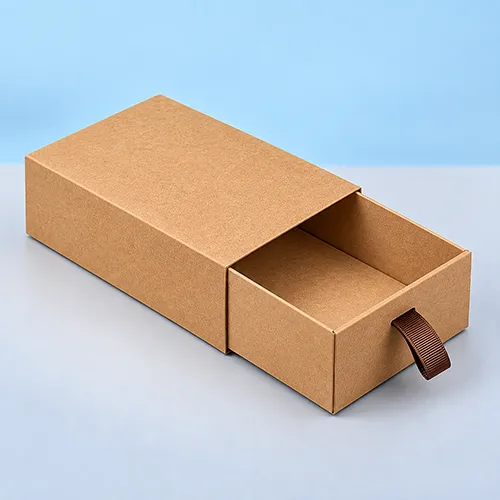
Structures Folding cookie cartons, tuck boxes, window boxes, sleeve-and-tray formats, lid-and-base boxes and other compatible Kraft bakery structures
Printing Logo, text, graphics, barcode and QR-code printing; CMYK/Pantone requirements and inside/outside printing can be discussed according to construction
Finishes Matte, gloss, soft-touch, foil stamping, embossing, debossing and Spot UV where compatible with the selected Kraft material
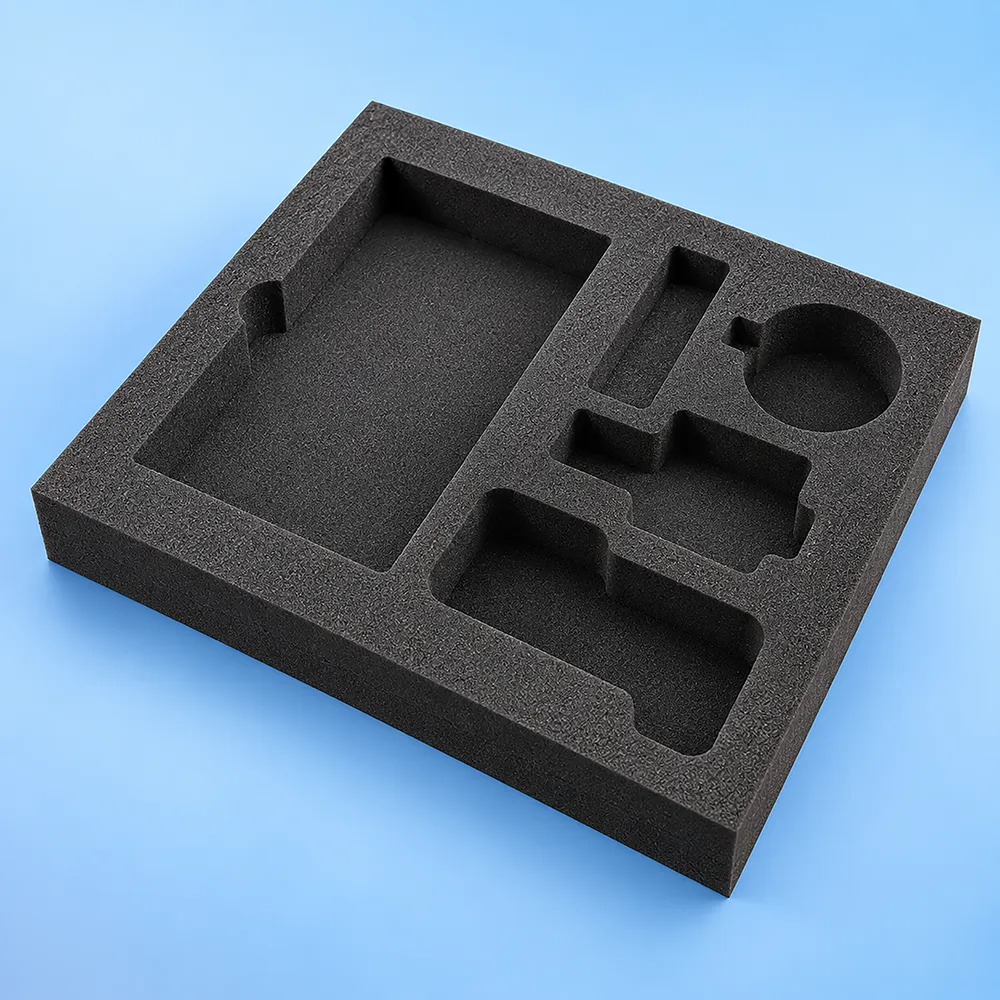
Inserts & Add-ons Custom inserts, dividers, partitions, trays, liners and window cutouts can be incorporated to support product separation and presentation
Artwork Support Custom dieline and artwork assistance available for branding, panel layout, insert coordination and window positioning
Proofing Digital proof or 3D mockup for artwork, structure and cookie-layout review; physical sampling options should be confirmed for the individual project
Samples Free samples are available; delivery charges will be reimbursed on the first bulk order
Standard Production Approximately 5–9 business days after final artwork approval for qualifying orders; confirm timing with the quotation
Shipping Free shipping across the USA under applicable BoxBaba order terms

Related Products

Stock Type & Thickness

Cardboard

We use cardboard material with the least environmental impact and minimizes waste generation.

Kraft

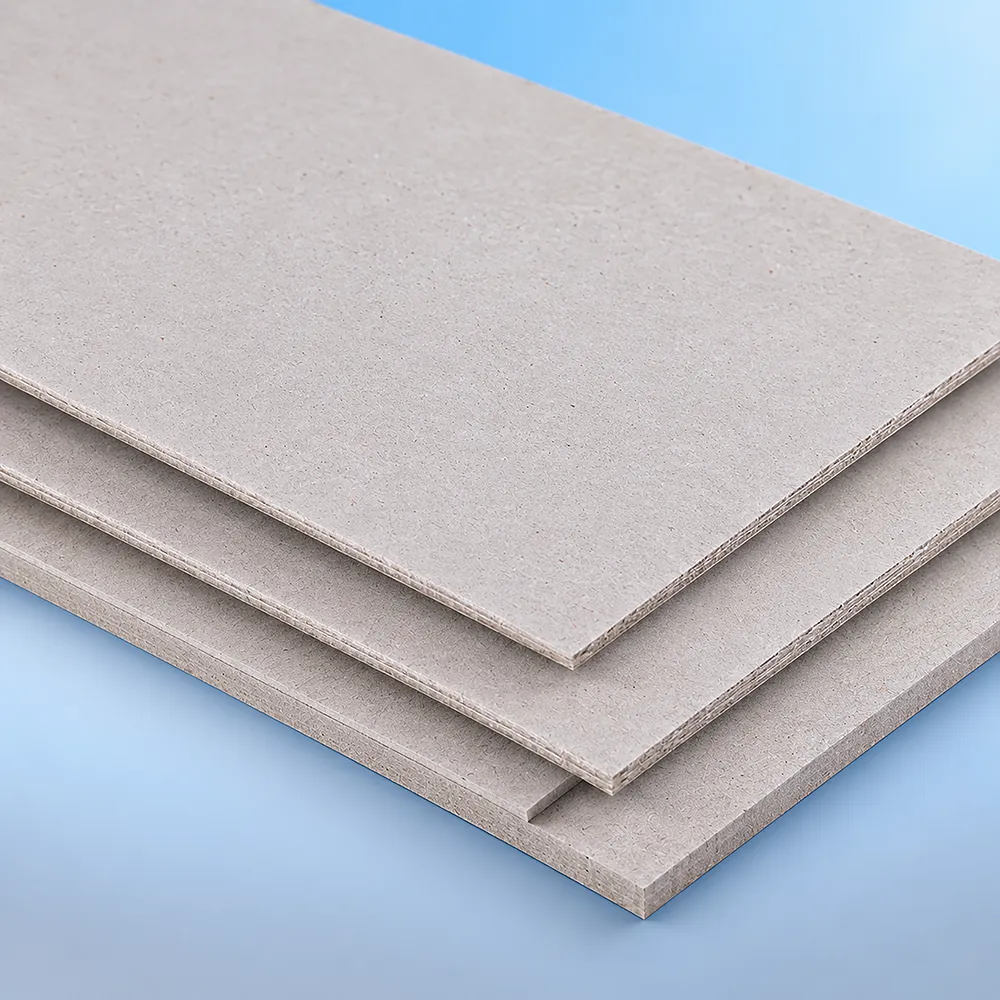
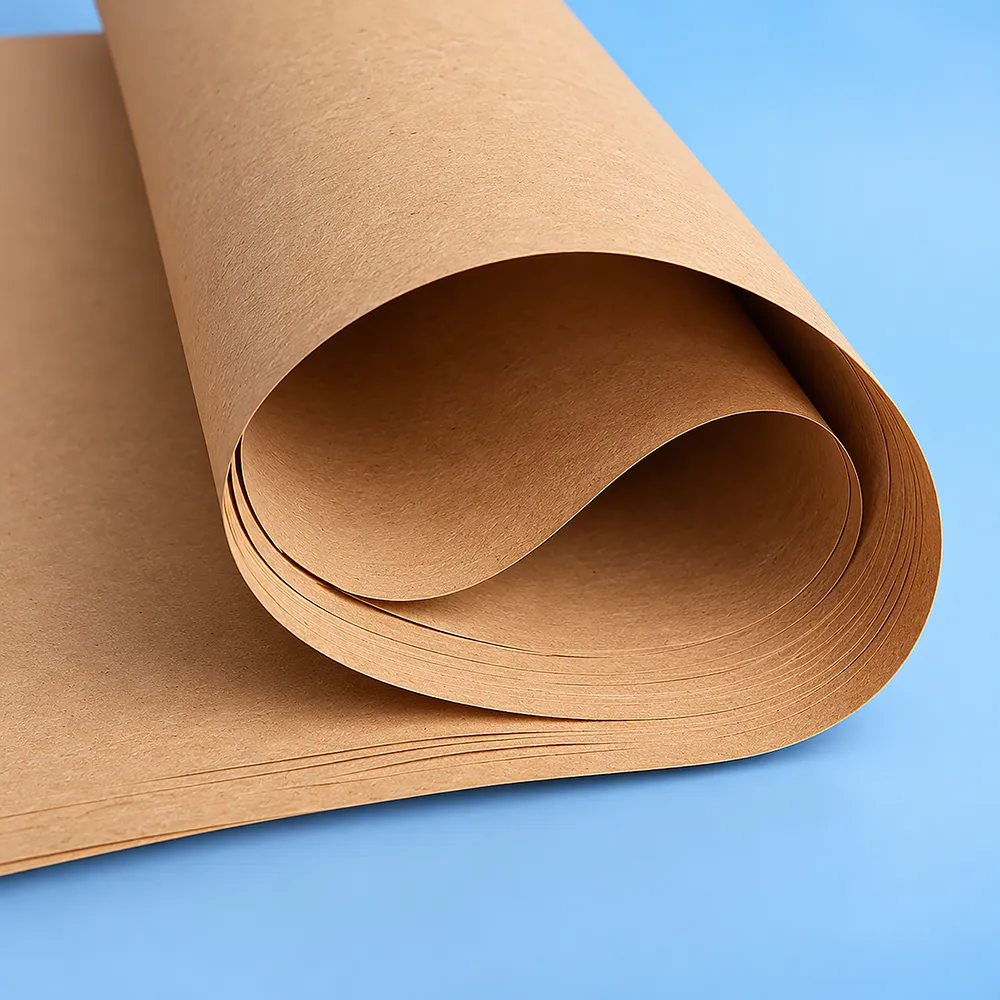
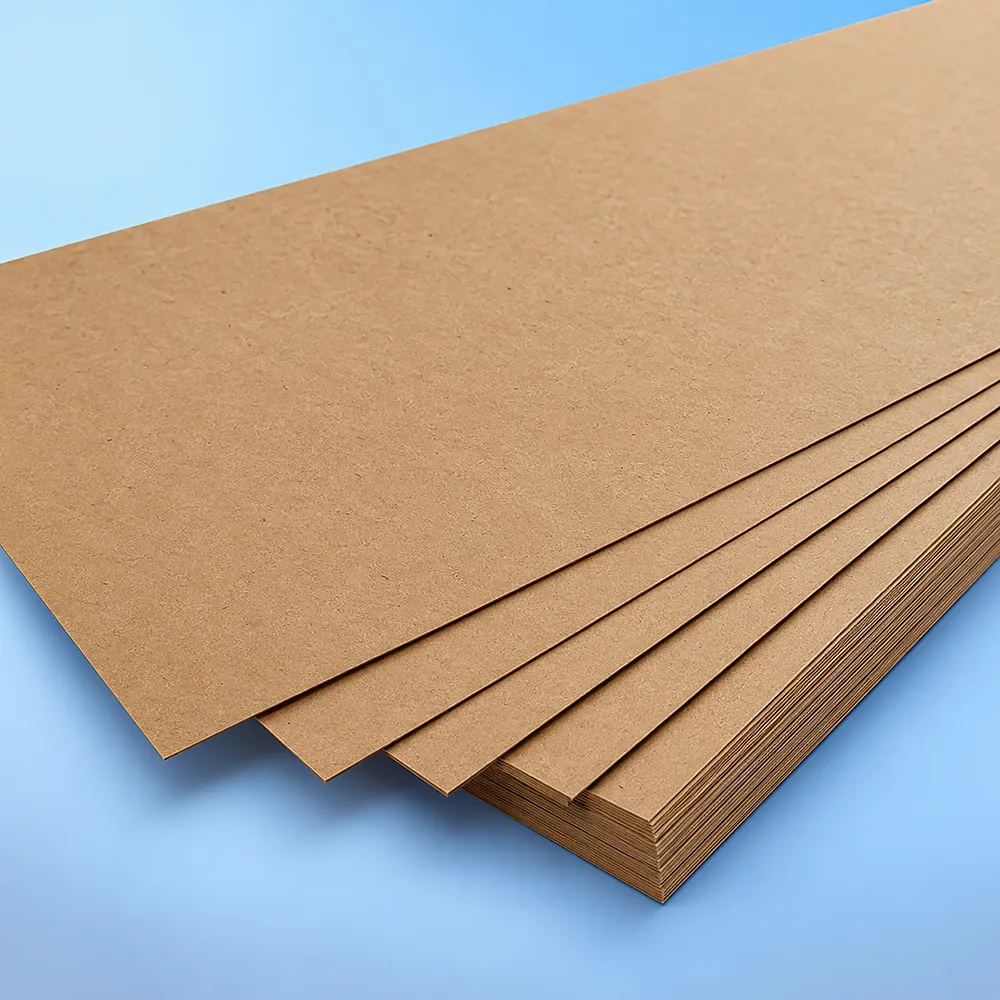
Kraft paper is a strong, durable and reliable material that is widely used across many different industries.
Rigid

Rigid is highly protective, affordable and recyclable material. These boxes provide maximum protection.
Corrugated

Corrugated material is easy to customize, cost effective and sustainable. It is also great for branding purposes.
Finishing Assortment

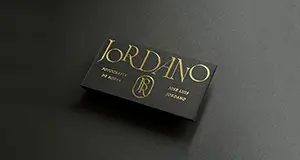
Foil Stamping

Foil Stamping

Enhance your packaging with premium foil stamping for a bold and luxurious appearance.
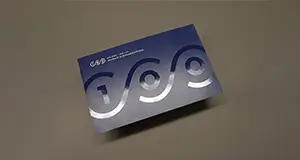
Spot UV

Spot UV

Our Spot UV coating adds a sleek shine and highlights key design elements beautifully.
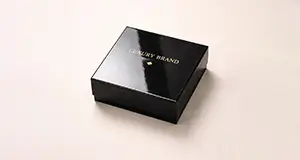
Gloss-Lamination

Gloss

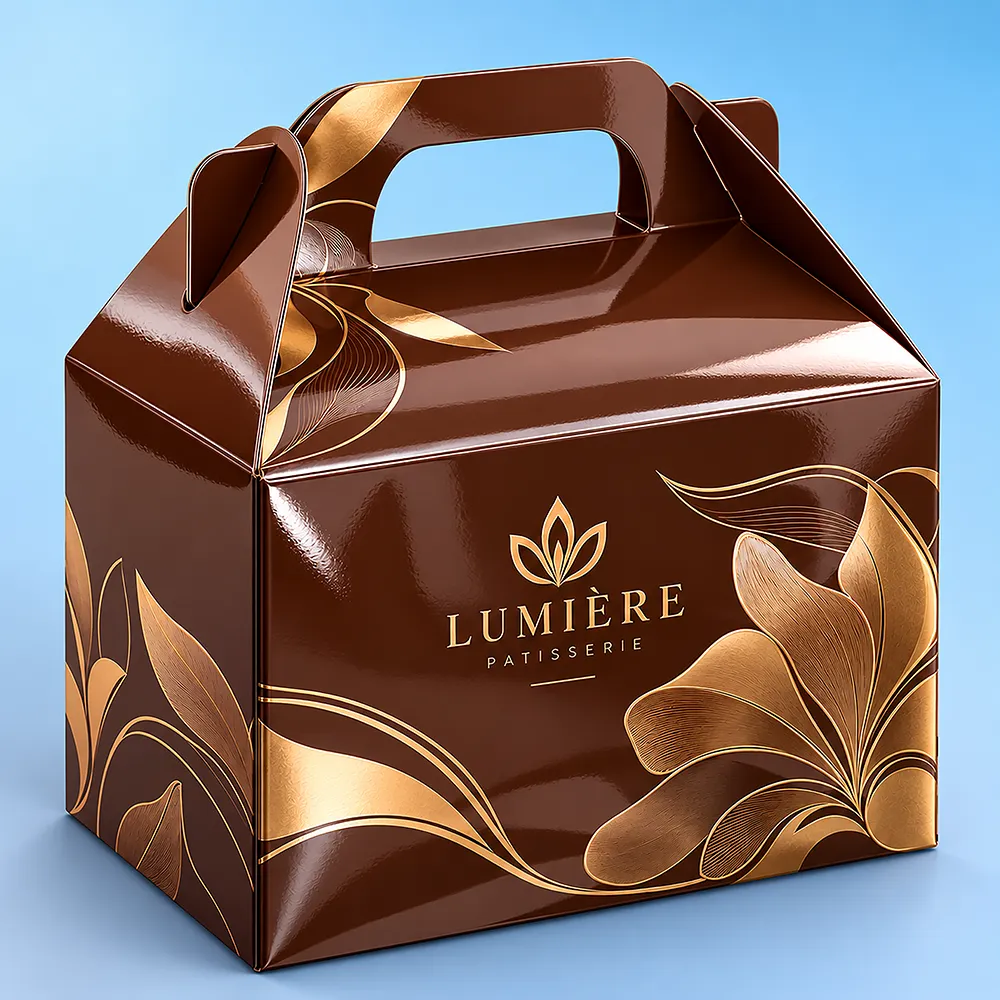
Give your packaging a polished, glossy finish that enhances color and visual appeal.
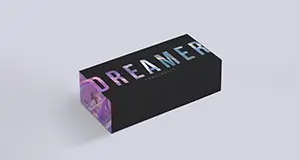
Holographic Foiling

Holographic Foiling

Create eye-catching packaging with holographic foil effects that shimmer from every angle.
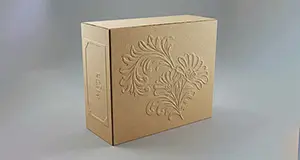
Embossing

Embossing

Add raised textures and elegant detailing to make your packaging stand out.
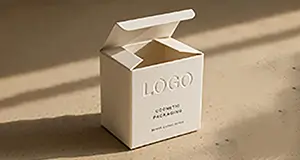
Debossing

Debossing

Create a refined pressed-in effect that adds depth and sophistication to your packaging.
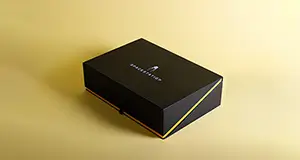
Matte

Matte

Achieve a smooth matte finish that minimizes fingerprints and delivers a modern look.
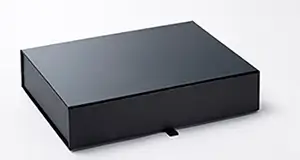
Soft Touch Lamination

Soft Touch Lamination

Protect your packaging with a silky-soft laminated finish for a premium feel.
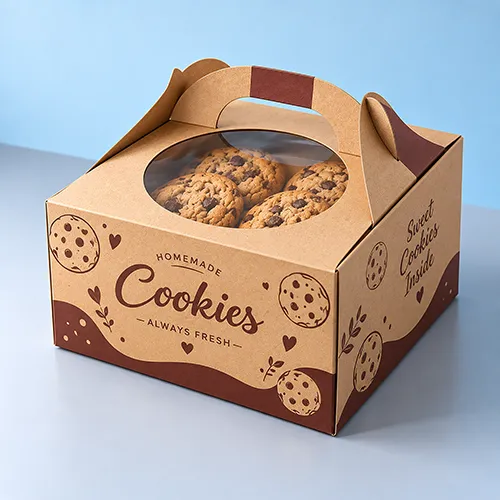
Size the Box Around the Finished Cookie and Actual Pack-Out

Cookie count alone does not determine the correct box dimensions. Start with the cookie as it will actually be packed and sold. Round cookies can be recorded by maximum diameter, while square, rectangular, heart-shaped, character-shaped and irregular handmade cookies should be measured at their widest occupied length and width. Thickness is a separate measurement. A single cookie can require little vertical space, while several of the same product stacked together can create a much taller package. Decoration, individual wrapping, separators, trays and inserts can also increase the occupied dimensions. If you are reproducing an existing package, clarify whether the dimensions you provide are internal or external. BoxBaba guide on how to measure box dimensions explains why that distinction matters for custom packaging.
Flat, Stacked and Compartmented Cookies Need Different Dimensions

A flat single-layer arrangement generally uses more length and width while keeping the package relatively shallow. Stacking reduces the footprint but increases the required height. A compartmented arrangement introduces dividers or inserts that consume additional internal space. That means: Same Cookie Count ≠ Same Box Size Before approving the structural dieline, decide whether the cookies will sit in one layer, form one or more stacks, occupy separate compartments or be individually wrapped. For stacked products, measure a representative finished stack in its real packing configuration whenever possible rather than calculating height only from one nominal cookie thickness. Individual products can vary slightly, while wrapping and separators can increase total stack height.

Measure Decorated Cookies in Their Sale-Ready Condition

Icing, chocolate, sprinkles, toppings and attached decorations can change the maximum footprint or thickness of the product. A package sized around a plain cookie may therefore provide insufficient clearance for the decorated version that customers actually receive. This is particularly important for decorated sugar cookies, promotional cookies and event assortments where the upper surface is part of the presentation. Stacking should not automatically be assumed suitable for these products. If raised decoration should not contact the cookie above it, communicate that requirement before the arrangement is finalized. A tray, single layer or separated compartment may be more appropriate depending on the actual product.

Choose the Cookie Box Structure Around Loading and Presentation

Kraft cookie boxes can use different structural directions depending on how the cookies are packed, displayed and removed. A folding bakery-style carton can suit many routine counter and takeaway applications because it provides broad access to the interior. Tuck-style cartons may work where a more conventional retail opening is appropriate. An auto-bottom or locking-bottom format can be useful where setup workflow and the complete loaded package support that structure. For presentation-led assortments, a sleeve-and-tray or lid-and-base direction may provide a different opening experience from a standard folding bakery carton. Windowed structures can be developed when seeing the cookies before opening is important. The structure should follow: Cookie Arrangement → Loading Method → Opening / Removal → Presentation → Box Structure rather than: Cookie → One Standard Box Style A shallow single-layer assortment, tall cookie stack and divided gift collection should not automatically use the same structural solution.

Design Inserts and Dividers Around the Cookie Arrangement

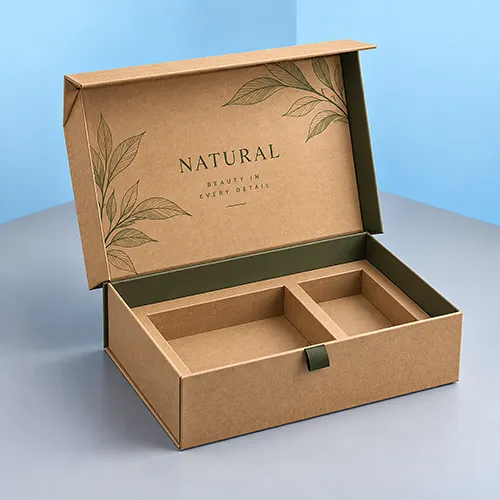
Inserts, trays and dividers can help organize cookies and establish their position, but they also occupy internal space. They should therefore be considered while the box is being sized rather than added after the exterior dimensions are already fixed. For a fitted arrangement: Cookie Footprint → Cavity / Compartment → Arrangement → Insert Footprint → Box Interior A divider and fitted insert also perform different functions. A divider primarily separates sections of the box. A fitted tray or insert can define more precisely where an individual cookie or group sits. For assorted flavors or product types, dividers may help maintain distinct areas. Where the visual presentation depends on predetermined cookie positions, a fitted insert or tray may be the better structural direction. The package still needs practical loading and removal. A configuration that is unnecessarily tight can place pressure on cookie edges or decorations and make the product difficult to remove. For broader internal-positioning options, explore our custom boxes with inserts.

Assorted Cookies Should Be Checked Against the Largest Requirement

Mixed assortments can contain cookies with different shapes, diameters, thicknesses and decorations. Where the products share one box, check the package against the largest relevant physical requirement rather than only the smallest cookie in the set. For example, a gift assortment might combine relatively thin round cookies with thicker sandwich cookies and decorated cookies carrying raised icing. If individual products vary too much to share one layout efficiently, using more than one box size can be more practical than making every assortment use an oversized carton.

Keep Kraft Cookie Boxes Distinct From Other Cookie-Packaging Pages

BoxBaba already has product pages covering adjacent cookie intents, so each page should have a defined role. Where the main requirement is packaging one individually sold cookie across available materials, compare Single Cookie Boxes. Where a white printing surface is specifically preferred, White Cookie Boxes cover that material and visual direction.

Choose the Kraft Construction From the Loaded Package

Natural Kraft does not identify one universal paperboard thickness or construction. An appropriate Kraft paperboard folding carton can suit many bakery, retail and gifting applications where its dimensions, loaded weight and handling requirements support that structure. A larger or more demanding package may require another construction. For broader folding-stock information, compare our Kraft Paperboard Boxes.

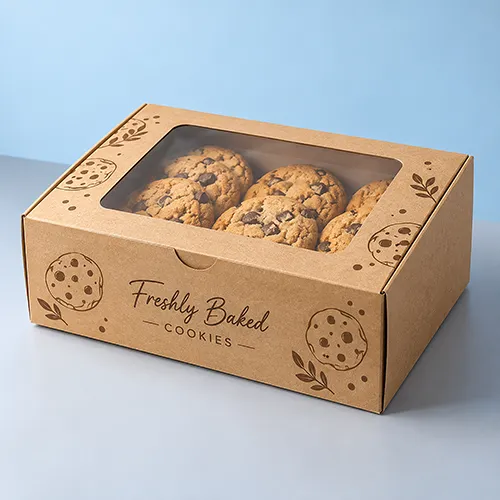
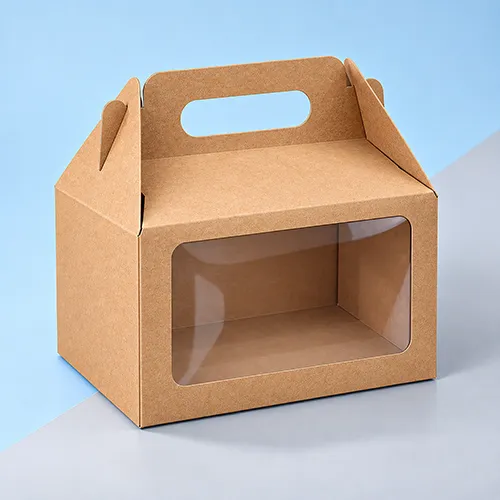
Kraft Cookie Boxes With Windows

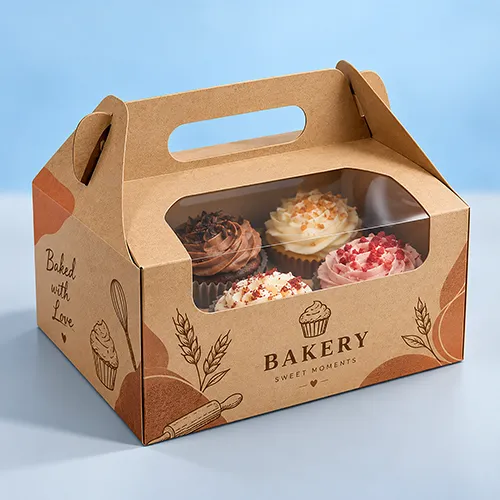
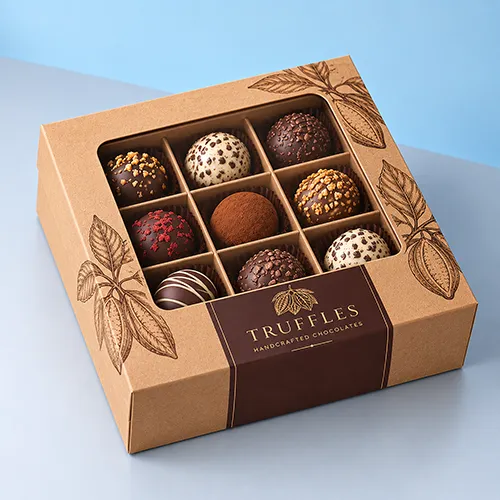
A viewing window can display cookie shapes, decoration or assortment variety without opening the package. Window position should follow the loaded product layout. A large central top window might suit a flat assortment, while another configuration could need a different location or opening size. The die-cut area also needs to remain clear of folds, glue zones, locking tabs and other structural features. An open aperture and a window fitted with transparent material are different configurations and should be specified separately. For bakery packaging where visibility is the primary structural feature, compare our Window Bakery Boxes.

Food Contact and Grease Requirements Depend on the Real Pack-Out

Natural Kraft appearance alone does not establish whether every finished packaging surface is suitable for direct food contact. Some cookies are individually wrapped before they enter the carton. Others may rest against a tray, liner, insert or another packaging component. Where direct food contact is required, the material, coating, inks and adhesives should be selected for that specific use. Cookie formulations also create different grease and moisture conditions. A relatively dry cookie does not create the same packaging environment as a butter-rich, filled, glazed or chocolate-coated product. The more accurate relationship is: Cookie Composition + Contact Condition + Holding Requirement → Material / Barrier Requirement Do not assume that natural Kraft automatically provides grease resistance, moisture resistance or direct-food-contact suitability. For broader food-packaging decisions, explore Custom Food Boxes.

Natural Kraft Changes How Printed Artwork Appears

Natural Kraft provides a brown rather than bright-white printing background. That surface can intentionally remain visible as part of the package design, but it also affects how printed artwork appears. A logo or graphic shown on a white computer screen may reproduce differently on natural brown Kraft, particularly when the artwork uses pale colors, subtle gradients or low contrast. Think of the final appearance as: Artwork + Kraft Surface + Printing Process → Printed Result Where brand colors are important, review the artwork against the actual material direction and appropriate proof rather than treating the monitor as an exact prediction of the finished box.

Printing Options for Custom Kraft Cookie Boxes

Custom printed Kraft cookie boxes can carry bakery logos, product or flavor names, seasonal designs, gift messaging, handling information, QR codes and barcode areas. Printing methods and color systems should remain separate. Depending on the confirmed material, artwork, quantity and structure, suitable projects may use digital or offset printing. Digital / Offset → Printing Methods CMYK / Pantone PMS → Color Systems or References Inside printing can also be considered where compatible with the selected structure, material and food-contact requirements. Artwork should be developed on the approved dieline so important branding remains clear of folds, glue areas, locking features, windows and structural tabs.

Finishing Options for Kraft Cookie Packaging

Finishing should be selected separately from printing and used where it supports a defined branding goal. Depending on the confirmed Kraft stock and structure, compatible options can include: 
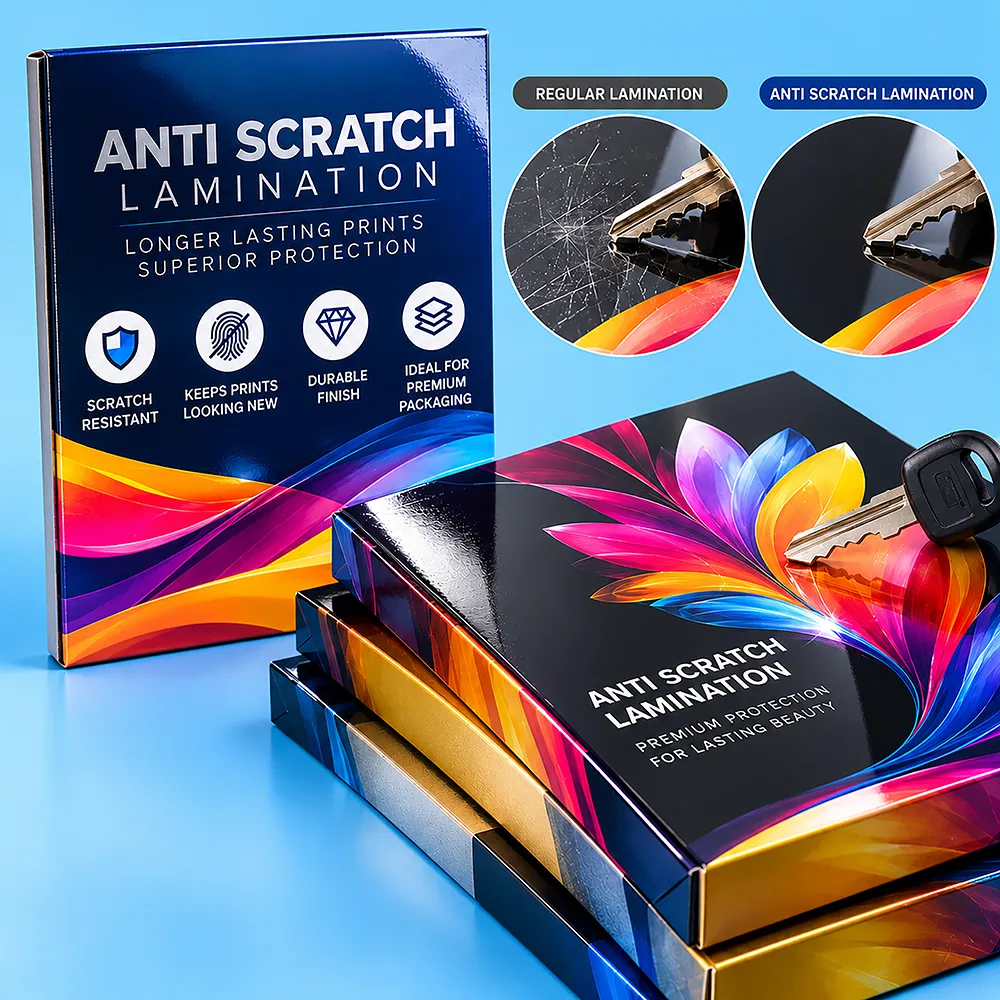
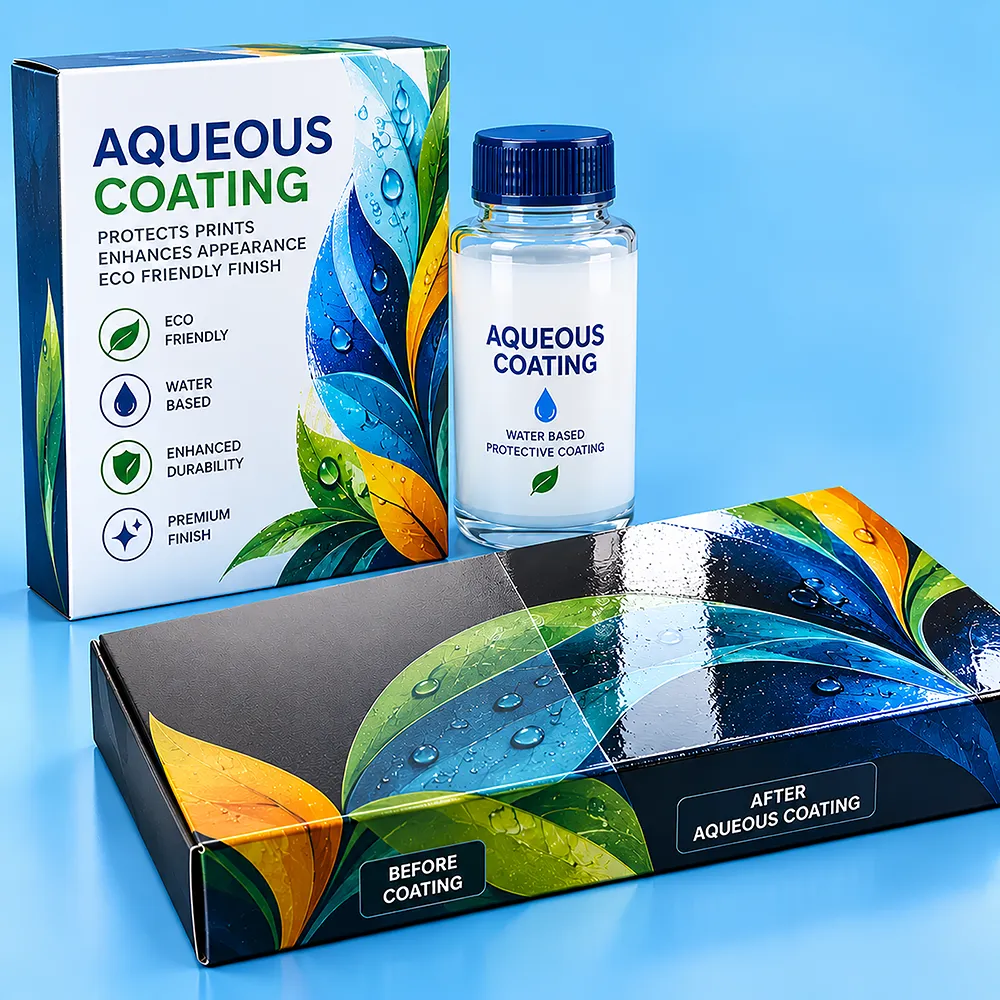
  • Matte or Gloss lamination 
  • Soft-touch treatments 
  • Foil stamping 
  • Embossing 
  • Debossing 
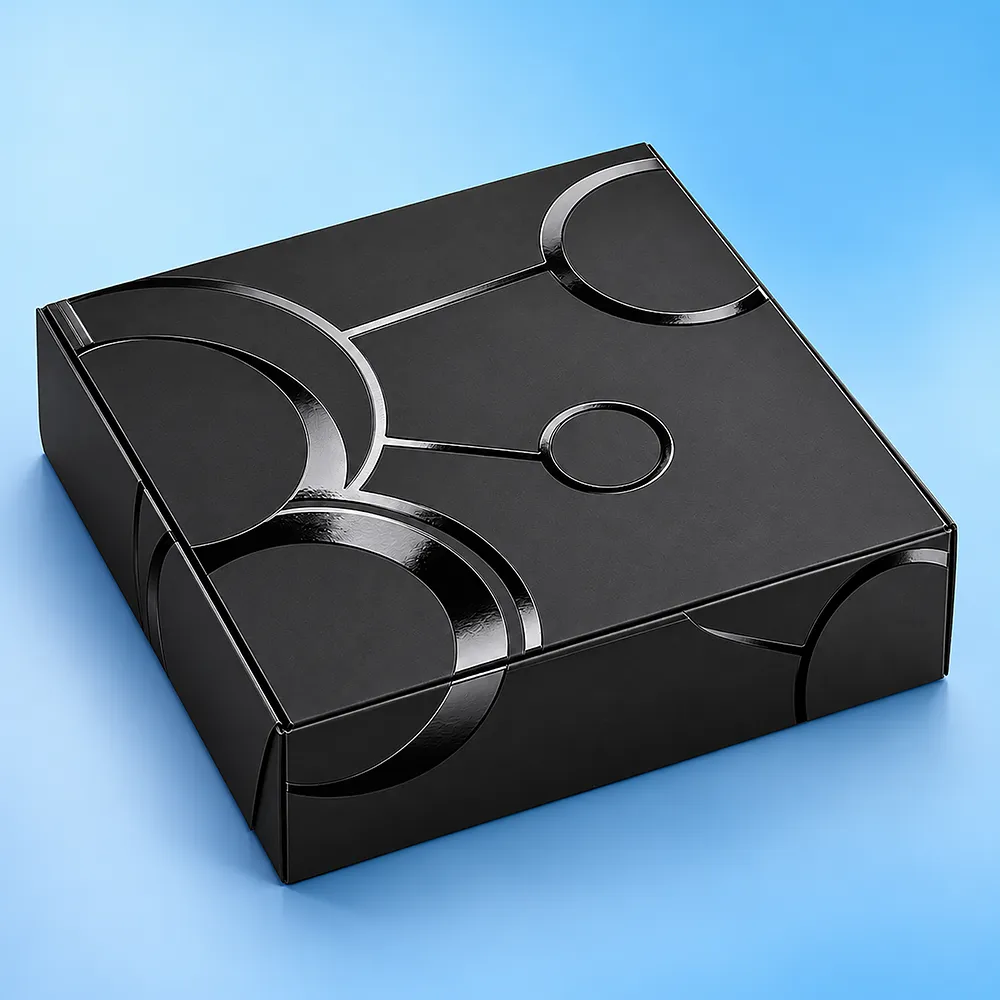
  • Spot UV
Foil can highlight a bakery logo or gift message while allowing the natural Kraft surface to remain visible elsewhere. Embossing or debossing can add tactile detail to selected branding elements.

Bakery Pickup, Gifting and Parcel Shipping Need Different Packaging Decisions

Cookie packaging can be developed for bakery counters, retail displays, corporate gifts, event assortments and suitable local delivery. Those applications do not create identical handling requirements. A presentation box may prioritize the opening experience and arrangement. A bakery takeaway carton may prioritize efficient loading and carrying. Parcel delivery introduces additional movement and handling conditions. A standard Kraft cookie carton should not be described as parcel-shipping qualified solely because it uses heavier paperboard or contains an insert. Where the packaged cookies will enter a parcel network, review the product box together with any required outer shipping carton and additional internal protection.

Digital Proofs and Physical Samples Check Different Risks

A digital proof or 3D mockup can help review artwork placement, logo orientation, text, color references, window position and finishing locations. It cannot fully confirm whether the real cookies physically fit the package. A structural or physical sample can provide a better reference for checking cookie placement, stack height, insert or divider fit, decoration clearance, loading, removal, closure and window alignment. Where fit is sensitive, compare the sample with the actual cookies or a dimensionally representative pack-out.

Natural Kraft Appearance Does Not Automatically Prove Sustainability

Brown Kraft packaging is often associated with environmental positioning, but visual appearance alone does not establish the environmental properties of the finished package. Natural brown Kraft does not automatically mean the material is recycled, and the word Kraft alone does not prove that a finished box is recyclable, biodegradable or compostable. A completed cookie package can include coatings, adhesives, window films, printed inks and insert components that affect the final specification. If environmental performance is an important procurement requirement, request information for the actual material and finished package configuration rather than relying on its brown appearance.

Common Mistakes When Ordering Kraft Cookie Boxes

A common mistake is choosing the box from cookie count without defining the arrangement. Six cookies positioned flat and six cookies divided into two stacks can require completely different dimensions. Another mistake is measuring diameter while ignoring thickness. Thickness becomes especially important when several cookies form one stack. Decorated products create another sizing risk. The baked cookie may fit correctly while raised icing or chocolate still contacts another cookie or the lid. Other problems occur when the outer box is sized before the insert, the window is positioned before the cookie layout is known, divider thickness is ignored or the smallest product in a mixed assortment is used as the sizing reference.

What to Send for a Kraft Cookie Box Quote

A useful quote starts with the finished product and intended pack-out. Provide:
  • cookie shape and maximum diameter or length × width;
  • quantity per box;
  • preferred structure or opening style if known;
  • window requirement;
  • loaded package weight where relevant;
  • direct-food-contact requirements;
  • grease or moisture considerations;
  • natural Kraft preference;
  • inside and outside printing requirements;
  • quantity by box size and artwork version;
  • artwork status;
  • finishing requirements;
  • delivery destination;
  • required in-hand date.
If you already use a cookie box you want to reproduce, specify whether its dimensions are internal or external and provide photographs of the loaded arrangement where possible.

Custom Kraft Cookie Boxes Wholesale

BoxBaba develops custom Kraft cookie packaging for bakeries, cookie brands, cafés, confectionery businesses, event suppliers and corporate gifting programs that need packaging developed around the actual product. Custom packaging orders start from 100 units. Artwork assistance and dieline support are available for custom projects, with digital proof or 3D mockup review before production. Sample options are also available where material, fit or structural assembly requires physical evaluation. For qualifying samples, the applicable sample delivery charge can be reimbursed with the first bulk order under BoxBaba sample terms. Standard production is generally 5–9 business days after final artwork approval for eligible configurations. Complex structures, inserts, finishes, artwork versions or quantities can affect the final schedule, so final production and delivery timing should be confirmed with the quotation. Free shipping across the USA is available under applicable BoxBaba order terms.

Request a Quote for Custom Kraft Cookie Boxes

The most useful Kraft cookie-box specification starts with the finished cookie and its real arrangement, not the cookie count alone. Share your cookie dimensions, quantity per box, arrangement, insert requirements, natural Kraft preference, artwork and required order quantity so BoxBaba can develop the package around the actual product. To discuss your project, call +1 305 574 4357 or email sales@boxbaba.com.  

Frequently Asked Questions

Find all the urgent questions you may have.

Measure the finished cookie maximum diameter or length and width plus its thickness. Include icing, toppings, individual wrapping or other features that increase the occupied dimensions.
No. Count describes capacity, but cookie dimensions, thickness, flat or stacked arrangement, inserts, dividers and box structure determine the actual interior.
Measure a representative finished stack in the actual packing configuration whenever possible. Include wrapping or separators that remain between the cookies.
Yes. Natural brown Kraft provides a non-white printing background, so some colors can appear different from the same artwork displayed against white on a monitor.
Those properties should not be assumed from Kraft appearance alone. Direct-food-contact and grease-resistance requirements depend on the actual board, coatings, inks, adhesives and product conditions.
Potentially. If the physical cookie dimensions, quantity, arrangement and internal packaging remain compatible, multiple artwork versions may use the same structural dieline.
A conventional cookie carton can be developed for appropriate retail, bakery pickup and local-delivery applications but should not automatically be treated as a parcel-shipping system. Wider distribution may require additional outer packaging.
BoxBaba custom packaging orders start from 100 units. Final quantity requirements should be confirmed by box size, structure and artwork version.
Yes. Sample options are available for custom packaging projects, particularly where cookie fit, inserts or structural assembly need physical review.
Standard production is generally 5–9 business days after final artwork approval for eligible configurations. Final timing depends on the confirmed structure, material, quantity, printing, insert and finishing requirements.

Get a Custom Quote