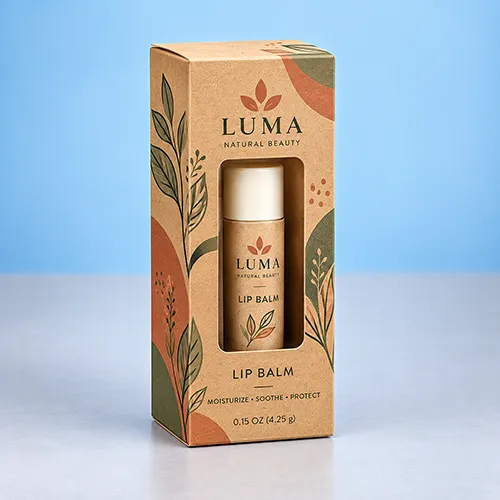
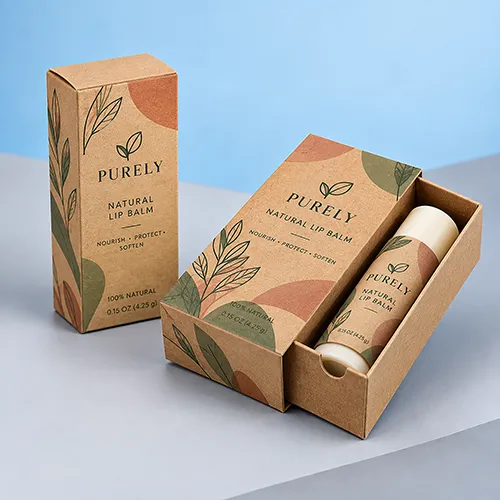
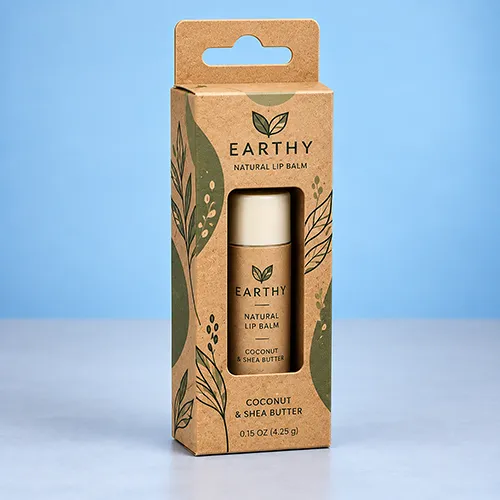
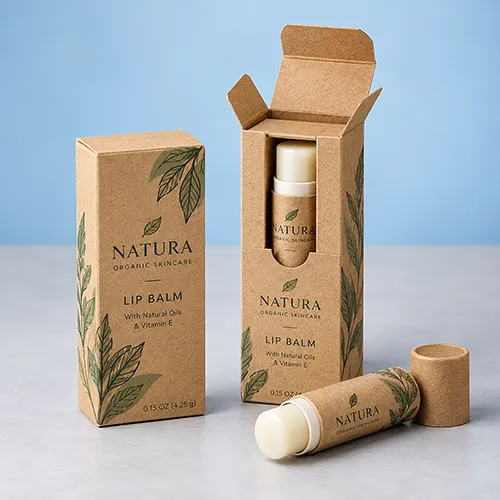
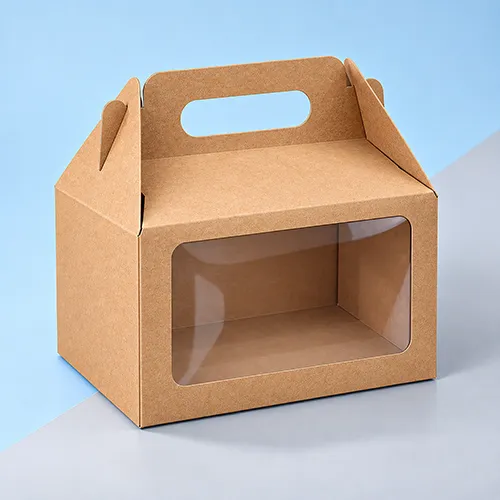
Measure the Complete Retail-Ready Lip Balm Container
Lip balm capacity does not establish the size of its outer carton.
Two products containing the same amount of formula can use different tube heights, cap diameters, base mechanisms or container shapes. Measure the complete closed product in the same condition in which it will enter the box. For a cylindrical product, record the overall height and maximum external diameter. For a square, rectangular or flexible package, record the maximum length, width and depth separately.
Include any cap, lid, shoulder, twist base, push-up mechanism, label, sleeve or decorative component that changes the finished outside profile.
For deeper measurement guidance across tubes, tins and pots, use BoxBaba Lip Balm Box Size Guide.
Twist-Up and Push-Up Tubes
For a conventional twist-up lip balm, measure the complete closed tube rather than the exposed balm stick or central barrel.
Review:
Overall Height + Maximum Body Diameter + Cap Diameter + Base Diameter
The cap or twist mechanism may be wider than the center of the tube and therefore control the required carton width.
Paperboard push-up tubes follow the same product-first principle. Measure the complete capped product, including the bottom mechanism.
A Kraft-style push-up tube and a Kraft outer box are still different packaging entities:
Lip Balm Tube → Primary Container
Kraft Carton → Secondary Packaging
Squeeze Tubes, Tins and Pots
A filled squeeze tube can have a different physical profile from an empty one.
Measure the finished closed tube at its maximum:
Length × Width × Filled Depth
including the cap, shoulder and sealed end.
For round tins and pots, record maximum outside diameter and complete closed height, including the lid. For rectangular or irregular containers, measure the widest, deepest and tallest points.
The format name never replaces the dimensions of the actual product being packed.
Product Dimensions Are Not Final Box Dimensions
Three measurement entities should remain separate.
Finished Product Dimensions
describe the actual tube, tin or pot.
Internal Carton Dimensions
describe the usable space inside the box after accounting for the product, structure, approved clearance, insert if used and product-removal requirement.
External Box Dimensions
describe the outside of the assembled carton and also depend on the selected board and structural construction.
Conceptually:
Finished Container → Internal Carton Requirement → Material + Structure → External Box Dimensions → Dieline
Do not copy the tube measurements directly into the external box specification.
Likewise, there is no universal clearance value that should automatically be added around every lip balm container. Clearance should follow the actual geometry, loading direction, structure and internal support.
Choose the Product Orientation Before the Dieline
A cylindrical tube does not always have to be packed upright. Vertical orientation can create a narrow, taller package. Horizontal orientation can create a shorter carton with a wider front-facing panel.
Use:
Container Geometry → Orientation → Carton Footprint
Orientation can affect:
- product loading and removal;
- viewing-window location;
- insert geometry;
- hang-tab direction;
- artwork orientation;
- retail shelf footprint.
Choose the orientation before the dieline and printed artwork are finalized.
Plan Product Loading and Removal Along With Fit
A carton can fit the lip balm physically and still be inconvenient to use.
A narrow tube inside a close-fitting tall carton may become difficult to remove if there is insufficient finger access or the flap opens in an awkward direction.
Review:
Box Opening → Product Loading → Final Position → Customer Removal
The solution should not automatically be to make the box excessively loose.
Aim for:
Controlled Fit + Practical Loading + Practical Removal
Where the package uses an insert or tray, the holder and removal path should be reviewed together.
Choose the Structure Around the Container and Retail Requirement
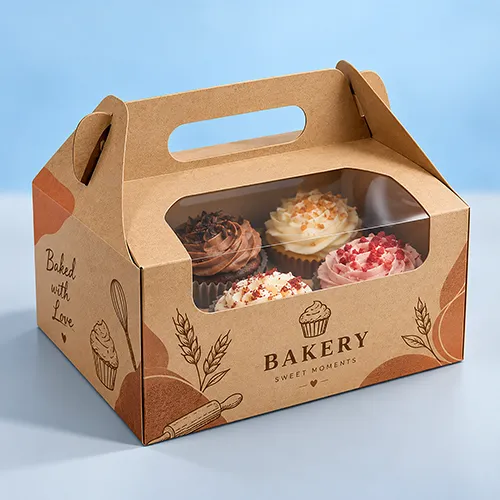
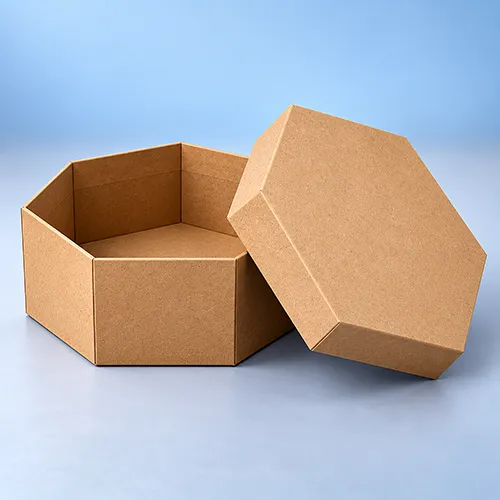
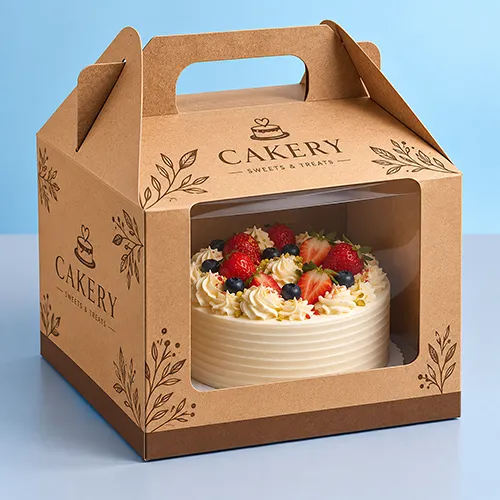
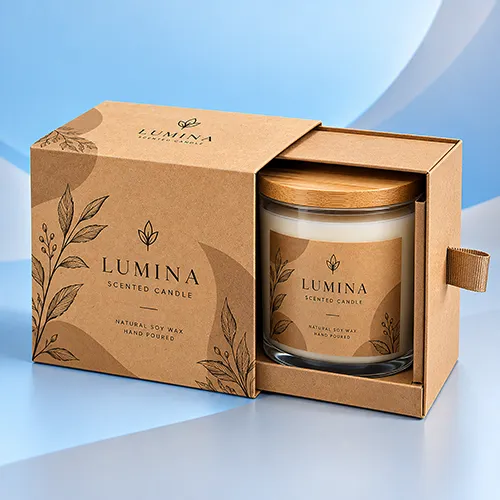
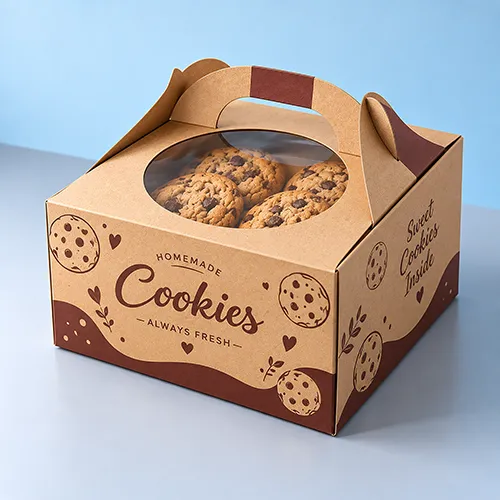
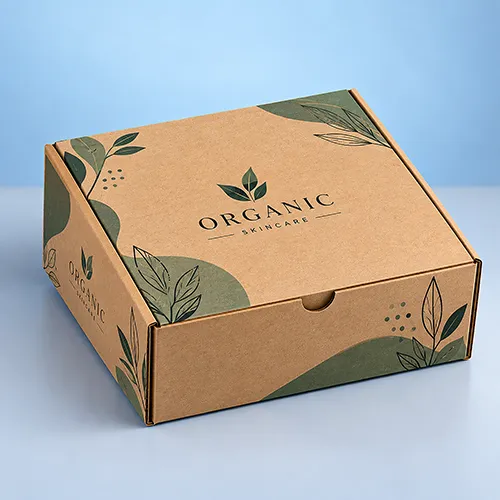
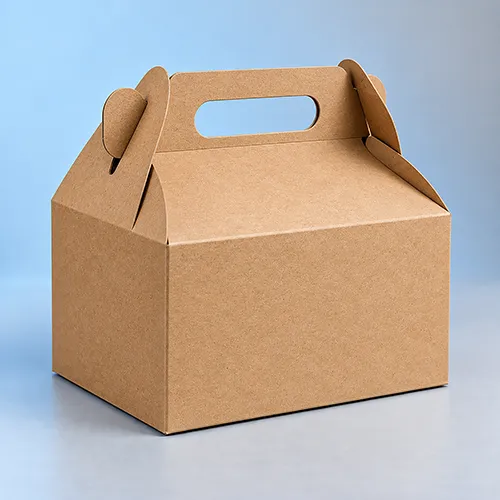
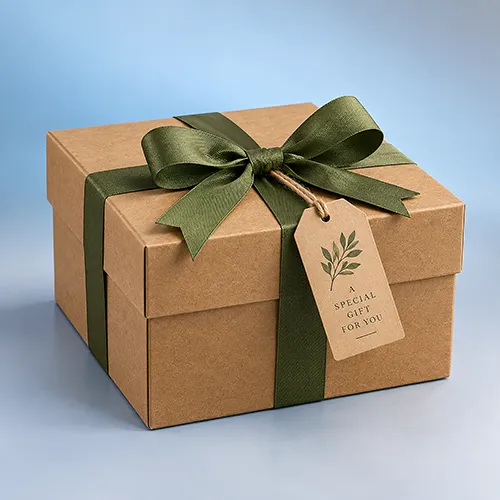
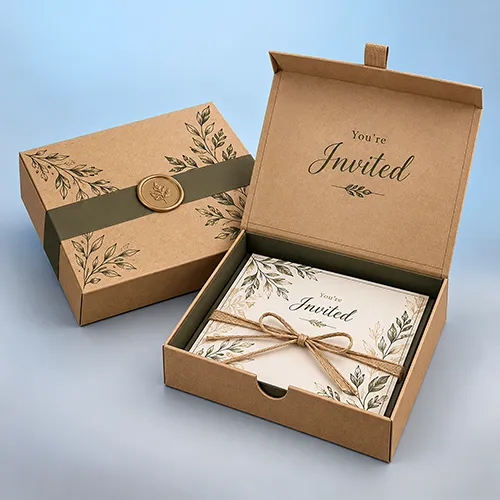
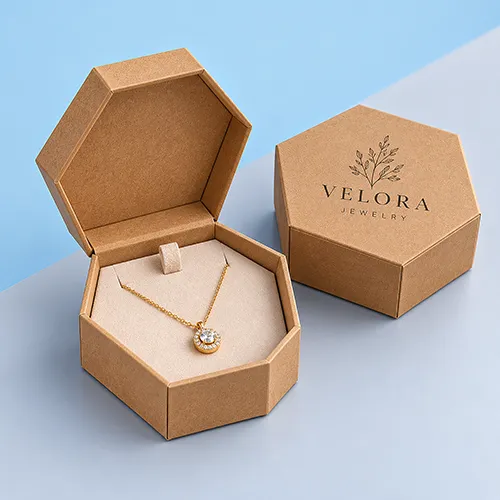
Kraft lip balm boxes does not identify one universal structure.
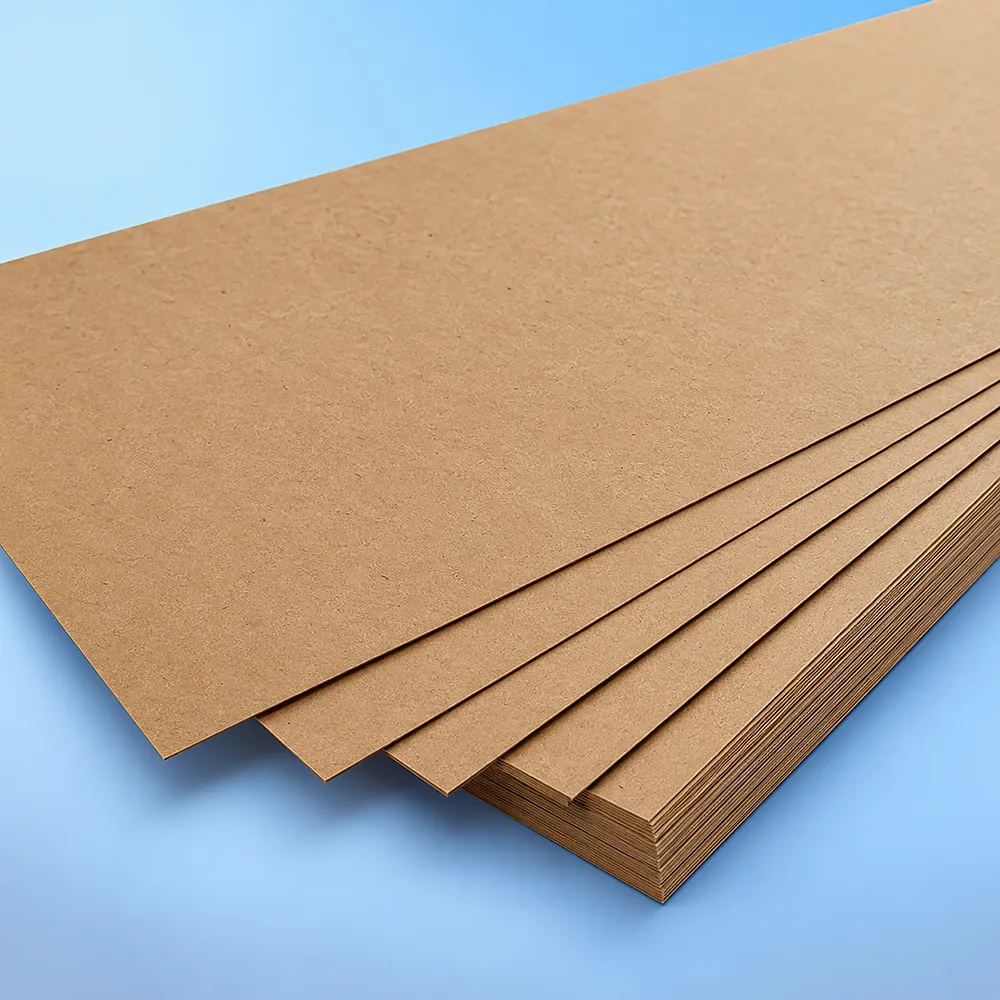
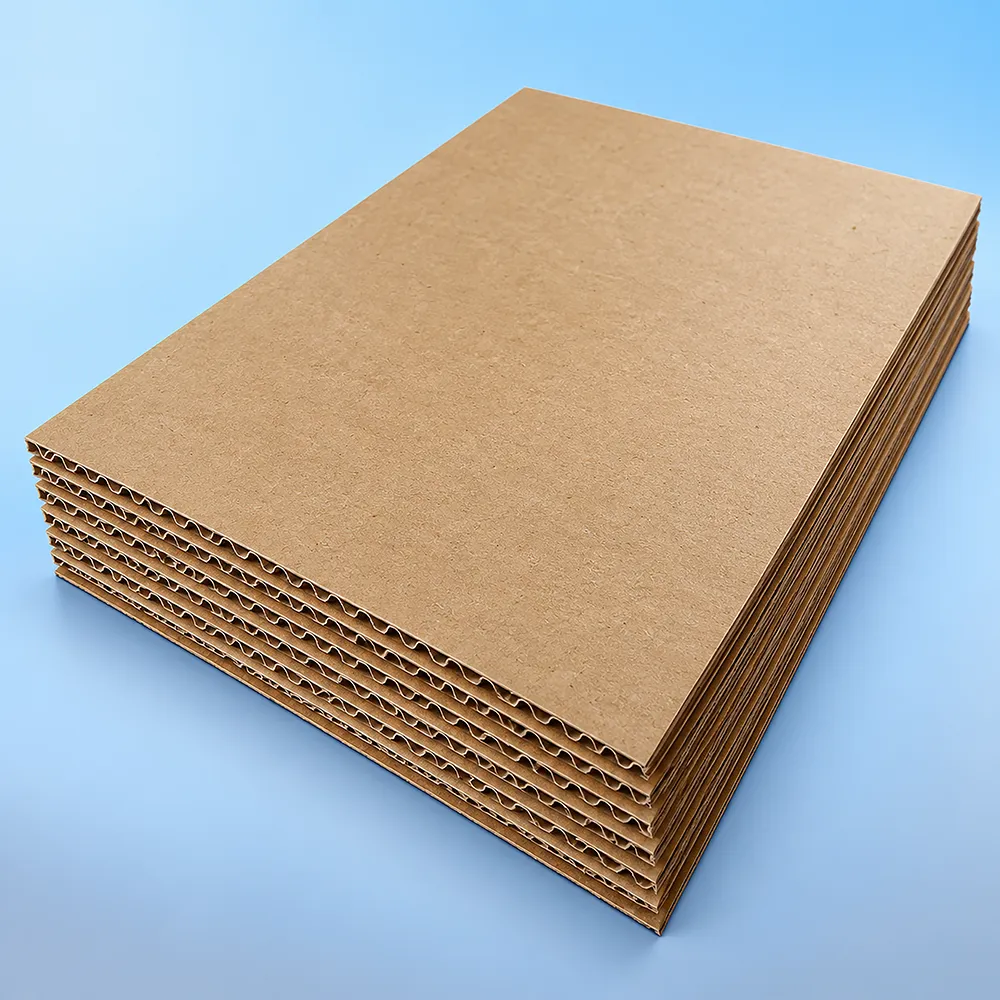
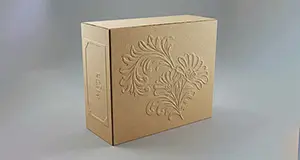
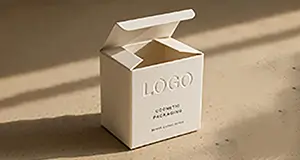
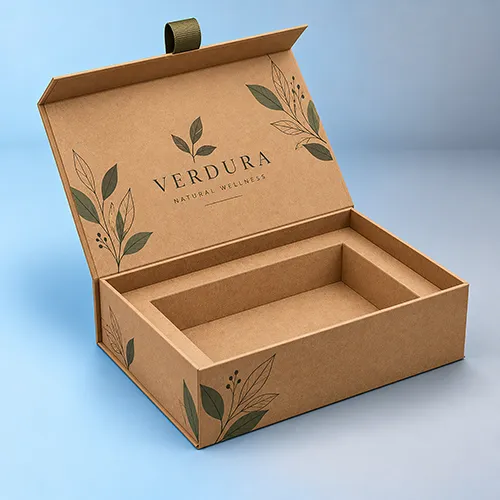
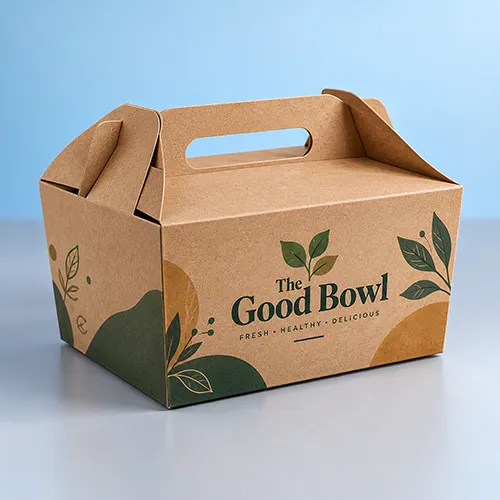
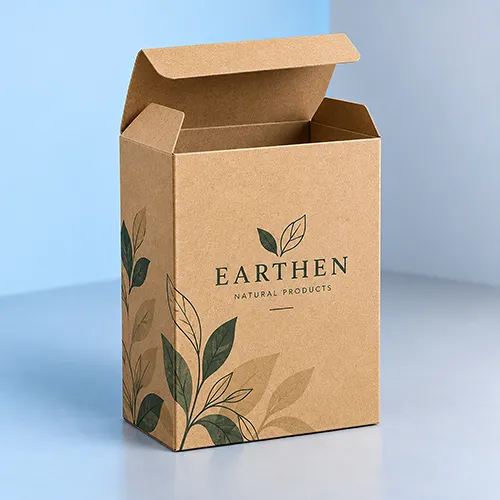
For many single-unit products, a compact folding Kraft paperboard carton using a suitable tuck-end relationship may provide the necessary enclosure and branding area.
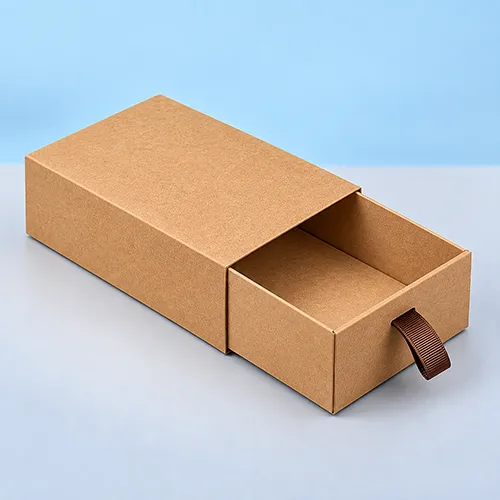
A sleeve creates a different packaging relationship because it surrounds only part of the primary container or inner package.
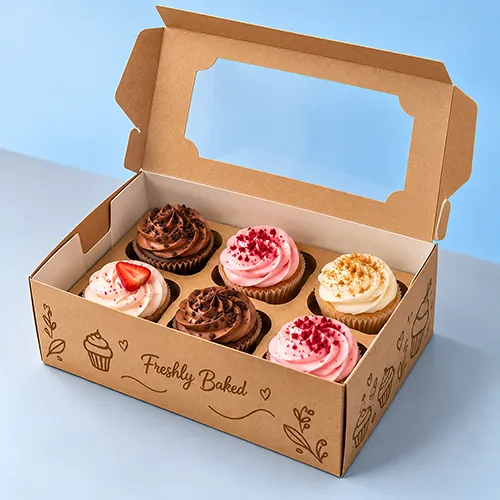
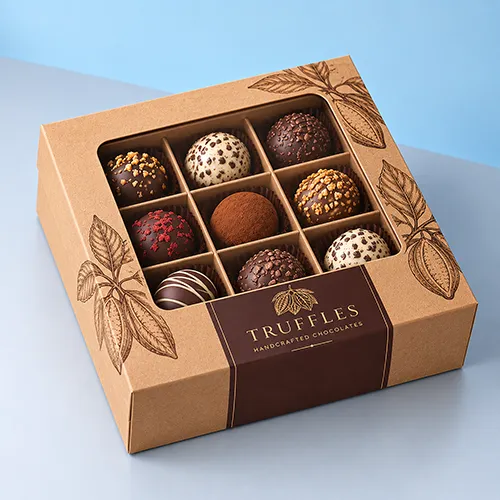
A viewing window can reveal selected areas of the tube, tin or pot while leaving the rest enclosed.
A hang-tab structure can support selected peg or hook retail programs.
The structure should therefore follow:
Product Geometry + Orientation + Retail Presentation + Packing Method
rather than selecting a box style first and trying to fit the product into it afterward.
Position Windows Around the Loaded Lip Balm
A window should follow the product, not the empty dieline.
Use:
Container Position → Feature to Display → Available Panel → Window Position
If the primary tube already carries a printed label, decide which logo, color or product area should face the window before the structure is approved.
The opening should remain clear of critical folds, locking tabs, glue zones and other structural areas.
Window size also competes with the available printable area. A large opening on a small lip balm carton can leave less room for branding, product information, barcodes and other required text.
An open die-cut aperture and a cutout fitted with transparent material are different specifications and should be confirmed separately.
Keep the Lip Balm Label and Kraft Box Separate
A Custom Lip Balm Label is applied directly to the tube, tin, pot or jar. The Kraft box is the secondary carton around the finished container.
The packaging relationship can therefore be:
Lip Balm Formula → Primary Container → Label → Kraft Secondary Carton
A label redesign does not automatically require a new box dieline unless it changes the physical finished profile or affects how the container sits inside the carton.
This distinction also helps brands decide whether they need a label project, a carton project or both.
Single Units and Multi-Packs Need Different Internal Planning
A correctly sized single tube may not require an insert at all.
Several lip balms in one box create another problem:
Container Dimensions → Unit Count → Arrangement → Separation → Removal → Required Interior
A set of three slim twist-up tubes and a set of three wide push-up containers should not automatically use the same package simply because both contain three units. Before final dimensions are approved, decide whether products will sit side-by-side, in rows, horizontally, vertically or within defined compartments.
Use an Insert Only When It Solves a Positioning Problem
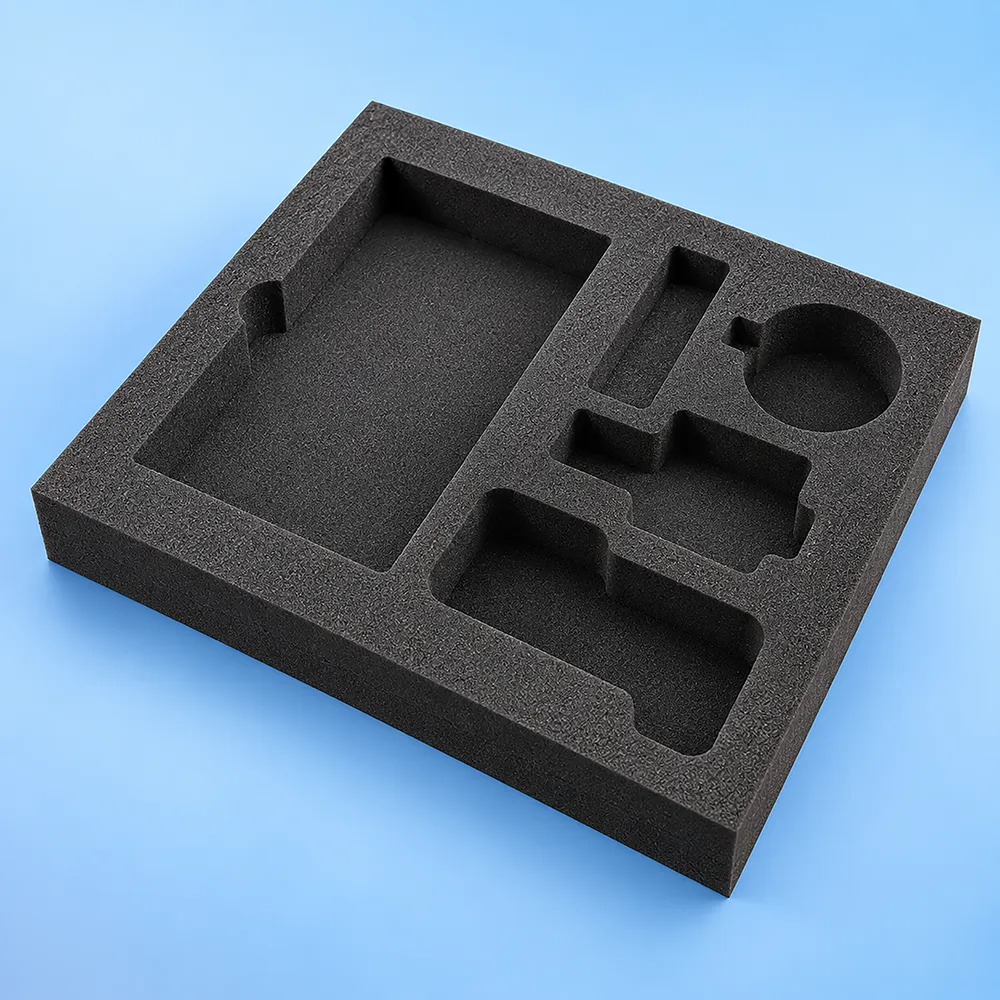
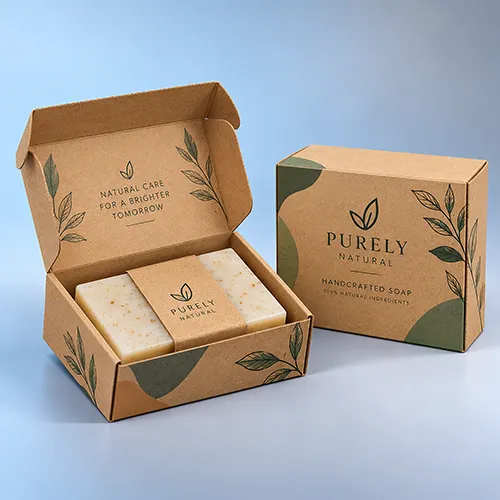
An insert should not be added mechanically to every cosmetic carton. For a compact single lip balm that already fits appropriately, another internal component may add complexity without solving a real packaging problem. An insert can become useful where a product needs controlled presentation, several containers share one package, a tin or pot must stay in a particular position, or a viewing window needs tighter product alignment.
Use:
Product Positioning Requirement → Insert Decision
Remember that the insert consumes space:
Product + Insert Geometry → Internal Carton Requirement
For broader fitted-packaging directions, compare custom boxes with inserts.
Natural Kraft Changes How Lip Balm Artwork Prints
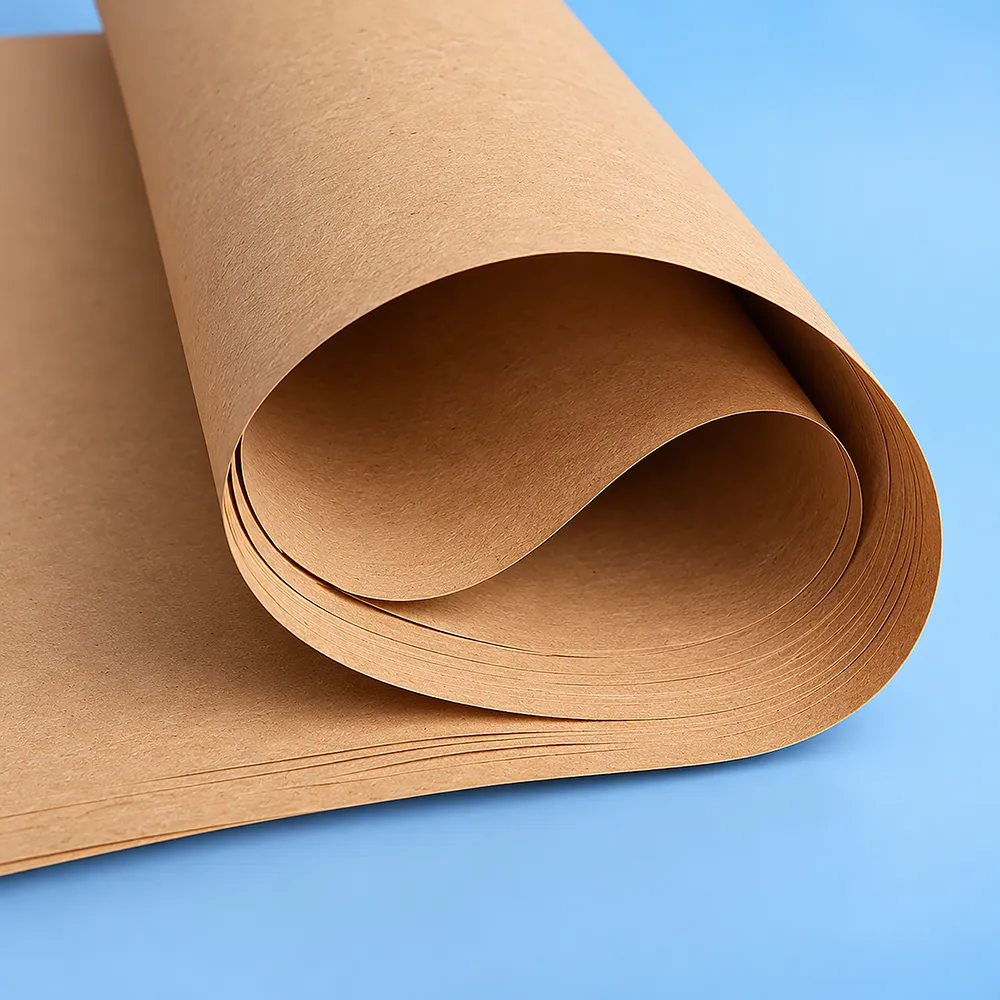
Natural Kraft provides a brown rather than white print background.
That can intentionally support understated, botanical, handmade or minimalist lip-care branding, but it also changes the way printed colors appear.
Use:
Artwork + Natural Kraft Surface + Printing Process → Printed Appearance
Pale colors, subtle gradients, skin-tone imagery and low-contrast graphics can reproduce differently from the same artwork displayed against white.
Where brand-color matching matters, evaluate the artwork against the intended Kraft substrate and an appropriate proof rather than treating the screen as an exact prediction.
For broader folding-stock context, review Kraft Paperboard Boxes.
Plan Product Information Before Filling the Small Panels With Artwork
Lip balm cartons can have narrow printable panels.
That makes information hierarchy especially important. Before artwork is finalized, identify the content the finished package needs to accommodate and then develop the graphic layout around the available panels, window and structural features.
For cosmetics sold in the United States, FDA labeling rules address required information such as product identity, net quantity and other information depending on the product and its classification. Products making sunscreen, SPF or other therapeutic claims can have different regulatory requirements from a conventional cosmetic lip balm.
BoxBaba can provide packaging space around buyer-supplied and buyer-approved information
, but the buyer should determine the legal classification, claims and required label content that apply to the actual product before final artwork approval.
Printing Options for Kraft Lip Balm Boxes
Custom printed Kraft lip balm packaging can include logos, product names, flavor or tint identifiers, approved product information, barcode areas and QR codes.
Printing and color references are separate decisions.
Depending on the selected material, artwork, quantity and production setup, compatible projects may use digital or offset printing
.
Digital / Offset → Printing Methods
CMYK / Pantone PMS → Color Systems / References
Inside printing can also be reviewed where compatible with the structure.
Critical text, barcodes and QR codes should be positioned only after the approved dieline, window, score lines and other functional areas are known.
Finishing Options for Kraft Lip Balm Packaging
Finishing should support a defined branding goal rather than fill every available panel.
Depending on the selected Kraft surface and structure, compatible projects can include matte or gloss treatments, soft-touch finishes, foil stamping, embossing, debossing and Spot UV.
Foil can create a contrasting logo or flavor mark against natural brown Kraft.
Embossing or debossing can provide tactile branding while allowing more of the visible material to remain part of the design.
Use:
Visible Panel → Important Brand Element → Finish Location
Window placement, finishing and product information should be coordinated because they all compete for limited carton surface.
A Standard Tuck Carton Is Not Automatically Tamper-Evident
A normal tuck closure should not automatically be described as tamper-evident merely because it encloses the lip balm.
If visible evidence of prior opening is required, identify that requirement during quotation so an appropriate seal, tear feature or another project-specific opening indicator can be considered.
Do not assign tamper-evident performance to a standard carton unless the selected configuration actually provides it.
Several Flavors or Tints Can Share One Dieline
Lip-care brands frequently use the same physical tube across multiple flavors, formulas or tints.
Those products may share one structural dieline when they retain the same:
Finished Container + Orientation + Structure + Window + Insert
The artwork can then vary by flavor, tint, barcode, ingredients or other approved information.
A different container, cap, twist base or pot can require another structural review.
For accurate quoting, provide quantities by box size and artwork version
rather than only a combined total quantity.
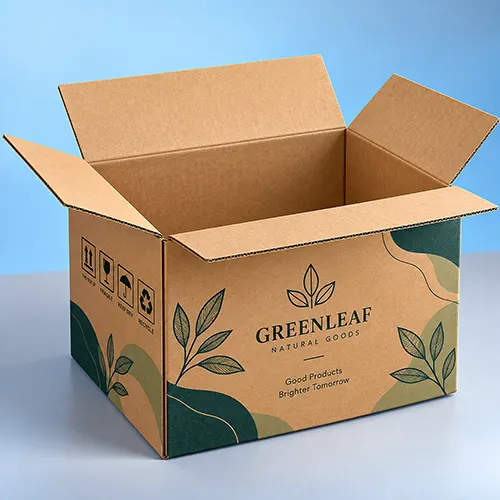
Retail Lip Balm Cartons Are Not Automatically Shipping Packages
An individual Kraft lip balm box is normally secondary retail or presentation packaging.
Ecommerce distribution creates another packaging requirement.
Use:
Finished Lip Balm → Individual Retail Carton
then:
Completed Retail Units → Outer Mailer / Shipping Carton
Do not make the individual carton unnecessarily large merely because it will later travel through ecommerce fulfillment.
The outer distribution package should be planned around the number of retail units, their arrangement, combined weight and shipping conditions.
Digital Proofs and Physical Samples Check Different Risks
A digital proof or 3D mockup can help review artwork placement, panel orientation, window position, barcode/QR areas, color references and finishing locations.
It cannot fully confirm the physical fit of the product.
A structural or physical sample provides a stronger reference for reviewing:
- container fit;
- cap/base clearance;
- product loading;
- removal access;
- insert fit;
- window alignment;
- assembled presentation.
Where the project uses an unusual squeeze tube, push-up tube, pot or decorative container, compare the structure with the actual product or a dimensionally representative item where practical.
Keep the distinction clear:
Digital Proof → Artwork / Visual Approval
Physical Sample → Stronger Structural / Fit Reference
Natural Kraft Appearance Does Not Automatically Prove Sustainability
A natural brown carton can support a particular visual direction, but its appearance alone does not establish the environmental characteristics of the completed package.
Do not automatically assume:
Brown Kraft = Recycled Kraft
or:
Kraft = Automatically Recyclable / Biodegradable / Compostable
The completed lip balm box can include coatings, lamination, foil, window film, adhesives and internal components that affect its overall material profile.
If recycled content, sourcing certification, recyclability or another environmental requirement matters to your brand, identify it during quotation so it can be checked against the actual material and complete finished specification.
Common Mistakes When Ordering Kraft Lip Balm Boxes
A common mistake is sizing the carton from the lip balm fill amount instead of the finished container.
Another is measuring the center of a tube while ignoring a wider cap, base or shoulder.
Brands can also create problems by choosing the orientation before considering shelf footprint, placing the viewing window before product facing is established, or adding an insert that does not solve a genuine positioning need.
Another mistake is treating the product dimensions as the finished external box dimensions. The internal carton and final exterior depend on clearance, inserts, board construction and structure.
Other avoidable errors include confusing the primary-container label with the secondary carton, treating an individual Kraft box as a countertop display, assuming a normal tuck carton is tamper-evident, using one dieline across physically different containers and making environmental claims solely because the box looks brown.
A stronger sequence is:
Finished Container → Maximum Profile → Orientation → Internal Requirement → Structure → Window / Information → Kraft Surface → Artwork → Proof
What to Send for a Kraft Lip Balm Box Quote
An accurate quote starts with the finished retail-ready lip balm container rather than only the formula or fill amount.
Provide the project information you already have, including:
- maximum width, depth or diameter;
- cap or lid dimensions;
- label or sleeve details where they change the finished profile;
- intended orientation;
- number of units per box;
- insert or divider requirement;
- natural Kraft preference;
- inside and outside printing requirements;
- quantity by box size;
- artwork status;
- finishing requirements;
- retail, ecommerce or gift use;
- delivery destination;
- required in-hand date.
For an unusual tube, decorative closure or multi-product set, provide photographs, a technical drawing or physical product sample where available.
Custom Kraft Lip Balm Boxes Wholesale
BoxBaba develops custom Kraft lip balm packaging for lip-care brands, cosmetics businesses, skincare companies, private-label programs, retailers and other B2B buyers that want the carton developed around the actual finished container.
Custom packaging orders start from 100 units
.
Artwork and dieline assistance are available, with digital proof or 3D mockup review before production.
Sample options are available where product fit, window positioning, insert geometry or structural assembly needs physical evaluation. Under applicable BoxBaba sample terms, the delivery charge for a qualifying sample can be reimbursed with the first bulk order.
Standard production is generally 5–9 business days after final artwork approval
for eligible configurations. Structure, finishing requirements, quantities and multiple artwork versions can affect the final schedule, so production and delivery timing should be confirmed with the quotation.
Free shipping across the USA
is available under applicable BoxBaba order terms.
Request a Quote for Custom Kraft Lip Balm Boxes
A useful Kraft lip balm-box specification begins with the finished retail-ready container—not the fill volume alone
. Share your finished container dimensions, cap and base profile, product orientation, preferred Kraft structure, artwork, quantity and any window or insert requirements so BoxBaba can prepare the package around the actual product. To discuss your project, call +1 305 574 4357
or email sales@boxbaba.com
.