Size the Box Around the Jewelry as It Will Actually Be Displayed
Do not start with a standard ring box, earring box or necklace box dimension and assume every product in that category will fit.
Measure the complete finished jewelry piece in the orientation in which it should appear inside the package. Include any feature that extends beyond the most obvious dimensions. A ring band may be compact while a raised gemstone setting determines the real package height. Earrings may have posts, backs, hooks or long drops. A pendant may be small while its chain creates a much larger layout requirement.
If you are replacing an existing package, identify whether its dimensions are internal or external. BoxBaba guide on how to measure box dimensions explains why usable internal measurements are normally the more useful starting point for product fit.
Match the Holder or Insert to the Jewelry
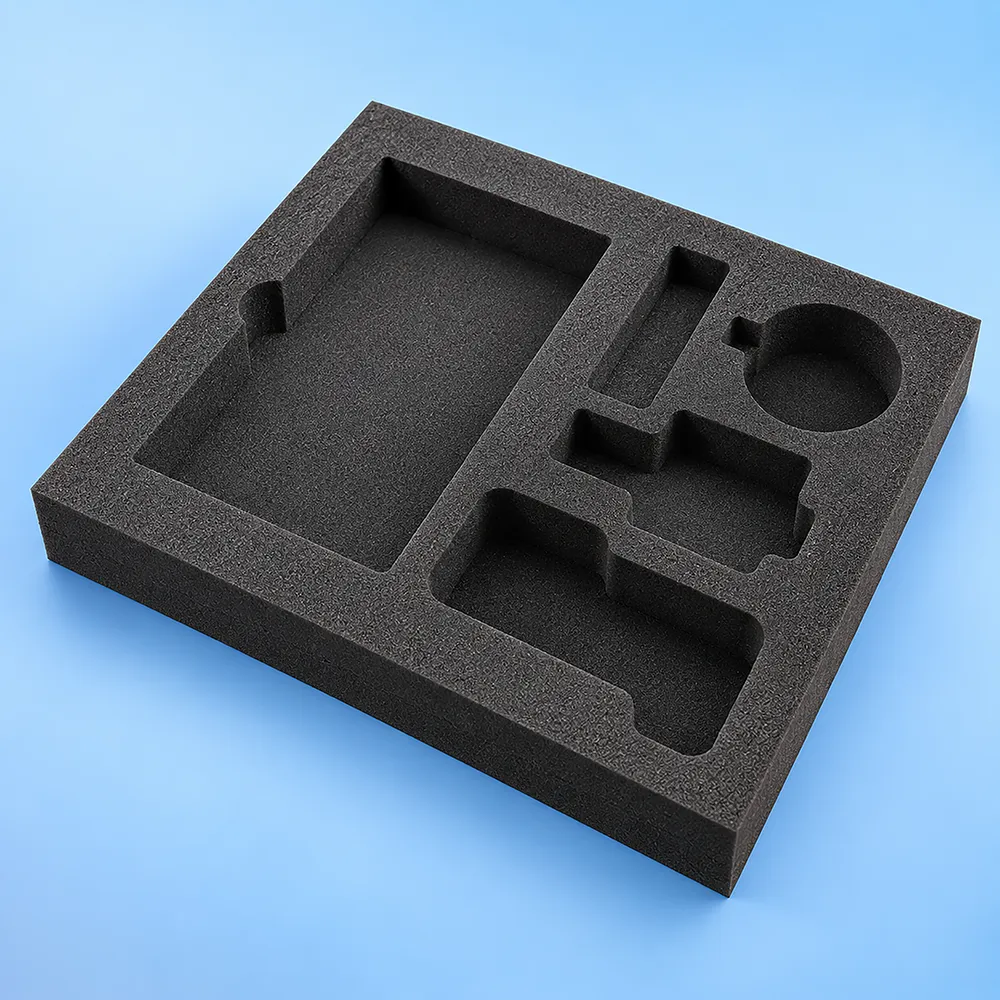
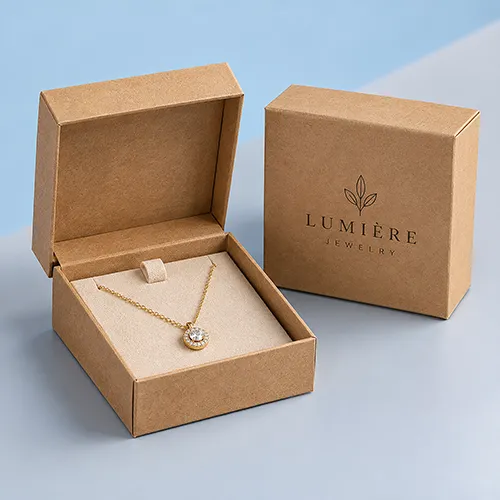
For jewelry packaging, the internal holder often determines whether the presentation works. The outer box encloses the product and creates the opening experience. The jewelry card, pad, cushion, slot, tray or fitted insert determines the jewelry actual position.
A larger outer box does not automatically keep the product in place.
The useful relationship is:
Jewelry Geometry → Holder Geometry → Product Position → Internal Box Requirement
For broader internal-positioning options, compare custom boxes with inserts.
Rings Need Setting Clearance, Not Just Band Space
A ring holder should account for the complete finished piece.
Review the band together with the maximum width and height of the setting:
Band + Setting Footprint + Setting Height → Holder & Lid-Clearance Requirement
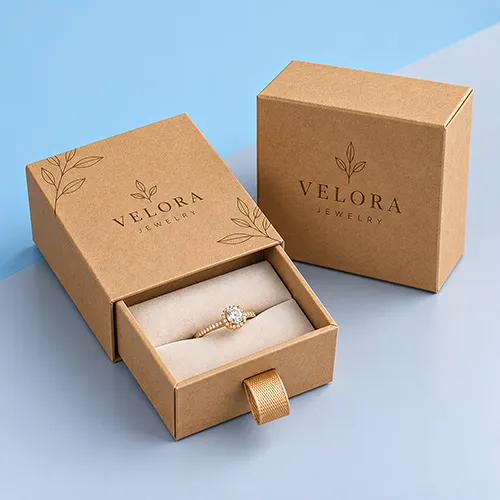
A raised stone, cluster or other setting can sit substantially above the band and may determine how high the insert can be positioned. If a slit-style holder is used, it should position the ring without forcing the band or setting into an unsuitable angle.
The closed package also needs enough headroom above the jewelry.
Where ring packaging itself is the main requirement across several materials, explore ring boxes.
Earrings Need Front Display and Rear Clearance
The visible face of an earring is only part of its physical envelope. Stud earrings can require clearance behind the display card or insert for posts and backs. Hooks and longer drop styles can introduce different vertical and hanging requirements.
Use:
Front Display Position + Post / Hook + Backing → Required Clearance
An insert can appear correct from the front while still leaving insufficient space behind it.
Long drop earrings should also have enough usable height to avoid being crowded or folded simply to force them into a smaller package.
For a deeper earring-specific route, compare earring boxes.
Necklaces Need a Plan for Both the Pendant and Chain
Do not size a necklace box from the pendant alone.
The pendant may be the main visual focus, but the chain still needs an intentional position.
A useful layout can involve:
Pendant Position + Chain Route + Retention Point + Remaining Chain Storage
Depending on the design, part of the chain may route behind or below a holder rather than extending at full length across the visible presentation.
The important point is that the chain arrangement should be planned, not left loose around the pendant.
If pendant packaging is the main commercial requirement across several material directions, compare pendant boxes.
Do not describe an ordinary holder as anti-tangle unless that performance has actually been established for the specified configuration.
Bracelets and Bangles Need Different Footprints
A flexible bracelet and rigid bangle do not automatically need the same package.
A rigid bangle has a fixed outside diameter that directly influences the minimum holder and box footprint.
A flexible bracelet can potentially be presented around a card, cushion or other holder in a controlled shape.
That creates two different relationships:
Rigid Bangle → Maximum Outer Diameter → Holder → Box Footprint
and:
Flexible Bracelet → Intended Display Shape → Holder → Box Footprint
For bracelet-specific packaging across other materials and styles, explore bracelet boxes.
Multi-Piece Jewelry Sets Need Layout and Separation
A box holding several pieces should not be treated as a larger version of a single-item jewelry box.
First establish which pieces belong in the set and how they should appear together.
A ring, pendant and pair of earrings, for example, can require three different holder relationships within one presentation.
Use:
Product Count → Jewelry Types → Visual Order → Holder Positions → Separation → Outer Footprint
Where the pieces can contact each other, the layout may require defined positions, individual holders or compartments depending on the actual products.
The goal is to create an organized pack-out without assuming that one generic foam pad or oversized cavity solves every multi-piece jewelry set.
Choose Contact Surfaces According to the Actual Jewelry
Jewelry can include polished metals, plating, coatings, stones, pearls and other surfaces with different contact requirements. The insert or holder should therefore be selected around the product and presentation rather than assuming one foam, fabric, paperboard or cotton-like material suits every jewelry piece.
Project-dependent options may include paperboard cards or platforms, die-cut inserts, foam-based components, cushions or fabric-covered holders where confirmed.
However, appearance is not a performance specification.
A soft-looking insert does not
automatically establish:
- anti-tarnish performance;
- archival suitability;
- chemical compatibility with every plating or metal;
- scratch prevention under every handling condition.
If anti-tarnish, long-term storage, chemical compatibility or another specific property is required, state that requirement during quotation so the actual insert material can be reviewed.
Plan Presentation Height and Removal Together
Jewelry can fit securely and still sit poorly inside the box.
A piece positioned too deeply may be difficult to see or remove.
Raising the insert can make the jewelry more visible, but it simultaneously reduces the space available above the product when the box closes.
Use:
Box Base + Insert Height + Jewelry Height → Presentation Level + Lid Clearance
Removal access matters too.
Depending on the product and holder, the design may use finger access, a thumb recess, ribbon lift or another suitable removal feature.
The objective should be:
Controlled Position + Clear Presentation + Practical Removal
rather than the tightest cavity possible.
Choose the Structure Around the Jewelry and Opening Experience
Kraft jewelry box does not identify one universal construction.
The structure should follow the jewelry, holder, desired presentation and how the customer should open the package.
Folding Kraft Jewelry Cartons
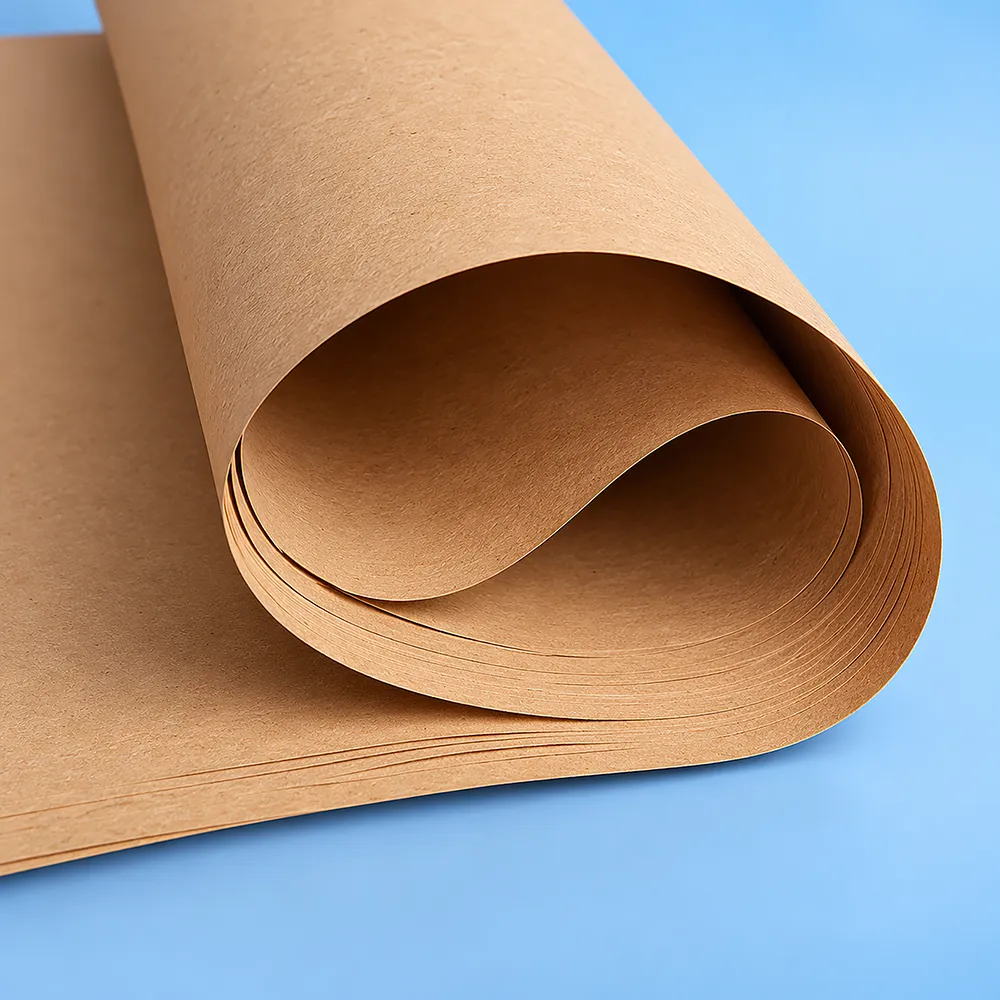
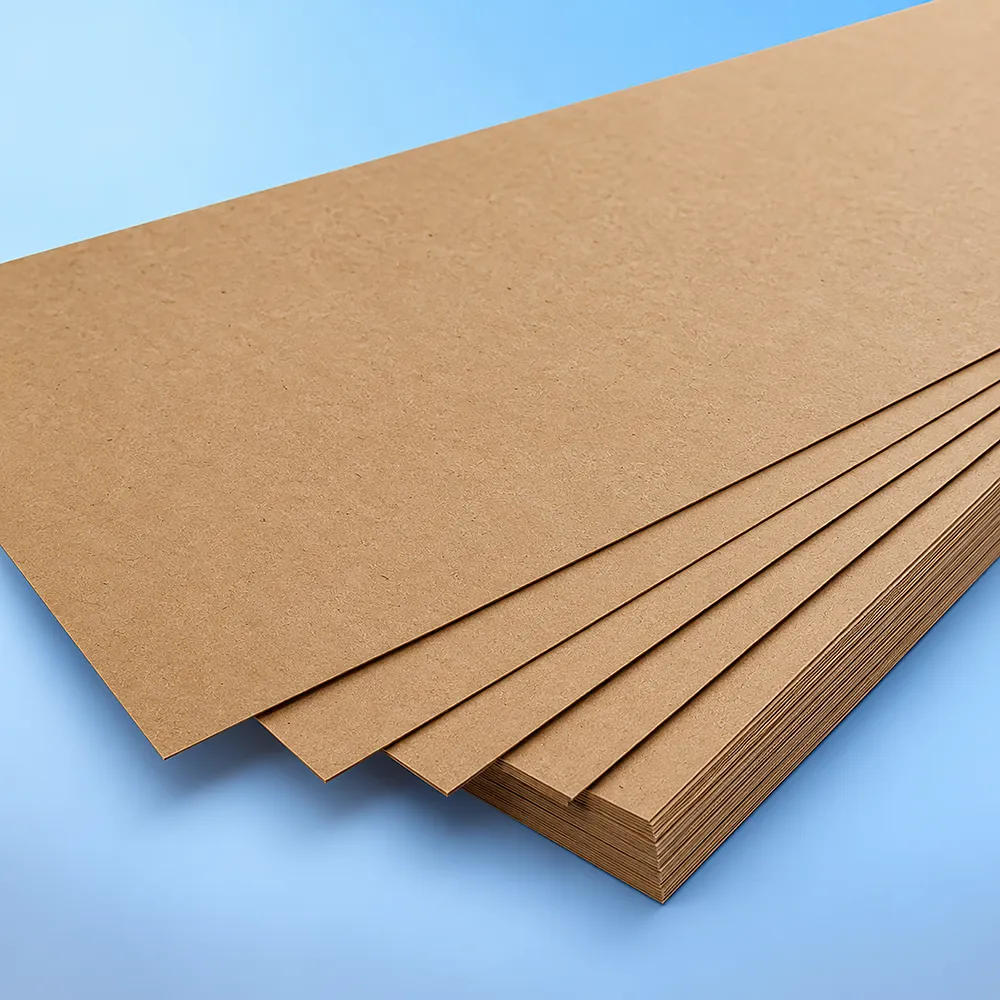
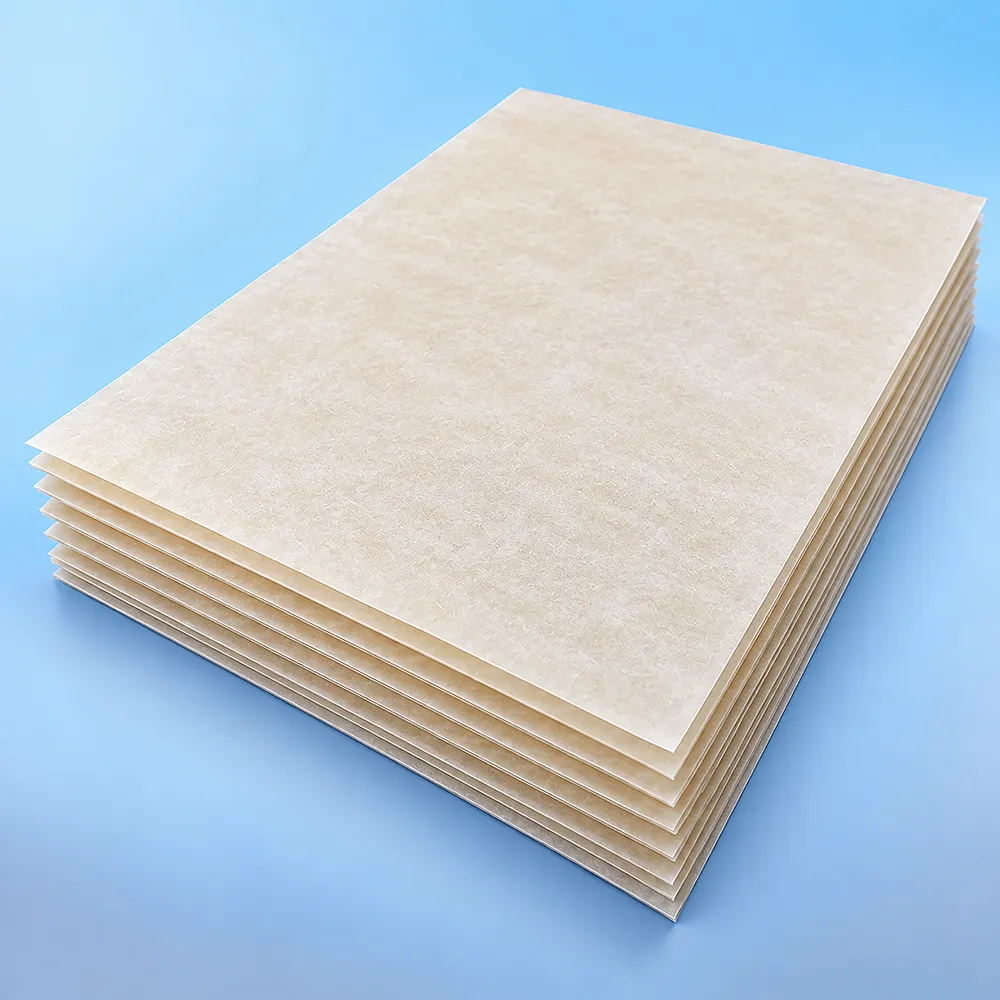
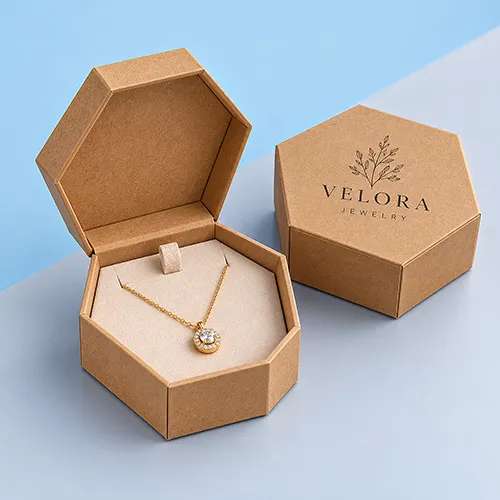
A folding Kraft paperboard carton can suit compatible jewelry projects where flat storage, straightforward assembly and a natural brown surface are priorities.
The structure can use a tuck, attached lid or another suitable folding relationship according to the product and insert.
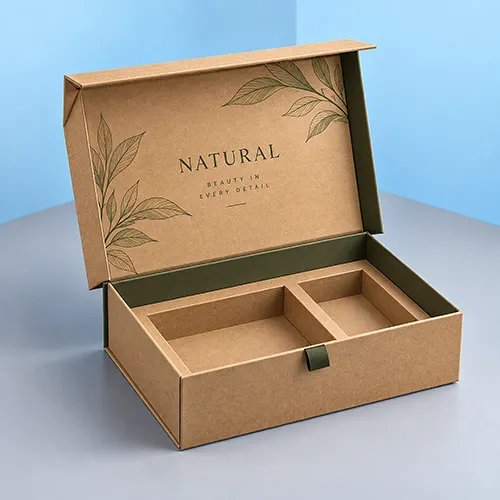
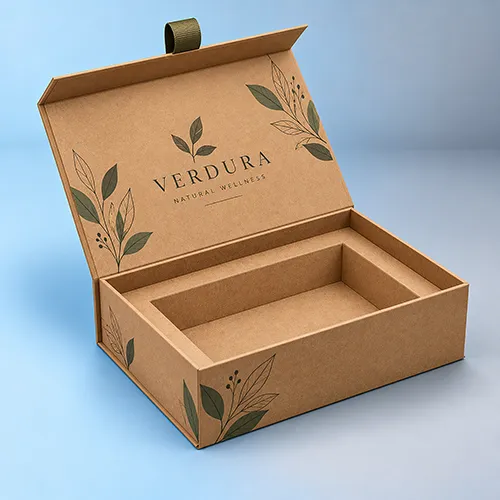
Lid-and-Base Jewelry Boxes
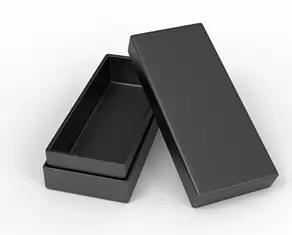
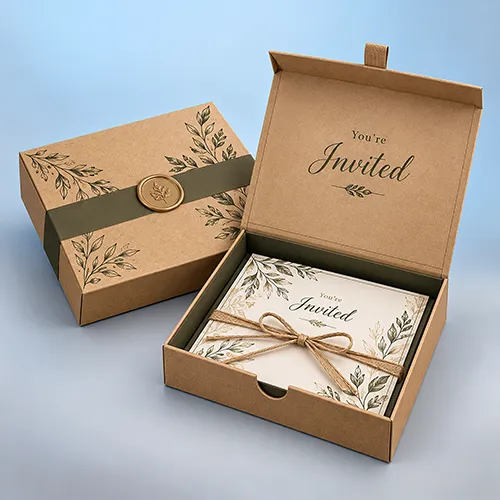
A separate lid and base create a familiar top-opening presentation.
The base depth, insert level, jewelry height and lid depth should work together so the product remains visible when open while maintaining sufficient clearance when closed.
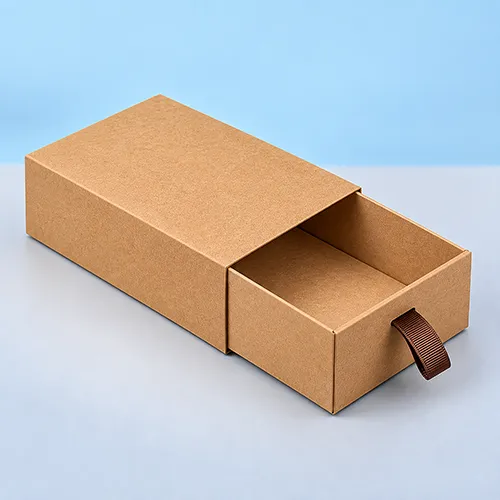
Sleeve-and-Tray Jewelry Boxes
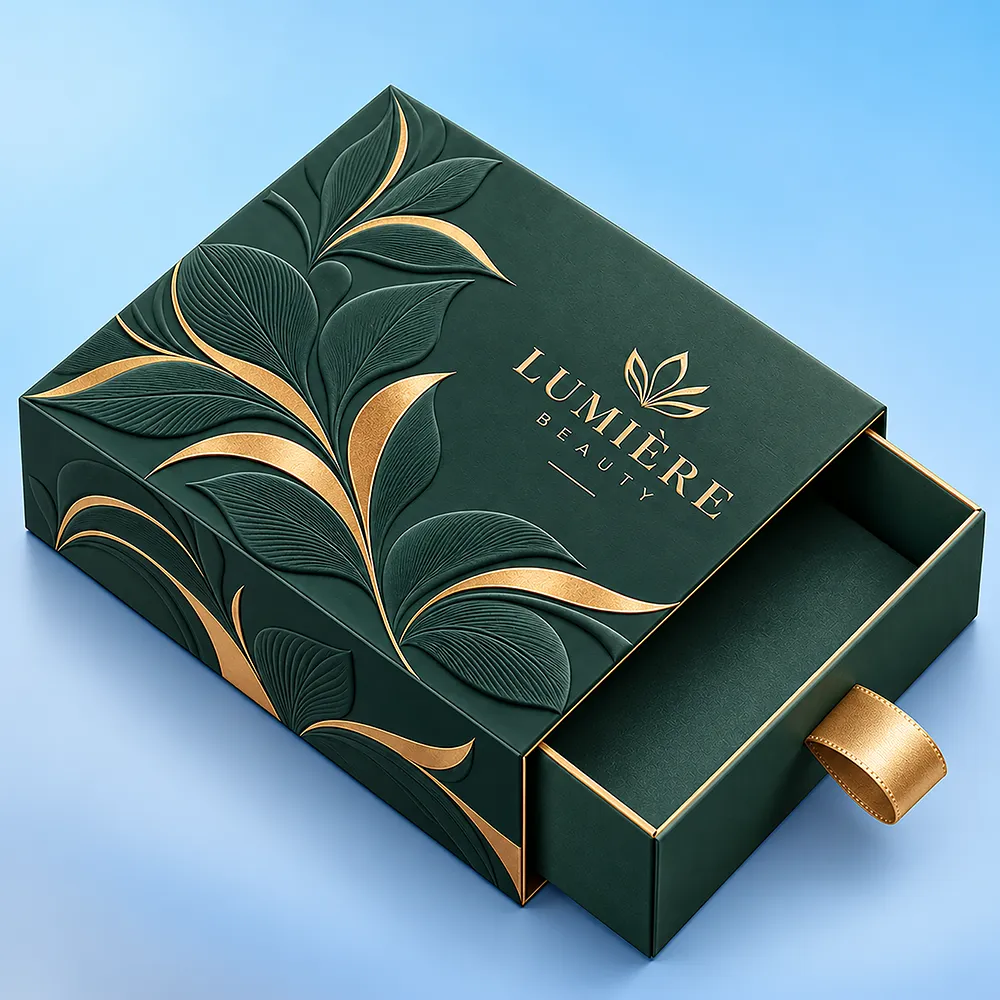
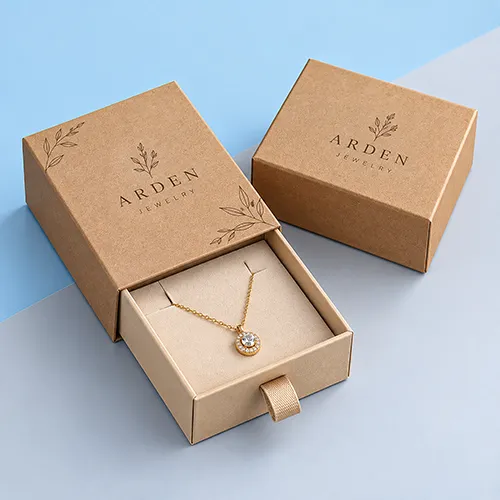
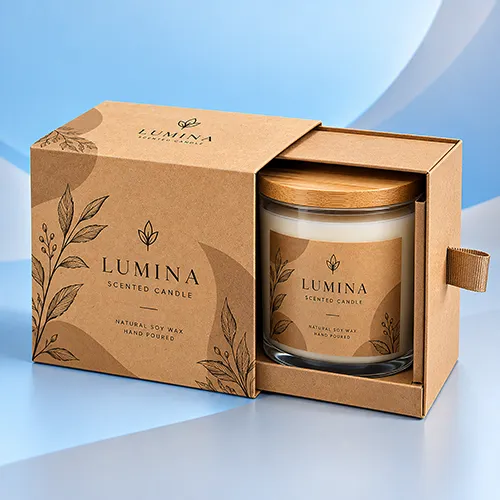
A sleeve-and-tray or drawer format creates a slide-out reveal. The jewelry holder remains inside the tray while the sleeve controls the opening sequence.
Tray movement, holder position and product-removal access should be evaluated together so the jewelry does not become difficult to reach when the drawer is fully open.
Kraft-Wrapped Rigid Jewelry Boxes
Some projects require rigid-board construction. That construction is physically different from a folding carton made directly from Kraft paperboard.
If rigid construction itself is the primary buying requirement, compare rigid jewelry boxes.
This keeps the commercial ownership clear:
Kraft Jewelry Boxes → Jewelry Fit + Natural Kraft Material Direction
Rigid Jewelry Boxes → Jewelry Packaging + Rigid Construction
Keep Kraft Jewelry Boxes Distinct From Broader Jewelry, Gift and Presentation Packaging
The Custom Jewelry Boxes category should own jewelry packaging across materials, structures and jewelry types.
KB-22 has a narrower role:
Jewelry-Specific Product Fit + Natural Kraft Surface
That means this page should explain what changes after natural Kraft has been selected rather than trying to replace every ring, earring, pendant or bracelet page.
Jewelry is also frequently gifted, but Kraft Gift Boxes should remain the broader gifting route for many different products.
Likewise, Kraft Presentation Boxes should own natural-Kraft packaging where the general controlled reveal or presentation is more important than jewelry-specific holder geometry.
In simple terms:
Gift Box → Gifting Application
Presentation Box → Controlled Product Reveal
Jewelry Box → Jewelry-Specific Fit and Holder
Select the Kraft Construction Around the Complete Pack-Out
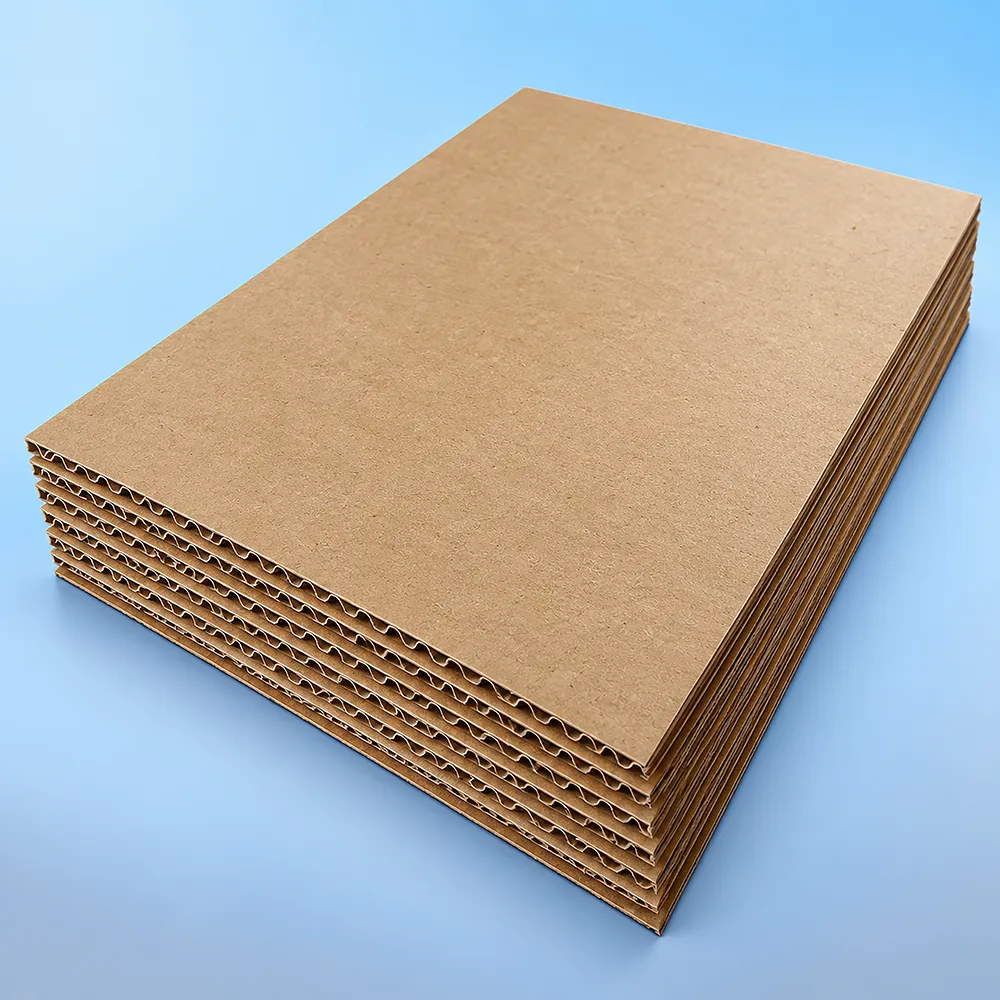
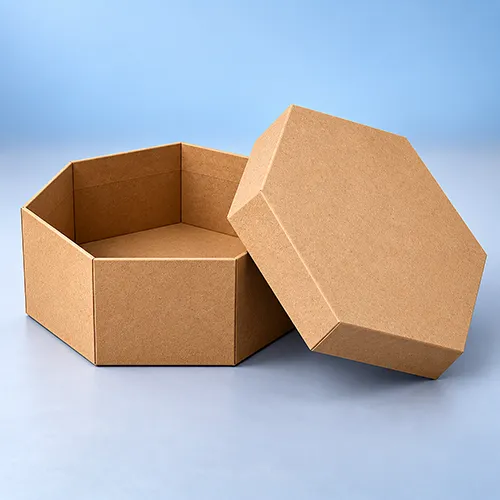
Natural Kraft appearance does not identify one universal board type or construction.
A folding jewelry carton can use an appropriate Kraft paperboard.
A rigid jewelry package can use rigid board with a Kraft-paper wrap.
Those packages can look similar from the outside but are structurally different.
Use:
Jewelry + Holder + Loaded Weight + Box Dimensions + Opening Structure → Material Construction
rather than assuming that every Kraft jewelry box should use one standard GSM, thickness or board.
For broader folding-stock context, compare Kraft paperboard boxes.
Windows Should Follow the Jewelry Position
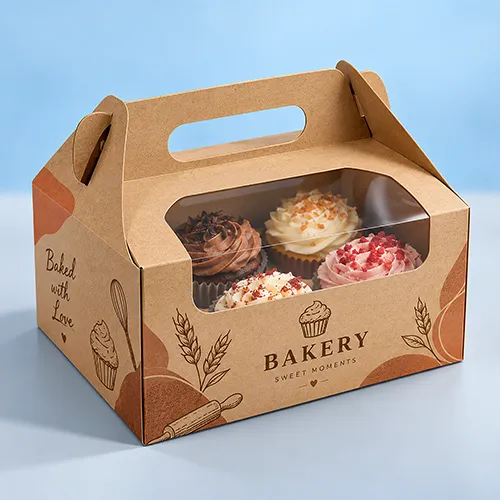
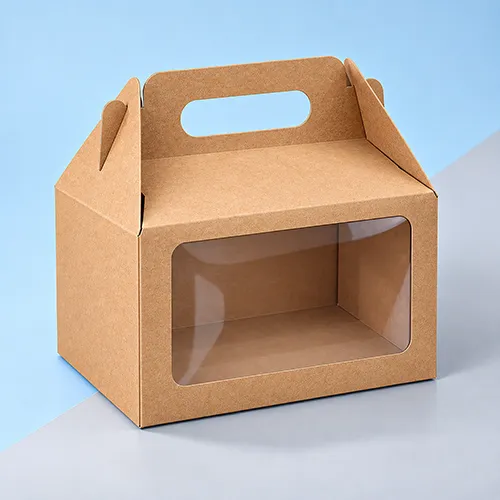
A viewing window can reveal part of the jewelry while the package remains closed.
The opening should be developed after the holder establishes the product final position.
Use:
Jewelry Position → Area to Reveal → Available Panel → Window Position
For earrings, that may mean aligning the opening with the pair visible face. For a necklace, the pendant rather than the complete chain may be the intended focus.
The cutout should also remain clear of important folds, locking tabs, glue areas and structural edges.
An open die-cut aperture and an opening fitted with transparent window material are different specifications and should be confirmed separately.
Natural Kraft Changes How Jewelry Branding Prints
Natural brown Kraft provides a non-white print background.
That can suit minimalist logos, line artwork and higher-contrast brand systems where the Kraft surface intentionally remains visible.
Pale colors, subtle gradients and low-contrast artwork can reproduce differently from the same design viewed against white on a monitor.
Where precise brand colors matter, evaluate the artwork against the actual material direction and appropriate proof rather than treating the screen as an exact prediction.
Printing Options for Custom Kraft Jewelry Boxes
Custom printed Kraft jewelry boxes can include logos, collection names, interior messages, product information, QR codes, barcode areas and other approved graphics.
Printing methods and color systems should remain separate.
Depending on the confirmed material, structure, artwork and order quantity, suitable projects may use digital or offset printing
.
Digital / Offset → Printing Methods
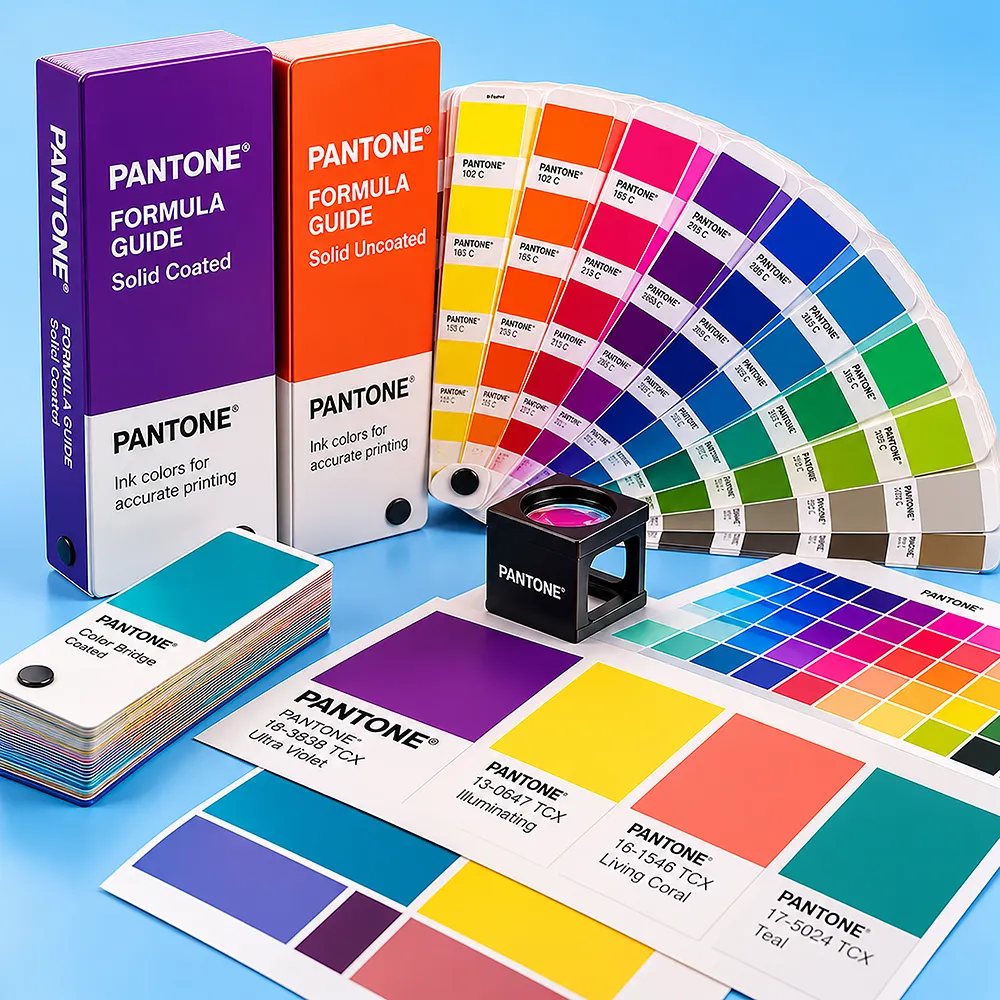
CMYK / Pantone PMS → Color Systems or References
Print areas vary by structure. A lid, sleeve, drawer front, base panel or interior surface creates different branding opportunities.
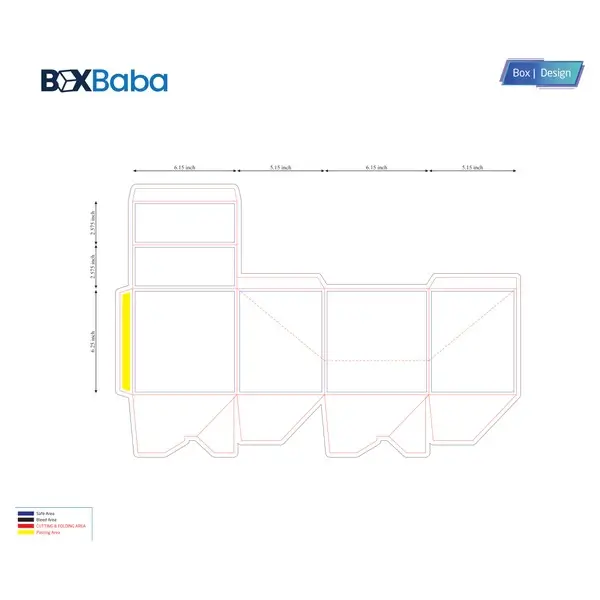
Critical artwork should therefore be positioned on the approved final dieline.
Finishing Options for Kraft Jewelry Packaging
Finishing is separate from printing and should support a defined visual or tactile goal.
Depending on the selected Kraft surface and construction, compatible options can include matte or gloss treatments, soft-touch finishes, foil stamping, embossing, debossing and Spot UV.
Foil stamping can create contrast against a natural brown background for selected logos or collection names.
Embossing and debossing can add tactile branding while allowing the underlying Kraft surface to remain visible.
The finish should follow:
Visible Panel → Brand Element → Finish Location
rather than adding multiple decorative treatments simply because they are available.
Compatibility should be confirmed against the actual Kraft stock, wrap and structure.
A Jewelry Presentation Box Is Not Automatically a Shipping Box
The jewelry box primarily manages the product fit, holder, presentation and customer opening experience
.
Parcel shipping introduces different handling conditions, including impact, compression and vibration.
Therefore:
Jewelry Presentation Box ≠ Automatic Parcel Shipping Package
For ecommerce fulfillment, the branded jewelry box may need to sit inside a suitable mailer or outer shipping carton.
A fitted insert can control the piece inside its retail box, but that does not by itself establish that the jewelry box is the complete transit system.
Several Jewelry SKUs Can Share One Dieline When the Physical Fit Matches
A jewelry brand may not need a separate box structure for every design.
Different ring styles can potentially share one structure when their maximum setting height, band fit, holder geometry and lid clearance remain compatible.
Likewise, several earring designs may share one holder where the posts, backs, dimensions and display positions remain suitable.
Use:
Compatible Jewelry Geometry + Same Holder + Same Structure → Potential Shared Dieline
Changing artwork alone does not automatically require a new box structure.
However, moving from a low-profile ring to a tall setting, studs to long-drop earrings, or a pendant to a rigid bangle can change the physical pack-out enough to require another fit review.
For quoting, provide quantities by box size, holder configuration and artwork version
.
Digital Proofs and Physical Samples Approve Different Risks
A digital proof or 3D mockup can help review artwork, logo placement, panel orientation, color references and finish locations.
It cannot fully confirm how the actual jewelry sits inside its holder.
A structural or physical sample provides a stronger reference for evaluating:
- jewelry position;
- ring-setting clearance;
- earring-post/back clearance;
- chain layout;
- holder fit;
- insert elevation;
- lid clearance;
- loading;
- product removal;
- assembled presentation.
Where fit is sensitive, compare the sample with the actual jewelry or a dimensionally representative piece.
A sample should not automatically be treated as proof of anti-tarnish performance, archival suitability, parcel-shipping performance or environmental characteristics unless those requirements have been separately evaluated.
Natural Kraft Appearance Does Not Automatically Prove Sustainability
Natural brown Kraft is often associated with environmental branding, but appearance alone does not establish the environmental properties of the completed jewelry package.
Do not automatically assume:
Brown Kraft = Recycled Kraft
or:
Kraft = Automatically Recyclable / Biodegradable / Compostable
The completed package may include coatings, laminations, adhesive, window material, foam, fabric, ribbons, magnets or other components.
Those additions can affect the final material profile and end-of-life options.
If recycled content, sourcing certification, recyclability or another environmental criterion matters to your brand, state that requirement during quotation so it can be checked against the actual finished specification.
Common Mistakes When Ordering Kraft Jewelry Boxes
One common mistake is measuring only the visible front of the jewelry.
A ring raised setting can determine the required height. Earring posts and backs can require hidden space behind the presentation card. A pendant can fit while the chain has nowhere to route. A rigid bangle creates a fixed footprint that a flexible bracelet does not.
Another common mistake is finalizing the outer box before the holder.
Projects can also fail when the jewelry sits too deeply for removal, when an elevated insert leaves insufficient lid clearance, or when a generic soft insert is assumed to provide anti-tarnish performance without a confirmed specification.
Other avoidable errors include treating every jewelry box as rigid packaging, placing a viewing window before the jewelry position is established, treating the retail jewelry box as a complete shipping package and making environmental claims from brown Kraft appearance alone.
What to Send for a Kraft Jewelry Box Quote
An accurate quote starts with the actual jewelry rather than only an estimated outer box dimension.
Provide the information you already have, including:
- jewelry type;
- maximum finished dimensions;
- bracelet or bangle dimensions;
- desired product orientation and visual order;
- holder, pad, card, cavity or insert requirement;
- preferred opening structure;
- lid, drawer or sleeve clearance requirements;
- window requirement;
- natural Kraft preference;
- inside and outside printing requirements;
- quantity by box size and holder configuration;
- finishing requirements;
- retail, gifting or ecommerce use;
- delivery destination;
- required in-hand date.
If you already use another jewelry package, identify whether its measurements are internal or external and provide photographs of the jewelry in its loaded position with the package open and closed where possible.
Custom Kraft Jewelry Boxes Wholesale
BoxBaba develops custom Kraft jewelry packaging for jewelry brands, boutiques, handmade-jewelry businesses, ecommerce retailers and other B2B buyers that need packaging configured around the actual piece rather than a generic jewelry-box size.
Custom packaging orders start from 100 units
.
Artwork assistance and dieline support are available for custom projects, with digital proof or 3D mockup review before production.
Sample options are available where jewelry fit, holder geometry, presentation height or structural assembly requires physical evaluation. Under applicable BoxBaba sample terms, the delivery charge for a qualifying sample can be reimbursed with the first bulk order.
Standard production is generally 5–9 business days after final artwork approval
for eligible configurations. Specialized holders, rigid constructions, finishing requirements, order quantities or multiple artwork versions can affect final timing, so production and delivery dates should be confirmed with the quotation.
Free shipping across the USA
is available under applicable BoxBaba order terms.
Request a Quote for Custom Kraft Jewelry Boxes
A useful jewelry-box specification starts with the actual jewelry and how it should sit inside the package
, not a generic small-box dimension.
Share your jewelry type, finished dimensions, holder requirement, desired presentation, natural Kraft direction, artwork and order quantity so BoxBaba can develop the package around the actual piece.
To discuss your project, call +1 305 574 4357
or email sales@boxbaba.com
.