What Is a Kraft Tuck Top Box?
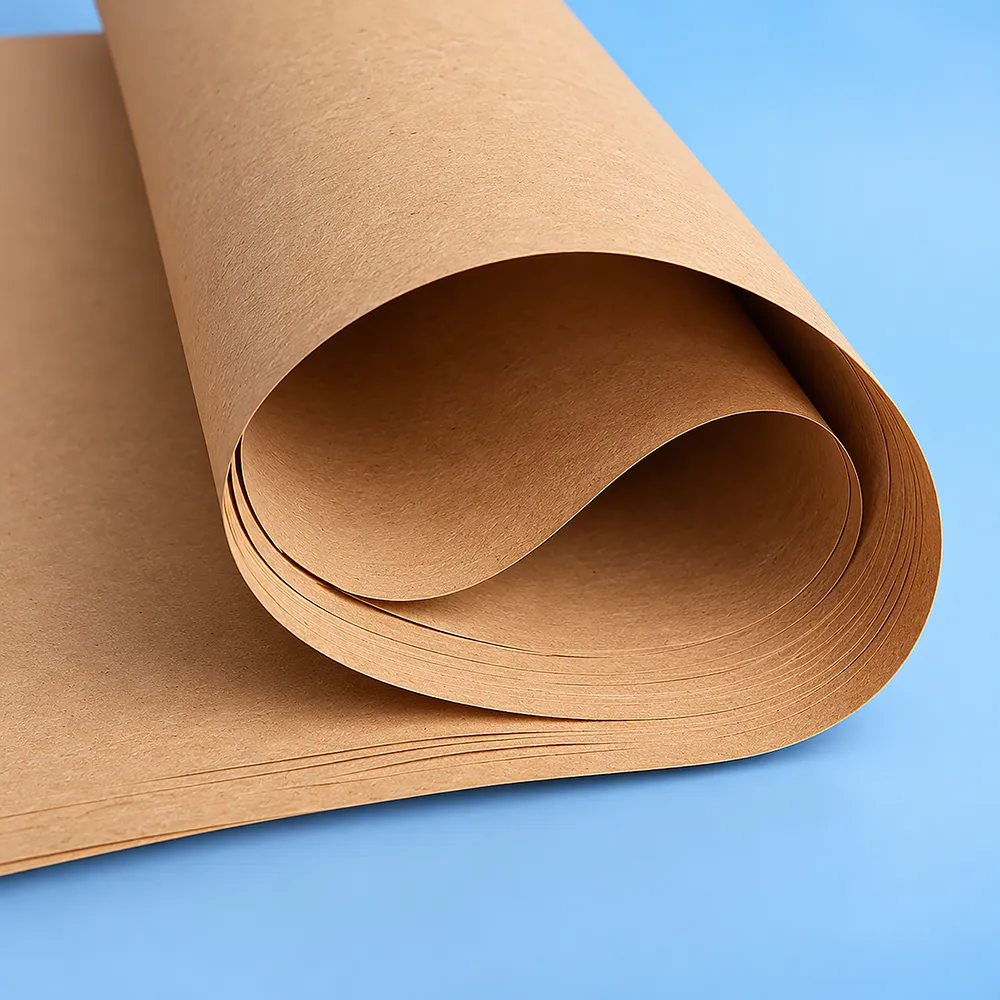
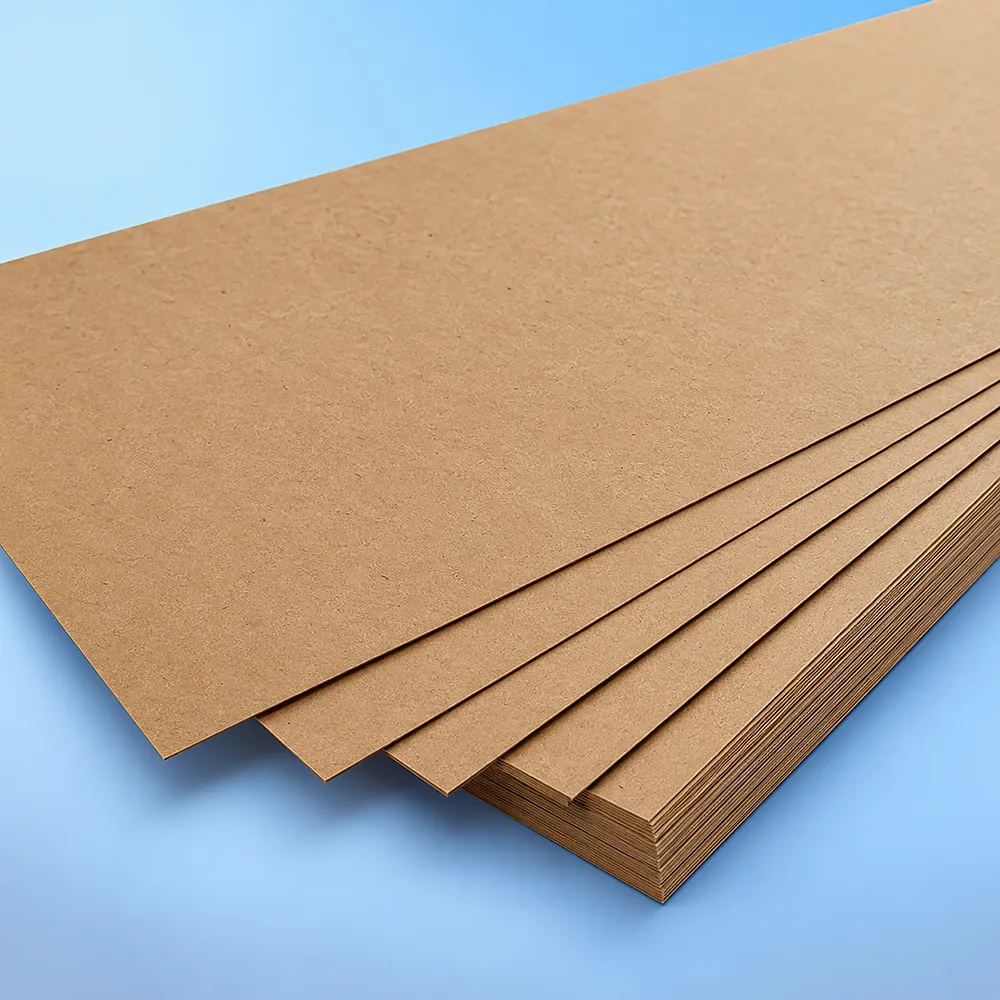
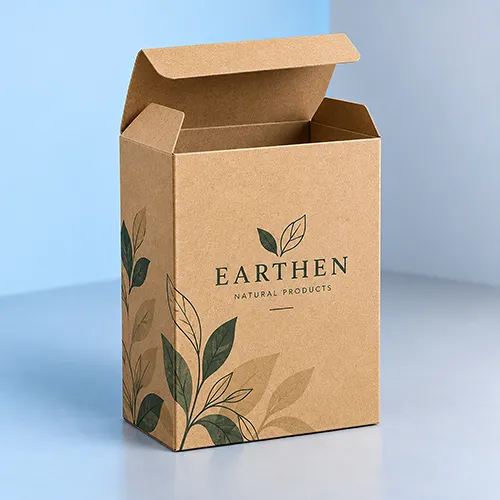
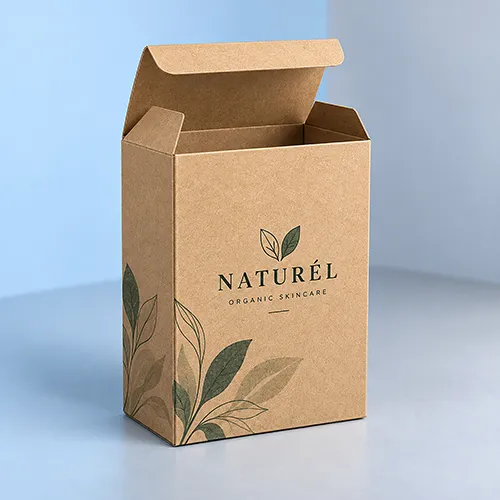
A Kraft tuck top box is a folding carton that uses a tuck flap to close its upper opening while Kraft paperboard provides the visible folding material.
The term tuck top
primarily identifies the upper closure. It does not automatically define how the bottom closes.
Keep these decisions separate:
Kraft → Material / Surface Direction
Tuck Top → Upper Closure
Tuck / Lock / Auto-Bottom → Possible Bottom Directions
Straight Tuck / Reverse Tuck → Specific Top-and-Bottom Tuck Arrangements
That distinction matters because two boxes can look similar from the top while requiring different base constructions.
If the top-tuck structure is required but Kraft material has not yet been selected, compare the broader Tuck Top Boxes page or browse Custom Tuck Boxes for other tuck configurations.
Choose the Bottom Separately From the Top Closure
A lightweight retail item may work with a conventional folding bottom where the complete carton specification supports it. A heavier jar, bottle or frequently packed product may justify a locking or pre-glued base.
Use:
Top Access Requirement → Tuck-Top Closure
separately from:
Loaded Product + Carton Footprint + Packing Workflow → Bottom Structure
A tuck-top carton should not be treated as though one standard bottom is built into the name.
Kraft Tuck Top vs Straight and Reverse Tuck Cartons
Tuck terminology can become confusing because several related structures use tuck flaps.
- A straight tuck end carton typically uses top and bottom tuck closures arranged in the same general direction.
- A reverse tuck carton uses tuck closures on opposite sides.
A tuck-top carton can instead describe the required top-opening closure without automatically requiring either complete top-and-bottom arrangement.
If a conventional same-direction tuck-end carton is already specified, compare Straight Tuck End Boxes rather than using KB-10 as a substitute for that exact structure.
This page should own Kraft + top-tuck intent
, not every tuck-end configuration.
Size the Carton Around the Finished Product
Start with the product in the exact condition in which it will enter the box.
For bottles and jars, measure the installed cap, lid, pump, collar or other projection. For tubes, measure the complete closed format. For individually wrapped products, use the dimensions after wrapping.
Use:
Finished Product → Maximum External Dimensions → Orientation → Required Internal Space
If several items share the carton:
Individual Products → Quantity → Arrangement → Internal Requirement
Do not assume the finished box should use the same dimensions as the bare product.
The final outside dimensions also depend on the selected Kraft board, carton structure and production dieline.
If you need help separating product dimensions from internal and external box measurements, use BoxBaba guide on how to measure box dimensions.
Product Fit Does Not Guarantee Tuck-Flap Clearance
A product can fit inside the main carton body while still interfering with the top closure. The tuck flap needs a clear operating path as it folds and enters the carton. A tall cap, product projection, insert platform or tightly packed component can affect that relationship.
Therefore:
Product Fits Inside Carton ≠ Top Tuck Closes Correctly
The solution is not simply to add unnecessary empty space.
Instead, coordinate:
Product Height + Product Position + Internal Components + Flap Geometry → Closure Review
through the actual dieline.
This is one of the most important checks when a carton is being sized closely around the finished product.
Check the Loading Path as Well as Final Fit
Final internal dimensions answer whether the product can occupy the box. They do not always answer whether the product can be loaded easily. A wide cap, projecting pump, irregular shoulder or closely fitted insert may make loading awkward even when the finished internal dimensions appear sufficient.
For a top-loaded carton, confirm that the widest relevant part of the product can pass through the available top opening before the tuck flap is closed.
The box should therefore be evaluated for both:
Final Product Fit
and:
Practical Loading / Removal
Kraft Tuck Top Boxes vs Kraft Paperboard Boxes
Kraft Paperboard Boxes own the broader folding-material decision.
Kraft Tuck Top Boxes narrow that material to a particular closure requirement.
Use:
Kraft Paperboard → Folding Substrate
while:
Kraft Tuck Top → Kraft Folding Carton + Tuck-Top Closure
A Kraft paperboard carton can use many structures besides tuck top. If Kraft has been chosen but the structure remains undecided, the broader Kraft Paperboard page is the more appropriate starting point. If top-opening tuck access is already part of the brief, KB-10 provides the more specific route.
When Does a Kraft Tuck Top Box Need an Insert?
Not every tuck carton needs another internal component.
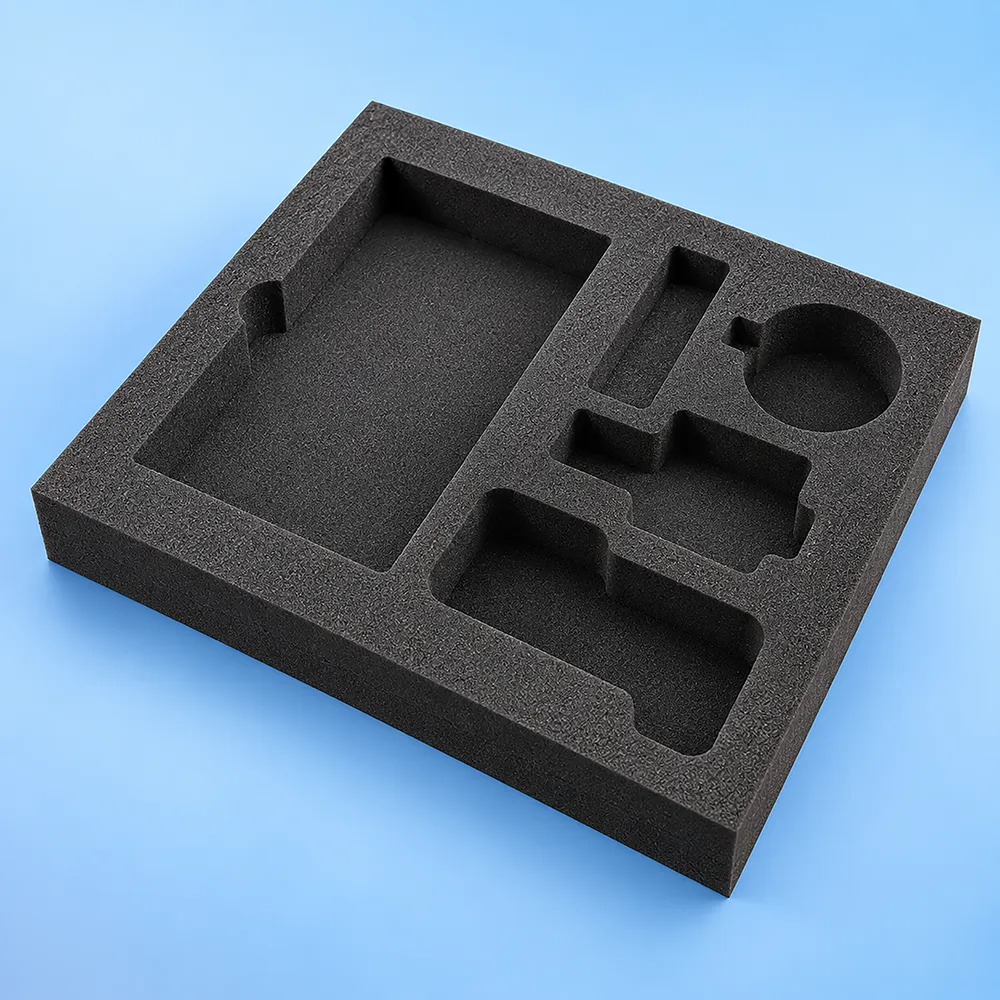
A correctly sized single-product carton may provide sufficient positioning by itself. An insert becomes more useful where the product must remain in a defined position, multiple components need separation, a window needs consistent product alignment, or internal movement would otherwise create a poor presentation.
Use:
Product Position Requirement → Insert Decision
The insert takes up space, so:
Finished Product + Insert Geometry → Required Carton Interior
The insert should therefore be established before the final carton dimensions are approved.
For projects where fitted internal positioning is a major requirement, compare Printed Boxes With Inserts.
Kraft Tuck Top Boxes With Windows
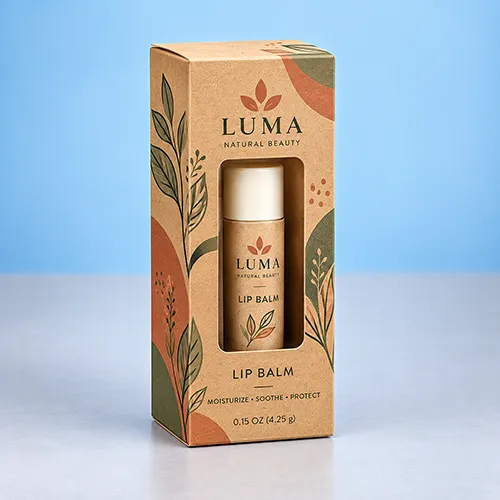
A die-cut opening can be incorporated into a suitable tuck-top carton when selective product visibility supports the retail presentation. Window placement should begin with the loaded product.
Use:
Product Position → Feature to Reveal → Available Panel → Window Location
The opening should remain clear of important folds, tuck engagement, glue areas and other structural zones. An open aperture and a clear-patched opening are different configurations and should be specified accordingly. If selective visibility is the main buying requirement rather than the tuck-top closure, compare Kraft Window Boxes for the more window-specific route.
Natural Kraft Changes the Printing Background
Natural brown Kraft is a non-white substrate. Artwork viewed on a white monitor therefore does not automatically represent how the same artwork will appear on the finished box.
Use:
Artwork + Actual Kraft Surface → Printed Appearance
Dark logos, typography and simple graphics may interact differently with Kraft from pale colors, photography or low-contrast elements.
Where brand-color appearance matters, review the artwork together with the selected Kraft surface. Do not promise exact printed color reproduction solely from a digital screen proof.
Printing Options for Kraft Tuck Top Boxes
The front, back, sides and top can provide printable branding or product-information areas according to the approved carton structure. Artwork can include logos, product names, illustrations, instructions, QR codes, barcodes and buyer-supplied regulatory or ingredient information where applicable. Keep printing methods and color systems separate:
Digital / Offset → Printing Methods
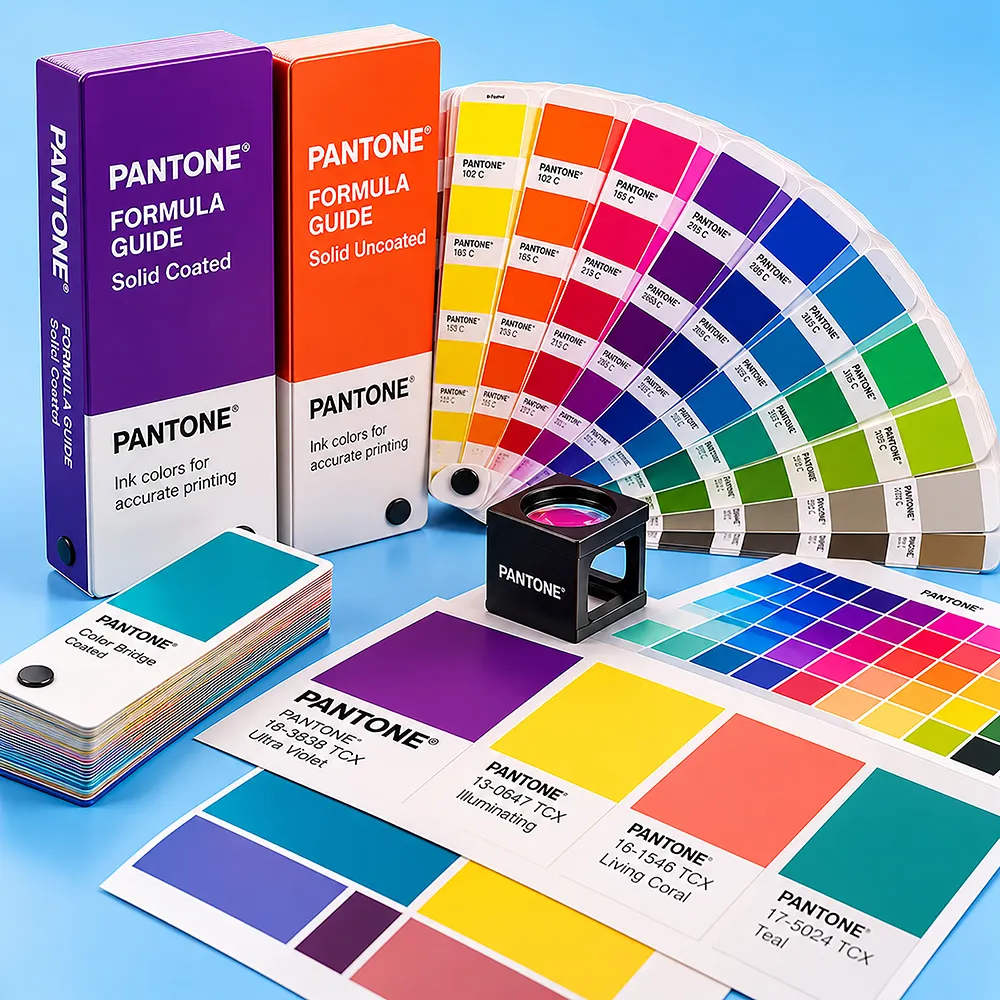
CMYK / Pantone PMS → Color Systems or References
The suitable process should follow the actual Kraft board, artwork, order quantity and production specification.
Where inside printing is required, include it in the artwork brief so the interior panel orientation can be reviewed with the final dieline.
Plan Artwork Around the Opening Direction
The top flap is a functional and visible part of the carton.
Artwork should therefore be developed after the front panel and opening direction are established.
Use:
Retail Front → Opening Direction → Panel Orientation → Artwork Layout
A top-panel logo or internal message can appear in an unintended orientation if artwork is prepared without considering how the customer opens the carton.
Important text, QR codes and other functional elements should also remain clear of folds and flap edges.
Review:
Flat Dieline → Folded Closed Carton → Opening Sequence
rather than approving the flat graphic template alone.
Keep Critical Artwork Clear of the Tuck-Flap Working Area
The tuck flap folds and moves during closing and reopening.
Artwork positioned too close to score lines, edges or engagement areas can become visually interrupted or hidden after the flap is inserted.
Use:
Flap Geometry → Fold / Score Area → Usable Artwork Area
The tuck flap can carry branding or messaging where appropriate, but placement should follow the approved dieline instead of treating the flap as an unrestricted rectangular print panel.
Finishing Options for Kraft Tuck Top Packaging
Printing and finishing are separate production decisions.
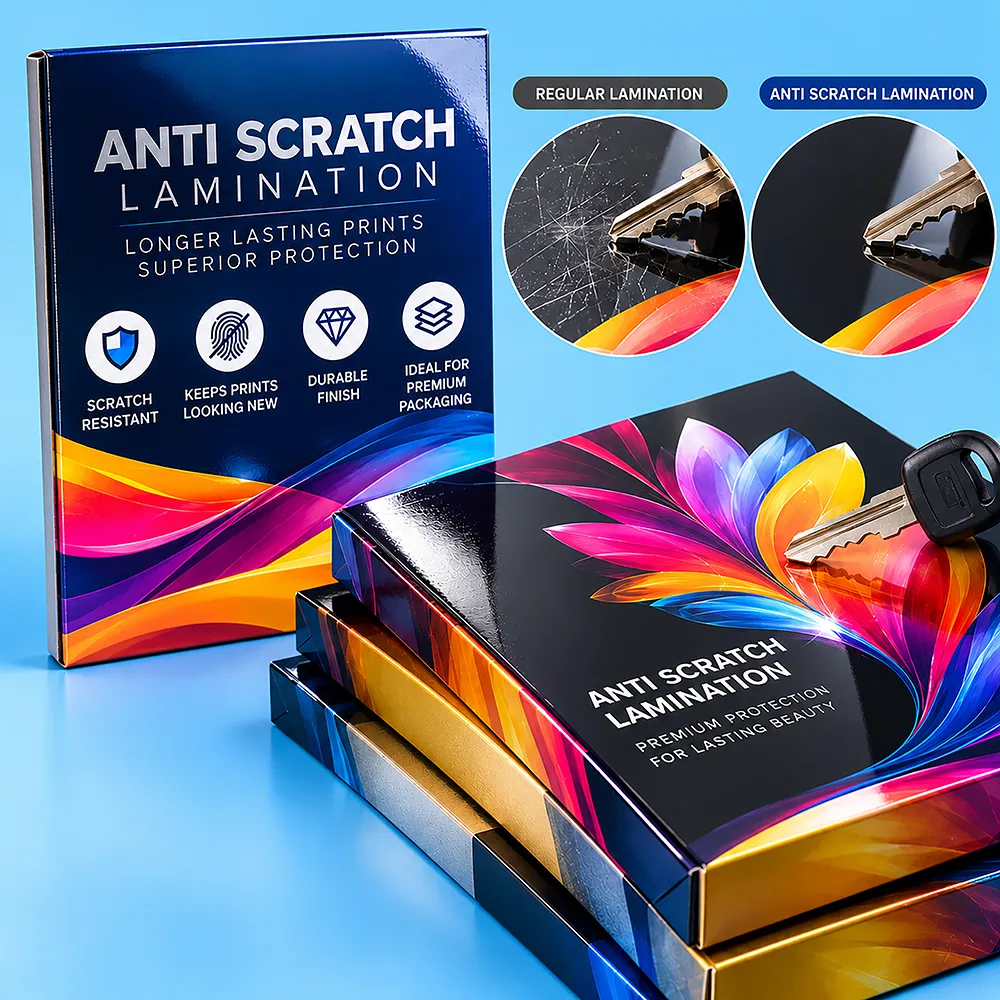
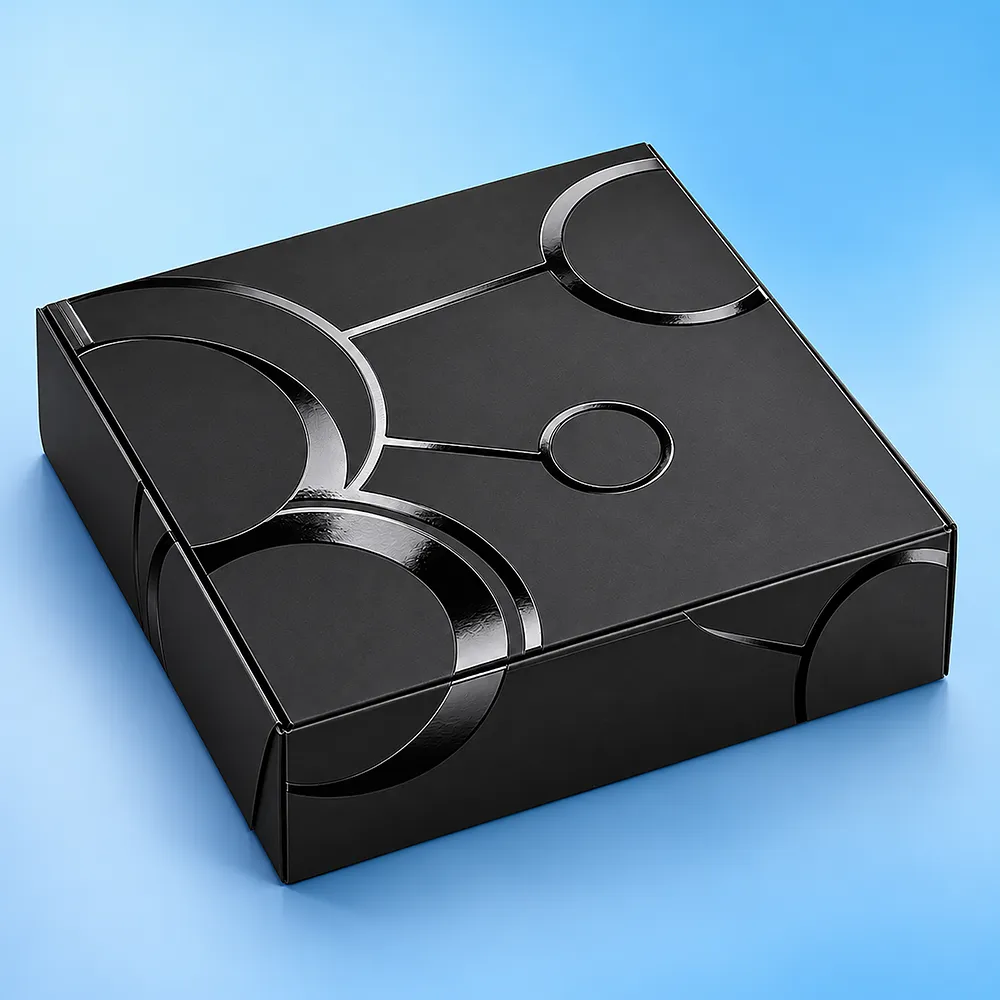
Depending on the selected Kraft stock and production process, compatible options may include matte or gloss lamination, soft-touch treatments, foil stamping, embossing, debossing or spot UV. The top flap is also a moving component, so that cross score lines or heavily worked folding areas should be reviewed against the actual dieline.
Natural Kraft itself may be the intended visual treatment, so additional finishing should only be used where it supports the artwork and product positioning.
Kraft Tuck Top Cartons vs Kraft Mailer Boxes
The phrase “tuck top” can also appear in mailer terminology, especially with roll-end or front-tuck mailer structures.
That does not make a folding tuck carton and mailer the same box.
Keep the intent separate:
Kraft Tuck Top Carton → Folding-Carton Closure
while:
Kraft Mailer → Mailer Structure
A mailer often uses a hinged lid and different side-wall/board relationships from a compact folding retail carton.
If ecommerce fulfillment or a mailer format is the main requirement, compare Kraft Mailer Boxes rather than trying to make the two page intents interchangeable.
A Tuck Top Retail Carton Is Not Automatically a Shipping Box
A tuck closure keeps the top of the folding carton closed, but that does not establish parcel-shipping performance.
For many products, the packaging hierarchy is:
Product → Kraft Tuck Top Retail Carton → Outer Shipping Package
where distribution requires another layer.
If the tuck carton itself must travel as the outer parcel, communicate the complete packed weight, product fragility and distribution conditions before the construction is selected.
Do not infer shipping qualification from the closure name or natural Kraft appearance.
Food Applications Need the Correct Contact Specification
Kraft tuck top cartons can be developed for food-related products, but Kraft does not automatically establish direct-food-contact suitability.
A carton around a sealed wrapper, pouch, bottle or other primary container creates a different requirement from paperboard that directly touches the food. Relevant grease, moisture, temperature and holding conditions should also be provided where they affect material selection.
If food packaging is the primary application, compare Custom Food Boxes for broader food-specific material and structure guidance.
Can One Tuck-Top Dieline Serve Several SKUs?
Potentially, when the physical packaging requirements remain the same.
Several flavors, shades, fragrances or other product versions may share one carton structure while using different artwork.
Use:
Same Product Dimensions + Same Structure + Same Insert Requirement → Potential Shared Dieline
while:
Different Size / Weight / Insert / Bottom Requirement → Separate Structural Review
Provide quantity by artwork version when requesting pricing so the production plan reflects the actual SKU breakdown.
Flat Supply and Packing Workflow
Many folding tuck cartons can be supplied flat before erection, although the final packing sequence depends on the approved bottom configuration.
A typical workflow may involve:
Flat Carton → Erection → Bottom Setup → Product Loading → Tuck-Top Closure
A pre-glued auto-bottom configuration creates a different setup process from a manually folded base.
If packing speed or manual setup matters to your operation, include that information when selecting the bottom instead of choosing the structure only from its finished appearance.
Digital Proofs and Structural Samples Check Different Risks
A digital proof can help review artwork, text, panel orientation, color references and the relationship between graphics and the structural dieline.
It does not fully demonstrate product fit or tuck-flap movement.
Where those relationships need physical review, a structural sample can help check product clearance, loading, insert placement, closure movement, bottom assembly, window position and finished proportions.
Use:
Digital Proof → Artwork Review
while:
Structural Sample → Product Fit / Closure / Assembly Review
A physical sample should not automatically be treated as evidence of shipping performance, food-contact compliance or environmental characteristics unless those requirements have been evaluated separately.
Common Mistakes When Ordering Kraft Tuck Top Boxes
One common mistake is assuming that tuck top describes the entire carton instead of only the upper closure.
Other avoidable problems include choosing the bottom without considering packed weight, sizing only around the product body and forgetting closure movement, confusing straight/reverse tuck structures with the broader top-tuck requirement, approving artwork without checking opening orientation, or treating natural Kraft as automatic evidence of recycled content, recyclability or food safety.
What to Send for a Kraft Tuck Top Box Quote
To reduce revisions and back-and-forth, provide:
- finished product dimensions;
- product weight where relevant;
- cap, pump, lid or other projections;
- units packed per carton;
- intended product orientation;
- preferred top-opening arrangement;
- preferred bottom construction if already known;
- insert or divider requirement;
- window requirement;
- direct-food-contact requirement where relevant;
- natural Kraft surface preference;
- order quantity;
- quantity by artwork version or SKU;
- artwork status;
- inside or outside printing requirement;
- finishing requirements;
- delivery destination;
- required in-hand date.
If you already have a reference carton, identify whether the supplied measurements are internal or external
and provide photographs or a structural reference where useful.
Custom Kraft Tuck Top Boxes Wholesale
BoxBaba develops custom Kraft tuck top cartons for retail, cosmetics, personal care, supplements, soap, candles, packaged confectionery and other B2B product-packaging requirements where the tuck-top structure suits the actual product.
Custom packaging orders start from 100 units
, with made-to-size structures, artwork assistance, dieline support and digital proof or 3D mockup review available for custom projects.
Production and delivery timing should be confirmed with the quotation after the product dimensions, Kraft material, top closure, bottom structure, quantity, artwork and finishing requirements are finalized.
Free shipping is available across the USA under applicable BoxBaba order terms. Where product fit, tuck movement, bottom assembly, insert layout or window position needs physical review, discuss the appropriate sample option before bulk production.
Request a Quote for Custom Kraft Tuck Top Boxes
Share your finished product dimensions, packed weight, quantity, preferred bottom construction and artwork requirements so BoxBaba can prepare a quotation around the actual tuck-top configuration. Place your order by calling +1 305 574 4357
or emailing sales@boxbaba.com.