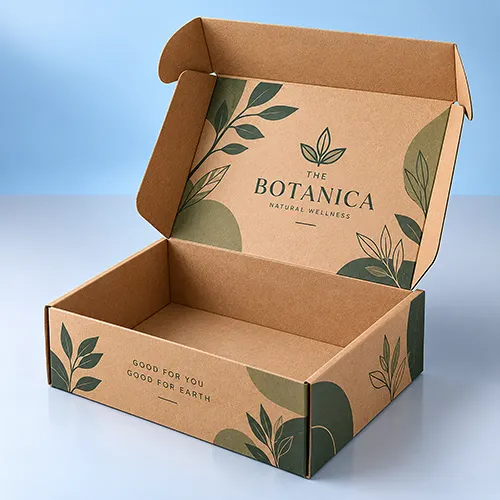
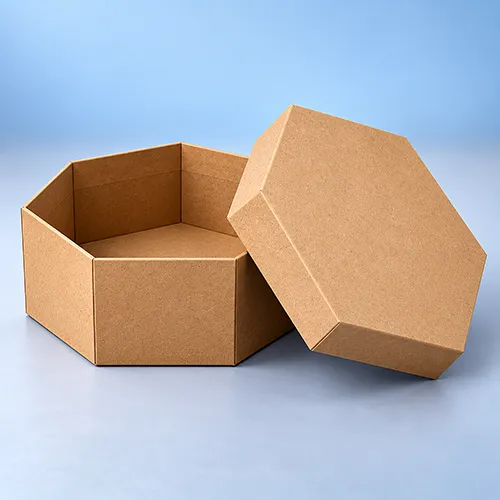
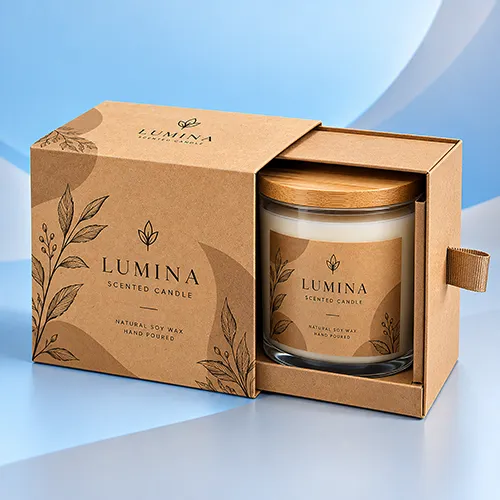
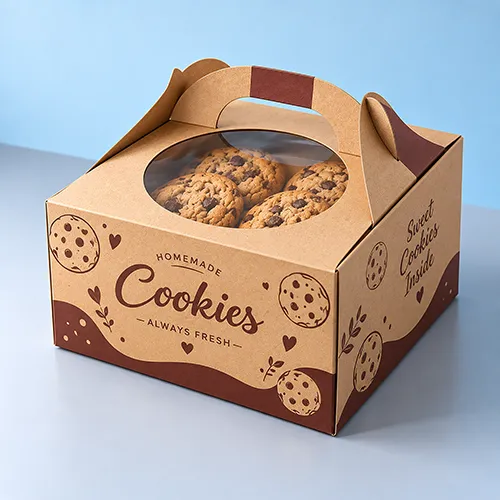
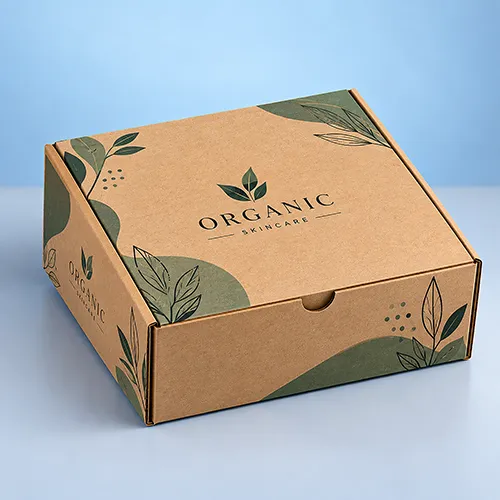
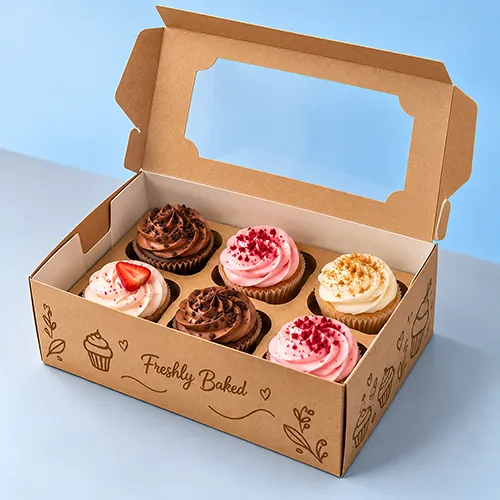
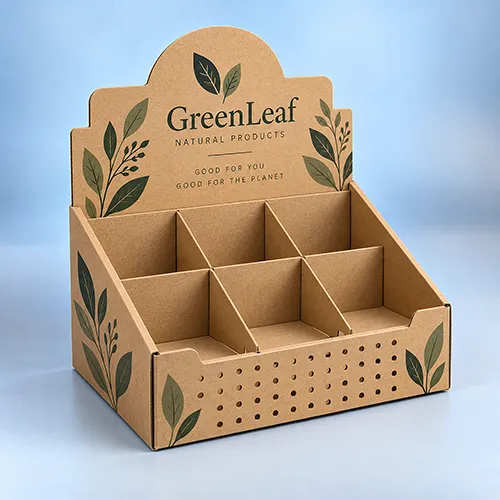
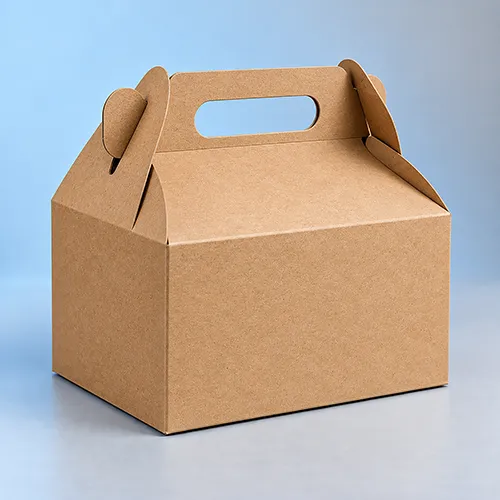
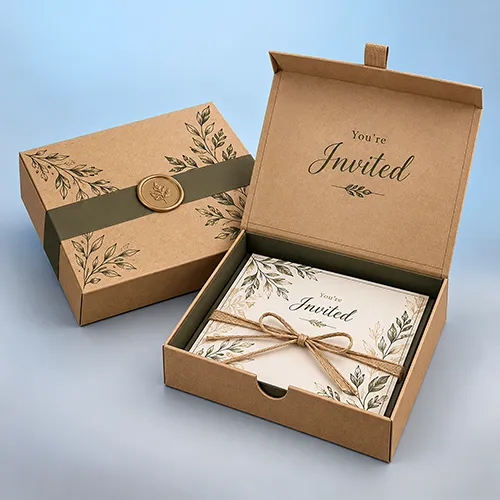
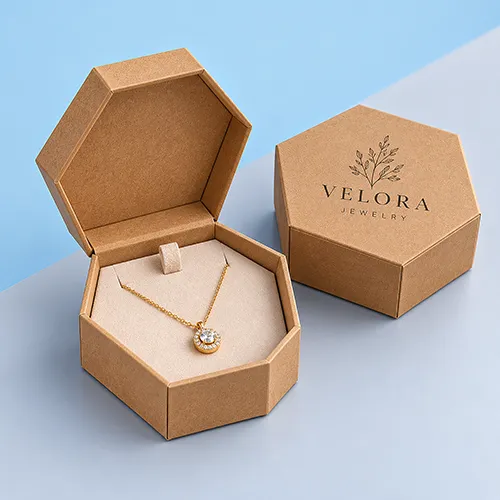
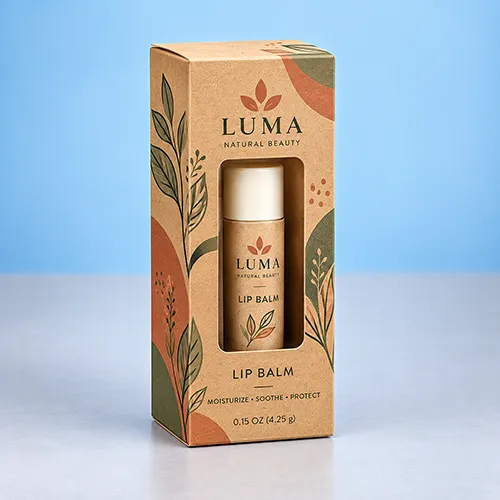
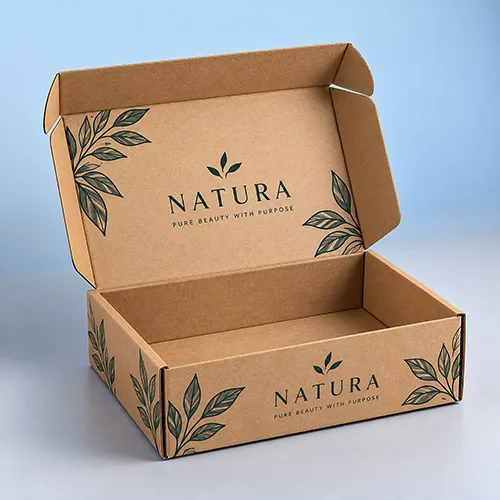
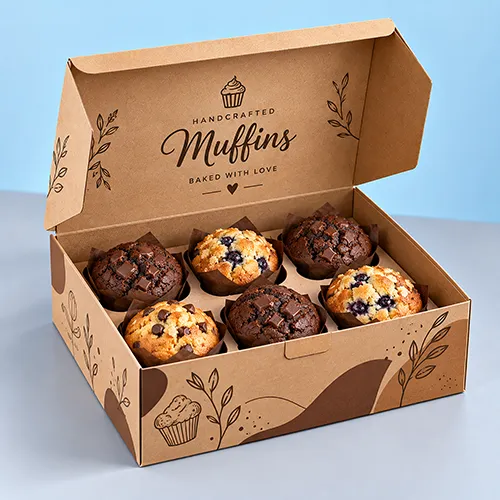
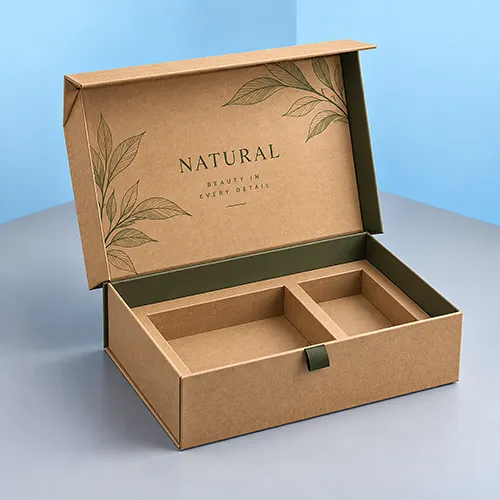
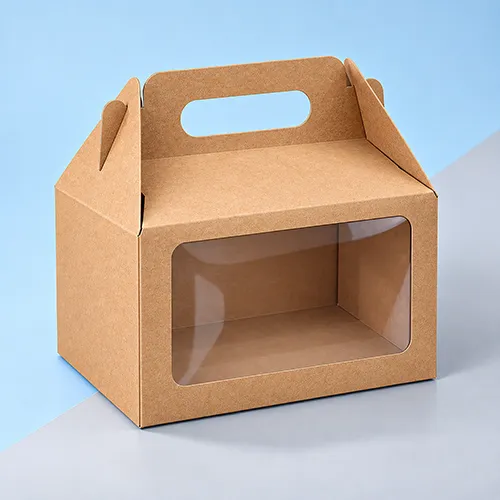
What Is a Kraft Paperboard Box?
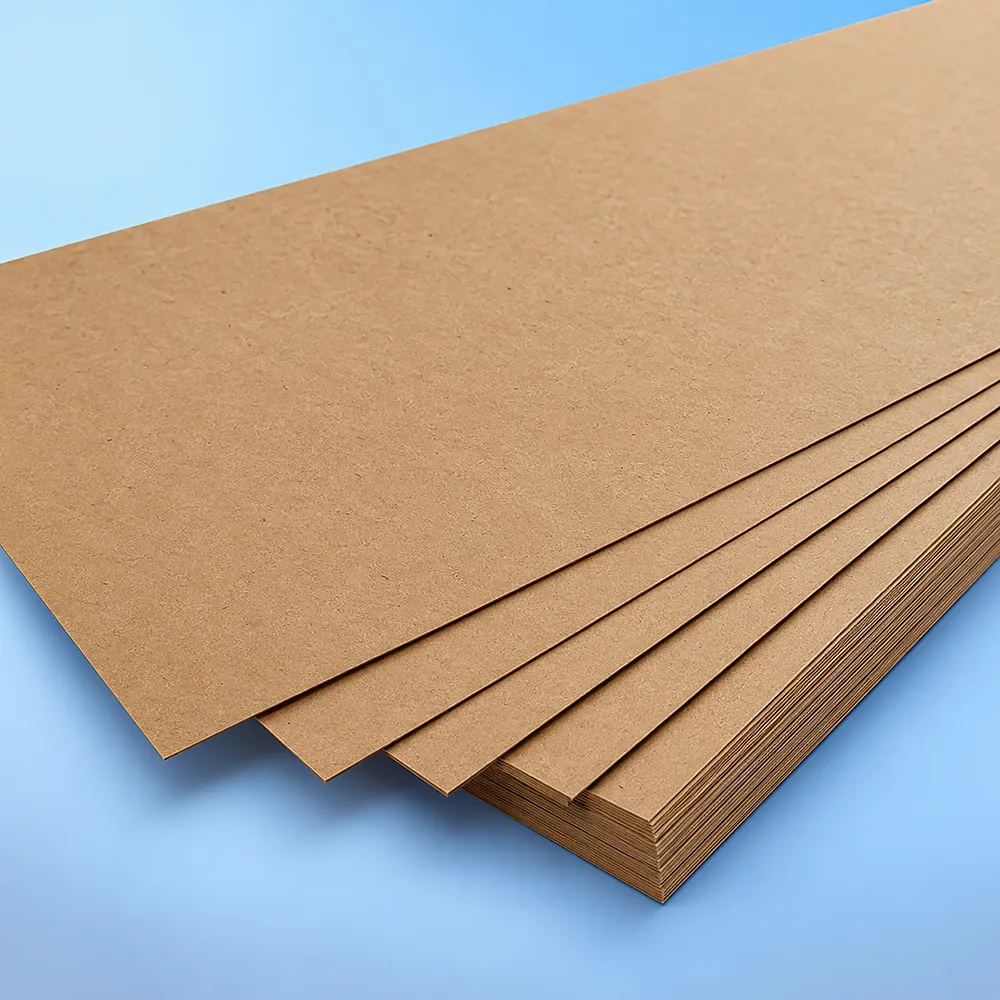
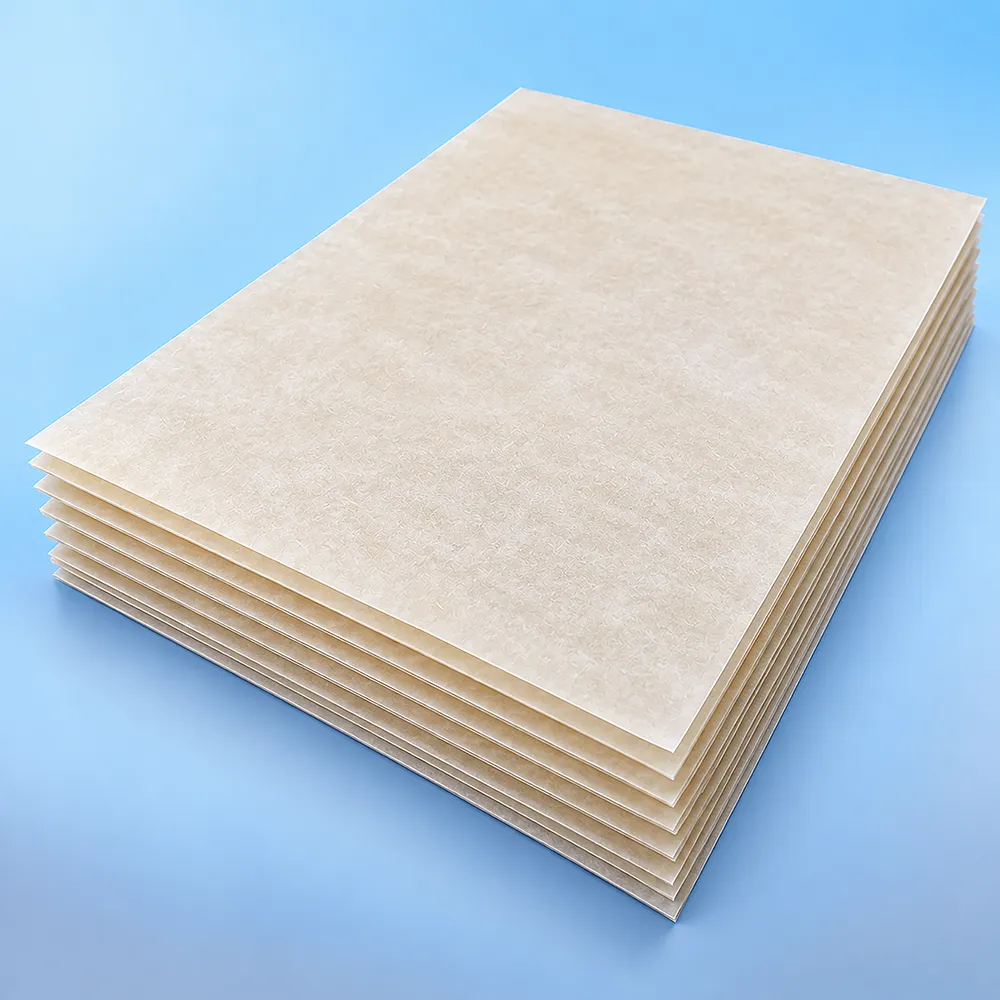
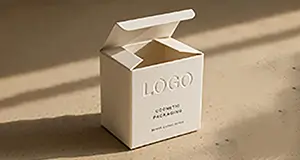
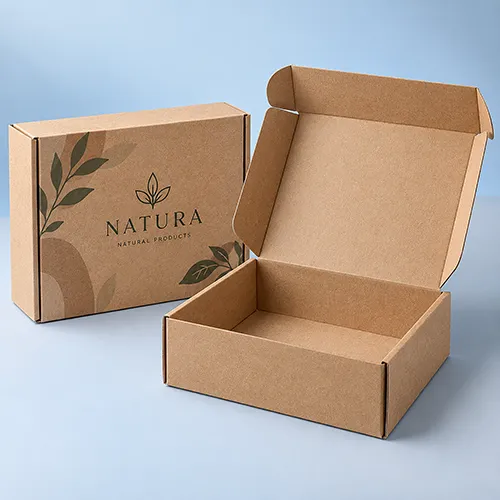
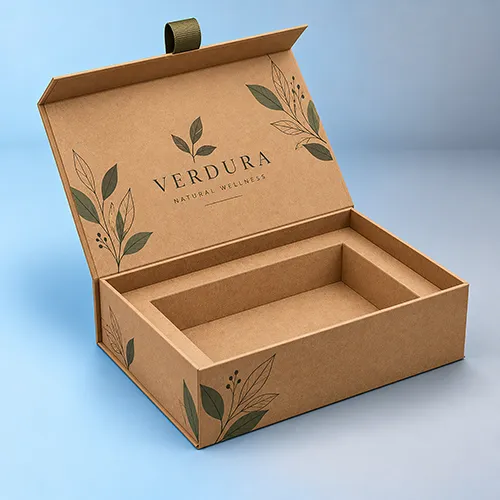
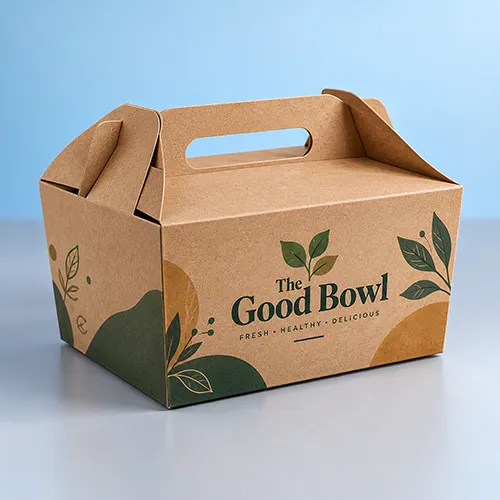
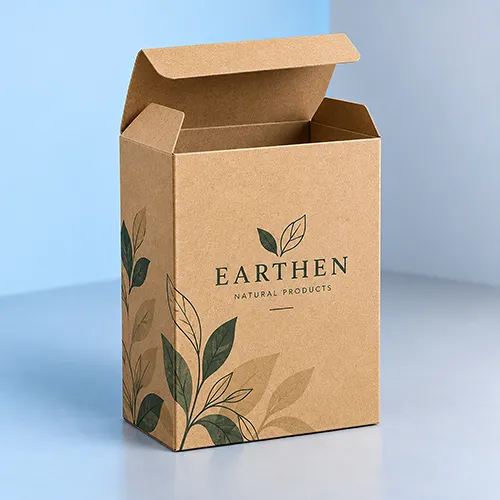
A Kraft paperboard box uses Kraft paperboard as the substrate for a carton that is die-cut, scored, folded and closed according to the selected structure.
For many retail products, folding paperboard provides a compact packaging format with printable branding panels without requiring the fluted construction of a corrugated shipper or the formed setup-board construction of a rigid box.
A buyer can therefore choose Kraft paperboard as the material direction while selecting the actual structure according to the product.
If Kraft has not yet been selected and the primary requirement is simply a custom retail or product carton, compare Custom Product Boxes before deciding on the final material.
Kraft Paperboard Is Different From Corrugated Kraft
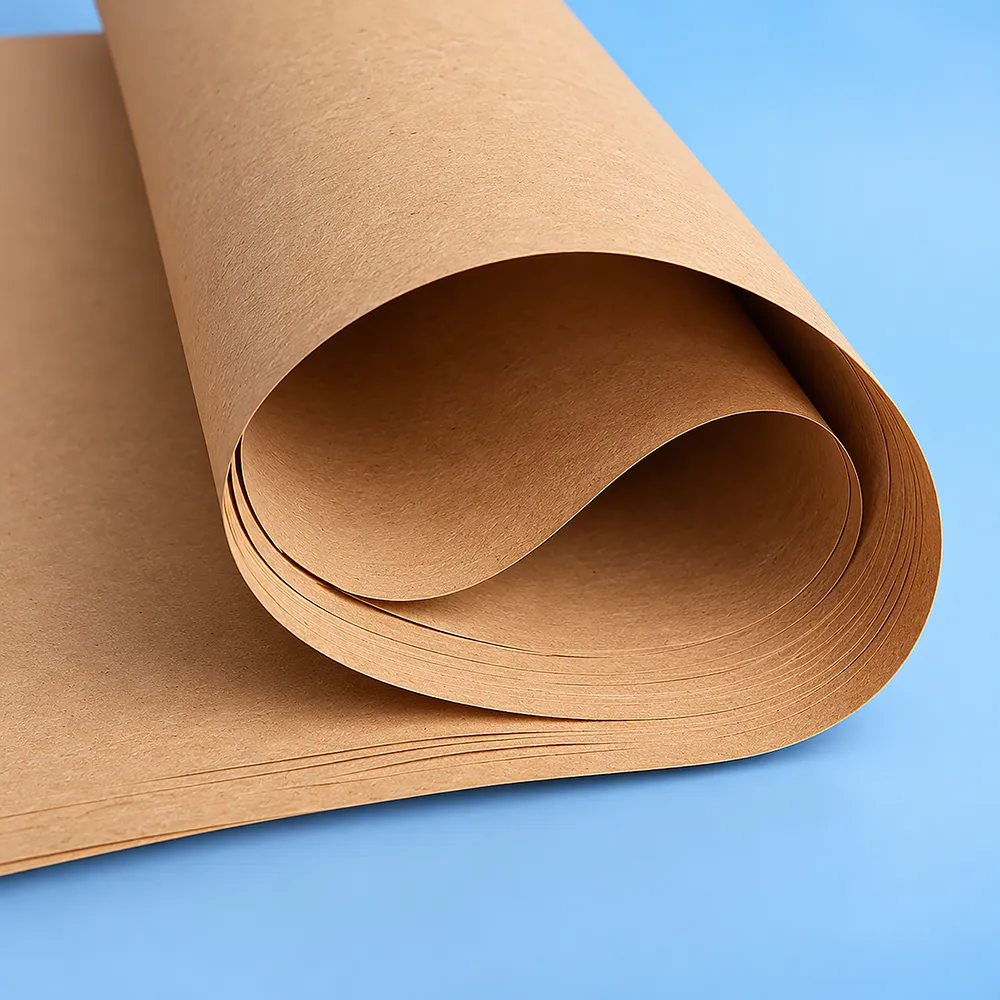
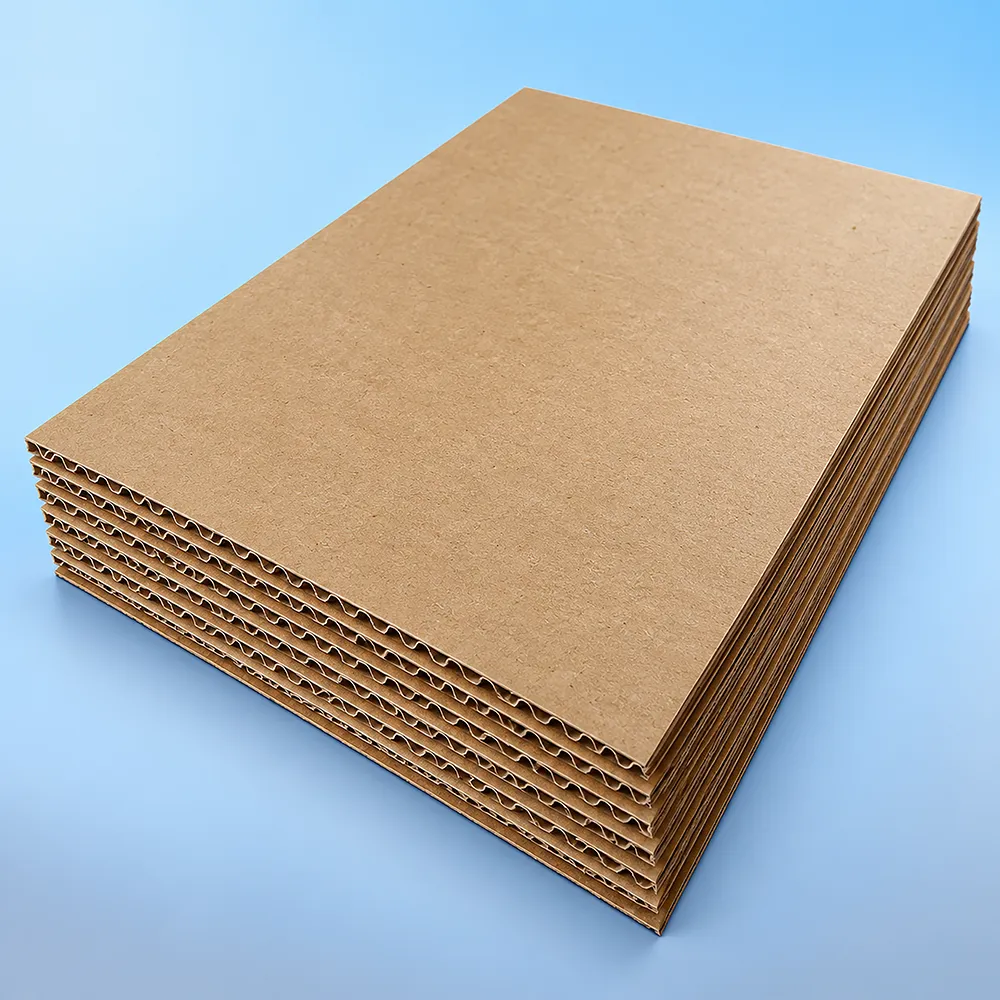
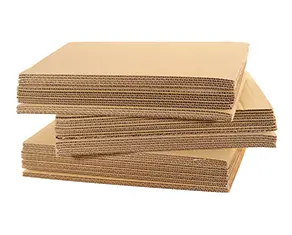
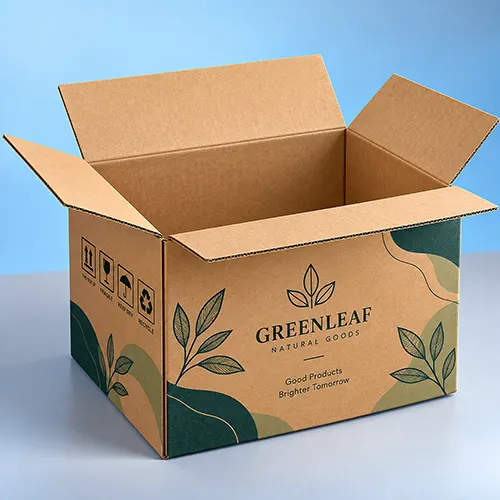
Natural Kraft paperboard and Kraft-faced corrugated board can both have a brown surface, but their constructions are different.
Kraft paperboard is generally converted from a paperboard sheet into a folding carton. Corrugated board contains liners and a fluted medium that create a different structural system.
Therefore:
Kraft Paperboard → Folding-Carton Material
while:
Kraft Corrugated → Fluted Board Construction
This difference should follow the job the package must perform.
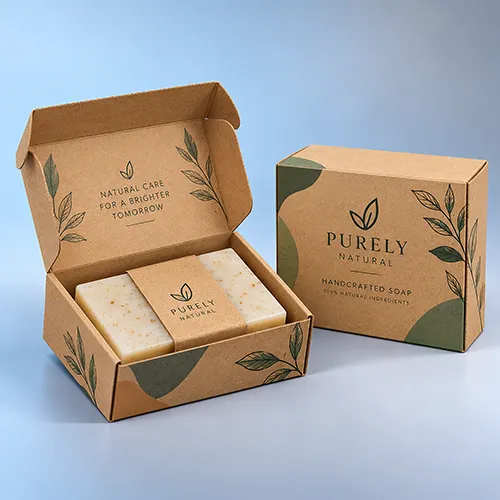
A compact soap, cosmetic or supplement carton may suit Kraft paperboard. A package intended to act as an ecommerce shipper, mailer or distribution carton may require corrugated construction instead.
For broader fluted-board structures and applications, compare Custom Corrugated Boxes.
When the main requirement is specifically a Kraft package designed around parcel or distribution use, Kraft Shipping Boxes provide the more application-focused route.
Kraft Paperboard Is Different From Kraft-Wrapped Rigid Packaging
A box can look Kraft on the outside without being made as a folding Kraft paperboard carton.
Premium setup boxes can use rigid board underneath a Kraft or other paper wrap.
Use:
Kraft Paperboard → Die-Cut + Score + Fold
while:
Kraft-Wrapped Rigid Box → Formed Rigid Board + Outer Paper Wrap
These constructions differ in manufacturing, storage, assembly, presentation and the way the product fits inside the package.
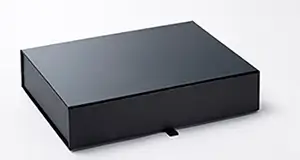
If the project requires a firm setup-board structure, substantial presentation format or premium rigid-box opening experience, compare Custom Rigid Boxes rather than trying to make a Kraft paperboard carton perform the same role.
Choose the Structure From the Product Requirement
Kraft paperboard does not define one box style.
The structure should follow how the product enters the carton, how the base supports the loaded product, how the package closes and how the customer opens it.
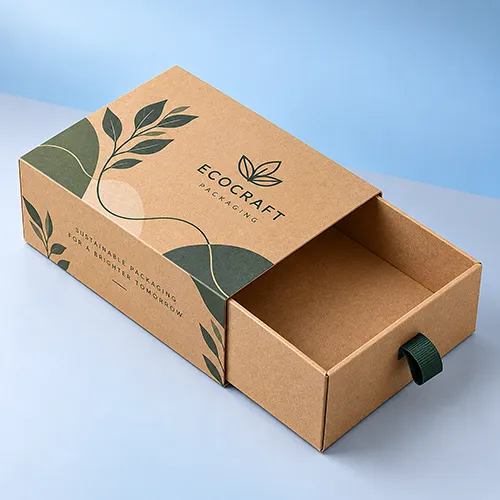
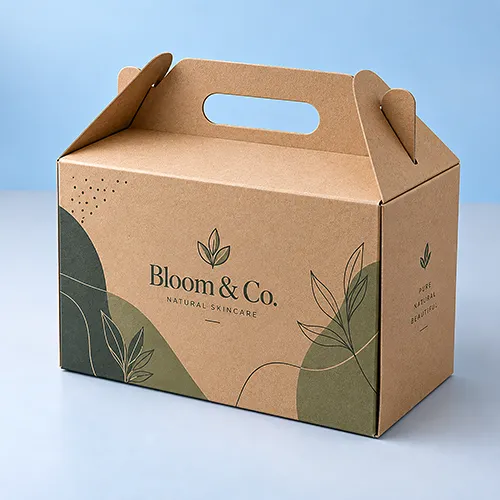
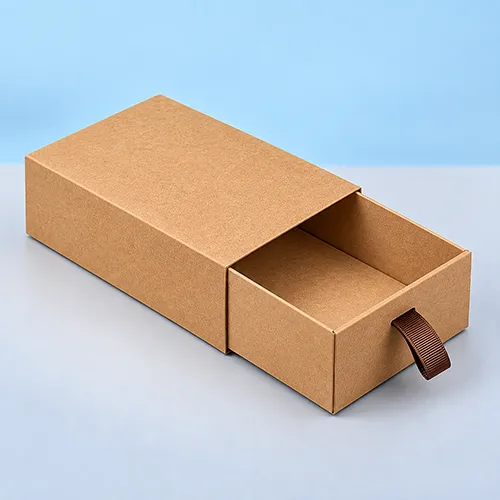
Possible folding-carton directions can include straight or reverse tuck closures, lock-bottom structures, auto-bottom cartons, sleeves and other die-cut formats where appropriate.
The useful decision sequence is:
Product Requirement → Loading Method → Base Requirement → Closure → Carton Structure
A compact lightweight product may need a simpler construction than a heavier jar or bottle.
The Kraft paperboard decision and the carton-structure decision should therefore be made together rather than treating Kraft box as a complete specification.
Size Kraft Paperboard Cartons Around the Finished Product
Do not assume:
Product Dimensions = Finished Box Dimensions
Measure the product in its sale-ready condition.
Include the maximum length, width and height plus any cap, pump, lid, wrapper or other projection that changes the occupied space.
Then establish:
Finished Product → Orientation → Units per Carton → Insert if Needed → Required Internal Space
The final outside dimensions depend on the selected structure, material and production dieline.
Two containers with the same labeled capacity can therefore require different cartons when their actual external dimensions or closures differ.
If you are working from an existing carton or are unsure whether measurements should be internal or external, BoxBaba’s guide on how to measure box dimensions correctly provides the broader measurement framework.
Product Weight Also Influences Paperboard Selection
Dimensions are not the only material input.
Product weight, carton size, base construction, internal support and normal handling can all influence the appropriate Kraft paperboard specification.
Use:
Product Weight + Carton Size + Structure + Handling → Paperboard Requirement
rather than:
Product Type → Universal GSM or Thickness
If the loaded product exceeds what an appropriate folding-carton construction should reasonably handle, the better solution may be a different packaging construction rather than simply increasing paperboard thickness indefinitely.
When Kraft Paperboard Works Well for Retail Packaging
Kraft paperboard is most relevant when a product needs a folding retail carton and the natural Kraft surface is part of the intended packaging direction.
It can be considered for suitably sized cosmetics, personal-care products, soaps, candles, supplements, stationery, confectionery and other consumer goods.
The correct question is not:
Is this product category commonly packed in Kraft?
It is:
Do the Product Weight + Dimensions + Closure + Handling Requirements Suit a Folding Paperboard Carton?
That distinction helps prevent the material from being selected on appearance alone.
Does a Kraft Paperboard Box Need an Insert?
Not automatically.
A compact carton may hold one suitably fitted product without another internal component.
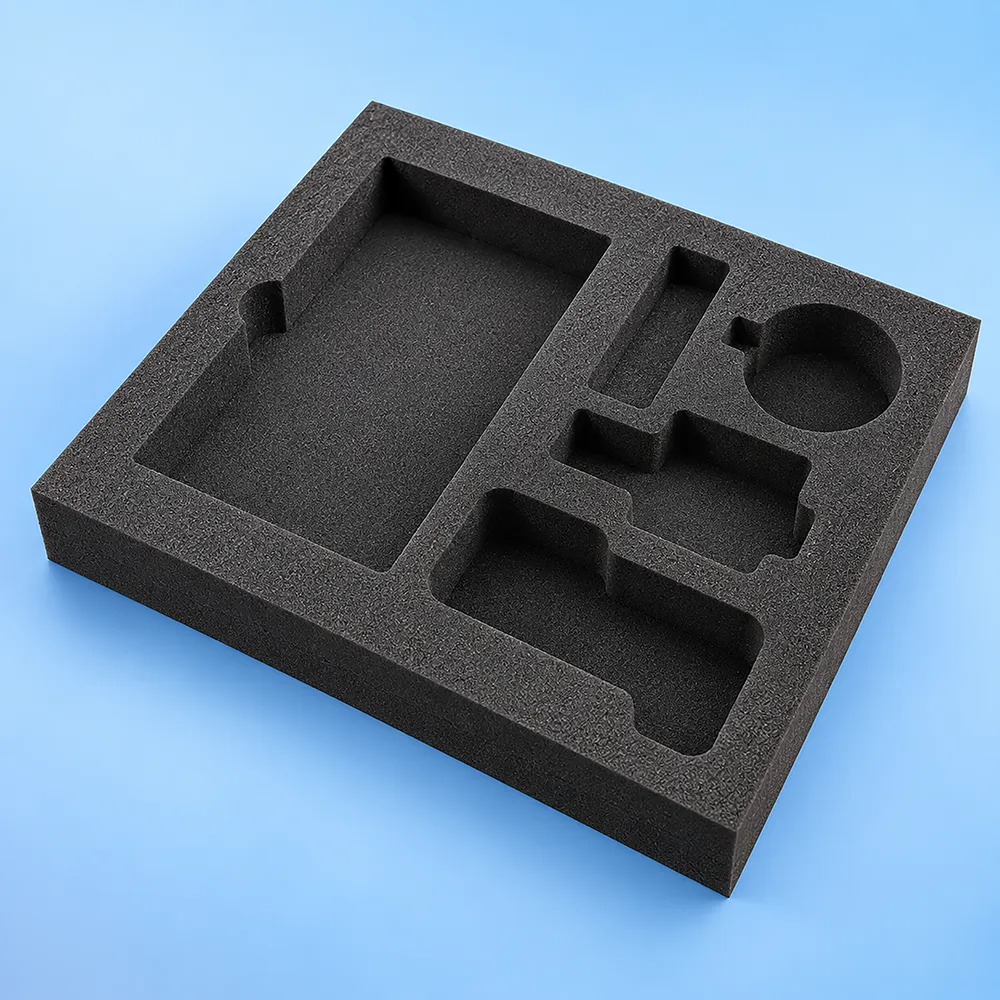
An insert becomes useful when the product needs controlled positioning, several items need separation, or a window or presentation design depends on the item remaining in a defined location.
Use:
Product Movement / Presentation Requirement → Insert Decision
An insert also occupies internal space.
Therefore:
Product Dimensions + Insert Geometry → Required Carton Interior
The insert should be developed before the outer carton dimensions are finalized.
Where product positioning is a major part of the packaging requirement, Printed Boxes With Inserts provide a more focused internal-retention option to compare.
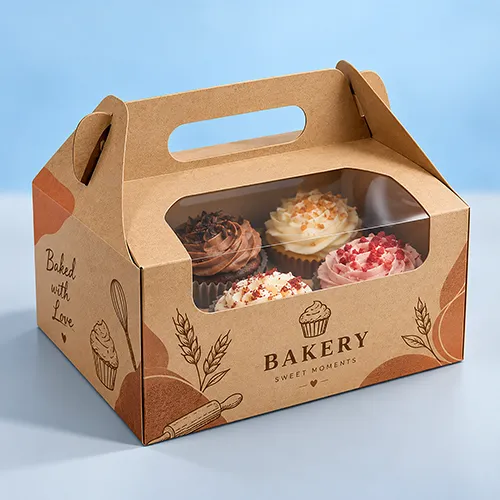
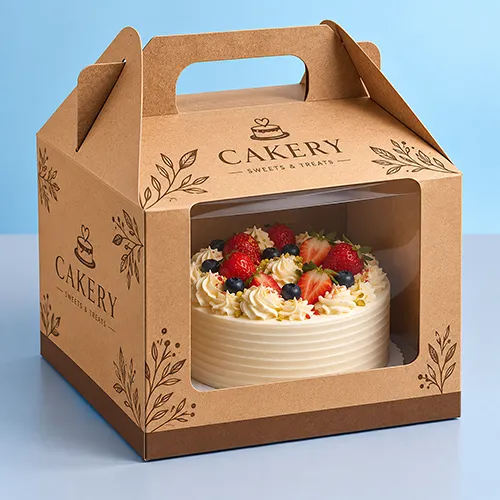
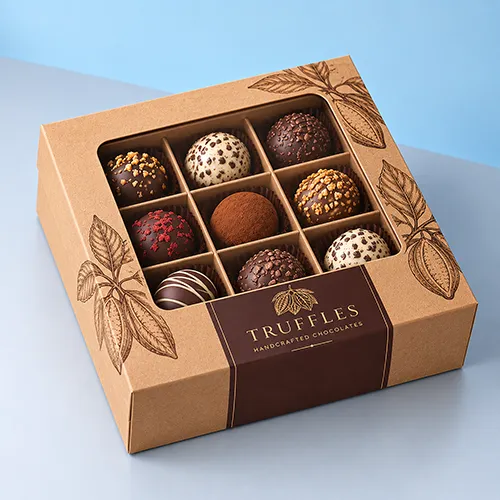
Kraft Paperboard Boxes With Product Windows
A die-cut viewing opening can be added to an appropriate paperboard structure when selective product visibility supports the retail presentation.
The window should follow the actual product position rather than simply being centered on a flat panel.
Use:
Product Position → Feature to Show → Available Panel → Window Geometry
The opening should also remain clear of folds, locking areas, glue zones and other structural features.
If the main commercial requirement is specifically a Kraft carton with selective product visibility, compare Kraft Window Boxes for more focused window-position and product-alignment guidance.
An open aperture and a clear-patched opening are different configurations. Any transparent material or contact requirement should be identified in the project specification.
Natural Brown Kraft Changes Printed Color Appearance
Natural Kraft paperboard creates a non-white background.
Artwork viewed on a white monitor therefore does not automatically show how the printed design will appear on the finished material.
Use:
Artwork + Actual Kraft Surface → Printed Appearance
Dark logos, typography and simpler line graphics can interact differently with the brown substrate from pale colors, photography or low-contrast artwork.
Where brand-color appearance is important, review the Kraft surface and artwork as one decision. If an opaque light-color treatment or another specific print effect is required, identify it during artwork review so compatibility can be confirmed for the actual material and production process.
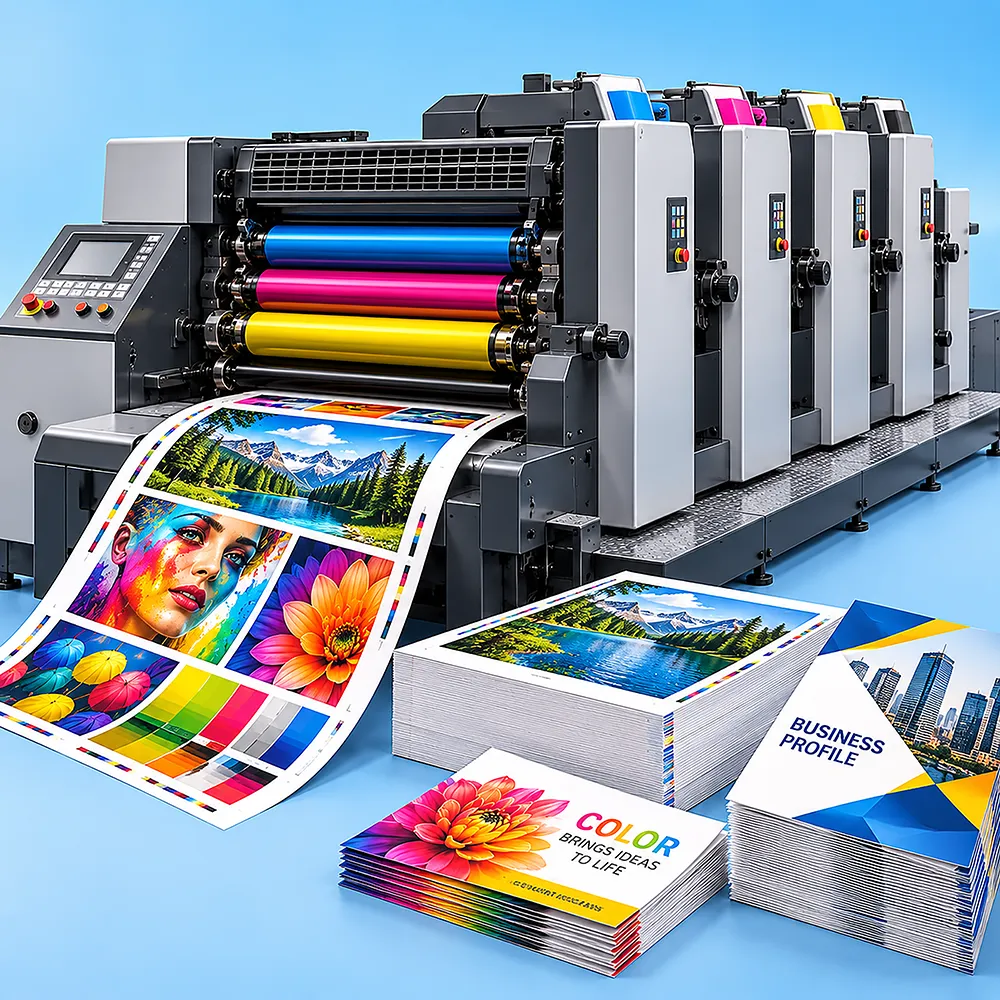
Printing Options for Kraft Paperboard Boxes
Kraft paperboard cartons can provide space for logos, product names, illustrations, instructions, product information, QR codes and barcodes.
Printing method and color system are separate decisions:
Digital / Offset → Printing Methods
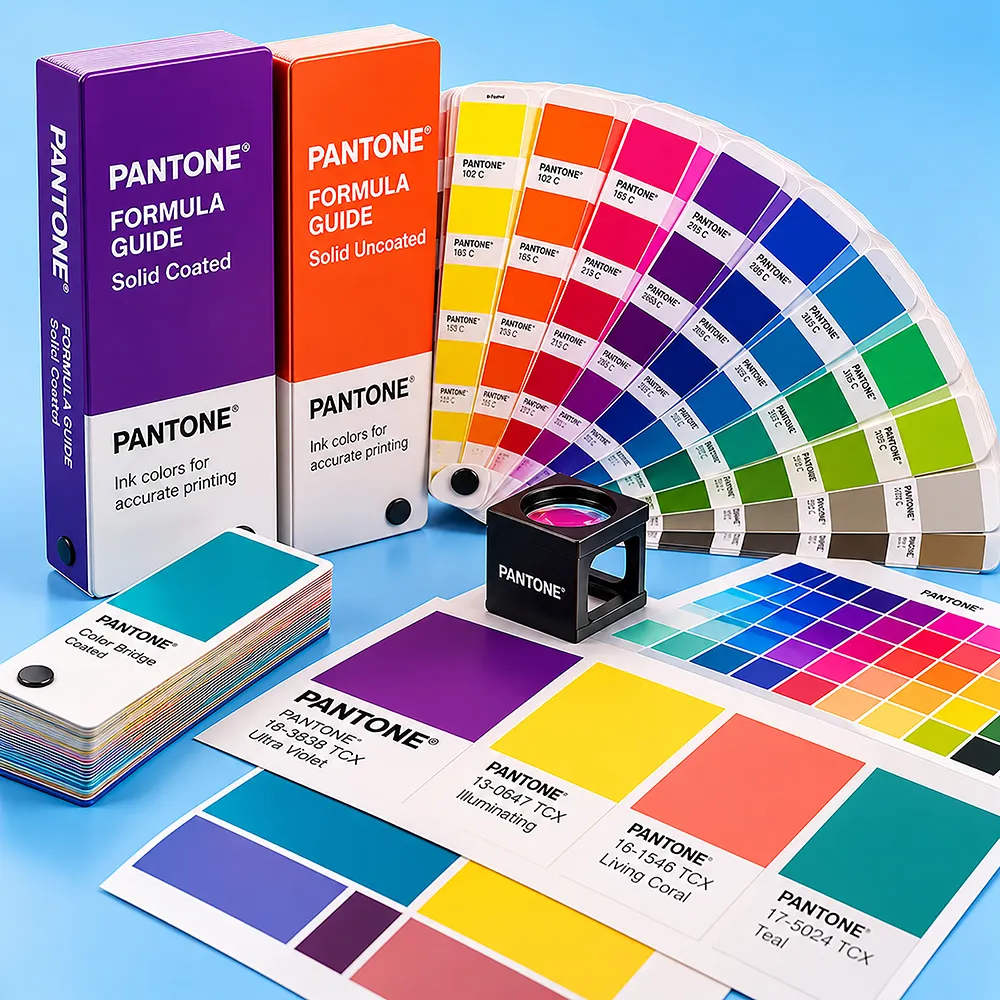
CMYK / Pantone PMS → Color Systems or References
The appropriate method should follow the Kraft surface, artwork, quantity and final production specification.
For multi-panel cartons, artwork also needs to follow the assembled structure.
A logo positioned correctly on the flat file can become interrupted by a fold or partially hidden by another panel if the structural dieline is not considered.
Plan Artwork Around Folds, Flaps and Glue Areas
A folding carton is converted from a flat dieline into a three-dimensional package.
Depending on the selected structure, the dieline can include fold lines, tuck flaps, dust flaps, locking features and glue areas.
Keep important branding and functional information on appropriate printable areas.
Use:
Flat Dieline → Folding Sequence → Final Visible Panel
Barcodes, QR codes, small text and important logos should be reviewed in the final assembled orientation before production approval.
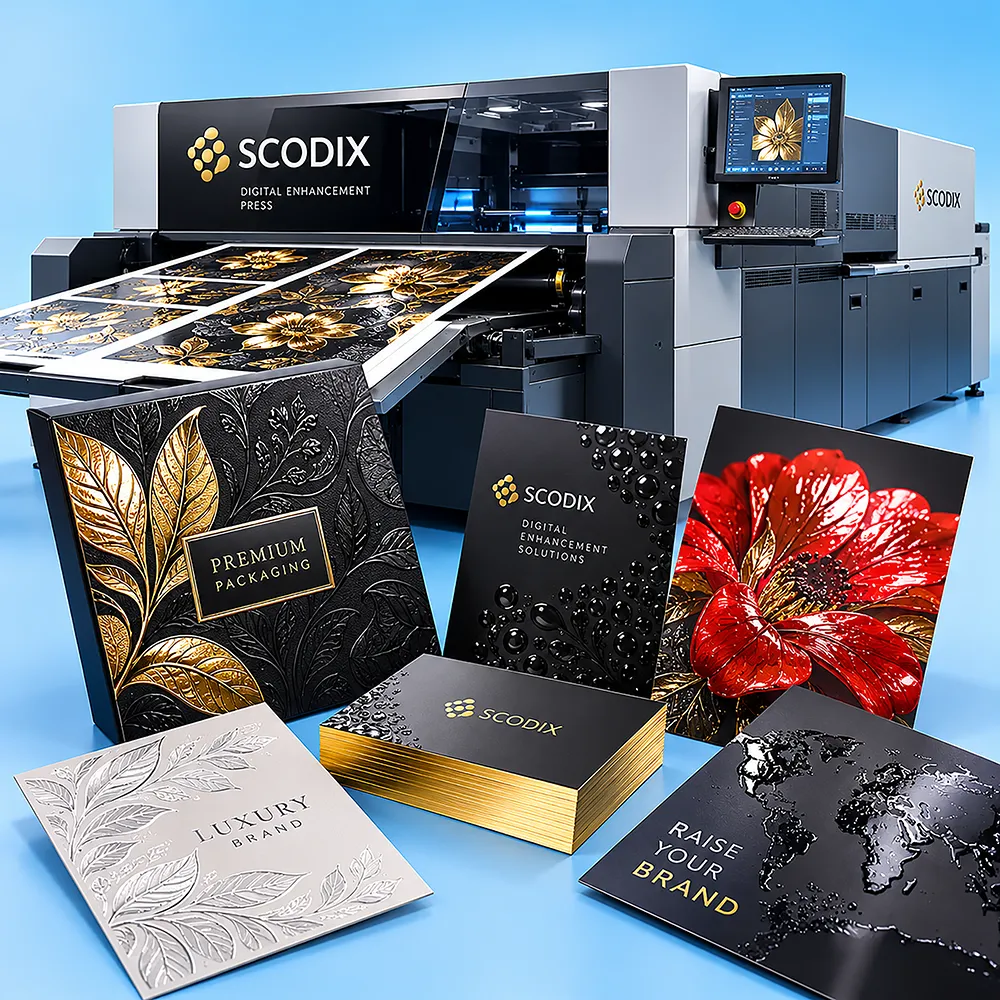
Finishing Options for Kraft Paperboard Packaging
Printing and finishing should remain separate production decisions.
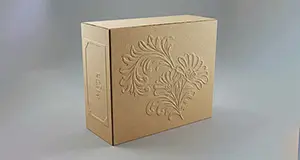
Depending on the selected Kraft stock and project, compatible options may include matte or gloss lamination, soft-touch treatments, foil stamping, embossing, debossing or spot UV.
The useful relationship is:
Panel → Artwork Element → Finish Location
For example, applying foil to one logo is different from changing the surface treatment across the complete carton. Some brands intentionally want the natural Kraft surface to remain visually prominent, so a decorative finish should not be added simply because it is available.
The material, printing process and finishing combination should be confirmed together before final artwork approval.
A Kraft Paperboard Carton Is Not Automatically a Shipping Box
For many products, folding paperboard serves as the retail or presentation carton while another package handles distribution.
Use:
Product → Kraft Paperboard Retail Carton
then, where required:
Retail Carton → Corrugated Mailer / Shipping Carton
The Kraft appearance itself does not establish parcel-shipping performance.
If the paperboard package is expected to travel without another outer carton, communicate the packed weight, product fragility and distribution conditions so the required construction can be evaluated.
Where outer shipping performance is the primary requirement, Kraft Shipping Boxes provide the more relevant packaging route.
Food and Confectionery Packaging Requires the Correct Specification
Kraft paperboard can be considered for food-related packaging, but the word Kraft does not establish direct food-contact suitability.
First identify whether the product touches the board directly or whether a wrapper, pouch, cup, tray or other primary package sits between the food and the carton.
Use:
Direct / Indirect Food Contact → Material + Coating Requirement
Also communicate grease, moisture, temperature and holding conditions where relevant.
A carton surrounding sealed confectionery presents a different material relationship from a package where unpackaged food directly touches the board.
If food packaging is the primary requirement, compare Custom Food Boxes for application-specific material and structural options.
Using One Paperboard Structure Across Multiple SKUs
Several products can potentially share the same approved carton structure when their relevant physical requirements remain compatible.
For example, different flavors, shades or fragrances may use different artwork while sharing one structural dieline if the finished product dimensions, orientation and internal requirements remain the same.
But:
Same Product Family ≠ Same Dieline Automatically
Use:
Same Dimensions + Same Structural Requirement → Potential Shared Dieline
while:
Different Product Fit / Closure / Insert → Separate Structural Review
When requesting quotations for several versions, provide the quantity required for each artwork variation rather than only one combined total.
Flat Supply and Packing Workflow
Many folding-carton structures can be supplied flat before erection and product packing, but the exact supply format depends on the approved structure.
The operational relationship is:
Flat Carton → Erection → Product Loading → Closure
A manual packing operation may prioritize simplicity differently from a higher-volume packaging line.
If erection or packing speed materially affects your operation, include that requirement in the structural brief rather than selecting the carton only from its finished appearance.
Digital Proofs and Physical Samples Check Different Risks
A digital proof can help review artwork, text, graphic placement, color references and the relationship between artwork and the structural dieline.
It does not fully demonstrate the physical carton.
When fit or assembly needs to be checked, a structural or physical sample can help review product clearance, folding, closure, insert interaction, window position and assembled proportions.
Use:
Digital Proof → Artwork Review
while:
Structural Sample → Fit / Assembly Review
A physical sample should not automatically be treated as evidence of shipping performance, food-contact compliance or environmental characteristics unless those requirements have been evaluated separately.
Common Mistakes When Ordering Kraft Paperboard Boxes
One of the most common mistakes is choosing the natural Kraft appearance before confirming that folding paperboard is actually the right material and construction direction.
Other avoidable errors include treating paperboard and corrugated board as interchangeable, copying a generic GSM or thickness recommendation, assuming a retail carton is automatically parcel-ready, adding an insert after dimensions have been finalized, ignoring folds during artwork preparation, or describing every natural brown Kraft package as recycled, recyclable, biodegradable or food-safe.
A stronger workflow is:
Finished Product → Dimensions + Weight → Orientation → Internal Requirement → Folding Structure → Kraft Paperboard → Artwork → Fit Review
What to Send for a Kraft Paperboard Box Quote
A useful quotation should begin with the finished product and what the carton needs to do.
Provide:
- finished product dimensions;
- maximum closures or projections;
- product weight where relevant;
- quantity packed per carton;
- intended product orientation;
- preferred folding structure if already known;
- insert or divider requirement;
- window requirement;
- direct-food-contact requirement where applicable;
- natural Kraft surface preference;
- total order quantity;
- quantity by artwork version or SKU;
- artwork status;
- printing requirements;
- finishing requirements;
- delivery destination;
- required in-hand date.
If you already use another carton, identify whether its dimensions are internal or external
and provide a structural reference where useful.
For a new package, the finished product itself is usually a better starting point than copying the outside measurements of another box.
Custom Kraft Paperboard Boxes Wholesale
BoxBaba supplies custom Kraft paperboard cartons for retail brands, cosmetic and personal-care businesses, soap and candle brands, supplement companies, gift suppliers and other B2B product-packaging programs.
Custom packaging orders start from 100 units
, with made-to-size structures, artwork assistance, dieline support and digital proof or 3D mockup review available for custom projects.
Production and delivery timing should be confirmed with the quotation after the product dimensions, structure, material, quantity, artwork and finishing requirements are finalized.
Free shipping is available across the USA under applicable BoxBaba order terms. Where product fit, carton structure, insert layout or assembly needs physical review, discuss the appropriate sample option before bulk production.
Request a Quote for Custom Kraft Paperboard Boxes
Share your product dimensions, weight where relevant, quantity, preferred structure and artwork requirements so BoxBaba can prepare a quotation around the actual product configuration. Discuss your kraft paperboard boxes project with us by calling +1 305 574 4357 or share your details by emailing sales@boxbaba.com.