












Free Shipping

On All Orders

No Setup Charges

On Bulk Orders

Free Design Support

From Our Experts

100% Secure Payment

Safe & Encrypted

Candle Dust Covers

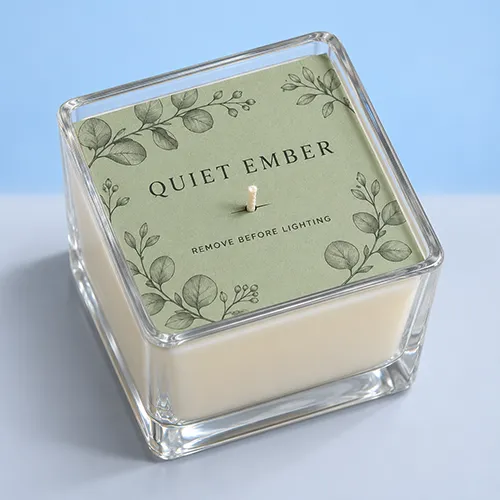
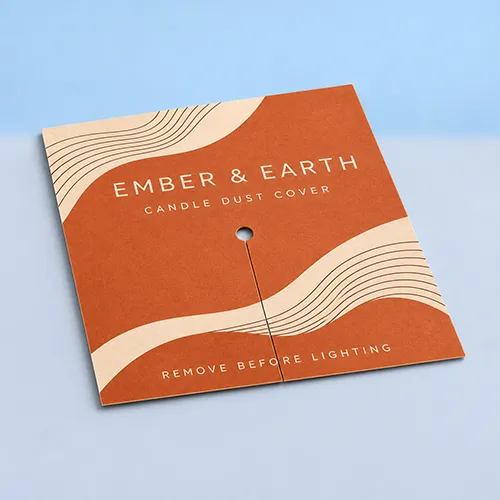
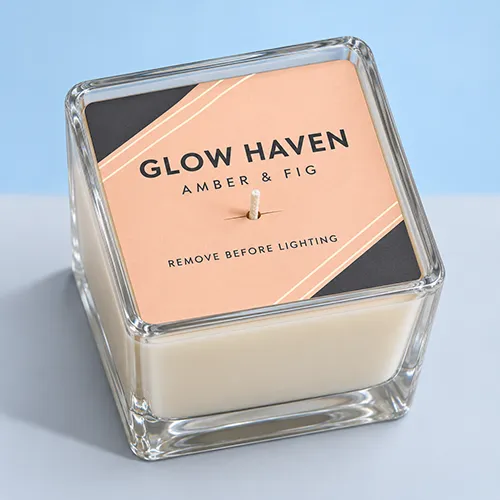
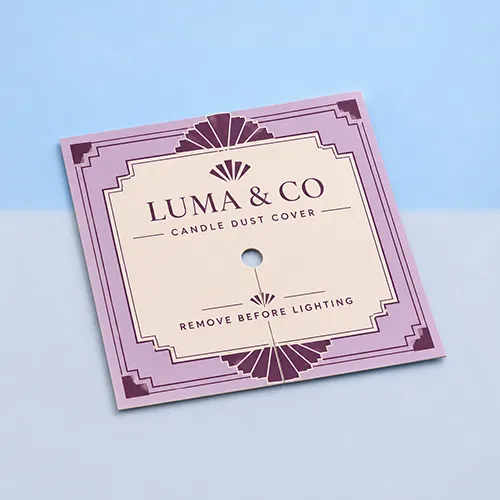
Custom candle dust covers are removable die-cut packaging components placed inside a candle jar or suitable vessel over the candle surface and around the wick area before use. They provide an additional branded surface while helping limit direct exposure of the finished candle surface to dust and light debris during storage, display, and presentation. BoxBaba can develop custom dust covers around the usable vessel opening, wick count and position, intended resting height, lid clearance, artwork, and selected paper or card stock. The cover can carry a logo, fragrance name, short brand message, care information, or other approved printed content without replacing the candle lid or outer packaging. Eligible custom packaging projects start from 100 units. Artwork assistance, custom dielines, digital proofing, and 3D mockups are available where supported, while physical sampling is useful when vessel fit, wick openings, lid clearance, or surface contact must be checked. Standard production is typically 5–9 business days after final approval.

Why Choose BoxBaba for Candle Dust Covers

Custom Candle Dust Covers for Clean Presentation and Branded Packaging

Enhance candle presentation with custom printed dust covers featuring tailored shapes, wick openings, branded artwork, and paperboard material options for jar candles, retail displays, and gift packaging.

How It Works

Custom Packaging Made Quick & Easy

Quote & Design Support

Share your packaging requirements, get a competitive quote, and receive free design assistance from our team.

Artwork & Printing

Finalize your artwork, printing options, and finishes the way you want with help from our design team.

Production & Delivery

Once your artwork is approved, we’ll produce and deliver your custom boxes within an estimated 5–9 business days.

Related Products

How a Candle Dust Cover Fits Inside the Vessel

A candle dust cover is an internal accessory rather than an outer package. The cover normally sits within the usable opening of the candle vessel at the intended position over the candle surface. Its outside dimensions therefore need to follow the inside profile of the vessel where the cover will sit, not simply the jar maximum outside diameter. The wick passes through or aligns with an approved die-cut opening. The cover should sit flat enough for the intended presentation while allowing the wick, vessel rim, and lid to remain compatible with the finished pack. A dust cover is not an airtight seal and should not be treated as a substitute for the candle lid. Brands that also need a complete outer package can explore the broader Custom Candle Boxes range.

Measure the Vessel Opening, Not Just the Jar Exterior

Use the actual production candle when preparing dust-cover dimensions. Provide the usable inside diameter for a round vessel or the usable internal length and width for another shape. If the internal walls taper, the cover may sit at a different width depending on its intended height inside the vessel. Also provide the wax surface position, vessel rim or shoulder details, and the distance available beneath the production lid when a lid will be used. There is no universal clearance that should be subtracted from every jar opening. Glass tolerances, vessel shape, cover stock, and intended resting position can all affect the final fit. When the main project is an outer carton fitted around a finished glass or ceramic vessel, Custom Candle Jar Box provides the more relevant vessel-packaging direction.

Plan the Wick Opening From the Actual Candle

The wick opening should follow the production candle rather than a generic standard hole. For a single cotton wick, the dieline can use an appropriate opening around the actual wick position. A wooden wick may require a different slot profile. Multiple-wick candles need the wick count and position established before the cover is cut. Provide the wick type, number of wicks, their positions relative to the vessel opening, and the widest relevant wick profile. The objective is to let the finished cover sit in its intended position without unnecessary pressure on the wick.

Removal Access Matters Too

A cover that fits neatly still needs to be easy for the customer to remove. Depending on the approved design, a tab, notch, edge-access area, or other die-cut removal feature can be considered. Its location should be coordinated with the vessel opening, artwork, and lid clearance. The dust cover is a packaging component and should be removed before the candle is lit. A wick hole or slot is provided for fit and presentation; it is not intended to allow the candle to burn with the cover in place.

Lidded and Lidless Candle Applications

Dust covers can be planned for candles that use a separate vessel lid as well as suitable lidless presentations. For a lidded candle, check the full stack-up before production: wax level, dust-cover position, exposed wick height, cover thickness, and the available space beneath the lid. For a lidless presentation, the cover remains an exposed internal accessory and should still be sized around the actual vessel opening and removal method. A dust cover does not create the same closure function as a glass, metal, wood, or other candle lid and should not be described as one.

Dust Covers and Outer Candle Packaging Perform Different Jobs

The dust cover handles the presentation immediately inside the candle vessel. It does not control movement between the jar and an outer carton. If a glass jar needs to remain centered or separated inside its box, an insert, divider, or other outer-package component should be developed independently. Candle Boxes with Inserts covers that box-and-insert requirement. Likewise, the dust cover should not be treated as shipping protection. Glass fragility, parcel handling, outer-box structure, inserts, cushioning, and distribution conditions belong to the complete shipping configuration. For gift assortments containing several candles or accessories, Candle Gift Boxes provides the more relevant multi-product presentation direction.

Materials for Custom Candle Dust Covers

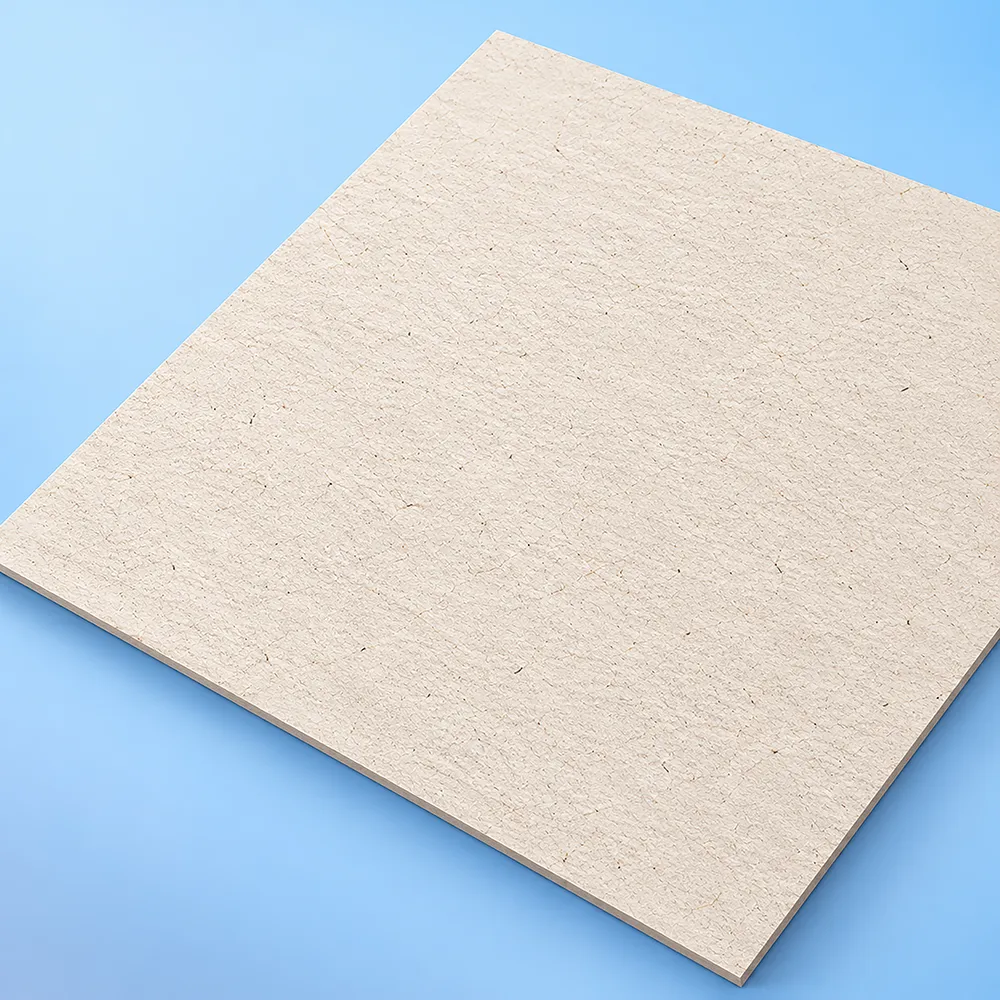
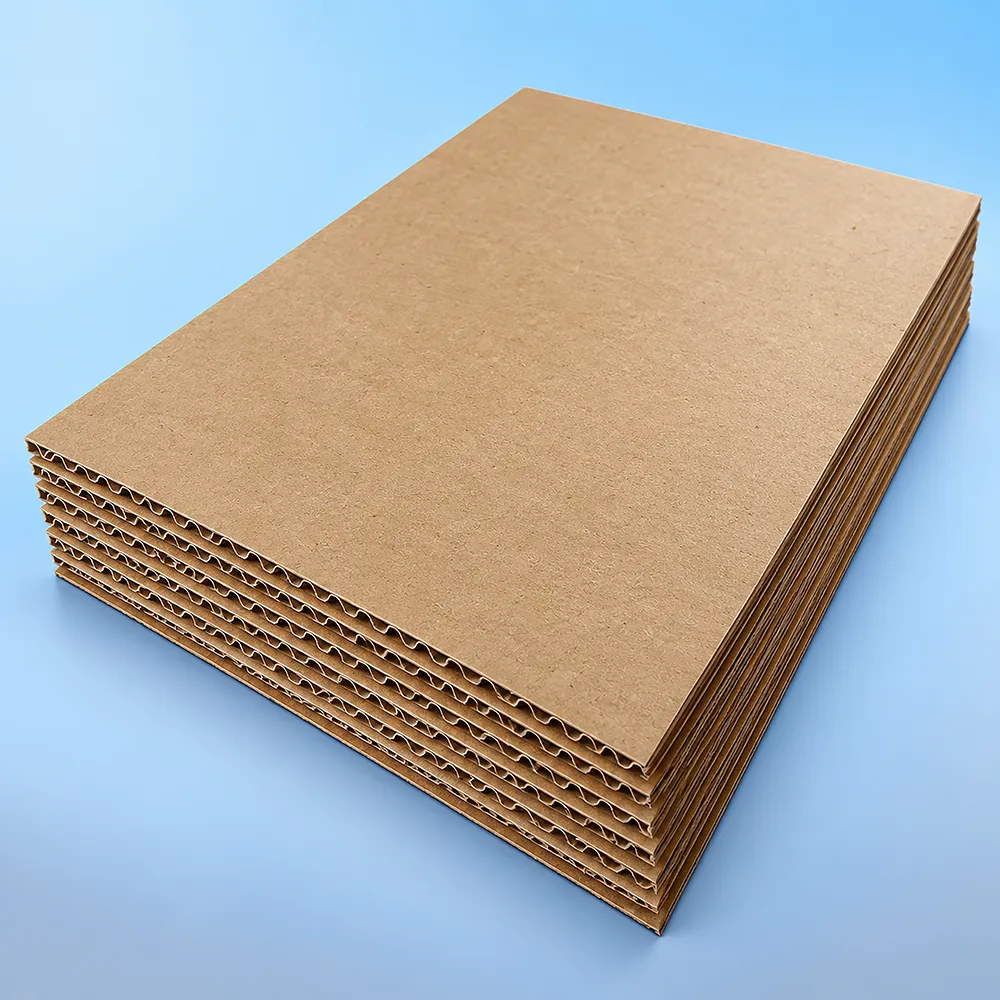
Material selection should follow the vessel opening, cover size, required stiffness, printing, die-cut geometry, lid clearance, and intended contact configuration.

Paper and Card Stock

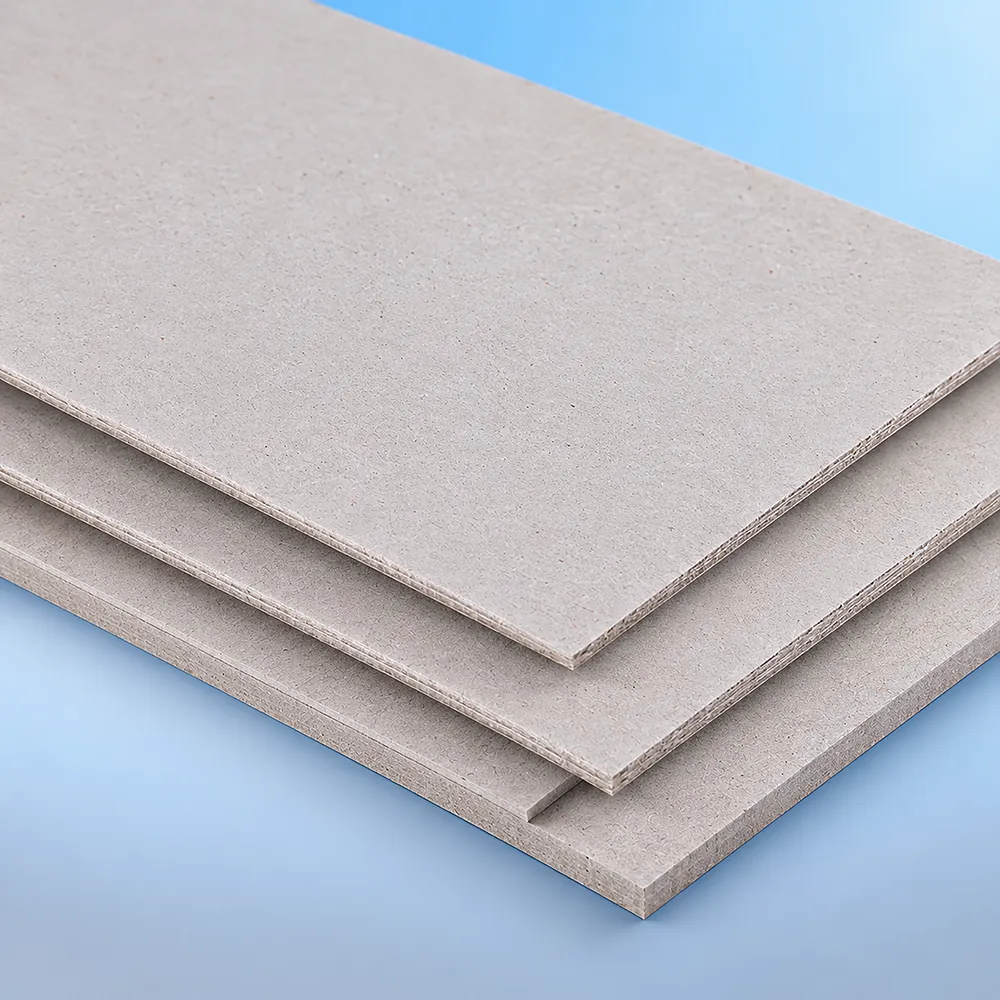
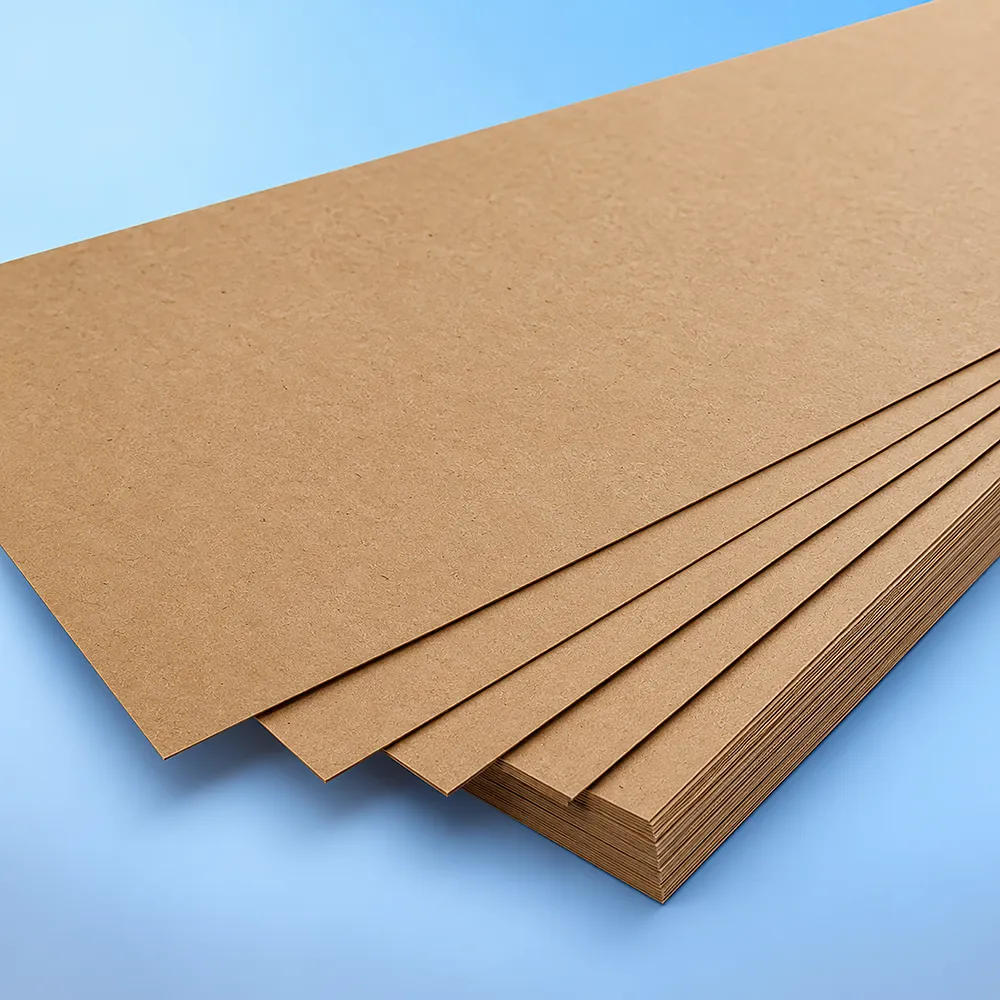
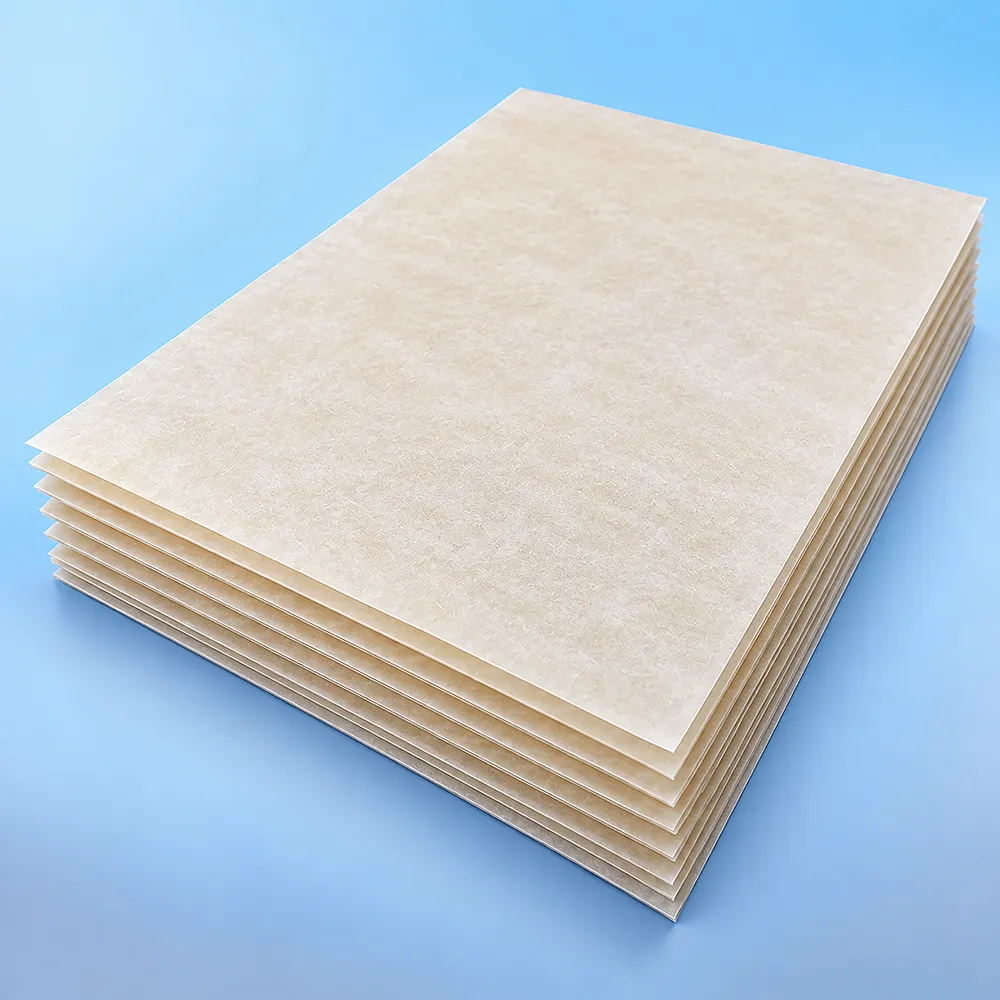
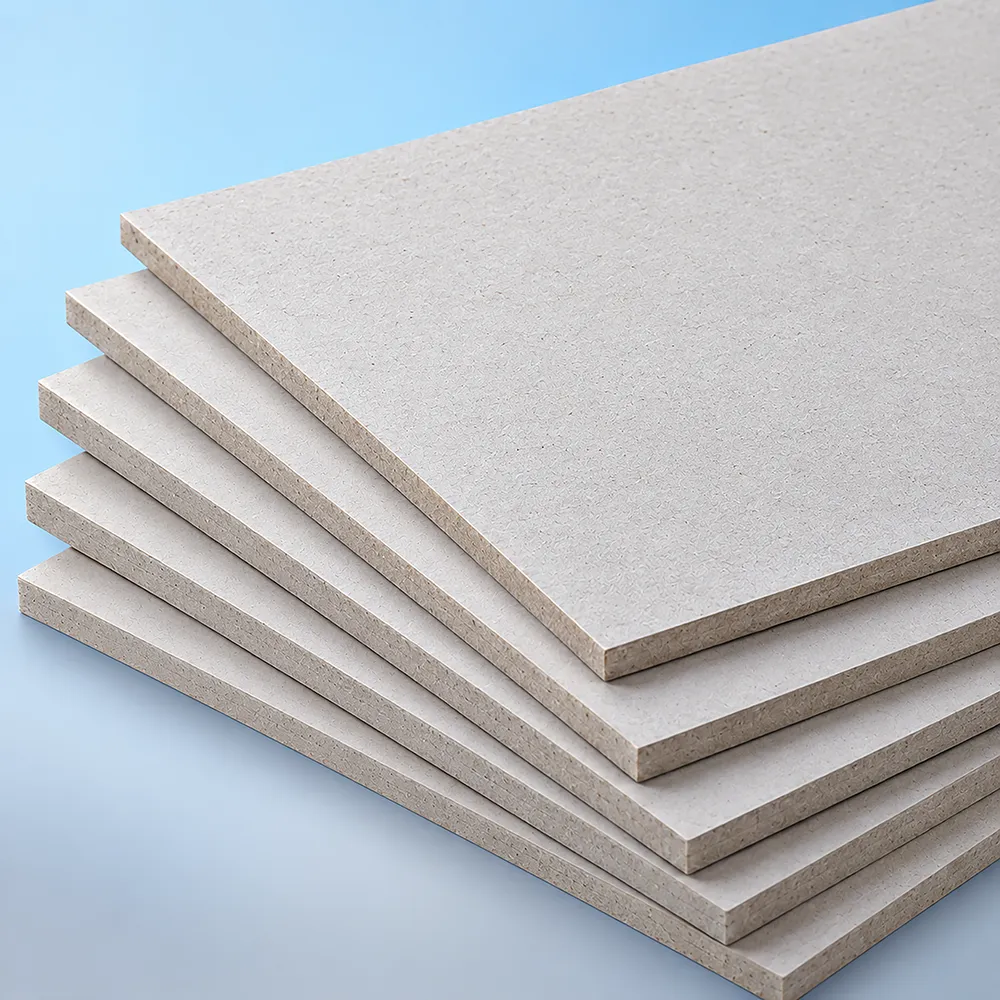
Paperboard or card stock can provide a printable die-cut surface for suitable candle dust covers. The selected stock needs to remain practical at the required diameter or shape and should support the approved wick opening, artwork, and removal feature without making the component unnecessarily bulky beneath the lid. Do not select a material only from a generic thickness or basis-weight recommendation. The useful specification depends on the complete cover geometry and candle configuration.

Kraft and Specialty Paper Directions

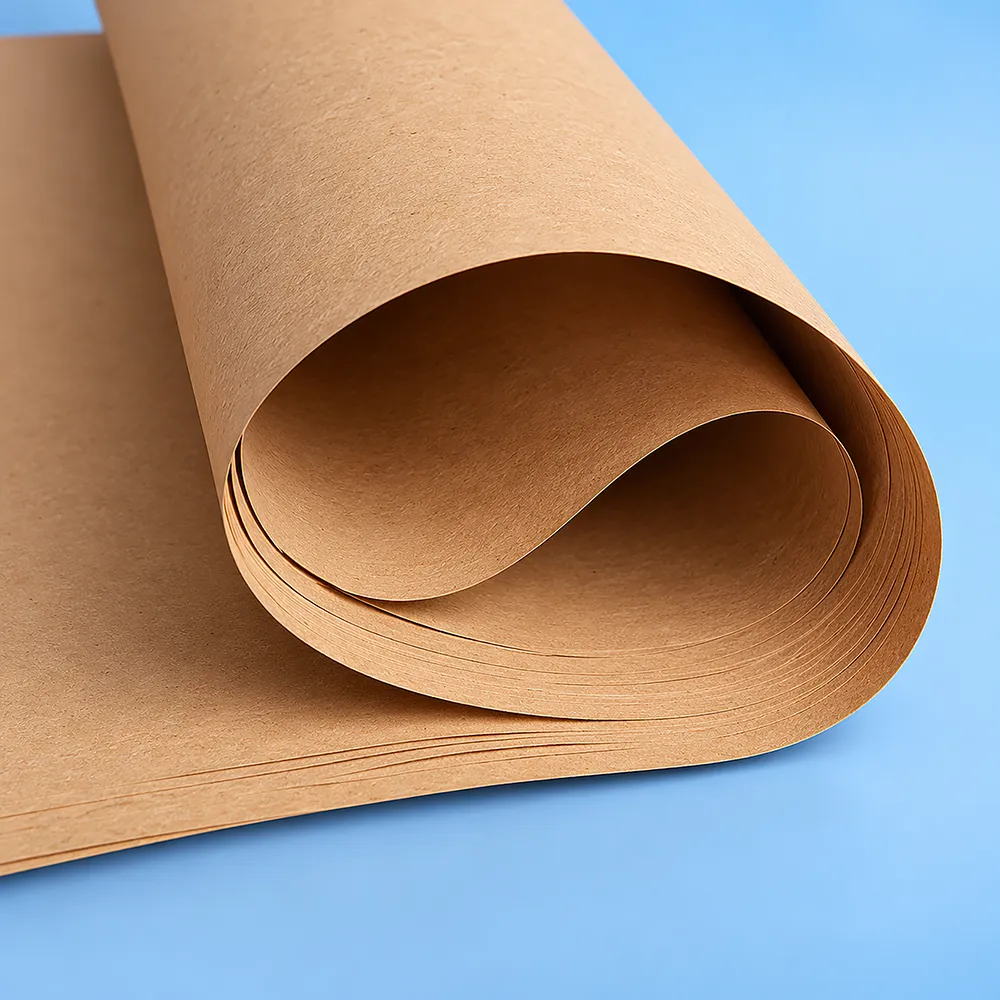
Kraft or other paper directions can be considered where they suit the approved project and desired appearance. Material appearance alone does not establish recycled content, recyclability, biodegradability, compostability, or other environmental performance.

Direct Contact With Candle Wax

Some dust-cover designs may rest directly on or very close to the candle surface. If direct wax contact is intended, identify that condition before the material is approved. Product-contact suitability, oil or fragrance interaction, coatings, and other material-performance requirements should not be assumed from a generic paper or card description.

Printing and Finishing for Candle Dust Covers

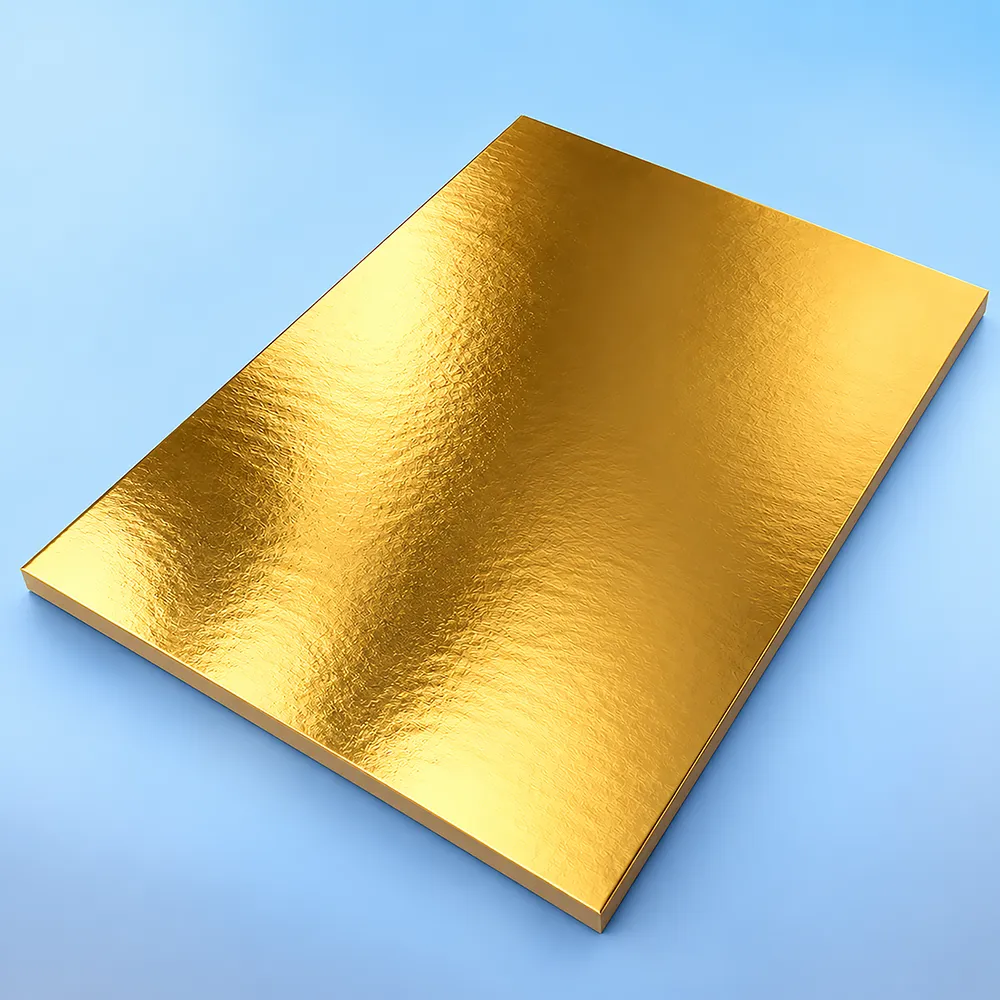
The dust cover can become an additional branded surface visible when the vessel or outer package is opened. Artwork can include a logo, fragrance or collection name, decorative graphics, a short brand message, care reminders, or other approved information. Digital or offset printing may be used where appropriate for the selected stock and production requirements. CMYK and Pantone/PMS are color systems or references rather than printing methods. Depending on material and geometry, compatible decorative treatments such as foil stamping, embossing, debossing, or spot UV can be considered where supported. Final compatibility should be confirmed before artwork approval because the small die-cut area, wick opening, removal feature, and any folds or contact zones can limit usable finishing space.

Keep Artwork Clear of the Wick Cut and Removal Area

The wick opening and any removal feature should appear on the final production dieline before artwork is approved. Avoid placing small text, logos, or critical graphics where the die cut removes them or where the wick interrupts readability. If care or warning information is printed on the cover, the brand remains responsible for supplying and approving accurate product-specific wording.

Samples, Proofing, and Ordering

A digital proof can confirm artwork, cutting lines, wick-opening position, and print placement. A 3D mockup can help communicate the concept, but it does not prove actual vessel fit or lid clearance. Physical sampling is particularly useful when the cover sits close to the vessel wall, the jar tapers internally, the wick layout is unusual, or the production lid leaves limited vertical space. Where possible, evaluate the sample using the actual finished candle and check the vessel fit, wick alignment, cover position, removal access, lid closure, and any intended surface contact. For an accurate quote and structural review, provide:
  • Usable inside vessel-opening dimensions and shape
  • Intended dust-cover resting position
  • Wax surface height
  • Wick type, count, position, and profile
  • Lid type and available under-lid clearance, where applicable
  • Whether direct wax contact is expected
  • Preferred material or reference sample, if known
  • Order quantity and artwork versions
  • Printing and finishing requirements
  • Artwork status, delivery destination, and required date
If the final size has not been established, product photographs and the actual vessel dimensions can help define the dieline before production. Standard production is typically 5–9 business days after final artwork, proof, and required specifications are approved. Project-specific sampling or specialty finishing can affect individual schedules; shipping transit time is separate.

Why Choose BoxBaba for Custom Candle Dust Covers?

A well-fitted dust cover depends on the vessel opening, wick layout, material, artwork, and lid clearance working together. BoxBaba supports custom sizing, die-cut structural development, artwork assistance, dielines, digital proofing, and 3D mockups where available. The dust cover can therefore be planned as part of the broader candle-packaging system without confusing its role with the outer carton or shipper. MOQ starts from 100 units on eligible projects, with standard production typically taking 5–9 business days after final approval. Free U.S. shipping is available under applicable terms. Free stock samples are available under the applicable policy. Initial stock-sample shipping is customer-paid and reimbursed with the first bulk order, while custom-printed and project-specific samples are separately quoted.

Request a Quote for Custom Candle Dust Covers

Request a quote by sharing the usable inside vessel-opening dimensions, intended cover position, wax level, wick type and layout, lid clearance, contact requirement, order quantity, preferred material if known, artwork status, printing and finishing requirements, delivery destination, and required date. If you are unsure about the cover diameter, wick opening, or removal feature, send photographs of the finished candle and the actual vessel measurements so BoxBaba can review the fit before the final dieline is approved. Phone: +1 305 574 4357 Email: sales@boxbaba.com

Packaging Partner for Your Success

At BoxBaba, innovation meets quality. We offer fully customized printed boxes, backed by a team that is responsive, reliable, and effortless to work with.

5000+

Clients Served

2.5M+

Boxes Delivered

98%+

Happy Clients

5+

Years of Trust

Frequently Asked Questions

Find all the urgent questions you may have.

A candle dust cover is a removable die-cut packaging component placed inside a suitable candle vessel over the candle surface and around the wick area before use. It can also provide an additional branded surface.
Provide the usable inside dimensions of the vessel opening at the intended cover position, along with the wax level, wick layout, vessel profile, and lid clearance where applicable.
Yes. The opening should be developed around the actual wick layout and may use a hole, slot, or multiple openings where appropriate to the approved design.
They can be developed around different wick profiles when the exact wick dimensions, count, and positions are provided before the dieline is finalized.
Yes. Suitable dust covers can carry logos, fragrance names, decorative artwork, brand messages, or other approved printed information.
Yes, when the vessel opening, cover position, wick height, cover thickness, and available under-lid clearance are compatible with the completed candle.
Yes. A candle dust cover is a packaging accessory and should be removed before the candle is lit. The wick opening is a fit feature, not a burn-through opening.
Some designs may involve direct wax contact, but that requirement must be identified before material approval. Do not assume that every paper, ink, coating, or finish is suitable for direct candle-surface contact.
They are not a substitute for appropriate outer packaging. Shipping performance depends on the complete vessel, outer box, inserts or cushioning, packed weight, and distribution conditions.
BoxBaba MOQ starts from 100 units on eligible projects. Standard production is typically 5–9 business days after final artwork, proof, and required specifications are approved; transit time is separate.