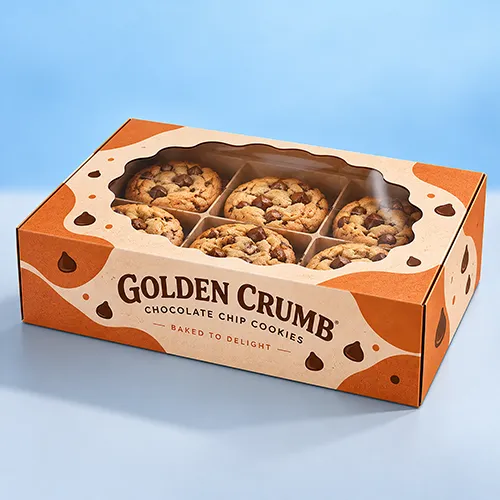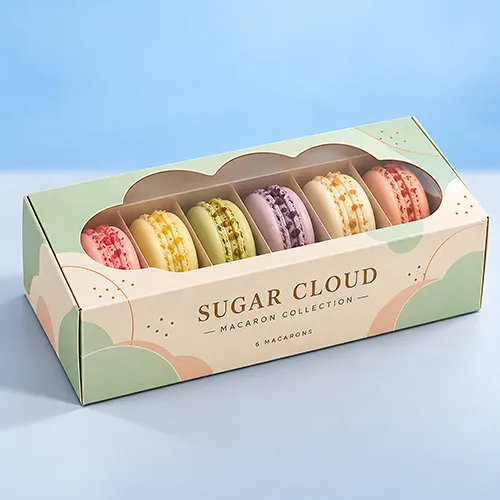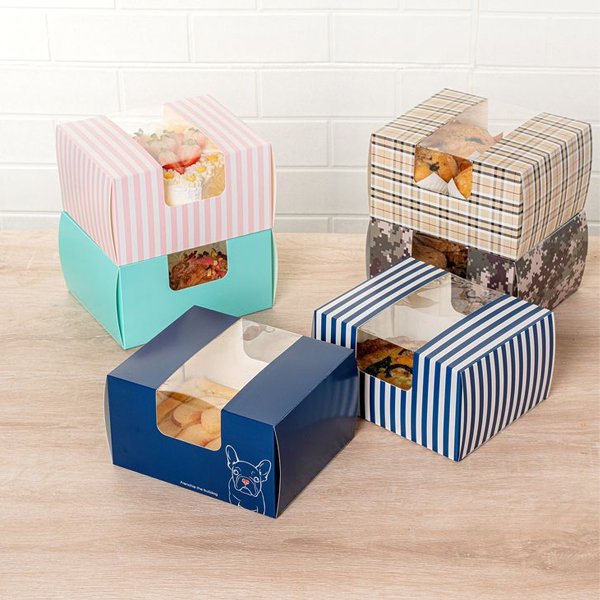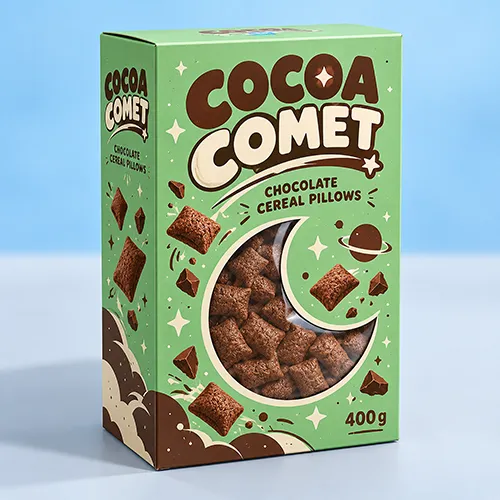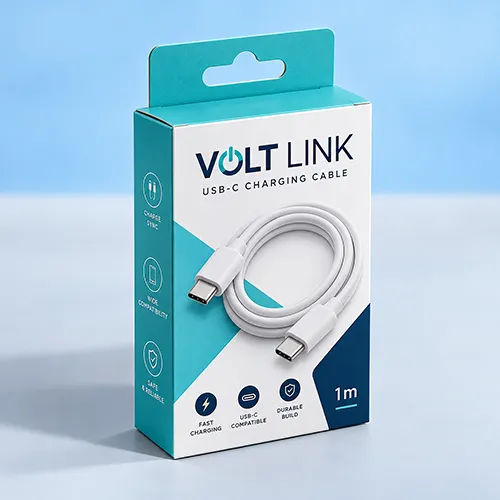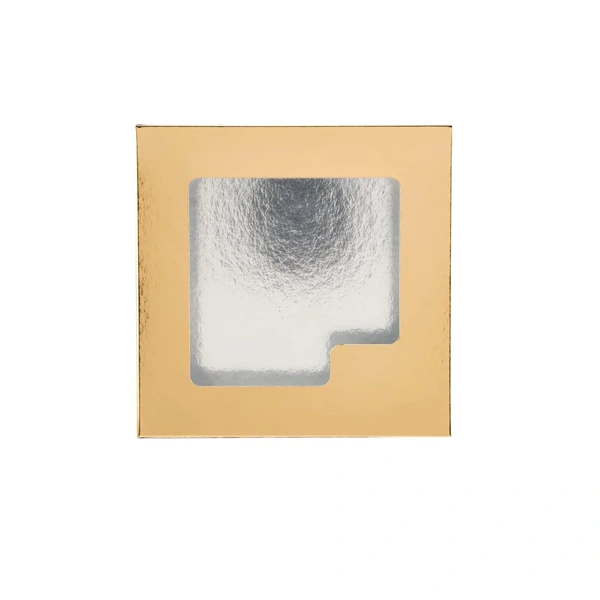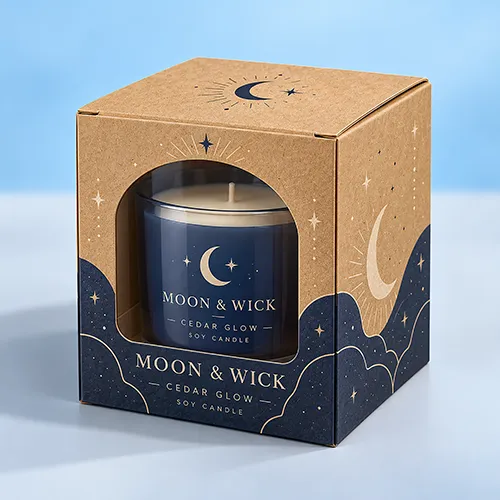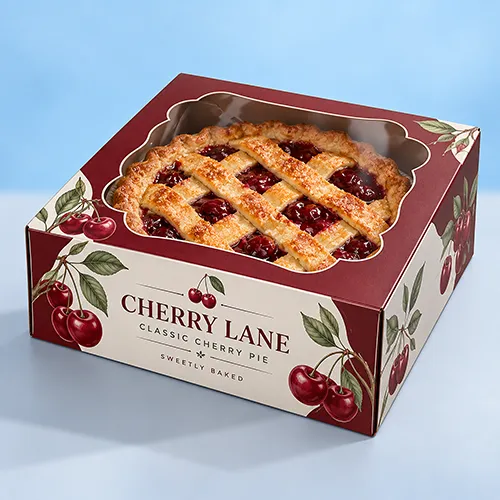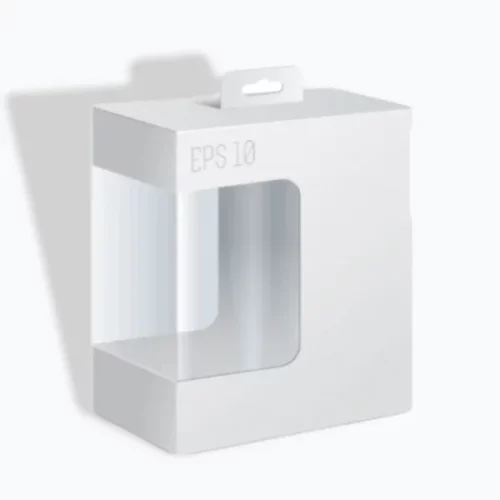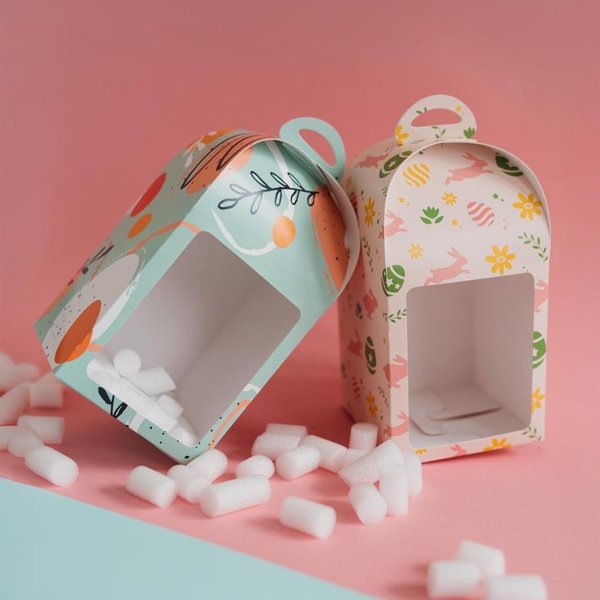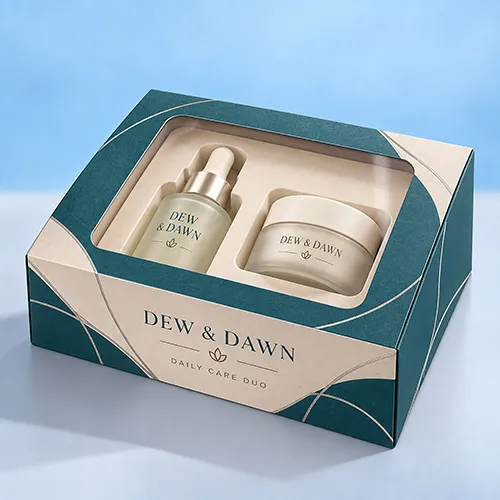
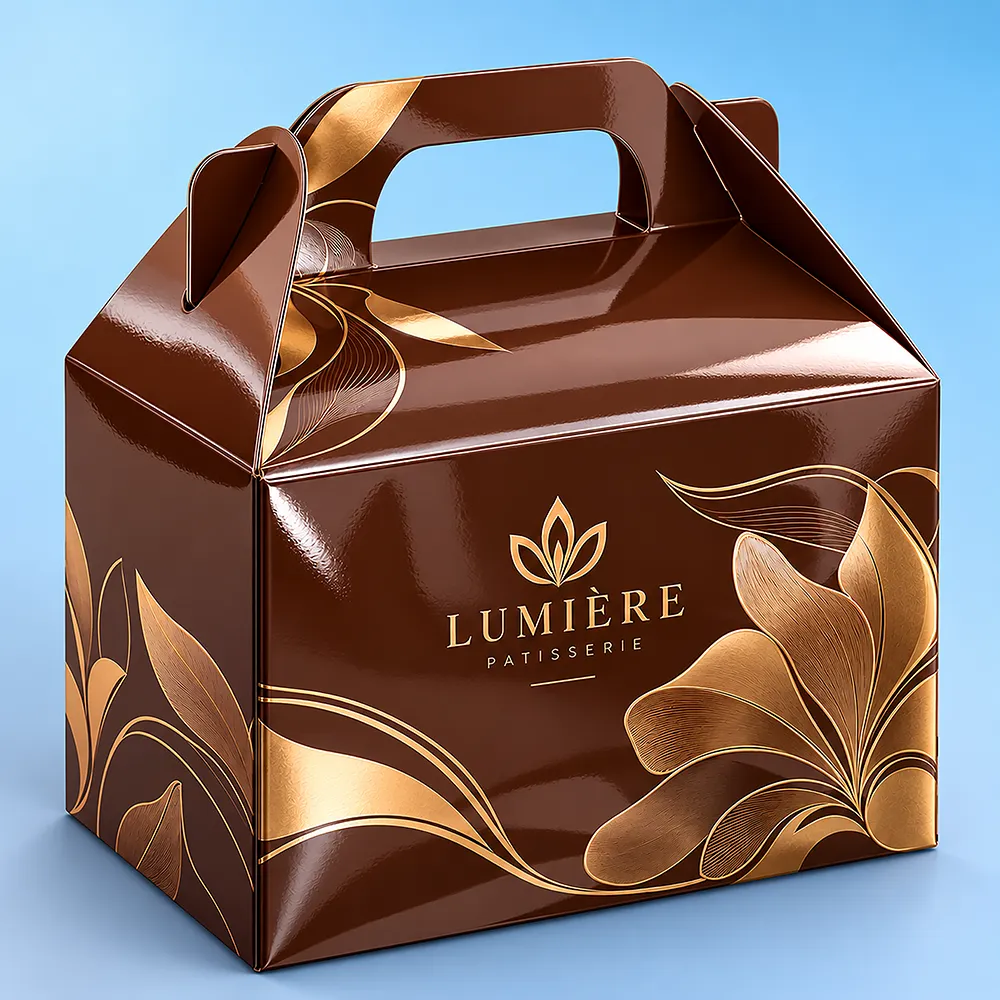
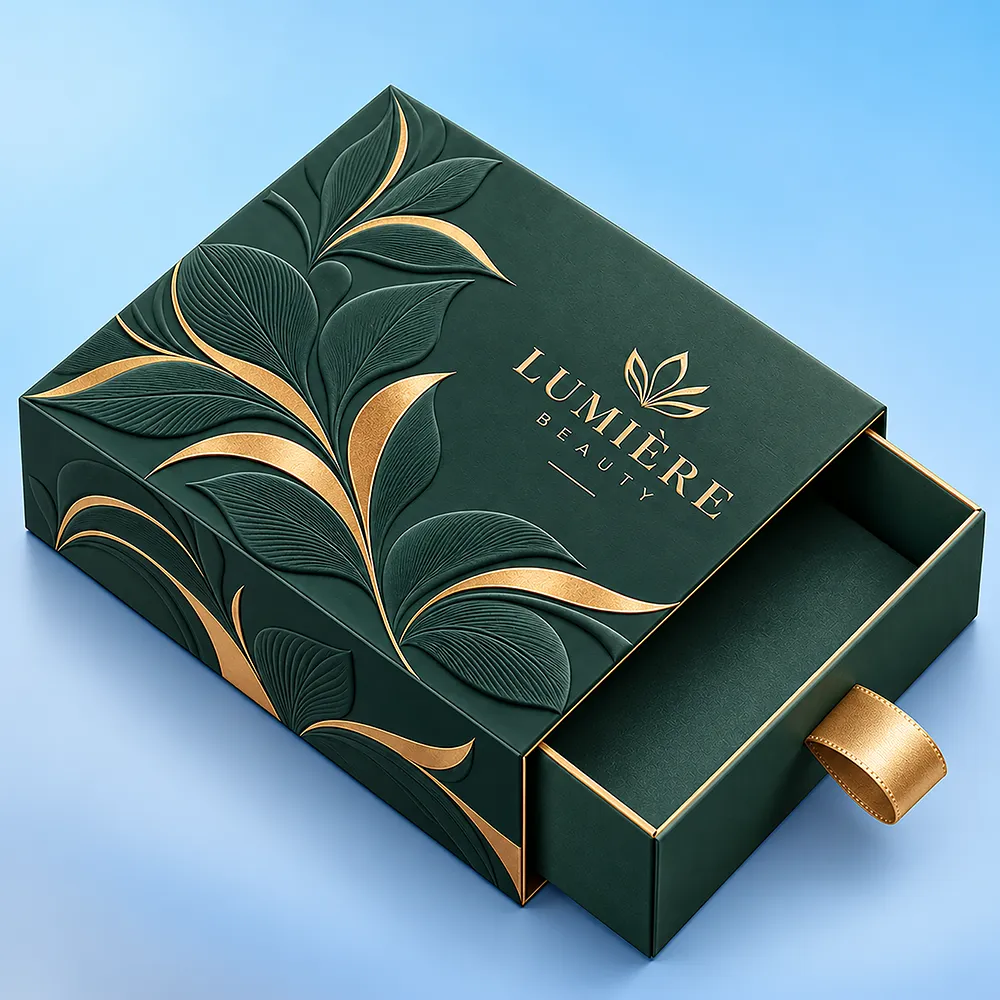
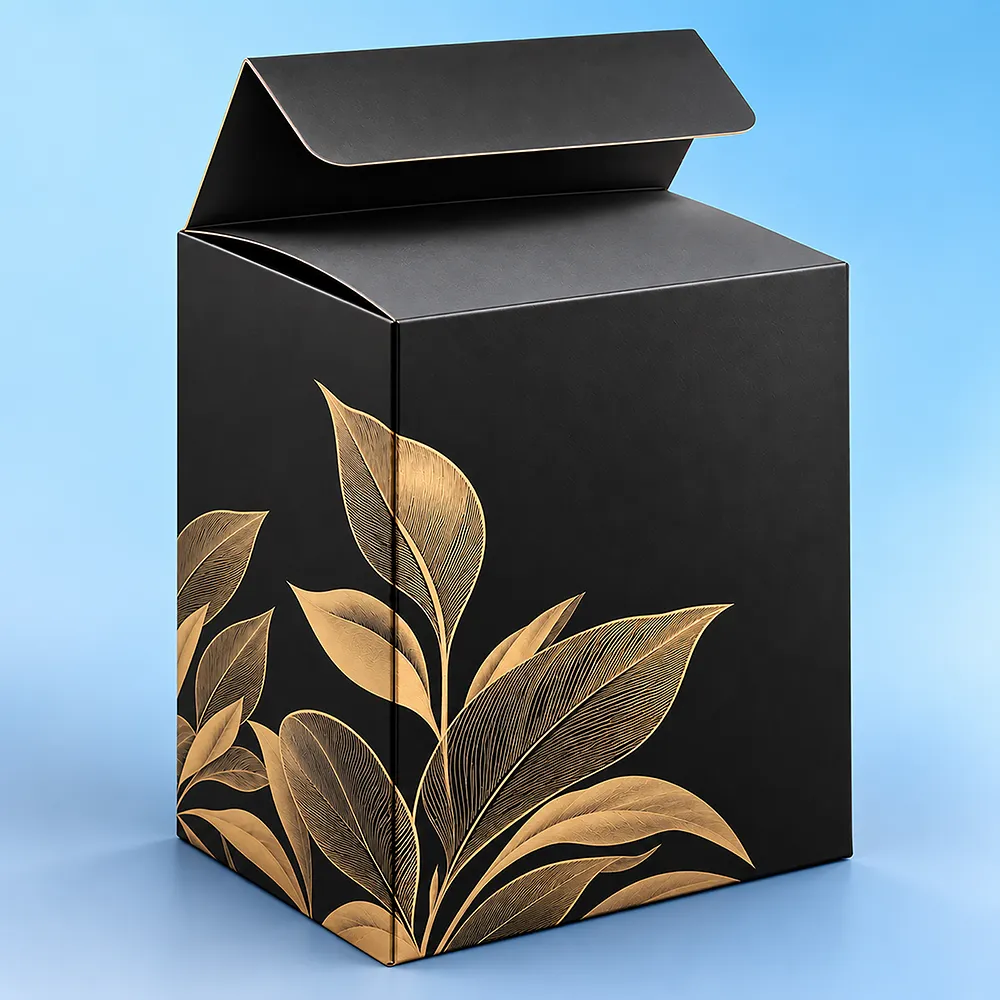
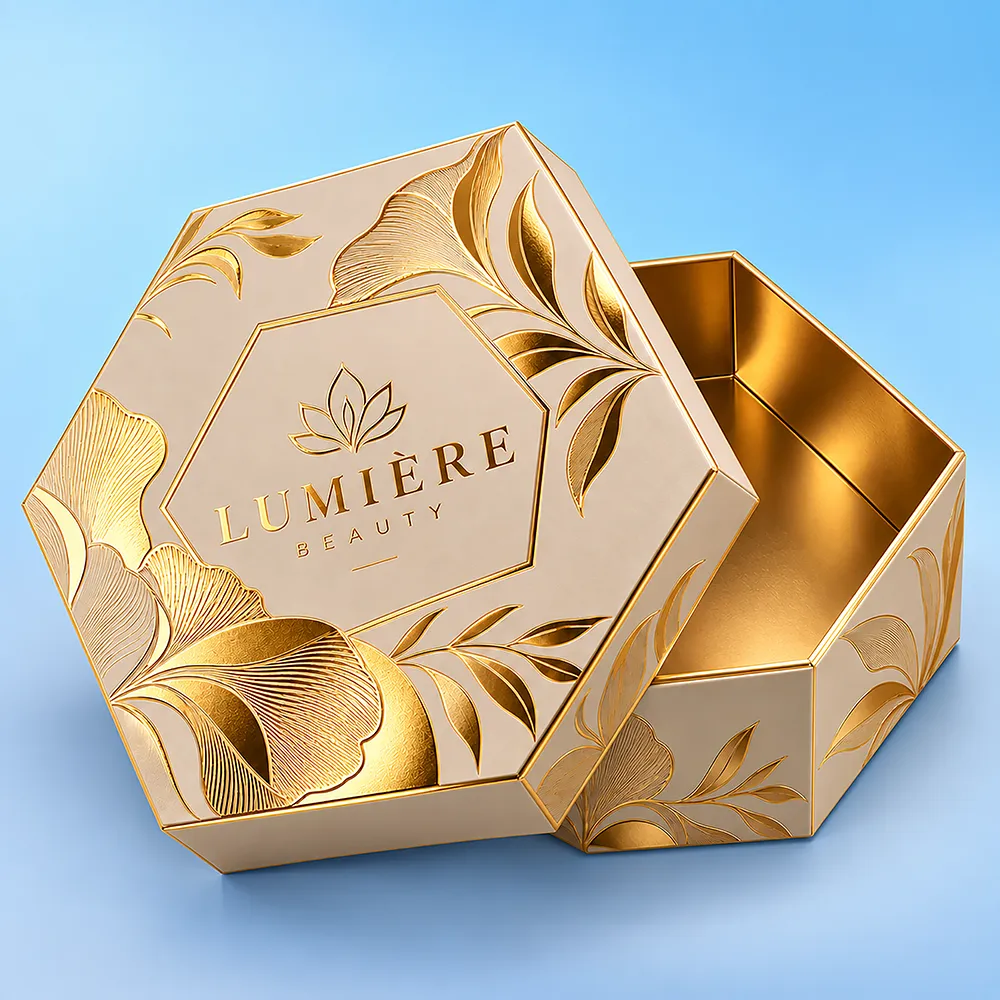
Die Cut Window Boxes

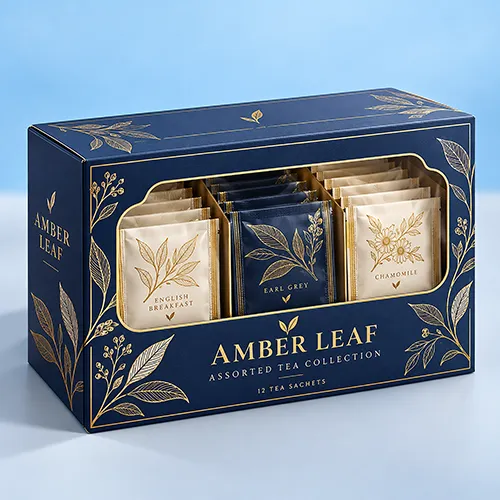
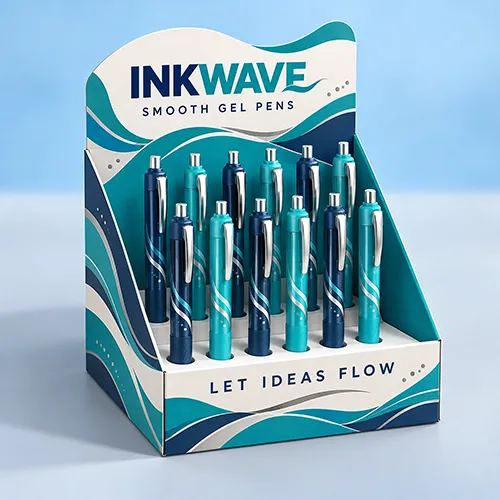
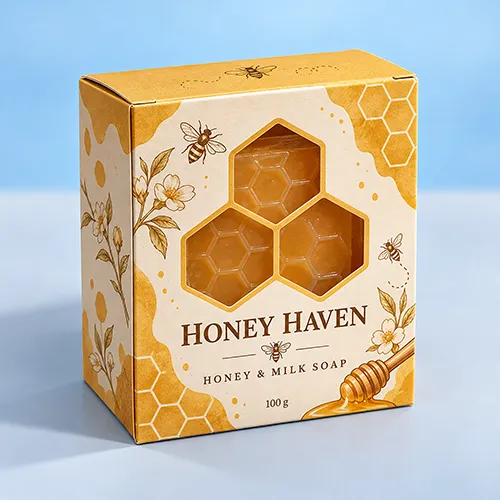
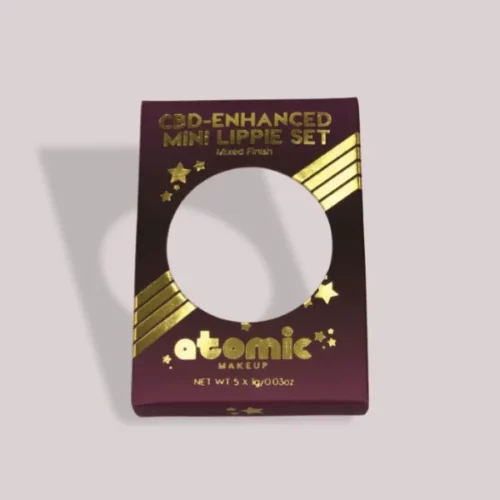
Custom die cut window boxes are designed around the part of your product you want customers to see. Instead of choosing an opening independently from the contents, BoxBaba develops the packaging around product dimensions, orientation, viewing area, box structure and artwork requirements. Window shape and placement can then be coordinated with the approved dieline, printing and finishing plan. Where a product must remain in a precise position behind the opening, internal support can also be considered. BoxBaba offers custom sizing, artwork and dieline support with a standard MOQ of 100 units, standard production of 5–9 business days after artwork approval and free shipping across the USA.
Trustpilot_Logo
5 out of 5 stars
4.5
Reviews 16 • Excellent

Custom Printed Die Cut Window Boxes for Retail Packaging

Die cut window boxes combine branded packaging with product visibility, using custom cutout shapes, tailored sizing, inserts, and premium finishes for retail presentation.

What We Give

Create Custom Boxes Quick and Easy

Design

Get your custom boxes made in the required size, shape, and style.

Print

Upload your artwork and get it superbly printed the way you want.

Get it done

Order any quantity, enjoy a wholesale price, pay no extra for die plates.

Related Products

Show the Right Part of the Product, Not Just More of It

The most important decision in a die cut window box is not simply the shape of the opening. It is what the buyer needs to see through it. Start with the packed product and identify the feature that matters visually. That may be its color, texture, shape, label, decorative surface or another recognizable area. The window can then be positioned around that area rather than automatically centered on the front panel. This product-first approach matters because the geometric center of a carton is not always the visual center of the item inside it. A product may sit higher, lower or to one side because of its shape, closure, accessory or internal support. A useful planning sequence is: Product → Orientation → Visible Area → Window Position → Window Shape → Support Requirement → Artwork → Final Dieline If you are still deciding whether a viewing window is the right die-cut feature at all, compare the broader Custom Die Cut Boxes category before locking the structure.

Plan the Window Around the Actual Product Position

The finished product should be measured before the window position is finalized. Record its maximum length, width and height, then identify anything extending beyond the main body: handles, caps, applicators, controls, accessories or unusually wide points. If several SKUs will use the packaging, check whether their dimensions and visible features are genuinely consistent before assuming they can share the same window and dieline. Product dimensions are design inputs. They are not automatically the finished internal or external box dimensions. For a window project, BoxBaba also needs to understand which face of the product should point toward the opening and which feature should sit behind it. This prevents a common design mistake: creating an attractive opening on the flat dieline that reveals empty space or an unintended part of the product after assembly.

Choose the Window Shape Around Function First

Rectangular, circular and custom-shaped openings can create different visual effects, but shape should follow the product and structural layout rather than decoration alone. A shaped aperture needs to work with the usable panel, surrounding artwork, folds, closure areas and any internal components. A decorative outline that cuts across an important brand element or reveals the wrong portion of the product does not become more useful simply because it is visually distinctive. Before approving the window shape, ask three questions: What specifically should remain visible? Where will that product feature sit after packing? What printable and structural area must remain around the opening? The answer determines whether a simple geometric aperture or more customized profile makes sense. For buyers interested in how custom apertures are physically created, BoxBaba  Die Cutting Process in Packaging guide explains cutting, creasing and other dieline-controlled structural operations in more detail.

Open Die-Cut Opening or Covered Window?

A die-cut aperture and a covered transparent window are related configurations, but they are not the same thing.

Open Die-Cut Aperture

An open aperture leaves the selected part of the product directly exposed through the cutout. Whether that approach is suitable depends on the packed item, handling requirements and overall packaging system.

Transparent Window Configuration

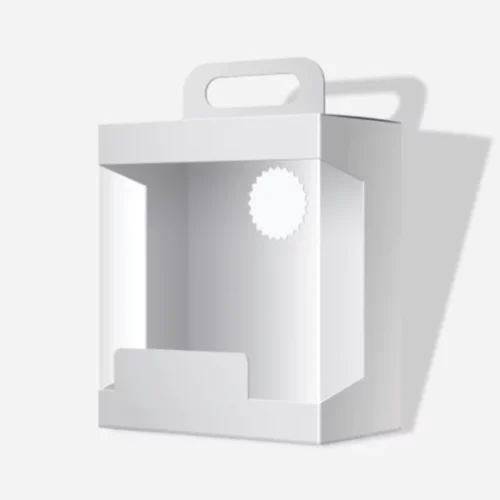
A covered window places a transparent layer over the aperture so the product remains visible through the opening. The exact transparent material and construction should be confirmed during quotation rather than assumed. If the project specifically calls for a PVC-window configuration, review BoxBaba PVC Window Boxes as the more specific product route. The choice should therefore begin with the packaging requirement rather than the material name: Do you need an uncovered opening, or does the viewing area need a transparent covering?

When Does a Die Cut Window Box Need an Insert?

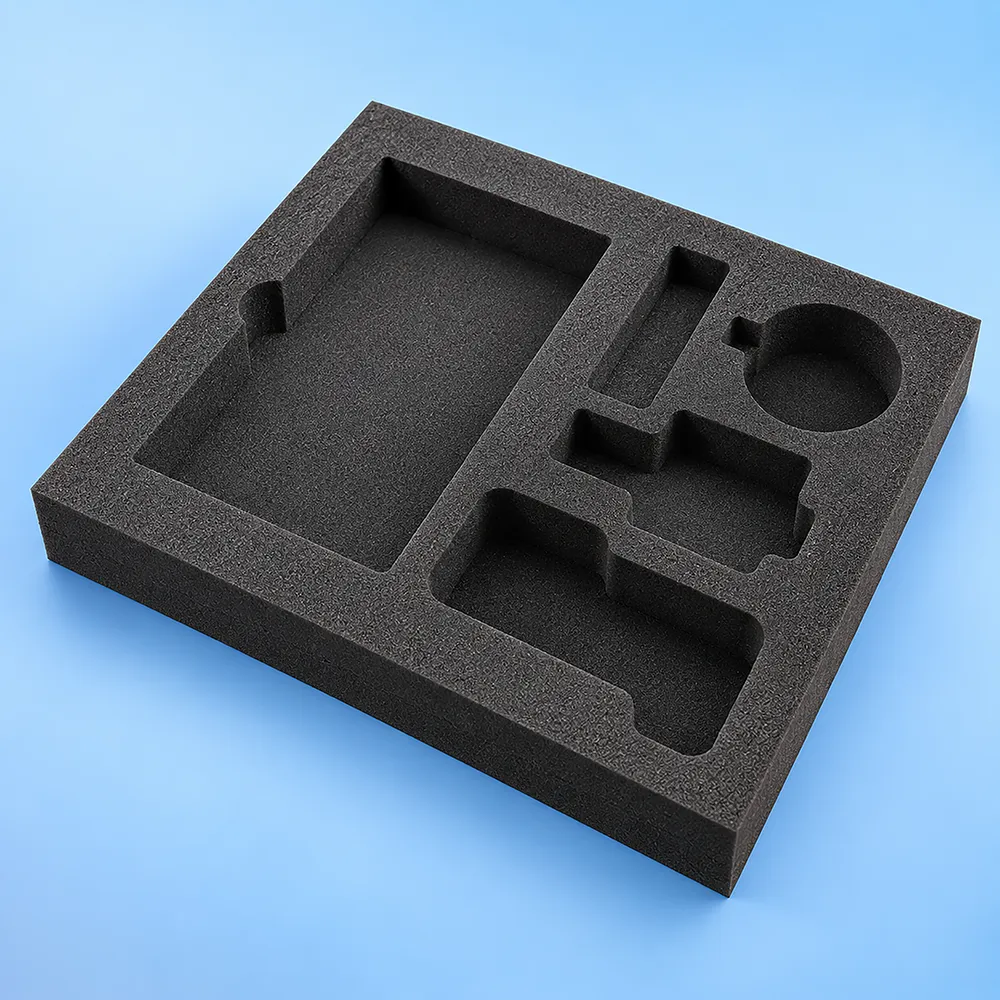
A window does not automatically require an insert. An insert becomes useful when the product would otherwise rotate, move away from the viewing area, shift between SKUs or present multiple components inconsistently. For example, if a product has one branded face that must remain visible through the aperture, the packaging needs enough control over orientation to keep that face aligned with the window. When the outer viewing window and a fitted insert are both defining parts of the project, Window Die Cut Insert Boxes are the more specific packaging direction. If the main challenge is internal positioning rather than the window itself, explore Cardboard Inserts instead of adding unnecessary complexity to the outer carton. The decision should follow: Product Movement + Required Orientation + Window Alignment → Insert Decision

Material Options for Die Cut Window Boxes

Material selection should be made together with the base structure, window size, product requirements and printing plan.

Cardboard and Paperboard

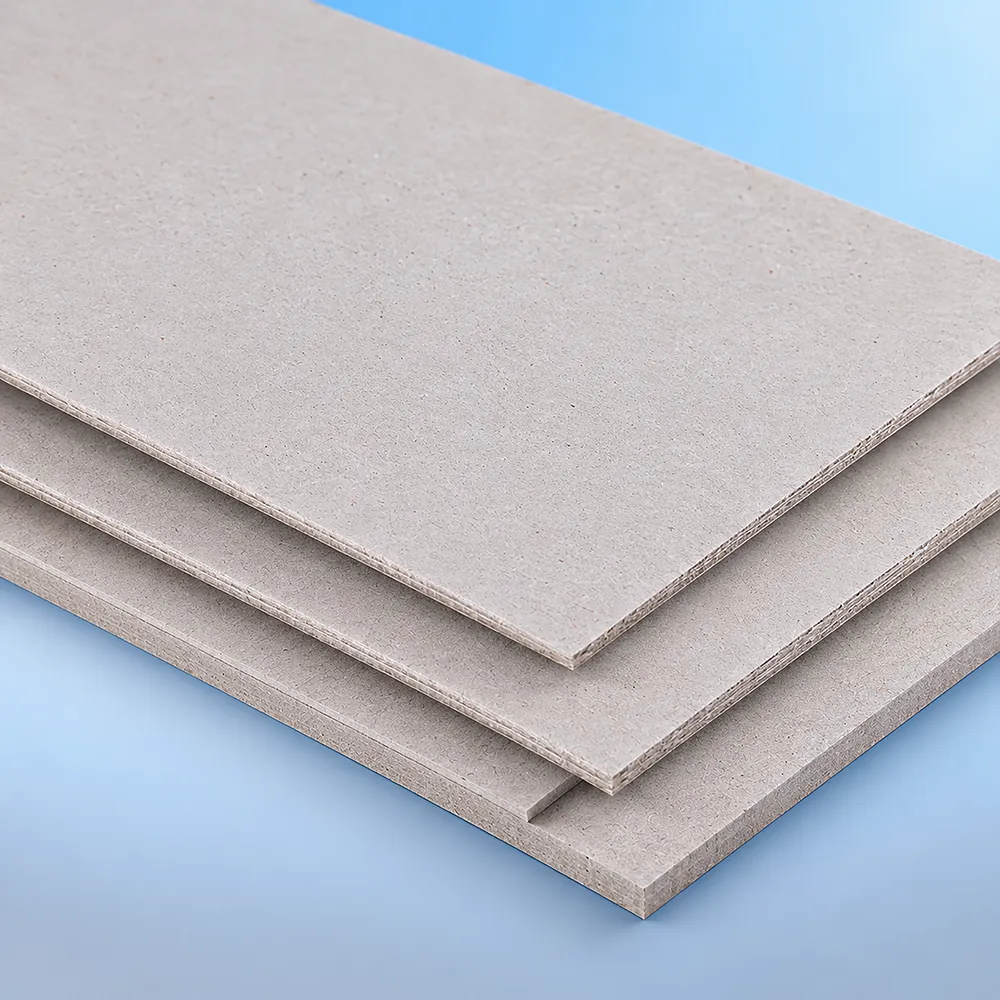
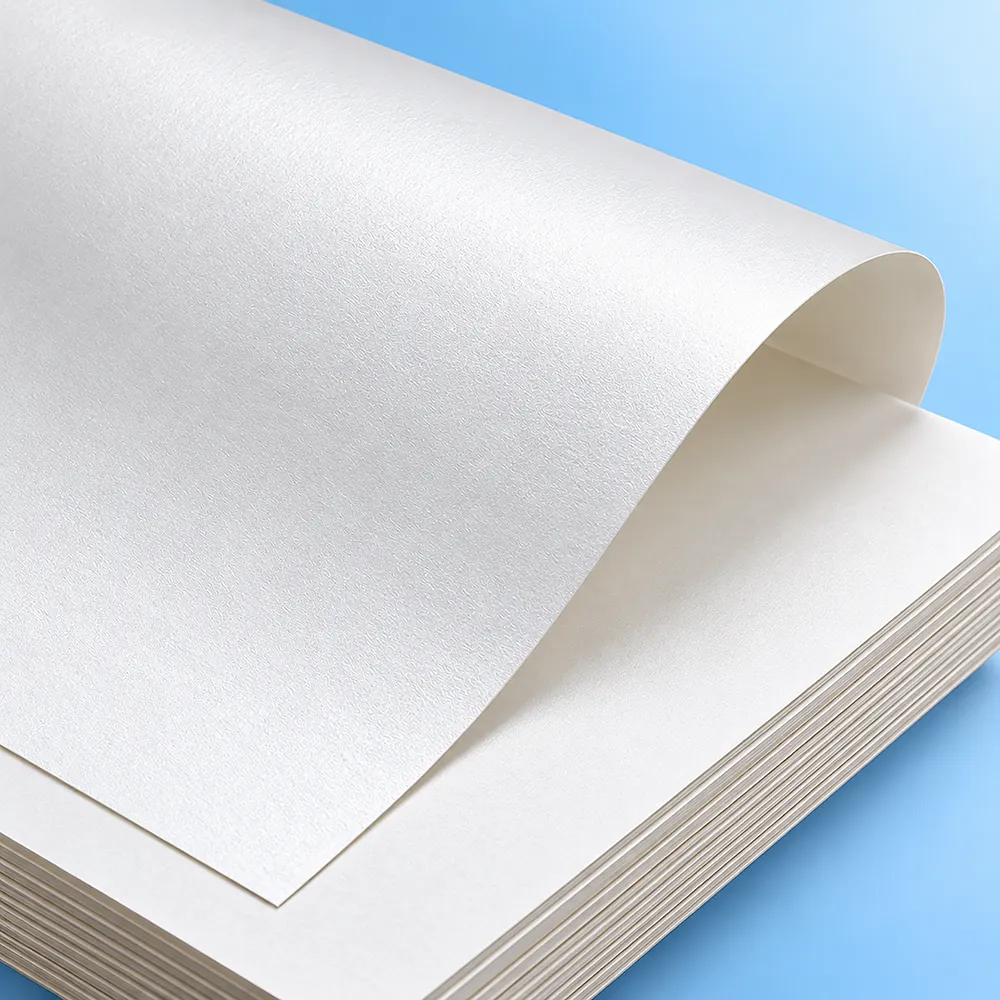
Paperboard-style materials can suit many folding-carton and retail window-box applications where detailed printing, clean folds and compact presentation are important. The exact board specification should be selected for the approved package rather than applying one thickness or grade to every window box.

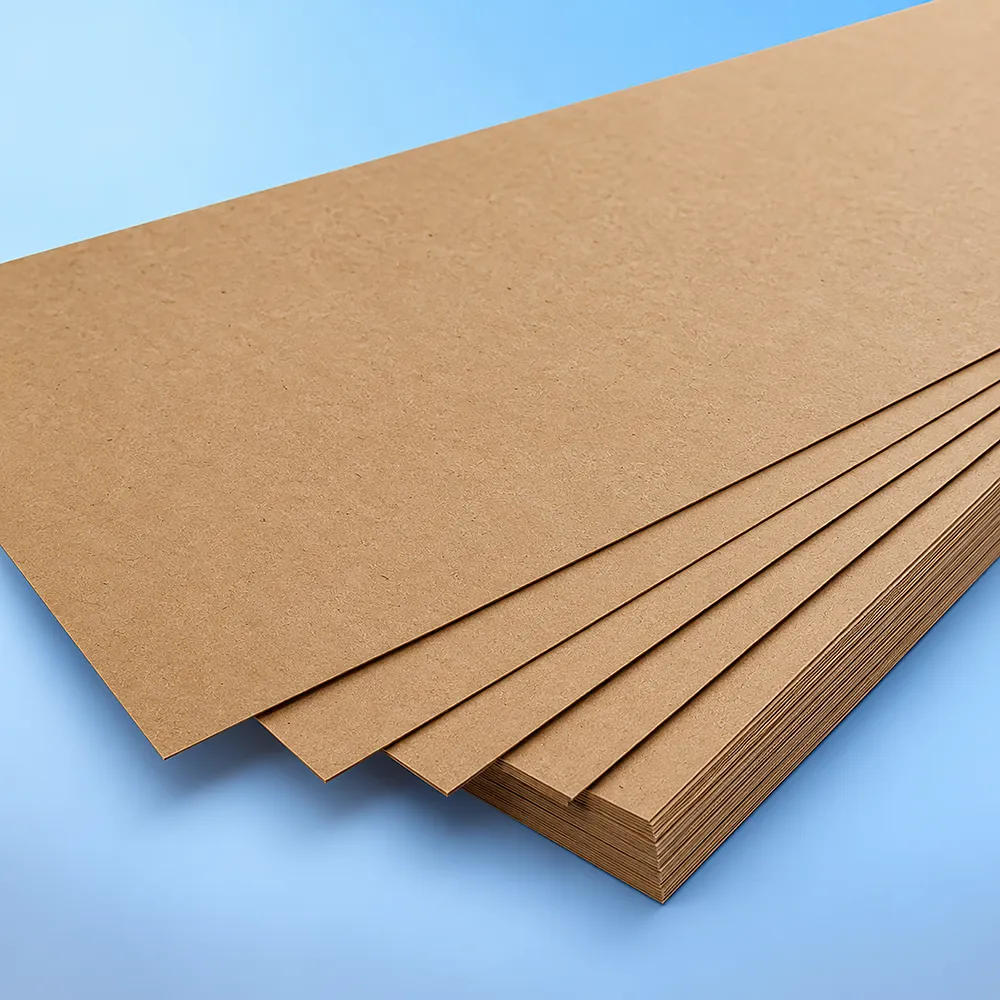
Kraft

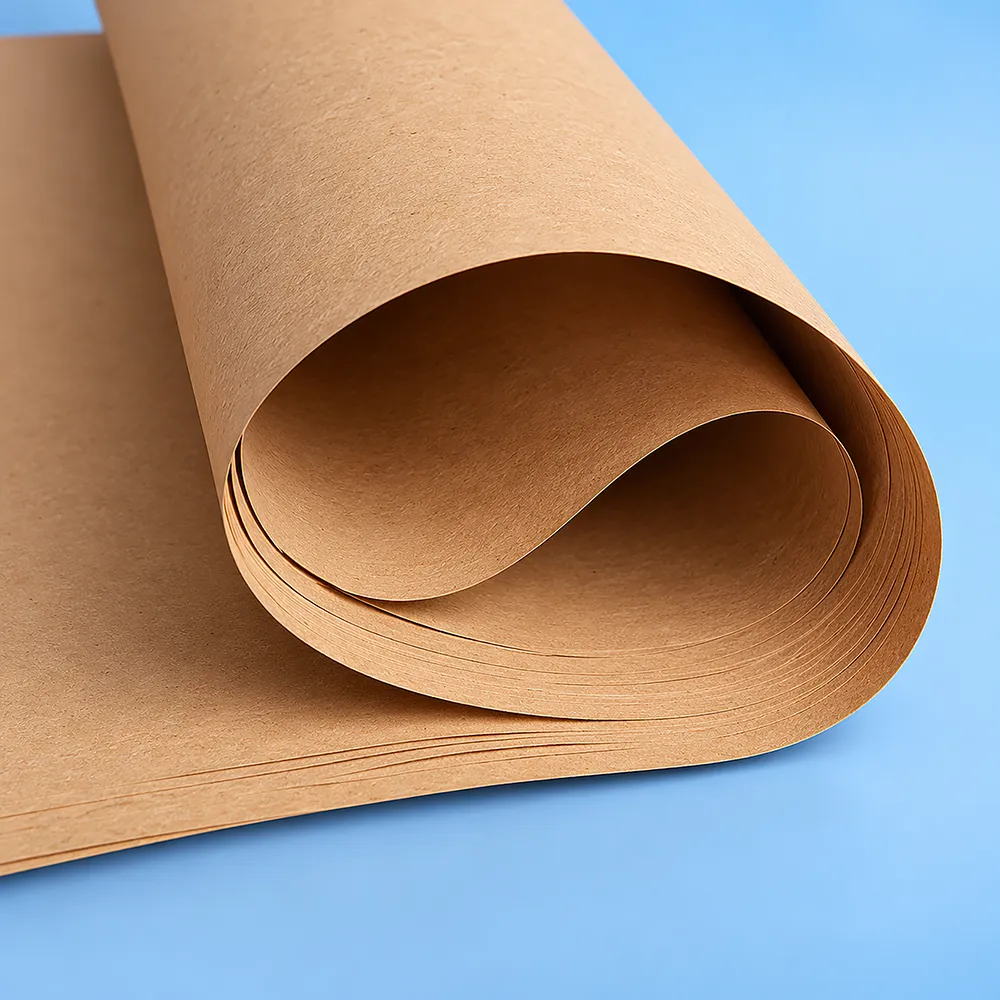
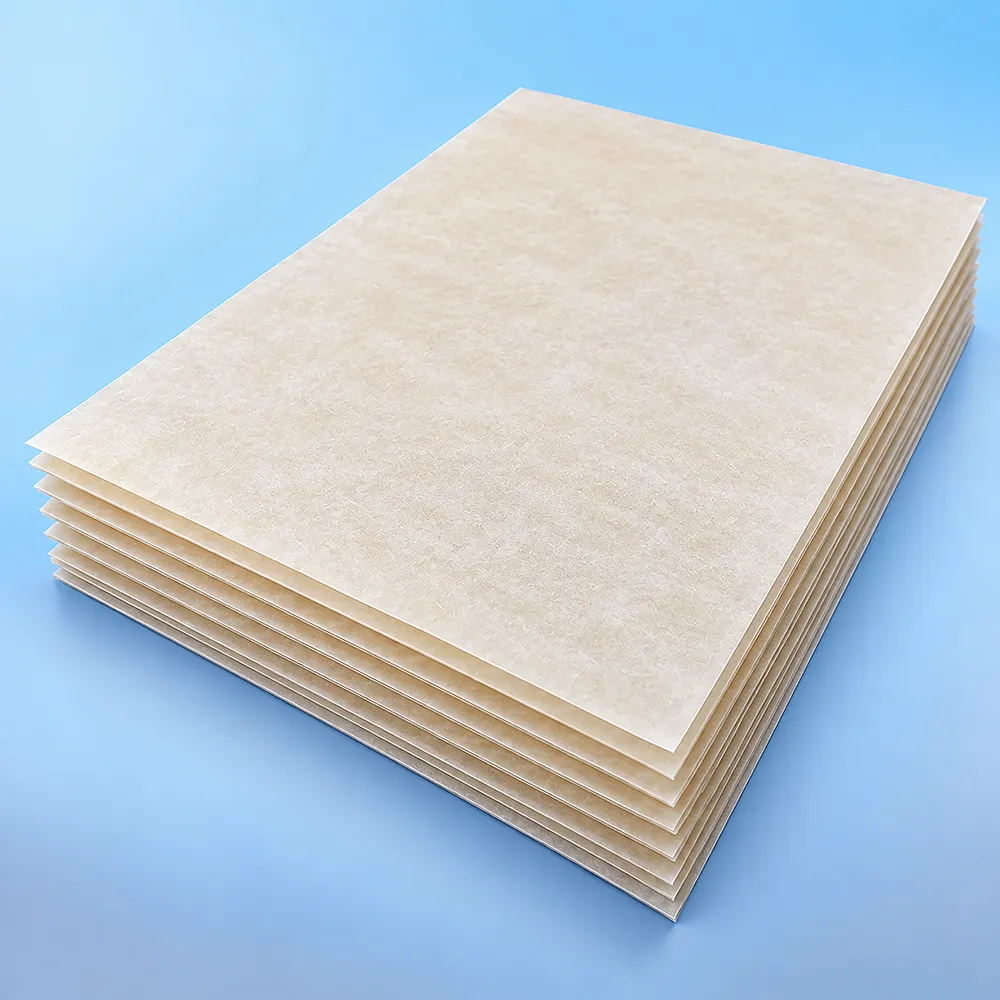
Kraft can be considered when a natural paper appearance forms part of the packaging direction. The underlying stock affects how printed colors and finishes appear, so artwork developed for a white paperboard surface should not automatically be expected to reproduce identically on kraft.

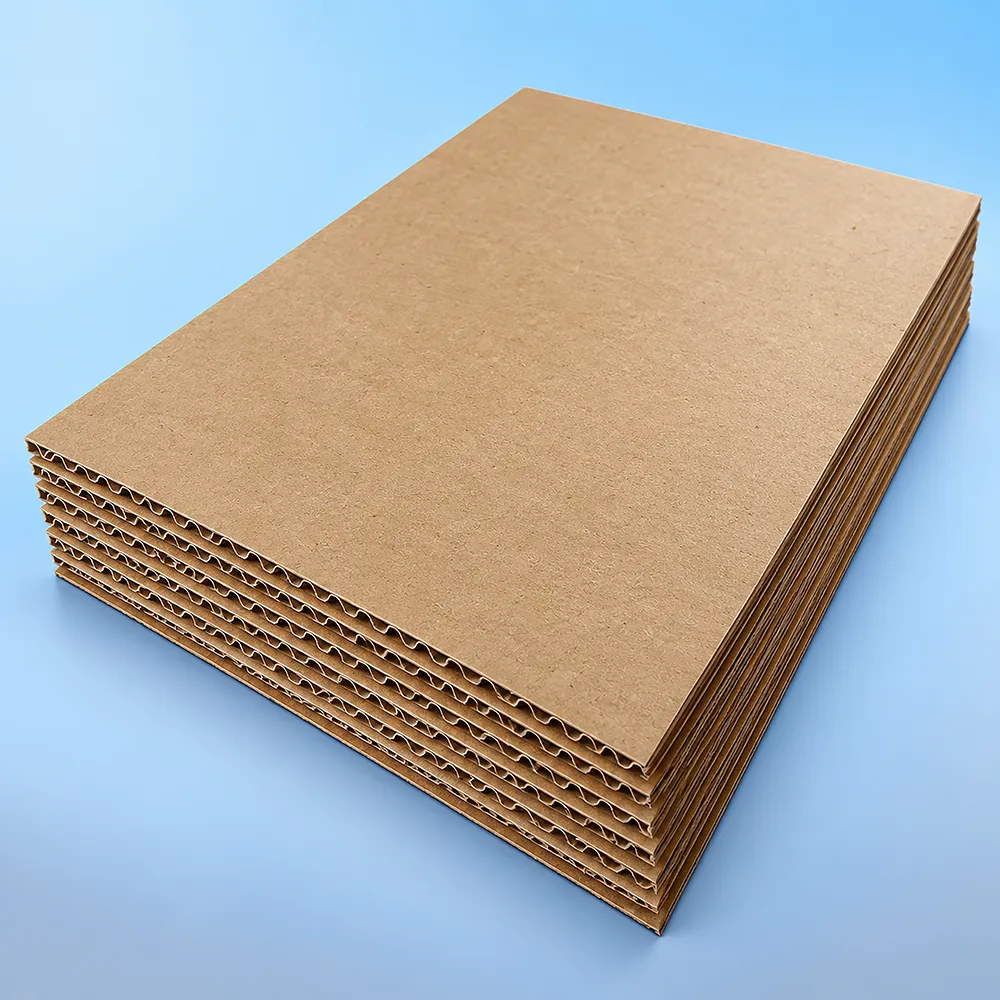
Corrugated

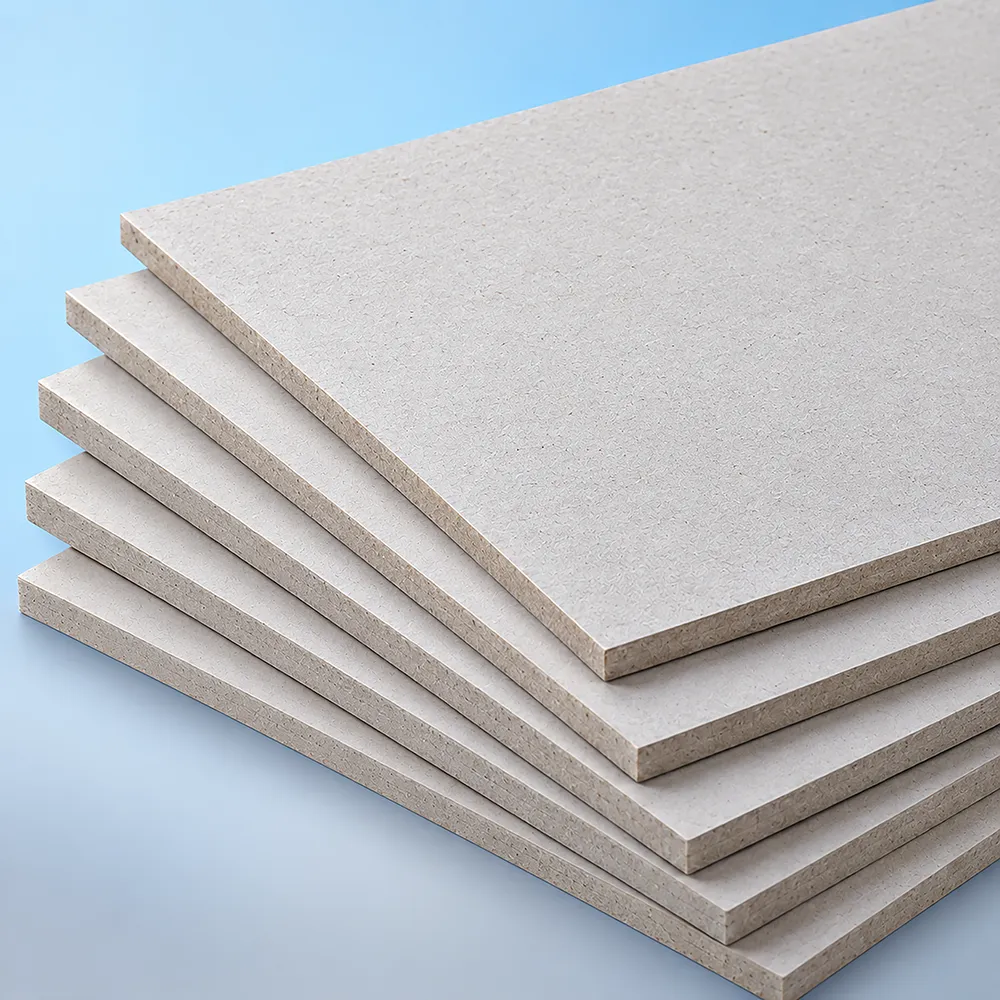
Corrugated board can be relevant where the selected box structure or distribution environment calls for a fluted construction. Its use should be driven by the complete packaging requirement rather than assuming every window box needs the same material because of product weight.

Rigid Construction

The current BoxBaba range also references rigid material options, but a rigid setup box is structurally different from a folding carton. Window implementation, wrapping, finishing and production requirements should therefore be reviewed as a project-specific configuration rather than treated as identical to a paperboard carton. The practical sequence is: Product → Base Structure → Window Requirement → Material → Printing and Finish

Printing and Finishing Around the Window

Printing and finishing should be planned after the viewing aperture and main structure are understood. The reason is simple: the window removes printable surface and creates a functional edge inside the artwork area.

Printing Methods

BoxBaba can support offset, digital and flexographic printing where each method is appropriate to the substrate, structure, quantity and artwork. Offset printing may suit compatible paperboard projects where the production requirements justify that workflow. Digital printing can suit compatible orders where a digital production process fits the quantity and artwork. Flexographic printing may be used for appropriate corrugated or other packaging applications. No single method should be considered universally better for every die cut window box.

CMYK and Pantone/PMS

CMYK is appropriate for many process-color graphics, images and multi-color designs. Pantone/PMS references can be useful when the artwork calls for a defined spot-color reference and the selected printing process supports it. Material, coating, printing process and proofing can all influence final color appearance, so a Pantone or CMYK reference should not be treated as an unconditional color-match guarantee.

Finishing Around the Aperture

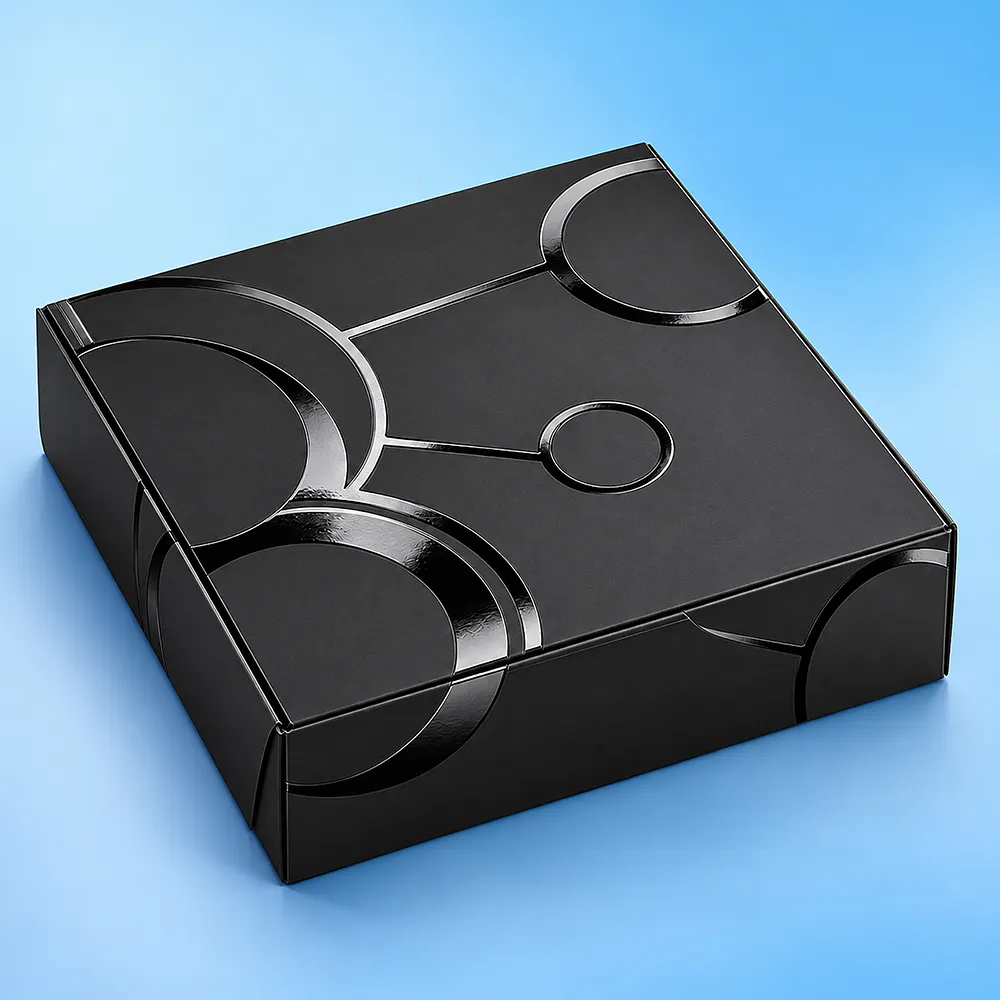
Compatible projects can incorporate matte, gloss, soft-touch, foil stamping, embossing, debossing and spot UV. Placement matters more than simply choosing a finish from a list. A foil element, embossed logo or spot-UV detail positioned close to a window edge, fold, glue zone or other functional area may require adjustment once the final dieline is approved. That is why the structural file should be established before decorative artwork is treated as complete.

Plan Artwork Around the Window and Dieline

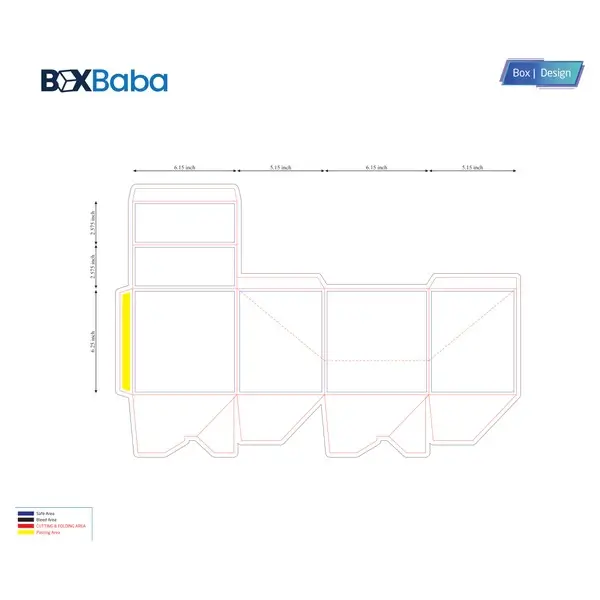
The window is part of the structural dieline, not an image placed on top of the artwork. A finished dieline identifies the cutting and folding geometry used to create the package. Logos, typography, borders, barcodes, QR codes and decorative effects therefore need to respect the aperture, folds, glue areas and other structural zones. If the aperture changes late in development, nearby artwork may also need to move. For a deeper explanation of cut lines, fold lines, bleed, safe areas and glue tabs, see BoxBaba Dieline in Packaging guide. For this product page, the key principle is simpler: Do not finalize window artwork independently from the final structural dieline.

Proof the Window-Product Relationship Before Bulk Production

Different proofing stages answer different questions. A dieline shows where the window, panels, folds and other structural elements are located. A digital artwork proof helps review graphic placement around those elements. A 3D mockup can help visualize how the assembled window and branding are expected to relate. A physical structural sample can provide more meaningful information about actual product fit, orientation and the area revealed through the window. A digital rendering alone does not establish that a physical product will remain aligned behind the aperture. Where window alignment is critical, confirm which proof or sample stage is appropriate before bulk production. BoxBaba offers dieline, artwork, 3D mockup and proofing support as applicable to the project.

When a Die Cut Window Box May Not Be the Best Option

A die cut window box is useful when showing the actual product adds meaningful value to the packaging decision. It does not need to be added to every retail carton. A no-window structure may be more appropriate when the full panel is needed for branding, instructions or required product information. An insert-supported configuration may be more appropriate when the product cannot maintain the correct orientation naturally. A different window-specific product may be more suitable where a particular transparent material is the defining requirement. And if the main challenge is parcel distribution rather than retail product presentation, an external shipping format such as Corrugated Mailer Boxes may need to form another layer of the packaging system. A retail window carton should not automatically be assumed to perform the same job as the outer shipping package.

Common Window-Box Planning Mistakes to Avoid

A useful window begins with the packed product rather than an empty box panel. One common mistake is centering the aperture on the carton even though the product sits somewhere else inside it. Another is maximizing window size before deciding how much room the artwork, folds and structural areas need. Product movement can create another problem: a window may be correctly positioned on the box while the product rotates away from it after packing. In that case, fit or internal retention needs attention rather than simply moving the aperture. Another avoidable issue is treating the window as an artwork decision and changing it after the packaging structure has already been finalized. Because the aperture is part of the dieline, structural changes can affect nearby graphics and finishes. The useful sequence remains: Packaged Product First → Window Second → Artwork Around the Approved Structure

MOQ, Production and Quote Planning

BoxBaba standard MOQ baseline for custom packaging is 100 units. Standard production is 5–9 business days after artwork approval. This refers to production time and should not be confused with total transit or delivery time. Free shipping across the USA is available under the current standard offer. The final quote depends on the actual configuration. Product size, box structure, window, material, quantity, number of SKUs, printing, finishing, inserts and proofing requirements may all affect the project scope. For the most useful quotation, provide your finished product dimensions, intended product orientation, quantity per SKU, the part of the product you want visible, preferred material if known, artwork status, window-covering requirement if applicable, insert requirement and shipping destination.

Why Choose BoxBaba for Custom Die Cut Window Boxes?

BoxBaba can support custom sizing, structural dielines, artwork preparation, 3D mockups and applicable proofing as part of a custom packaging project. For die cut window boxes, those services are particularly useful because the product, aperture and artwork need to work as one system rather than as three separate design decisions. The standard commercial baseline includes a 100-unit MOQ, 5–9 business-day production after artwork approval and free shipping across the USA under the current offer. Sample options are also available under the current policy, with project-specific or custom-printed samples confirmed according to the order. The goal is not simply to cut a decorative hole in a carton. It is to place the viewing area where it serves the product while preserving the structure and branding the package still needs.

Request a Custom Die Cut Window Box Quote

To prepare the project, send BoxBaba your product length, width and height, any handles or projections, intended packed orientation, quantity per SKU and the exact product area you want visible through the window. Also include your artwork status, preferred material if known, whether you need internal positioning support, your window-covering requirement if applicable and the USA delivery destination. These inputs allow the window, structure and artwork to be reviewed as one packaging system before production. Call: +1 305 574 4357 Email: sales@boxbaba.com

Frequently Asked Questions

Find all the urgent questions you may have.

Custom die cut window boxes are packaging structures with a planned viewing aperture cut into one or more panels. The opening is positioned according to the product, its orientation, the selected box structure and the area that should remain visible.
Die cut describes how the custom aperture and other structural features are produced. The important distinction for this page is the customized placement and geometry of the product-viewing opening. Other window-box pages may instead target a specific product application, material or window construction.
The aperture can be developed around the approved structural design and viewing requirement. The shape should still leave enough usable panel area for the box structure and required artwork rather than being selected purely for decoration.
Start with the product in its intended packed orientation and identify exactly what should be visible. The aperture should then be positioned around that product area while accounting for folds, closures, branding and the rest of the approved dieline.
Window configurations can differ by project. An open aperture exposes the selected product area directly, while a covered window adds a transparent layer over the opening. Confirm the exact construction and available window material during quotation.
Not always. An insert becomes useful when the product would otherwise shift, rotate or sit inconsistently behind the window. If both the fitted insert and viewing window define the project, consider Window Die Cut Insert Boxes.
Current BoxBaba product options reference cardboard/paperboard, kraft, rigid and corrugated material directions. The suitable choice depends on the base structure, product, window design, printing requirements and sales channel, so exact compatibility should be confirmed during quotation.
Offset, digital or flexographic printing may be used where appropriate to the project. Compatible finishes can include matte, gloss, soft-touch, foil stamping, embossing, debossing and spot UV. Their placement should follow the approved window, fold and functional areas.
The standard MOQ baseline is 100 units. Standard production is 5–9 business days after artwork approval. Production time is separate from shipping or transit time.
Yes. BoxBaba provides dieline, artwork, 3D mockup and proofing support as applicable. Free samples are available under the current policy, while custom-printed or project-specific samples may require separate confirmation or quotation.

Get a Custom Quote