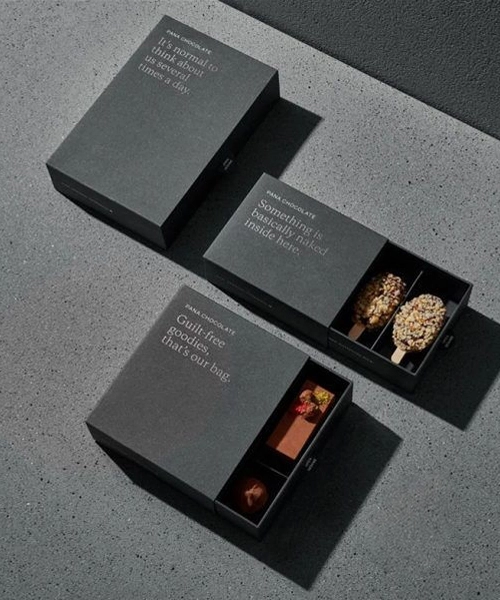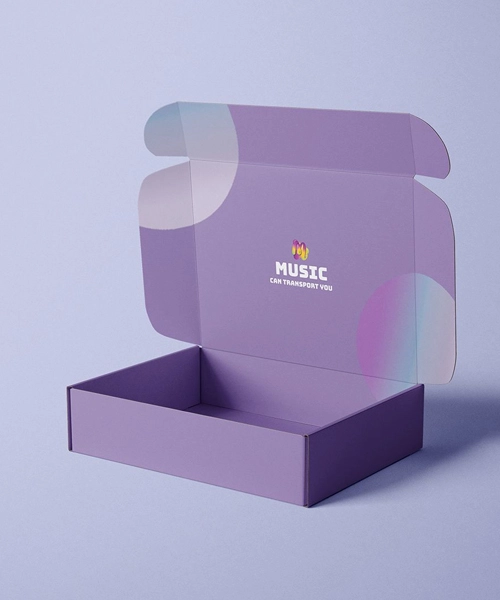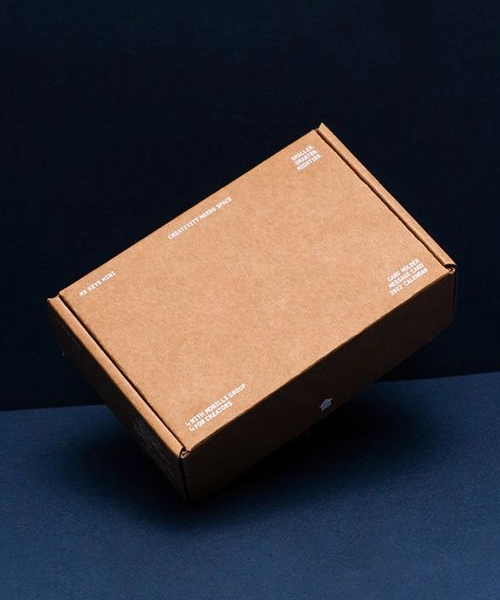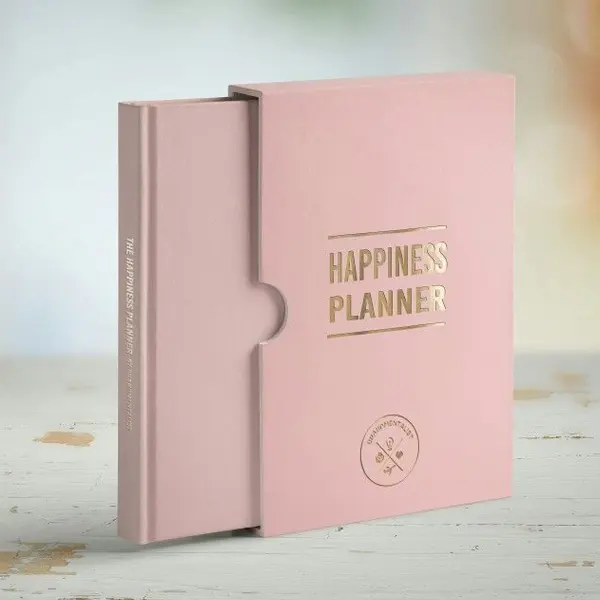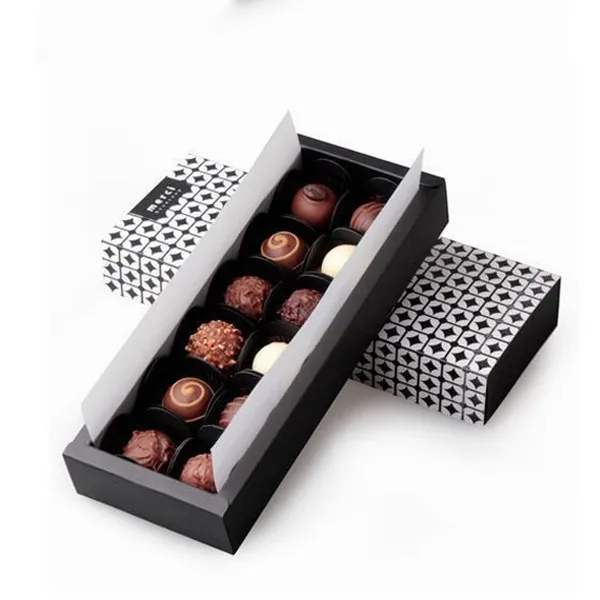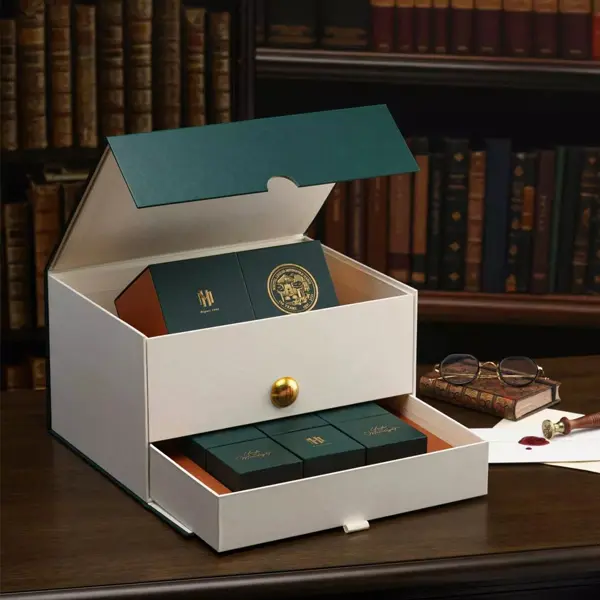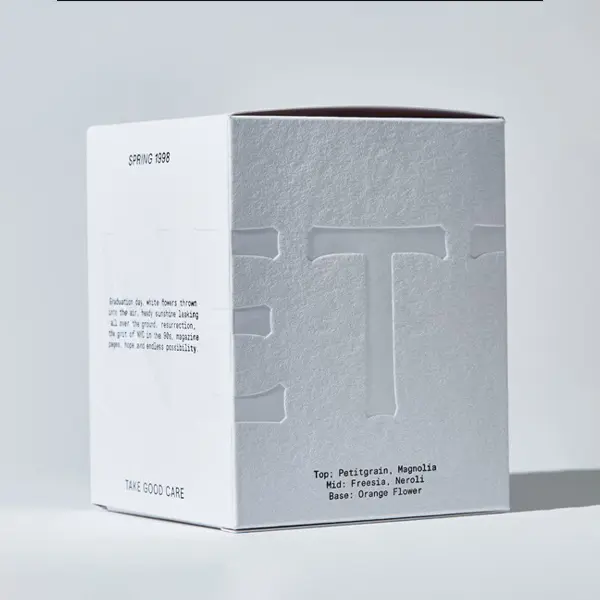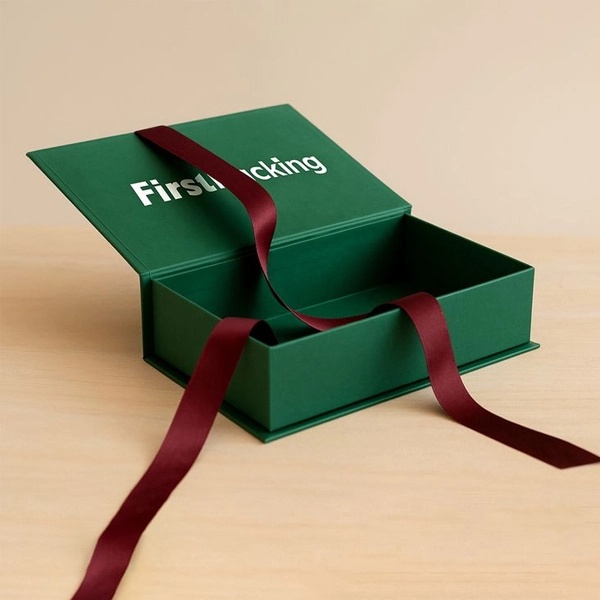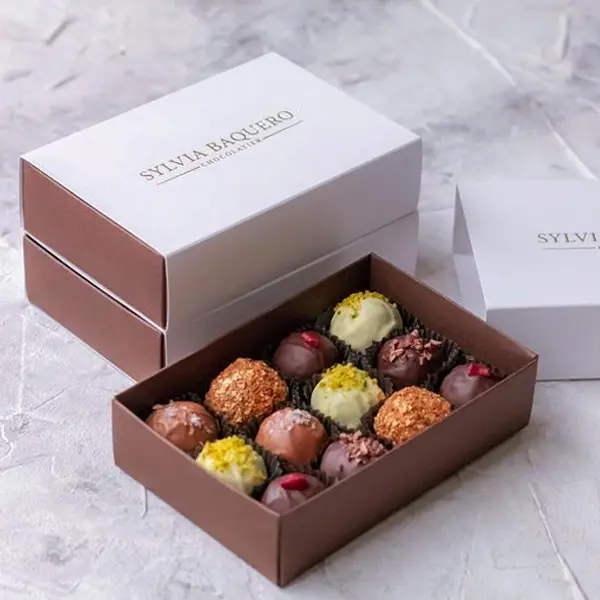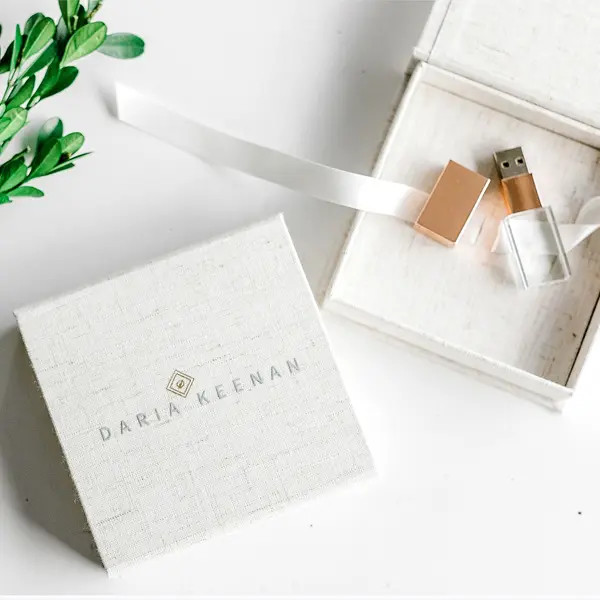
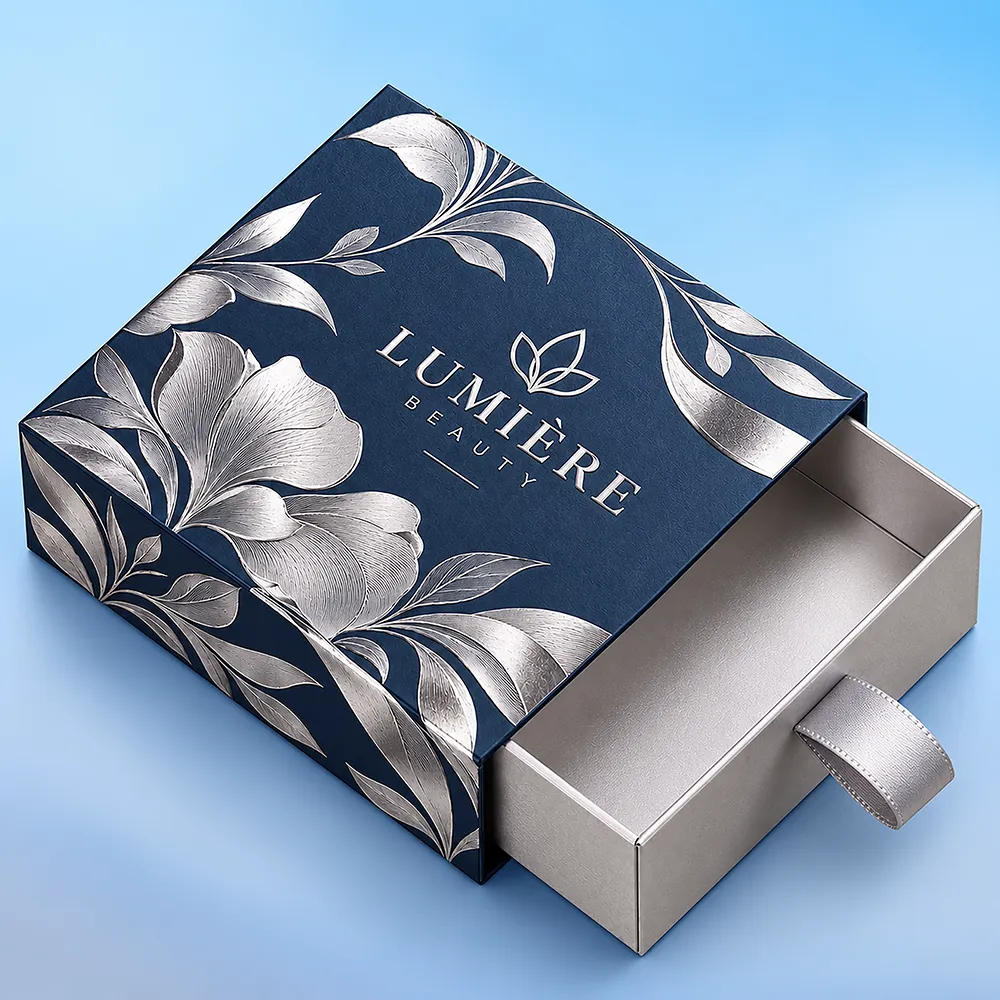
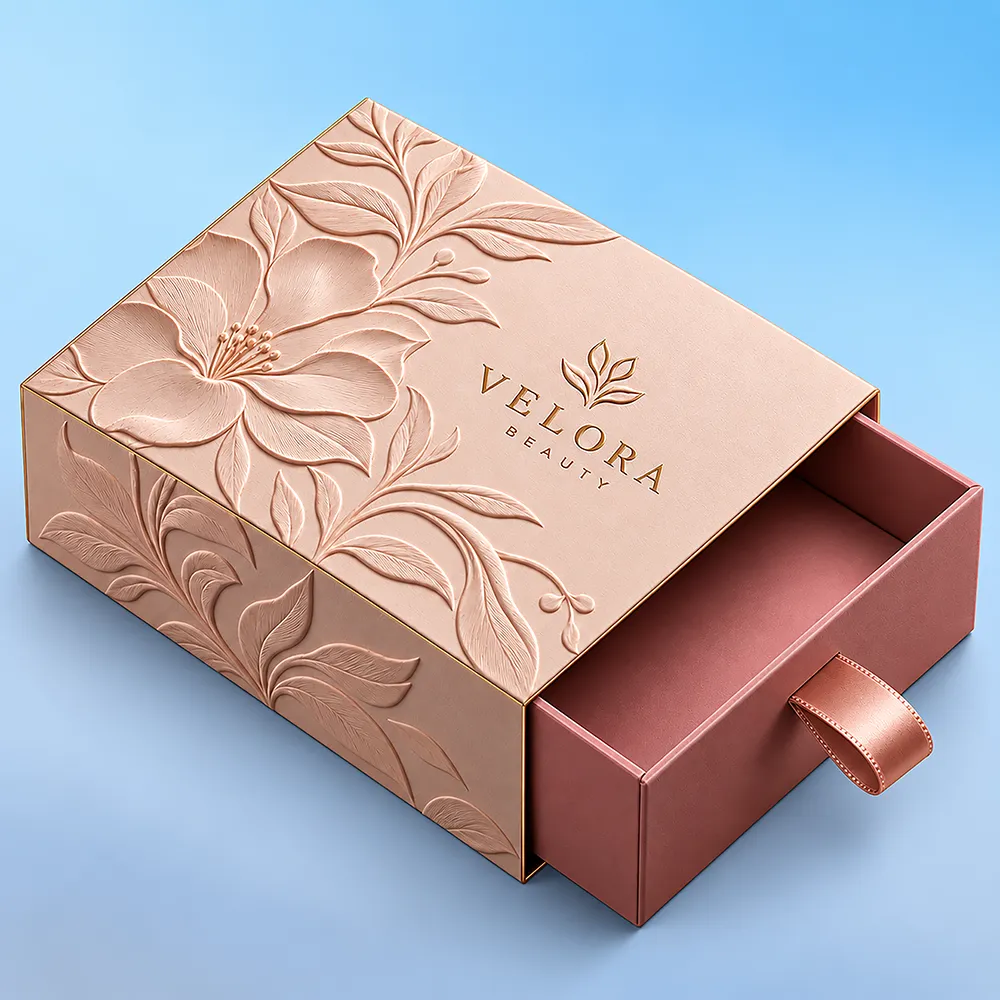
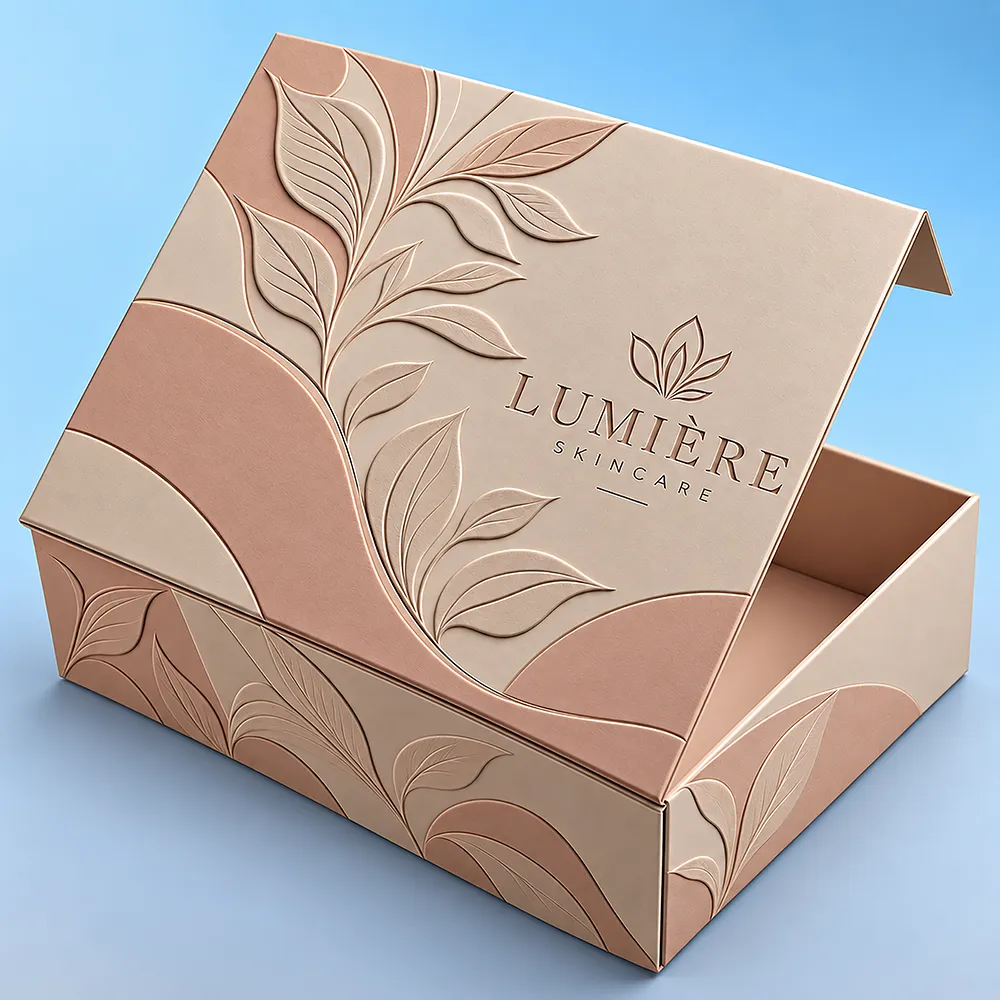
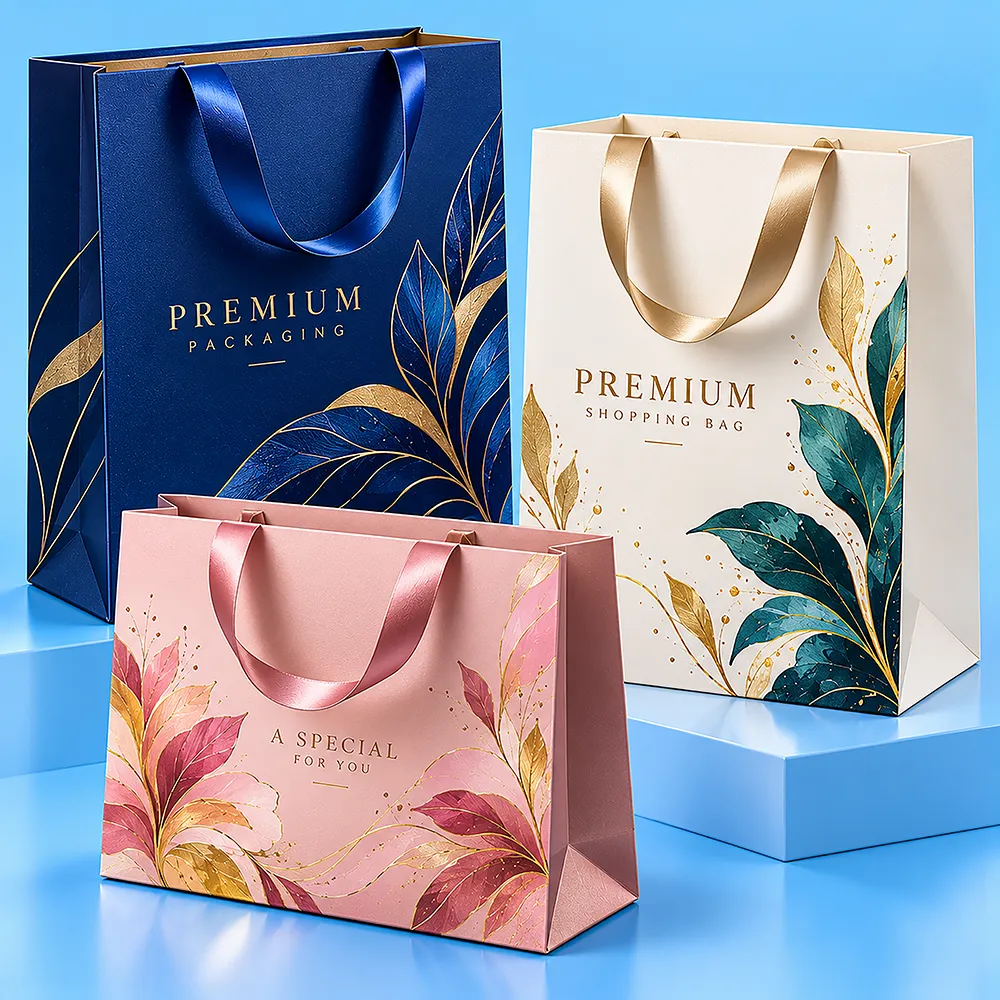
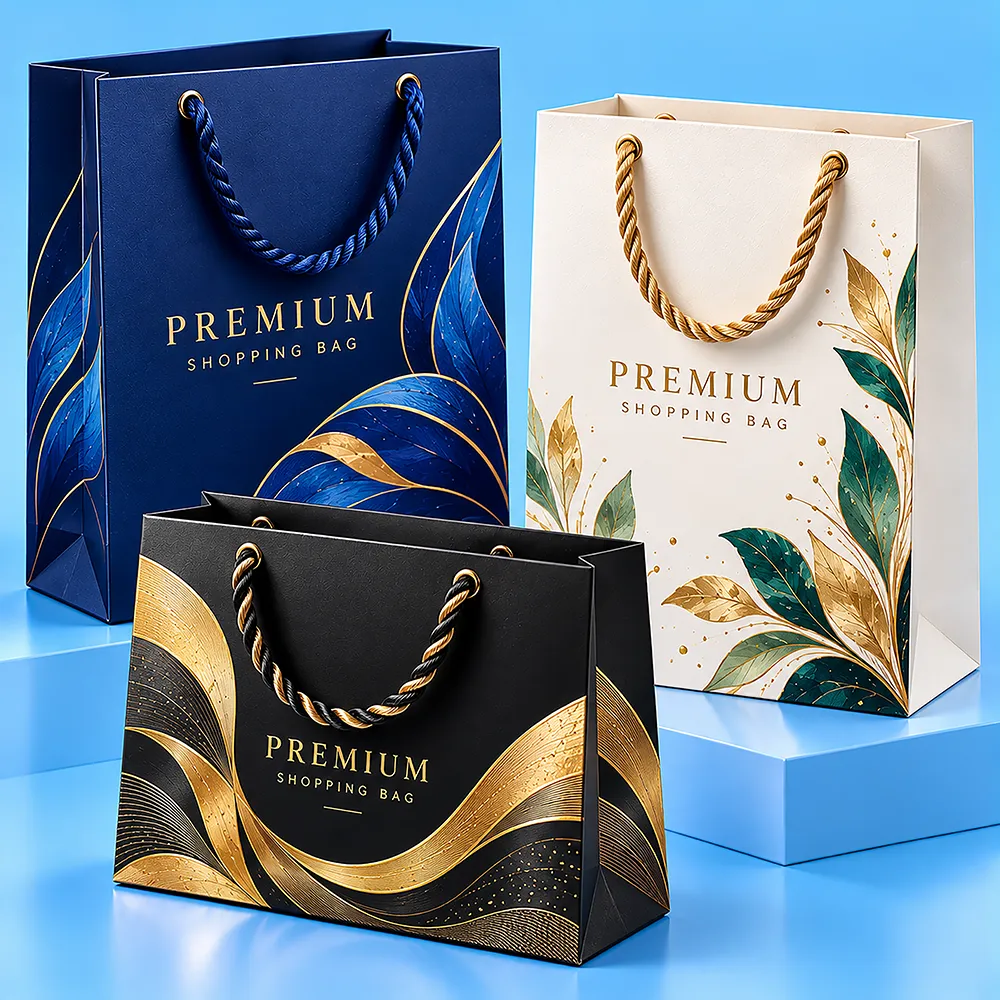
Custom Branded Boxes

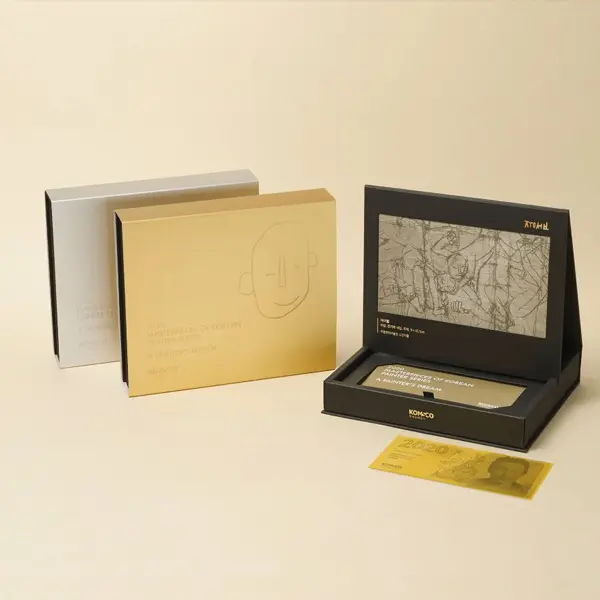
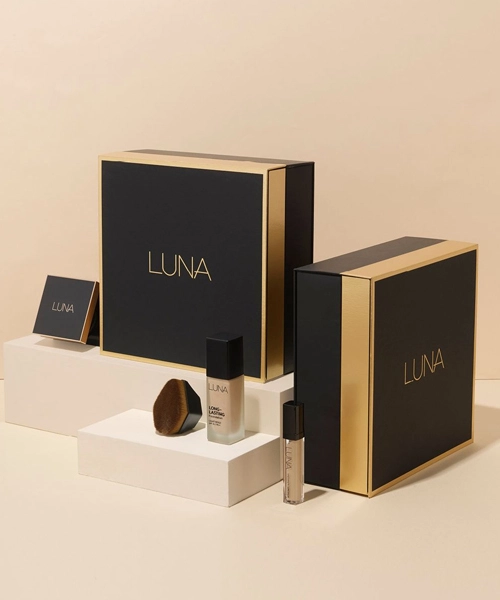
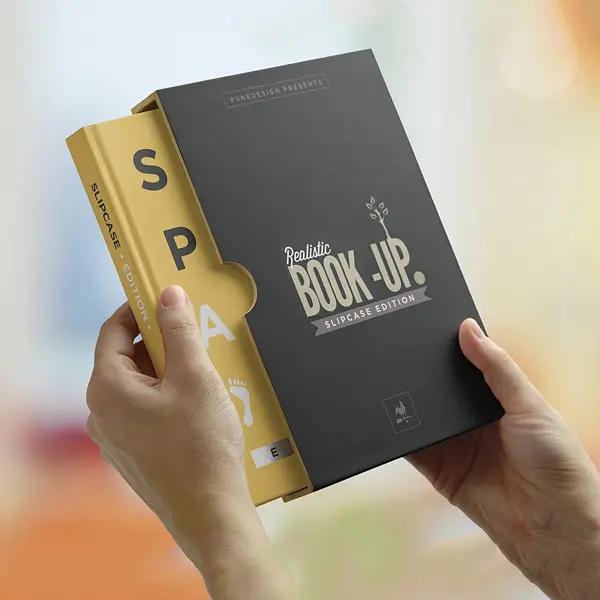
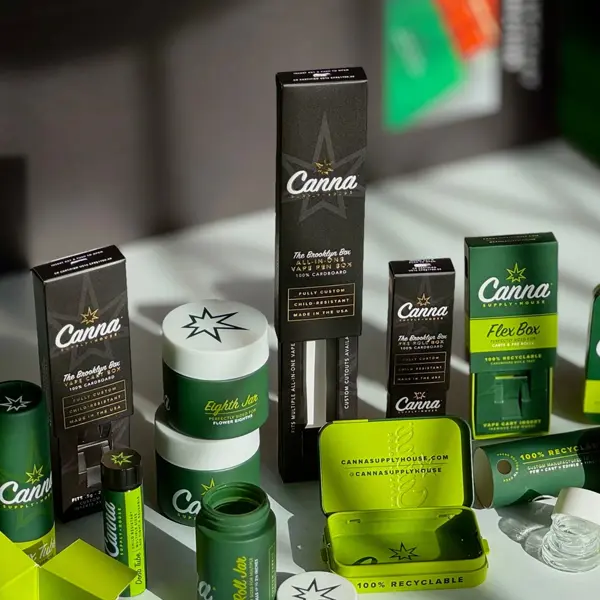
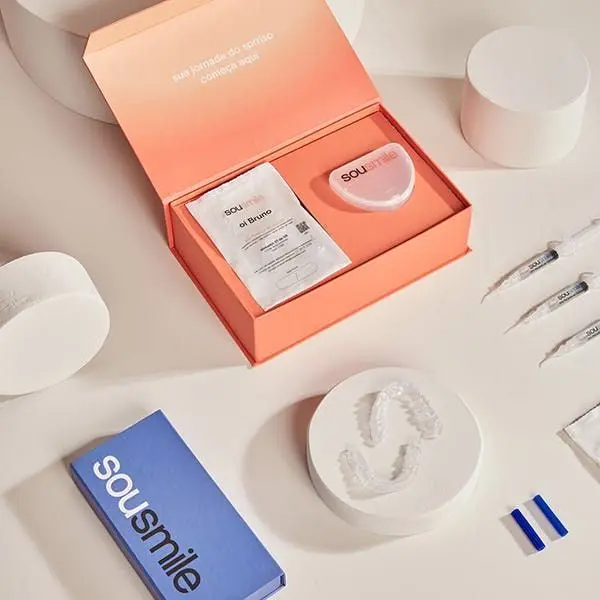
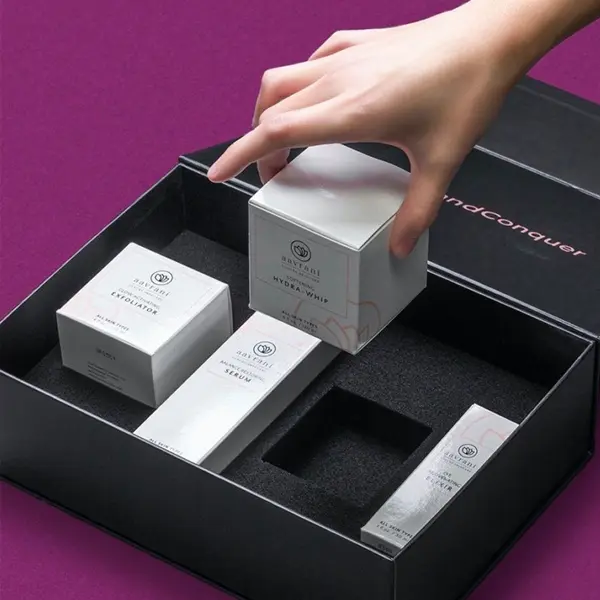
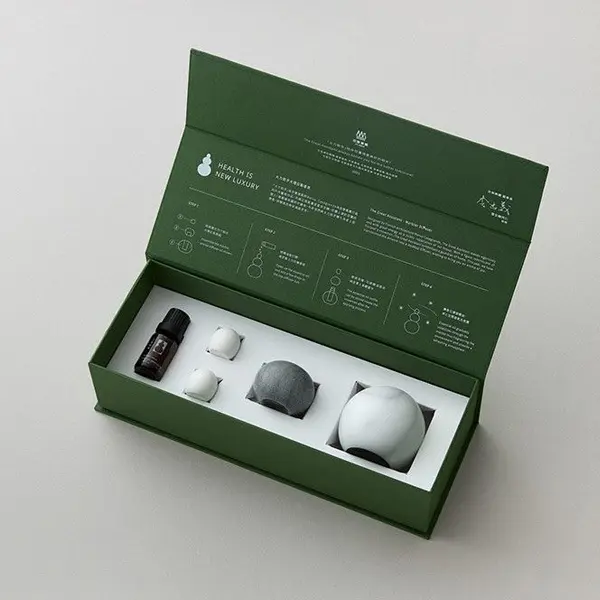
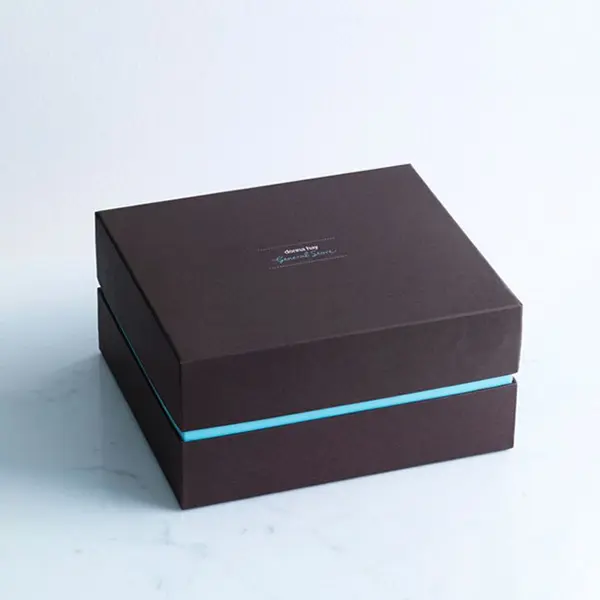
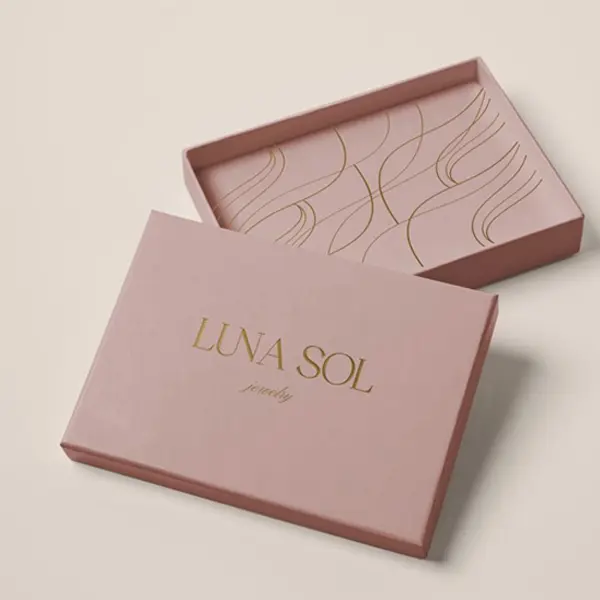
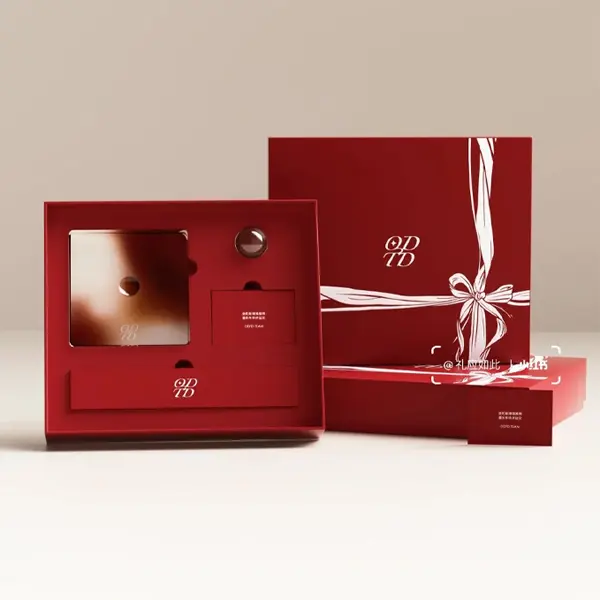
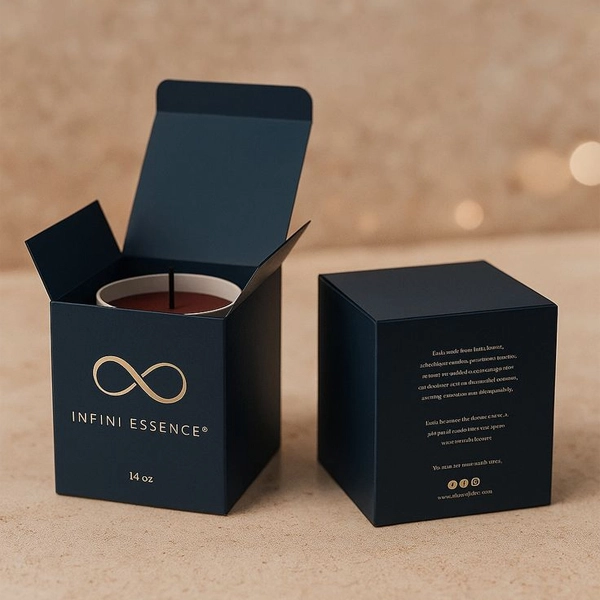
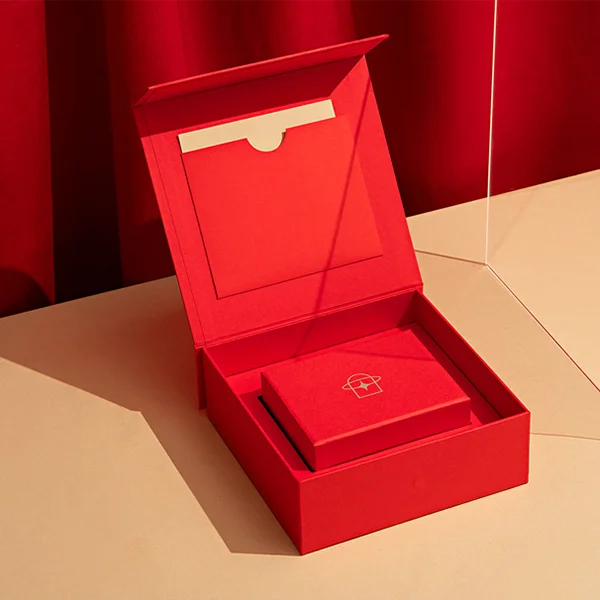
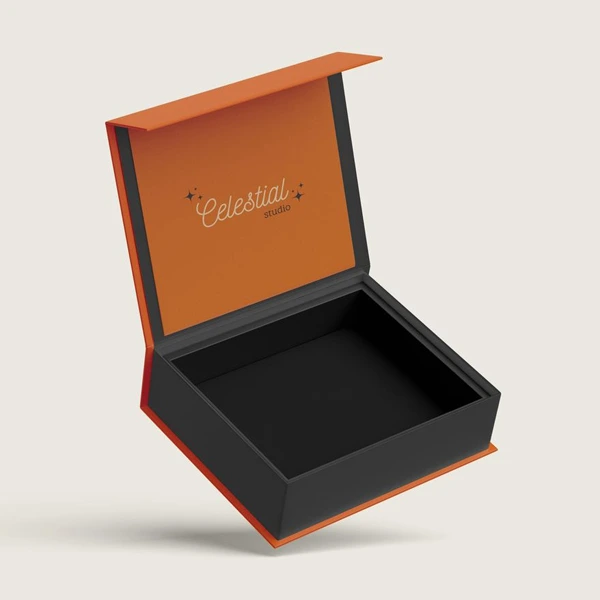
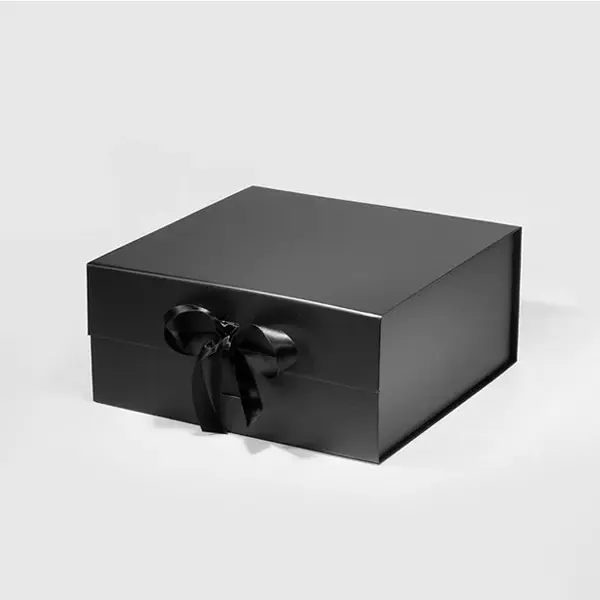
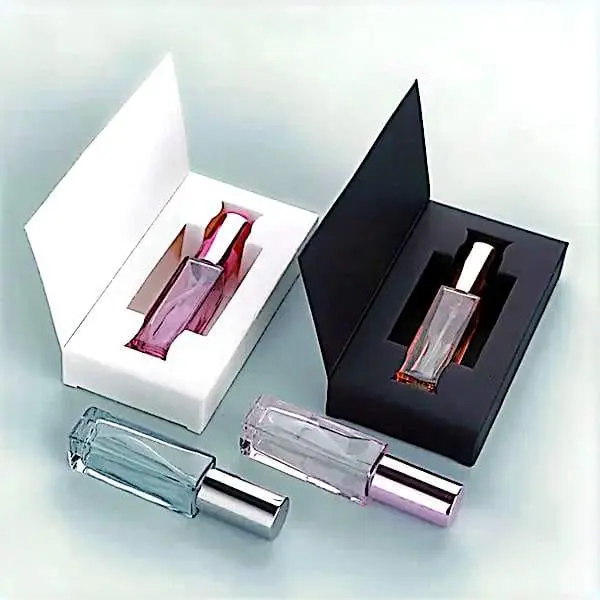
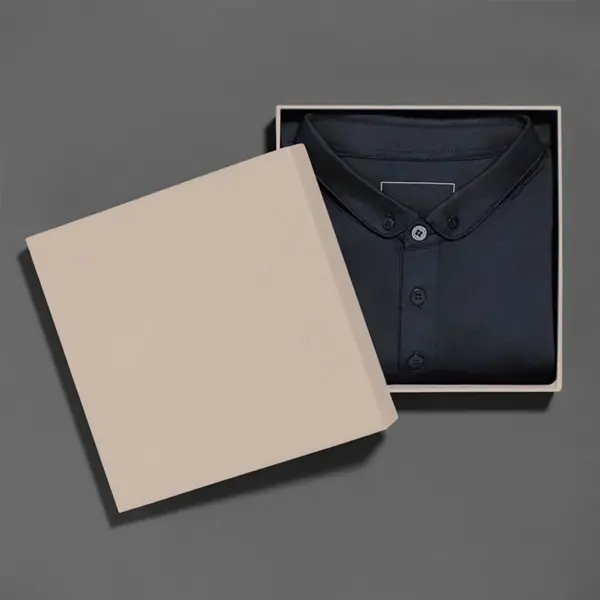
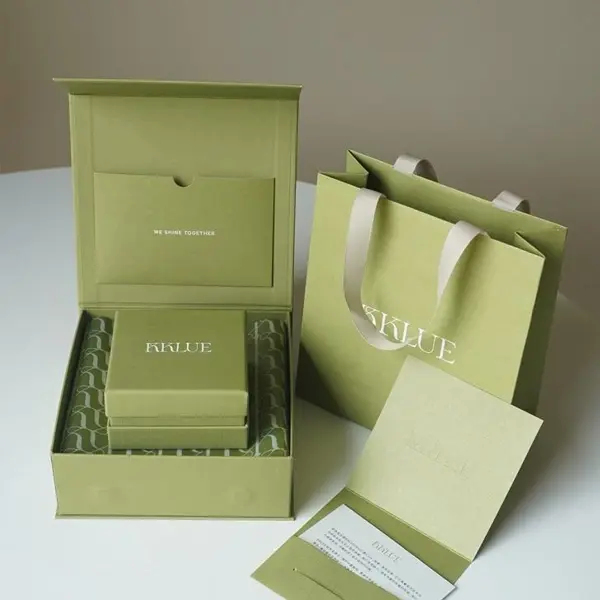
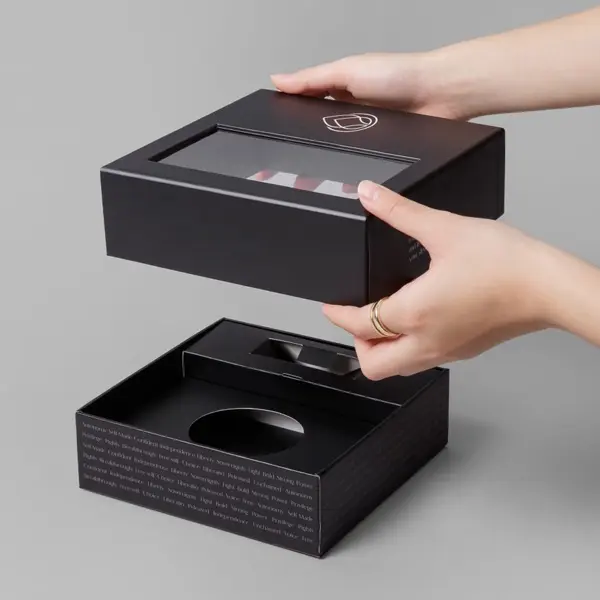
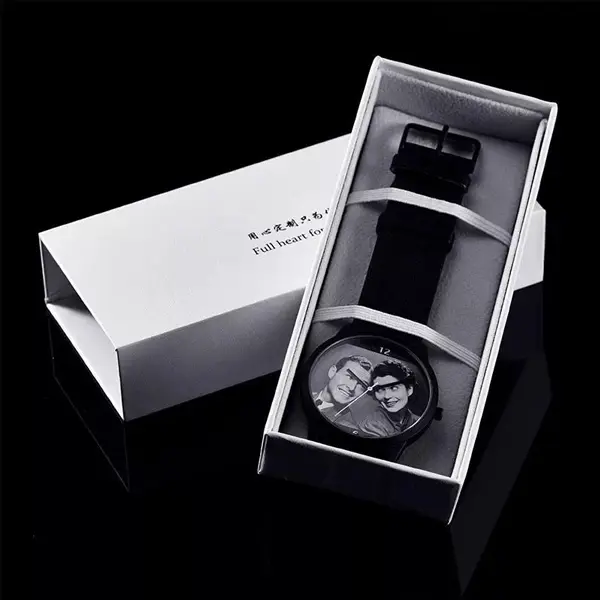
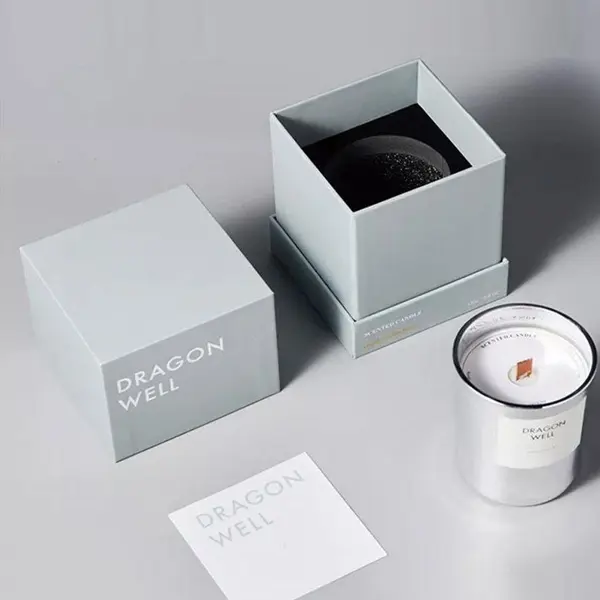
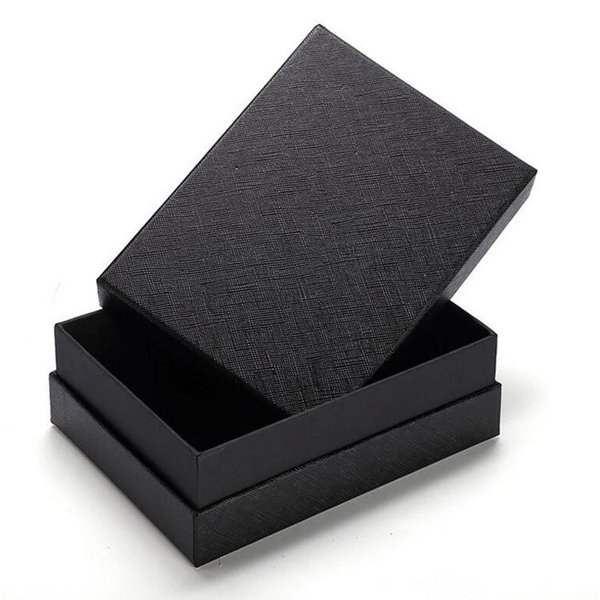
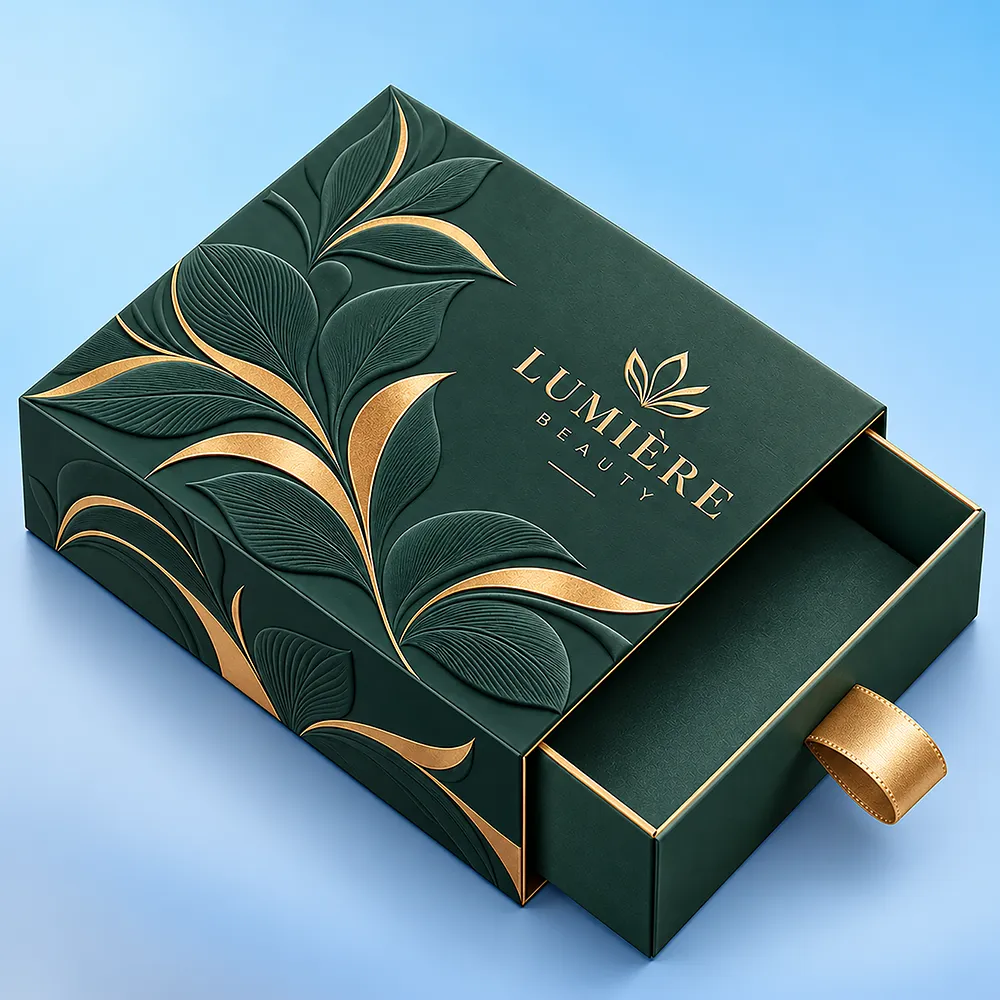
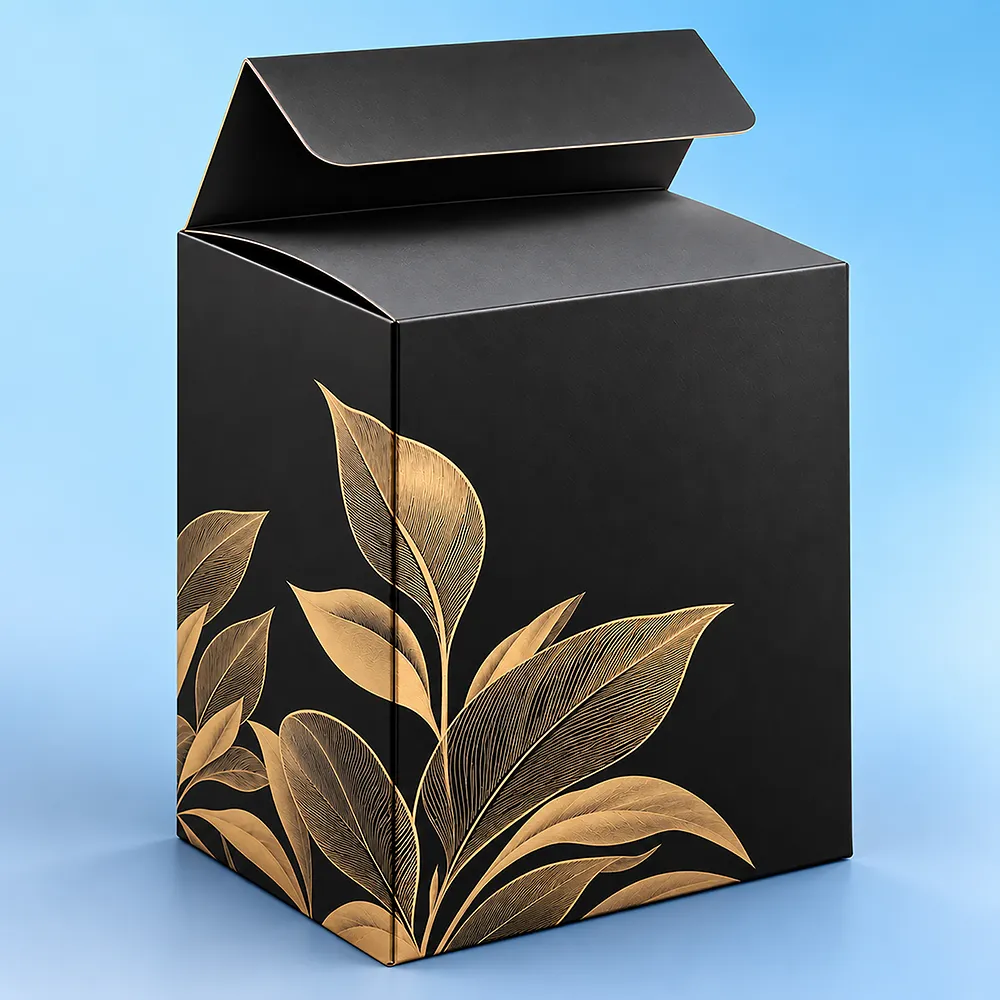
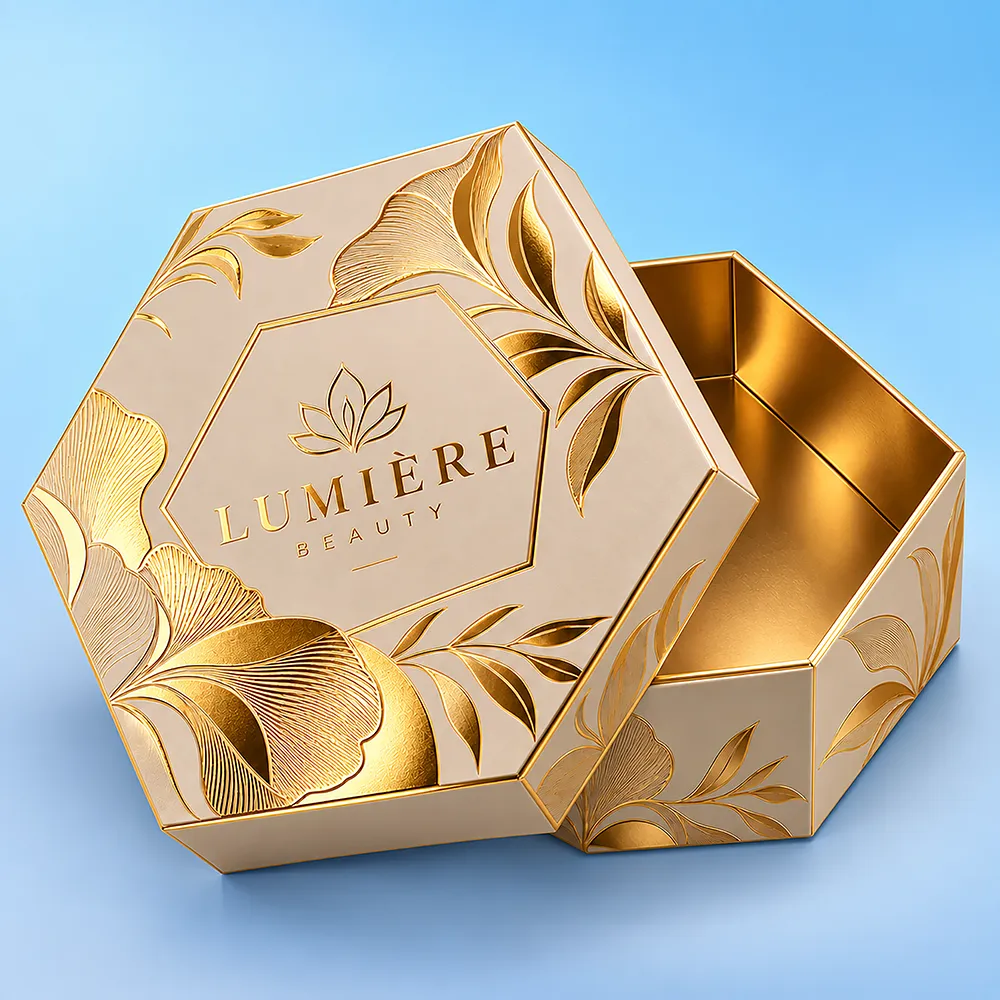
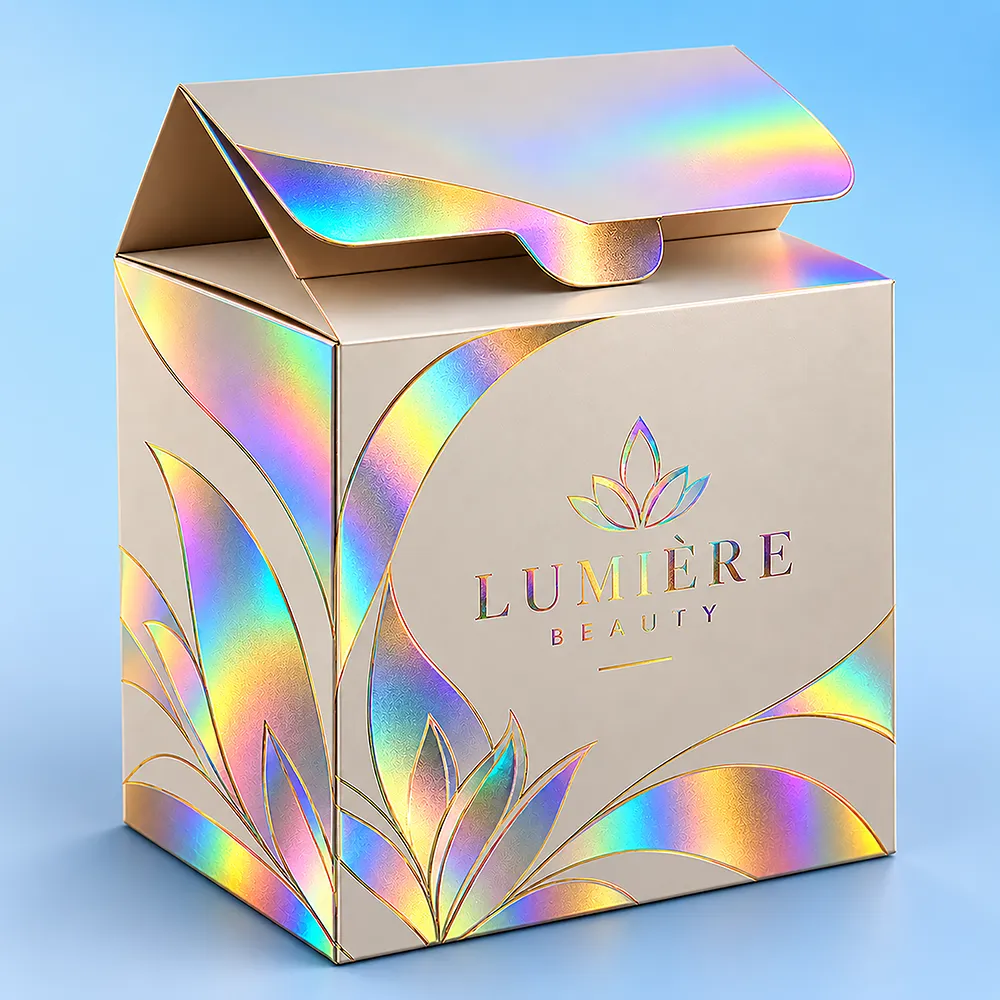
Custom branded rigid boxes are designed around your product dimensions, brand artwork and presentation requirements. Configure the box structure, custom sizing, logo placement, exterior and interior branding, surface treatment and product fit for cosmetics, fragrances, jewelry, watches, electronics, gift sets, corporate products and PR kits.Share your product size, approximate weight, quantity, preferred structure, artwork and delivery destination to request a custom quotation.  
Trustpilot_Logo
5 out of 5 stars
4.3
Reviews 8 • Excellent

Custom Branded Boxes Packaging to Elevate Your Brand

Showcase your brand in style with Custom Branded Boxes. Made from sturdy, eco-friendly materials, these boxes are fully customizable in size, color, finish, and logo to create a polished, premium packaging solution.

What We Give

Create Custom Boxes Quick and Easy

Design

Get your custom boxes made in the required size, shape, and style.

Print

Upload your artwork and get it superbly printed the way you want.

Get it done

Order any quantity, enjoy a wholesale price, pay no extra for die plates.

Product Specification

Specification Details
Product Type Custom branded rigid presentation boxes
Size Custom dimensions based on product requirements
Branding Custom logo, brand colors and artwork
Structure Selected according to product fit and presentation needs
Print Areas Exterior and interior where the approved structure allows
Interior Product-fit and insert planning where required
Pricing Custom quotation based on project specifications

Related Products

Wholesale Rigid Watch Boxes | Durable & Stylish Packaging Solutions
Custom Rigid Set Up Boxes | Personalized Packaging With Logo Printing
custom-rigid-jewelry-boxes
Custom USB Boxes | Premium Packaging for Flash Drives
Custom Shoulder Boxes | Luxury Packaging for Apparel & Gifts | BoxBaba USA
Custom rigid mailer for documents and flat products
Foldable rigid box opened flat for easy shipping and storage
Luxury black truffle box showcasing gourmet chocolates in matte rigid packaging
Open custom rigid credit card presentation box with fitted card insert
Premium Dental Lab Boxes | High-Strength Packaging for Medical Products
Wholesale Sliding Drawer Boxes | Durable & Stylish Packaging
Custom Foam Inserts | Protective Packaging Inserts | BoxBaba USA
Book Slipcase Packaging | Elegant Protective Boxes for Books
Custom Gold Embossed Boxes | Elegant Gift & Retail Packaging
Minimalist luxury candle packaging pastel colour box with soft-touch finish
Custom book rigid box with printed cover and fitted interior
Wholesale Child Resistant Boxes | Affordable Certified Safety Packaging
Custom tie packaging boxes with logo for apparel and fashion brands
Elegant custom black magnetic gift boxes for luxury product packaging
Custom Rigid Apparel Boxes | Personalized Packaging with Logo Printing
1
Wholesale Two Piece Rigid Boxes | Affordable Custom Packaging Solutions
Luxury Rigid
Luxury rigid Perfume Boxes for premium fragrance brands – BoxBaba

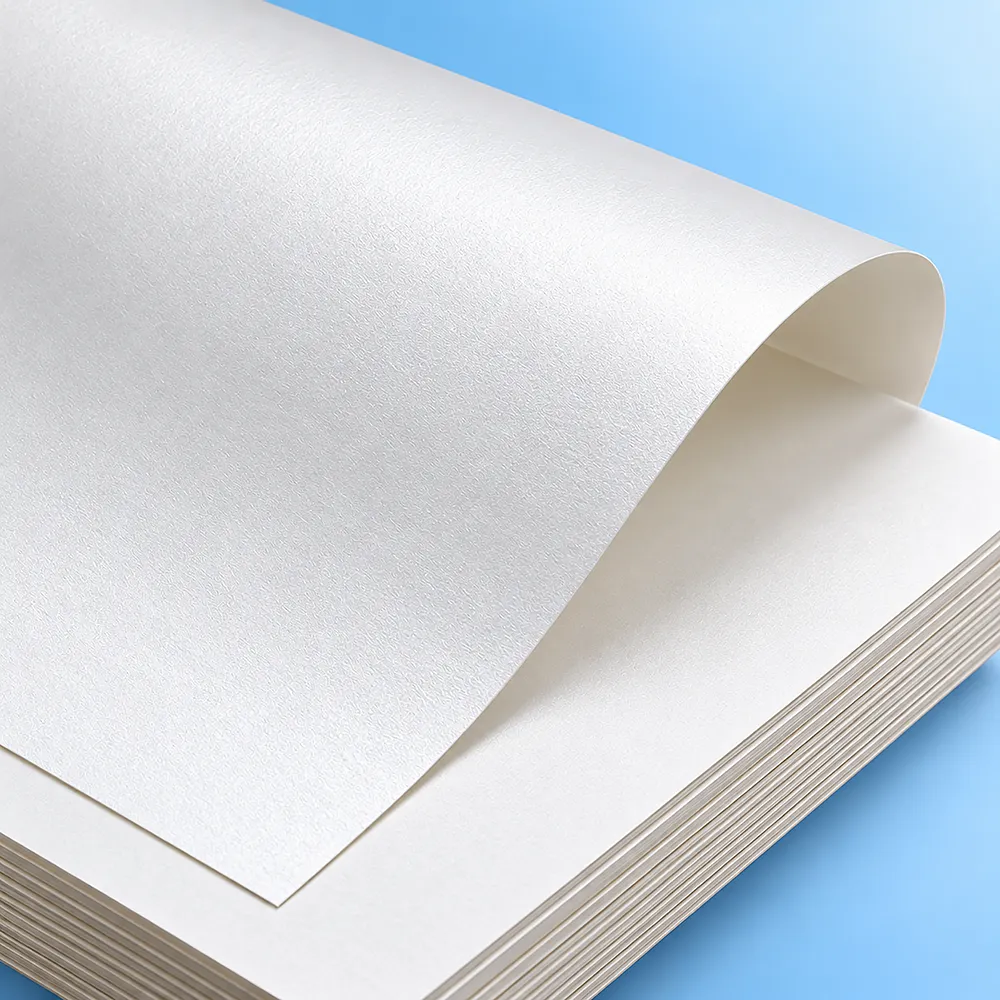
Stock Type & Thickness

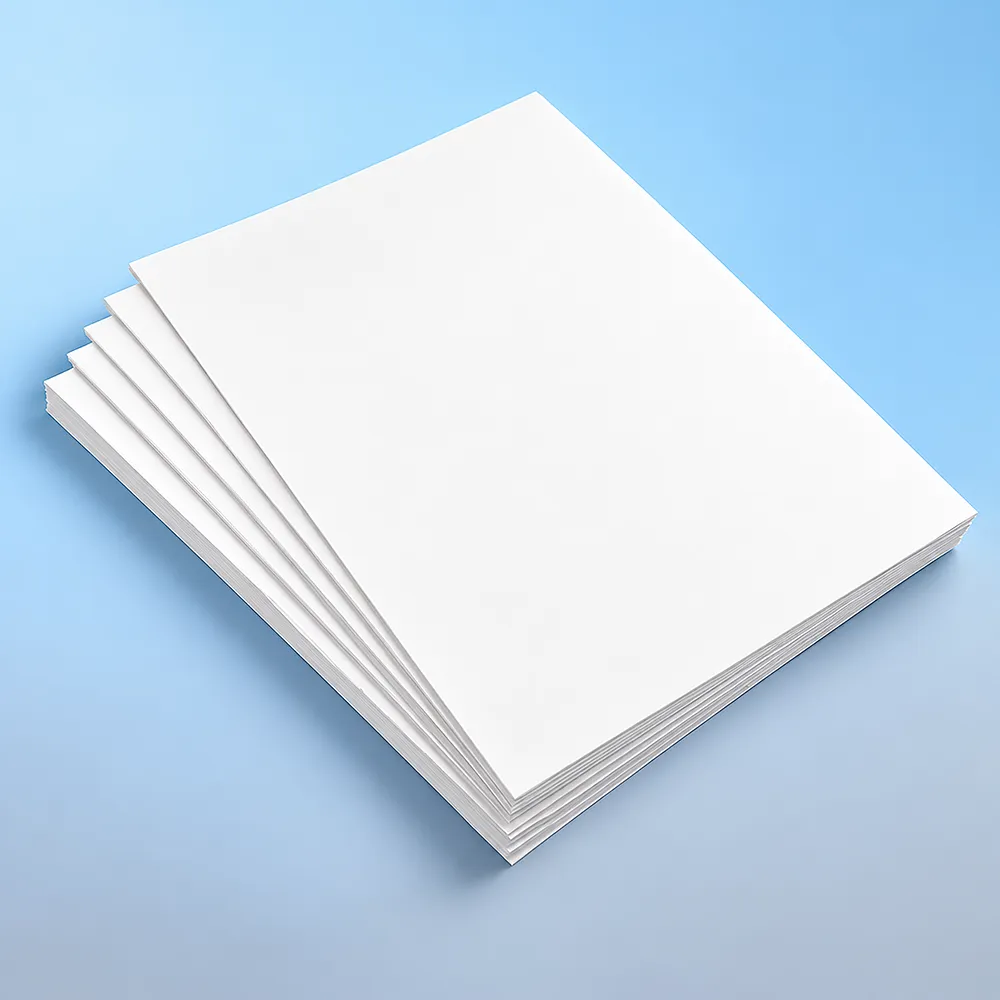
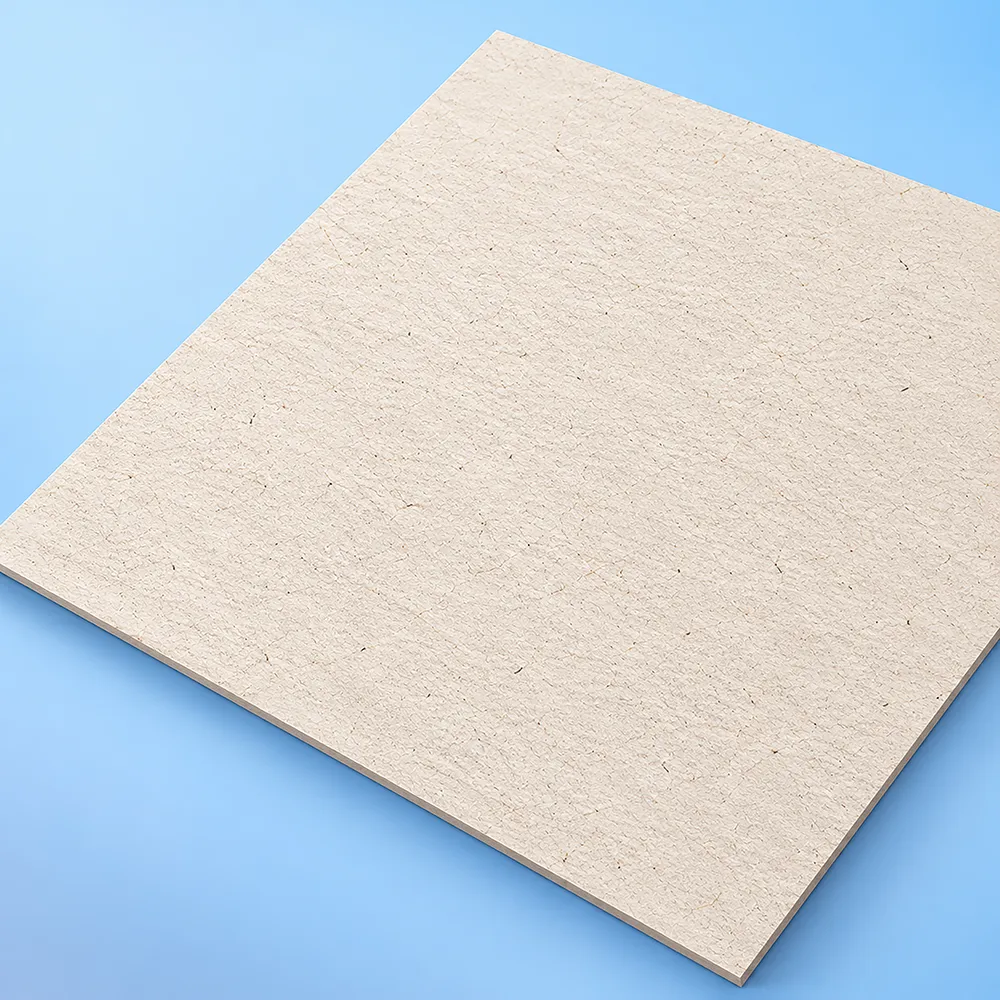
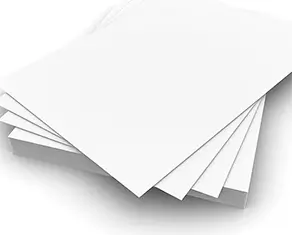
Cardboard

We use cardboard material with the least environmental impact and minimizes waste generation.
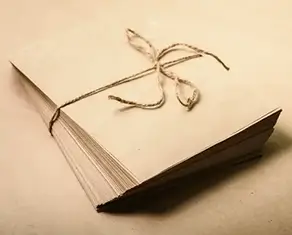
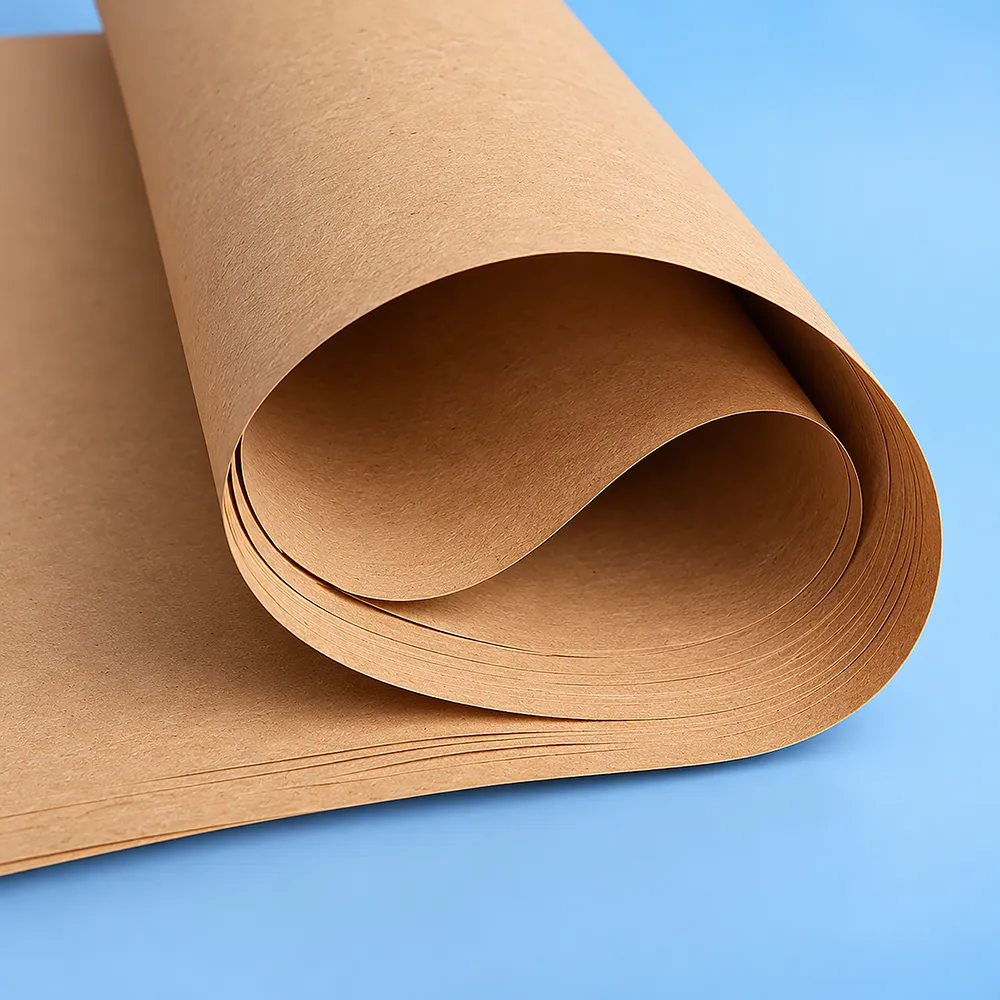
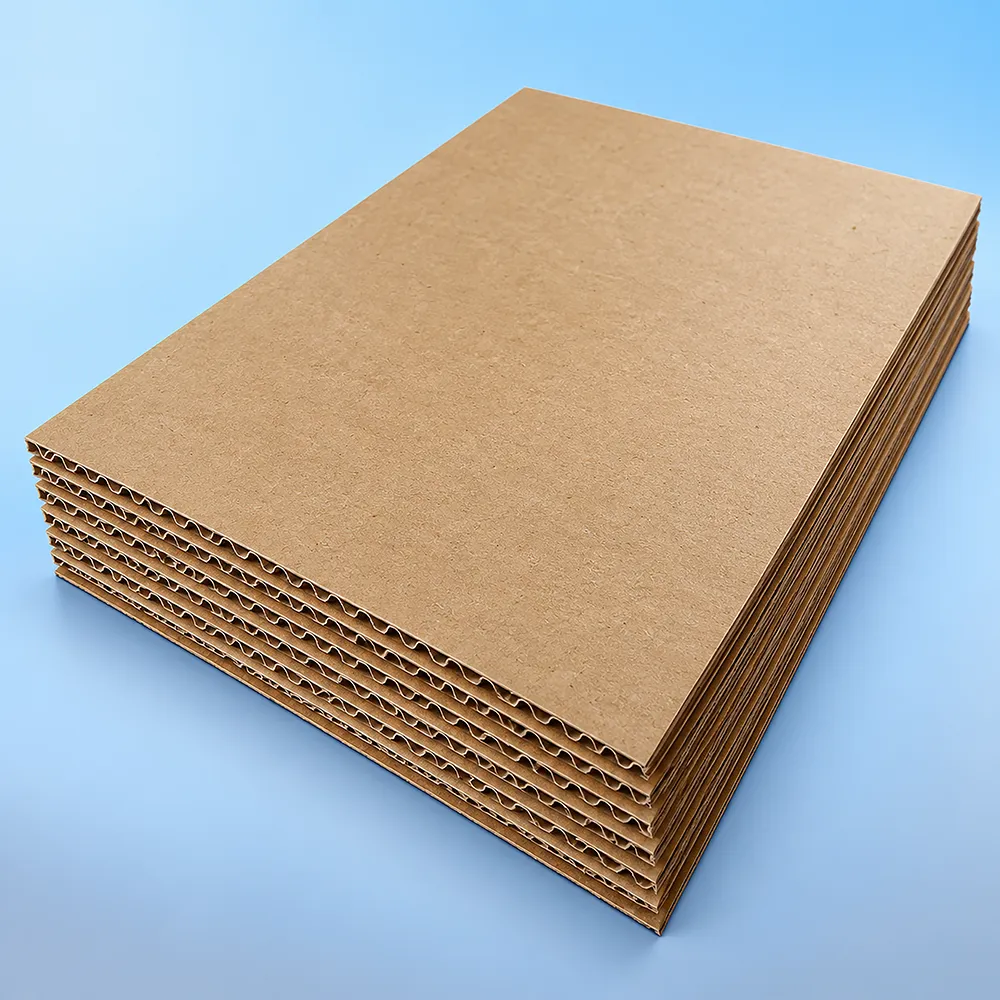
Kraft

Kraft paper is a strong, durable and reliable material that is widely used across many different industries.
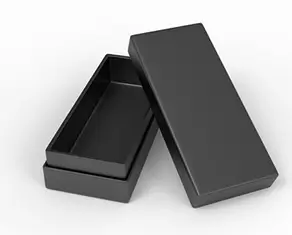
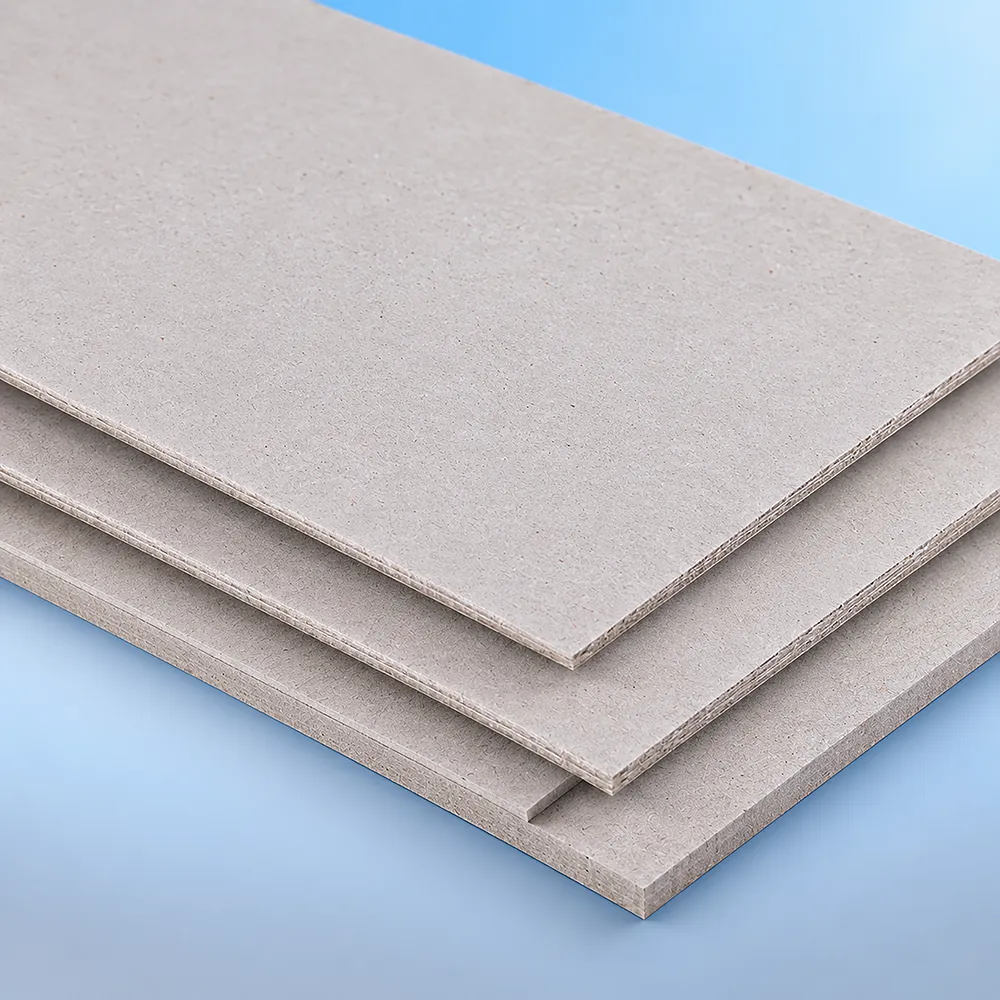
Rigid

Rigid is highly protective, affordable and recyclable material. These boxes provide maximum protection.
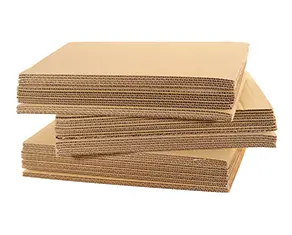
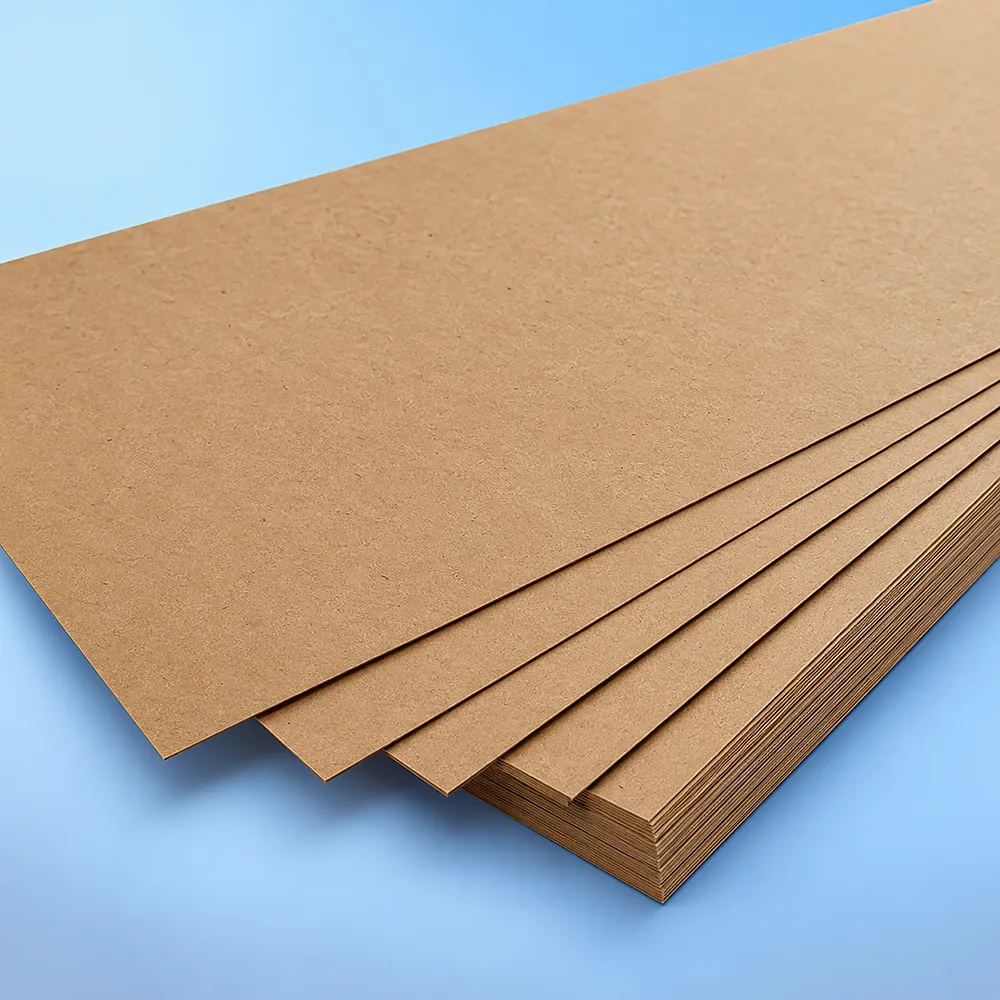
Corrugated

Corrugated material is easy to customize, cost effective and sustainable. It is also great for branding purposes.
Finishing Assortment

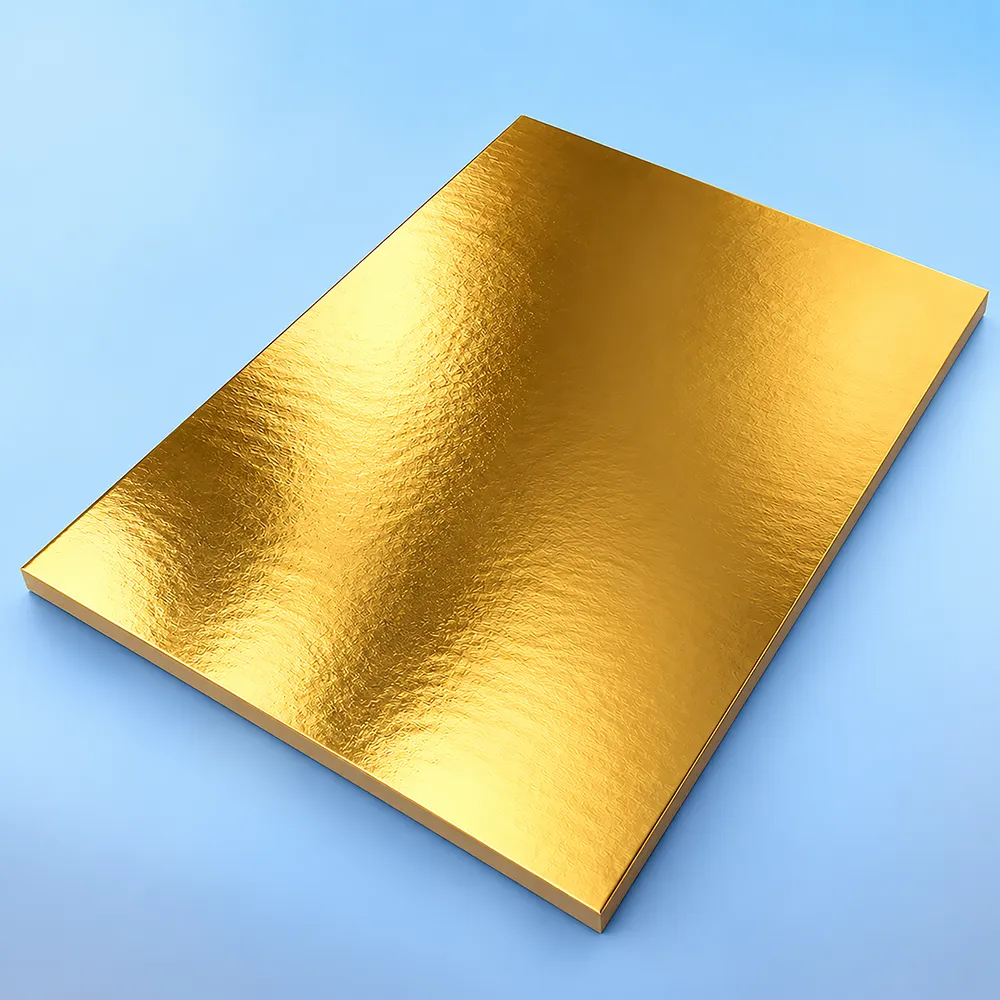
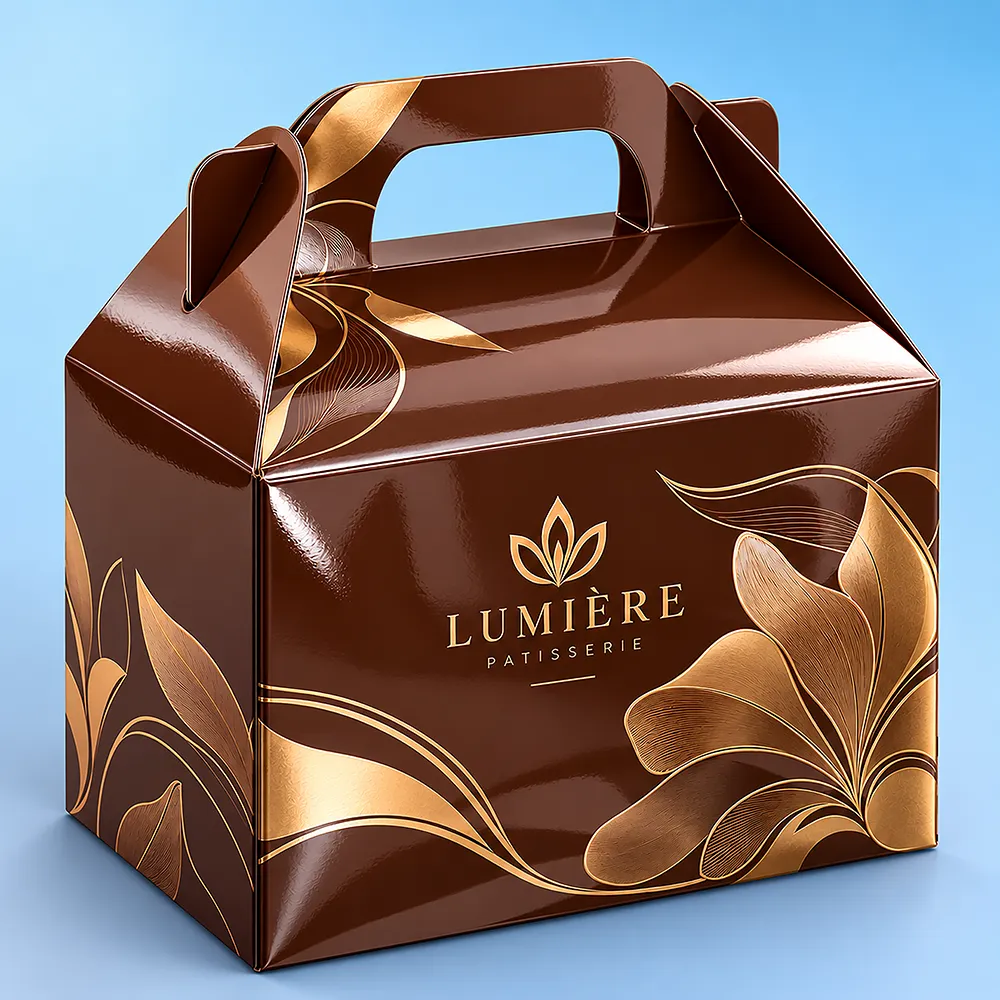
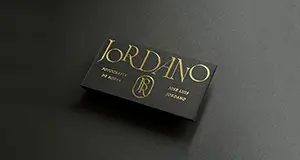
Foil Stamping

Foil Stamping

Enhance your packaging with premium foil stamping for a bold and luxurious appearance.

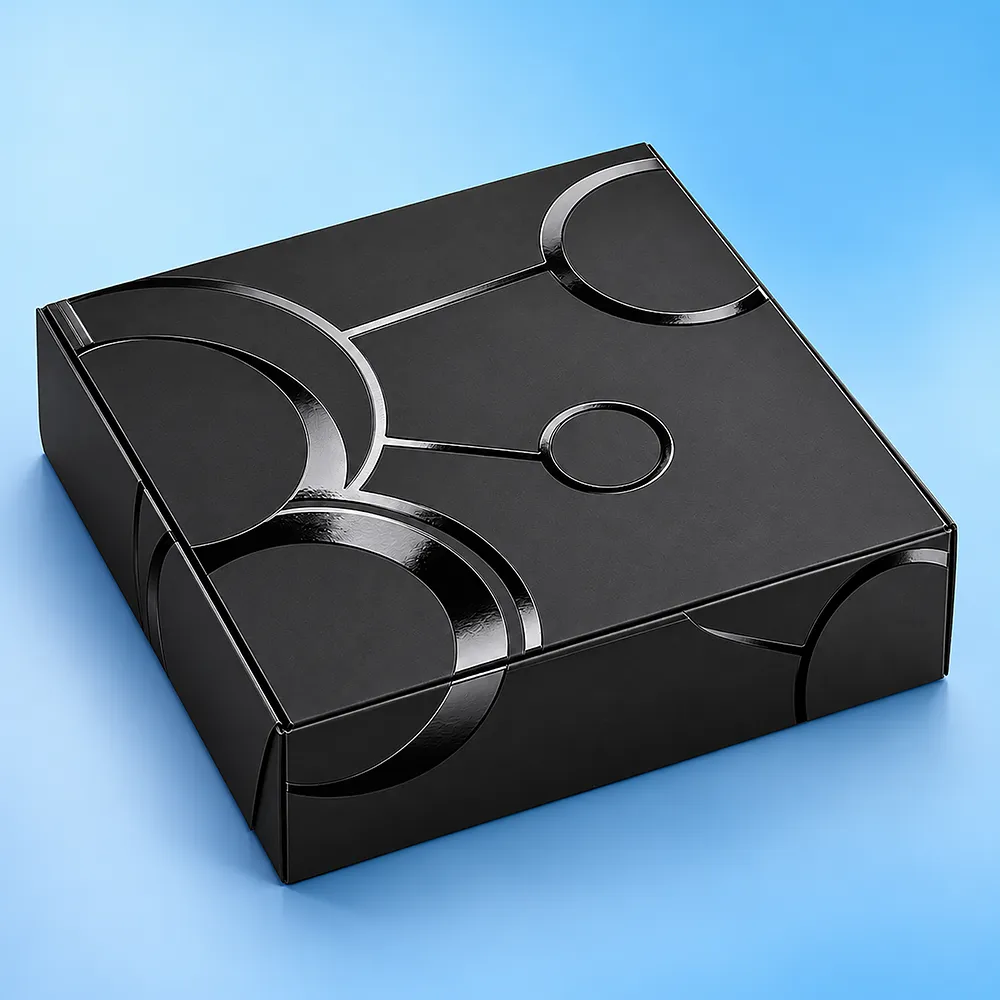
Spot UV

Spot UV

Our Spot UV coating adds a sleek shine and highlights key design elements beautifully.
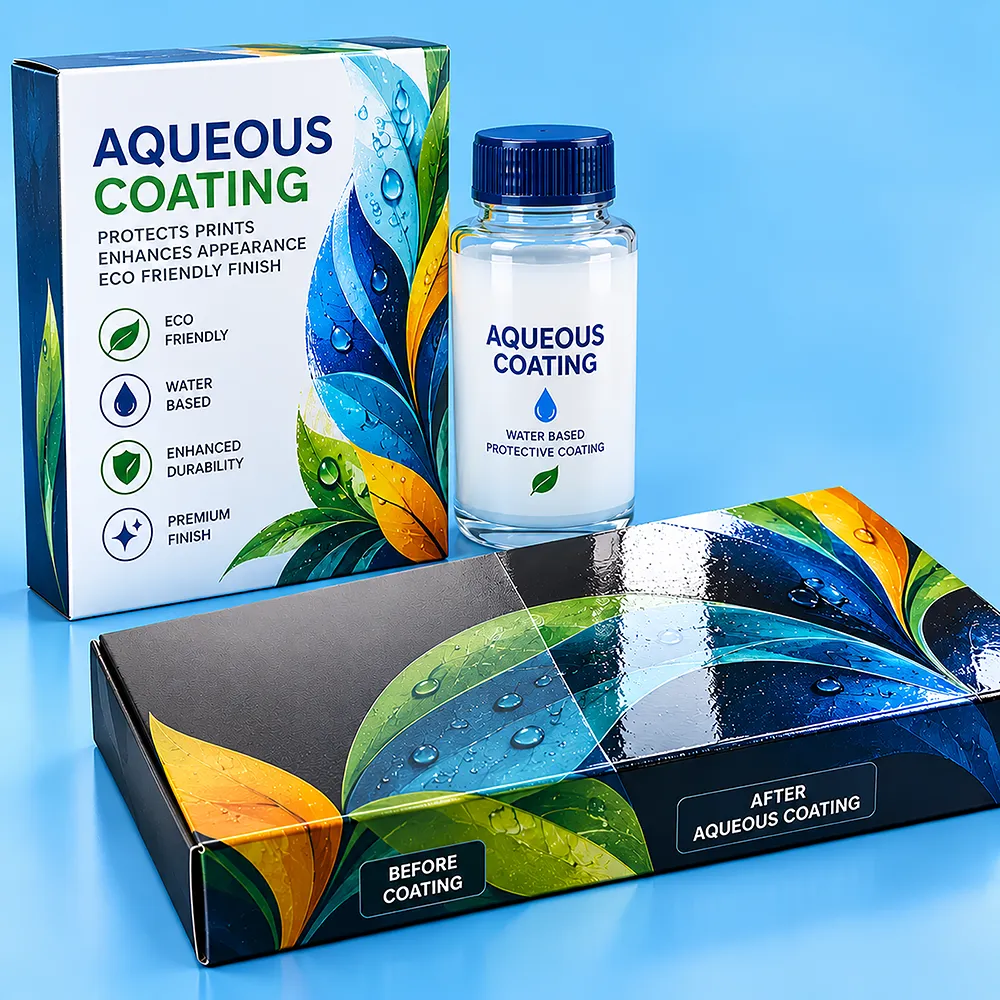
Gloss-Lamination

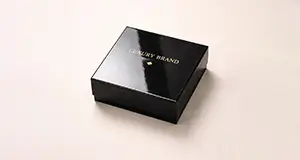
Gloss

Give your packaging a polished, glossy finish that enhances color and visual appeal.
Holographic Foiling

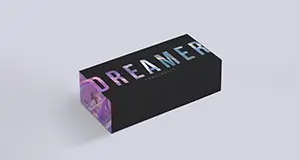
Holographic Foiling

Create eye-catching packaging with holographic foil effects that shimmer from every angle.
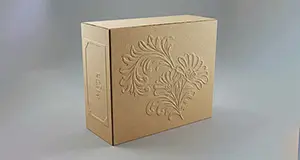
Embossing

Embossing

Add raised textures and elegant detailing to make your packaging stand out.
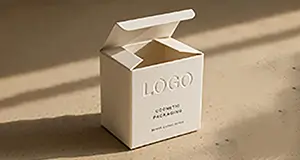
Debossing

Debossing

Create a refined pressed-in effect that adds depth and sophistication to your packaging.
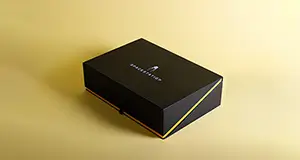
Matte

Matte

Achieve a smooth matte finish that minimizes fingerprints and delivers a modern look.
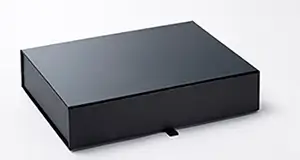
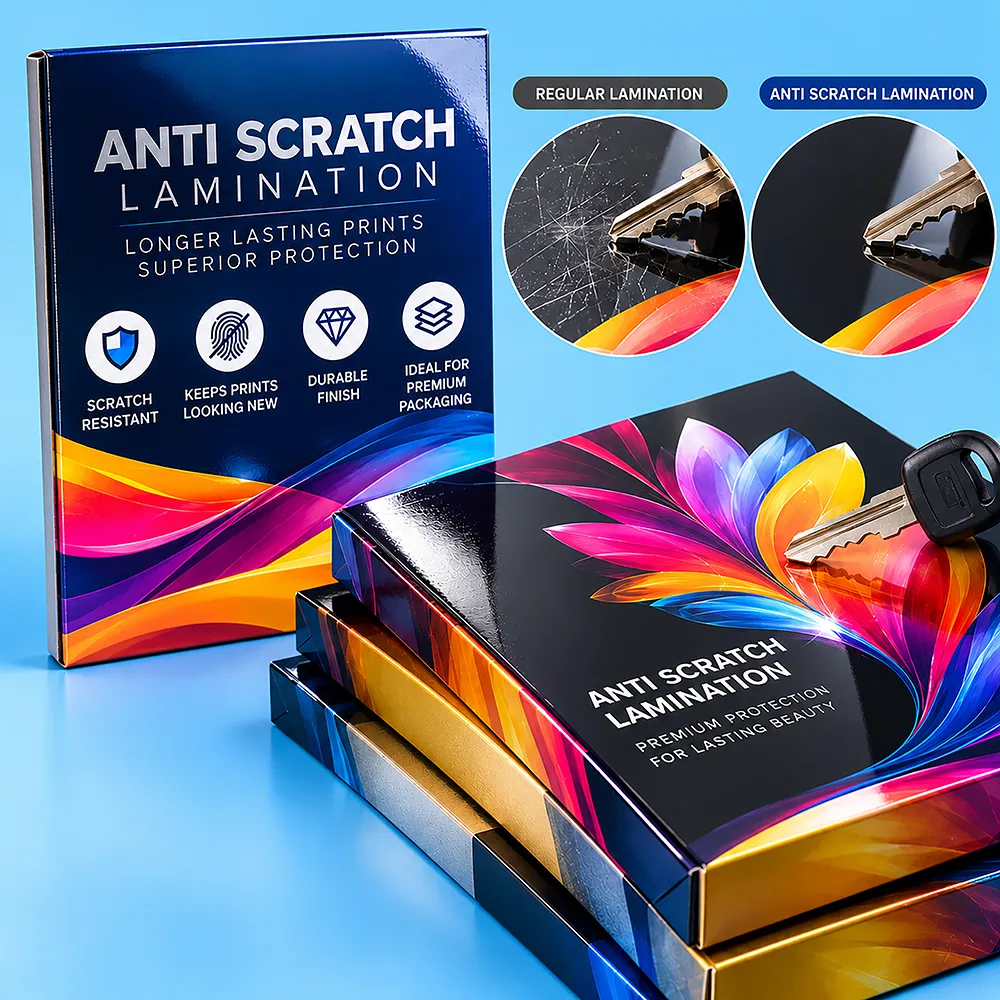
Soft Touch Lamination

Soft Touch Lamination

Protect your packaging with a silky-soft laminated finish for a premium feel.
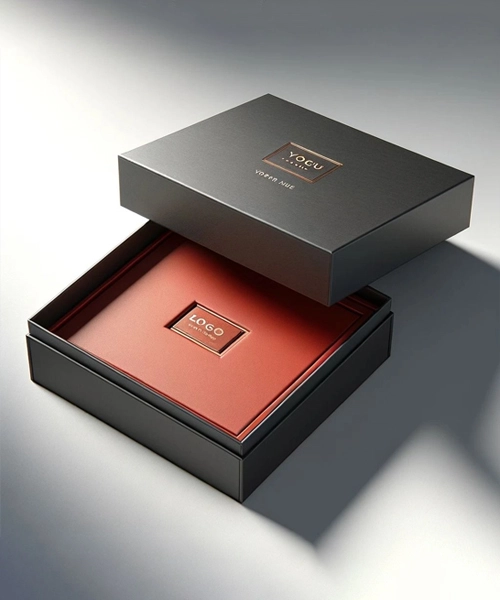
Custom Rigid Packaging Built Around Your Product

A branded rigid box should be developed around the product going inside it rather than selected only because a particular structure looks attractive. The product dimensions, weight, orientation, accessories and presentation requirements can affect:
  • Internal box dimensions
  • Structural style
  • Opening method
  • Product clearance
  • Insert layout
  • Interior presentation
  • Packing method
  • Storage requirements
  • Shipping requirements
The objective is to create a packaging specification that fits the product correctly, supports the intended opening sequence and gives each visible surface a clear role in the brand presentation. For a broader comparison of rigid structures, explore our custom rigid boxes category before choosing an individual format.

When Custom Branded Rigid Boxes Are the Right Choice

Rigid packaging is useful when the package needs to provide more structure and presentation than a lightweight folding carton. Consider a branded rigid box when you need:
  • A formed box that keeps its shape
  • A controlled opening experience
  • Clear logo and artwork presentation
  • Interior branding opportunities
  • Organized product placement
  • A fitted insert or compartment layout
  • Premium retail or gift presentation
  • A consistent packaging system across several products
Rigid packaging may not be the best option when minimum packaging weight, simple transit protection or a lightweight folding format is the main priority. Choosing the correct packaging family is more important than forcing every product into a rigid structure.

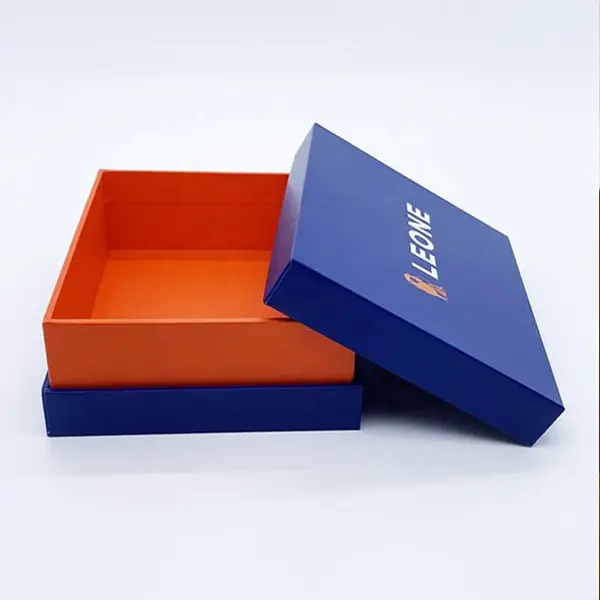
Choose the Right Rigid Box Structure

The structure determines how the package opens, how the product sits inside and how the customer experiences the reveal. Consider:
  • Product size
  • Product weight
  • Fragility
  • Insert requirements
  • Opening sequence
  • Retail presentation
  • Gifting use
  • Storage
  • Shipping

Two-Piece Rigid Boxes

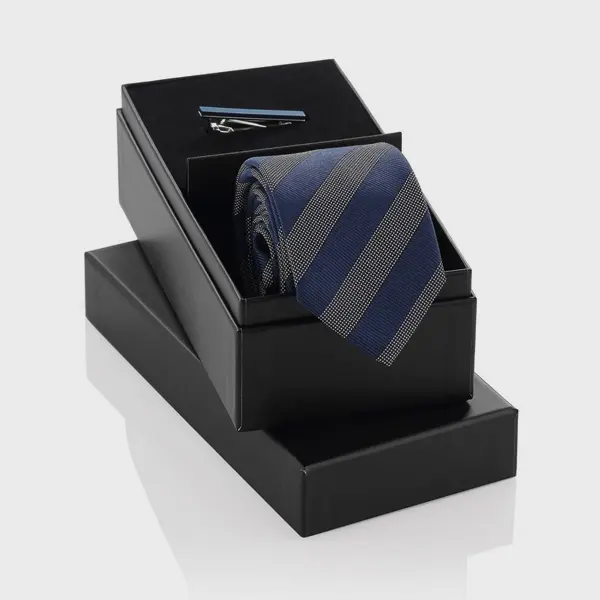
A two-piece rigid box uses a separate lid and base. This format works well when you want:
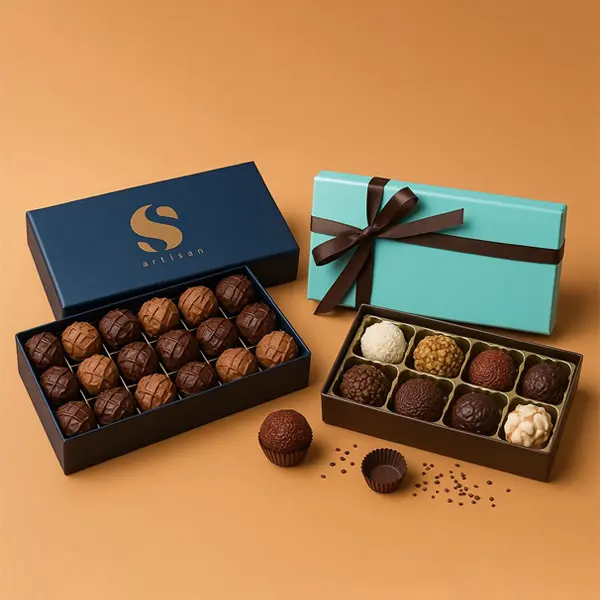
  • A classic lift-off lid
  • Straightforward product access
  • A clean presentation
  • Space for a fitted insert inside the base
Compare with two-piece rigid boxes when a removable-lid structure is preferred.

Magnetic Closure Boxes

Magnetic rigid packaging creates a hinged opening and controlled closing experience. Consider this structure when:
  • The box may be opened repeatedly
  • Interior-lid branding is important
  • A presentation-style opening is preferred
  • The packaging is intended for gifting or display
Explore magnetic closure boxes when a hinged magnetic opening supports the product experience.

Drawer Rigid Boxes

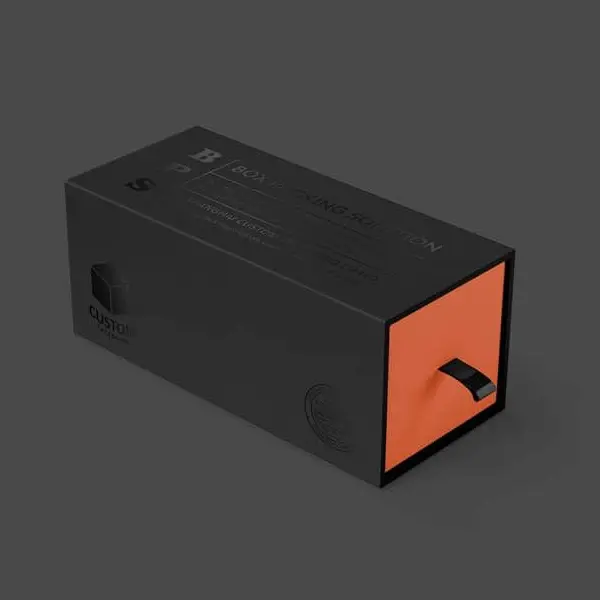
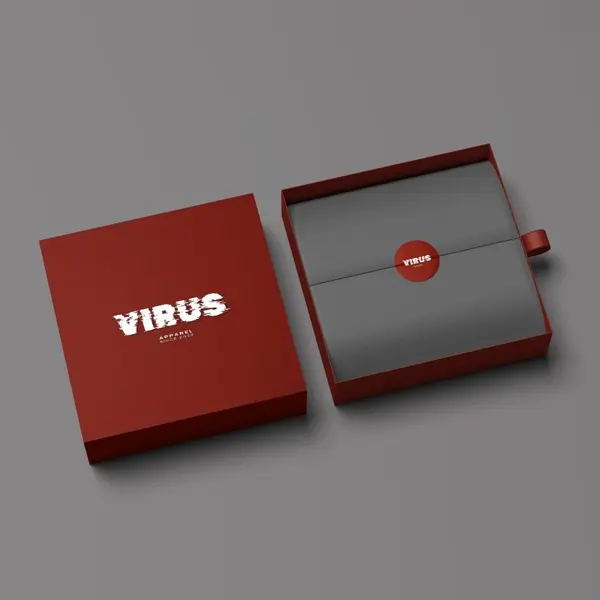
Drawer boxes use an inner tray that slides from an outer sleeve. This format can be useful when:
  • A gradual product reveal is desired
  • The product needs to remain positioned in a tray
  • A pull-out opening supports the presentation concept
Compare with drawer rigid boxes.

Book-Style Rigid Boxes

Book-style rigid packaging uses a hinged cover and spine. This creates useful surfaces for:
  • Interior artwork
  • Product messaging
  • Instructions
  • Brand stories
  • Campaign graphics
Explore book rigid boxes when a hinged presentation structure is preferred.

Collapsible Rigid Boxes

Collapsible rigid structures may be considered when storage efficiency before assembly is important. The right choice depends on the actual product, weight, assembly requirements and presentation goals.

Which Rigid Box Structure Should You Choose?

Use the following decision table as a starting point rather than a final production specification.
Requirement Recommended Direction
Classic removable-lid presentation Two-piece rigid box
Hinged opening and closing experience Magnetic or book-style structure
Sliding product reveal Drawer rigid box
Large interior branding area Book-style or hinged structure
Reduced storage before assembly Evaluate collapsible construction
Fitted product presentation Select the structure together with the insert
Heavier product Review structural support before choosing the final style
The final box structure should always be reviewed against the actual product.

How to Measure Your Product

Start with the finished product rather than guessing the external size of the box. Measure the product at its:
  • Longest point
  • Widest point
  • Deepest or tallest point
Also identify anything else that must fit inside the packaging. This may include:
  • Cables
  • Chargers
  • Manuals
  • Cards
  • Samples
  • Accessories
  • Secondary products
  • Protective sleeves

Product Dimensions vs Internal Box Dimensions

These measurements are not the same. Product dimensions describe the item being packaged. Internal box dimensions describe the usable space inside the finished box. External dimensions describe the overall outside size of the package. When the finished packaging dimensions are not yet known, provide the product dimensions rather than estimating the final external box size.

Allow Space for Product Fit and Removal

The internal packaging needs sufficient room for:
  • Product placement
  • Insert walls
  • Protective materials
  • Accessories
  • Finger access
  • Product removal
A box that is too tight can make packing and product removal difficult. A box that is too large can allow unnecessary movement and weaken the presentation. The insert and internal dimensions should therefore be planned together rather than treated as separate decisions.

Product Weight Can Change the Packaging Decision

Two products with similar dimensions may still require different packaging. Product weight can influence:
  • Structural support
  • Base strength
  • Insert construction
  • Closure choice
  • Product movement
  • Handling requirements
  • Shipping requirements
A lightweight cosmetic set and a heavier electronics kit should not automatically use the same packaging specification. Include the approximate product weight when requesting a quotation.

Plan Branding Around the Box Structure

Custom branded rigid packaging can provide several surfaces for brand communication. Depending on the selected structure, these may include:
  • Lid
  • Front panel
  • Side panels
  • Base
  • Spine
  • Interior lid
  • Interior base
  • Insert-facing areas
The final artwork should be planned against the approved structure and dieline.

Exterior Branding

Use the exterior for the most important visual information:
  • Logo
  • Product name
  • Main brand colors
  • Key artwork

Interior Branding

Interior surfaces can support:
  • Brand messaging
  • Product information
  • Instructions
  • Campaign copy
  • QR codes
  • Supporting graphics
Separating exterior and interior messaging can create a clearer visual hierarchy and prevent the outside of the package from becoming overcrowded.

Prepare Artwork for the Final Dieline

Artwork should be prepared after the box structure has been finalized. Before approval, review:
  • Logo placement
  • Text size
  • Safe areas
  • Panel orientation
  • Structural joints
  • Fold positions
  • QR-code placement
  • Image resolution
  • Brand-color references
  • Interior and exterior artwork alignment
Avoid placing critical text, logos or scannable codes too close to structural edges, joints or folds. The final dieline should define the actual artwork areas before production artwork is approved.

Choose Surface Treatments Based on Appearance and Handling

Surface treatments can change how branded rigid packaging looks and feels. The right direction depends on the artwork, handling environment and presentation goal. Possible visual directions can include:

Matte Appearance

Creates a lower-glare and more restrained presentation.

Gloss Appearance

Creates stronger reflection and visual contrast.

Tactile Surface

Can add a softer or smoother physical character.

Decorative Metallic Details

Can emphasize selected logos, borders or graphic elements.

Raised or Recessed Details

Can add physical depth to selected artwork.

Selective Gloss Contrast

Can create visual contrast between highlighted and non-highlighted areas. The exact available finish should be confirmed against the selected materials, artwork and production specification before ordering.

Consider Fingerprints, Scuffs and Handling

A surface that looks attractive in a digital mockup may behave differently after packing, shipping and repeated handling. Depending on the material and finish, packaging may show:
  • Fingerprints
  • Dust
  • Rub marks
  • Scuffs
Consider how the box will be packed, stored, transported, displayed, handled and opened repeatedly before finalizing the surface treatment. This is especially important for dark-colored packaging.

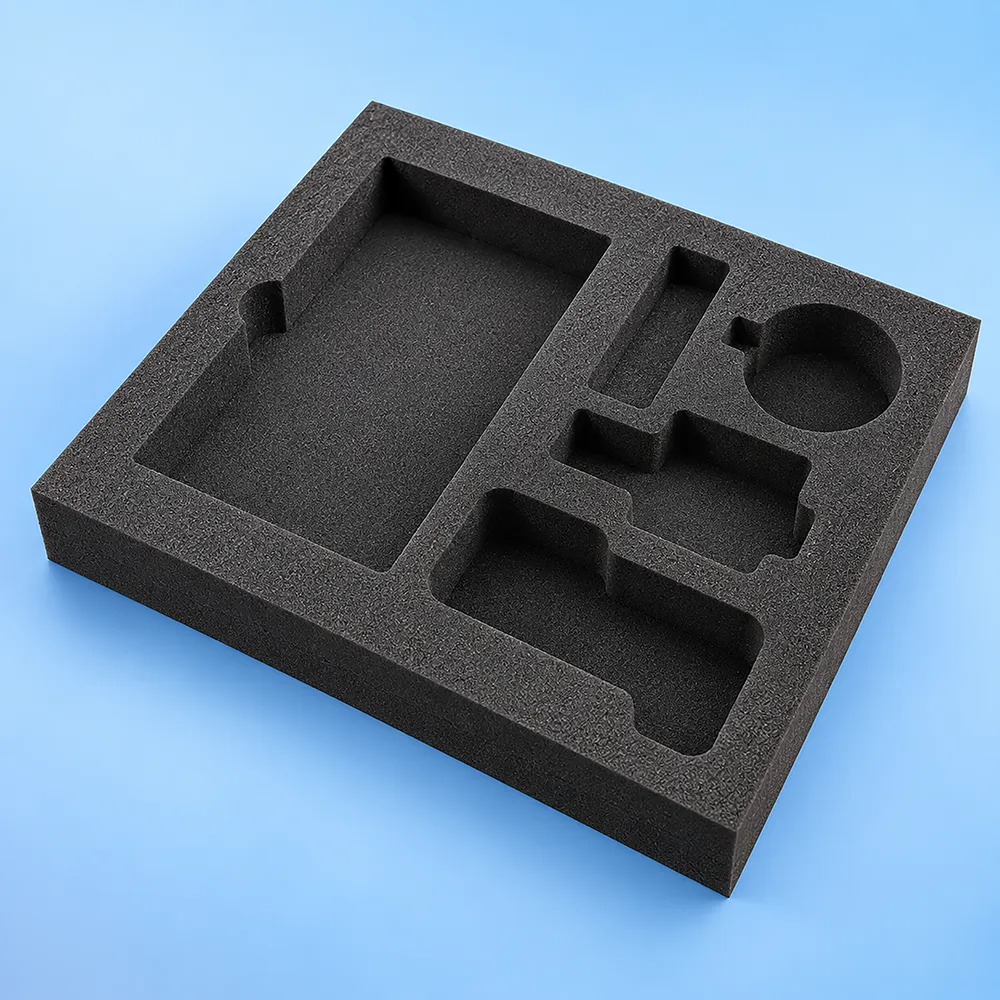
Do You Need an Insert?

An insert can help position the product, organize components and control movement. Consider an insert when:
  • The outer box is larger than the product
  • Several components need separation
  • Product movement should be reduced
  • A specific presentation position is required
  • Accessories need dedicated spaces
Insert planning should consider:
  • Product size
  • Shape
  • Weight
  • Fragility
  • Number of components
  • Removal method
  • Presentation sequence
The box and insert should be developed as one system.

When an Insert May Not Be Necessary

An insert may not be needed when:
  • The product already fits securely
  • No component separation is required
  • The product has its own protective primary packaging
  • A simpler presentation is preferred
An insert should solve a fit, organization, protection or presentation requirement rather than being added only because it appears more premium.

Custom Branded Rigid Boxes for Cosmetics and Beauty Products

Beauty packaging may need to organize bottles, jars, applicators, samples and printed materials. When several products are included, consider whether one fitted layout or separate compartments will provide better organization. The box dimensions should be based on the complete product set rather than only the largest individual item.

Branded Packaging for Fragrances

Fragrance packaging should account for bottle dimensions, bottle weight, product movement, presentation orientation and product-removal method. The outer structure and internal fit should be planned together. An oversized presentation box without adequate product positioning can reduce rather than improve the unboxing experience.

Branded Rigid Boxes for Jewelry and Watches

Jewelry and watches often benefit from controlled product positioning. Consider:
  • Product orientation
  • Insert requirements
  • Accessory placement
  • Opening sequence
  • Interior branding
Avoid selecting an unnecessarily oversized box simply to make a small product appear more premium. Good presentation still depends on proportion and fit.

Branded Packaging for Electronics

Electronics packaging may need to organize the main device, cables, adapters, documentation and accessories. Weight and component separation can be especially important. The internal layout should be defined before the external size is finalized.

Corporate Gift and Presentation Boxes

Corporate kits may contain several products with different dimensions and shapes. Before finalizing the structure, identify:
  • Number of products
  • Product placement
  • Insert or divider needs
  • Brand messaging
  • Opening sequence
  • Shipping requirements
A clear component list can prevent fit problems later in the packaging process.

PR and Influencer Packaging

PR kits often combine product presentation with campaign communication. The packaging can use:
  • Interior-lid messaging
  • Product compartments
  • Campaign graphics
  • QR codes
  • Launch information
When the main purpose is a campaign or influencer mailing, compare this format with custom PR boxes.

Build a Consistent Packaging System Across Multiple Products

Brands with several related products can create a shared packaging system rather than treating every SKU as an unrelated design project. A consistent system can maintain:
  • Logo position
  • Typography
  • Brand colors
  • Artwork hierarchy
  • Structural language
  • Surface-treatment strategy
while allowing differences in:
  • Box dimensions
  • Product names
  • Insert layouts
  • SKU identification
  • Accent colors
This supports visual consistency without forcing every product into the same box size or internal layout.

When Another Packaging Type May Be Better

Rigid packaging is not the correct solution for every product. Another packaging family may be more appropriate when:
  • Minimum packaging weight is the priority
  • A lightweight folding carton provides sufficient structure
  • Corrugated protection is required for shipping
  • The package must collapse completely
  • Cost sensitivity outweighs presentation requirements
  • The product does not need rigid presentation packaging
For broader packaging selection, use the appropriate BoxBaba category instead of forcing every project into a rigid-box format.

Information Needed for an Accurate Quote

Providing complete information helps define the packaging specification more accurately.

Product Details

  • Product dimensions
  • Approximate product weight
  • Number of products per box
  • Accessories
  • Product orientation

Packaging Requirements

  • Required quantity
  • Preferred box structure
  • Insert requirements
  • Exterior branding requirements
  • Interior branding requirements
  • Preferred surface or decorative treatment

Artwork

  • Logo files
  • Brand guidelines
  • Existing artwork
  • Reference packaging
  • Existing dieline, when available

Delivery

  • Shipping ZIP code
  • Target delivery date
When a detail is unknown, state Not sure rather than guessing.

Custom Packaging Process

1. Share Your Requirements

Submit the product and project information you already have.

2. Define the Packaging Structure

Review the proposed structure against product size, weight, opening style, insert, storage, shipping and presentation.

3. Prepare the Quotation

The quotation should reflect the actual packaging specification rather than a generic fixed price. Pricing factors can include quantity, dimensions, structure, materials, branding, surface treatments, inserts, sampling requirements and delivery requirements.

4. Finalize the Structure and Artwork

Prepare the artwork according to the final approved structure and dieline.

5. Review the Proof

Before approval, check layout, text, logo, artwork orientation, product fit, color references and structural placement.

6. Approve Production

Production should begin only after the required structural and artwork details have been approved.

Common Ordering Mistakes to Avoid

Guessing the Finished Box Size

Provide product dimensions when you do not know the correct finished packaging dimensions.

Forgetting Product Weight

Weight can affect the structure and insert.

Finalizing the Box Before the Insert

The insert uses internal space and should be considered early in the sizing process.

Preparing Artwork Before the Final Dieline

The approved structure determines the real artwork panels.

Forgetting Accessories

Include everything that must fit inside the package, not only the main product.

Choosing a Surface Without Considering Handling

Think about fingerprints, rub marks, storage and repeated handling.

Using One Box Size for Every Product

A consistent brand system does not require every SKU to use identical dimensions.

Reordering Custom Branded Rigid Boxes

Before placing a repeat order, confirm whether any important specification has changed.
  • Product dimensions
  • Product weight
  • Artwork
  • Logo
  • Brand colors
  • Insert
  • Accessories
  • Quantity
  • Box structure
Keep the approved dieline, artwork version, color references, structural specification and insert specification organized for future repeat orders.

Request a Quote for Custom Branded Rigid Boxes

Share your product dimensions, approximate weight, required quantity, preferred box structure, branding requirements, insert needs and delivery destination. When you are unsure about the structure or finished size, provide the product information you already know so the packaging requirements can be reviewed before quotation.

Frequently Asked Questions

Find all the urgent questions you may have.

Custom branded rigid boxes are formed presentation packages customized with a company's logo, colors, artwork and product-specific dimensions. The structure can be selected according to product fit, opening experience and presentation requirements.
They can be developed for cosmetics, fragrances, jewelry, watches, electronics, gift sets, corporate products, PR kits and other products where formed presentation packaging is appropriate.
Yes. The final dimensions should account for the product, accessories, insert requirements, protective materials and required clearance.
Provide the product length, width, height or depth and approximate weight. Also identify accessories, manuals or additional products that need to fit inside.
Provide product dimensions when the final box size has not yet been determined. Clearly identify whether the measurements submitted are product dimensions, internal box dimensions or external box dimensions.
The correct structure depends on product size, weight, opening experience, storage, shipping and presentation requirements. Common directions include two-piece, magnetic, drawer, book-style and collapsible rigid structures.
Branding can be planned across exterior and interior surfaces where the approved structure and dieline allow.
Yes. Logos, brand colors and artwork can be incorporated into the approved packaging design according to the final production specification.
An insert may be useful when the product needs positioning, component separation, movement control or a specific presentation layout. It may not be necessary when the product already fits securely.
Consider both appearance and handling. Different surfaces can vary in glare, tactile character, fingerprint visibility and scuff behavior.
Pricing is prepared as a custom quotation based on the project specification, which can include quantity, dimensions, structure, materials, branding, finishes, inserts and delivery requirements.
Provide the required quantity, product dimensions, approximate product weight, preferred structure, insert requirements, branding preferences, artwork status, shipping ZIP code and target delivery date.
Yes. Related products can share logo placement, typography, colors and visual hierarchy while using different dimensions, inserts and SKU-specific details.
Confirm whether product dimensions, weight, artwork, accessories, inserts, quantity or box structure have changed since the previous approved order.

Get a Custom Quote