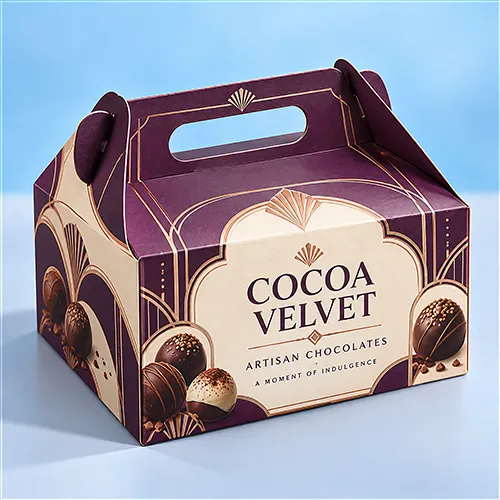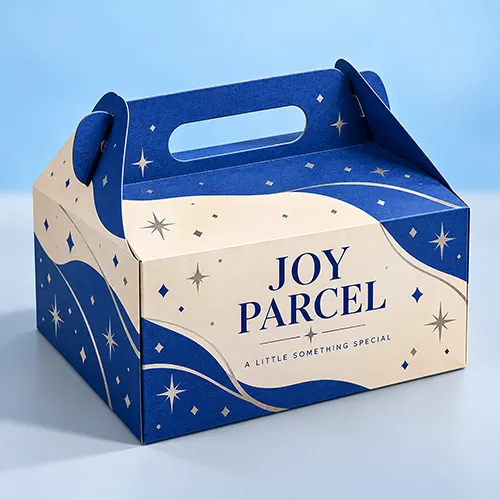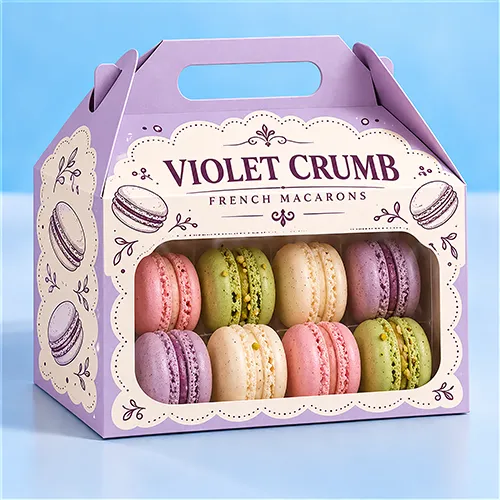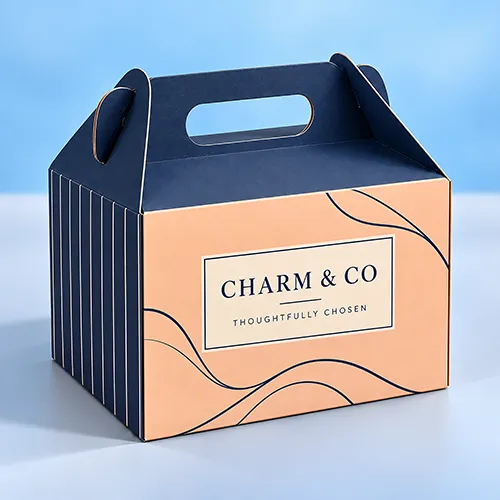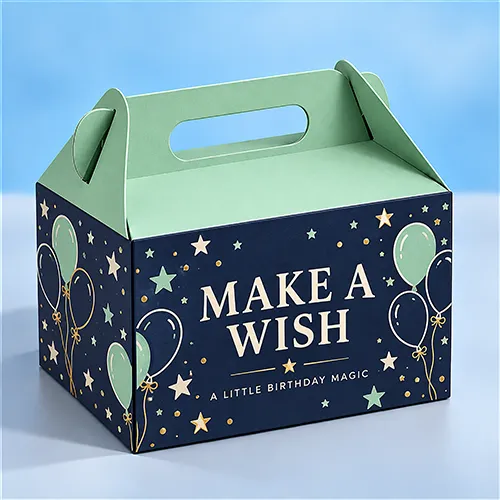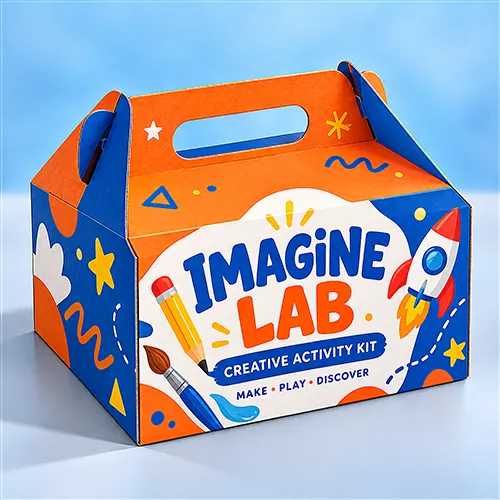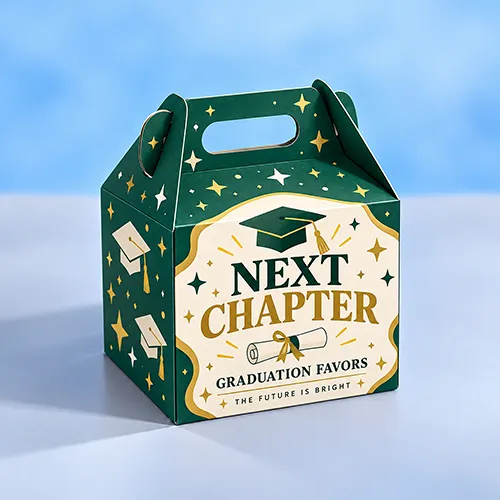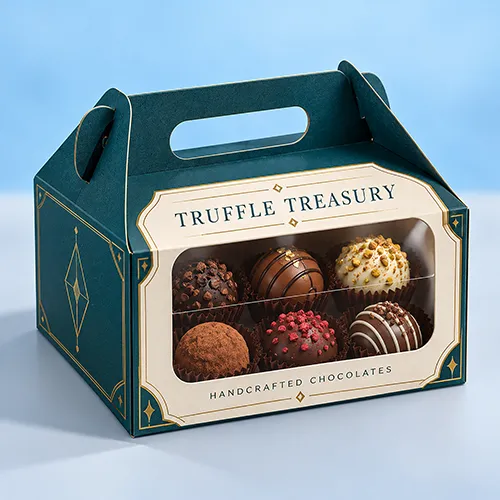

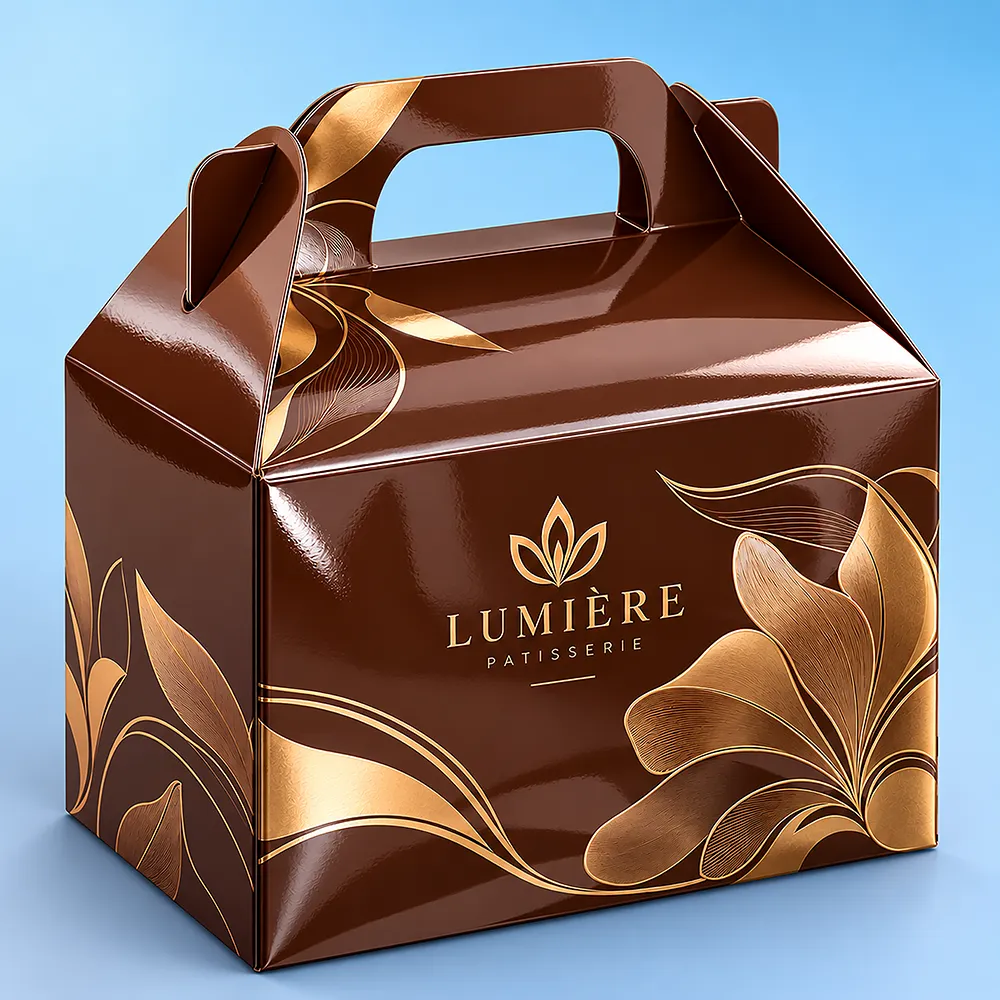



Auto-Bottom Gable Boxes

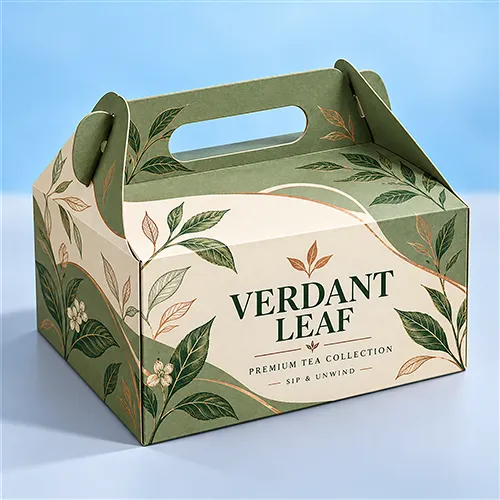
Custom auto-bottom gable boxes combine the integrated carrying handle of a gable carton with a pre-glued bottom designed to form into position as the carton is erected. The structure can reduce manual base-folding steps during repeated pack-out, but it is not automatically the best bottom for every product or quantity. Daily packing volume, loaded weight, base footprint, material, storage, labor, and assembly workflow should all guide the decision. BoxBaba can evaluate custom sizing, artwork, printing, structural proofing, and material options around the actual product and pack-out process. Start with your packed dimensions, weight, quantity, current setup workflow, and expected daily packing volume. For broader structural options, explore Custom Gable Boxes.
Trustpilot_Logo
5 out of 5 stars
4.5
Reviews 16 • Excellent

Custom Auto-Bottom Gable Boxes for Fast Assembly, Retail & Branded Packaging

Custom auto-bottom gable boxes designed for faster setup, stronger bottom support, retail products, gifts, food-service items, promotional kits, and event packaging with integrated carry handles, custom sizing, branded printing, and compatible premium finishing options.

What We Give

Create Custom Boxes Quick and Easy

Design

Get your custom boxes made in the required size, shape, and style.

Print

Upload your artwork and get it superbly printed the way you want.

Get it done

Order any quantity, enjoy a wholesale price, pay no extra for die plates.

Related Products

How Does an Auto-Bottom Gable Box Work?

An Auto-Bottom Gable Box uses pre-glued bottom panels designed to move into their working base position as the carton body is opened and squared. That can remove manual bottom-folding or tab-locking steps from the repeated packing sequence. A typical workflow is:
  1. open the collapsed carton;
  2. square the carton body and allow the automatic base to form;
  3. confirm the bottom is fully seated;
  4. load the products;
  5. form the upper gable panels and closure.
The exact erection sequence depends on the approved structure. An auto-bottom does not mean zero assembly or zero inspection.

Auto-Bottom, Auto-Lock and Crash-Lock Terminology

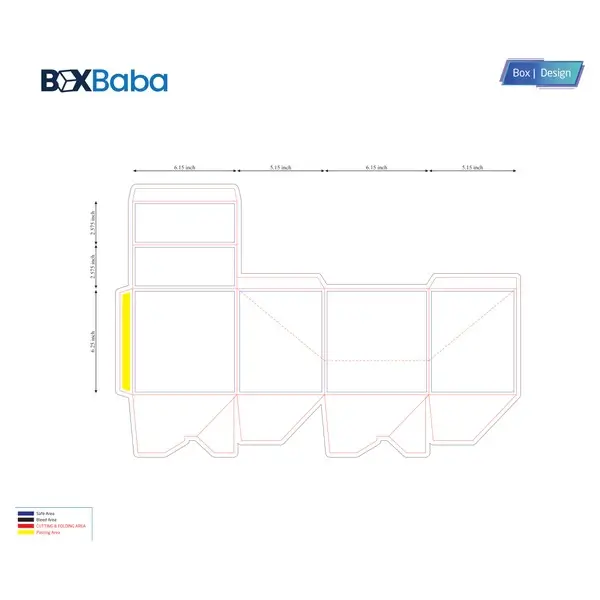
Packaging suppliers may use terms such as auto-bottom, auto-lock bottom, and crash-lock bottom for related automatic pre-glued base concepts. Those names should not replace the structural specification. For an Auto-Bottom Gable Box, the approved dieline should define:
  • bottom-panel geometry;
  • fold direction;
  • pre-glued areas;
  • base footprint;
  • material;
  • loaded-product relationship.
Two cartons described with similar terminology can still use different flap geometries. Use the structural drawing as the controlling reference during quotation, proofing, and production.

When Is an Auto-Bottom Worth Evaluating?

Pack-Out Situation Auto-Bottom Direction Why
Repeated daily packing Strong candidate for evaluation Manual base-forming steps are repeated many times
Bottom setup is a packing-station bottleneck Worth comparing The automatic base may remove part of the repetitive setup sequence
Low or occasional volume Manual bottom may be sufficient Added converting complexity may provide limited operational value
Several operators pack the same carton Worth testing A more repeatable erection sequence may help workflow consistency
Dense or demanding load Structural review first Automatic bottom does not automatically mean greater strength
Large base footprint Project-specific Material, bottom geometry, and weight distribution become increasingly important
Frequent SKU or size changes Compare carefully Storage, identification, staging, and switching between versions also affect efficiency
The decision should follow the complete packing operation rather than the word automatic.

Auto-Bottom vs. a Manual Bottom

An Auto-Bottom Gable Box primarily changes how the base is formed at the packing station. A manual/interlocking bottom requires more of the base-forming sequence to be completed by the packer.
Decision Factor Auto-Bottom Manual / Interlocking Bottom
Base setup Designed to reduce manual bottom-forming steps More bottom-forming steps may be completed during packing
Converting Requires a suitable pre-glued automatic-base construction Construction may be simpler depending on the approved structure
Repeated volume Becomes more relevant when setup steps are repeated frequently Can remain practical at lower packing pressure
Loaded performance Must be evaluated from the actual material, base, and load Must also be evaluated from the actual material, base, and load
Commercial decision Useful where workflow improvement justifies the structure Useful where the simpler bottom already fits product and operation
Neither structure is universally better. For GB-12, the commercial question is whether the automatic base improves the fit + workflow + packed-cost result for the actual project.

Measure the Loaded Product Before Choosing the Bottom

Bottom selection should follow the packed product. Provide:
  • product length, width, and height;
  • quantity per box;
  • orientation;
  • final packed arrangement;
  • complete loaded weight;
  • base footprint;
  • weight distribution;
  • insert or divider requirements.
A bottom that suits one product can behave differently with another product that has the same total weight but a narrower footprint or more concentrated load.

Packed Weight Does Not Determine Bottom Performance by Itself

There is no universal load rating for an Auto-Bottom Gable Box. Loaded performance depends on the relationship among: packed weight + base footprint + weight distribution + material + bottom geometry + pre-glued joints + handle + use conditions A centered load can create different structural demands from the same weight concentrated toward one edge. If carrying performance matters, evaluate the complete carton rather than the base alone.

Auto-Bottom Does Not Eliminate Pack-Out Errors

Reducing manual bottom-forming steps can reduce the number of sequence-dependent actions required from the packer. It does not eliminate the need for correct erection and loading. Operators may still need to confirm that:
  • the carton is fully opened;
  • the body is squared;
  • the base is fully seated;
  • products are loaded in the intended orientation;
  • inserts or dividers are positioned correctly;
  • the upper gable panels and closure are properly formed.
A structural sample is therefore useful when assembly consistency is an important buying criterion.

Compare Total Packed Cost, Not Box Price Alone

An Auto-Bottom Gable Box can involve additional converting and gluing compared with a simpler manually formed bottom. At the same time, it may reduce work performed at the packing station. A useful operational comparison considers: carton cost + assembly labor + rework + packing interruption + storage/handling Relevant inputs include:
  • cartons packed per day or shift;
  • number of operators;
  • current base-forming steps;
  • packing-station bottlenecks;
  • order quantity;
  • number of structural versions;
  • rework or misfold concerns;
  • storage requirements.
Auto-bottom should therefore not automatically be described as cheaper or more expensive overall.

Storage and Pack-Station Planning

The supplied and collapsed format of an Auto-Bottom Gable Box depends on the approved structure and should be confirmed during structural development. Before production, review:
  • supplied carton format;
  • collapsed footprint if applicable;
  • storage space;
  • pack-station access;
  • carton staging;
  • number of sizes or SKUs;
  • how different versions will be identified.
A bottom structure that reduces setup work but creates an inefficient staging or storage process may not improve the overall operation.

Material for Auto-Bottom Gable Box Work

Material selection for Auto-Bottom Gable Boxes should account for more than appearance and print quality. Folding, creasing, bottom geometry, gluing, packed load, handle behavior, and repeated erection all matter.

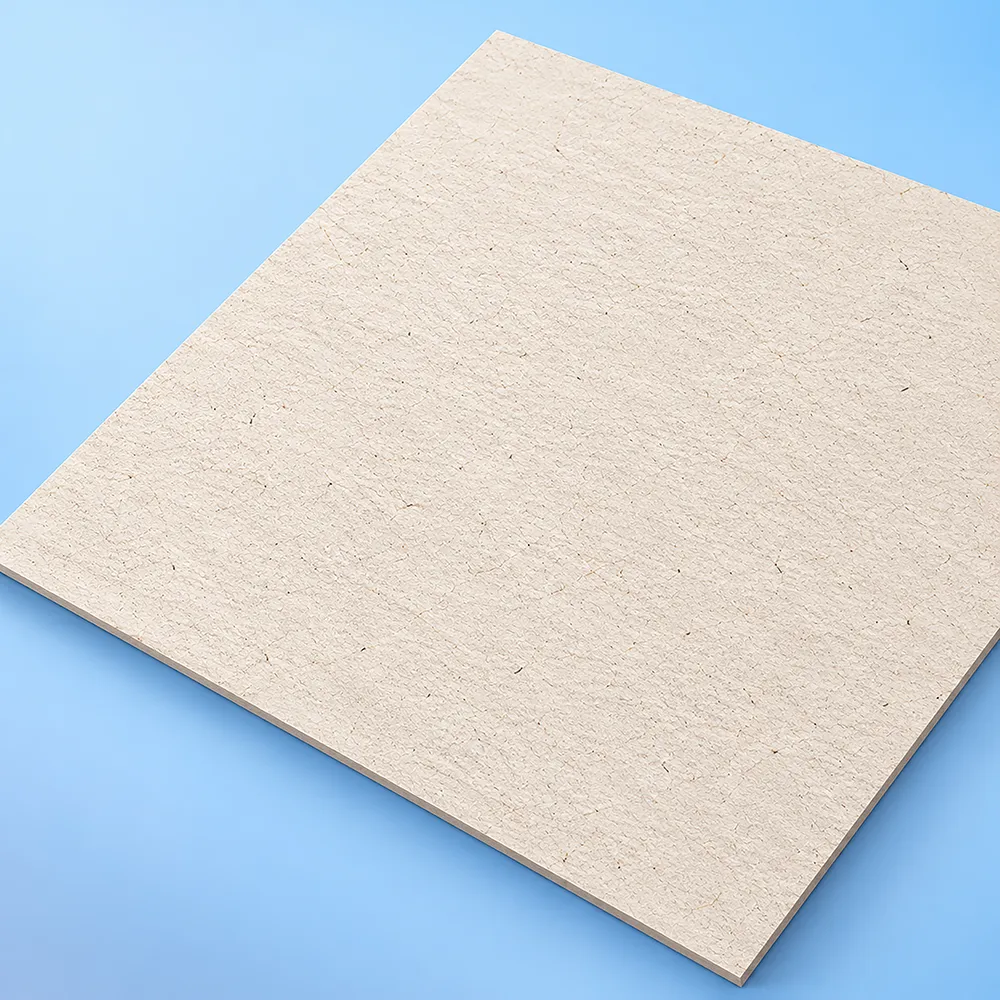
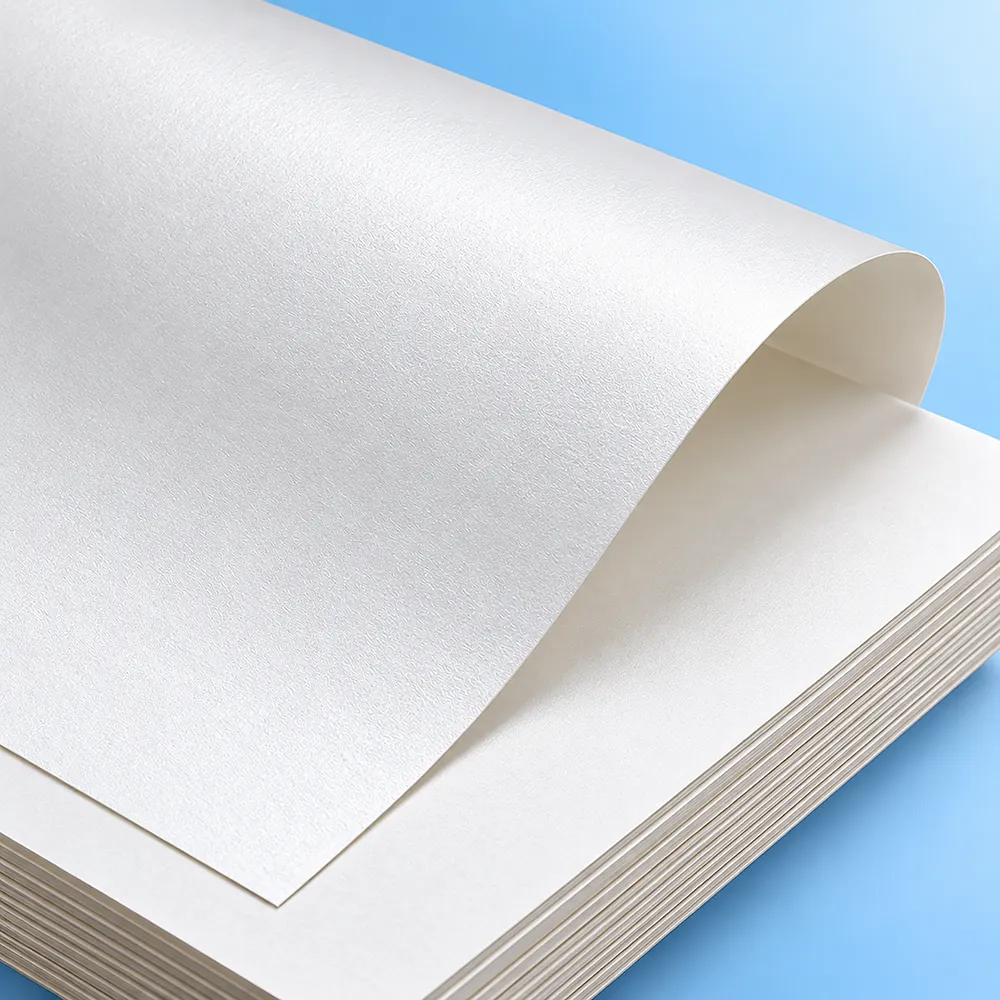
Paperboard / Cardstock

Paperboard or cardstock may suit compatible folding-carton auto-bottom projects where clean branding, foldability, and compact handling are important. The approved material should work with:
  • score and fold geometry;
  • automatic bottom panels;
  • pre-glued areas;
  • box dimensions;
  • packed load;
  • handle and closure;
  • printing;
  • finishing.
The term paperboard does not establish one fixed thickness or load capacity.

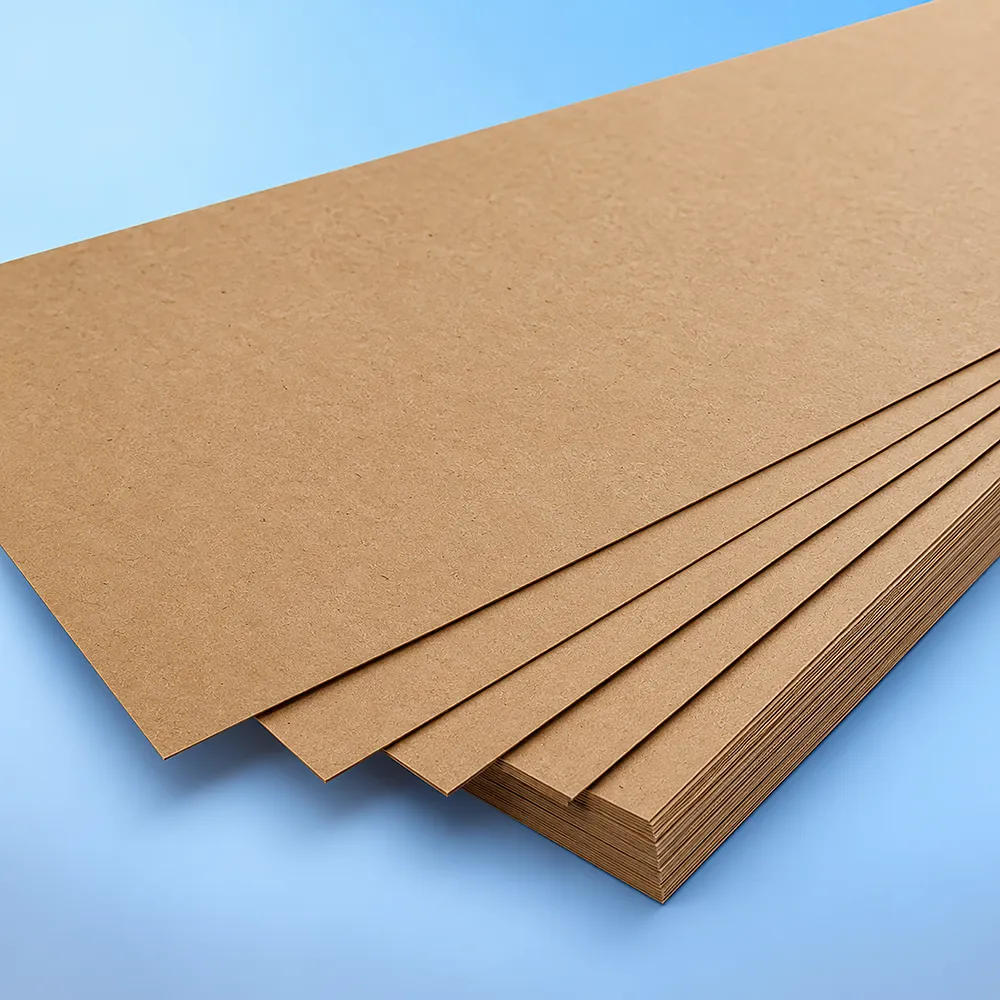
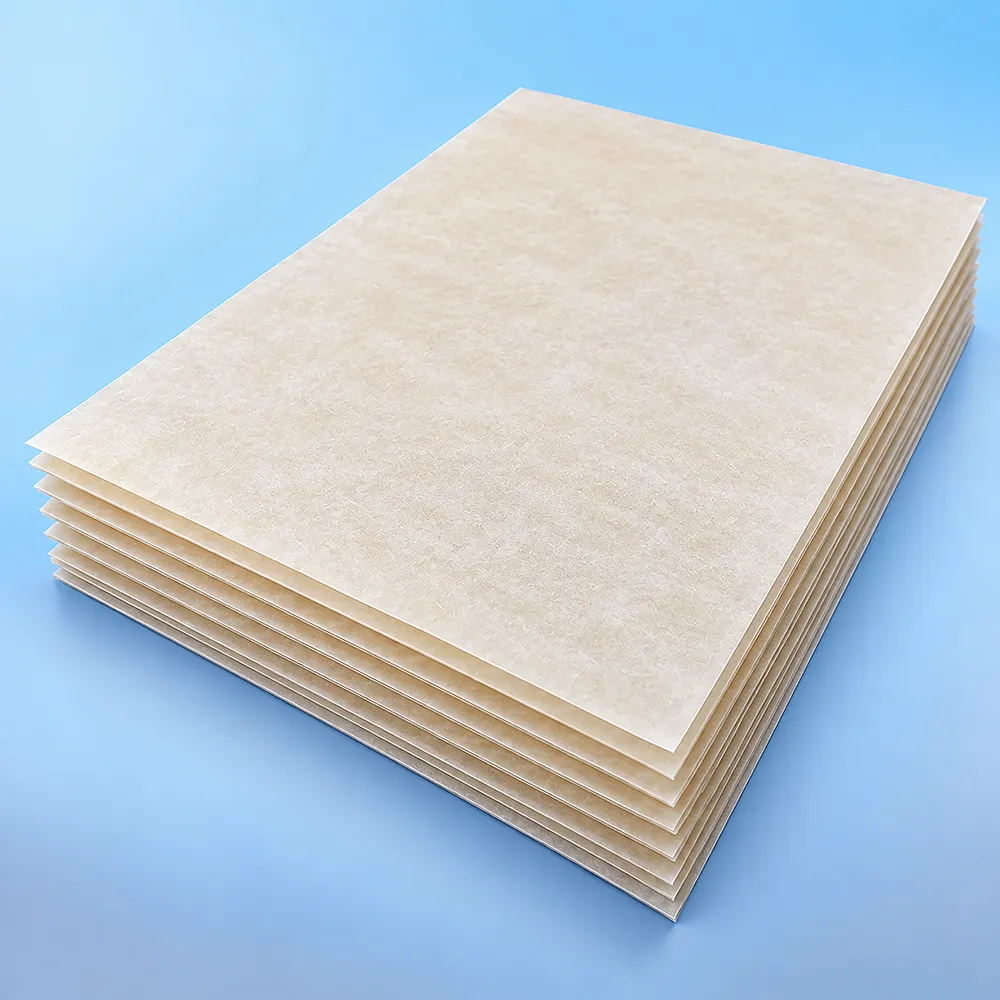
Kraft Paperboard

Kraft paperboard may be considered when the natural brown substrate supports the intended presentation. Its material color can affect print contrast and color appearance. The selected stock must still work with the approved bottom folds, glue areas, handle, and packed conditions. Kraft should not automatically be described as stronger, recycled, recyclable, biodegradable, compostable, or environmentally preferable without evidence for the complete finished specification.

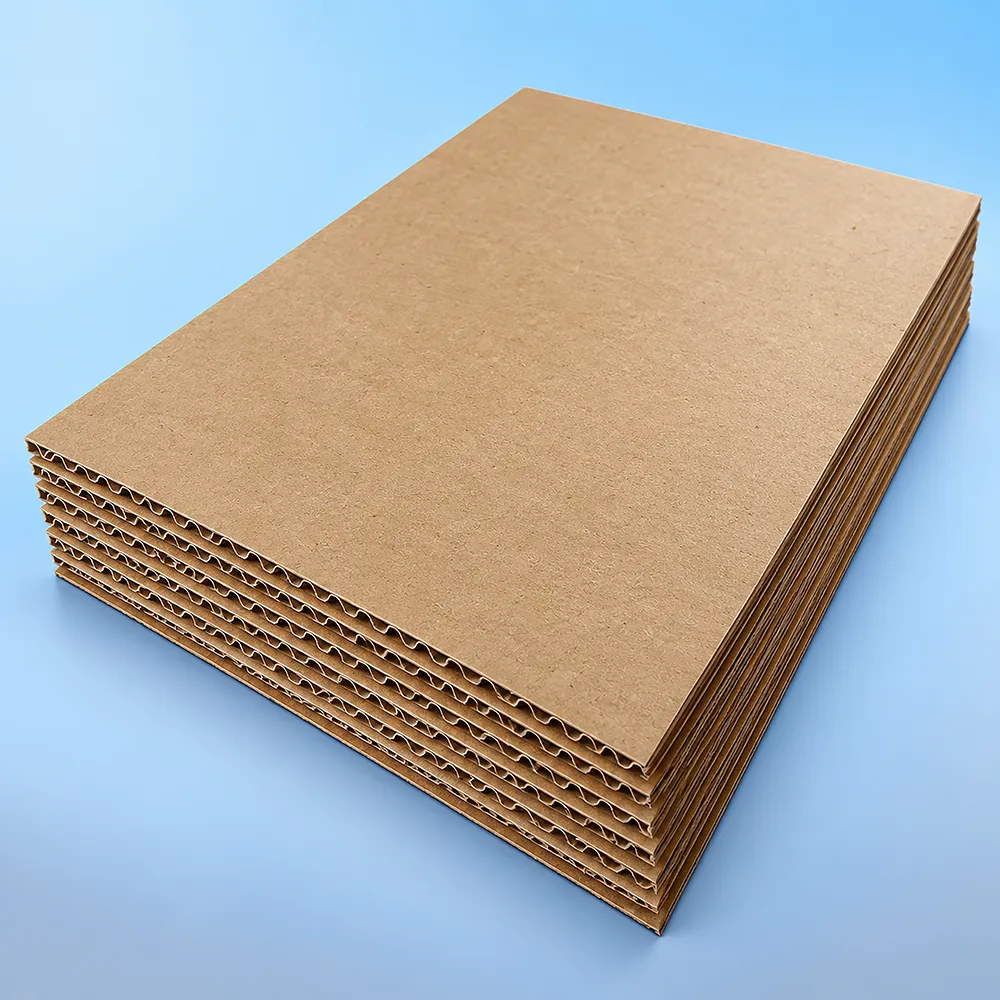
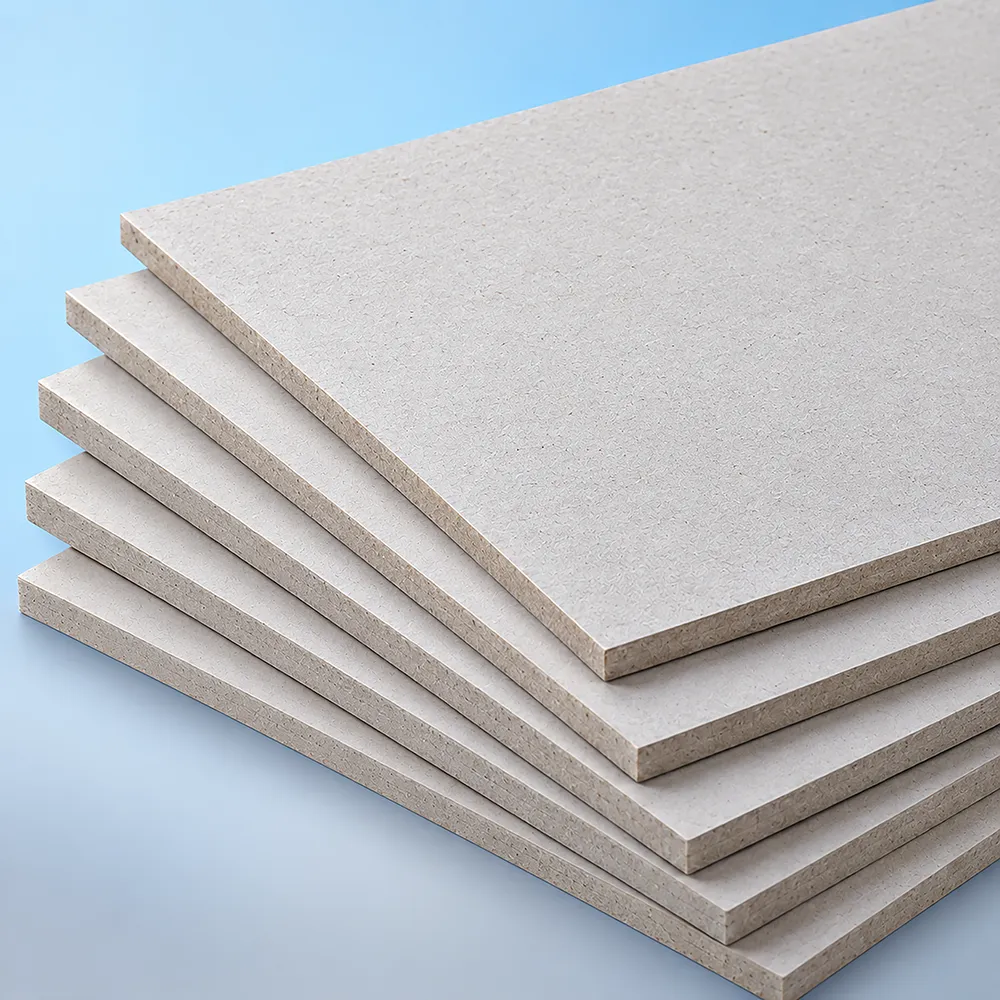
Corrugated Board

Corrugated construction may deserve evaluation when product dimensions, rigidity requirements, packed weight, or handling conditions call for a different material direction. For broader material-led decisions, explore Custom Corrugated Boxes. The corrugated construction and automatic-bottom geometry need to be evaluated together. Corrugated material does not automatically make an automatic base suitable or establish a particular load capacity.

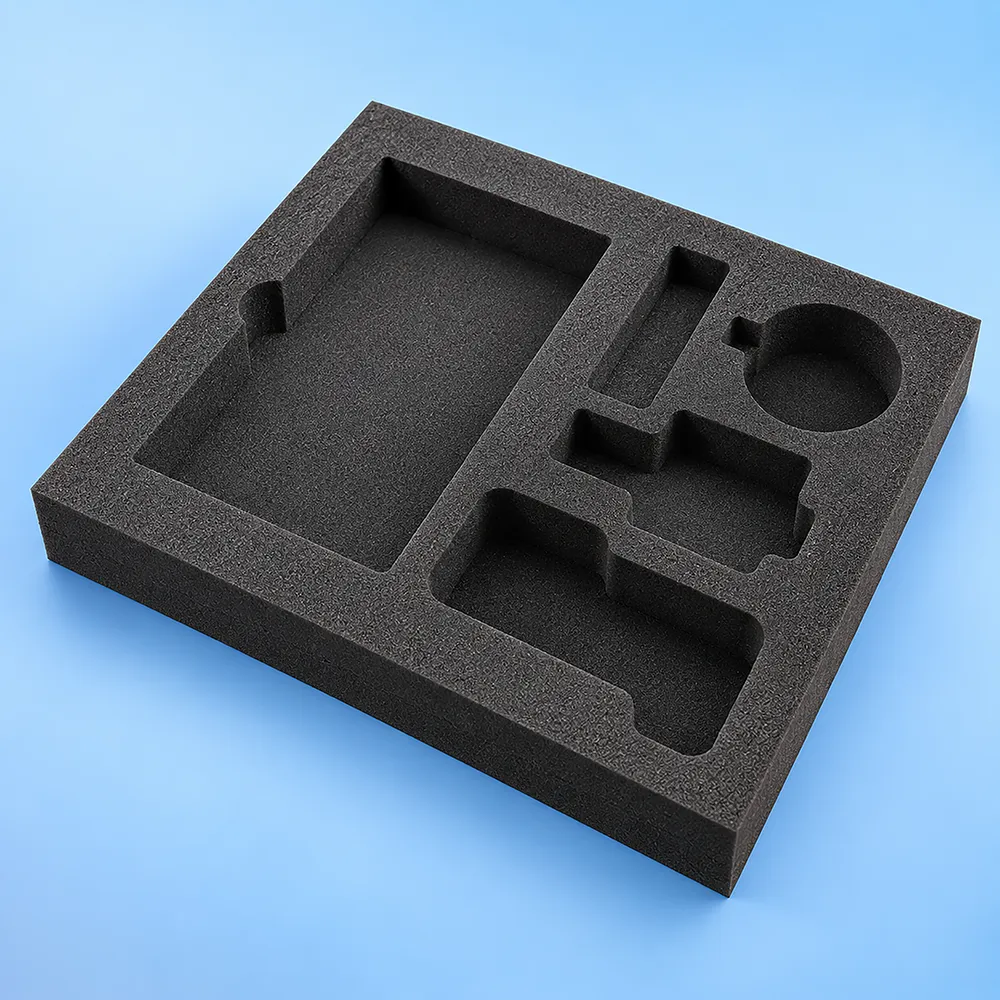
Inserts and Product Arrangement

An Auto-Bottom Gable Box solves a base-formation and packing-workflow problem. It does not automatically control movement inside the carton. Inserts, dividers, or platforms may be useful when products need:
  • separation;
  • repeatable orientation;
  • controlled movement;
  • consistent positioning;
  • improved weight distribution.
Internal support consumes usable space and can add loading steps. Include it before finalizing the dimensions and pack-out sequence.

Auto-Bottom Gable Boxes for Repeated Takeout Pack-Out

An automatic bottom may deserve evaluation where restaurant, catering, or service teams repeatedly erect gable cartons during active packing periods. Bottom setup is only one part of that application. Meal-container arrangement, temperature, steam, grease, closure, carry distance, and packed weight still require application-specific review. When those conditions become the primary buyer problem, compare Gable Takeout Boxes.

Printing and Finishing

Printing and finishing should be selected after the bottom structure, material, product dimensions, and quantity requirements are defined. Printing applies ink, text, imagery, logos, patterns, and color. Finishing changes surface appearance, tactility, or visual emphasis. Print-process selection should consider:
  • order quantity;
  • substrate;
  • artwork complexity;
  • image and detail requirements;
  • ink coverage;
  • number of SKUs or artwork versions;
  • setup and repeat-order needs;
  • paperboard versus corrugated surface.

Offset Printing

Offset printing may be evaluated where the approved material, artwork detail, print coverage, quantity, and repeat-order requirements suit the process. There is no universal order quantity at which offset automatically becomes the correct choice.

Digital Printing

Digital printing may be useful for:
  • shorter quantities;
  • multiple artwork versions;
  • test programs;
  • campaign packaging;
  • projects where reduced plate-related setup is useful.
Final suitability still depends on material, artwork, quantity, coverage, and required appearance.

Flexographic Printing

Flexographic printing may be evaluated where the approved paper or corrugated substrate, graphics, ink coverage, quantity, and production requirements suit the process. The print method should follow the substrate and artwork rather than the auto-bottom feature alone.

CMYK and Pantone/PMS

CMYK can support photographs, illustrations, gradients, and multi-color graphics. Pantone/PMS references can help communicate defined brand-color targets where appropriate. Final printed appearance can vary with:
  • substrate shade;
  • surface texture;
  • coating;
  • ink;
  • printing process;
  • proofing;
  • finishing;
  • lighting.
CMYK or Pantone/PMS references should not be treated as an absolute color-match guarantee.

Design Artwork Around the Auto-Bottom Dieline

Prepare final artwork on the approved dieline and account for:
  • front and back body panels;
  • side panels;
  • sloping gable panels;
  • handle cutouts;
  • score and fold lines;
  • upper closure tabs;
  • automatic bottom flaps;
  • pre-glued bottom areas;
  • glue and lock zones;
  • window openings where used;
  • barcodes;
  • QR codes;
  • variable information.
Keep critical logos, text, codes, foil, and Spot UV details away from folds, bottom glue areas, locking zones, handles, windows, or other functional areas where they can interfere with production or readability.

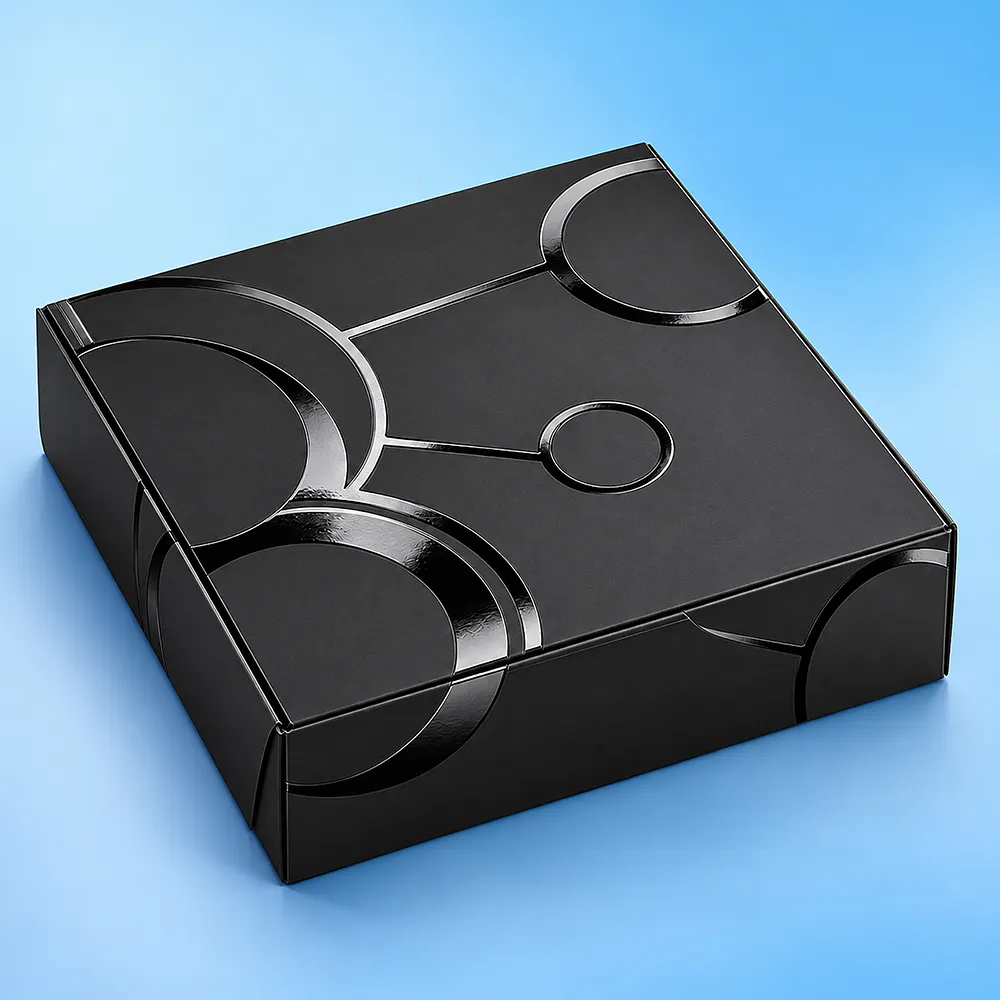
Finishing Options

Depending on material and structural compatibility, finishes may include:
  • matte;
  • gloss;
  • soft touch;
  • foil stamping;
  • embossing;
  • debossing;
  • Spot UV.
Finish placement should respect both the upper gable structure and the automatic bottom. A decorative treatment appropriate for a body panel may not be suitable across bottom folds, pre-glued areas, locks, handle cutouts, or upper closures. Finishing changes appearance or tactile character. It should not be treated as evidence of stronger bottom performance, moisture resistance, or guaranteed durability.

When an Auto-Bottom Gable Box May Not Be the Best Choice

Project Condition Consider Another Direction When
Low packing volume Manual bottom setup is already operationally acceptable
Simple lightweight pack A simpler approved structure meets the product and workflow requirement
Demanding loaded configuration The complete carton needs another bottom or material direction
Little workflow benefit Reduced setup steps do not justify additional converting complexity
Storage or staging becomes inefficient Another structure fits the operation better
Parcel shipping is the primary job Use an appropriate shipping/transport package rather than assuming the gable carton is the outer shipper
Auto-bottom should solve a defined structural or operational problem—not be selected merely because it sounds more advanced.

What Affects the Cost of Auto-Bottom Gable Boxes?

Pricing depends on the complete specification. Relevant factors may include:
  • finished dimensions;
  • material;
  • automatic-bottom geometry;
  • converting and gluing requirements;
  • packed weight;
  • inserts or dividers;
  • window requirements;
  • total quantity;
  • quantity by size, SKU, or artwork;
  • printing method;
  • ink coverage;
  • finishing;
  • proof or sample requirements.
For repeated pack-out operations, carton price can also be evaluated alongside the labor and workflow involved in forming and loading the carton.

Samples, Proofs and Pack-Out Validation

Different approval tools reduce different risks.

Digital Proof or 3D Mockup

Useful for reviewing:
  • artwork;
  • branding;
  • panel relationships;
  • general visual layout.

Structural Sample

A structural sample is particularly useful for Auto-Bottom Gable Boxes because it can help evaluate:
  • base formation;
  • actual erection sequence;
  • product fit;
  • base footprint;
  • usable body height;
  • product loading;
  • insert/divider placement;
  • upper closure;
  • handle relationship.
Where workflow matters, test the structural sample through a representative packing sequence rather than evaluating only the empty carton.

Printed Physical Sample

A printed sample may be useful for reviewing:
  • substrate appearance;
  • print quality;
  • color behavior;
  • finishing.
A printed sample alone does not establish labor savings, a universal load capacity, or parcel-shipping performance. BoxBaba standard production time is generally 5–9 business days after final artwork approval. Production time is separate from shipping and transit. Free samples are available under the current policy. Sample delivery or shipping charges are reimbursed with the first bulk order. Custom, structural, or printed samples may require separate confirmation.

Why Choose BoxBaba for Auto-Bottom Gable Boxes?

BoxBaba can evaluate Auto-Bottom Gable Box projects around the actual product, loaded base, packing workflow, and artwork instead of treating the automatic bottom as a universal upgrade. Current project support includes:
  • custom sizing as applicable;
  • standard MOQ starting from 100 boxes;
  • artwork assistance;
  • dieline, 3D mockup, and proofing support as applicable;
  • sample support under the current policy;
  • offset, digital, and flexographic printing according to project compatibility;
  • compatible matte, gloss, soft-touch, foil, embossing, debossing, and Spot UV options where applicable;
  • standard production generally within 5–9 business days after artwork approval;
  • free shipping across the USA under the current offer.
Start with the product dimensions, loaded weight, daily packing volume, current setup process, quantity, and storage constraints so the structure and workflow can be reviewed together.

Request a Custom Auto-Bottom Gable Box Quote

Send BoxBaba:
  • product or use type;
  • product dimensions;
  • complete packed weight;
  • desired material if known;
  • insert or divider requirements;
  • window preference;
  • total order quantity;
  • quantity by size, SKU, or artwork version;
  • artwork or logo files;
  • printing and finishing preferences;
  • delivery destination;
  • required in-hand date if applicable.
These inputs help BoxBaba review automatic-bottom mechanics, material, loaded support, assembly workflow, storage, artwork, and production requirements as one complete packaging project. Request a Custom Quote +1 305 574 4357 sales@boxbaba.com

Frequently Asked Questions

Find all the urgent questions you may have.

An Auto-Bottom Gable Box is a handled gable carton with a pre-glued automatic base designed to form into its working position as the carton is erected, reducing manual bottom-forming steps.
The bottom panels are pre-glued as part of the approved structure. As the carton body is opened and squared, the base is designed to form into position. Exact flap movement and locking geometry depend on the dieline.
They are commonly used for related automatic pre-glued bottom concepts, but exact flap and locking geometry can differ. The approved dieline should define the actual structure rather than terminology alone.
It can reduce manual bottom-forming steps, which may help repeated packing workflows. Actual overall time savings depend on the structure, operator, product-loading sequence, daily volume, inserts, and packing-station conditions.
Not automatically. Bottom performance depends on material, base footprint, bottom geometry, pre-glued joints, packed weight, weight distribution, and use conditions. There is no universal strength advantage or load rating.
It is worth evaluating when repeated bottom setup creates a meaningful labor or workflow issue. A simpler manually formed bottom may remain suitable when packing volume is modest and it already meets the loaded requirements.
The supplied and collapsed format depends on the exact approved structure. Discuss storage requirements during structural development so the carton format and pack-station workflow can be reviewed together.
Paperboard/cardstock, Kraft paperboard, or corrugated construction may be evaluated where compatible with the structure. Offset, digital, and flexographic printing are available subject to material, artwork, quantity, and structural requirements.
BoxBaba standard MOQ starts from 100 boxes. Particular materials, dimensions, bottom structures, or production requirements may require separate confirmation.
Standard production generally takes 5–9 business days after final artwork approval. Production time is separate from shipping and transit, so the required in-hand date should be reviewed with the complete project specification.