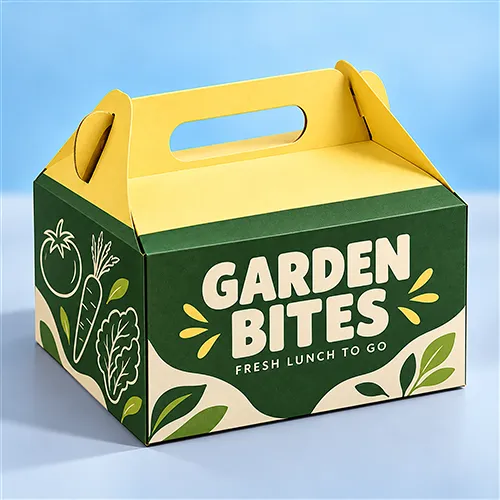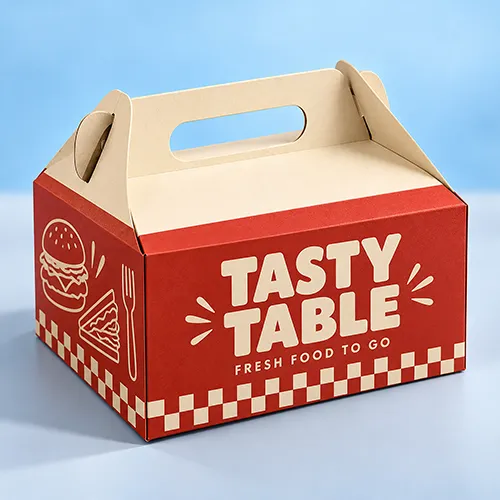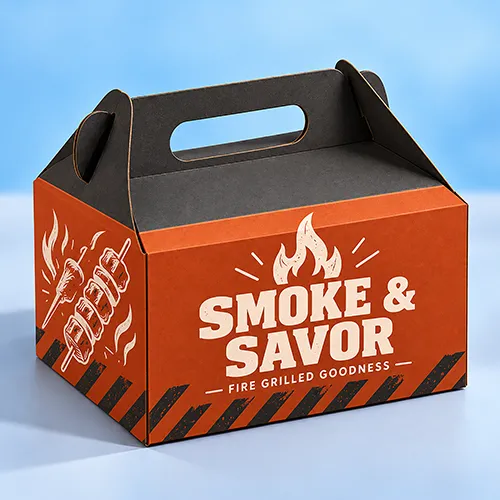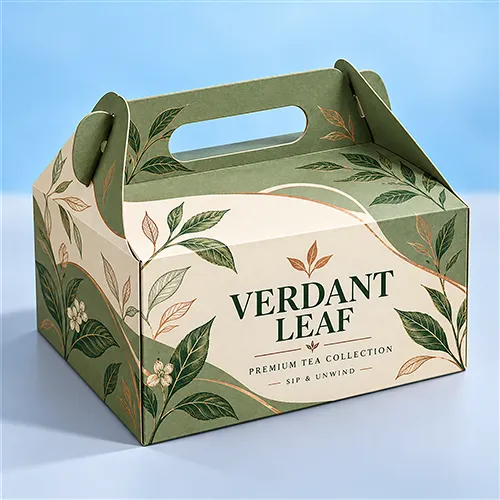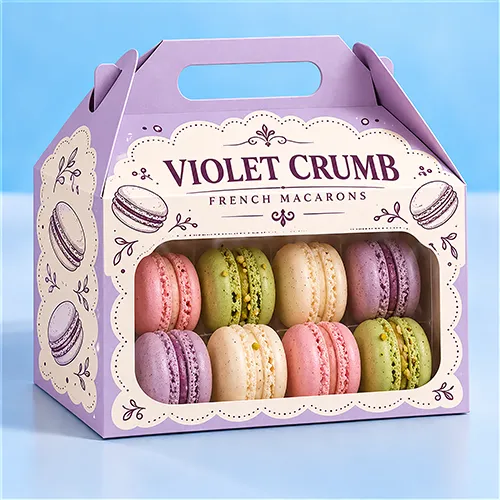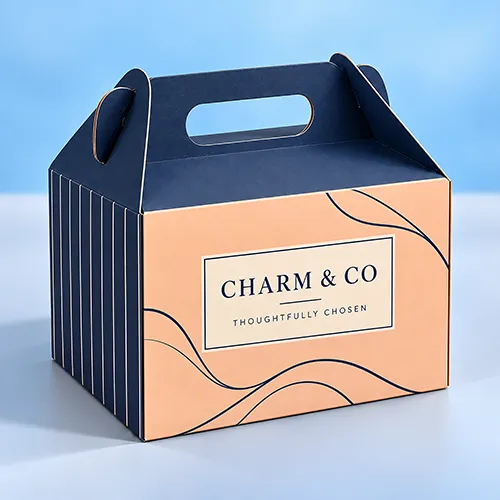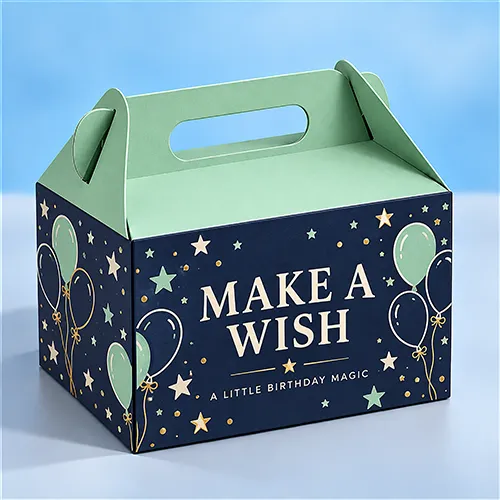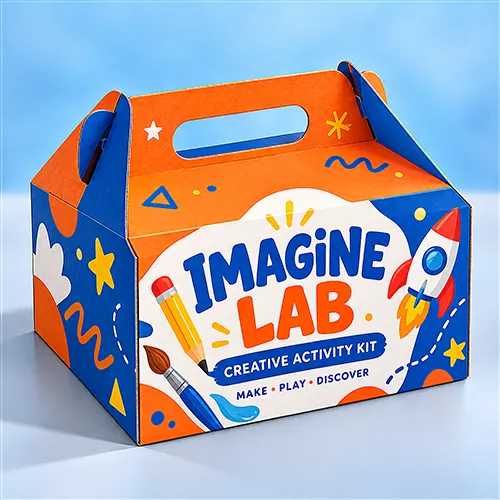



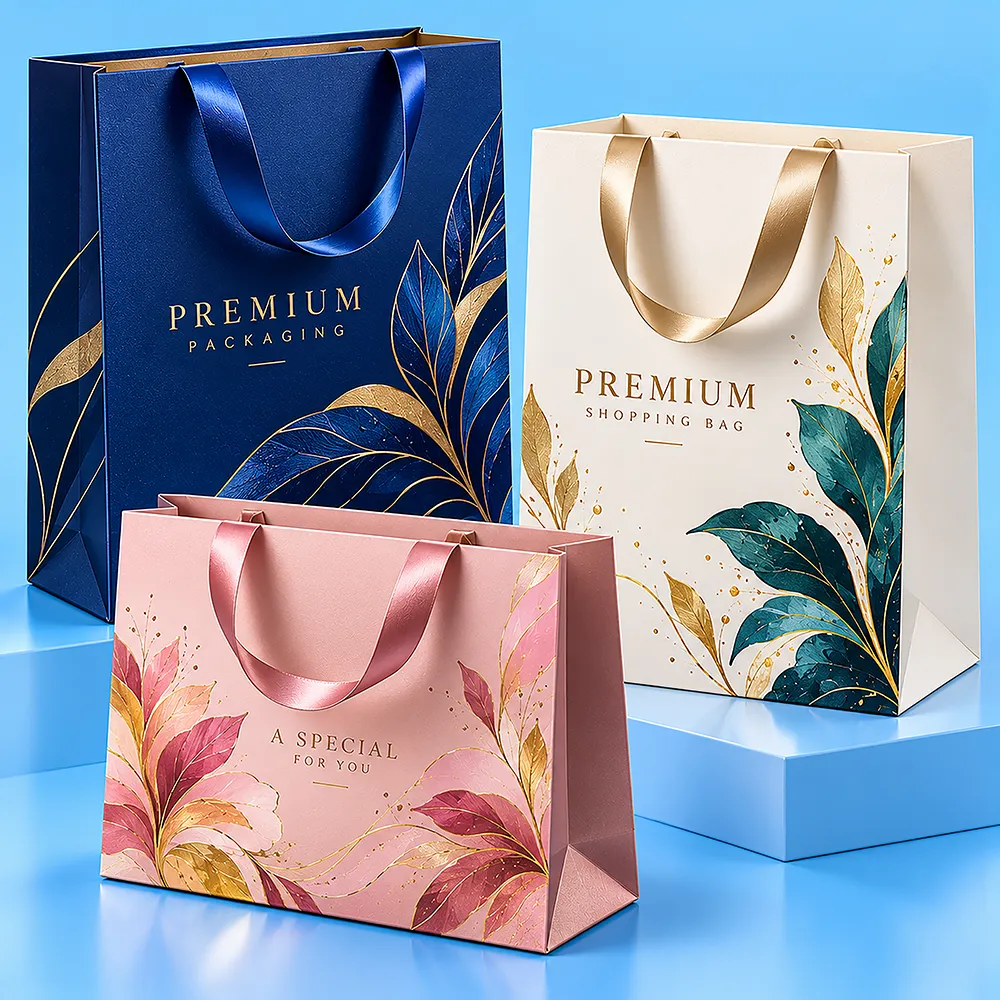
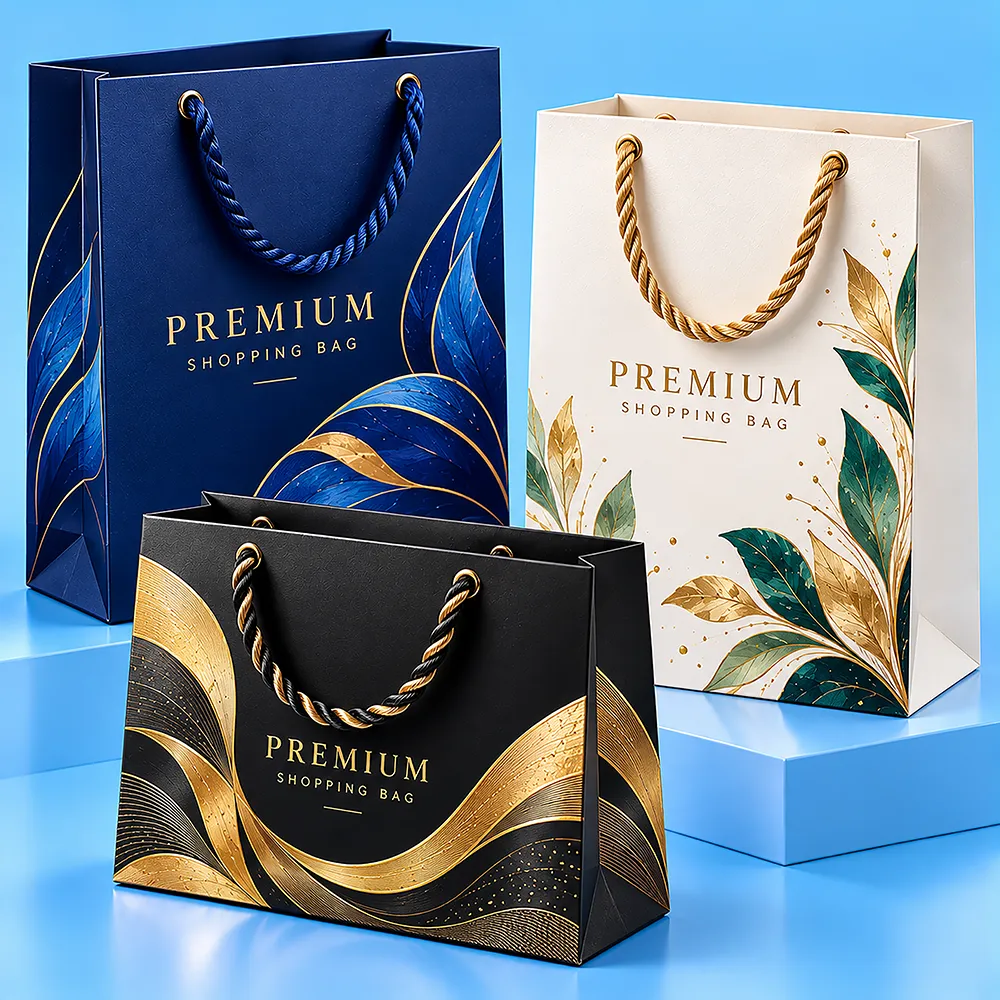

Food Gable Boxes

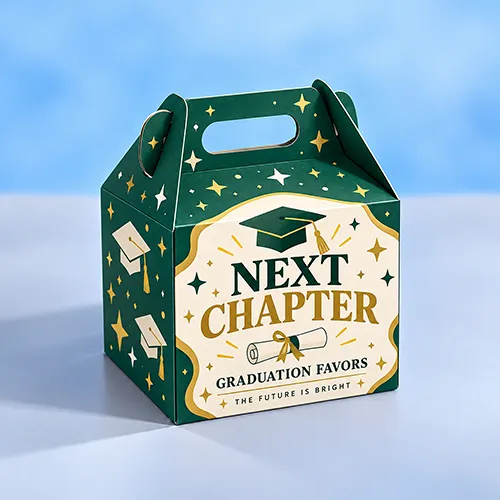
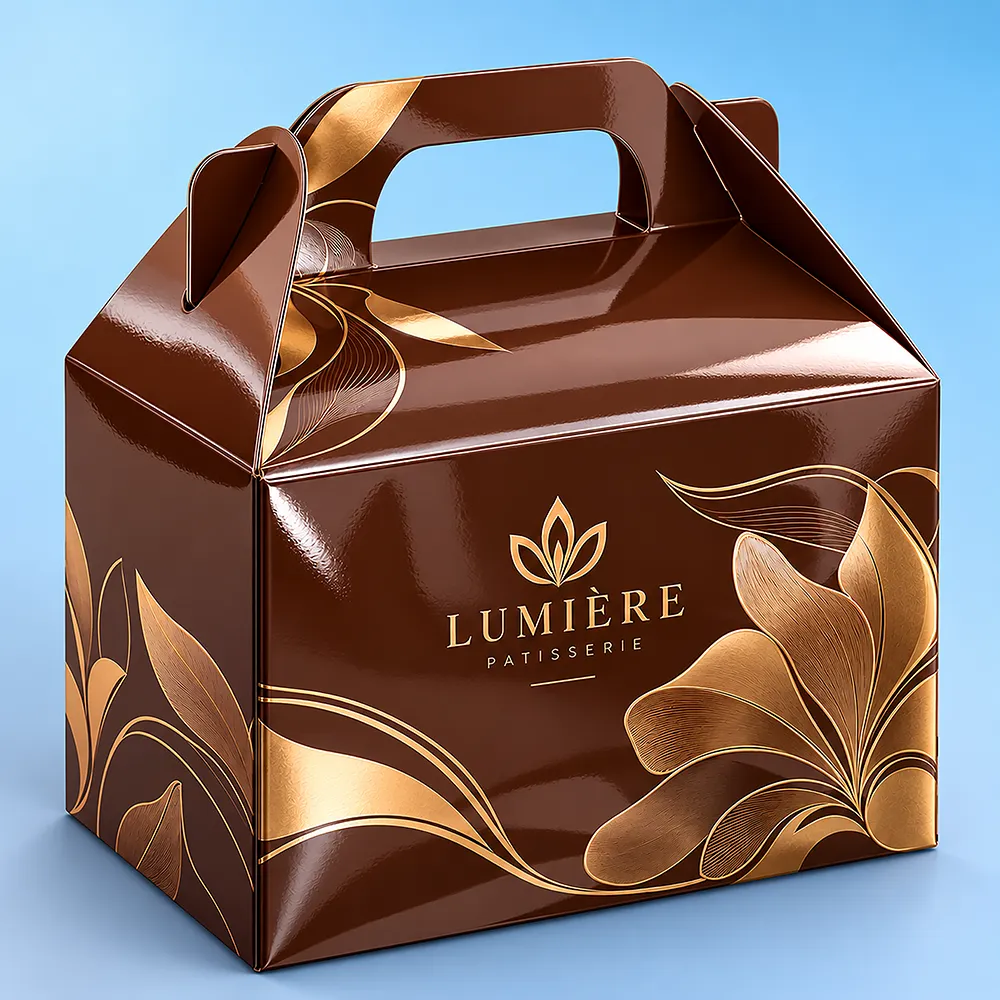
Custom food gable boxes combine a carton-style body with an integrated carrying handle for compatible food, snack, catering, retail-food, and other food-service applications. The correct configuration depends on more than the food name: direct or indirect contact, primary containers, grease, moisture, steam, packed temperature, hold time, packed weight, and carrying conditions can all influence the material and structure. BoxBaba can develop custom sizing, artwork, printing, and proofing around the complete packed-food configuration. The gable carton may serve as the outer carrying package around trays, cups, wrappers, pouches, or sealed containers rather than as the direct food-contact layer. For broader structural options, explore Custom Gable Boxes, or send your food, container, dimensions, and use conditions to start a custom configuration.
Trustpilot_Logo
5 out of 5 stars
4.5
Reviews 16 • Excellent

Custom Food Gable Boxes for Takeaway, Catering & Branded Packaging

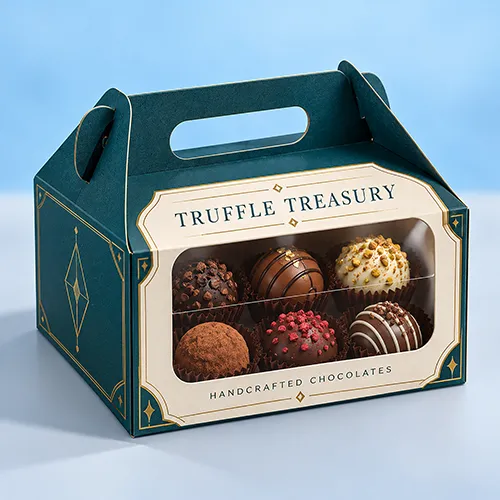
Custom food gable boxes designed for takeout meals, bakery items, catering, events, gifting, and retail food packaging with integrated carry handles, custom sizing, branded printing, suitable paperboard options, and compatible finishing features.

What We Give

Create Custom Boxes Quick and Easy

Design

Get your custom boxes made in the required size, shape, and style.

Print

Upload your artwork and get it superbly printed the way you want.

Get it done

Order any quantity, enjoy a wholesale price, pay no extra for die plates.

Related Products

Start With the Food-Use Conditions, Not the Box Style

Two foods with similar dimensions can require different packaging specifications. A dry wrapped snack, an oily product, a chilled container and a warm multi-container meal can expose the outer package to different conditions. Before choosing the material, identify:
  • food type;
  • whether direct contact occurs;
  • primary wrapper, pouch, tray, cup or container;
  • grease or oil exposure;
  • moisture;
  • steam;
  • temperature when packed;
  • expected holding time;
  • storage conditions;
  • carrying conditions.
Food Gable Box describes the application. It does not by itself establish the correct food-contact material or performance.

Is the Gable Box the Food-Contact Layer or the Outer Carton?

This decision should be made before the final material is approved.

Direct Food Contact

Direct contact exists when food can touch the relevant carton material, liner, window component or another packaging component. When direct contact is intended, the exact component and its intended conditions of use need to be verified. Do not assume that paperboard, Kraft, corrugated board, coatings, inks, adhesives, liners or transparent components are automatically suitable for direct food contact because they are used in food packaging generally.

Indirect Contact or Outer Carrying Carton

Many Food Gable Box projects use another package as the primary food-contact layer. Examples include:
  • sealed cups;
  • wrapped products;
  • pouches;
  • trays;
  • closed food containers.
The gable box then primarily organizes, presents and carries the packed items. Grease transfer, condensation, steam, container temperature, packed weight and movement can still influence the outer carton even when the food does not touch it directly. For food-packaging formats beyond gable cartons, explore Custom Food Boxes.

Match the Package to Grease, Moisture, Steam and Temperature

Food conditions should guide whether the project needs a primary container, verified liner/barrier, ventilation strategy or another packaging format.
Food / Pack Condition What to Evaluate
Dry or individually wrapped product Fit, movement, presentation and whether the wrapper provides the required contact layer
Greasy or oily product Primary container, liner or verified barrier requirements and potential staining or migration through the outer board
Moist product Moisture exposure, hold time, primary container and how the chosen outer material behaves under the intended conditions
Warm or steamy pack Temperature, steam, condensation, possible ventilation needs, hold time and primary-container design
Chilled or refrigerated pack Condensation, storage conditions, contact layer and material behavior during the intended use period
Multiple containers Arrangement, complete packed weight, movement, separation, handle load and bottom requirements
This is a specification framework—not a promise that one material performs under every condition.

Size Food Gable Boxes Around the Complete Pack-Out

Measure the package in the form the customer will actually receive it. The complete pack-out may include:
  • primary containers;
  • cups;
  • wraps;
  • utensils;
  • napkins;
  • condiments;
  • liners;
  • separators;
  • inserts.
Provide the:
  • overall length;
  • width;
  • height;
  • widest point;
  • item/container count;
  • orientation;
  • complete packed weight;
  • internal-support requirements.

Usable Body Height Is Different From Total Height

The upper gable panels slope inward toward the handle. The entire outside height therefore cannot be treated as usable rectangular product space. A tall container or stacked food pack can fit within the total outside height but still interfere with the upper gable panels. Final sizing should distinguish usable rectangular body height from total assembled height including the gable and handle.

Material

Material selection should follow the intended food-use conditions and packaging layer.

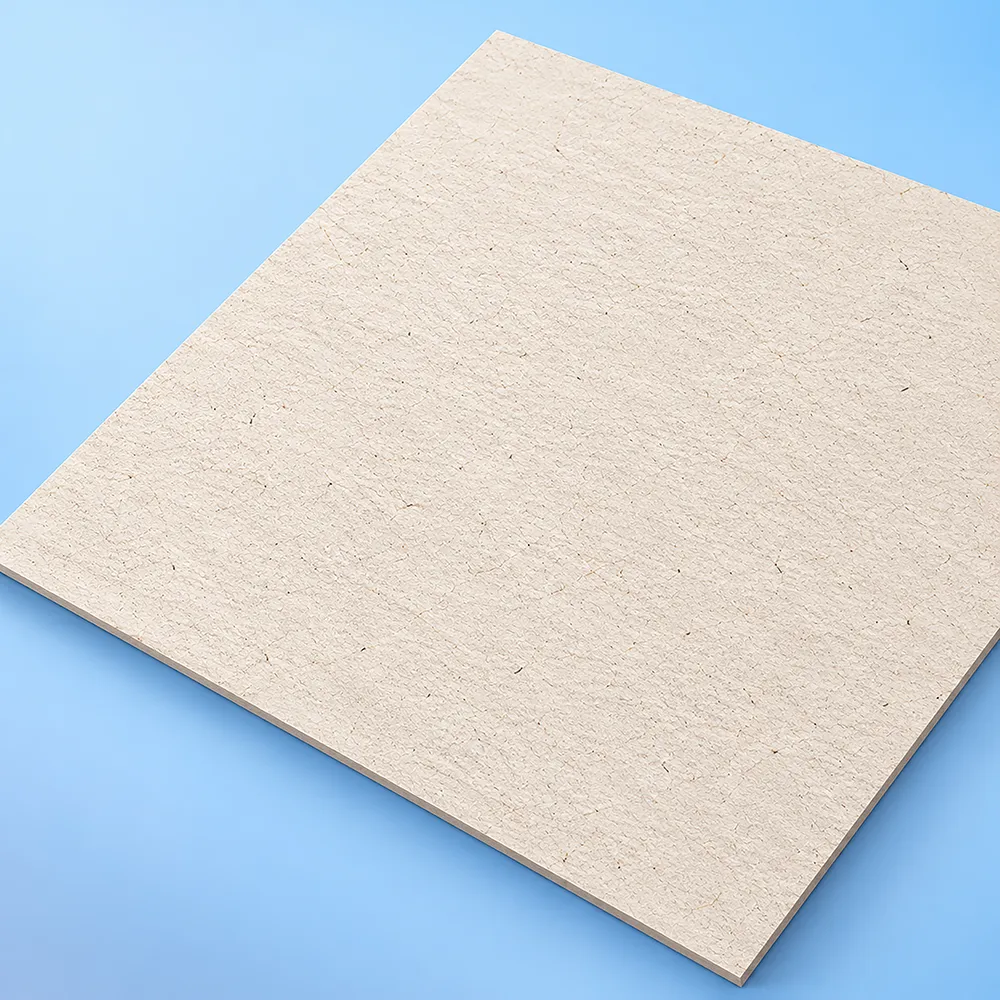
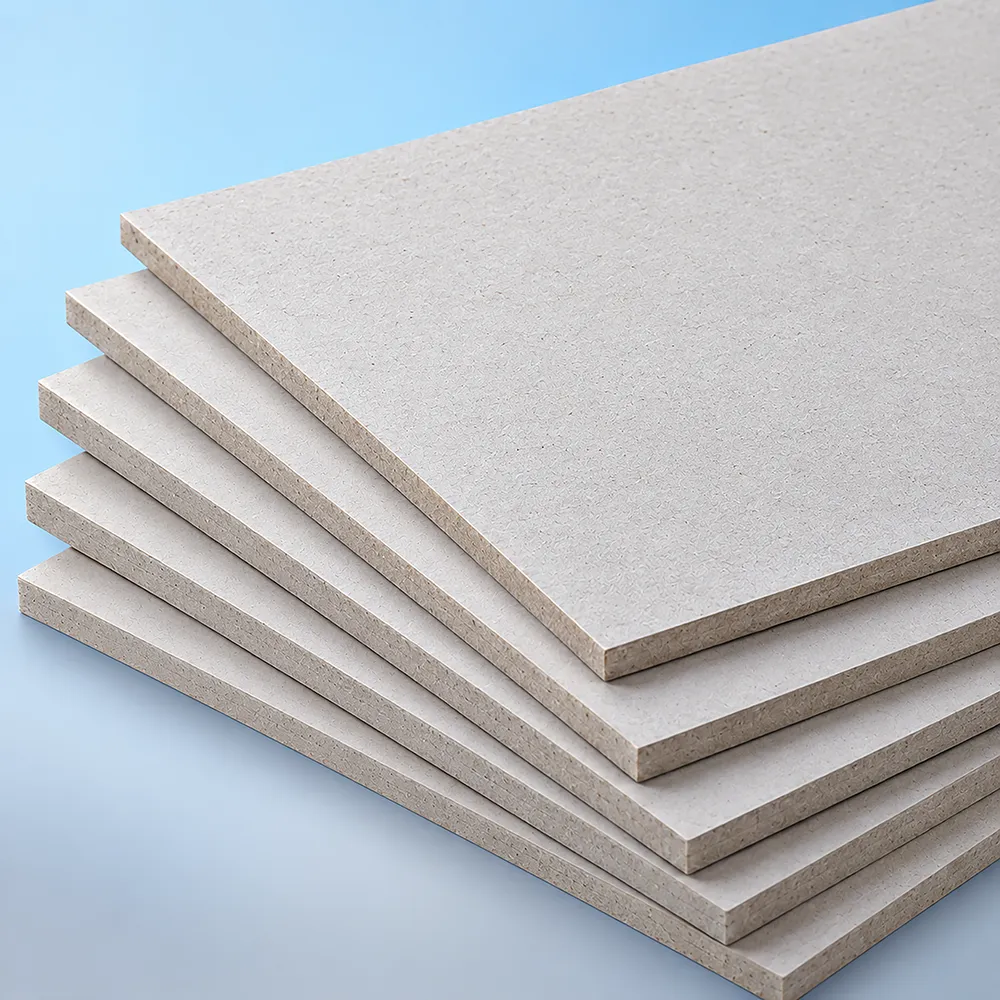
Paperboard / Cardstock

Paperboard may be evaluated for compatible food-service, retail-food and presentation applications where folding-carton construction and a printable surface are useful. Selection should consider:
  • dimensions;
  • complete packed weight;
  • contact layer;
  • grease and moisture conditions;
  • structure;
  • printing;
  • handling.
Do not assume an ordinary paperboard specification automatically provides a required food-contact, grease, moisture or barrier property.

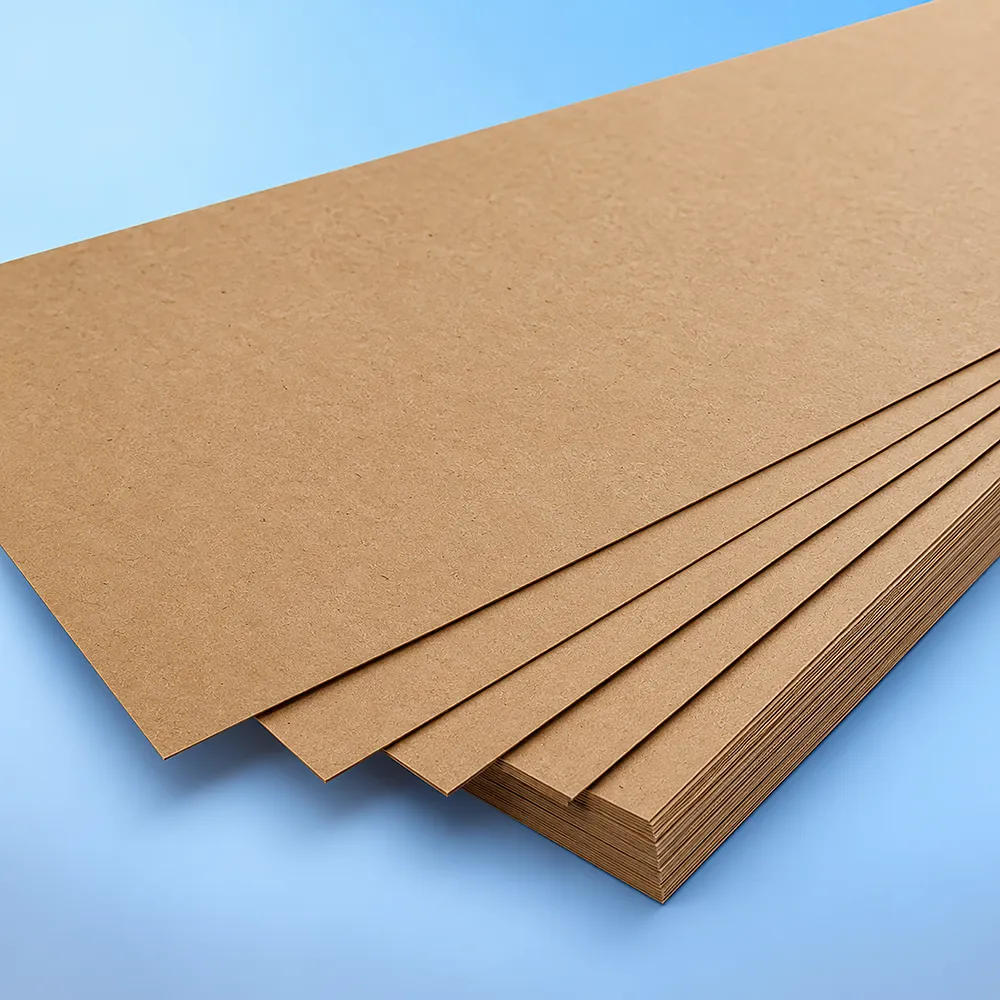
Kraft Paperboard

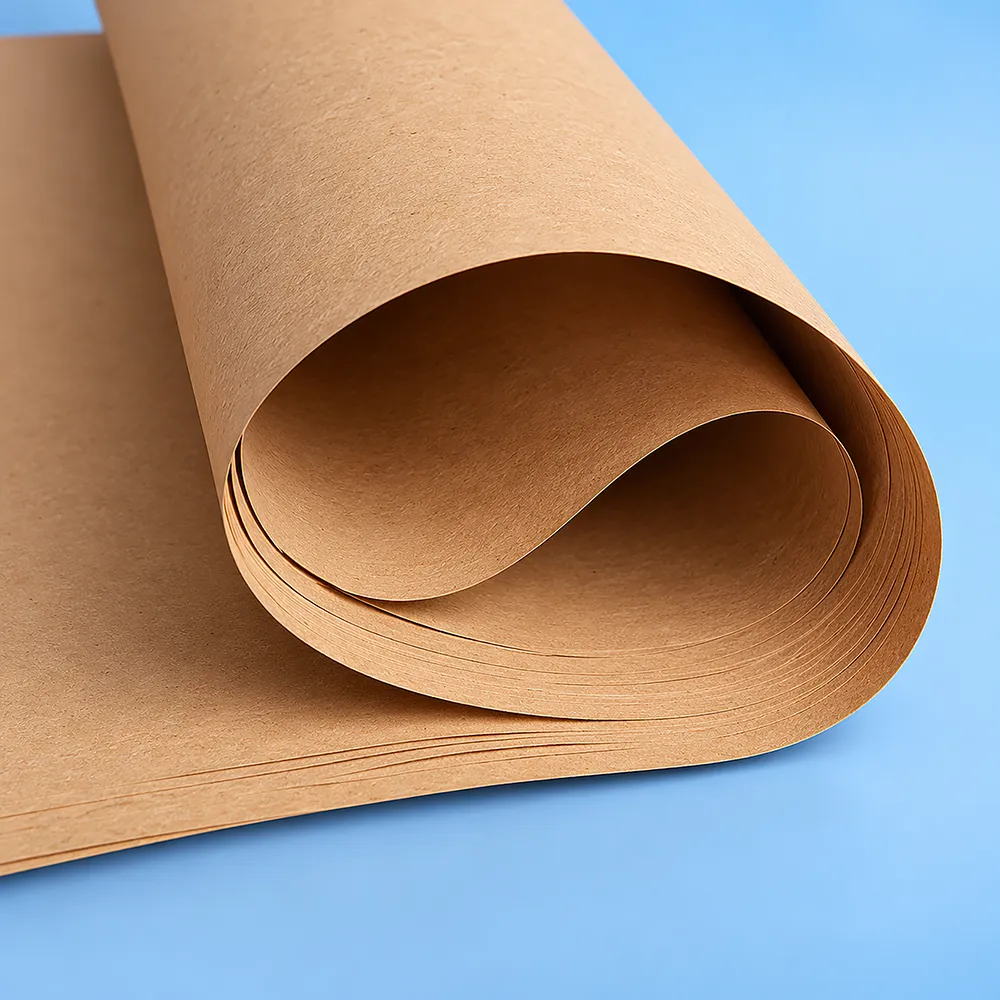
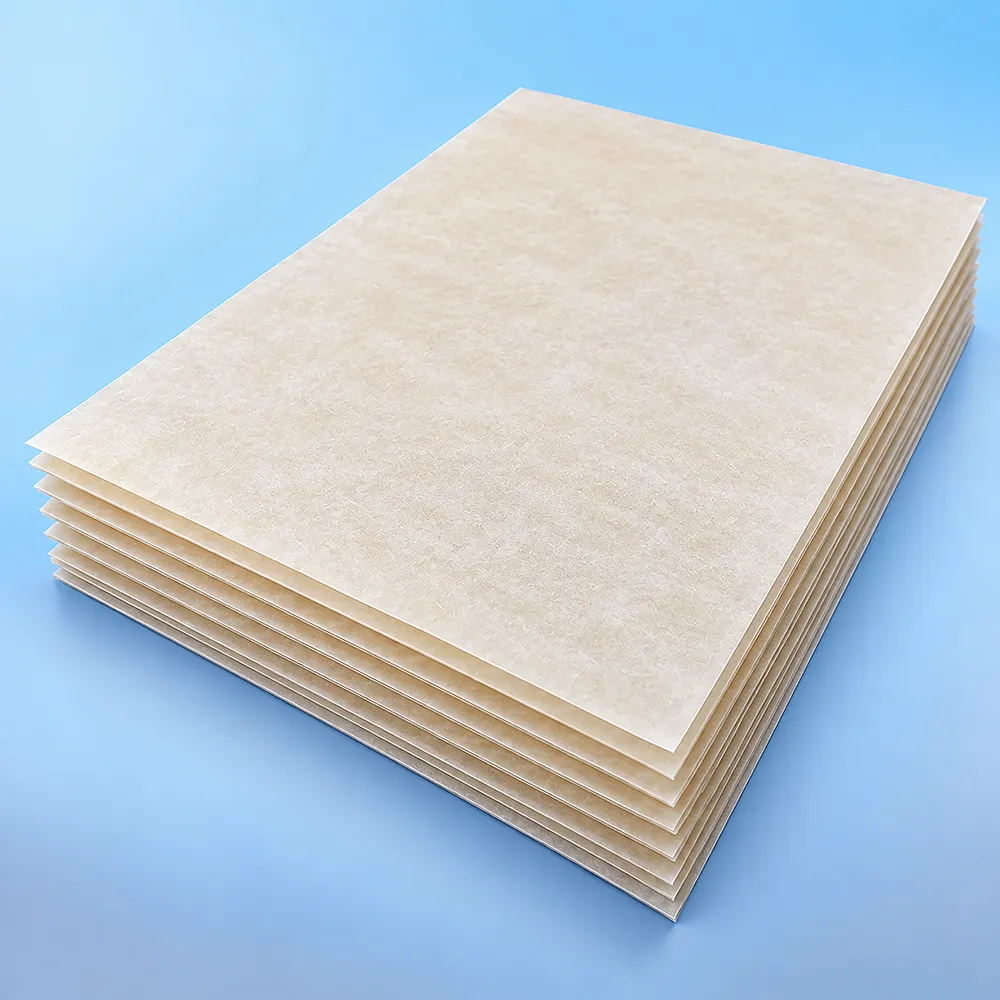
Kraft may be considered when a natural brown presentation supports the project. Kraft is a material and visual choice—not by itself a food-safety, grease-resistance or sustainability claim. Its suitability still depends on the food-contact layer, use conditions, structure and printing requirements.

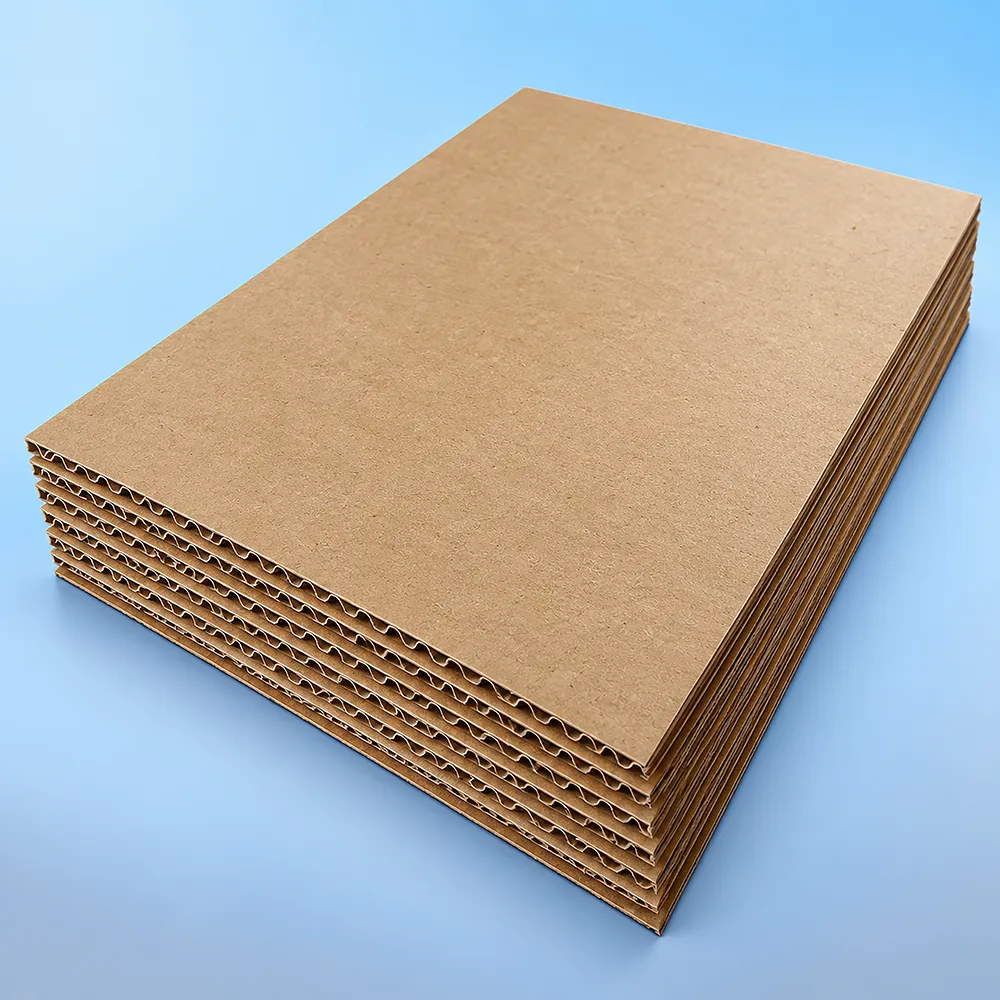
Corrugated Board

Corrugated construction may be evaluated where larger dimensions, several containers, packed weight or handling conditions create a different structural requirement. Corrugated board does not automatically establish direct-food-contact suitability, liquid containment or parcel-shipping performance.

Material, Primary Container and Liner Work Together

A Food Gable Box should be considered as part of the complete packaging system: food + primary wrapper/container + liner/barrier if required + internal support + gable carton Each component should solve a defined requirement. A liner should not be added merely because the package contains food, and an outer carton should not be assumed to replace the primary container.

Packed Weight, Handle and Bottom Still Matter

Food-use requirements do not replace structural requirements. A Food Gable Box holding several primary containers can create a very different load from one containing a lightweight wrapped product. Consider:
  • complete packed weight;
  • weight distribution;
  • container movement;
  • product footprint;
  • handle geometry;
  • bottom construction;
  • intended carry conditions.
There is no universal carrying capacity for every Food Gable Box. The loaded configuration should be evaluated as a system.

Windows for Food Visibility

A display window may be useful when seeing the packaged food contributes to presentation or purchase decisions. Window placement should account for:
  • product position;
  • remaining structural material;
  • folds;
  • handle area;
  • closure;
  • bottom;
  • glue or locking zones.
If visibility is the dominant product requirement, compare Window Gable Boxes. Where a window component may contact food directly, its suitability should be verified for that intended use rather than inferred from its transparency.

Inserts and Dividers for Food Pack-Out

Internal support may help when multiple products or primary containers need to remain separated or oriented. An insert or divider can help manage:
  • movement;
  • separation;
  • orientation;
  • presentation;
  • alignment behind a window;
  • repeatable pack-out.
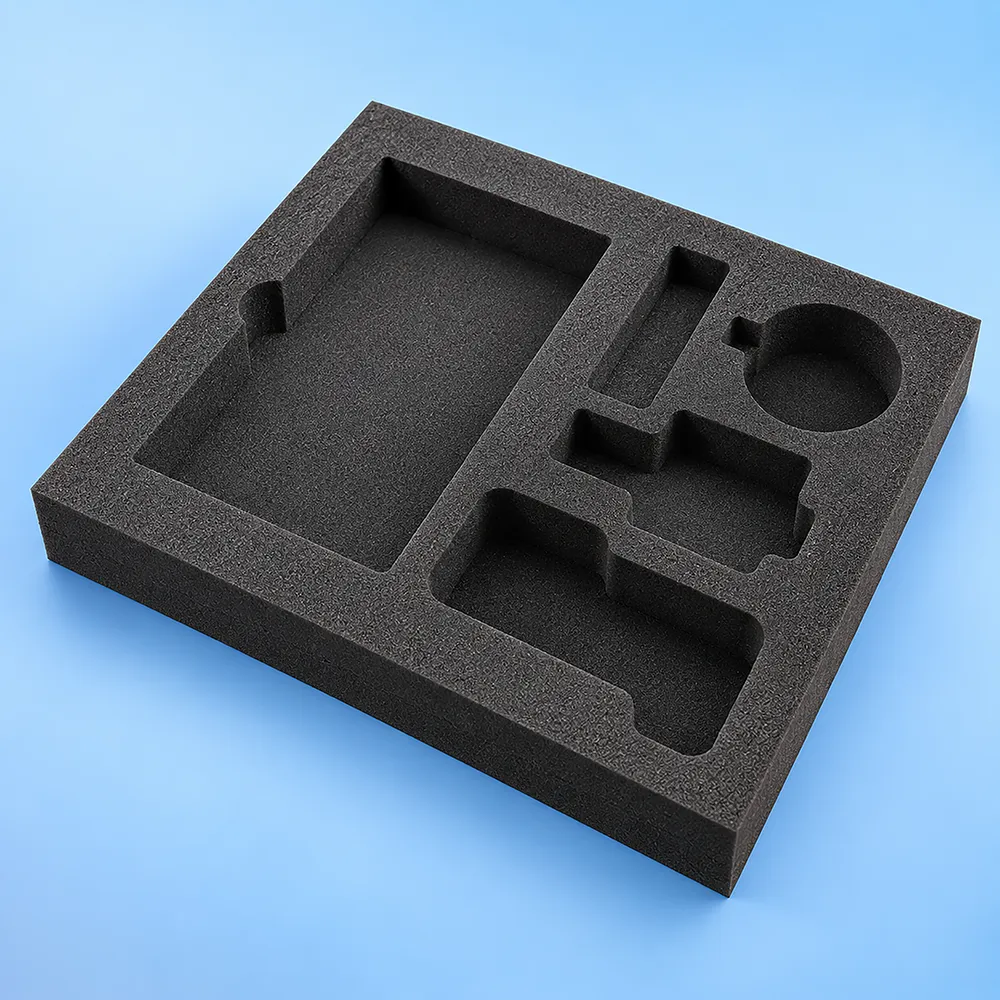
Because these components take up space, include them before final box dimensions are approved. Any direct-food-contact requirement involving an insert, divider, platform, liner or similar component should be reviewed separately.

Food Gable Boxes for Wrapped Foods, Snacks and Assortments

Food Gable Boxes may be evaluated for compatible wrapped foods, snacks, confectionery, food gifts and mixed food assortments. The deciding factors are still the actual product dimensions, primary packaging, grease/moisture conditions, total packed weight, movement and intended carrying conditions. When bakery-specific questions such as item count, decoration clearance, pastry grease, cupcake movement or bakery-display layout become the primary decision, those requirements should be treated as a dedicated bakery-packaging task rather than generalized from this page.

When Takeout Workflow Is the Main Decision

Food Gable Boxes may also function as outer carrying cartons for suitable prepared-food containers or multi-container meals. When the primary purchasing questions become meal configuration, steam, closure, carry distance, counter pickup, packing speed or restaurant workflow, compare Gable Takeout Boxes. This keeps the general food-contact and material decision separate from a takeout-specific pack-out decision.

Printing and Finishing

Printing should be selected from the approved material, artwork, quantity and complete food-use specification. Printing and finishing are separate processes. Printing applies graphics, text, imagery and color. Finishing changes surface appearance, tactile character or visual emphasis.

Offset Printing

Offset printing may be considered where the selected substrate, quantity, artwork detail, ink coverage and project requirements support the process. It can suit detailed branded graphics, subject to the actual material and food-packaging specification.

Digital Printing

Digital printing may suit shorter quantities, multiple artwork versions, seasonal programs or projects where reduced plate-related setup is useful. The final choice still depends on substrate, artwork, quantity and required result.

Flexographic Printing

Flexographic printing may be evaluated where the paper-based or corrugated substrate, graphics, coverage, quantity and production requirements suit the method. No printing process is automatically correct for every Food Gable Box project.

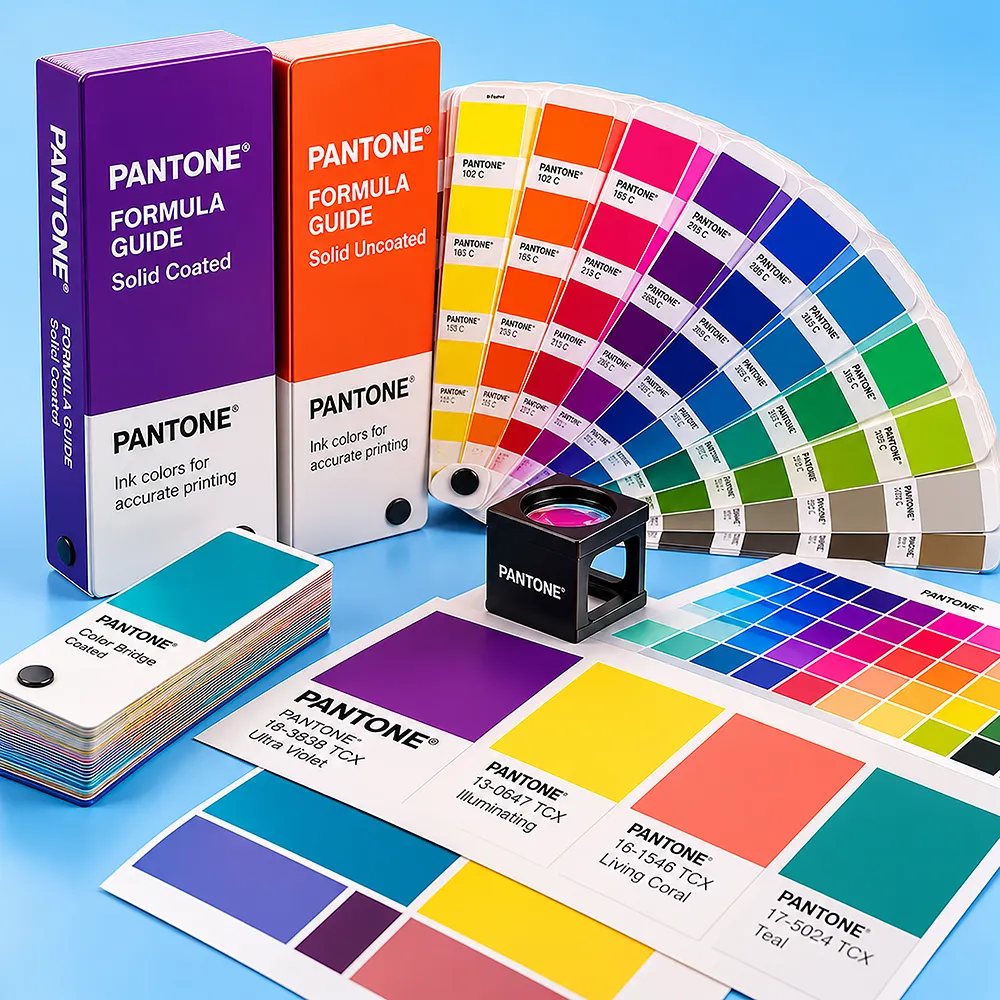
CMYK and Pantone/PMS

CMYK can support multi-color graphics, illustrations and photographic artwork. Pantone/PMS references can help communicate defined brand-color targets where appropriate. Final appearance can vary according to:
  • material shade;
  • coating;
  • ink;
  • printing process;
  • proofing;
  • finish;
  • lighting.
A CMYK or Pantone/PMS reference should not be treated as an absolute color-match guarantee.

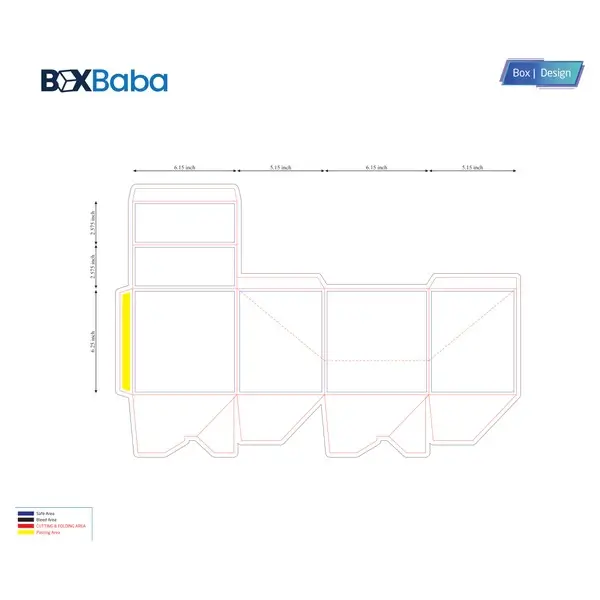
Design Artwork Around the Gable Structure

Prepare artwork on the approved dieline. Account for:
  • front and back panels;
  • side panels;
  • sloping gable panels;
  • handle cutouts;
  • score and fold lines;
  • closure tabs;
  • bottom flaps;
  • glue and lock zones;
  • window openings;
  • barcodes;
  • QR codes;
  • product or ingredient information where applicable;
  • variable information.
Keep important logos, fine text and scannable elements clear of structural areas that can interfere with readability. Where printing, coatings or adhesives may be part of an intended direct-food-contact surface, their suitability should be verified separately rather than inferred from exterior printing capability.

Finishing Options

Depending on the approved material, food-use specification and structural compatibility, finishes may include:
  • matte;
  • gloss;
  • soft touch;
  • foil stamping;
  • embossing;
  • debossing;
  • Spot UV.
Finishing is primarily a presentation decision. Compatibility should be checked around folds, handle openings, windows, closures and glue/lock zones. A decorative finish should not be treated as a food barrier or direct-contact approval.

What Documentation Questions Matter for Direct Food Contact?

When food may directly contact a packaging component, ask:
  • Which exact component touches the food?
  • What type of food will contact it?
  • Is the food dry, aqueous, oily or fatty?
  • What is the contact temperature?
  • How long will the contact continue?
  • Is the product stored ambient, refrigerated or frozen?
  • Are coatings, inks, adhesives, liners or window components involved?
  • What documentation supports that intended use?
These questions are more useful than relying on a generic food-grade label.

Food Gable Boxes Are Not Automatically Leakproof, Heatproof or Delivery Packaging

A handled gable carton does not automatically provide:
  • liquid containment;
  • leakproof performance;
  • thermal insulation;
  • steam control;
  • parcel-shipping protection;
  • long-distance delivery protection.
Those requirements may need to be handled by the primary food container, a verified liner/barrier, another packaging format or a separate transport layer.

When a Food Gable Box May Not Be the Right Format

Project Requirement Consider Another Direction When
Liquid containment is the main requirement Use an appropriate primary food container for containment
Long heat retention or insulation is required A dedicated thermal packaging system may be needed
Direct-contact suitability cannot be verified Do not use the configuration as the direct-contact layer
Steam or moisture exceeds the chosen package intended conditions Review another primary container, material, barrier or ventilation strategy
Packed size or weight changes the structural requirement substantially Another carton or corrugated configuration may be more appropriate
Courier or parcel protection is the primary job Use an appropriate shipping or delivery packaging layer

What Affects the Cost of Custom Food Gable Boxes?

The quote depends on the complete packaging specification. Relevant factors may include:
  • finished dimensions;
  • material;
  • direct or indirect contact requirement;
  • liner/barrier requirements;
  • structure and bottom;
  • window;
  • internal support;
  • order quantity;
  • number of SKUs or artwork versions;
  • print method and coverage;
  • finishing;
  • proof or sample requirements.
Two boxes for the same general food category can require different specifications when the primary container, temperature, hold time, contact layer or packed arrangement changes.

Samples, Proofs and Food Pack-Out Validation

Different approval methods solve different risks.

Digital Proof or 3D Mockup

Useful for reviewing:
  • branding;
  • artwork placement;
  • panel relationships;
  • general appearance.

Structural Sample

More useful for validating:
  • primary-container fit;
  • usable height;
  • packed arrangement;
  • assembly;
  • handle relationship;
  • bottom configuration;
  • window placement;
  • insert layout.
Where physical fit or carrying is the concern, use the actual or a representative packed configuration where practical.

Printed Physical Sample

May be relevant for evaluating:
  • substrate appearance;
  • printed graphics;
  • color;
  • ink coverage;
  • exterior finishing.
A printed sample does not replace food-contact documentation when direct contact is intended. BoxBaba standard production time is generally 5–9 business days after final artwork approval. Production is separate from shipping and transit. Free samples are available under the current policy. Sample delivery or shipping charges are reimbursed with the first bulk order. Custom or project-specific samples may require separate confirmation.

Why Choose BoxBaba for Food Gable Boxes?

BoxBaba supports Food Gable Box projects around the actual packed-food configuration rather than one generic food-packaging specification. Current project support includes:
  • custom sizing as applicable;
  • standard MOQ starting from 100 boxes;
  • artwork assistance;
  • dieline, 3D mockup and proofing support as applicable;
  • sample support under the current policy;
  • offset, digital and flexographic printing according to project compatibility;
  • standard production generally within 5–9 business days after artwork approval;
  • free shipping across the USA under the current offer.
Start with the food, primary container, contact layer, packed conditions, dimensions, weight and order quantity so the structure and material can be reviewed together.

Request a Custom Food Gable Box Quote

Send BoxBaba:
  • food or product type;
  • finished product/container dimensions;
  • quantity packed per box;
  • complete packed weight;
  • grease, moisture or steam conditions;
  • liner, barrier or ventilation requirements if known;
  • window, insert or divider requirements;
  • total order quantity;
  • artwork or logo files;
  • printing and finishing preferences;
  • delivery destination;
  • required in-hand date if applicable.
These inputs help BoxBaba review the food-use conditions, material, gable structure, artwork and production requirements as one complete packaging project. Request a Custom Quote +1 305 574 4357 sales@boxbaba.com

Frequently Asked Questions

Find all the urgent questions you may have.

A Food Gable Box is a carton with upper gable panels and an integrated carrying handle configured for compatible food or food-service applications. It may function as direct-contact packaging only where the exact specification supports that use, or as an outer carton around primary food containers.
No. Direct-contact suitability depends on the exact materials and intended use, including food type, temperature, contact duration, coatings, liners, inks, adhesives and other relevant components.
Food Gable Boxes may be evaluated for compatible wrapped foods, snacks, food assortments, confectionery, food gifts and primary food containers. The correct specification depends on the actual food, contact layer, grease, moisture, temperature and packed arrangement.
Measure the complete pack-out, including primary containers, wrappers, liners, inserts, utensils or accessories. Provide length, width, height, tallest/widest point, quantity per box, orientation and complete packed weight.
Identify grease/oil exposure, moisture, steam, packed temperature, expected hold time and the primary food container. A liner, barrier, ventilation strategy or different package may need to be evaluated depending on those conditions.
These components may be evaluated when they solve a specific contact, grease, moisture or steam-management requirement. Their suitability and exact construction depend on the intended food-use conditions.
A window may be evaluated when product visibility is useful and the structure supports it. If the window component can contact food directly, its suitability should be verified for the intended use.
Offset, digital or flexographic printing may be evaluated according to the substrate, artwork, quantity, coverage and project requirements. Any printing associated with a direct-food-contact surface requires separate suitability review.
BoxBaba standard MOQ starts from 100 boxes. A specialized material, food-contact requirement, structure or printing process may require separate confirmation.
Standard production generally takes 5–9 business days after final artwork approval. Production time is separate from shipping and transit, so required in-hand timing should be reviewed with the complete project.