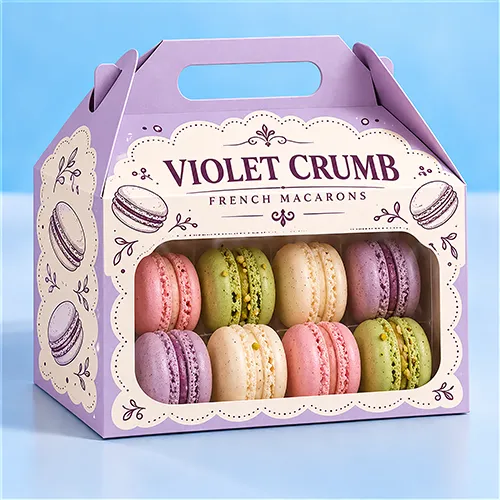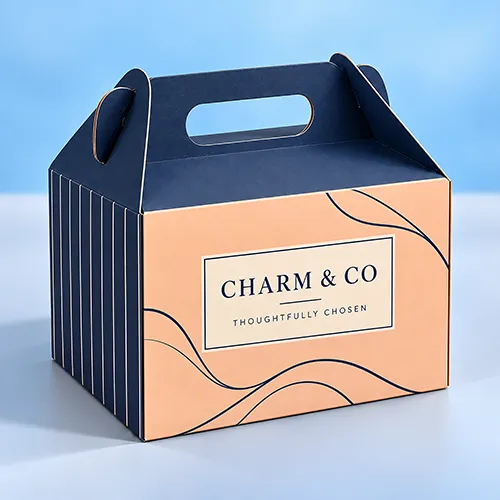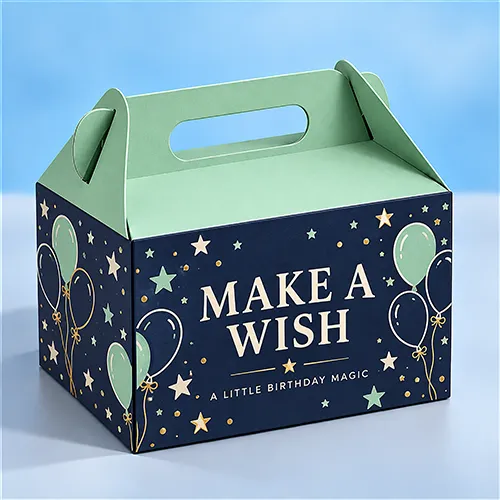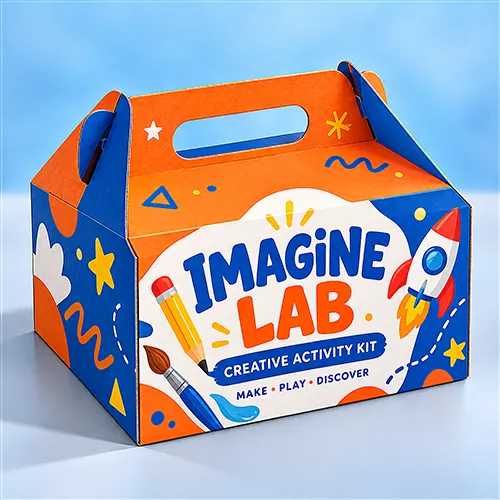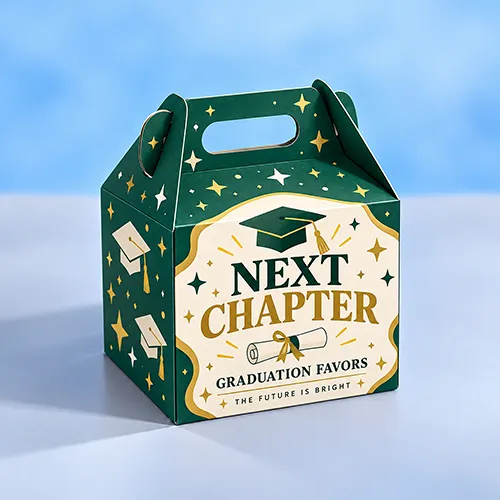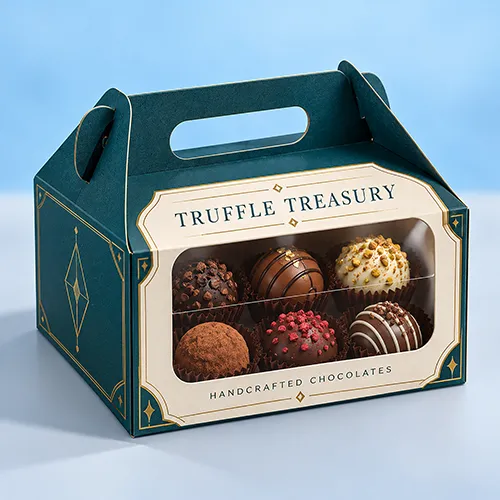









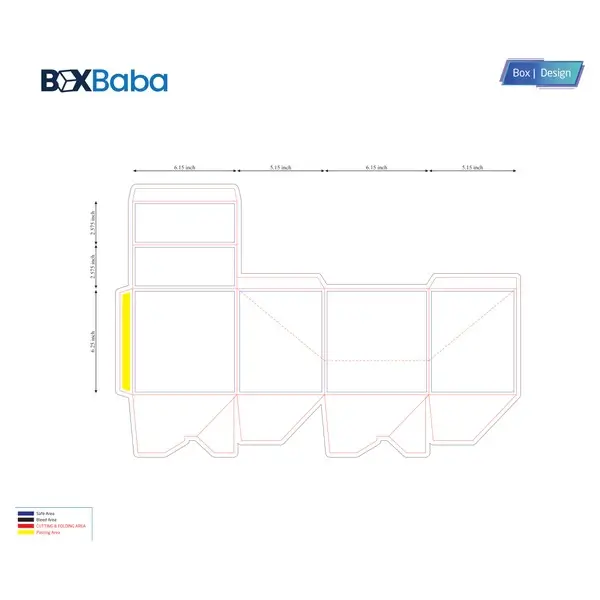

Gable Takeout Boxes

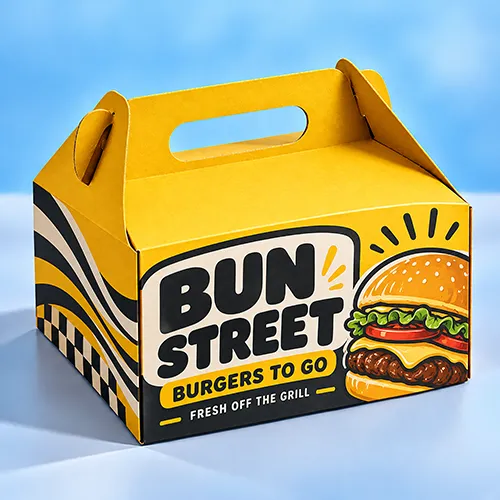
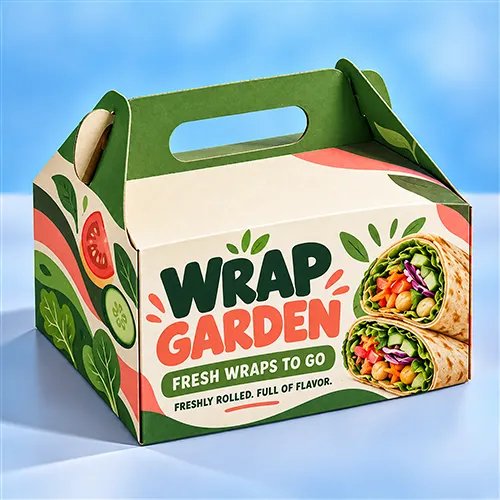
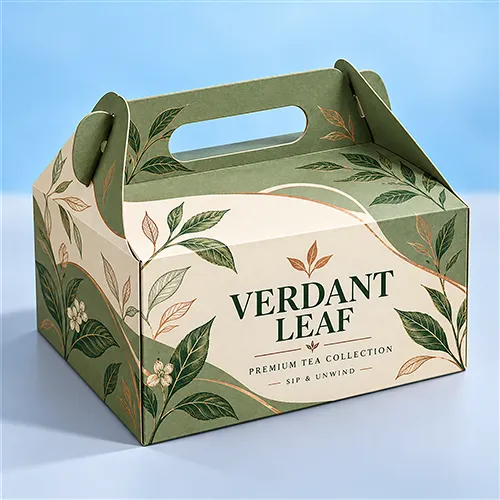
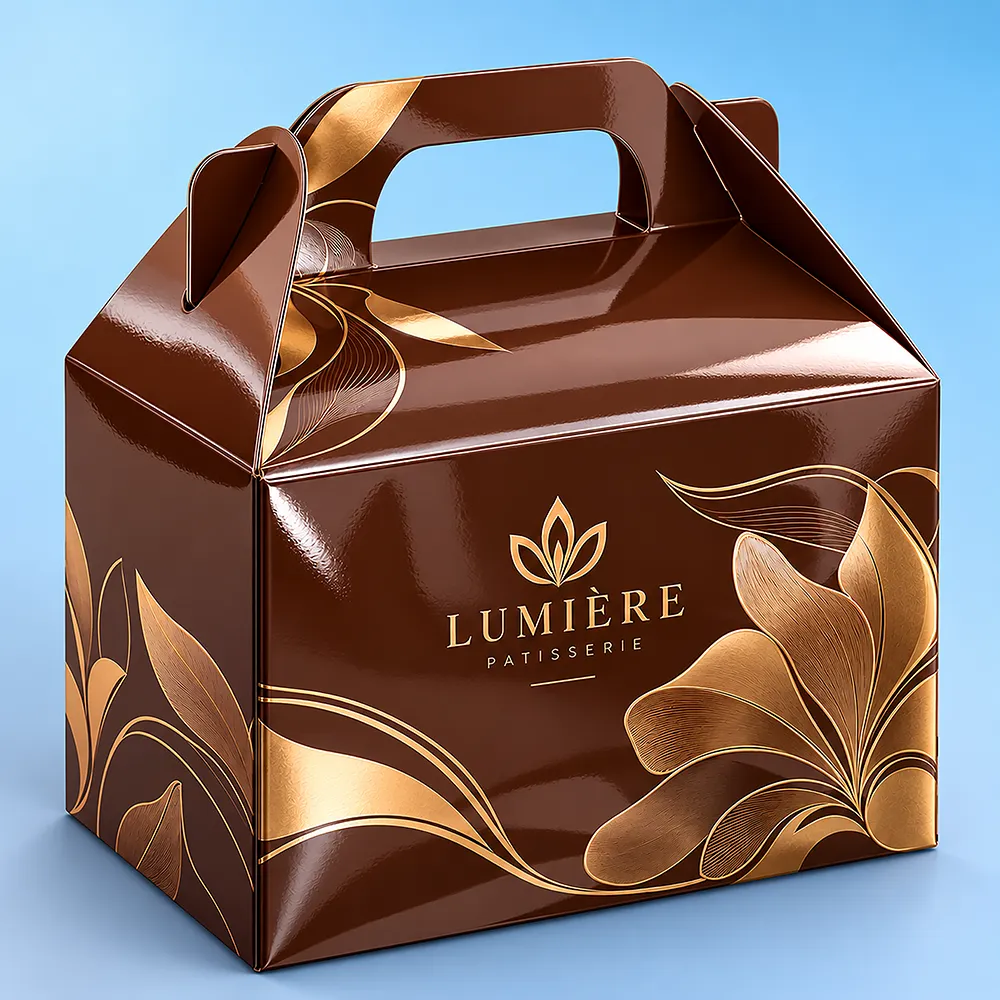
Custom gable takeout boxes are handled outer cartons configured around prepared meals, food containers, catering sets, boxed lunches, and compatible restaurant pickup orders. The right structure depends on the complete pack-out—not simply the meal name. Primary-container dimensions, arrangement, packed weight, steam, grease, hold time, closure, bottom support, and carrying distance can all influence the final specification. BoxBaba can develop custom sizing, artwork, printing, and proofing around the actual meal configuration and restaurant workflow. The gable carton often functions as an outer carrier around separate food containers rather than as the liquid-containment or direct-contact layer. For broader gable structures, explore Custom Gable Boxes, or send your meal-container dimensions and packed arrangement for a custom quote.
Trustpilot_Logo
5 out of 5 stars
4.5
Reviews 16 • Excellent

Custom Gable Takeout Boxes for Food, Catering & Branded Packaging

Custom gable takeout boxes designed for restaurant meals, bakery items, catering, events, food service, and takeaway packaging with integrated carry handles, custom sizing, branded printing, suitable paperboard options, and compatible finishing features.

What We Give

Create Custom Boxes Quick and Easy

Design

Get your custom boxes made in the required size, shape, and style.

Print

Upload your artwork and get it superbly printed the way you want.

Get it done

Order any quantity, enjoy a wholesale price, pay no extra for die plates.

Related Products

Build the Gable Takeout Box Around the Complete Meal

A takeout package should be sized around the order in the form the customer will actually carry it. A meal may include more than one primary container:
  • entrée container;
  • side container;
  • dessert;
  • condiment cups;
  • utensils;
  • napkins;
  • inserts or dividers;
  • other order components.
A carton selected around the entrée alone can become too small once the complete order is assembled. Before final sizing, define the entire pack-out and the intended arrangement inside the gable box.

Arrange Meal Containers Before Finalizing Dimensions

Several containers with the same combined volume can behave differently depending on how they are positioned. Review:
  • which container sits on the bottom;
  • whether containers stack;
  • whether taller components sit near the center or side;
  • whether contents can shift;
  • whether one side becomes heavier;
  • whether internal support is needed;
  • whether the handle remains centered over the loaded arrangement.
A balanced arrangement can matter as much as the total packed weight.

Measure the Complete Pack-Out

Provide:
  • overall container length;
  • width;
  • height;
  • tallest point;
  • number of containers;
  • intended orientation;
  • final packed arrangement;
  • complete loaded weight;
  • accessories or internal support.
The primary-container dimensions are an input to the box design. They are not automatically the final internal or external Gable Takeout Box dimensions.

Usable Body Height Is Not Total Handle Height

The upper panels of a Gable Takeout Box slope inward toward the carrying area. That means the total assembled height is greater than the usable rectangular space available to meal containers. A tall container can appear to fit the outside height while still interfering with the upper gable panels or closure. Final sizing should therefore distinguish: usable rectangular meal-container height from total assembled height including the upper gable panels and handle This is especially important for stacked containers, cups, tall trays, or other high-profile meal components.

The Primary Food Container and Gable Carton Have Different Jobs

For many takeout projects, the primary container handles the food itself while the gable carton organizes and carries the meal. The complete system may be: food → primary container → internal support if required → gable outer carrier That distinction matters for sauces, grease, moisture, hot foods, and liquid components. Do not assume the outer Gable Takeout Box provides liquid containment, a regulated food barrier, or direct-food-contact suitability unless the exact specification has been verified for that use. For food-packaging formats beyond the handled gable structure, explore Custom Food Boxes.

Plan for Temperature, Steam, Grease and Hold Time

Prepared meals can expose an outer carton to different conditions than dry or ambient packaged products.
Takeout Condition What to Evaluate
Warm primary containers Container temperature, hold time, outer-carton exposure, and whether condensation may develop
Steam-producing meals Primary-container venting, steam accumulation in the outer carrier, possible ventilation needs, and structural/artwork zones
Greasy or oily meal components Primary-container containment, potential transfer to the outer carton, and whether a verified liner/barrier needs evaluation
Moist meal components Primary-container closure, condensation, hold time, and outer-material behavior
Several containers in one order Arrangement, movement, combined weight, separation, and bottom/handle loading
Longer pickup or delivery handoff Added hold time, repeated handling, movement, and whether another delivery layer is needed
These conditions should inform the packaging specification. They are not evidence that one standard carton will perform the same way for every meal.

Venting Should Solve a Defined Steam Problem

Ventilation is not a decorative feature and should not be added automatically to every Gable Takeout Box. First determine:
  • whether the primary food container already vents;
  • whether steam can accumulate inside the outer carton;
  • expected packed temperature;
  • expected holding time;
  • whether condensation is affecting the outer board or presentation.
If ventilation in the outer carton is useful, vent location should be coordinated with:
  • meal-container position;
  • folds;
  • handle area;
  • closure;
  • bottom;
  • glue or locking zones;
  • printed artwork.
Exact vent shape, count, and location should be developed for the project rather than standardized from another takeout box.

Material for Gable Takeout Box

Gable Takeout Box material should be selected after the meal arrangement, packed weight, food-use conditions, printing, and carrying requirements are understood.

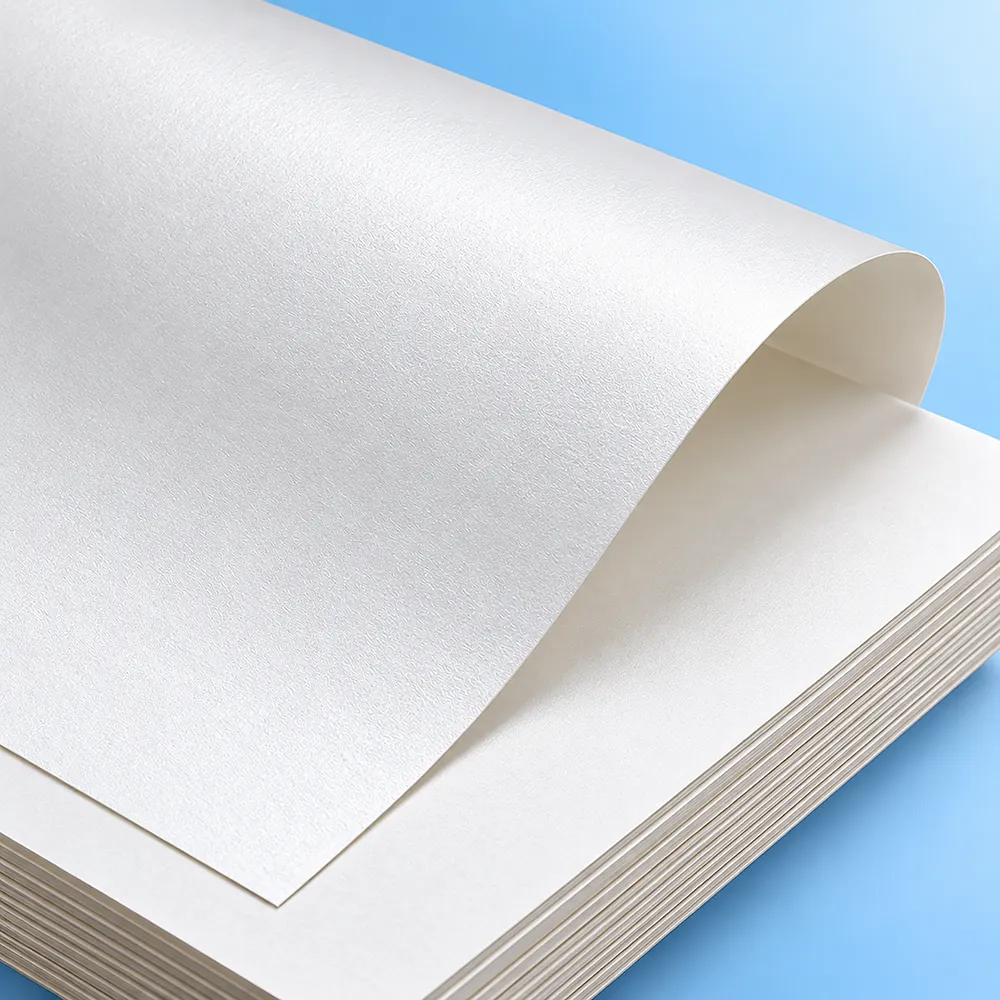
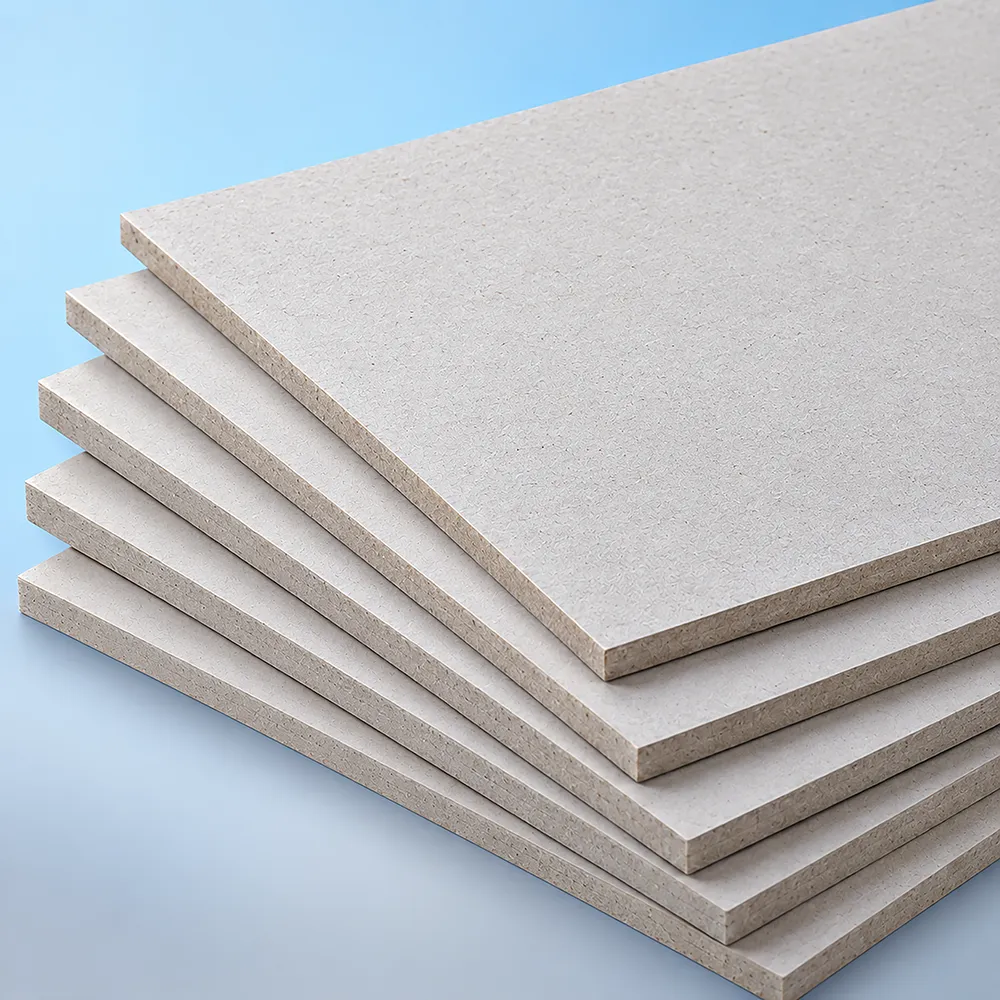
Paperboard / Cardstock

Paperboard may suit compatible restaurant and catering applications where folding-carton construction, branded panels, and hand-carry presentation are important. Selection should account for:
  • dimensions;
  • complete packed weight;
  • handle and bottom;
  • container temperature;
  • steam or condensation;
  • grease/moisture exposure;
  • printing;
  • any window or insert.
Ordinary paperboard should not automatically be treated as greaseproof, moistureproof, heat-resistant, or suitable for direct food contact.

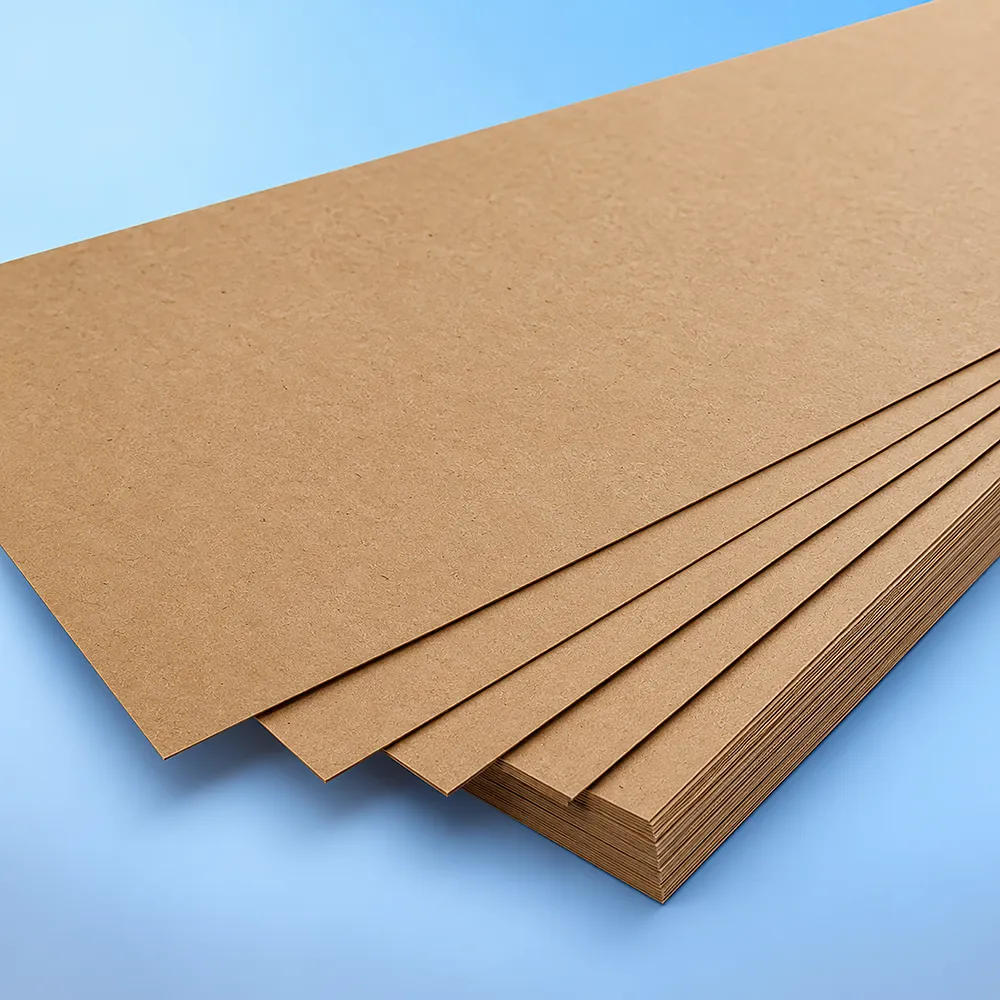
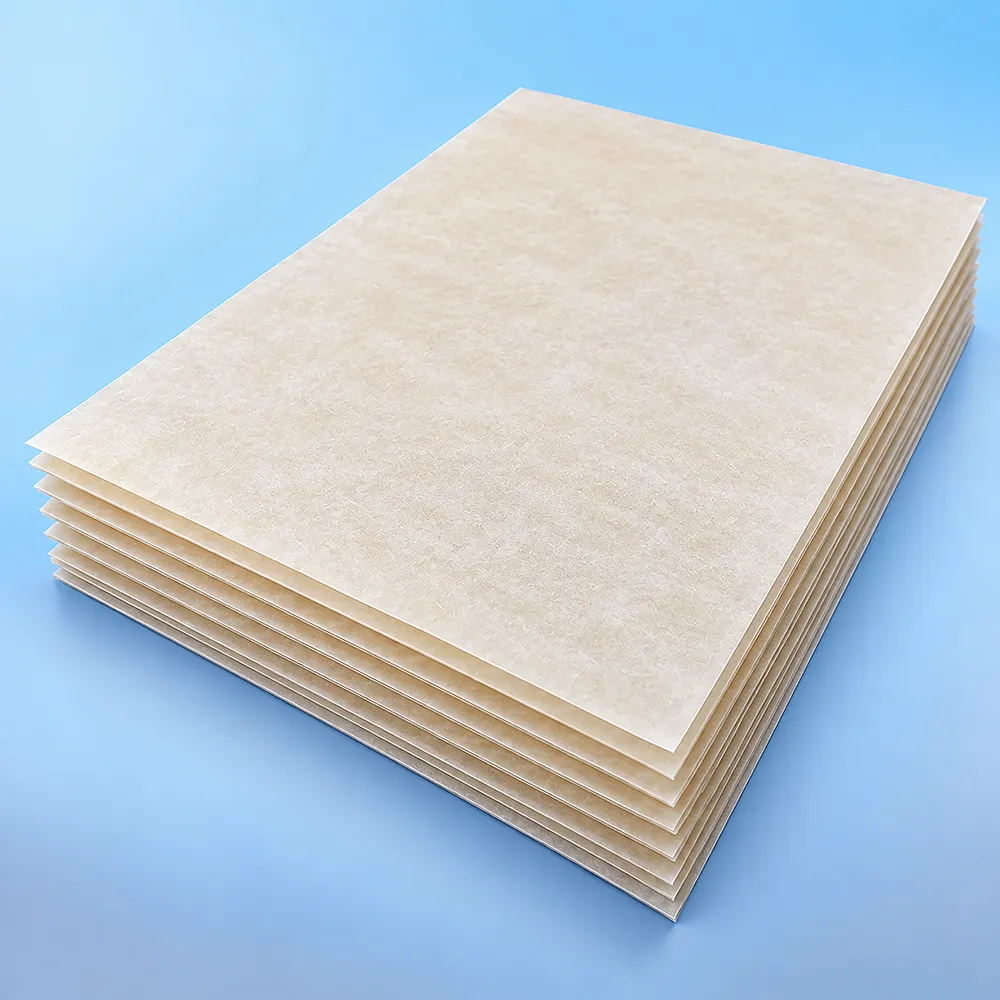
Kraft Paperboard

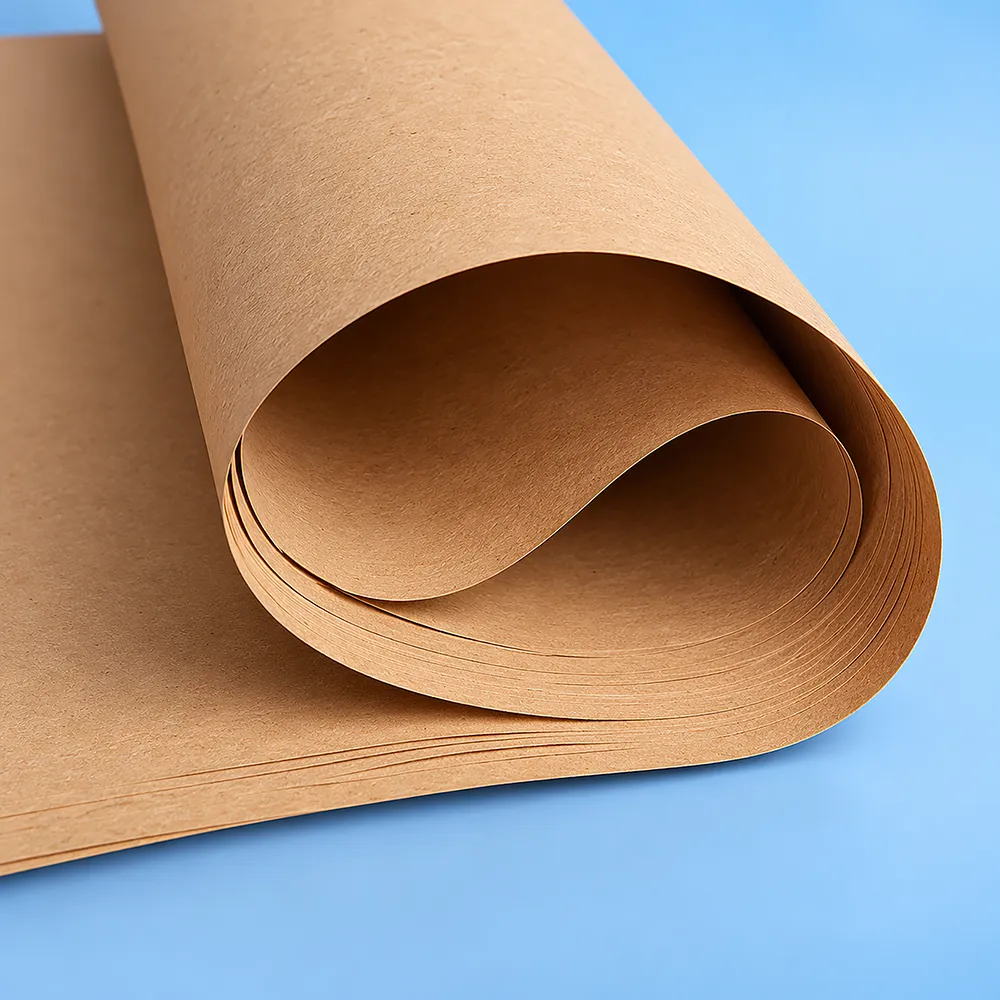
Natural Kraft may be evaluated where the brown substrate supports the restaurant or catering presentation. Its natural appearance does not by itself establish food-contact suitability, grease resistance, recyclability, or environmental performance. The substrate color also affects artwork and printed-color appearance.

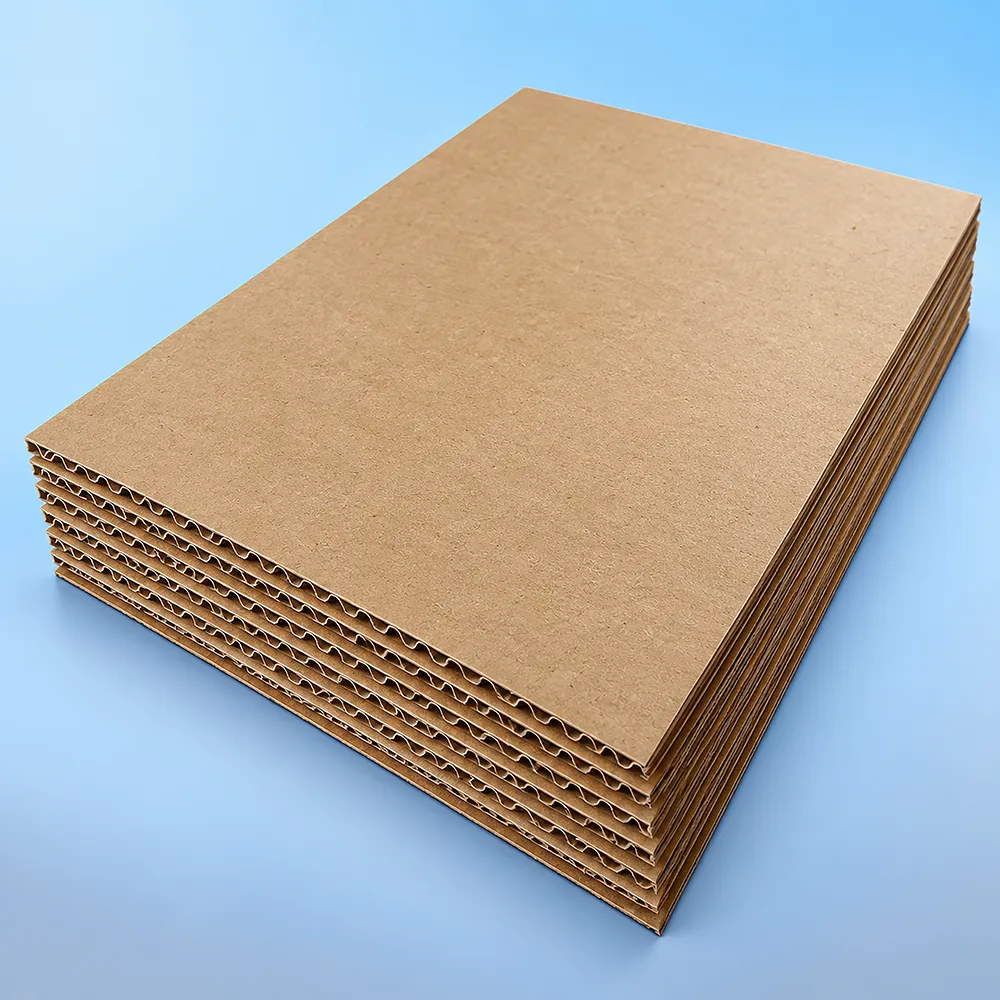
Corrugated Board

Corrugated construction may deserve evaluation when a larger multi-container meal, heavier packed weight, catering configuration, or handling requirement creates a different structural need. Corrugated construction is not automatically required for every heavy-looking order, and it does not by itself make the gable carton a shipping or delivery-protection package.

Material, Handle and Bottom Work Together

Material should not be selected in isolation. Loaded performance depends on the relationship among: meal arrangement + complete packed weight + weight distribution + material + handle + bottom + carry conditions There is no universal weight limit that applies to every Gable Takeout Box.

Closure and Bottom Should Match the Pack-Out Workflow

A takeout carton has to work for both the customer carrying the order and the staff packing it. Review:
  • how the carton arrives at the packing station;
  • how many steps are required before loading;
  • how meal containers are inserted;
  • whether the upper closure clears tall containers;
  • how the handle closes around the final pack-out;
  • whether the bottom is appropriate for the loaded arrangement;
  • how much daily packing volume the operation handles.
A structure with fewer setup steps is not automatically the best solution if it does not suit the meal dimensions, load, material, or packing process. Exact bottom construction should be confirmed during structural development.

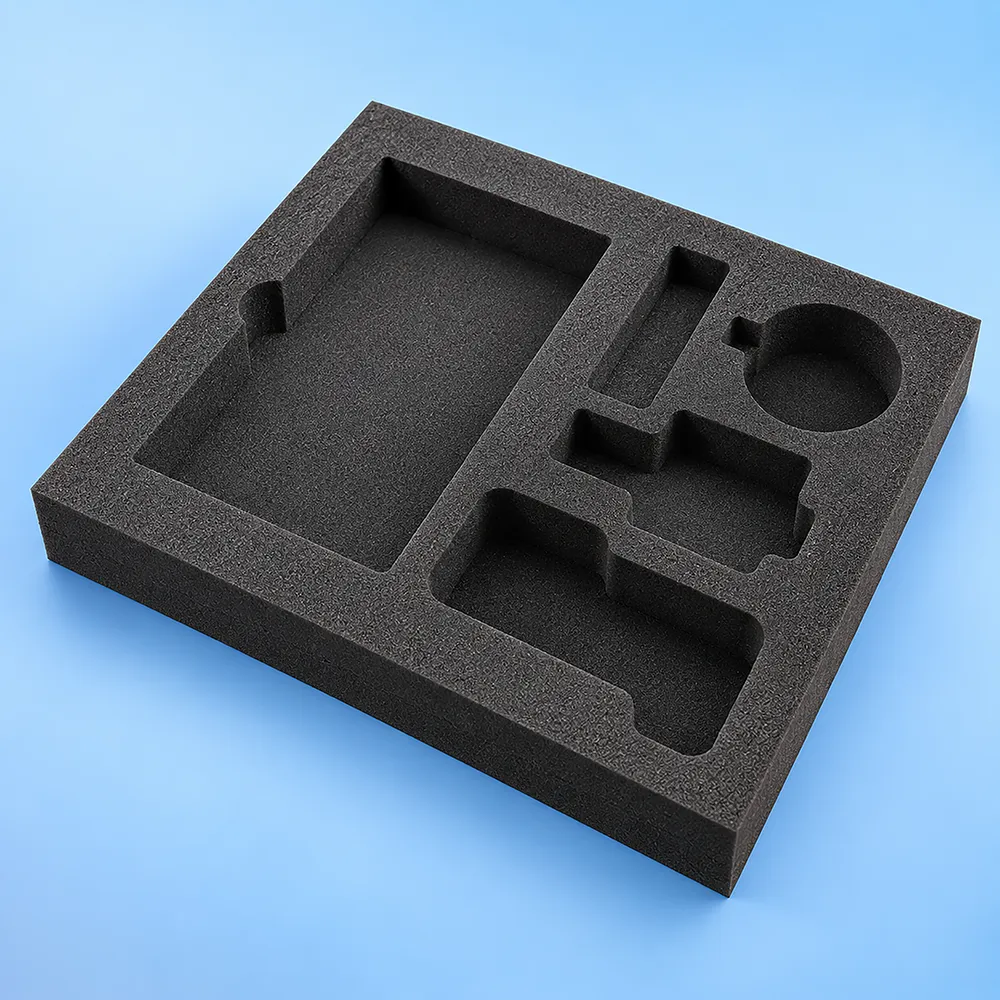
Inserts and Dividers for Multi-Container Orders

Internal support can be useful when several containers need controlled placement. It may help:
  • separate containers;
  • reduce side-to-side movement;
  • organize entrées and sides;
  • hold condiments or accessories in a defined position;
  • keep weight distributed more consistently;
  • prevent one container from shifting beneath another.
An insert or divider is not automatically necessary. It should solve an actual movement, separation, or presentation problem because it also occupies internal space and adds a pack-out step.

Windows for Takeout Presentation

A window may be considered when visibility adds value to the takeout presentation. The opening should follow the final product position and be reviewed against:
  • steam or condensation;
  • remaining panel material;
  • folds;
  • upper gable panels;
  • handle;
  • closure;
  • bottom;
  • glue/lock zones.
If visibility is the primary feature, compare Window Gable Boxes. Any film, adhesive, or other window component associated with a direct-food-contact condition should be reviewed separately for the intended use.

Counter Pickup vs Local Delivery

The same meal can create different packaging demands depending on how it reaches the customer.
Use Context Main Packaging Questions
Counter Pickup Is the meal easy to load, close, identify, hand over, and carry for the expected trip?
Event / Catering Handoff Are multiple meal components organized consistently, and can staff pack repeated orders efficiently?
Local Delivery Will longer hold time, vehicle movement, stacking beside other orders, or repeated handling change the outer-packaging requirement?
Courier / Parcel Shipping A takeout gable carton should not be assumed to provide the protection required for parcel distribution; another shipping layer may be necessary
The gable carton should not be expected to provide temperature maintenance, leak containment, or delivery protection unless those properties are separately established by the complete packaging system.

Pack-Out Speed Matters for Restaurant Operations

A structurally suitable package can still create unnecessary friction if it is awkward at the packing station. When pack-out speed matters, consider:
  • whether boxes are stored flat or assembled;
  • daily order volume;
  • available counter space;
  • number of meal components;
  • insert/divider loading;
  • closure steps;
  • label placement;
  • whether several artwork/SKU versions must be kept separate.
Share these workflow requirements during structural development. The goal is not simply the fewest folds. It is a repeatable pack-out that works with the meal and the staff process.

Printing and Finishing

Printing should be selected around the approved material, artwork, order quantity, coverage, image detail, and number of restaurant or menu artwork versions. Printing and finishing are separate processes. Printing applies logos, graphics, text, imagery, and color. Finishing changes surface appearance, tactile feel, or visual emphasis.

Offset Printing

Offset printing may be evaluated where the material, order quantity, graphic detail, ink coverage, and repeat-order requirements support the process. It can be relevant for detailed restaurant branding, but there is no universal quantity at which offset automatically becomes the correct method.

Digital Printing

Digital printing may be useful for:
  • shorter quantities;
  • seasonal campaigns;
  • location-specific versions;
  • limited menu promotions;
  • several artwork/SKU versions;
  • projects where reduced plate-related setup is useful.
The final process should still be selected from the material, artwork, quantity, and required appearance.

Flexographic Printing

Flexographic printing may be evaluated where the selected paper or corrugated surface, graphics, ink coverage, quantity, and production requirements suit the method. No print method should be selected from order quantity alone.

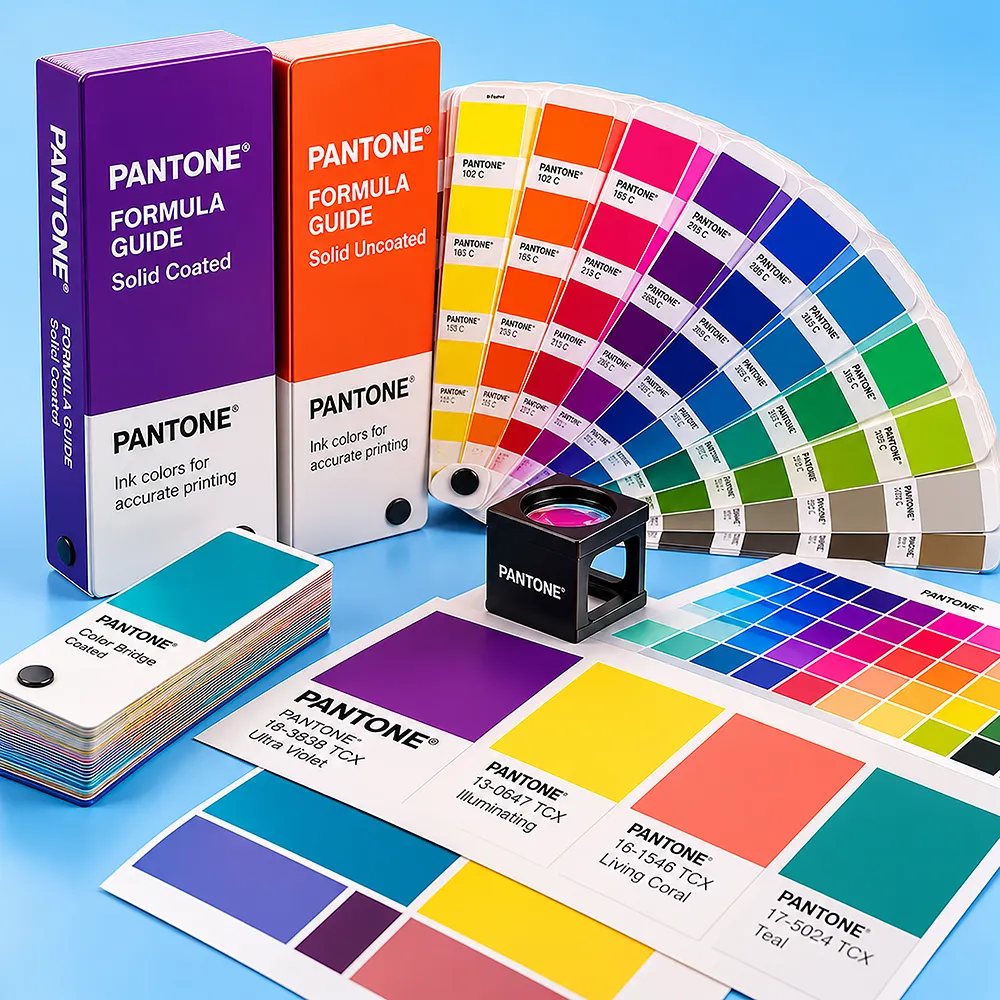
CMYK and Pantone/PMS

CMYK can support photographs, illustrations, gradients, and multi-color restaurant graphics. Pantone/PMS references can help communicate defined brand-color targets where appropriate. Final printed appearance can still vary with:
  • substrate color;
  • surface texture;
  • coating;
  • ink;
  • printing process;
  • proofing;
  • finish;
  • lighting.
CMYK or Pantone/PMS references should not be interpreted as an absolute color-match guarantee.

Plan Artwork Around the Gable Structure

Prepare final artwork on the approved dieline. Account for:
  • front and back body panels;
  • side panels;
  • sloping gable panels;
  • handle openings;
  • score and fold lines;
  • closure tabs;
  • bottom flaps;
  • glue or locking zones;
  • ventilation openings where used;
  • window openings where used;
  • order labels;
  • barcodes;
  • QR codes;
  • variable information.
Keep critical logos, fine text, scannable codes, and operational labels clear of areas where cuts, folds, vents, windows, locks, or glue can interfere.

Finishing Options

Depending on compatibility with the selected material and structure, finishes may include:
  • matte;
  • gloss;
  • soft touch;
  • foil stamping;
  • embossing;
  • debossing;
  • Spot UV.
Finish selection should consider both visual impact and functional zones. A treatment that works on the main front panel may not be appropriate across folds, handle openings, vent holes, closures, or glue areas. Decorative finishing should not be treated as a food barrier, waterproof layer, greaseproofing system, or durability guarantee.

When a Gable Takeout Box May Not Be the Best Format

Project Requirement Consider Another Direction When
Liquid containment is the main job Use a suitable primary food container designed for containment
Long-duration heat retention is required A dedicated thermal packaging system may be needed
Very tall meal containers exceed usable gable-body height Another carton geometry may provide better headroom
Extremely heavy or unbalanced contents dominate the project Another structure or corrugated carrier may deserve evaluation
High-speed pack-out requires a different closure/bottom workflow Compare structures around actual labor and loading requirements
Courier or parcel shipping is the primary task Use a purpose-designed transport or shipping layer
The best takeout package is the one that fits the meal and operating workflow rather than forcing every order into the gable format.

What Affects the Cost of Custom Gable Takeout Boxes?

Pricing depends on the complete configuration. Relevant variables can include:
  • finished dimensions;
  • material;
  • bottom and closure;
  • window;
  • inserts or dividers;
  • quantity;
  • number of sizes or artwork versions;
  • printing process;
  • print coverage;
  • finishing;
  • proof or sample requirements.
Two takeout boxes with the same exterior dimensions can require different production approaches if their packed weights, structures, artwork, or food-use requirements differ.

Samples, Proofs and Takeout Pack-Out Validation

Different approval methods answer different questions.

Digital Proof or 3D Mockup

Useful for reviewing:
  • branding;
  • artwork placement;
  • order-label areas;
  • panel relationships;
  • window or vent position in relation to graphics.

Structural Sample

More useful for reviewing:
  • primary-container fit;
  • complete meal arrangement;
  • usable body height;
  • assembly;
  • closure;
  • handle relationship;
  • bottom;
  • insert/divider placement;
  • movement.
Where carrying performance matters, test the structural arrangement with the actual or a representative loaded meal configuration where practical.

Printed Physical Sample

May be useful for evaluating:
  • substrate appearance;
  • printing;
  • color;
  • exterior finish;
  • branded presentation.
A printed sample does not replace food-contact documentation or prove leak, heat, grease, or delivery performance. BoxBaba standard production time is generally 5–9 business days after final artwork approval. Production time is separate from shipping and transit. Free samples are available under the current policy. Sample delivery or shipping charges are reimbursed with the first bulk order. Custom or project-specific samples may require separate confirmation.

Why Choose BoxBaba for Gable Takeout Boxes?

BoxBaba supports Gable Takeout Box projects around the actual meal configuration and restaurant workflow rather than one generic takeout-box specification. Current project support includes:
  • custom sizing as applicable;
  • standard MOQ starting from 100 boxes;
  • artwork assistance;
  • dieline, 3D mockup, and proofing support as applicable;
  • sample support under the current policy;
  • offset, digital, and flexographic printing according to project compatibility;
  • standard production generally within 5–9 business days after artwork approval;
  • free shipping across the USA under the current offer.
Start with the primary containers, complete meal arrangement, packed weight, temperature/steam conditions, order quantity, and carrying context so the structure and material can be reviewed together.

Request a Custom Gable Takeout Box Quote

Send BoxBaba:
  • restaurant, catering, or takeout use;
  • primary-container dimensions;
  • approximate carry distance or handling conditions where useful;
  • insert/divider requirements;
  • ventilation requirement if known;
  • window preference if relevant;
  • total quantity;
  • quantity by size or artwork version where applicable;
  • artwork or logo files;
  • printing and finishing preferences;
  • delivery destination;
  • required in-hand date if applicable.
These inputs help BoxBaba review meal fit, material, usable height, closure, bottom, handle, artwork, and production requirements as one complete takeout-packaging project. Request a Custom Quote +1 305 574 4357 sales@boxbaba.com

Frequently Asked Questions

Find all the urgent questions you may have.

A Gable Takeout Box is a handled gable-style outer carton configured for compatible prepared meals, primary food containers, boxed lunches, catering sets, and other takeout orders. The exact dimensions and structure depend on the complete pack-out.
Gable Takeout Boxes may be evaluated for compatible primary meal containers, multi-container orders, catering sets, boxed-lunch components, sides, condiments, and similar restaurant pack-outs. Suitability depends on the dimensions, arrangement, weight, temperature, steam, and handling conditions.
Measure the complete packed order rather than only the entrée container. Provide each primary container dimensions, tallest point, final arrangement, item count, inserts or accessories, and complete packed weight.
They may be evaluated as outer carriers around suitable primary containers, but hot-food use depends on the complete packaging system. Packed temperature, steam, condensation, hold time, material, and direct or indirect contact requirements should be reviewed for the project.
Not always. Ventilation may need evaluation when steam accumulates in the outer package or affects the material or presentation. The requirement and vent placement depend on the actual meal, primary container, temperature, and holding conditions.
Do not assume so. Liquid containment should normally be handled by an appropriate primary food container. Grease and moisture performance depend on the selected materials, liners or barriers, food conditions, and complete specification.
Inserts, dividers, or platforms may be evaluated when they solve a specific movement, separation, orientation, or presentation problem. They also consume internal space, so they should be included before the final box dimensions are approved.
They may function as outer hand-carry cartons for compatible local-delivery orders, but delivery adds handling time and movement. The gable carton should not automatically be treated as insulated, leakproof, or a protective parcel shipper; additional packaging may be required.
BoxBaba standard MOQ starts from 100 boxes. Specific materials, structures, food-use requirements, or printing methods may require separate confirmation.
Standard production generally takes 5–9 business days after final artwork approval. Production time is separate from shipping and transit, so the required in-hand date should be discussed with the complete order specification.