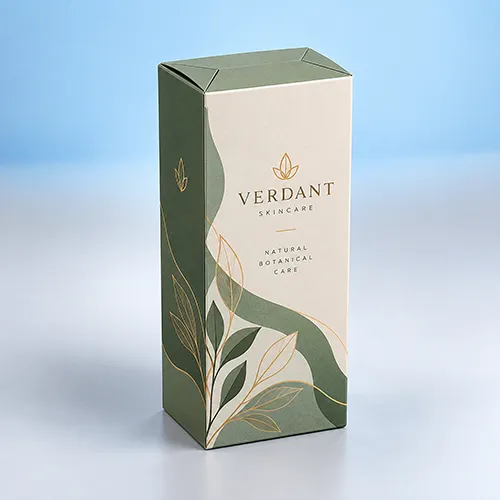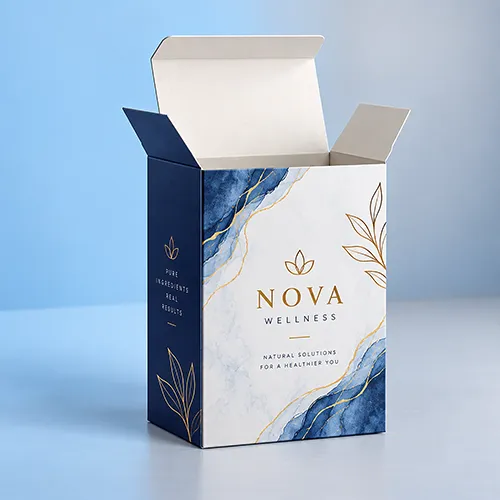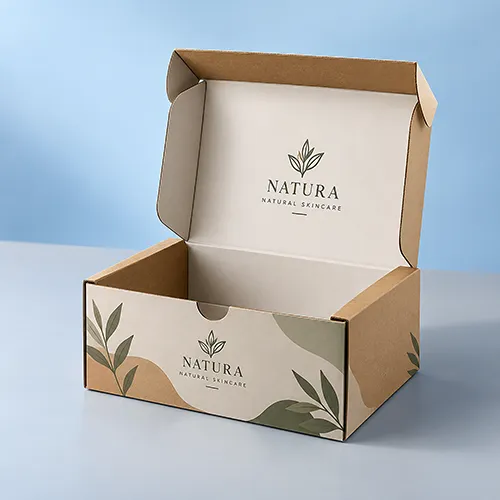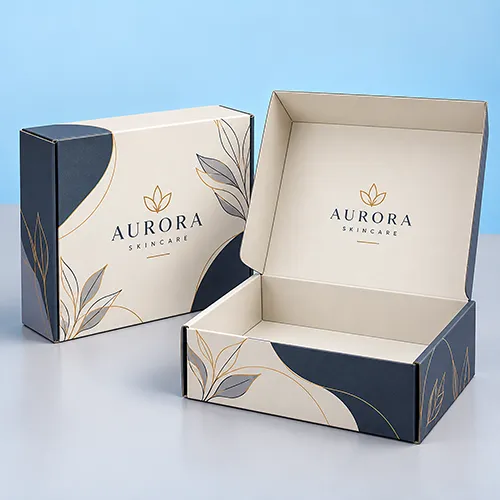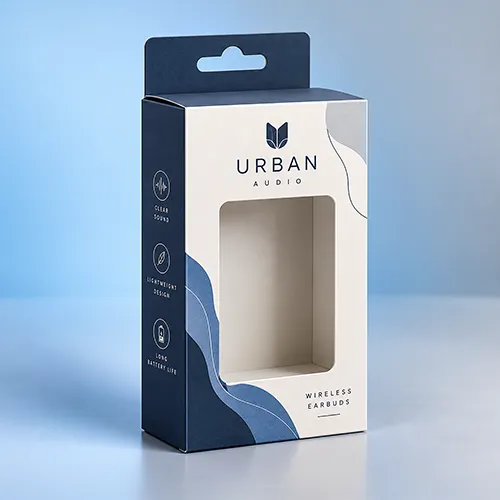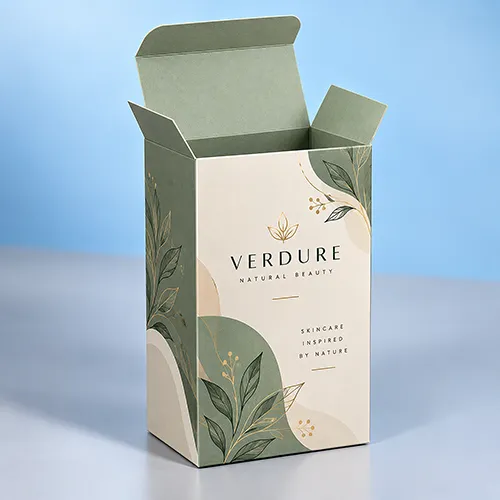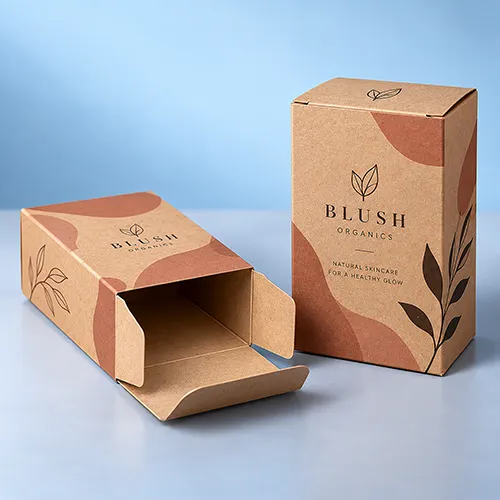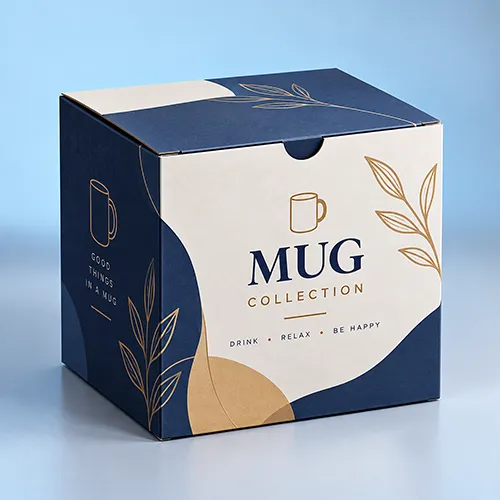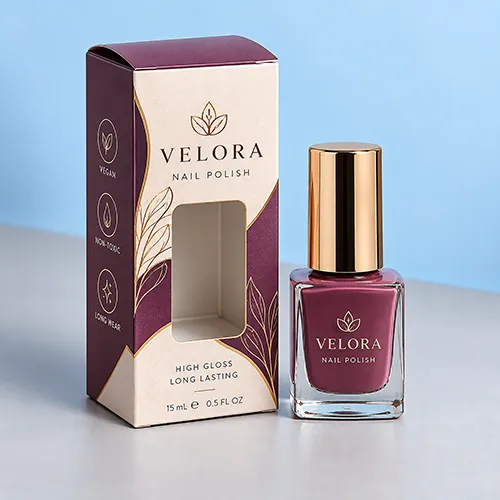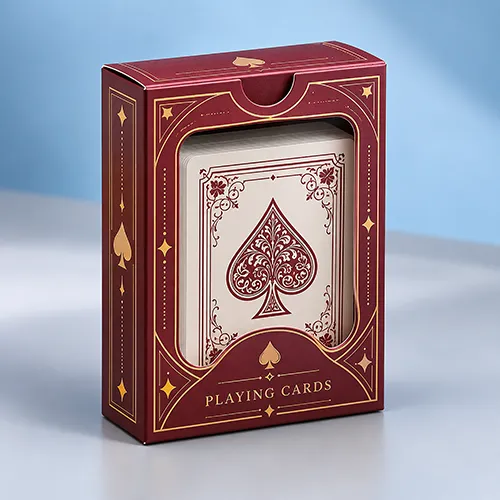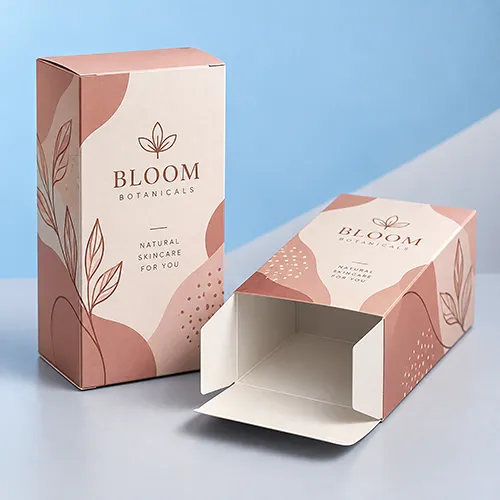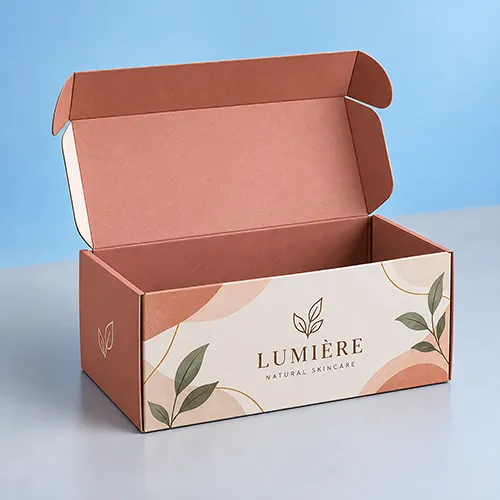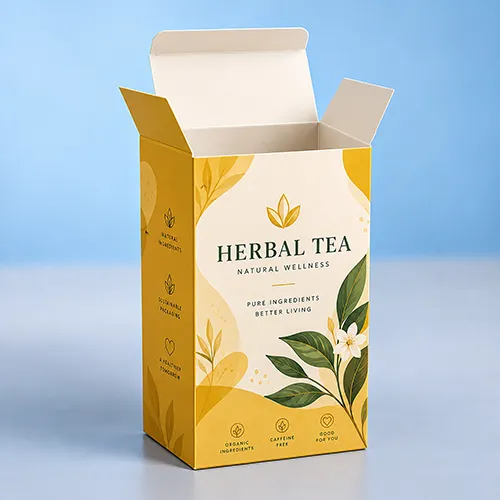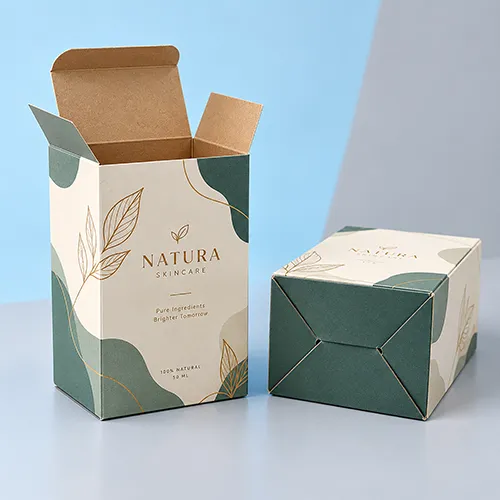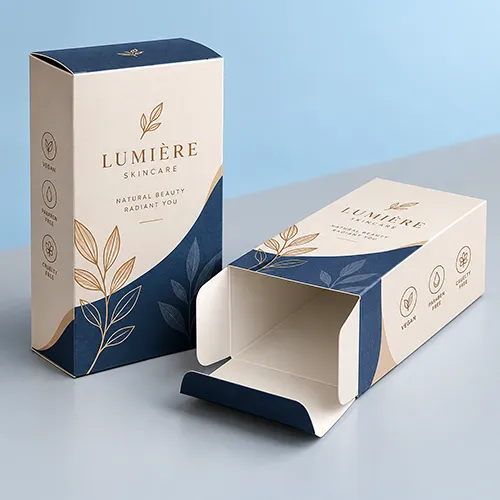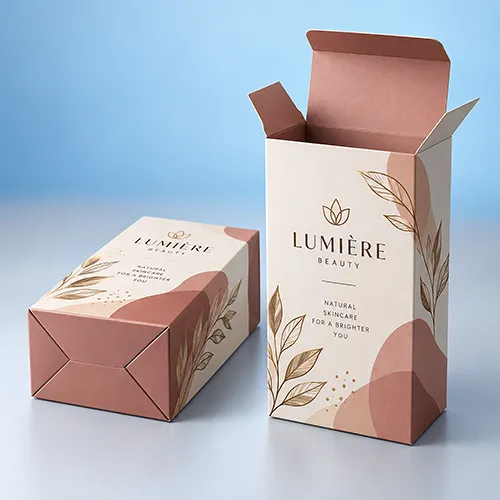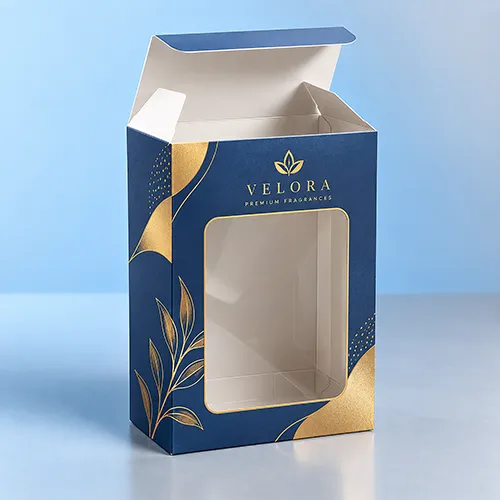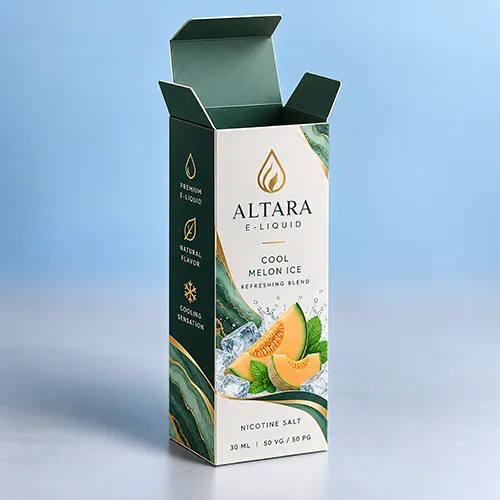

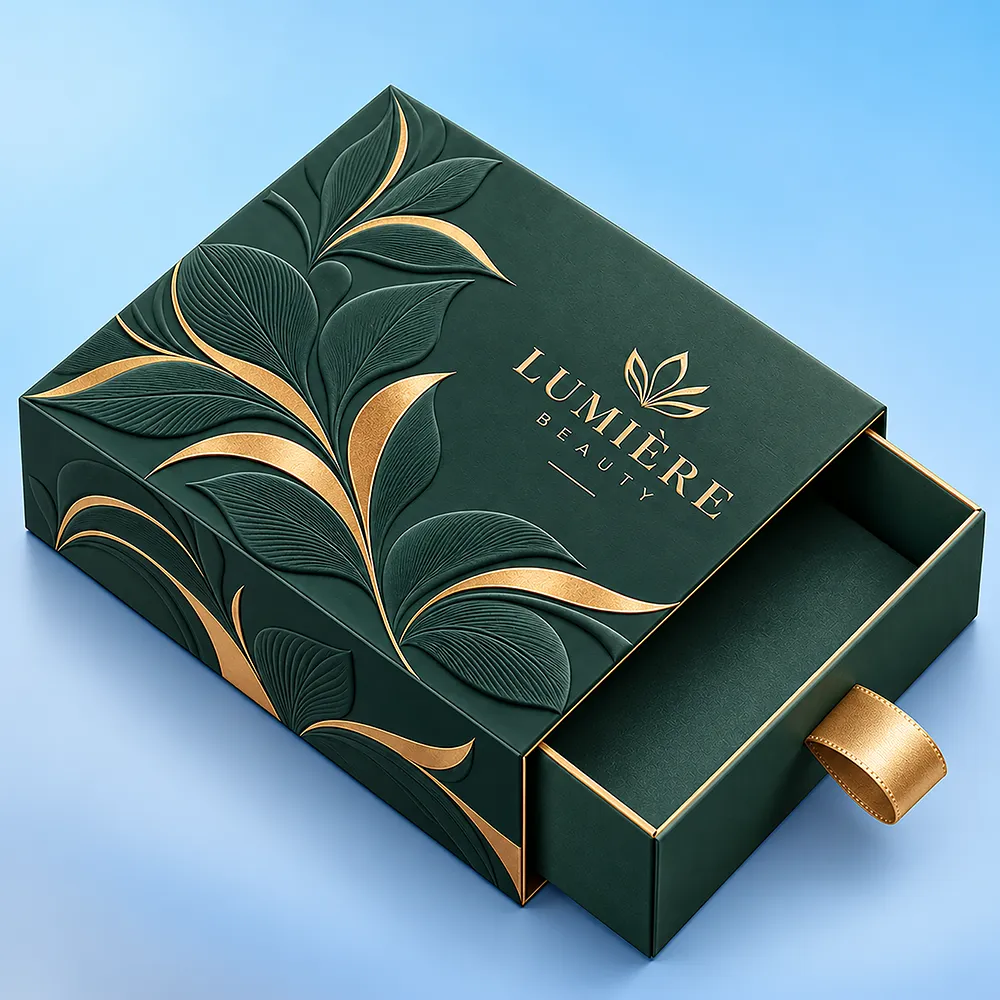
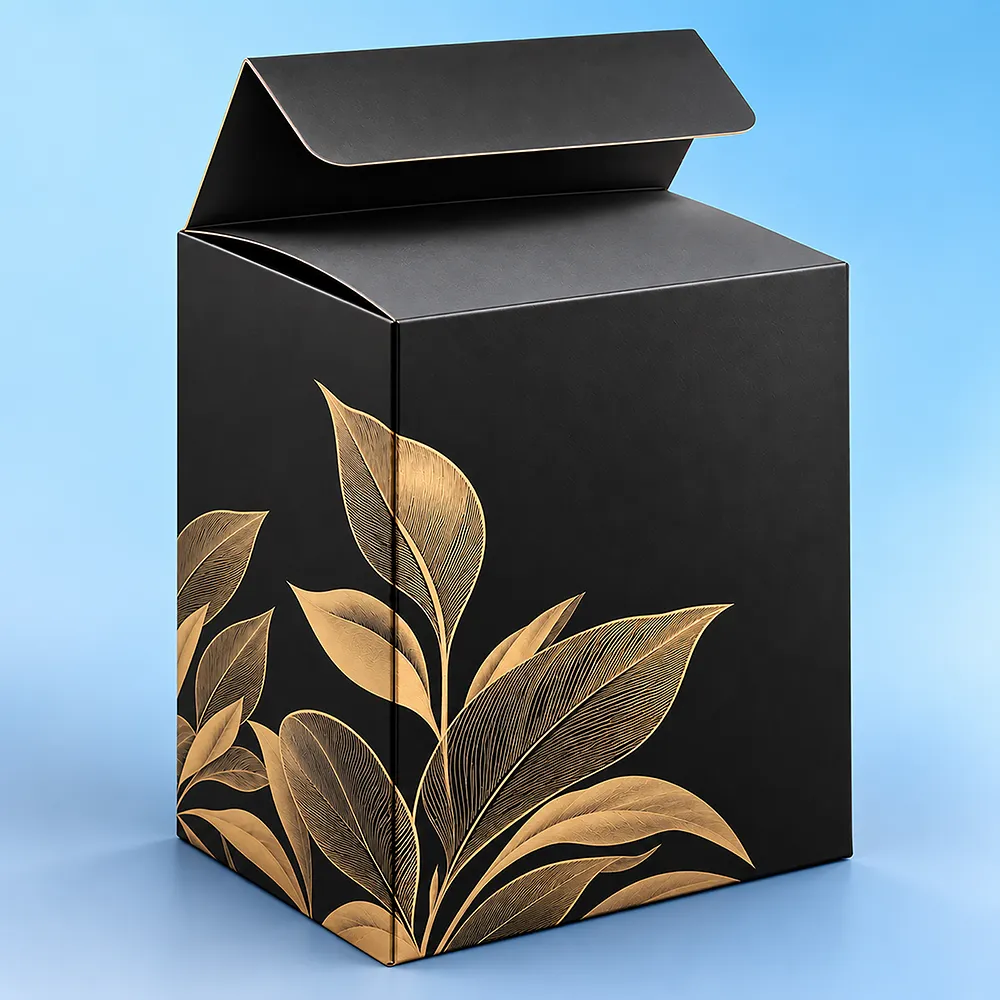

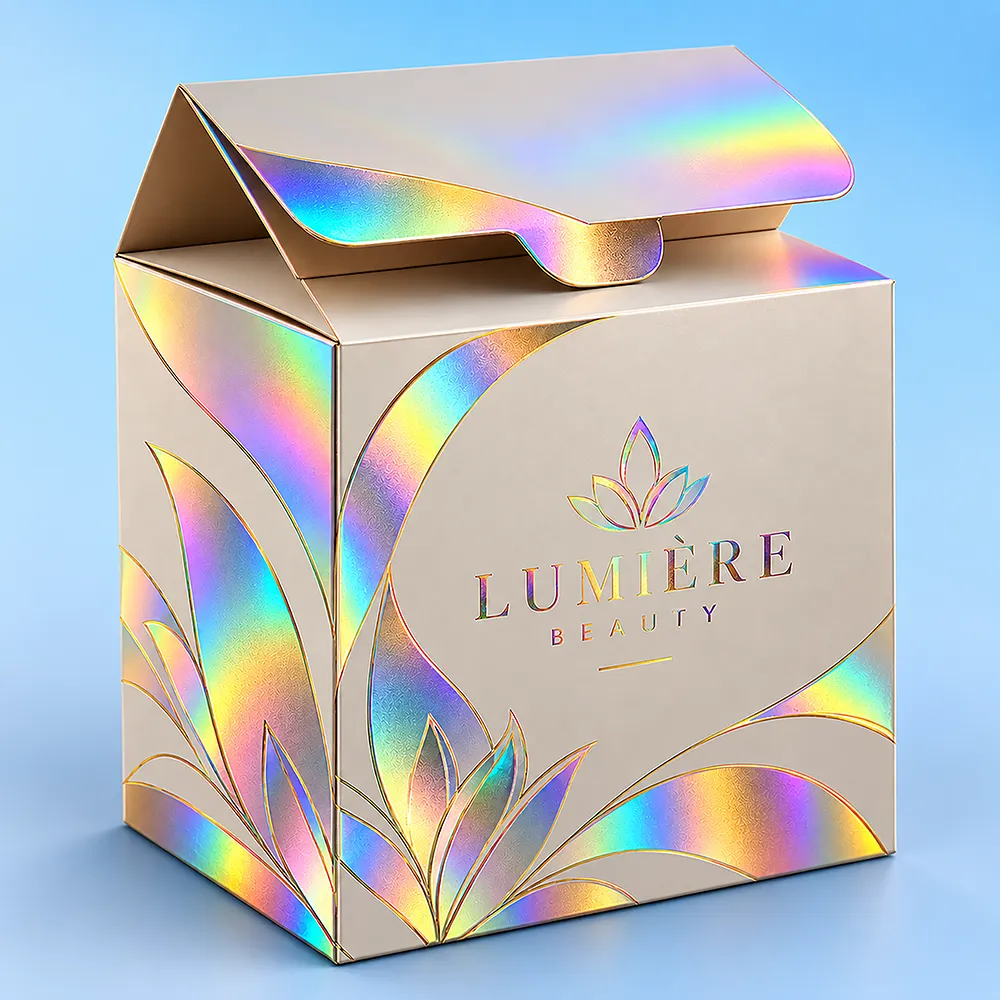
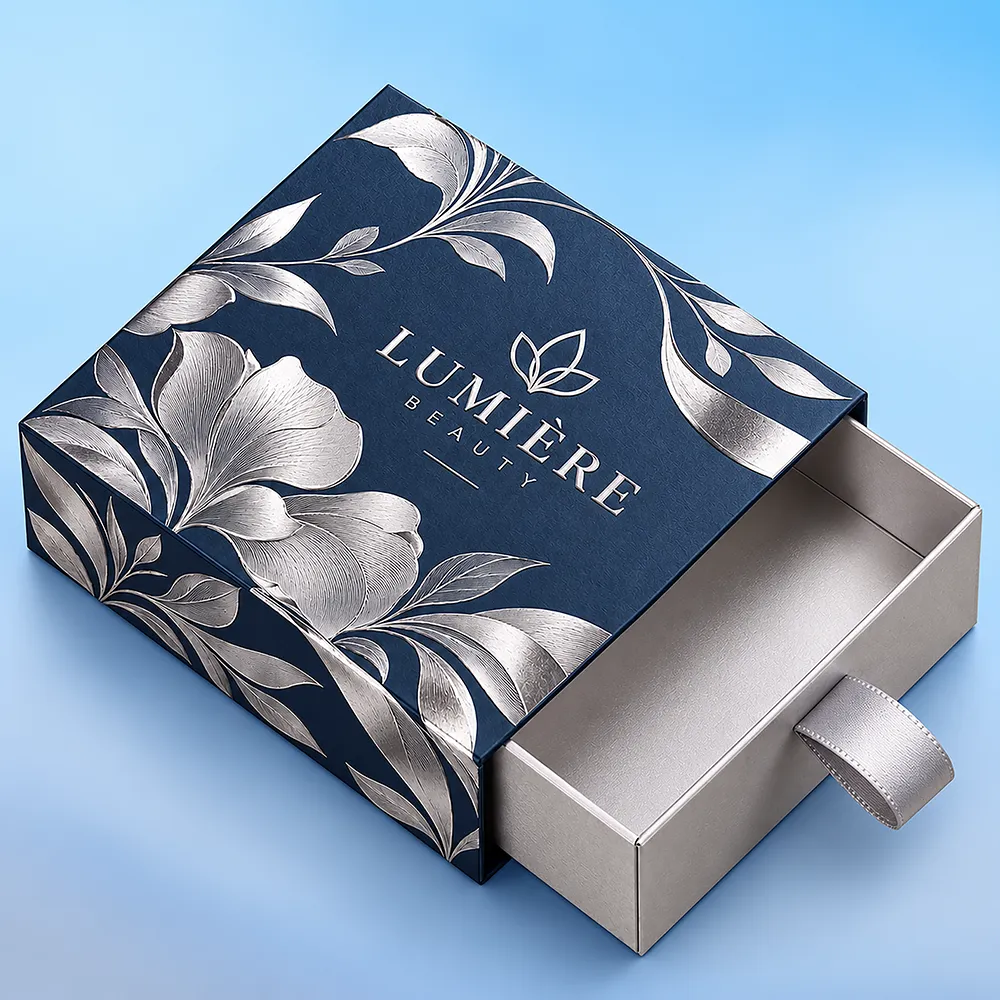
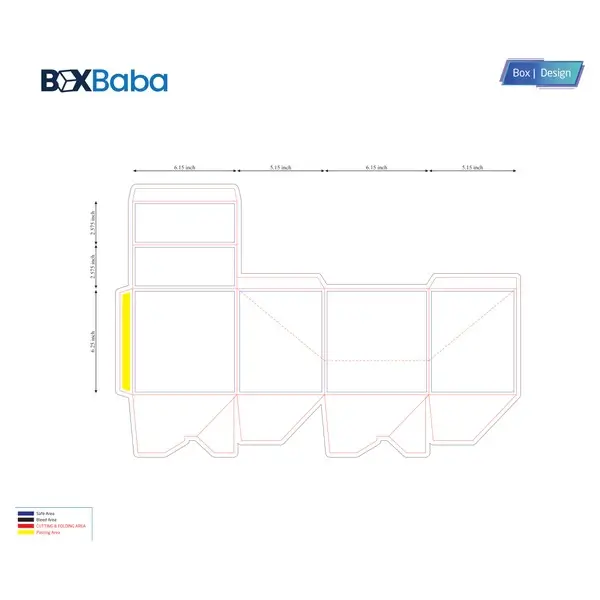

Seal End Boxes

Custom Seal End Boxes are folding cartons whose designated end flaps are designed to be closed and sealed rather than used as standard tuck-in closures. Depending on the approved structure and packing process, one or more carton ends may use a seal-end relationship. BoxBaba develops Seal End cartons around your finished product dimensions, filled weight, loading direction, sealing method and packing workflow. Custom printing, inserts, die-cut windows and compatible finishing options can be incorporated where required. Artwork and dieline support, digital proof / 3D mockup review and sample options are available before bulk production. MOQ starts from 100 units, with free shipping across the USA.
Trustpilot_Logo
5 out of 5 stars
4.5
Reviews 16 • Excellent

Seal End Boxes – Custom Printed Packaging for Retail Products, Cosmetics & Secure Product Protection

Seal end boxes made with durable paperboard materials and customizable printing, ideal for cosmetics, food products, pharmaceuticals, and retail items while providing secure closure, reliable protection, and professional brand presentation.

What We Give

Create Custom Boxes Quick and Easy

Design

Get your custom boxes made in the required size, shape, and style.

Print

Upload your artwork and get it superbly printed the way you want.

Get it done

Order any quantity, enjoy a wholesale price, pay no extra for die plates.

Product Specification

Specification Available / Recommended Options
Box Structure Seal End folding carton
Defining Feature Designated end flap(s) intended to be sealed rather than normally tucked
End Closure Glued / sealed flap relationship according to approved dieline
Number of Sealed Ends Structure-dependent; confirm on production dieline
Base / Opposite End Defined by the approved Seal End structure; another specific base may be engineered where required
Supply Format Commonly flat or collapsed with manufacturer side seam joined
Loading Method Through the designated open end before final sealing
Size Custom dimensions developed around the finished product
Measurement Inputs Maximum length, width/depth, height, filled weight and product orientation
Packing Inputs Loading direction, sealing method and manual / semi-automatic / automated workflow
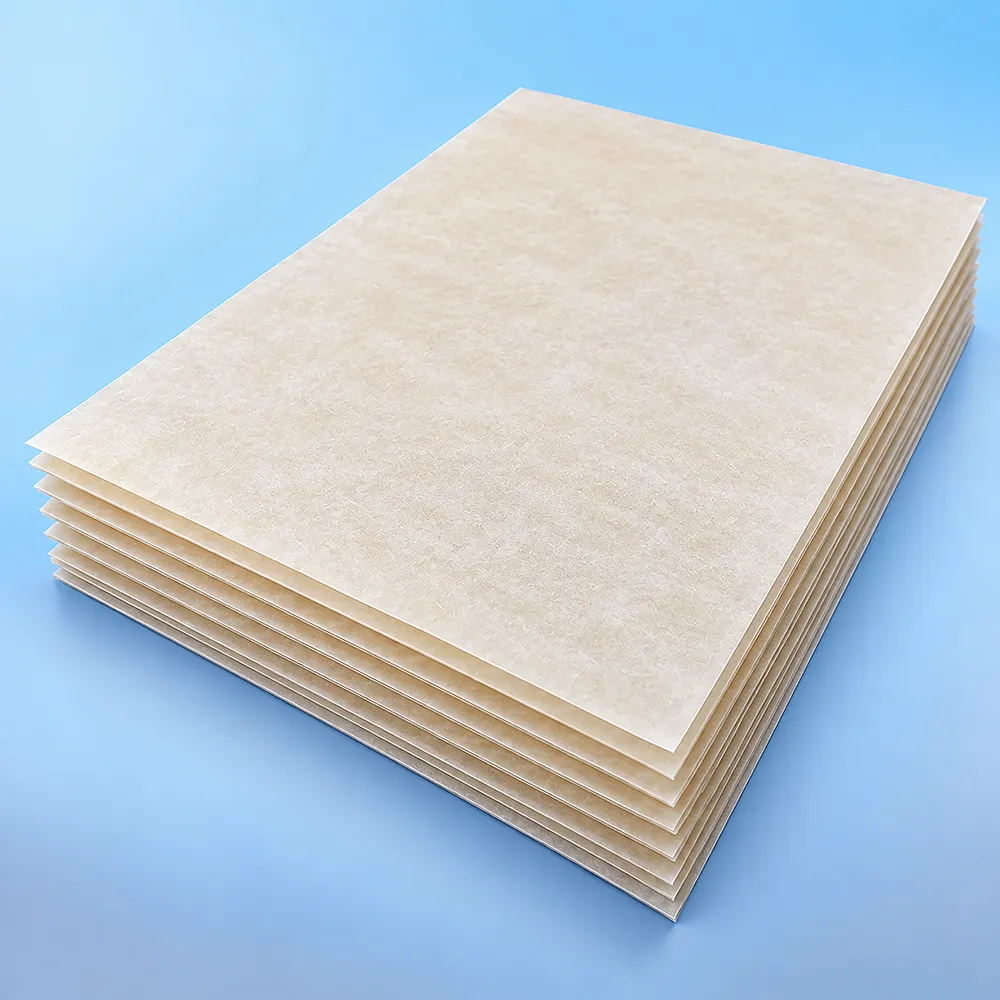
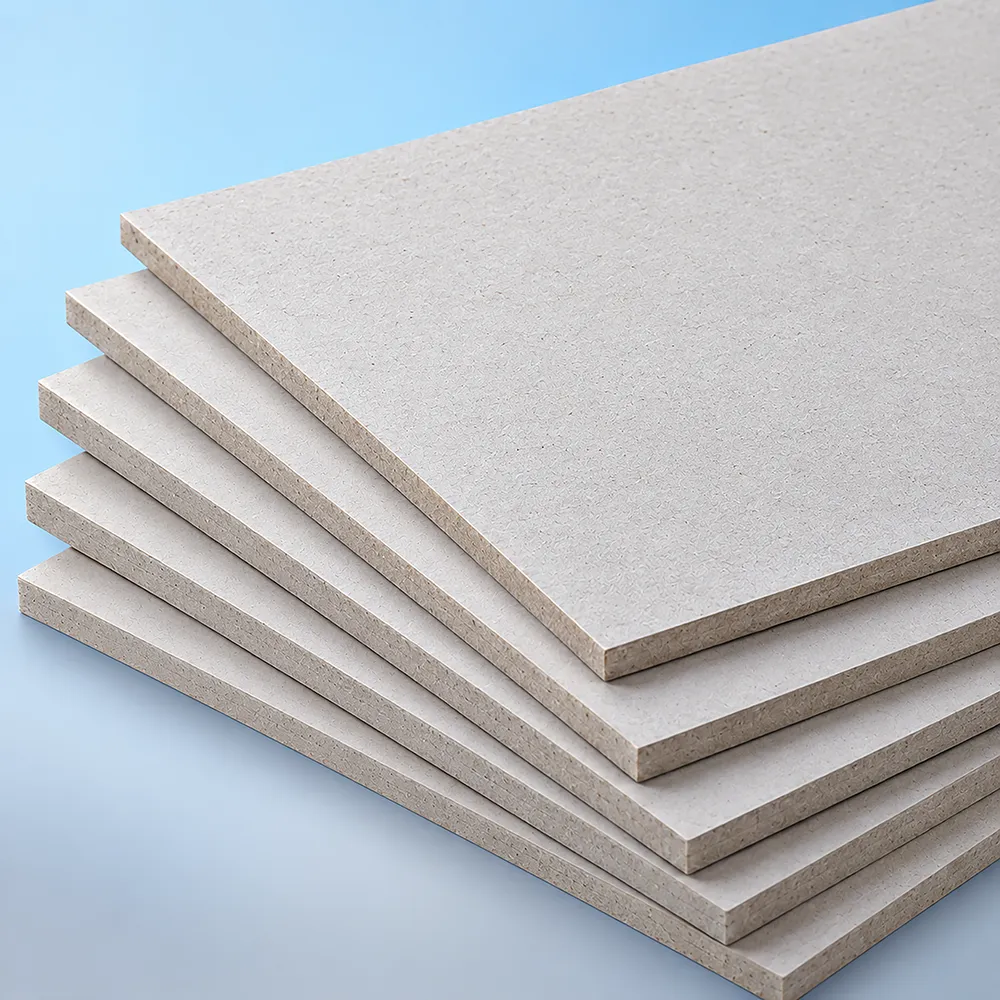
Material Options Folding paperboard/cardstock; Kraft paperboard where appropriate; other project-specific boards subject to review
Printing Methods Digital and offset printing where appropriate
Color Systems / References CMYK process color and Pantone/PMS references
Print Areas Exterior panels; inside printing where supported
Window Option Die-cut viewing opening where structurally appropriate
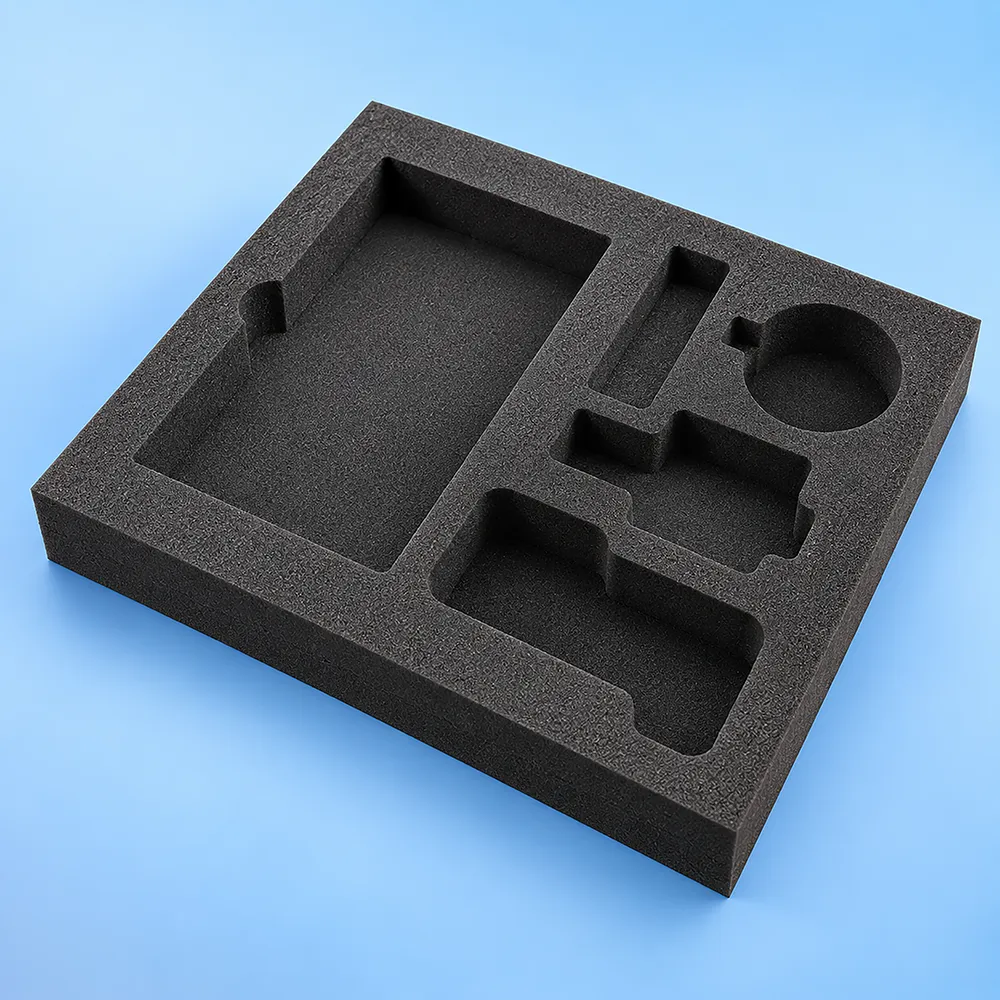
Insert Option Custom insert where positioning, separation or support is required
Finishing Options Matte, gloss, soft-touch, foil stamping, embossing, debossing and Spot UV where compatible
Dieline / Artwork Support Available
Proofing Digital proof / 3D mockup; physical sample options where required
MOQ Starting from 100 units
Standard Processing 5–9 business days after final artwork approval, depending on final specifications
Shipping Free shipping across the USA
Primary Role Retail / secondary folding-carton packaging requiring sealed-end closure(s)
Outer Shipping Role Standard paperboard Seal End cartons should not automatically be treated as parcel-shipping boxes

Related Products

Stock Type & Thickness

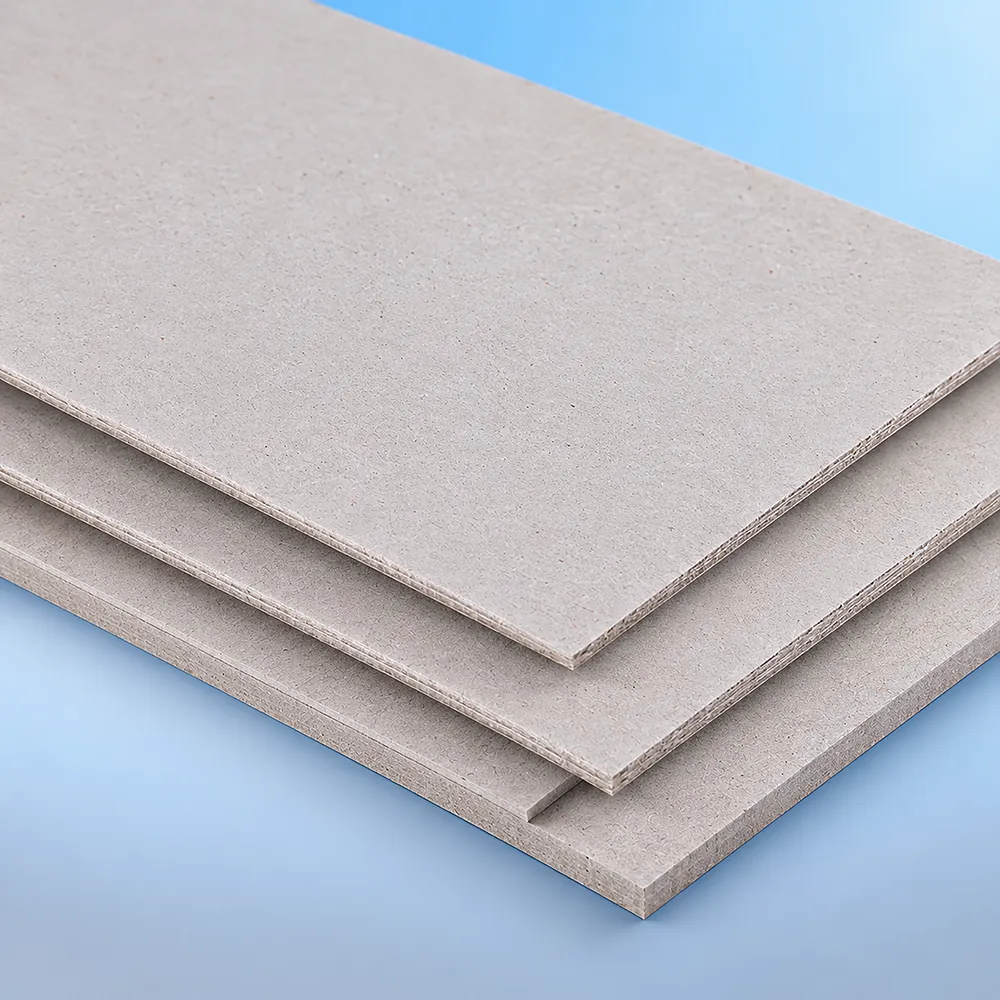
Cardboard

We use cardboard material with the least environmental impact and minimizes waste generation.

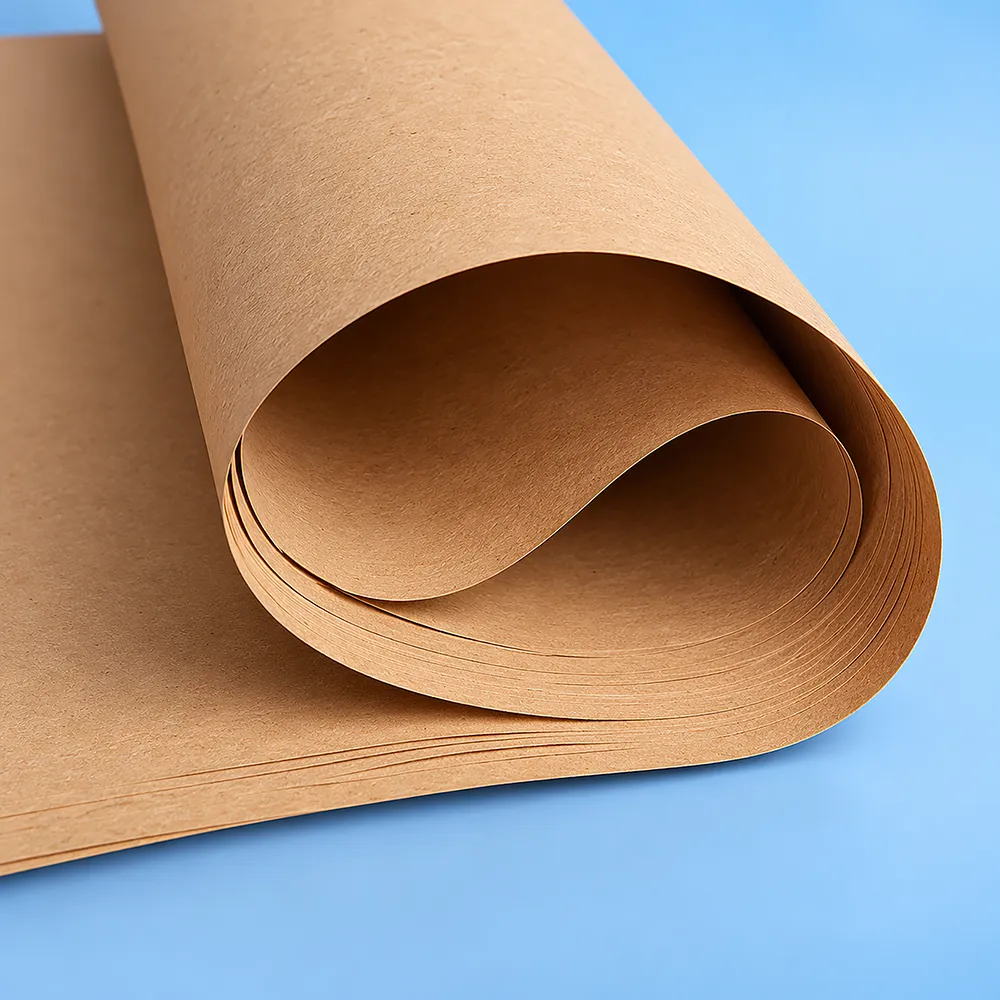
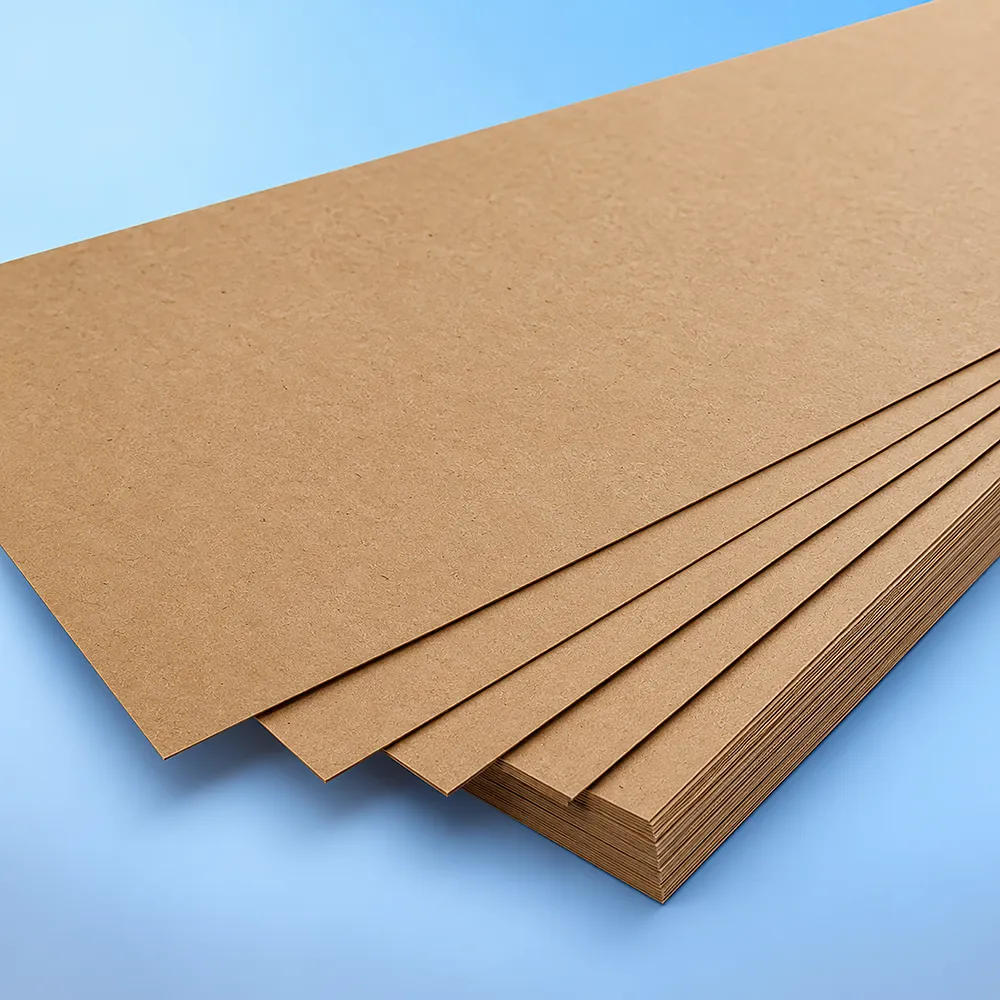
Kraft

Kraft paper is a strong, durable and reliable material that is widely used across many different industries.
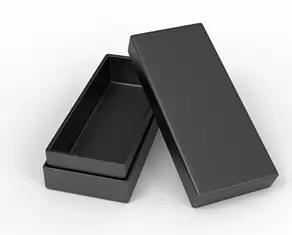
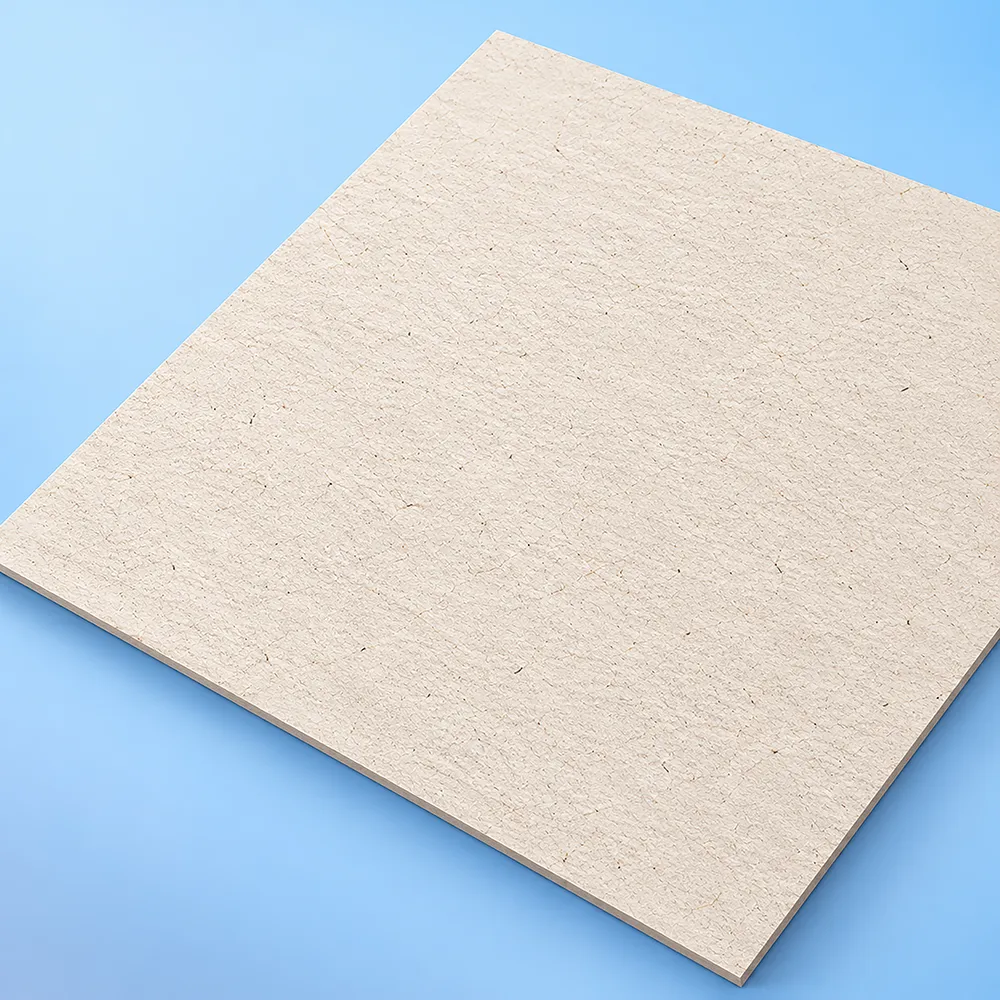
Rigid

Rigid is highly protective, affordable and recyclable material. These boxes provide maximum protection.
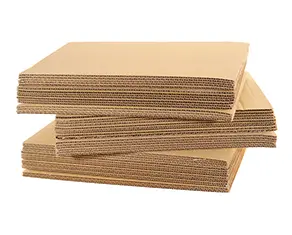
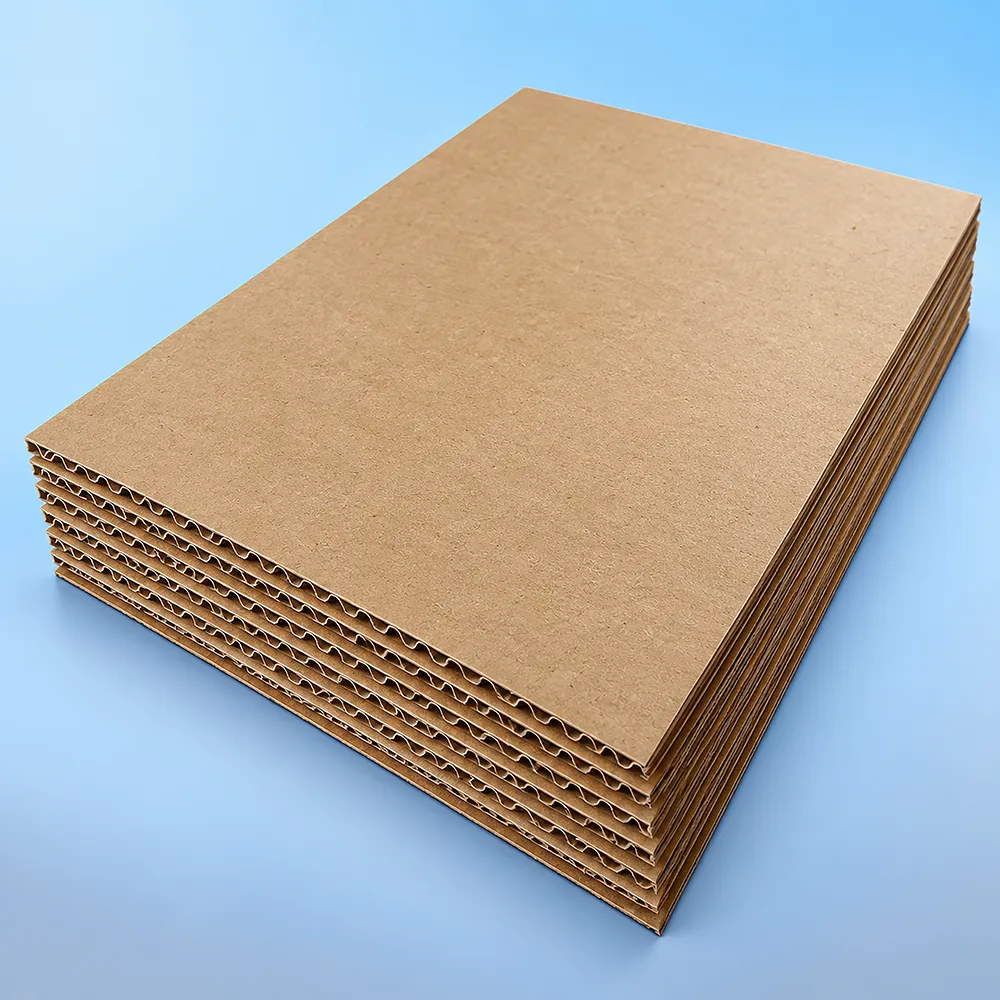
Corrugated

Corrugated material is easy to customize, cost effective and sustainable. It is also great for branding purposes.
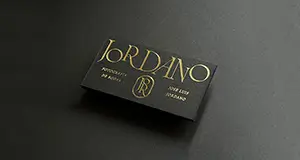
Finishing Assortment

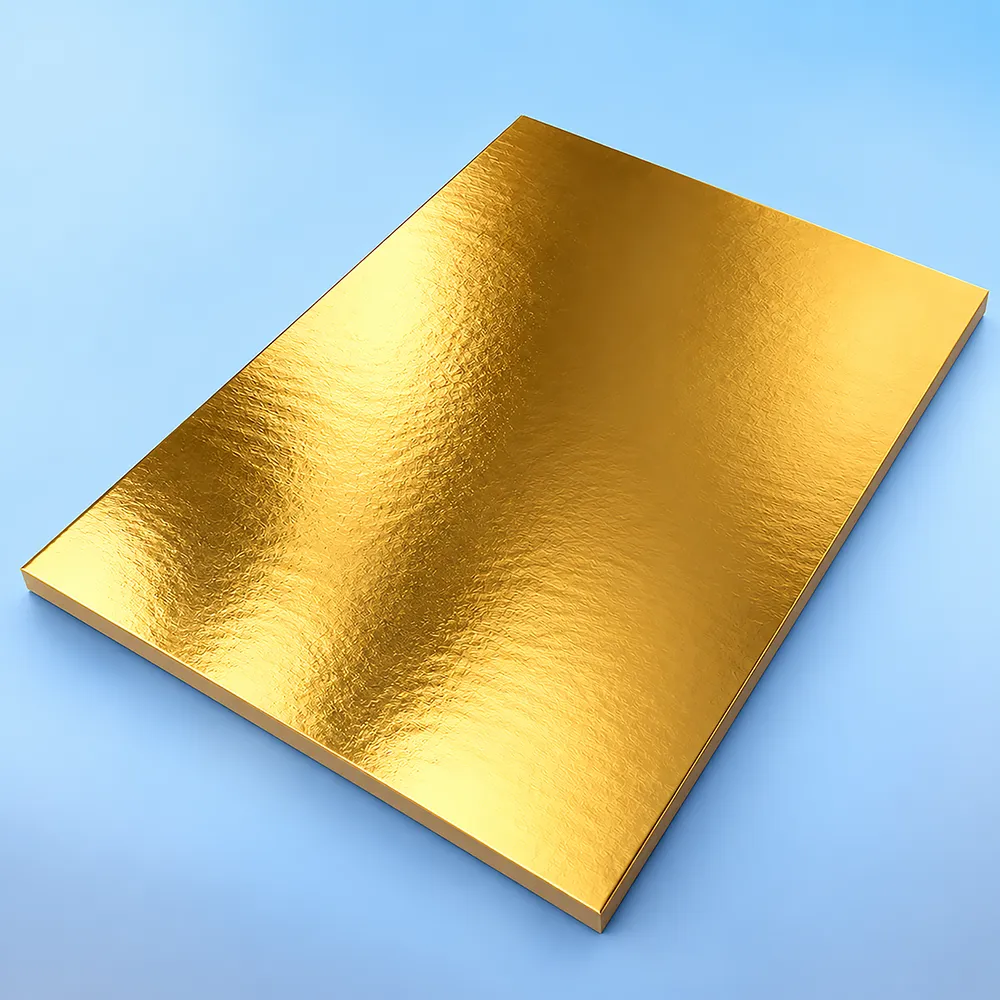
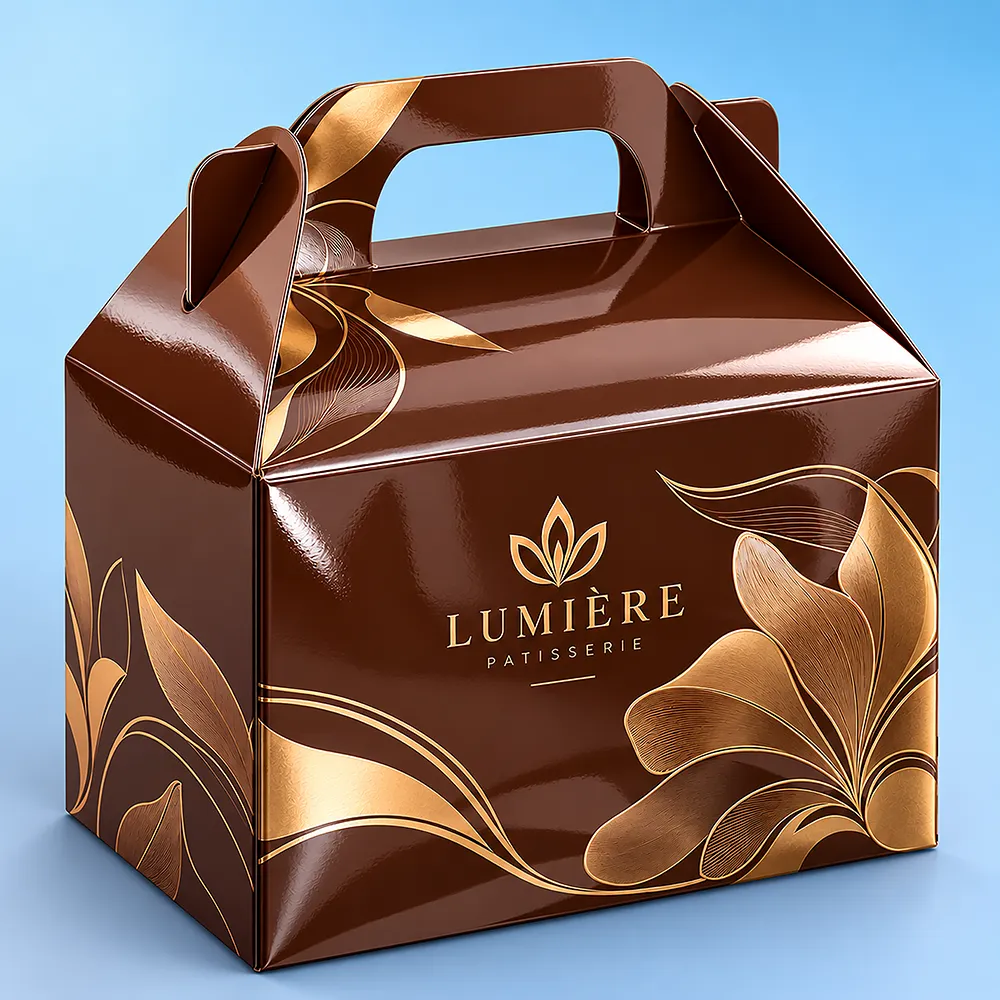
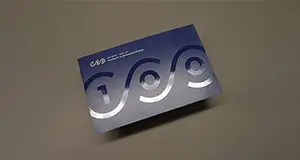
Foil Stamping

Foil Stamping

Enhance your packaging with premium foil stamping for a bold and luxurious appearance.
Spot UV

Spot UV

Our Spot UV coating adds a sleek shine and highlights key design elements beautifully.
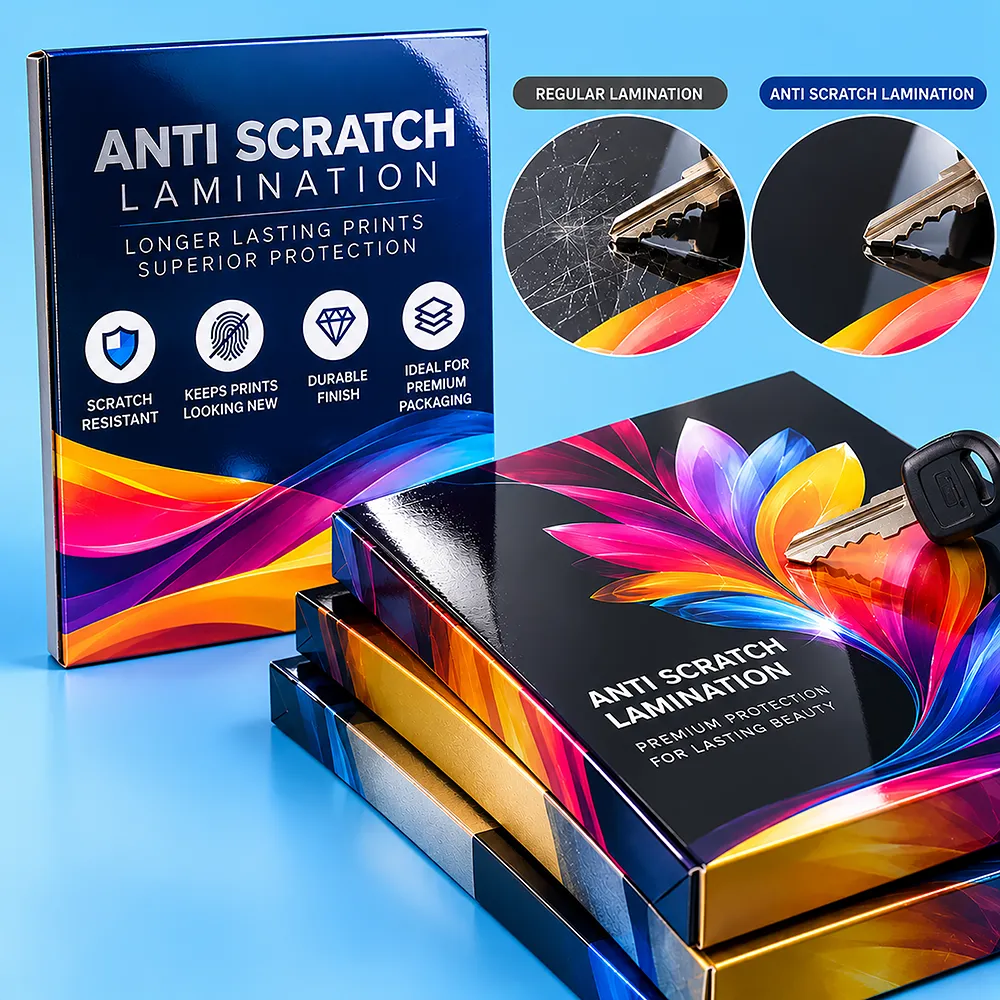
Gloss-Lamination

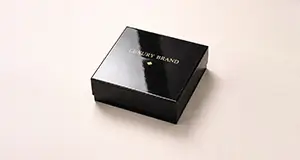
Gloss

Give your packaging a polished, glossy finish that enhances color and visual appeal.
Holographic Foiling

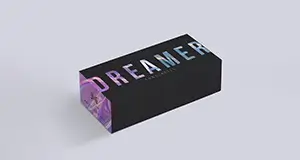
Holographic Foiling

Create eye-catching packaging with holographic foil effects that shimmer from every angle.
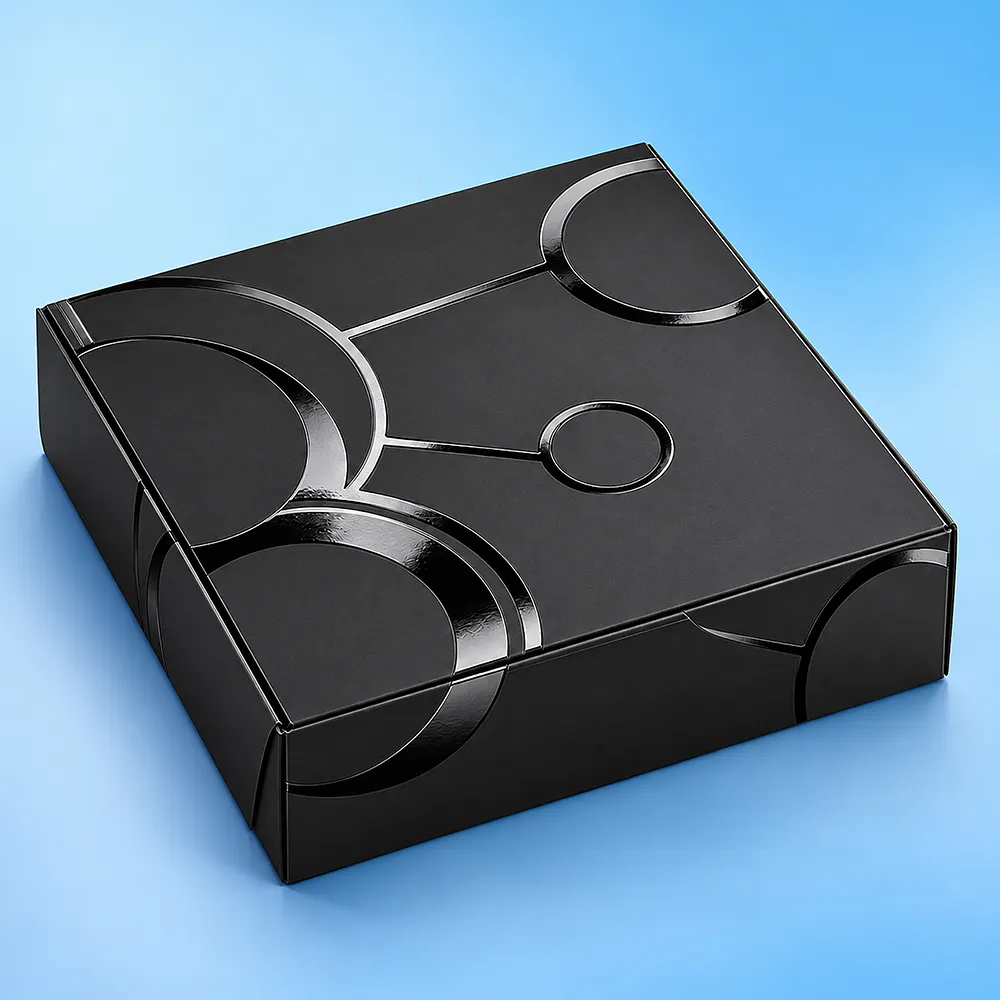
Embossing

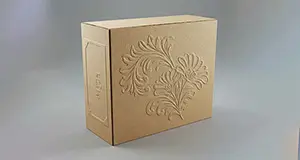
Embossing

Add raised textures and elegant detailing to make your packaging stand out.
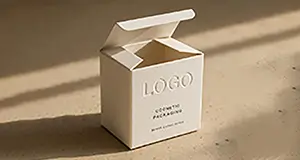
Debossing

Debossing

Create a refined pressed-in effect that adds depth and sophistication to your packaging.
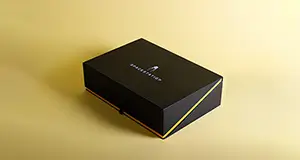
Matte

Matte

Achieve a smooth matte finish that minimizes fingerprints and delivers a modern look.
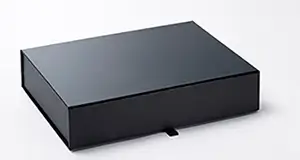
Soft Touch Lamination

Soft Touch Lamination

Protect your packaging with a silky-soft laminated finish for a premium feel.
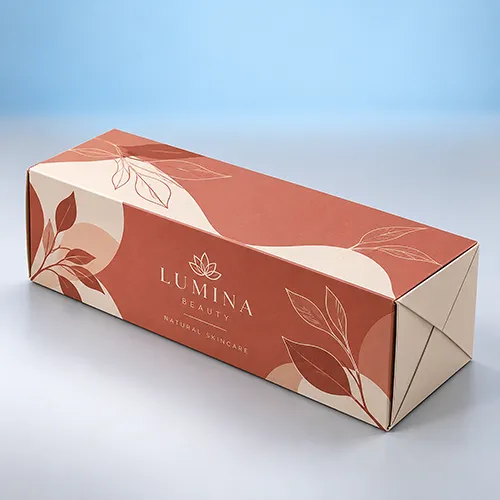
Custom Seal End Boxes for Retail Product Packaging

Custom Seal End Boxes are folding cartons designed around end flaps that are closed using an approved sealing or adhesive relationship instead of functioning as normal tuck-in closures. The defining structural relationship is: Seal End Box → uses → Sealed End-Flap Closure Depending on the approved carton style and packing workflow, the structure may use sealing at one or more designated ends. The exact flap overlap, glue or seal areas, loading direction and closure sequence should therefore follow the production dieline rather than being assumed from the style name alone. Seal End packaging is primarily a closure and packing-workflow decision. Use: Finished Product → Closure Requirement → Seal-End Structure → Loading / Sealing Workflow → Product Fit → Board + Seal Geometry → Dieline → Validation → Quote For the broader folding-carton family, explore Custom Tuck Boxes.

What Is a Seal End Box?

A Seal End Box is a folding carton whose designated end flaps are intended to be closed using an adhesive or sealing relationship rather than functioning as standard tuck closures. The structural file can include:
  • front and back panels;
  • side panels;
  • manufacturer seam;
  • seal-end flaps;
  • folds and scores;
  • functional glue or seal areas;
  • and printable artwork panels.
The defining relationship is: Seal End → Sealed End-Flap Closure The exact flap overlap, sealing area and packing sequence depend on the approved carton structure. That is more useful to a buyer than describing Seal End simply as strong packaging.

What Does Seal End Actually Define?

Seal End describes the closure relationship at the designated carton end. It does not automatically define:
  • one universal flap dimension;
  • a particular board grade;
  • an Auto Bottom;
  • a fixed load capacity;
  • a tamper-evident certification;
  • leakproof performance;
  • or an airtight barrier.
The better structural relationship is: Product + End-Closure Requirement + Packing Method → Seal-End Geometry The approved dieline should show which flaps close, which areas are sealed and which opening is used during loading.

Seal End Boxes vs Seal End Auto Bottom Boxes

Seal End Boxes and Seal End Auto Bottom Boxes share a seal-end closure relationship but do not own the same commercial intent.
Decision Factor Seal End Box Seal End Auto Bottom
Seal-end closure Yes Yes
Pre-glued Auto Bottom Not automatically Yes
Defining focus Sealed-end closure Sealed end + automatic base
Base erection Depends on specified structure Pre-glued base forms during erection
Buyer decision Closure requirement + packing process Closure requirement + automatic-base requirement
Choose a standard Seal End Box when the sealed closure itself is the primary structural requirement. Choose Seal End Auto Bottom when the project also specifically needs a pre-glued automatic base.

Seal End Boxes vs Tuck End Boxes

Seal End and Tuck End cartons solve different closure requirements. A Tuck End carton closes by inserting a flap into the carton structure. A Seal End carton closes its designated end using an approved sealing relationship.
Seal End Box Tuck End Box
Designed for a sealed end closure Designed for a tuck-in closure
Sealing area must be planned Tuck engagement must be planned
Packing / sealing process is a major input Flap orientation and opening relationship are major inputs
Generally not intended for repeated tuck-style reclosure Can support repeated opening where the structure permits
If normal tuck-style access is required, a Straight Tuck End Boxes may be more appropriate when same-direction end-flap orientation suits the product. Where opposing flap orientation fits the loading or panel arrangement better, compare the structure with a Reverse Tuck Boxes. The choice should follow the product and opening workflow rather than treating one closure as universally better.

When Do Seal End Boxes Make Sense?

Seal End Boxes are worth evaluating when the product and packing process benefit from an end that is closed using adhesive or another approved sealing method instead of a standard tuck flap. This can be relevant where:
  • the carton is loaded through a defined opening;
  • the final closure should remain sealed until opening;
  • the packing process is designed around end sealing;
  • a consistent closed-end presentation is required;
  • or tuck-style reclosure is unnecessary.
Possible applications include tubes, bottles, soaps, cosmetics, personal-care products, supplements in primary containers, hardware, small electronics and other retail products with suitable dimensions. The product category alone should not determine the style. Use: Finished Product + Opening Requirement + Sealing Workflow → Seal End Suitability

How Are Seal End Boxes Packed and Closed?

The precise sequence depends on the approved structure and filling operation, but a typical workflow may be: Flat / Collapsed Carton → Erect Carton → Prepare One End → Load Product → Close / Seal Final End Before finalizing the structure, confirm:
  • which opening is used for product loading;
  • whether packing is manual or equipment-assisted;
  • how the end will be sealed;
  • where functional glue or sealing areas are required;
  • whether the product clears the loading opening;
  • and whether an insert changes the loading path.
Use: Packing Workflow → Loading Direction → Seal Zones → Dieline The carton should be designed around the real packing sequence rather than forcing the production line to adapt to a generic dieline.

Are Seal End Boxes Reclosable?

A fully sealed carton end is generally not intended to work like a normal tuck flap that can be opened and repeatedly reclosed. Once the sealed area is opened, the original closure relationship may be broken. If repeated consumer opening and reclosure is important, compare the project with an appropriate Tuck structure instead. The buyer decision is: Sealed Closure Requirement vs Reclosable Tuck Requirement

What Does a Seal End Closure Not Guarantee?

The word Seal End describes a structural closure. It does not automatically prove functional performance beyond that closure relationship. Do not automatically treat a Seal End carton as:
  • tamper-evident or tamper-proof;
  • child-resistant;
  • airtight;
  • leakproof;
  • moisture-proof;
  • or barrier packaging.
Those properties depend on the complete closure system, adhesive or sealing method, board, primary product container, opening method and any necessary validation or testing. Use: Seal End Structure ≠ Certified Functional Performance For liquids, creams, oils, powders or other products requiring containment or environmental barrier protection, the primary bottle, jar, tube, pouch or other container normally provides that function unless the complete packaging system has been specifically engineered and validated otherwise.

How to Size a Custom Seal End Box

Measure the product in its finished, sale-ready condition. Record the maximum: length × width/depth × height including any cap, lid, pump, shoulder, handle or projection that changes the product envelope. Also provide:
  • filled product weight;
  • product orientation;
  • quantity per carton;
  • intended loading direction;
  • sealing method;
  • insert requirement, if any;
  • and window requirement, if any.
Do not assume: Product Dimensions = Finished Seal End Box Dimensions The finished carton must also account for:
  • internal clearance;
  • board and fold geometry;
  • seal-end flap overlap;
  • functional glue or sealing zones;
  • and any internal insert.
Use: Finished Product → Required Internal Fit → Seal-End Geometry → Complete Dieline

How Filled Weight Affects Seal End Packaging

Seal End should not be treated as a universal heavy-duty structure. Filled weight is only one part of the structural decision. Review: Filled Weight + Carton Dimensions + Product Footprint + Board + Closure Geometry A short, wide product can behave differently inside the carton from a tall, narrow product with the same total weight. Do not publish a universal statement such as: Seal End Boxes hold X pounds without a defined board, carton size, structural geometry and validated packed product. Where physical behavior matters, a representative sample can help confirm product fit and closure performance before bulk production.

Materials for Seal End Boxes

Seal End cartons are commonly produced from folding paperboard selected according to the product, dimensions, sealing method, printing requirements and packing workflow. A single GSM, point or caliper should not be treated as a universal Seal End specification. White paperboard may provide a light printing surface for detailed retail graphics. Natural Kraft paperboard may be considered when a brown substrate is part of the intended presentation. Claims about recycled content, recyclability, biodegradability, compostability or product-contact suitability should follow the actual board and finished package specification.

Inserts and Product Positioning

A Seal End closure does not automatically determine whether an insert is needed. An insert becomes relevant when the product requires positioning, separation, alignment or reduced internal movement. Use: Product → Insert → Required Internal Space → Seal End Outer Carton An insert can also affect the loading process because both the product and insert must work with the designated opening before final sealing. For projects where controlled internal positioning is important, explore Printed Boxes With Inserts.

Seal End Boxes With Windows

A compatible Seal End carton can include a die-cut viewing opening when part of the product should remain visible. Window placement should follow: Product Position → Visible Area → Window Geometry → Remaining Panel Area The opening should not interfere with functional seal zones, structural scores, glue areas or required product information. For broader product-viewing structures, explore Boxes With Window.

Printing Options for Custom Seal End Boxes

Custom Seal End Boxes provide printable front, back and side panels for brand artwork and functional product information. Depending on the approved production setup, printing may include digital or offset printing with CMYK process color and Pantone/PMS references where appropriate. Keep these terms separate: Digital / Offset = Printing Methods CMYK / Pantone = Color Systems / References Artwork can include logos, product names, approved product information, instructions, barcode areas and QR codes. Inside printing can also be considered where the selected board, structure and production setup support it.

Plan Artwork Around Seal and Glue Areas

Functional seal and adhesive areas can affect artwork and finishing placement. Use: Seal / Glue Area → Fold Geometry → Artwork Placement Critical graphics, foil, Spot UV or another incompatible treatment should not be positioned over a functional sealing area without production approval.

Finishing Options for Seal End Boxes

Printing and finishing are separate production decisions. Depending on the selected board and artwork, compatible finishing options can include:
  • matte lamination;
  • gloss lamination;
  • soft-touch treatment;
  • foil stamping;
  • embossing;
  • debossing;
  • Spot UV.
Finish placement should account for: seal areas + glue zones + folds + scores + barcode / QR areas Use: Structure → Functional Seal Areas → Artwork → Finish Placement rather than applying decorative effects independently of the structural file.

Seal End Dielines and Functional Glue Zones

The dieline is particularly important for Seal End packaging because it controls both carton geometry and functional closure areas. The structural file can define: body panels + manufacturer seam + seal-end flaps + folds / scores + glue / seal areas + artwork boundaries The main relationship is: Seal-End Closure → Flap Geometry → Seal Area → Packing Workflow A Tuck End dieline should not simply be substituted for a Seal End carton because the closure and glue relationships are different. Likewise, a Seal End Auto Bottom dieline should not replace a standard Seal End structure because the base configuration changes. Use: Product → Closure Requirement → Seal End Structure → Dieline → Artwork For broader production-file guidance, review BoxBaba packaging dieline guide.

Structural Validation Before Production

The approval method should match what still needs to be validated. A digital proof or 3D mockup can help review: text + artwork + panel orientation + seal-area position + finish placement A physical structural sample is more useful when the unresolved question involves: product fit + loading path + end-flap overlap + seal-area geometry + insert alignment If the carton will run through packing equipment, also confirm that the structure and intended sealing method suit the actual line requirements. Use: Unresolved Risk → Appropriate Proof / Sample → Approval A digital proof alone does not establish physical fit, sealing behavior or equipment compatibility.

Seal End Boxes for Manual and Automated Packing

Seal End cartons can be developed around manual, semi-automatic or automated packing workflows. However: Seal End Style ≠ Automatic Machine Compatibility Where equipment is involved, provide the relevant:
  • carton dimensions;
  • product loading orientation;
  • board requirements;
  • sealing method;
  • line or equipment constraints;
  • and intended packing sequence.
Use: Packing Equipment + Seal Method + Carton Geometry → Line Compatibility This should be reviewed before approving the final structural file.

Is a Seal End Box a Shipping Box?

A standard folding-paperboard Seal End carton is generally retail or secondary product packaging rather than an automatically qualified parcel shipper. A sealed closure may help keep the retail carton closed, but: Seal End Closure ≠ Parcel-Shipping Qualification If the package itself must face courier handling or distribution hazards, evaluate an outer Mailer Boxes or Custom Corrugated Boxes.

What to Send for a Seal End Box Quote

Quote Input Why It Matters
Finished product dimensions Establishes the product envelope
Filled product weight Adds structural context
Product orientation Influences loading and panel relationship
Quantity per carton Defines the packed configuration
Seal-end requirement Confirms closure intent
Number / location of sealed ends Defines the complete closure configuration
Sealing / adhesive method Helps establish functional seal areas
Packing workflow Determines loading and closing sequence
Equipment requirements Important where cartons will run on machinery
Insert requirement Changes usable internal space
Window requirement Changes panel geometry
Material preference Supports board selection
Printing sides Defines artwork scope
Finishing requirements Affects production specification
Order quantity Supports production planning
Artwork status Determines dieline / artwork support
Delivery destination Supports shipping planning
If you know you need a sealed-end carton but are unsure whether standard Seal End or Seal End Auto Bottom is more appropriate, provide the product dimensions, filled weight, loading workflow and base requirement first.

Custom Seal End Boxes Wholesale From BoxBaba

BoxBaba develops custom Seal End Boxes around the finished product, closure requirement, loading direction and packing workflow. Custom packaging projects can start from 100 units. Artwork and dieline support are available, along with digital proof or 3D mockup review. Ask about physical sample options where product fit, seal-flap geometry or packing compatibility should be validated before bulk production. Standard processing is typically 5–9 business days after final artwork approval, depending on the final material, printing, finishing and structural specifications. Free shipping is available across the USA.

Request Custom Seal End Boxes

A Seal End carton should be developed from the product and real packing workflow outward. Share your product dimensions, filled weight, required quantity, intended loading and sealing method, artwork status and any insert, window or finishing requirements. If you are comparing a standard Seal End carton with Seal End Auto Bottom or a Tuck End structure, finalize the required closure and base relationship before approving the dieline and artwork. Place your order by calling +1 305 574 4357 or emailing sales@boxbaba.com.

Frequently Asked Questions

Find all the urgent questions you may have.

A Seal End Box is a folding carton whose designated end flaps are designed to be closed using an approved adhesive or sealing relationship rather than functioning as standard tuck closures.
Some Seal End structures use sealed closures at both ends, while other configurations may differ. Confirm the exact sealed-end relationship on the approved production dieline.
Seal End describes the sealed end-closure relationship. Seal End Auto Bottom combines that closure with a pre-glued automatic base.
Seal End uses a closure intended to be sealed according to the approved packing process. Tuck End uses a flap that tucks into the carton structure and may support reopening depending on the design.
A fully sealed end is generally not intended for repeated tuck-style reclosure. If reopening and reclosing are important, a Tuck structure may be more suitable.
Not automatically. A sealed paperboard end does not by itself create leakproof, liquid-barrier or airtight performance.
No. A Seal End structure should not be described as tamper-proof solely because the carton end is sealed.
Not automatically. A sealed paperboard end does not by itself create leakproof, liquid-barrier or airtight performance.
They can be developed for manual, semi-automatic or automated packing workflows, but compatibility depends on the exact carton geometry, sealing method and equipment.
Standard processing is typically 5–9 business days after final artwork approval, depending on the final material, printing, finishing and structural requirements.

Get a Custom Quote