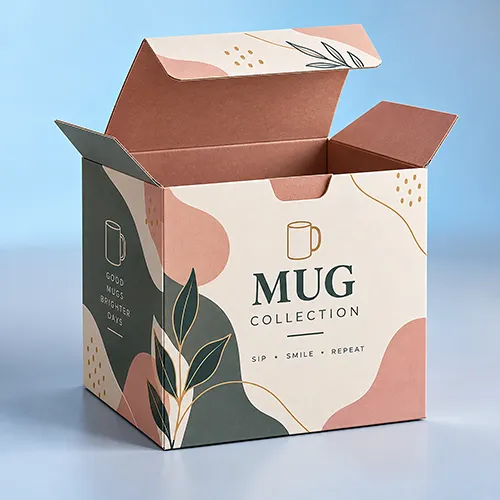
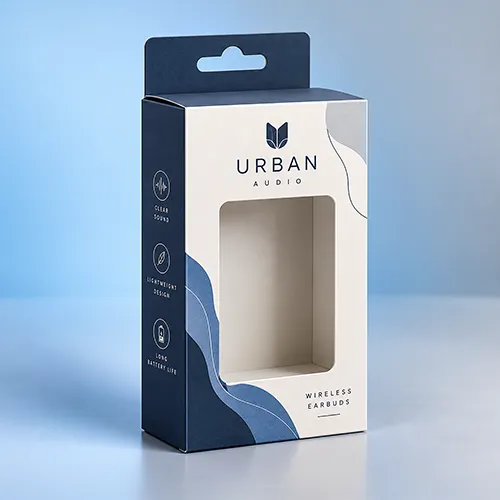
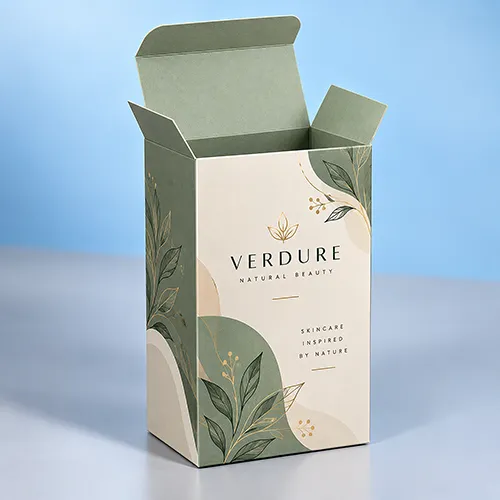
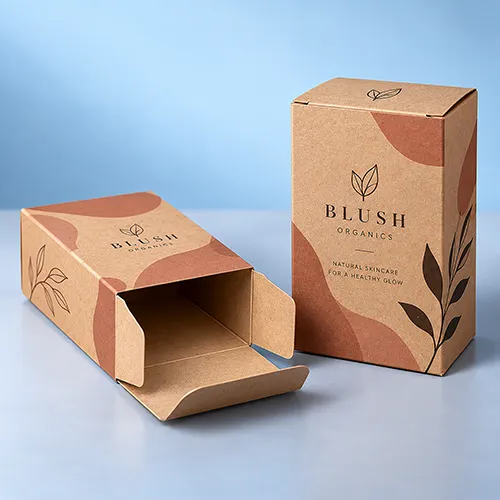
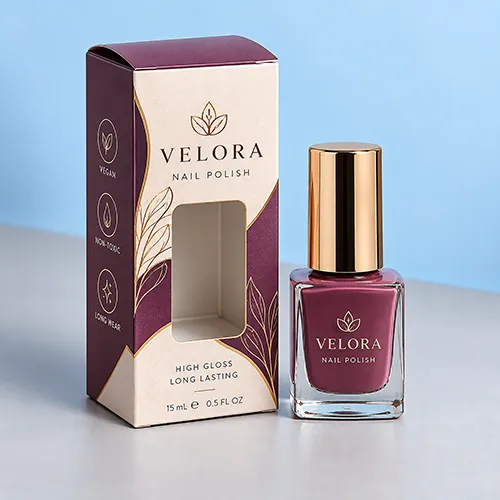
Custom Mug Tuck End Boxes for Retail Mug Packaging
Custom Mug Tuck End Boxes combine a mug-specific product-fit requirement with a Tuck End folding-carton structure.
The defining relationship is:
Mug Tuck End Box → Finished Mug Geometry + Tuck-End Closure
The mug determines the required internal space.
The selected Tuck End configuration determines how the carton loads, opens and closes.
For mug packaging, the handle is especially important because it often projects beyond the body and becomes the widest part of the finished product.
Use:
Finished Mug → Maximum Body + Handle Envelope → Product Weight → Tuck-End Requirement → Flap Orientation → Internal Fit / Support → Board + Closure Geometry → Dieline → Artwork → Physical Validation → Quote
For the broader structural family, explore Custom Tuck Boxes.
What Is a Mug Tuck End Box?
A Mug Tuck End Box is a folding carton developed around the actual dimensions and external profile of a mug and closed using an approved Tuck End structure.
Its two defining requirements are:
Mug-Specific Fit
and:
Tuck-End Closure
This means the page should not be treated as a generic mug-box page or a generic Tuck Box page.
The central commercial decision is:
Can this finished mug—with its handle, rim, base and weight—be packed effectively in a Tuck End folding carton?
Mug Capacity Does Not Determine the Box Size
Mugs are often described by fluid capacity, such as:
8 oz
11 oz
12 oz
or:
15 oz
Capacity tells you how much liquid the mug can hold.
It does not establish its external packaging dimensions.
Use:
Mug Capacity ≠ Mug Exterior Dimensions ≠ Carton Dimensions
Two mugs with the same capacity can have different:
-
body diameters;
-
heights;
-
rim profiles;
-
base footprints;
-
wall shapes;
-
and handle dimensions.
The carton should therefore be developed around the actual finished mug.
Measure the Complete Finished Mug
For a round mug, start with:
Maximum Body Diameter × Complete Height
Then separately record:
Total Width Including the Handle
For square, faceted or irregular mugs, record:
Maximum Width × Maximum Depth × Complete Height
Also provide the:
-
maximum rim width or diameter;
-
base footprint;
-
handle projection;
-
handle height where relevant;
-
permanent decorative projections;
-
and finished product weight.
Use the sale-ready mug as the measurement entity.
The Handle Can Control the Carton Width
On many mugs, the handle extends farther than any other product feature.
Use:
Body Profile + Handle Projection → Maximum Product Envelope
Do not size the carton from the cylindrical mug body alone.
A mug body can fit comfortably while the handle still:
The correct relationship is:
Complete Mug Fits → Carton Can Be Sized
not:
Body Fits → Mug Fits
How to Measure the Handle
Measure the handle as part of the complete assembled product.
Useful inputs include:
-
furthest handle projection from the body;
-
total mug width from the opposite body wall to the outer edge of the handle;
-
vertical handle position;
-
outer handle height;
-
and handle thickness where it affects fit or internal support.
For the outer carton, the most important dimension is usually the maximum total exterior mug envelope, not the empty opening inside the handle.
If internal support interacts with the handle, additional handle geometry may also be required.
Rim and Base Geometry Answer Different Questions
A mug should not automatically be treated as a perfect cylinder.
The rim may be wider than the center body.
The base may be narrower, wider or formed with a raised foot.
Use:
Maximum Rim / Body Profile → Fit Requirement
while:
Base Footprint → Standing / Support Requirement
A wide rim can influence required internal clearance even when the mug has a smaller base.
A narrow base can affect stability even when the mug body fits comfortably.
Tall, Tapered and Decorative Mugs Need Independent Measurements
Do not size tall or tapered mugs from capacity alone.
A mug can widen toward the top, narrow toward the bottom or include decorative projections.
Measure:
Maximum Width + Maximum Depth + Complete Height + Handle Envelope
This is especially relevant to:
Which Tuck End Structure Should You Use?
“Mug Tuck End Box” describes the product application and closure family.
It does not automatically define one flap orientation.
Two common configurations are:
Straight Tuck End → Primary Top and Bottom Tuck Flaps Close in the Same General Direction
and:
Reverse Tuck End → Primary Tuck Closures Use Opposing Orientation
The choice should follow:
Mug + Loading Direction + Panel Layout + Artwork + Packing Workflow
For same-direction flap orientation, review Straight Tuck End Boxes.
Where opposing flap orientation better suits the project, compare Reverse Tuck Boxes.
Do not position one configuration as universally stronger or more protective.
How to Size a Mug Tuck End Box
Provide the actual finished mug measurements:
-
maximum body diameter or width;
-
maximum depth;
-
complete height;
-
total width including the handle;
-
handle projection;
-
maximum rim diameter or width;
-
base footprint;
-
permanent projections;
-
product weight;
-
and intended packed orientation.
Do not assume:
Finished Mug Dimensions = Finished Carton Dimensions
The finished carton must also account for:
Use:
Finished Mug → Required Internal Space → Tuck-End Geometry → Complete Dieline
How Much Clearance Does a Mug Need?
There is no universal clearance value that should be applied to every mug carton.
Too little clearance can:
-
make the handle difficult to load;
-
create unwanted contact with the side wall;
-
or make the mug difficult to remove.
Too much clearance can permit unnecessary movement.
The correct allowance depends on:
Mug Shape + Handle Geometry + Board + Tuck Structure + Internal Support + Packing Method
For close-fitting fragile products, physical fit validation is more useful than publishing one generic clearance figure.
Product Weight Affects Structural Review
Two mugs with similar dimensions can have significantly different weights because of:
-
ceramic wall thickness;
-
base thickness;
-
material type;
-
decorative construction;
-
and added components.
Use:
Similar Dimensions + Different Weight → Structural / Support Review
A heavier mug does not automatically require a larger carton.
It means the:
-
board;
-
closure;
-
bottom relationship;
-
and any internal support
should be reviewed against the actual product.
Does Every Mug Tuck End Box Need Internal Support?
No.
Whether internal support is needed depends on the mug and packaging role.
Support becomes more relevant where the project includes:
-
a fragile ceramic or glass mug;
-
a large projecting handle;
-
a narrow base;
-
a heavier product;
-
significant free internal space;
-
or a window requiring controlled product position.
Use:
Mug Geometry + Weight + Presentation Requirement → Support Decision
rather than:
Ceramic Mug → Automatically Requires Insert
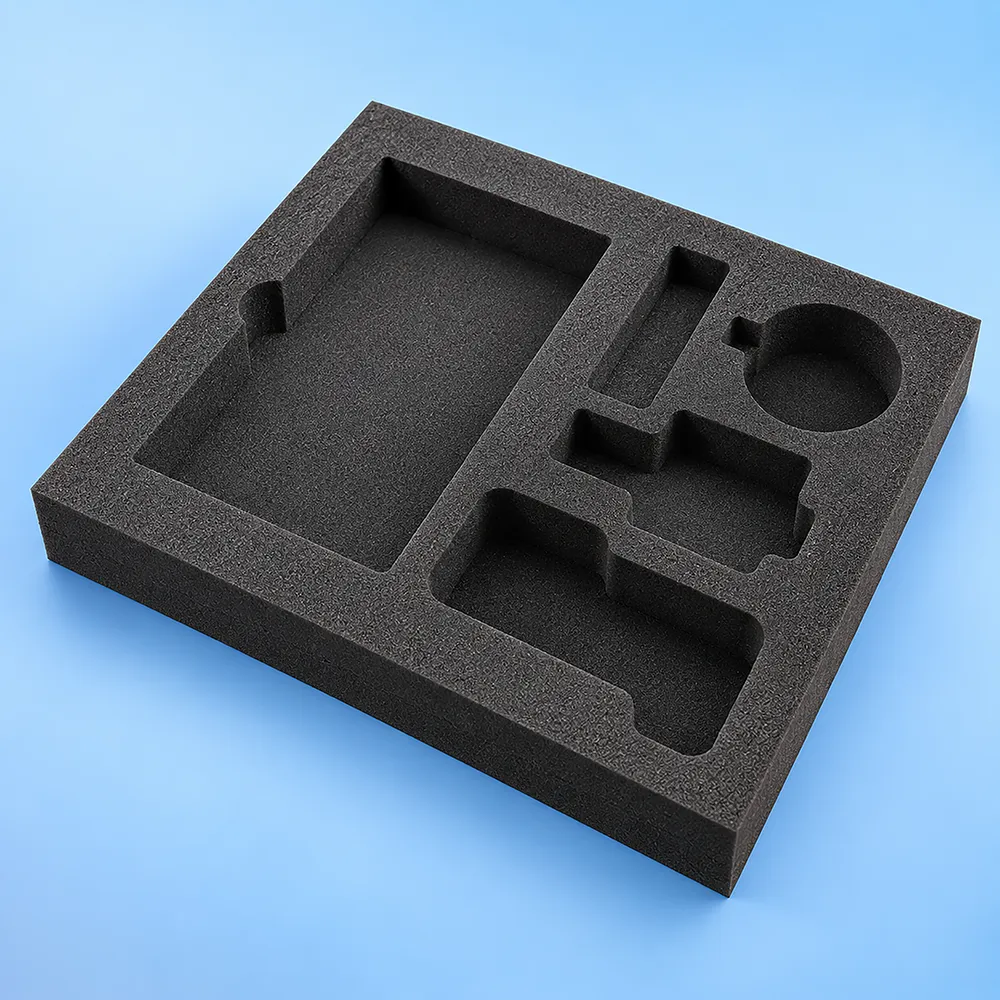
If support is added, the package should be developed as:
Finished Mug → Support Geometry → Required Internal Space → Tuck End Outer Carton
Do Not Make the Handle the Default Load-Bearing Point
A projecting handle can be more vulnerable than the mug body.
Internal support should therefore not automatically transfer the product weight through the handle.
Where support is required, more suitable contact areas may include the:
Use:
Finished Mug → Stable Contact Area → Support Geometry
The handle should normally receive suitable clearance unless the support has been intentionally developed around it.
Mug Orientation Affects the Complete Packaging Layout
The mug packed direction influences more than fit.
Orientation controls:
Use:
Packed Mug Orientation → Handle Position → Carton / Support Geometry
Do not finalize a window or product-aligned graphic before the mug orientation is confirmed.
Mug Tuck End Boxes With Windows
A die-cut opening can reveal the mug body, decoration or handle where the selected panel leaves enough structural area.
Window placement should follow:
Mug Orientation → Visible Product Area → Window Geometry → Remaining Structural Panel Area
Coordinate the opening with:
-
handle position;
-
rim position;
-
printed mug artwork;
-
tuck flaps;
-
fold lines;
-
internal support;
-
and carton artwork.
For broader viewing-window packaging, explore Boxes With Window.
Printing Options for Mug Tuck End Boxes
Custom artwork can be printed across the approved front, back and side panels.
Depending on the production setup, printing may include digital or offset methods with CMYK process color and Pantone/PMS references where appropriate.
Keep the terminology separate:
Digital / Offset = Printing Methods
CMYK / Pantone = Color Systems / References
Artwork can include:
Inside printing can also be considered where the selected board and production method support it.
Artwork Should Follow the Packed Mug Orientation
The handle makes a mug a directional product even when the carton itself appears symmetrical.
If a:
-
die-cut window;
-
product illustration;
-
front-panel graphic;
-
or directional message
needs to align with a particular side of the mug, the artwork should follow:
Packed Mug Orientation → Dieline Panel → Artwork Direction
This prevents a product-facing graphic or window from being placed on the wrong panel.
Finishing Options for Mug Tuck End Boxes
Printing and finishing should be specified separately.
Compatible project-specific finishes may include:
-
matte lamination;
-
gloss lamination;
-
soft-touch treatment;
-
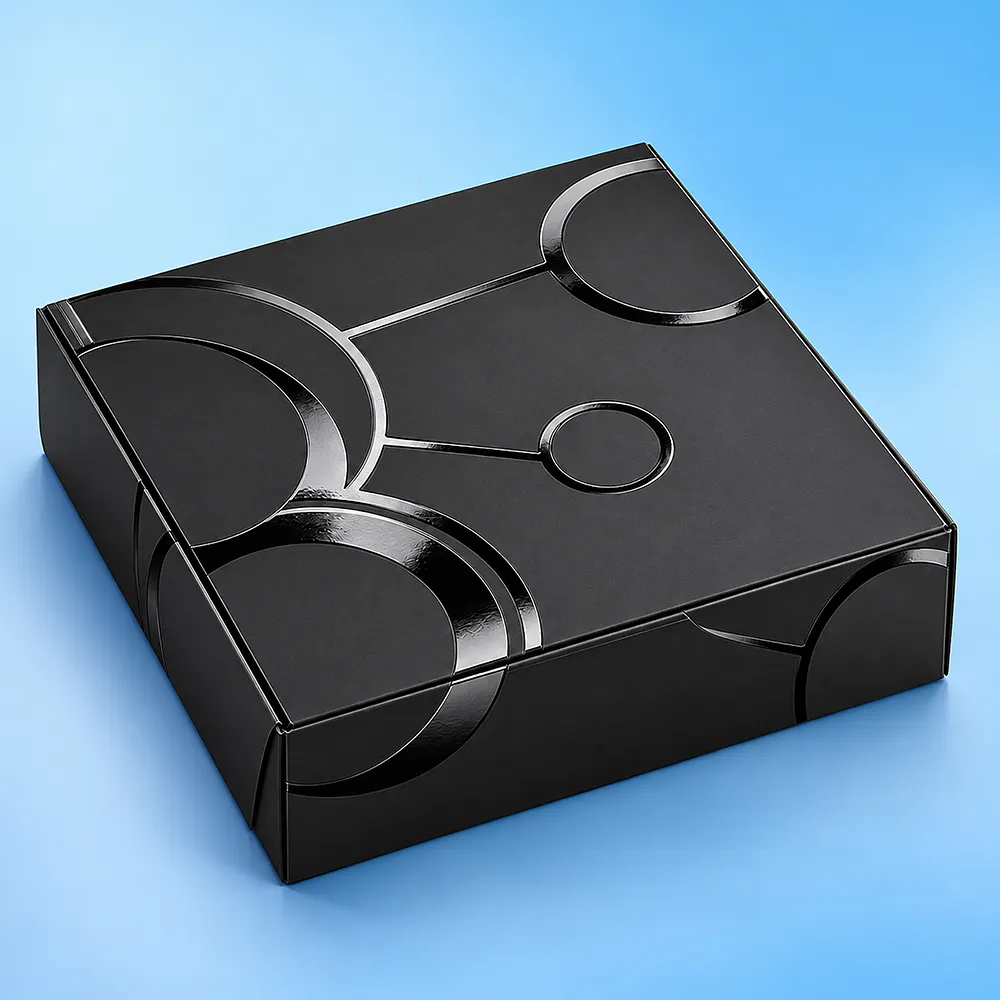
foil stamping;
-
embossing;
-
debossing;
-
and Spot UV.
Finish placement should account for:
Tuck Flaps + Scores + Folds + Artwork + Barcode Areas
Avoid placing deep embossing or heavy finish buildup over functional tuck and fold areas without production review.
Foil and Spot UV for Mug Cartons
Foil stamping or Spot UV can highlight selected areas such as:
-
brand logos;
-
collection names;
-
gift messages;
-
borders;
-
or promotional artwork.
Use:
Artwork Hierarchy → Finish Placement
rather than adding premium effects simply because space is available.
Where foil-enhanced Tuck packaging itself is the central requirement, compare Tuck End Foil Boxes.
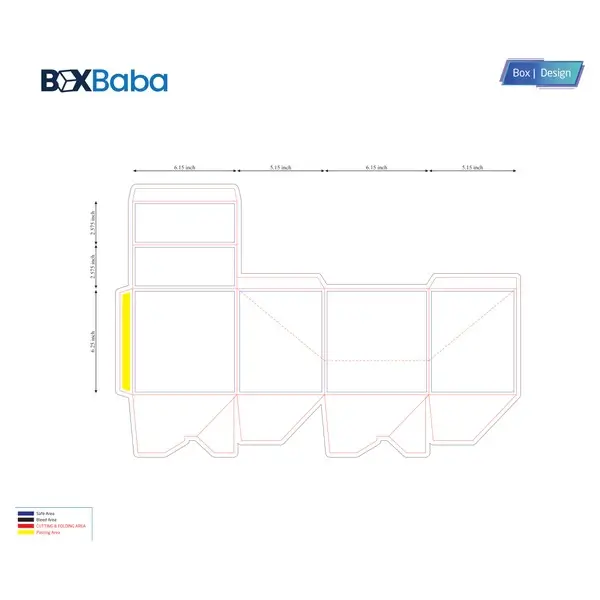
Mug Tuck End Box Dielines
The production dieline maps how flat board becomes the finished carton around the mug.
Depending on the approved configuration, it may define:
Use:
Finished Mug → Tuck Orientation → Board → Complete Dieline → Artwork
The dieline should not be finalized until the body, handle, rim, base and complete product envelope are known.
For deeper structural-file guidance, review BoxBaba Packaging Dieline Guide.
What Should Be Validated Before Production?
Use the approval method that matches the unresolved question.
A digital proof or 3D mockup can help review:
artwork + panel orientation + text + window location + finish placement
A physical structural sample becomes more useful for:
mug fit + handle clearance + loading + removal + tuck engagement + internal support + window alignment
Use:
Artwork Question → Digital Proof
and:
Physical Product / Structural Question → Representative Sample
A digital mockup cannot prove actual handle clearance or physical product fit.
Check Both Mug Loading and Removal
Do not evaluate fit only by confirming that the mug can be pushed into the carton.
A package may be easy to load but difficult for the buyer to open.
Review:
Insertion + Removal + Handle Clearance + Rim Clearance
The mug should not require excessive force to pack or remove.
This is especially important for:
Mug Tuck End Box vs Outer Shipping Packaging
A retail mug carton and a parcel-shipping package perform different functions.
For retail:
Finished Mug → Mug Tuck End Carton
For ecommerce or courier distribution:
Retail Mug Carton + Appropriate Support / Cushioning → Outer Distribution Package
A standard folding paperboard Mug Tuck End carton should not automatically be treated as sufficient protection for parcel distribution of a fragile mug.
For products that need a stronger outer transport structure, compare Custom Corrugated Boxes.
Does a Mug Tuck End Carton Guarantee Against Breakage?
No.
A paperboard retail carton does not create a universal breakage, impact or drop-performance guarantee.
Protection depends on the complete packaging system, including:
Use:
Mug + Retail Carton + Internal Support + Outer Distribution Package → Complete Protection Strategy
when transport protection is required.
What to Send for a Mug Tuck End Box Quote
| Quote Input |
Why It Matters |
| Maximum body width / diameter |
Defines the primary body fit |
| Maximum depth |
Required for non-round or irregular mugs |
| Complete mug height |
Defines the carton height requirement |
| Total width including handle |
Often controls carton footprint |
| Handle projection |
Critical for side clearance |
| Rim width / diameter |
May exceed the central body profile |
| Base footprint |
Supports standing and retention review |
| Product weight |
Supports board and structural review |
| Mug shape / style |
Influences sizing and support |
| Packing orientation |
Controls handle, window and artwork relationship |
| Tuck orientation |
Defines Straight, Reverse or another approved configuration |
| Internal support requirement |
Changes usable internal dimensions |
| Window requirement |
Changes available panel geometry |
| Printing requirements |
Defines artwork scope |
| Finishing requirements |
Affects production specification |
| Order quantity |
Supports production planning |
| Artwork status |
Determines dieline / artwork support |
| Delivery destination |
Supports shipping planning |
If the final carton dimensions are not known, send the actual completed mug measurements rather than estimating an outside box size.
Custom Mug Tuck End Boxes Wholesale From BoxBaba
BoxBaba develops Mug Tuck End Boxes around the actual finished mug, including its body, handle, rim, base, weight and selected Tuck orientation.
Custom packaging projects can start from 100 units.
Artwork and dieline support are available, along with digital proof or 3D mockup review. Ask about physical sample options where handle clearance, mug fit, support position, window alignment or tuck engagement should be checked before bulk production.
Standard processing is typically 5–9 business days after final artwork approval, depending on the selected structure, board, printing, finishing and support requirements.
Free shipping is available across the USA.
Request Custom Mug Tuck End Boxes
A Mug Tuck End carton should be developed from the complete finished mug, not from fluid capacity alone.
Use:
Finished Mug → Maximum Body + Handle Envelope → Product Weight → Tuck-End Requirement → Flap Orientation → Internal Fit / Support → Board + Closure Geometry → Dieline → Artwork → Physical Validation → Production
Share the maximum mug body width or diameter, total width including the handle, complete height, handle projection, rim and base dimensions, product weight, orientation, required quantity, artwork status and any internal-support, window, inside-printing or finishing requirements.
Place your order by calling +1 305 574 4357 or emailing sales@boxbaba.com.