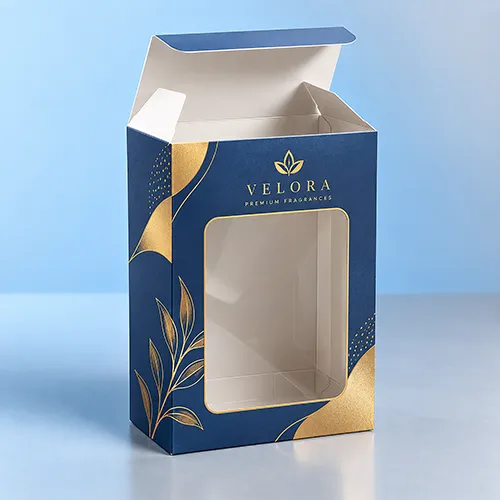
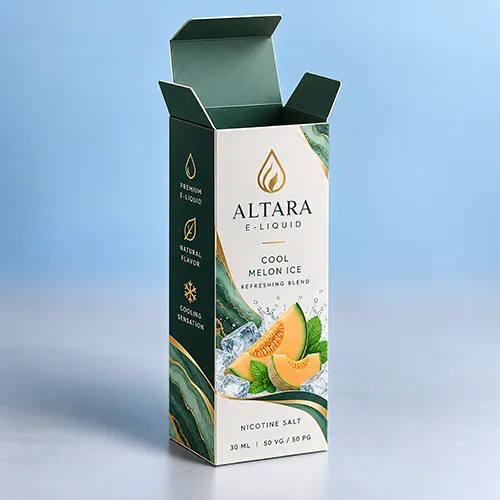
Custom Snap Lock Bottom Boxes With 1-2-3 Interlocking Bases
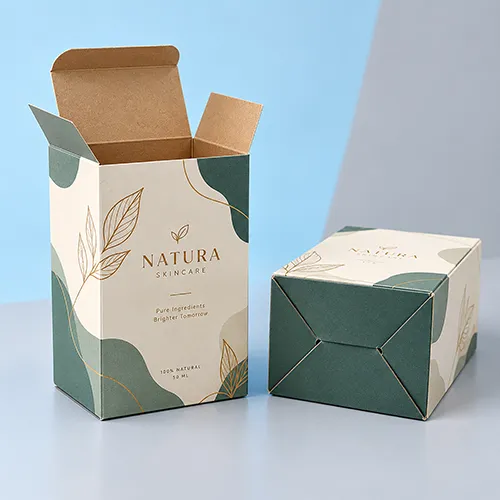
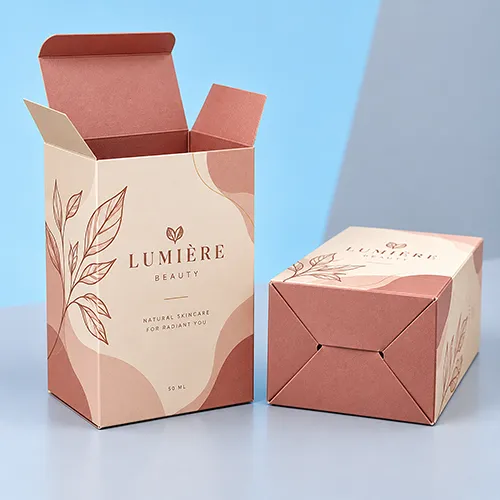
Custom Snap Lock Bottom Boxes use a manually assembled base whose lower panels fold into an interlocking relationship.
The defining structural relationship is:
Snap Lock Bottom → Uses → Manually Interlocking Bottom Panels
BoxBaba uses the terms:
Snap Lock Bottom / 1-2-3 Bottom
for the manual interlocking structure.
The important distinction is:
Snap Lock / 1-2-3 Bottom ≠ Auto Bottom / Crash Lock
A Snap Lock base is manually formed during packing.
An Auto Bottom uses a pre-glued base designed to erect as the carton is opened and squared.
Because packaging terminology can vary between suppliers, the approved structural dieline should always remain the final authority on the actual base construction.
Use:
Finished Product → Manual Bottom Requirement → Snap Lock Bottom → Product Footprint + Filled Weight → Top Closure → Board + Bottom Geometry → Dieline → Physical Validation → Quote
For the broader folding-carton family, explore Custom Tuck Boxes.
What Is a Snap Lock Bottom Box?
A Snap Lock Bottom Box is a folding carton whose lower panels are manually folded into an interlocking relationship to create the base.
The central structural relationship is:
Bottom Panels → Fold in Sequence → Interlock → Form Base
The structure is also commonly described as a 1-2-3 Bottom because its panels are manually brought into their locking relationship during carton setup.
However, the phrase 1-2-3 Bottom should not be treated as a substitute for the actual structural file.
The exact:
-
panel shape;
-
fold order;
-
overlap;
-
locking relationship;
-
and bottom geometry
should follow the approved BoxBaba production dieline.
BoxBaba Snap Lock Terminology
For clarity across the Tuck Boxes cluster, BoxBaba should use:
Snap Lock / 1-2-3 Bottom → Manually Folded and Interlocked Base
and:
Auto Bottom / Crash Lock → Pre-Glued Erecting Base
This terminology keeps the structural difference clear for buyers, content, artwork, quoting and production.
If another supplier uses a different style name, compare the actual dielines and assembly methods rather than assuming the names describe identical structures.
Snap Lock Bottom Defines the Base, Not the Top
Snap Lock describes the bottom construction.
It does not automatically establish the upper closure.
Use:
Snap Lock Bottom = Base Structure
while:
Top Closure = Separate Structural Decision
A compatible Tuck Top or another approved upper closure may be used depending on the product.
If the upper tuck relationship itself is the main buyer requirement, review Tuck Top Boxes.
The complete carton should therefore be defined as:
Top Closure + Snap Lock Bottom + Product Fit
before the production dieline is approved.
Snap Lock Bottom vs Auto Bottom
Tuck End Auto Bottom Boxes are the closest structural alternative.
The key difference is how the base is formed.
| Decision Factor |
Snap Lock Bottom |
Auto Bottom |
| Base formation |
Manually folded and interlocked |
Pre-glued base erects when carton is opened |
| Packing action |
Packer forms the bottom panels |
Base squares into position during erection |
| Pre-glued automatic base |
No |
Yes |
| BoxBaba 1-2-3 terminology |
Manual Snap Lock |
Not used for Auto Bottom |
| Crash Lock terminology |
No |
Auto Bottom / Crash Lock |
| Universal load rating |
No |
No |
Use:
Manual Bottom Assembly Requirement → Snap Lock
versus:
Pre-Glued Erecting Base Requirement → Auto Bottom
Do not call a Snap Lock base a Crash Lock or Auto Bottom.
Snap Lock Bottom vs Full Flap Auto Bottom
Full Flap Auto Bottom Boxes also use an automatic pre-glued bottom relationship.
The distinction is:
Snap Lock → Manual Interlocking Base
versus:
Full Flap Auto Bottom → Pre-Glued Automatic Base + Full / Extended Flap Geometry
Choose between them according to the required:
Do not position one structure as universally stronger than the other.
How Is a Snap Lock Bottom Assembled?
A typical packing sequence is:
Flat / Collapsed Carton → Square Carton Body → Fold Bottom Panels in Sequence → Engage Interlocking Base → Load Product → Close Top
The exact folding order should follow the production dieline.
That matters because:
Snap Lock Structure → Creates → Manual Packing Step
This additional manual step is one of the main operational differences between Snap Lock and Auto Bottom cartons.
Does a Snap Lock Bottom Require Glue?
The Snap Lock base itself is formed through manual panel interlocking rather than through the pre-glued mechanism used by an Auto Bottom.
However:
Snap Lock Bottom ≠ Completely Glue-Free Carton
A manufacturer side seam may still be glued during carton conversion.
Other project-specific adhesive areas can also be present where required by the approved structure.
Use:
Bottom Formation → Manual Interlock
rather than:
Entire Carton → No Adhesive
When Should You Consider Snap Lock Bottom Boxes?
Snap Lock becomes relevant when the project needs a folding carton with a manually assembled interlocking base and that assembly method suits the packing operation.
Evaluate:
Use:
Product Requirement + Packing Workflow → Bottom Construction
Do not select Snap Lock only because the word lock suggests greater strength.
Product Footprint Matters to the Bottom
The base supports the packed product across the carton footprint.
Two products with the same total weight can load the bottom differently.
A broad product can distribute weight differently from a narrow product concentrating force over a smaller area.
Use:
Product Footprint + Filled Weight → Bottom Geometry Review
rather than:
Filled Weight Alone → Structure Selection
This is why BoxBaba should not publish one universal load capacity for Snap Lock Bottom Boxes.
How Filled Weight Affects Snap Lock Selection
Provide the actual filled product weight during quoting.
Structural review should consider:
Filled Weight + Product Footprint + Carton Dimensions + Board + Bottom Geometry
A heavier product does not automatically mean Snap Lock is the correct structure.
Depending on the product, dimensions, board and packing workflow, an Auto Bottom or another structural direction may be more appropriate.
Snap Lock Bottom vs Basic Tuck Bottom
A conventional tuck-bottom relationship uses a simpler tuck closure.
Snap Lock uses several bottom panels that engage with one another to form the base.
Use:
Basic Tuck Bottom → Tuck Closure
versus:
Snap Lock Bottom → Manually Interlocking Base
Do not convert this distinction into:
Snap Lock = Always Stronger
The final structural behavior depends on:
How to Size a Snap Lock Bottom Box
Start with the finished product in the orientation in which it will actually be packed.
Provide:
length × width/depth × height
plus:
-
filled product weight;
-
bottom footprint;
-
product orientation;
-
quantity per carton;
-
required top opening;
-
insert requirement;
-
and window requirement.
Do not assume:
Product Dimensions = Finished Carton Dimensions
The carton also needs room for:
Use:
Finished Product → Required Internal Fit → Snap Lock Bottom Geometry → Complete Dieline
Board Caliper Affects Snap Lock Engagement
The bottom is formed from scored and die-cut panels.
Changing the selected board can affect how those panels fold and engage.
Use:
Board Caliper → Score Geometry → Panel Engagement → Bottom Fit
Relevant consequences can include:
-
crease behavior;
-
locking relationships;
-
bottom-panel overlap;
-
erected geometry;
-
and closing resistance.
Do not assume:
Higher GSM = Automatically Better Snap Lock Performance
Also:
GSM ≠ Caliper
Two boards with the same GSM can still differ in thickness, stiffness and folding behavior.
Materials for Snap Lock Bottom Boxes
Material should be selected around:
Product + Filled Weight + Product Footprint + Carton Dimensions + Bottom Geometry + Printing Requirement
Possible project-specific options include suitable white folding paperboard and natural Kraft paperboard.
Do not assign one universal:
-
GSM;
-
caliper;
-
board grade;
-
or weight capacity
to every Snap Lock carton.
The actual board should be part of the structural review.
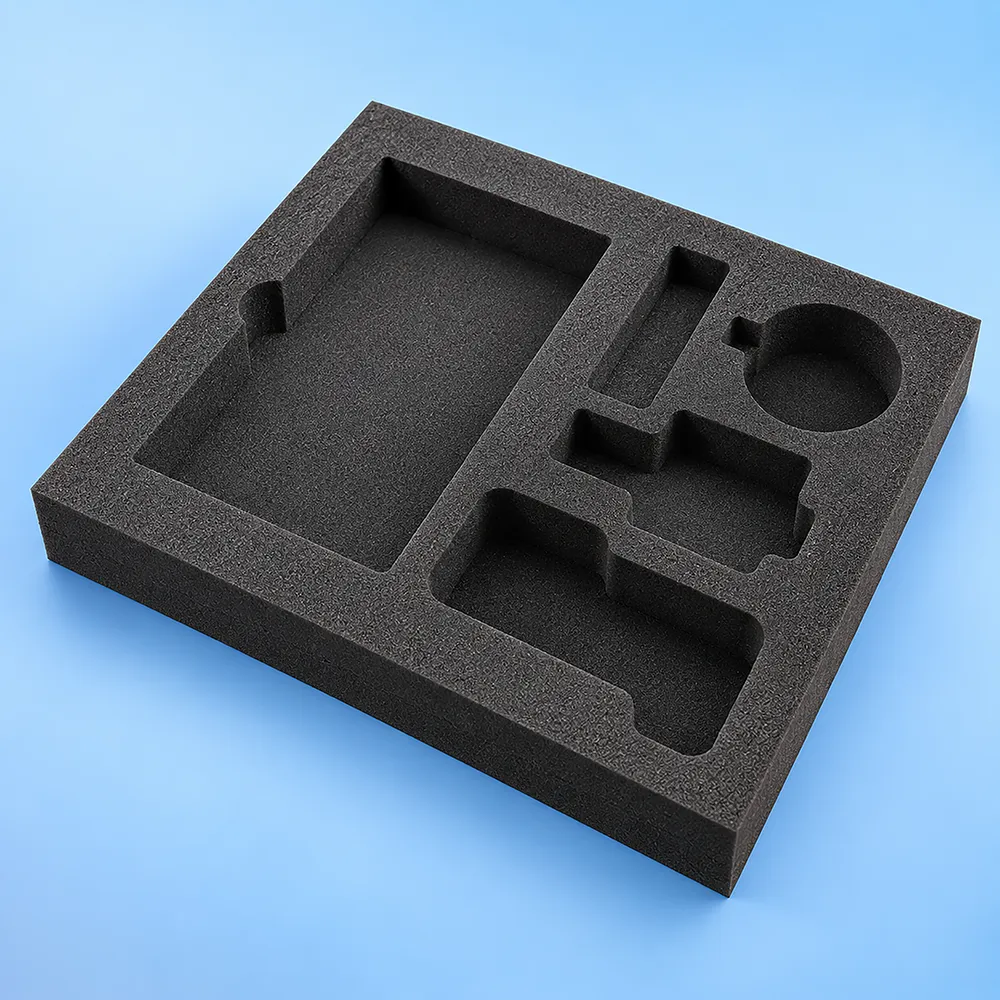
Inserts and Internal Support
Snap Lock and internal support perform separate functions.
Snap Lock Bottom → Forms the Base
while:
Insert / Internal Support → Positions the Product
Support may be considered where the packed product needs:
Because support occupies usable internal space, develop the package as:
Product → Internal Support → Required Internal Space → Snap Lock Carton
Do not finalize the outer dimensions before the support requirement is known.
Snap Lock Bottom Boxes With Windows
A die-cut viewing opening can be added where sufficient structural panel area remains.
Plan the window as:
Product Position → Visible Feature → Window Geometry → Remaining Structural Panel Area
Coordinate it with:
-
product orientation;
-
top closure;
-
side scores;
-
bottom construction;
-
internal support;
-
and artwork.
For broader product-visibility packaging, explore Boxes With Window.
Printing Options for Snap Lock Bottom Boxes
Custom printing can be developed across the approved exterior panels.
Depending on the production setup, printing may include digital or offset methods with CMYK process color and Pantone/PMS references where applicable.
Keep these terms separate:
Digital / Offset = Printing Methods
CMYK / Pantone = Color Systems / References
Artwork can include:
Inside printing can also be considered where the selected board and production method support it.
Artwork Must Follow the Snap Lock Dieline
Snap Lock structures contain several interacting lower panels.
Artwork should therefore be planned from the approved blank rather than treated as a simple rectangular carton.
Review:
Bottom Panel → Fold Direction → Final Visible / Hidden Position
Do not place critical:
-
text;
-
barcodes;
-
QR codes;
-
logos;
-
or mandatory information
across bottom locking areas without reviewing the erected structure.
The flat production file and finished box do not display every bottom panel in the same orientation.
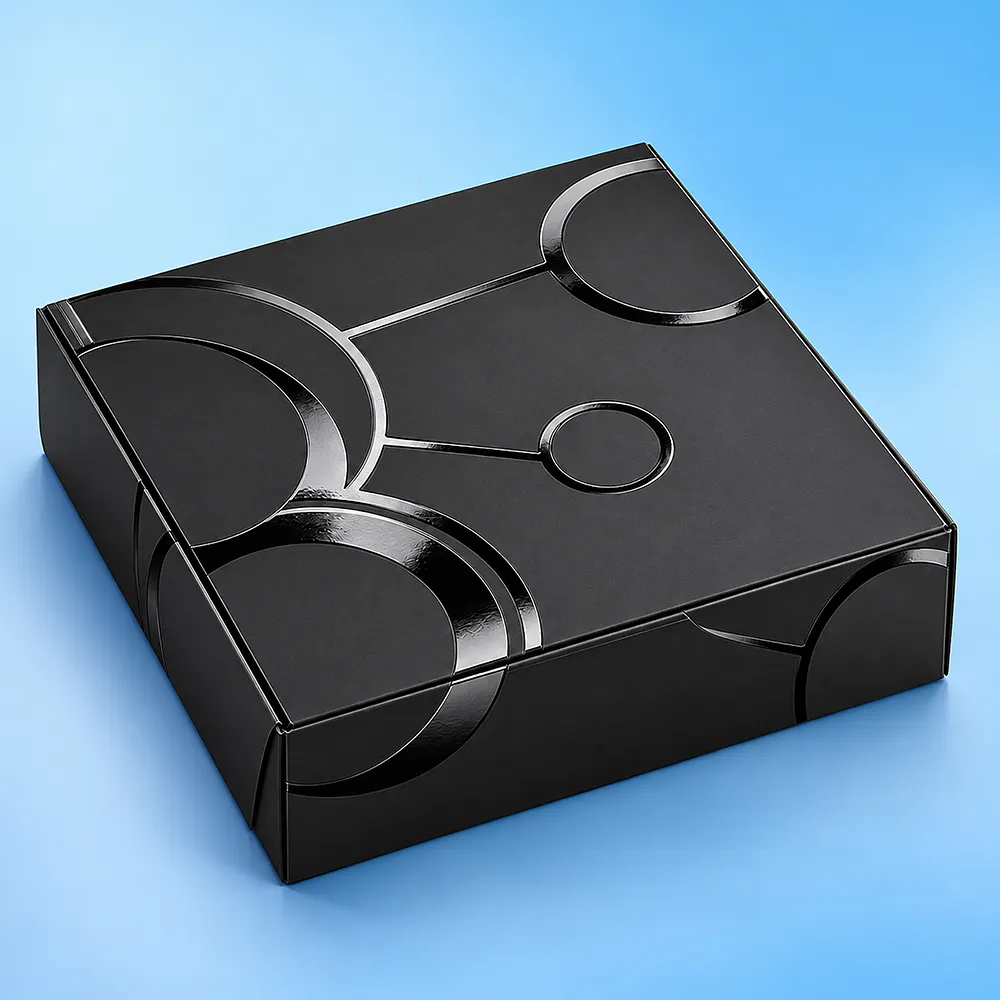
Finishing Options for Snap Lock Bottom Boxes
Printing and finishing should be specified separately.
Compatible project-specific options may include:
-
matte lamination;
-
gloss lamination;
-
soft-touch treatment;
-
foil stamping;
-
embossing;
-
debossing;
-
and Spot UV.
Finish placement should account for:
Scores + Folds + Bottom Lock Panels + Top Closure + Artwork
Avoid placing heavy raised treatments directly through critical locking or score areas without production review.
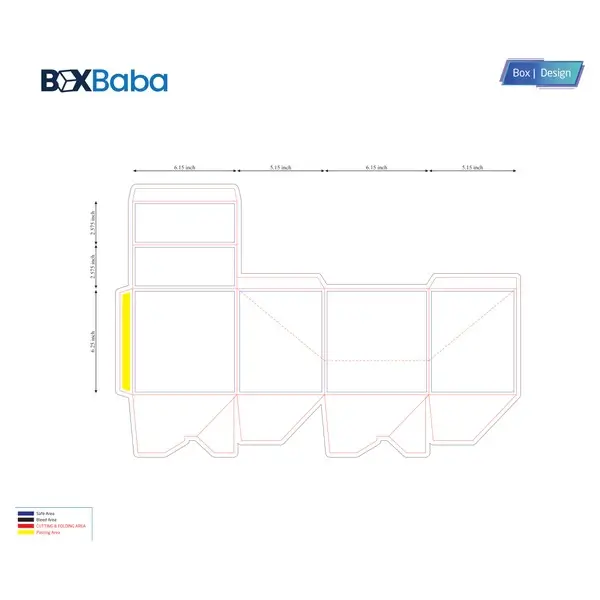
Snap Lock Bottom Dielines
The production dieline controls how the manually interlocking base is formed.
Depending on the approved design, it can define:
Use:
Finished Product → Bottom Requirement → Snap Lock Geometry → Board → Complete Dieline → Artwork
Do not substitute an Auto Bottom dieline.
The two structures use different bottom relationships and assembly methods.
For deeper production-file guidance, review BoxBaba Packaging Dieline Guide.
What Should Be Validated Before Production?
Use the approval method that matches the unresolved question.
A digital proof or 3D mockup can help review:
artwork + panel orientation + text + window placement + finish locations
A physical structural sample is more useful for:
bottom assembly + panel engagement + product fit + loaded behavior + internal support + upper closure fit
Use:
Artwork Question → Digital Proof
and:
Bottom / Physical Fit Question → Representative Structural Sample
A screen mockup cannot prove how the actual bottom panels interlock under the packed product.
Validate the Packing Workflow
Manual bottom formation is one of the product defining attributes.
Before bulk production, review:
-
who will erect the carton;
-
how the bottom will be formed;
-
packing volume;
-
available labor;
-
product-loading direction;
-
required throughput;
-
and whether manual assembly suits the operation.
Use:
Bottom Structure → Assembly Steps → Packing Workflow
This operational decision is one of the strongest reasons to compare Snap Lock with Auto Bottom before ordering.
Snap Lock Bottom Boxes vs Parcel Shipping Boxes
A manually interlocking base does not automatically make a paperboard carton suitable for courier or parcel distribution.
Use:
Snap Lock Bottom ≠ Parcel-Shipping Qualification
A standard Snap Lock paperboard carton is generally retail or secondary packaging.
Where the product needs a stronger outer distribution structure, compare Custom Corrugated Boxes.
What to Send for a Snap Lock Bottom Box Quote
| Quote Input |
Why It Matters |
| Finished product dimensions |
Defines required internal space |
| Filled product weight |
Supports bottom and board review |
| Product footprint |
Affects bottom-load relationship |
| Product orientation |
Controls fit and loading |
| Top-closure requirement |
Defines the complete carton |
| Manual packing workflow |
Confirms whether Snap Lock suits operations |
| Packing volume / quantity |
Helps evaluate assembly requirements |
| Board preference |
Affects folds, scores and lock engagement |
| Internal support requirement |
Changes usable internal dimensions |
| Window requirement |
Changes available panel geometry |
| Inside printing |
Expands artwork scope |
| Exterior printing |
Defines print coverage |
| Finishing requirements |
Affects production specification |
| Artwork status |
Determines dieline / artwork support |
| Delivery destination |
Supports shipping planning |
If you are deciding between Snap Lock and an automatic bottom, provide the product dimensions, filled weight, footprint, required quantity and packing workflow before the structure is finalized.
Custom Snap Lock Bottom Boxes Wholesale From BoxBaba
BoxBaba develops Snap Lock Bottom Boxes around the finished product, filled weight, product footprint, manually interlocking base and required top closure.
Custom packaging projects can start from 100 units.
Artwork and dieline support are available, along with digital proof or 3D mockup review. Ask about physical structural sample options where bottom-panel engagement, packed-product behavior, internal-support alignment or closure fit should be checked before bulk production.
Standard processing is typically 5–9 business days after final artwork approval, depending on the selected structure, board, printing, finishing and support requirements.
Free shipping is available across the USA.
Request Custom Snap Lock Bottom Boxes
A Snap Lock Bottom carton should be developed around the finished product and actual manual packing workflow, not around a generic load claim.
Share your product dimensions, filled weight, footprint, orientation, required quantity, preferred top closure, artwork status and any internal-support, window, inside-printing or finishing requirements.
If you are comparing Snap Lock with Auto Bottom, confirm whether manual bottom assembly or a pre-glued erecting base better suits your packing operation before approving the dieline.
Place your order by calling +1 305 574 4357 or emailing sales@boxbaba.com.