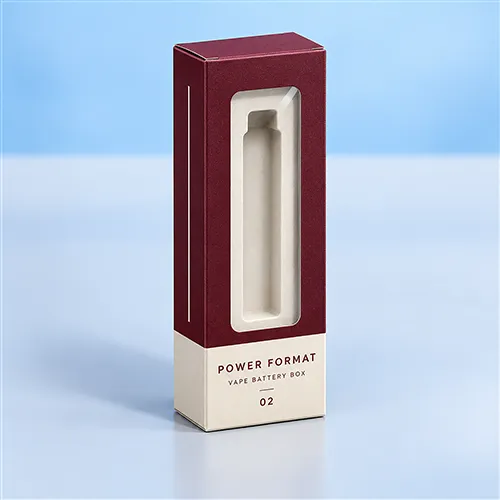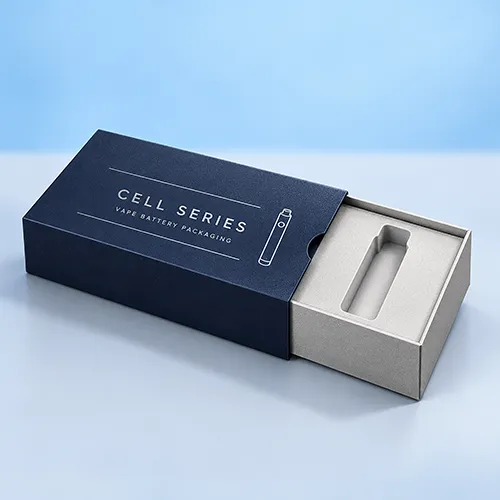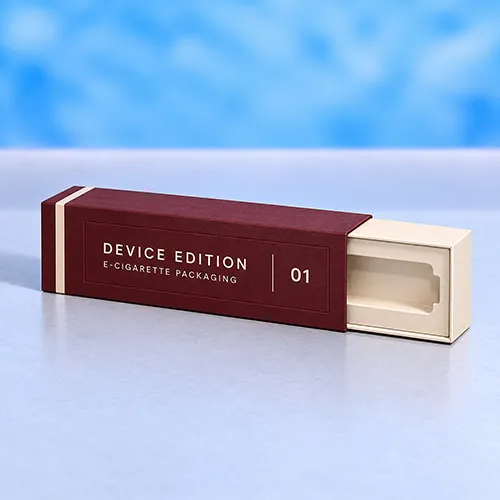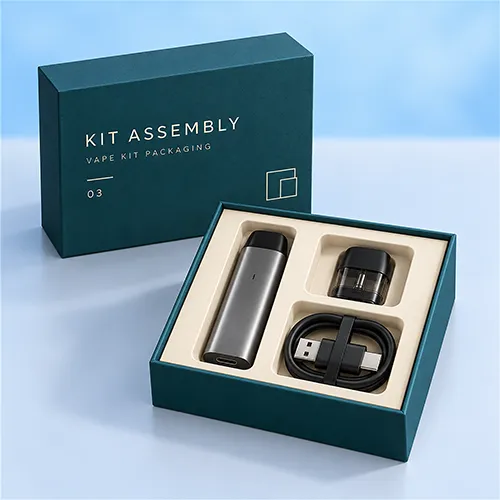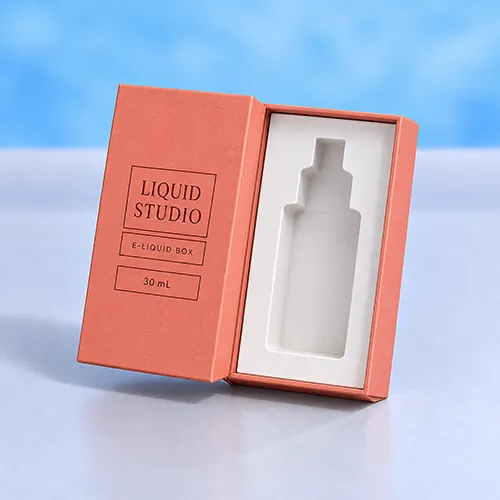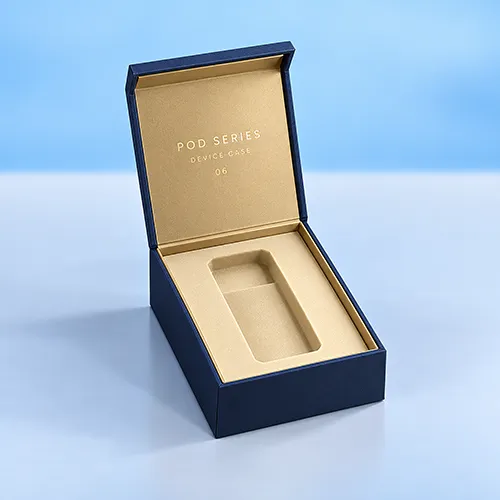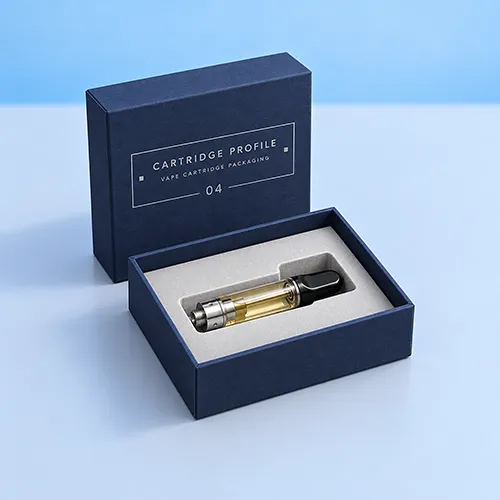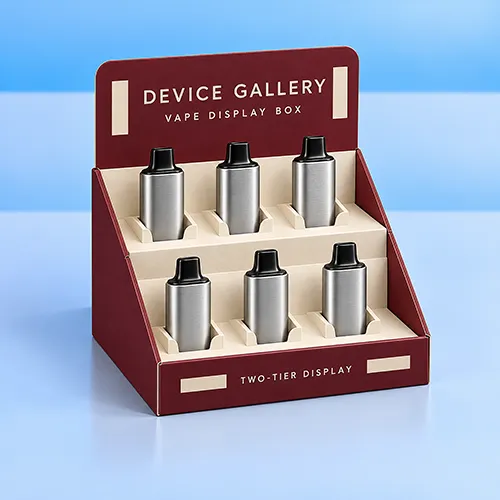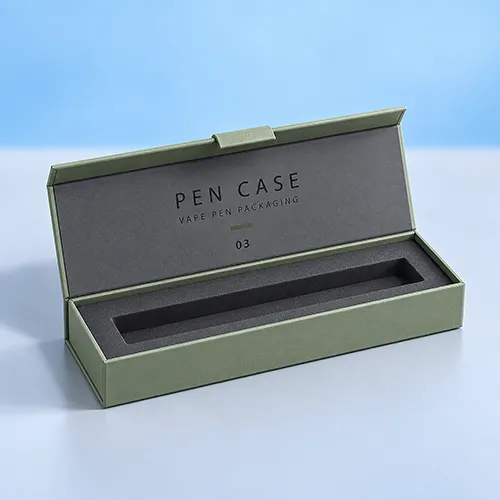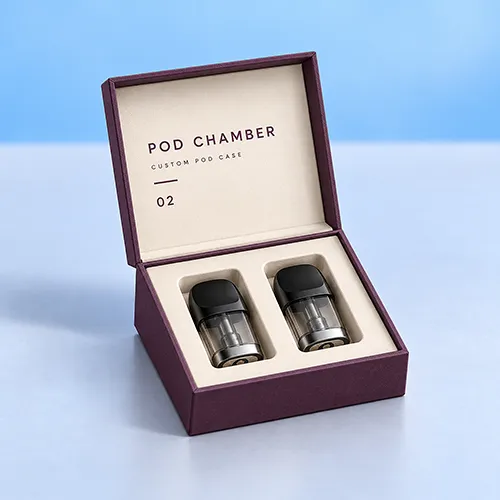

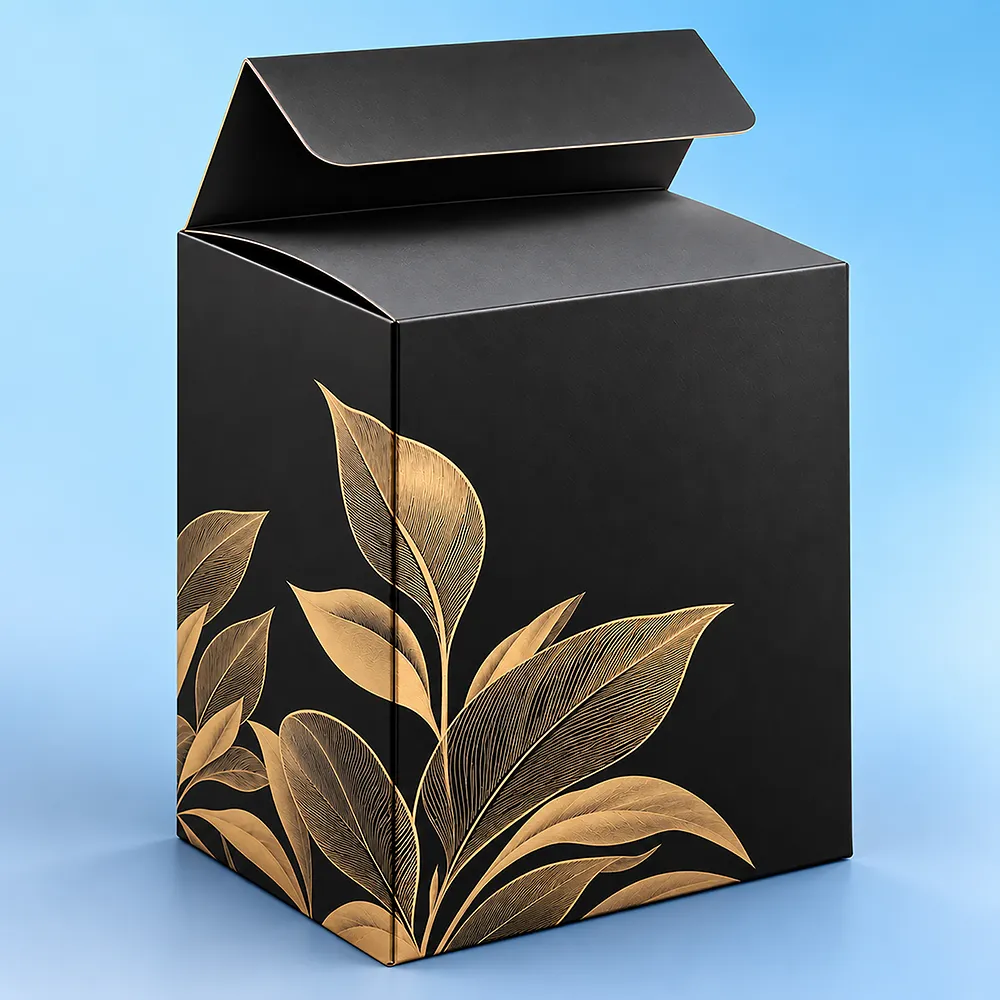

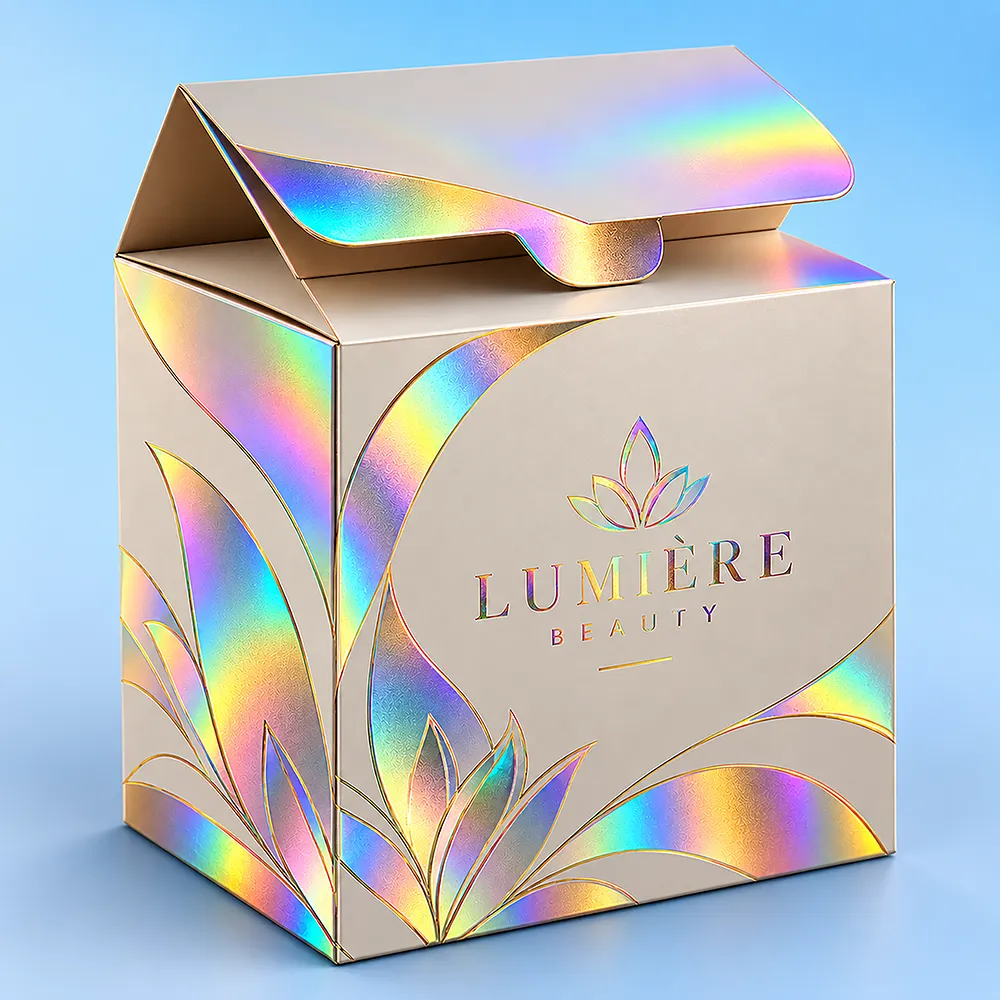
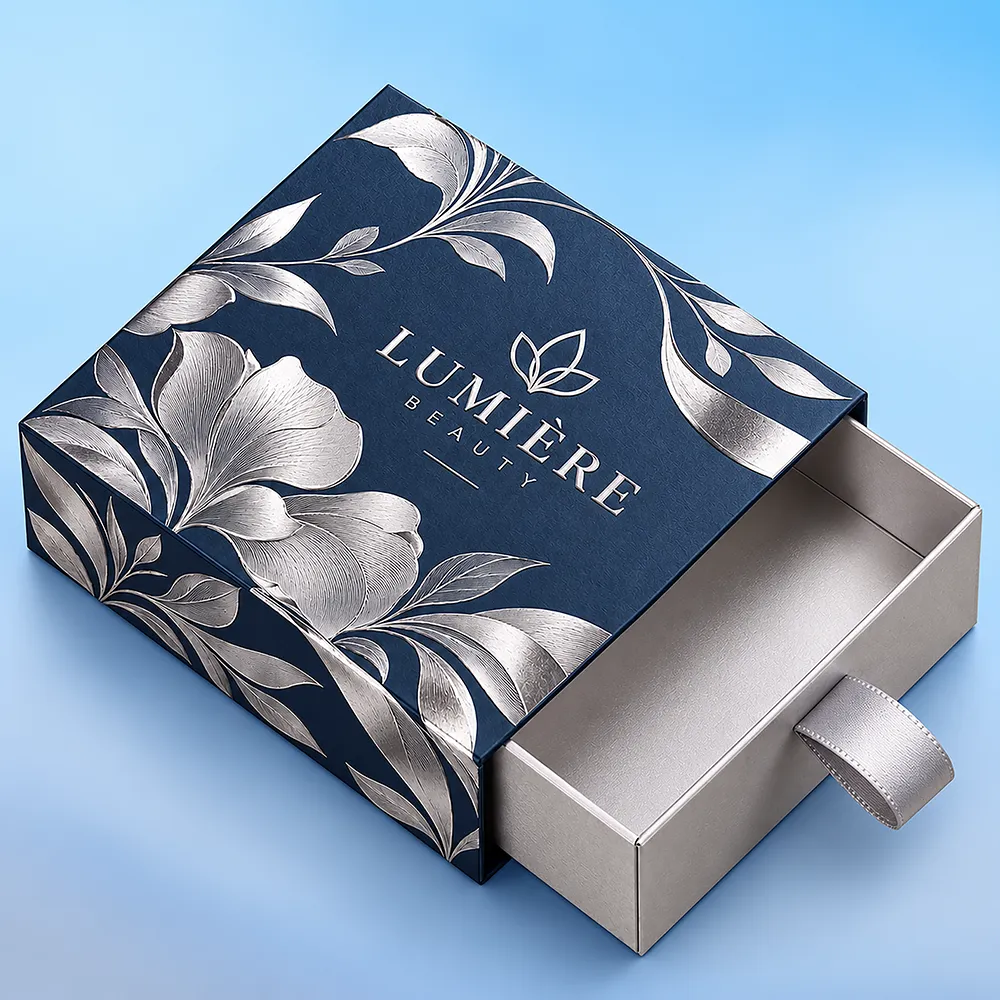
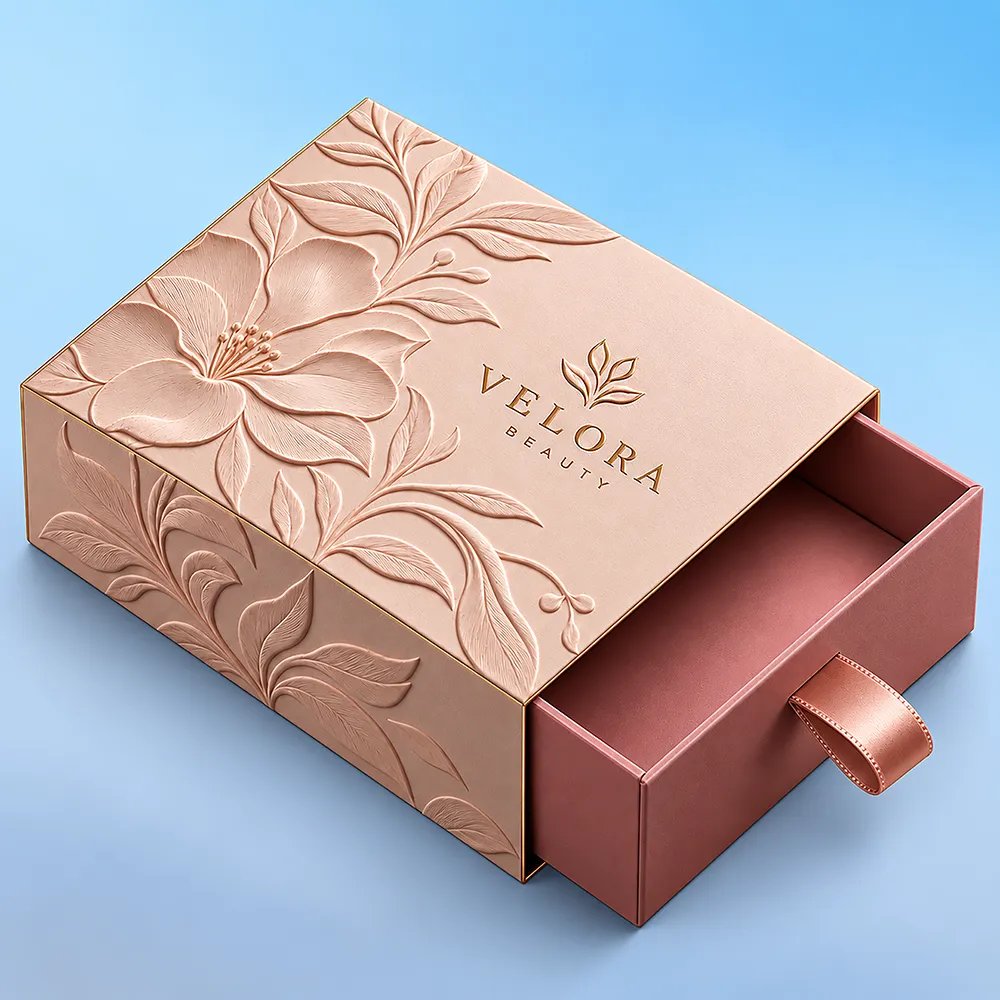
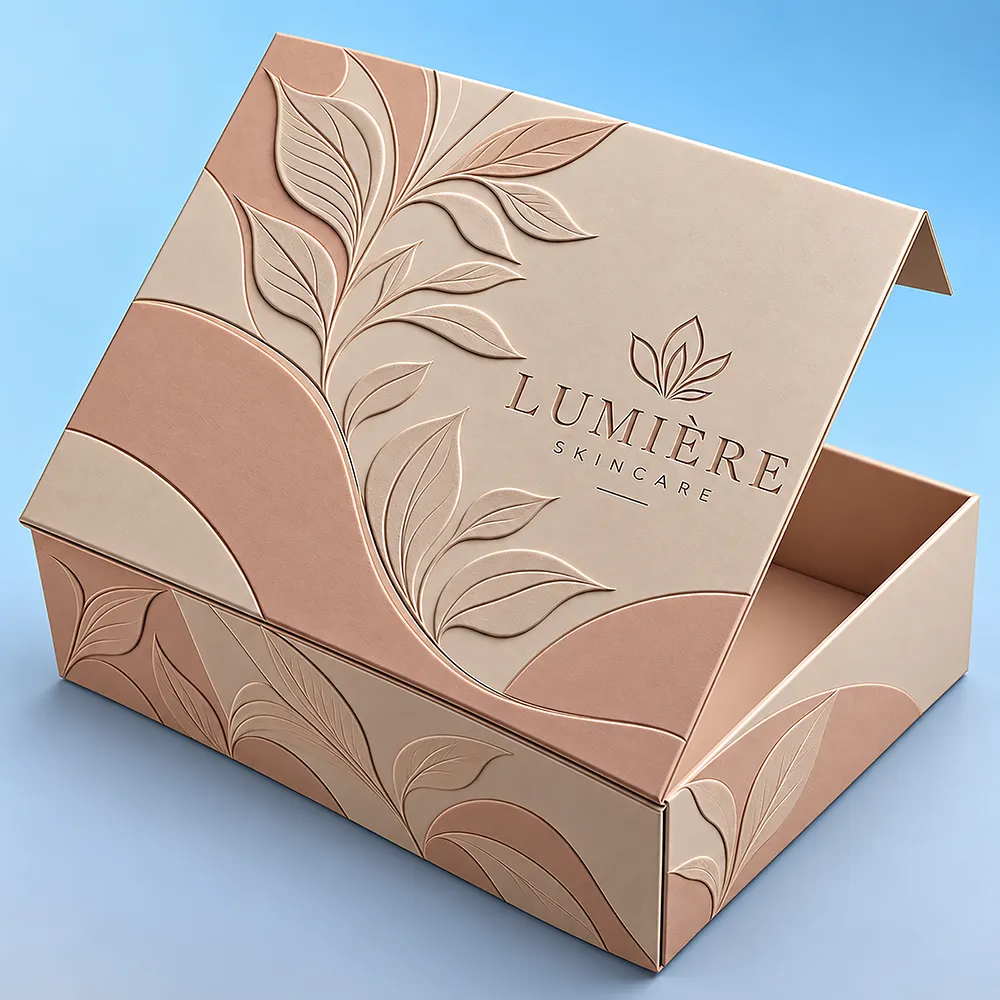
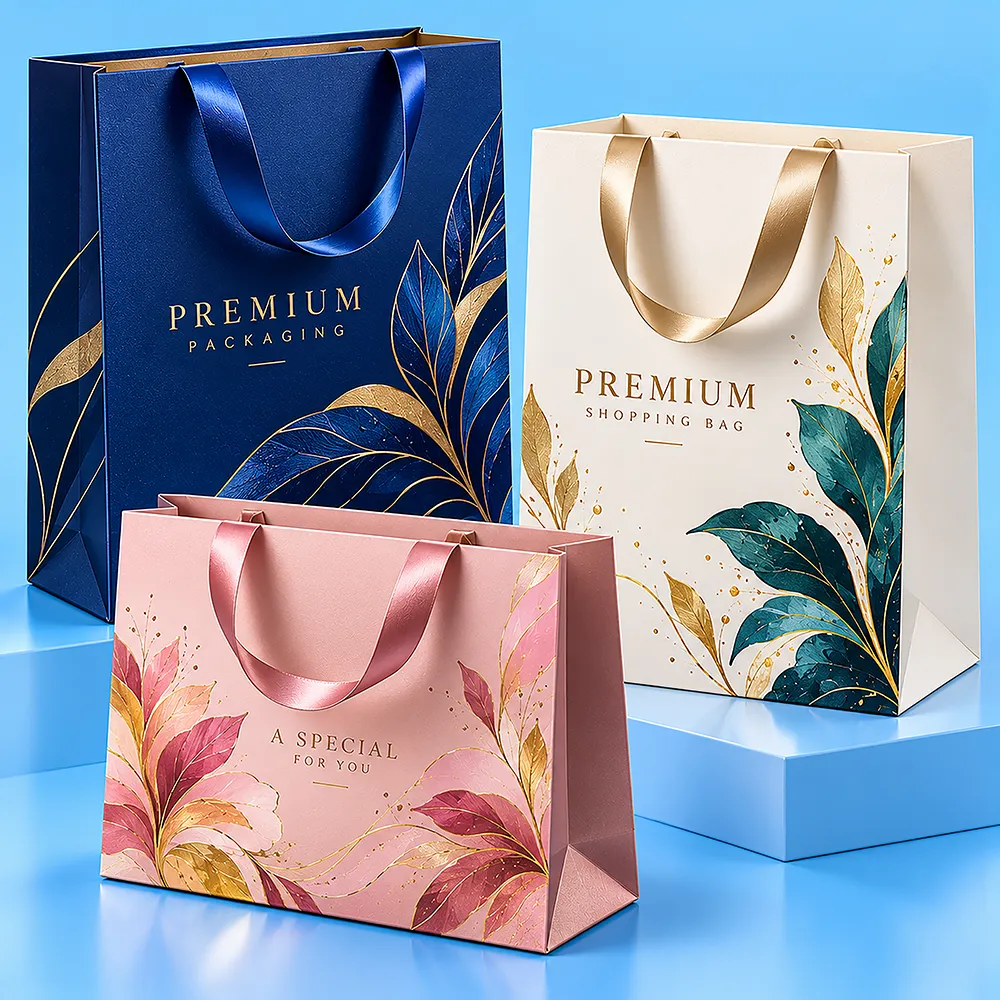
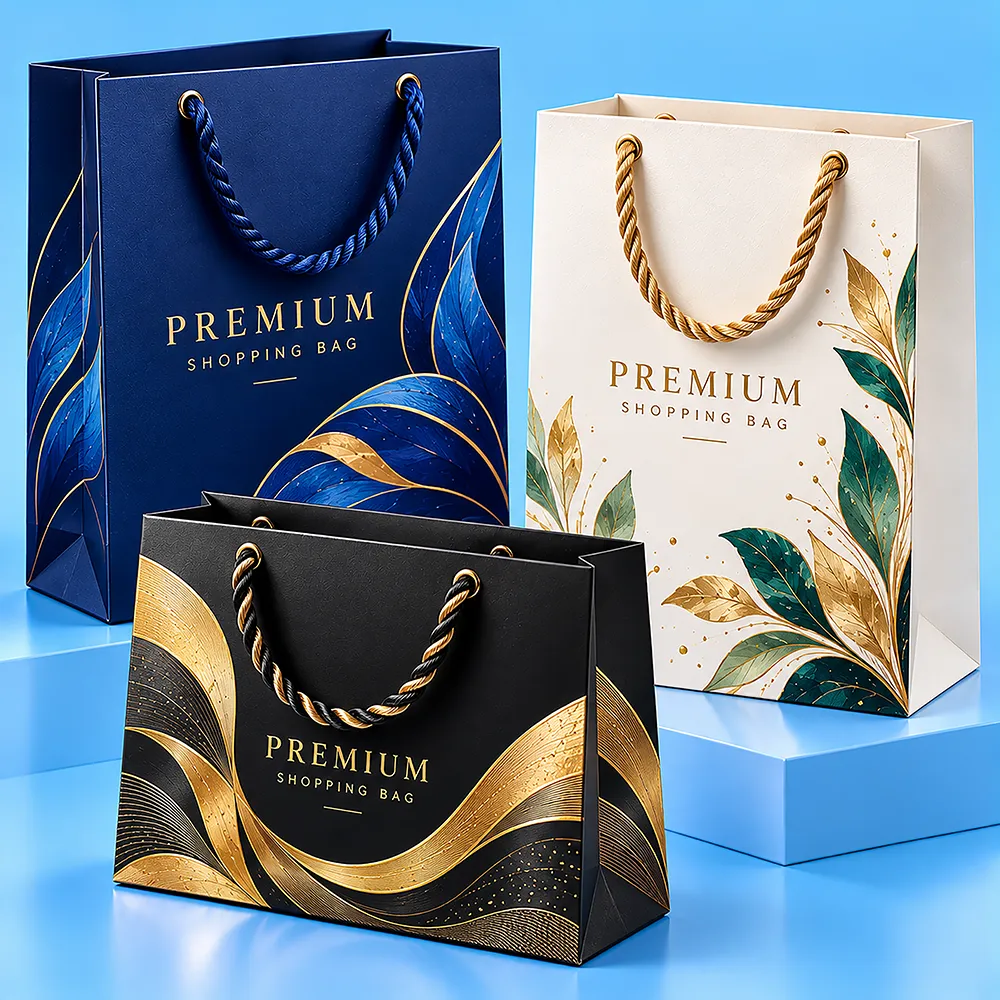

Custom vape battery boxes designed for secure product protection, organized retail presentation, and professional branding with durable materials, custom printing, inserts, and premium finishes.
Create Custom Boxes Quick and Easy
Get your custom boxes made in the required size, shape, and style.
Upload your artwork and get it superbly printed the way you want.
Order any quantity, enjoy a wholesale price, pay no extra for die plates.
| Specification | Details |
| Packaged product | Individual vape battery or power unit |
| Suitable configurations | 510-thread batteries, pen-style batteries, rechargeable power units and replacement battery SKUs |
| Sizing approach | Custom sizing based on the finished physical product |
| Key fit inputs | Length, width/diameter, depth, widest point, connector, base, buttons, ports, protrusions and orientation |
| Package quantity | Confirm per SKU |
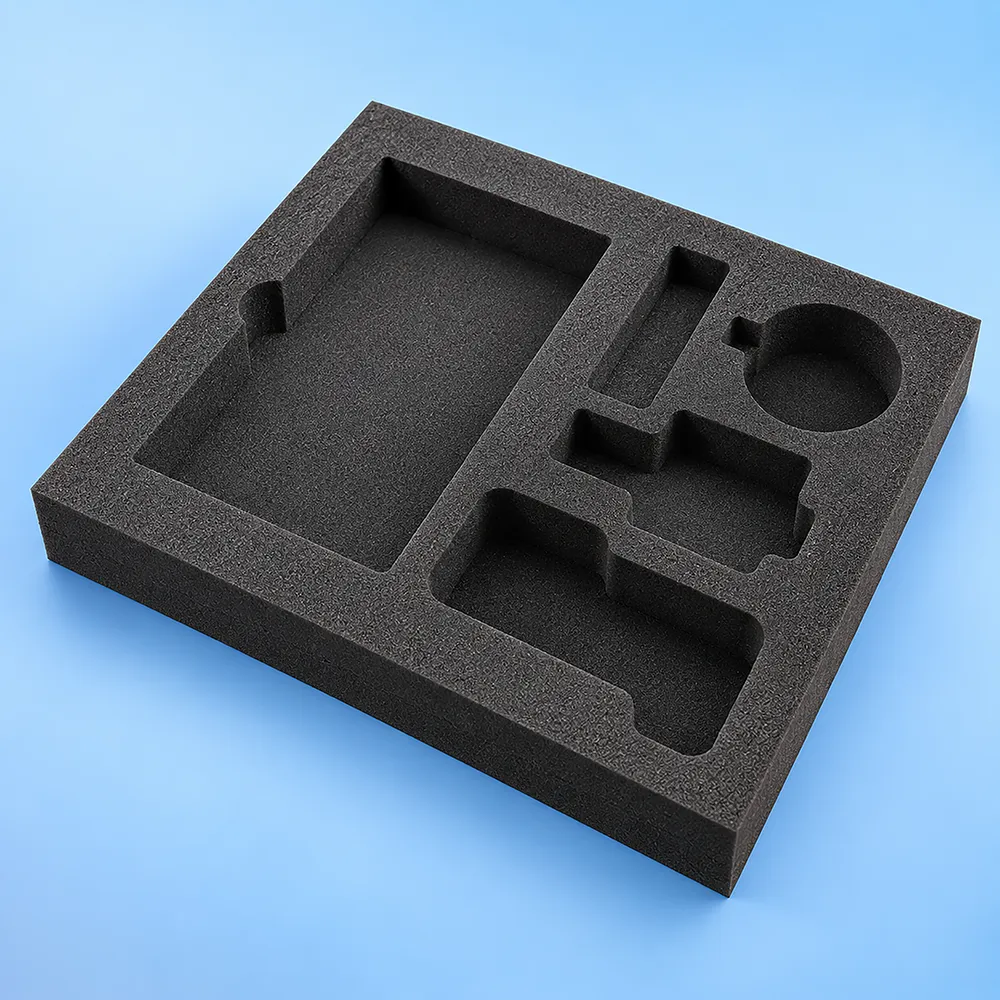
| Insert requirement | Considered when retention, separation or presentation requires it |
| MOQ | 100 units standard baseline |
| Production | 5–9 business days after artwork approval |
| USA shipping | Free shipping across the USA |
| Samples | Free samples available; sample delivery/shipping charges reimbursed on the first bulk order |
| Artwork support | Available as applicable, including dieline, 3D mockup and proofing support |
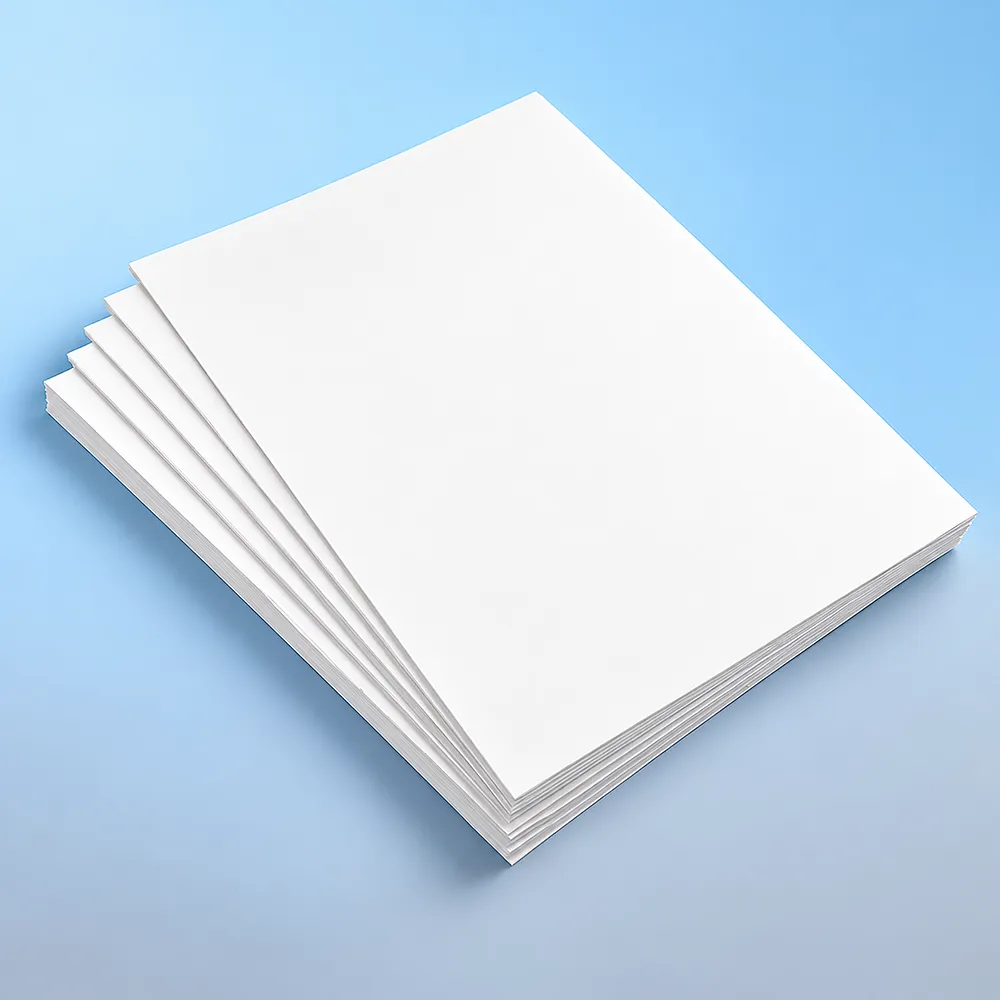
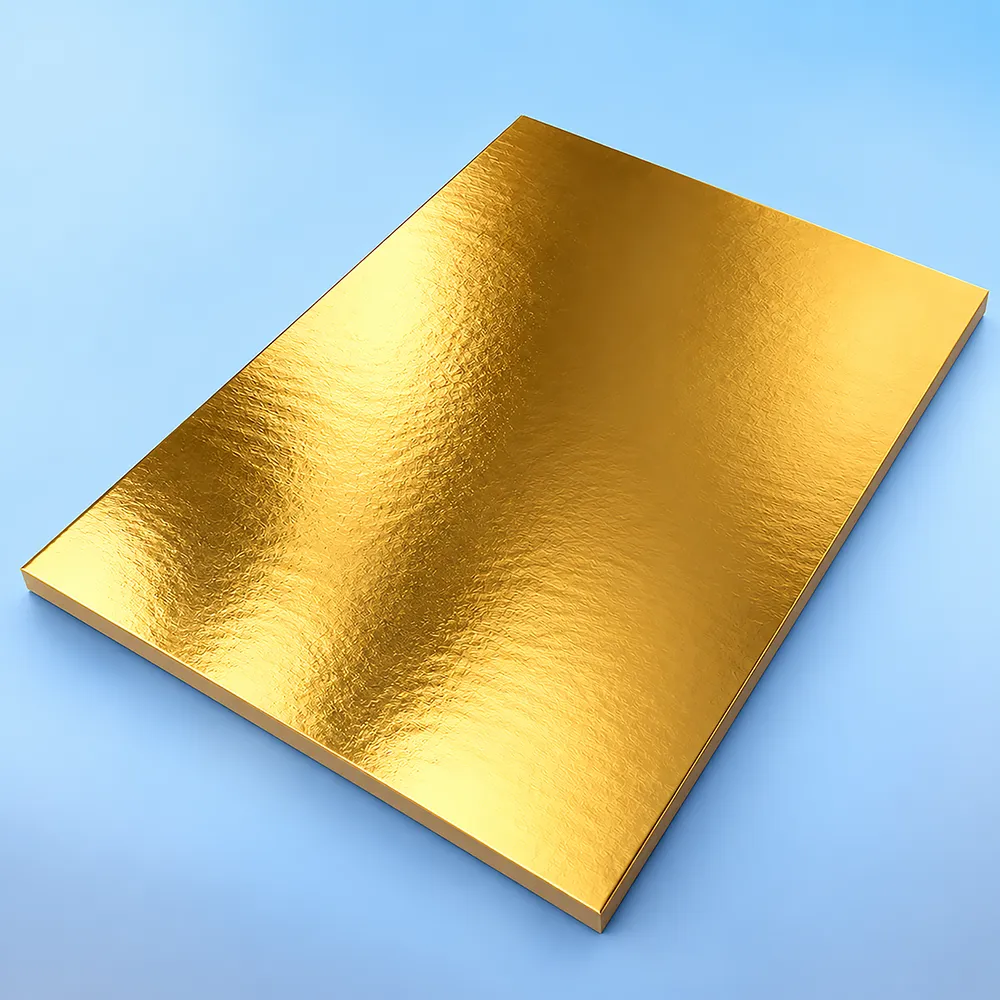
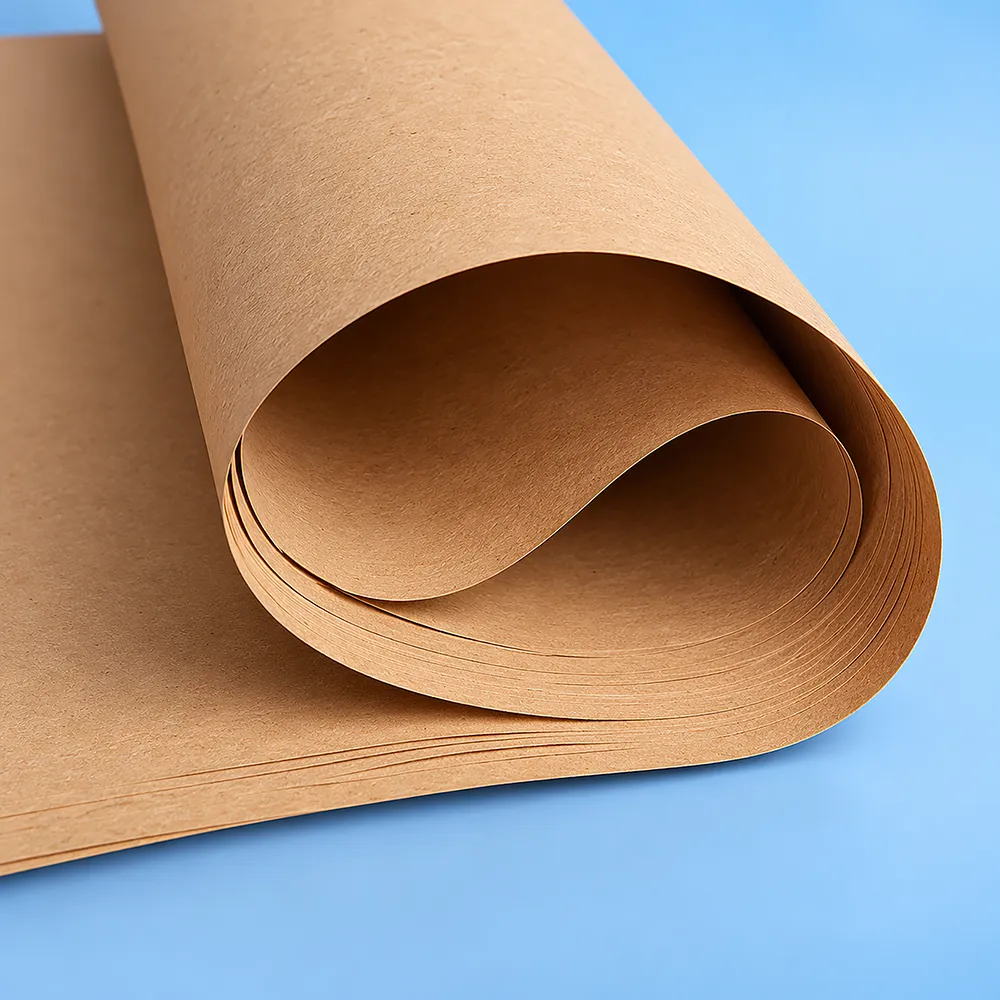
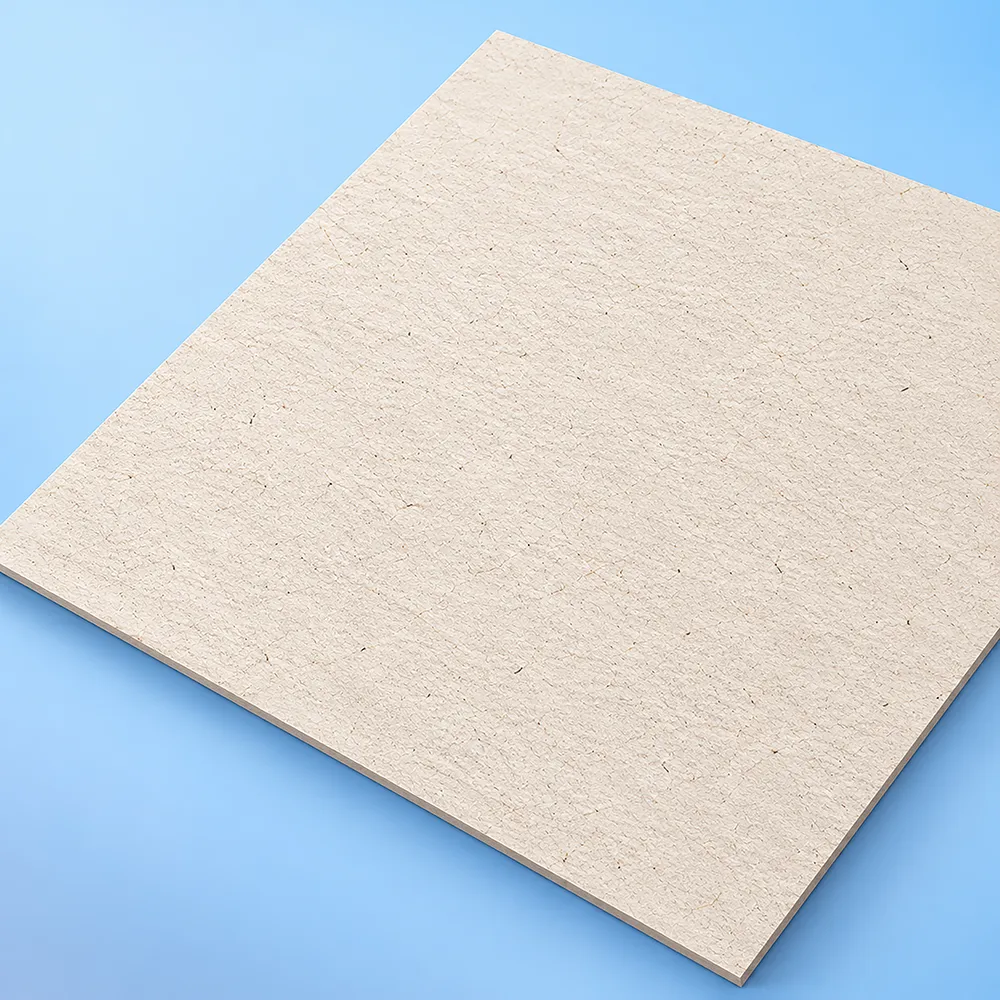
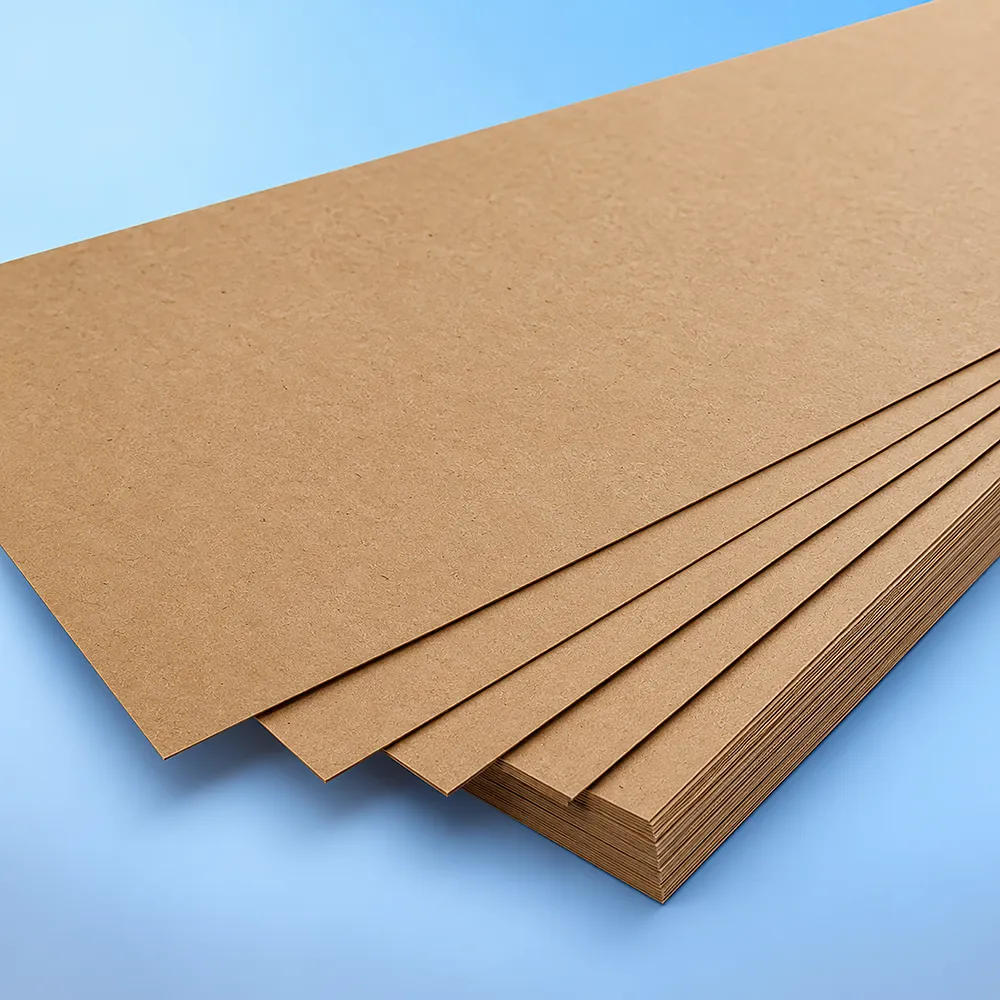
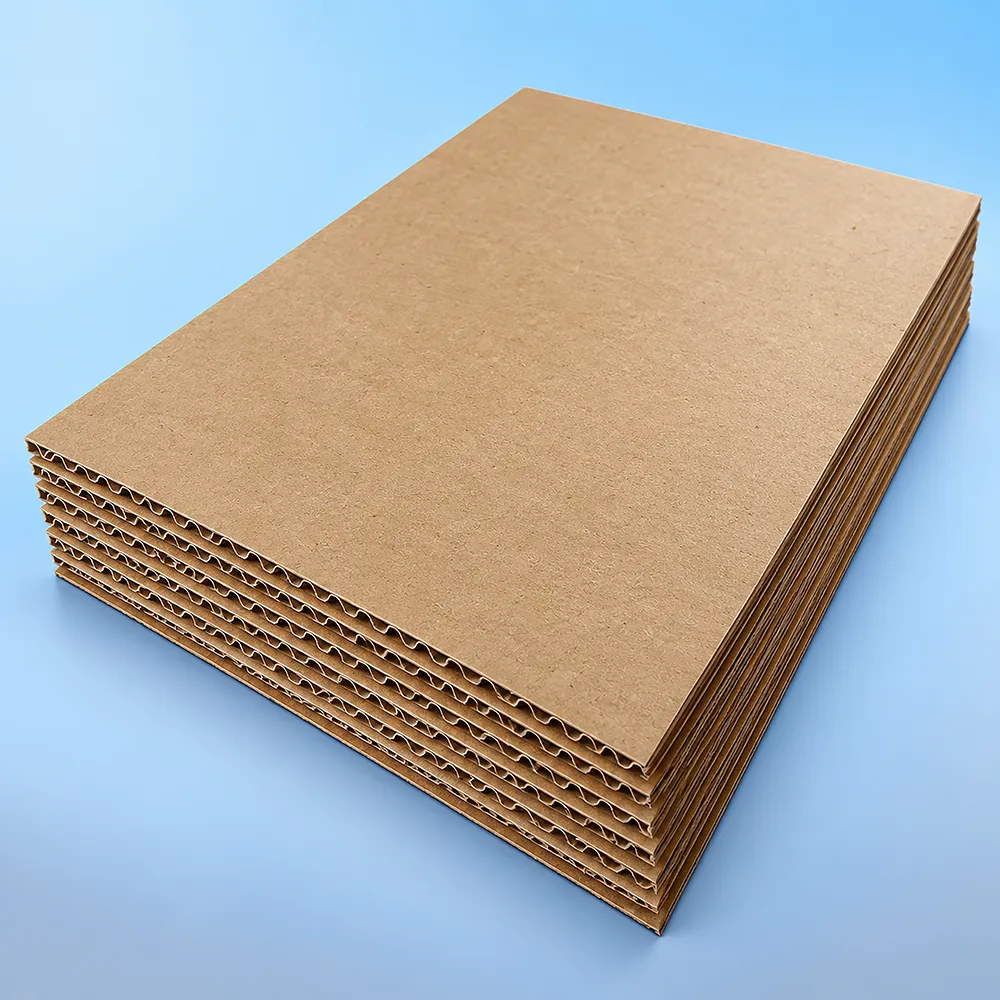
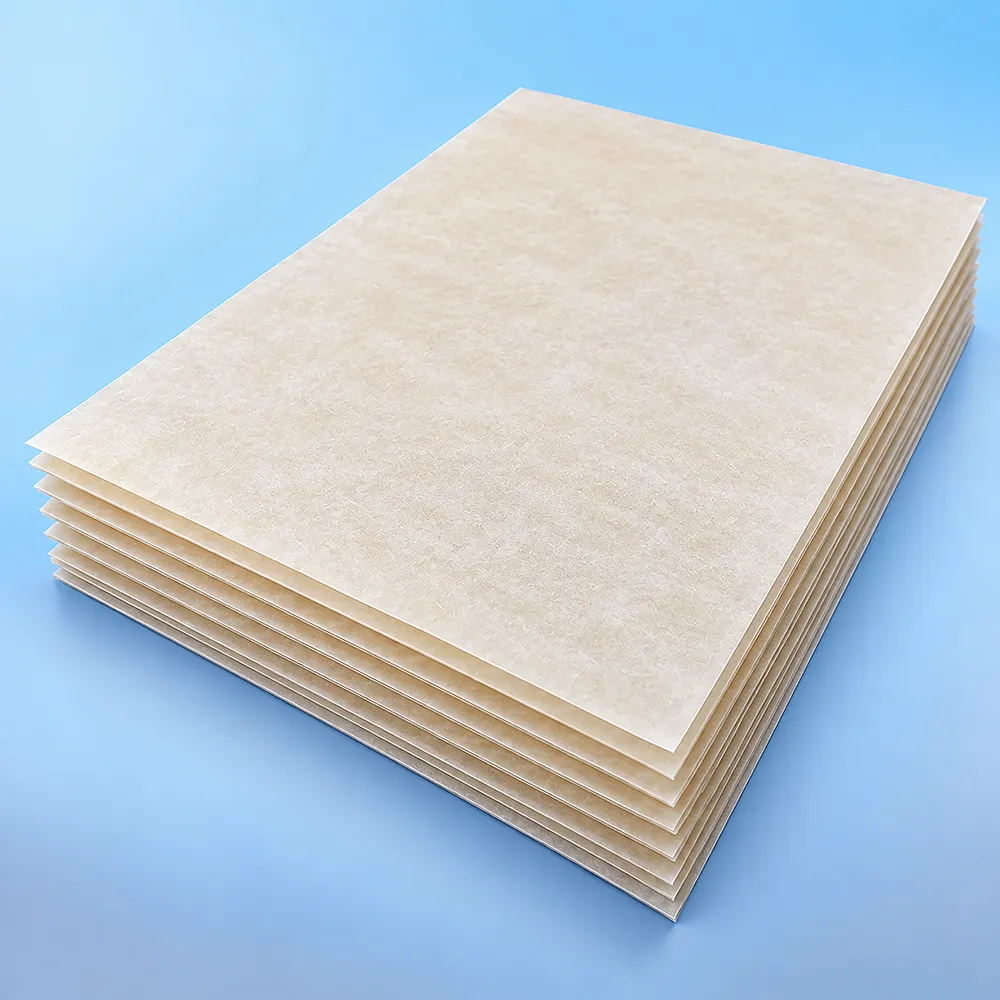
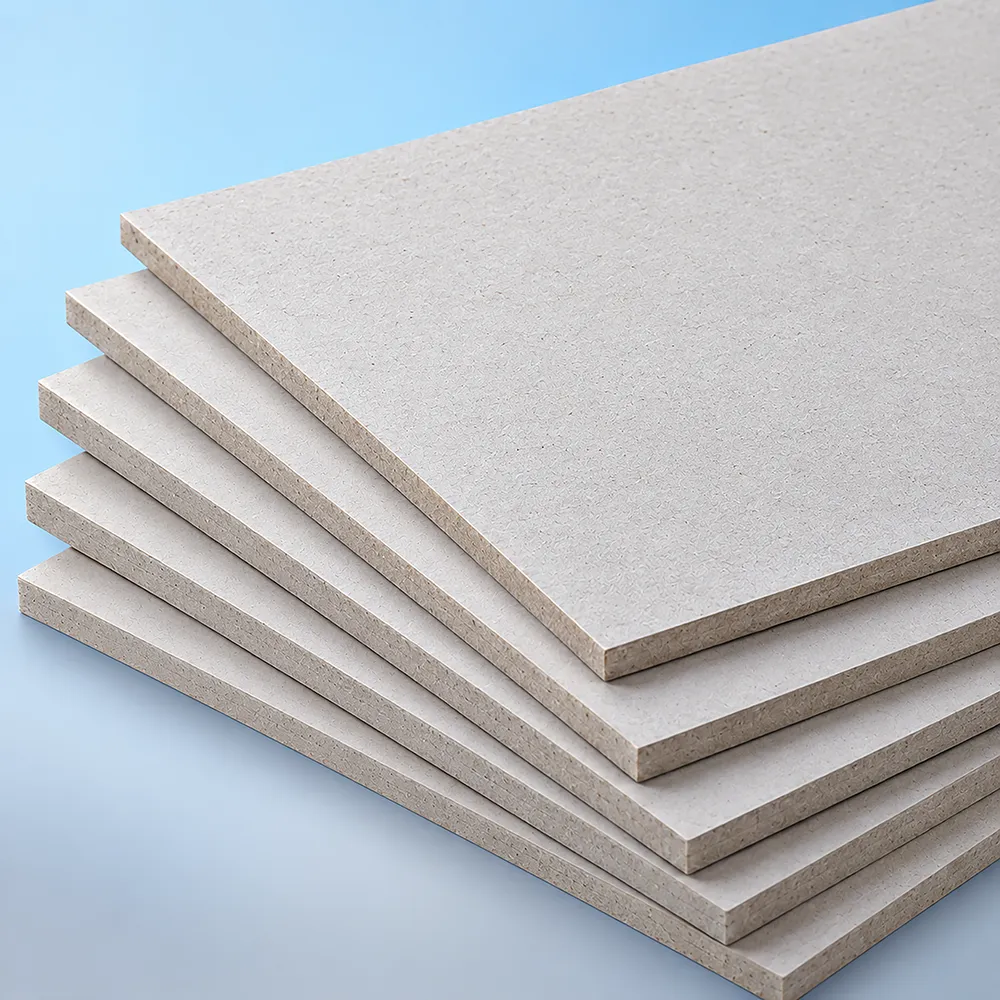
Packaging materials do more than hold a product; they influence protection, presentation and overall box performance. Cardboard provides a smooth, durable surface for custom printing and everyday retail packaging. Kraft paper offers a natural, sturdy option with an eco-conscious appearance. Corrugated stock adds extra strength for heavier products and shipping applications. We offer carefully selected paper stocks that balance durability, print quality, sustainability, affordability and premium presentation.


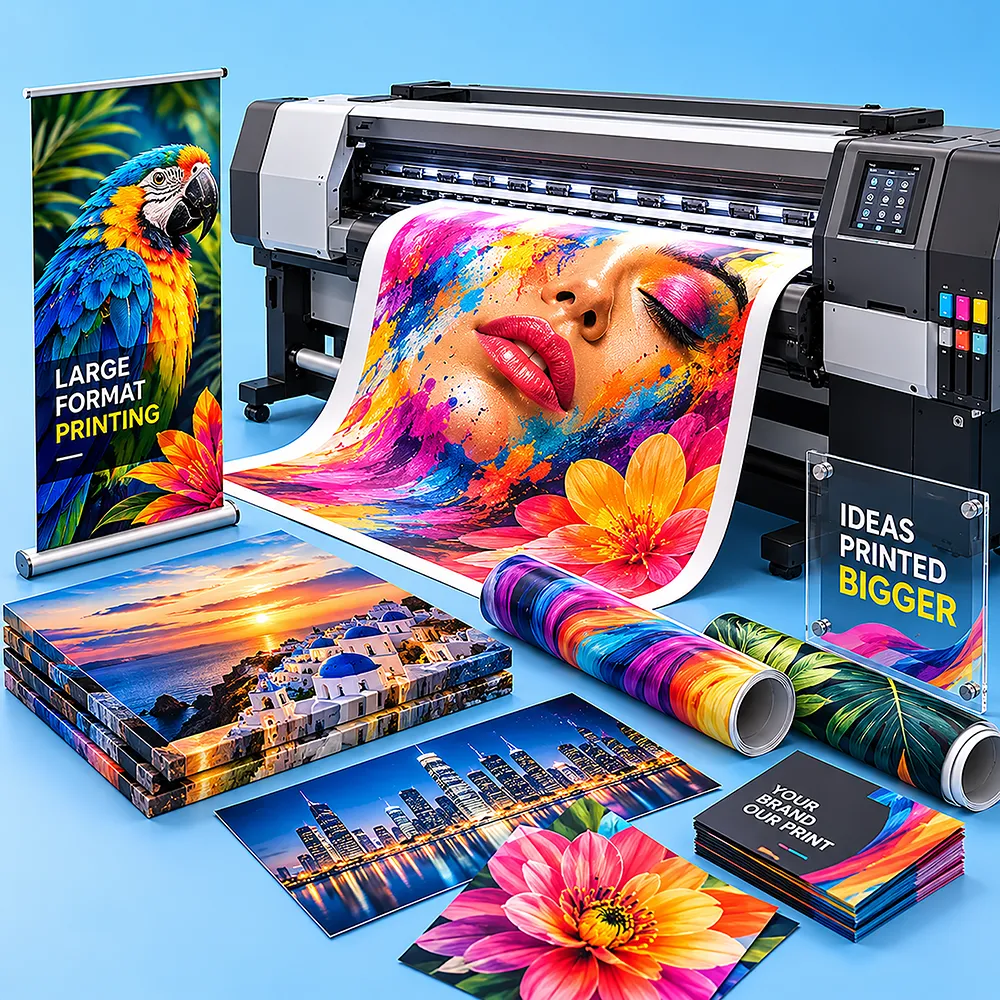
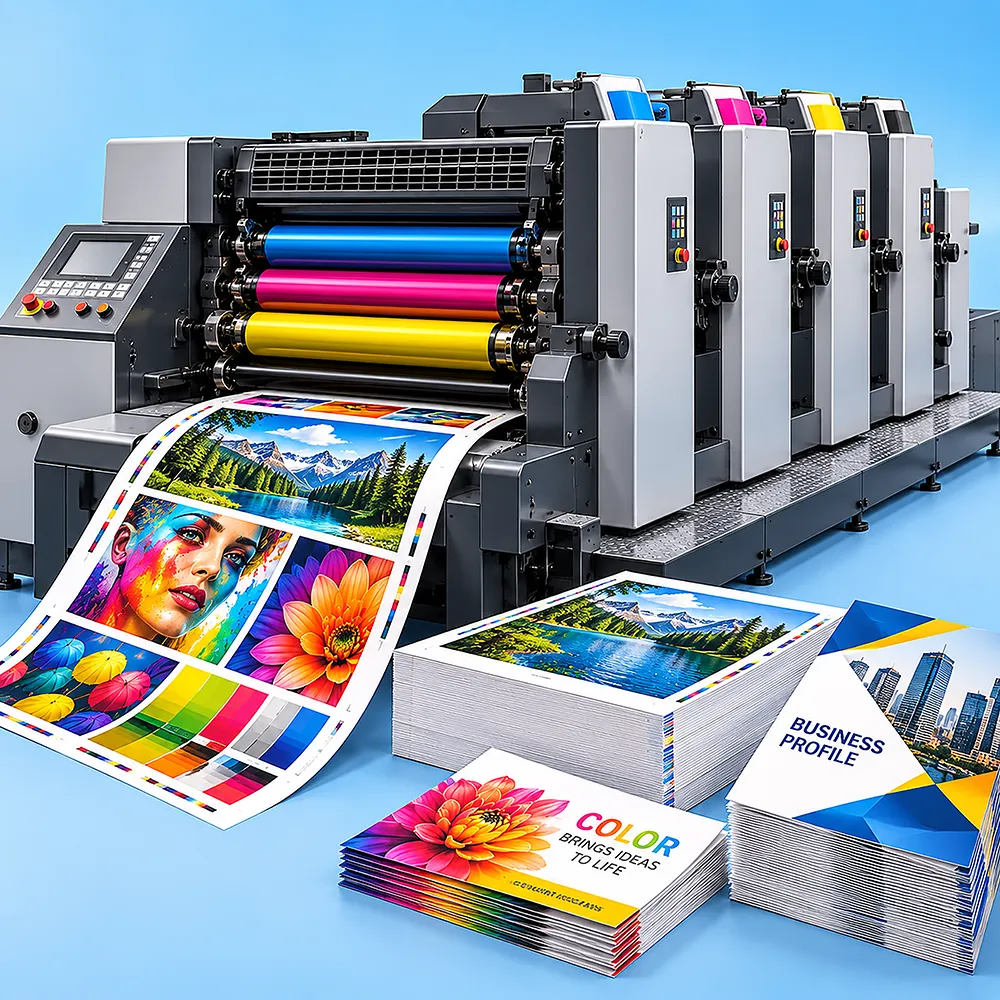
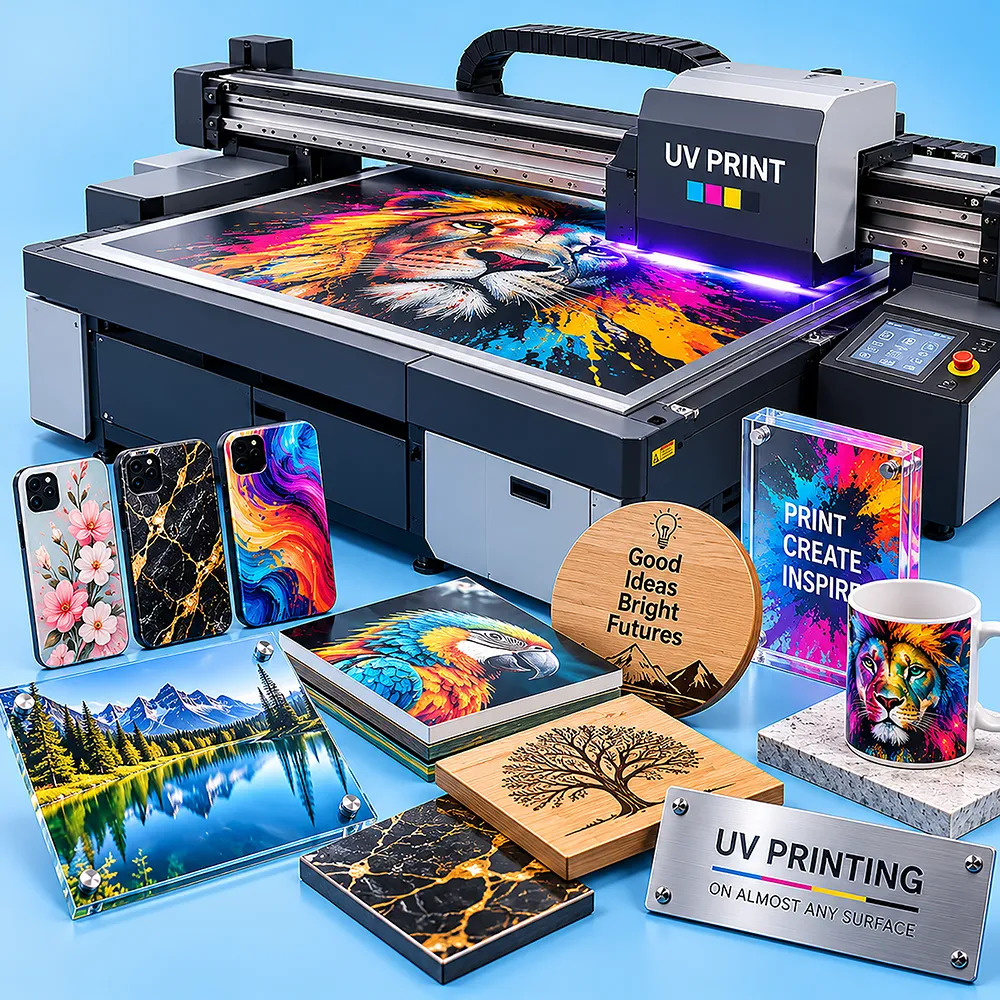
Printing methods enhance how your packaging looks and represents your brand. Digital printing delivers sharp details and vibrant colors, making it ideal for flexible custom packaging designs. Offset printing provides consistent color accuracy and crisp image quality for larger production runs. Screen printing creates bold, durable graphics on selected box surfaces and materials. We offer the latest printing methods to turn your creative ideas into realistic visuals, showcasing logos, patterns, artwork and branded graphics with clarity and precision.


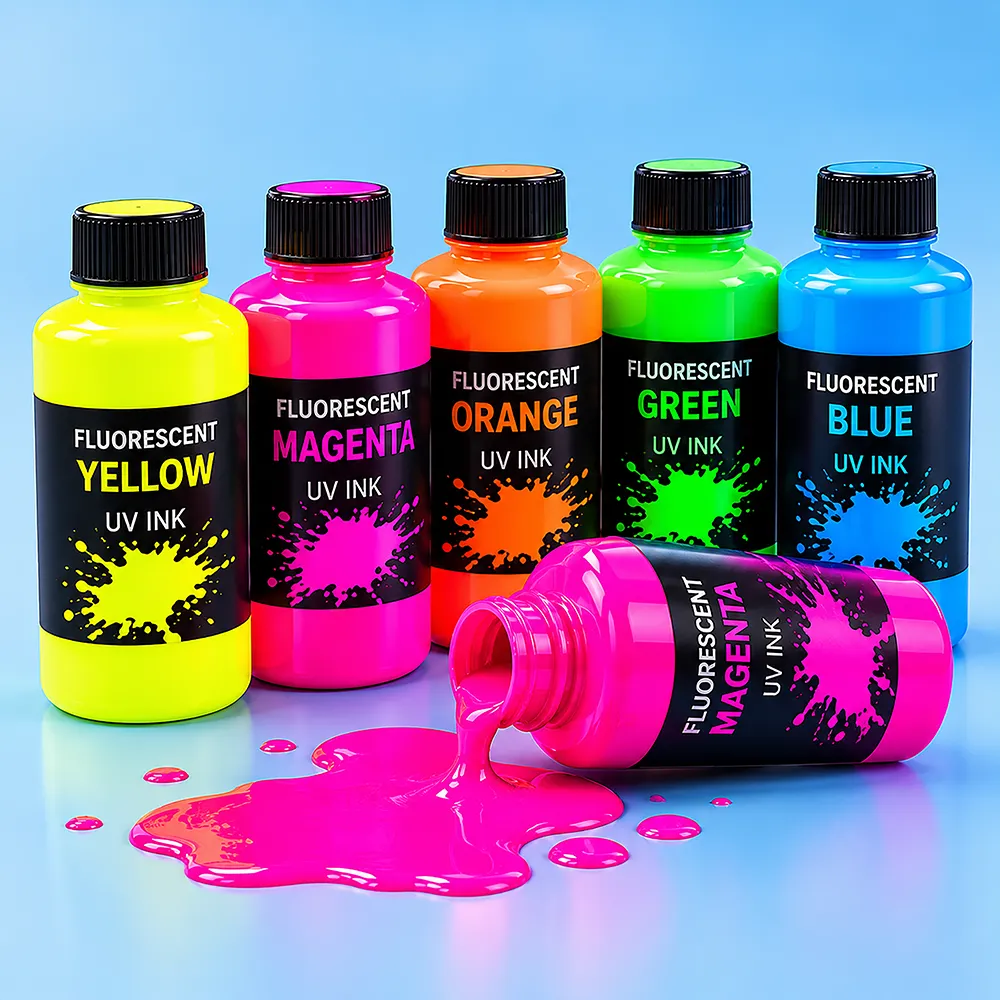
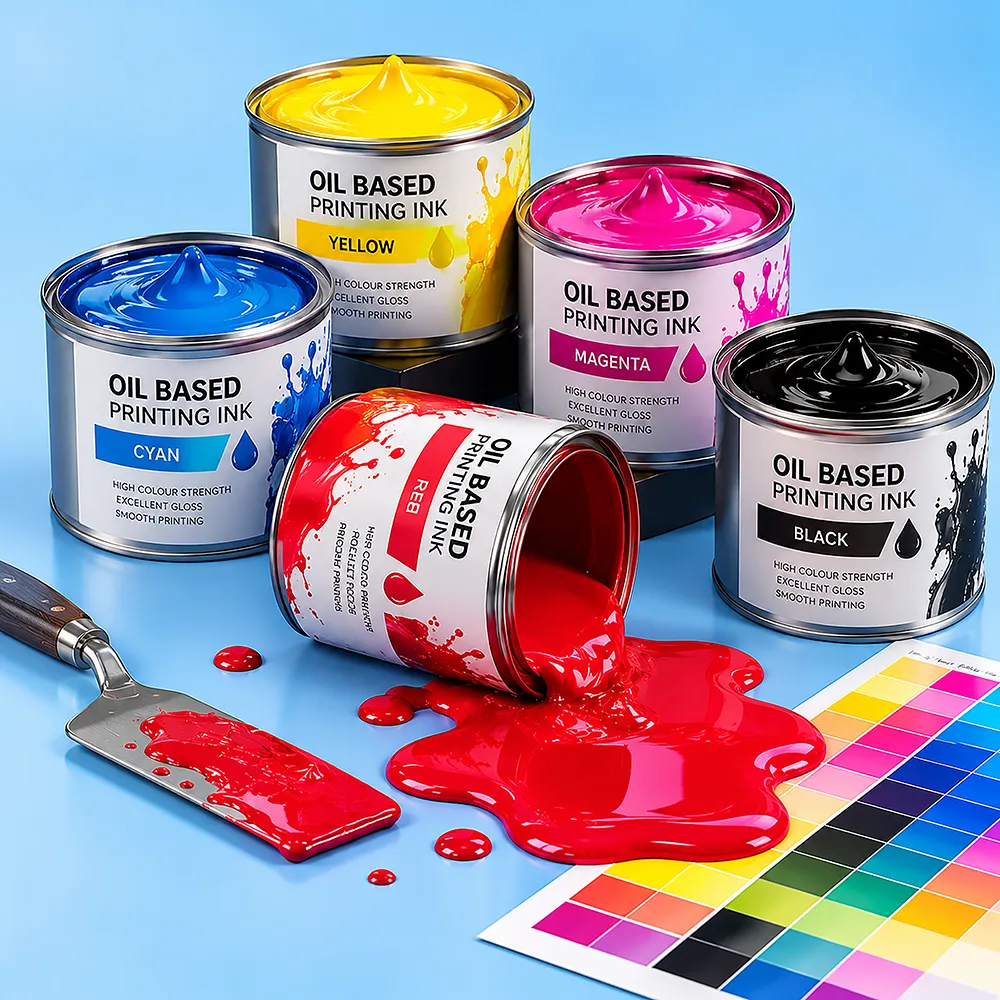
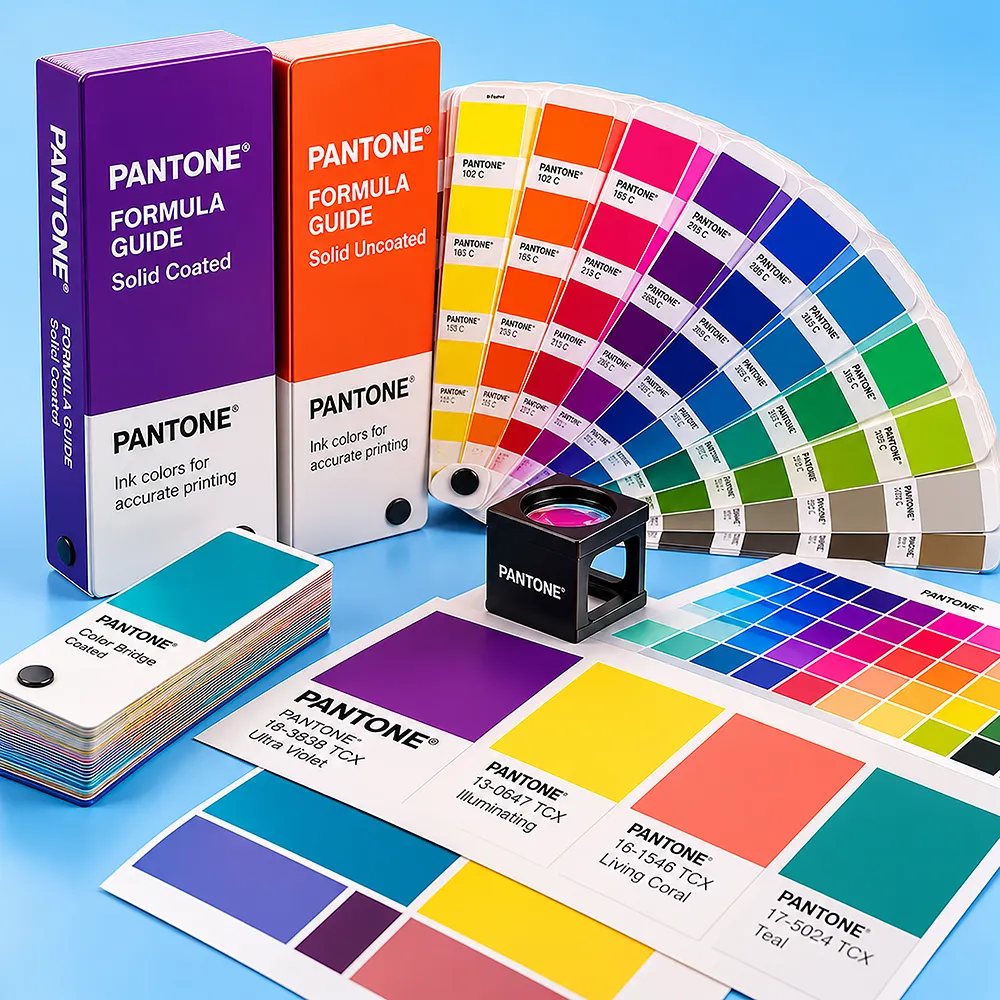
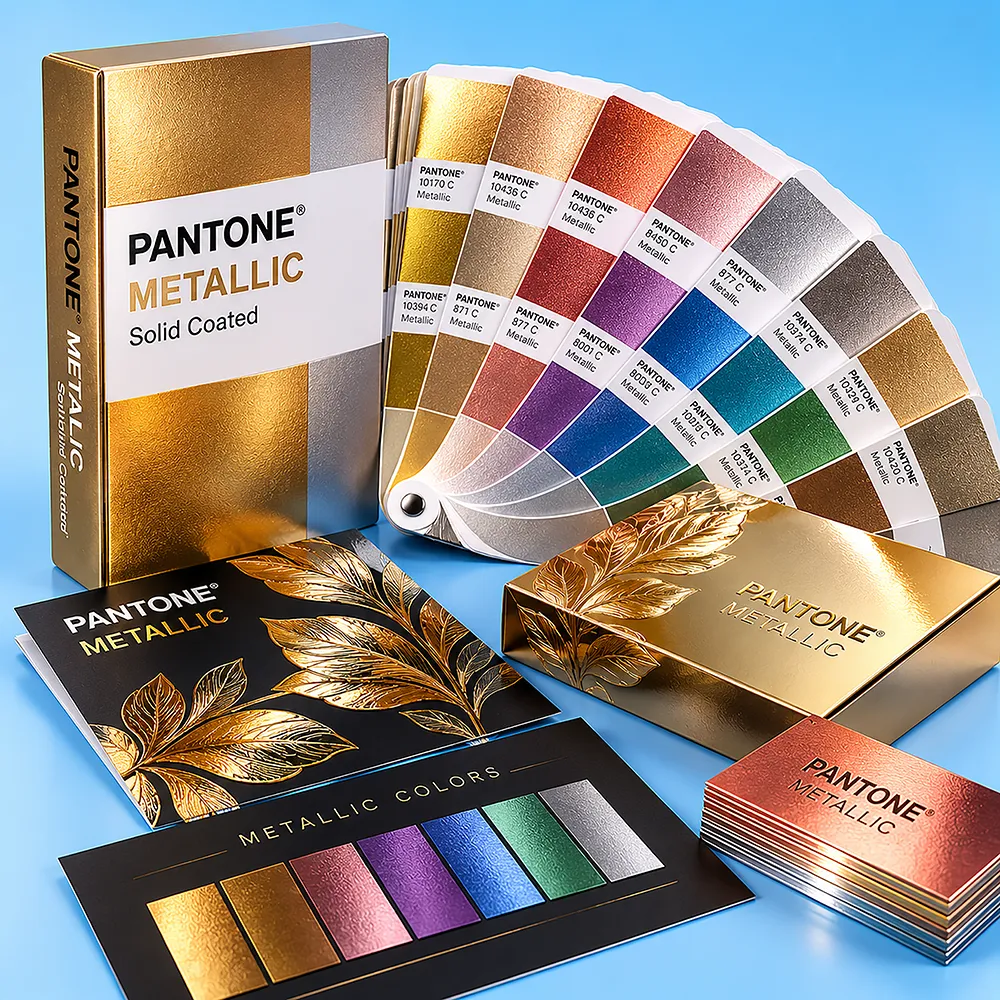
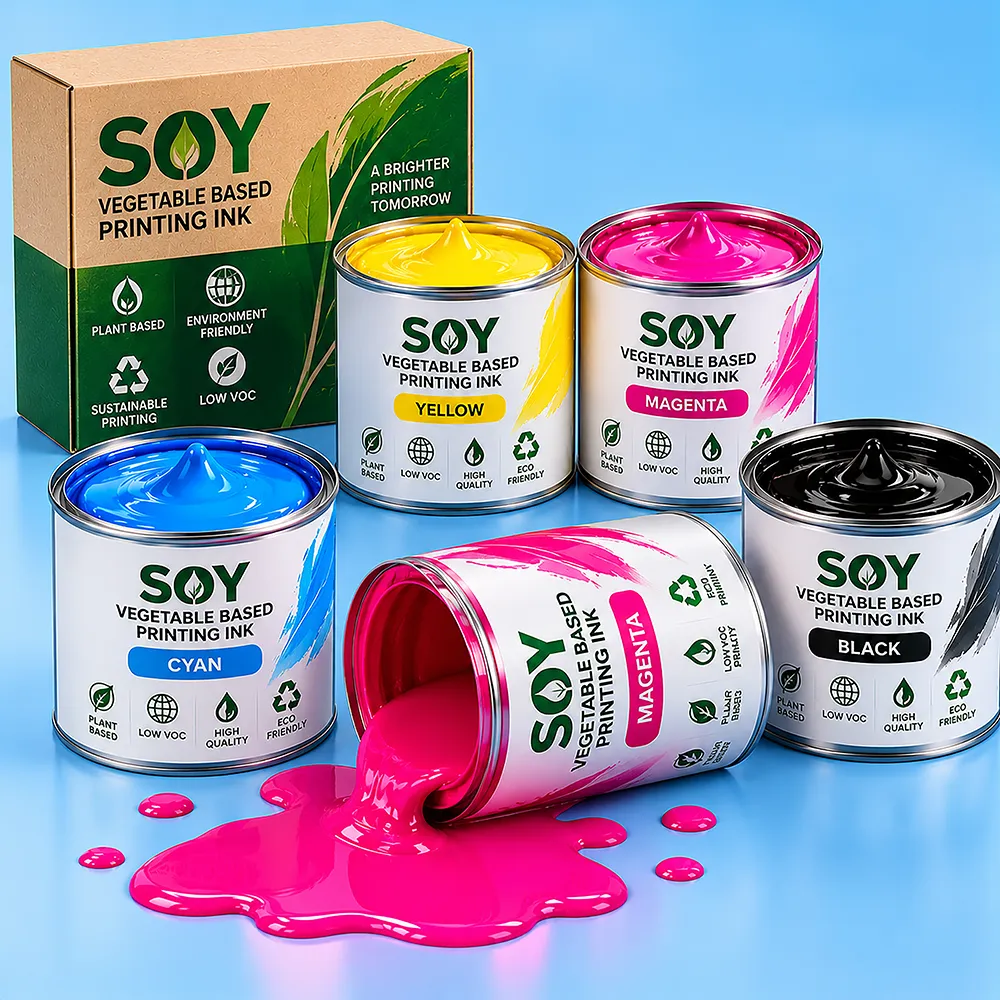
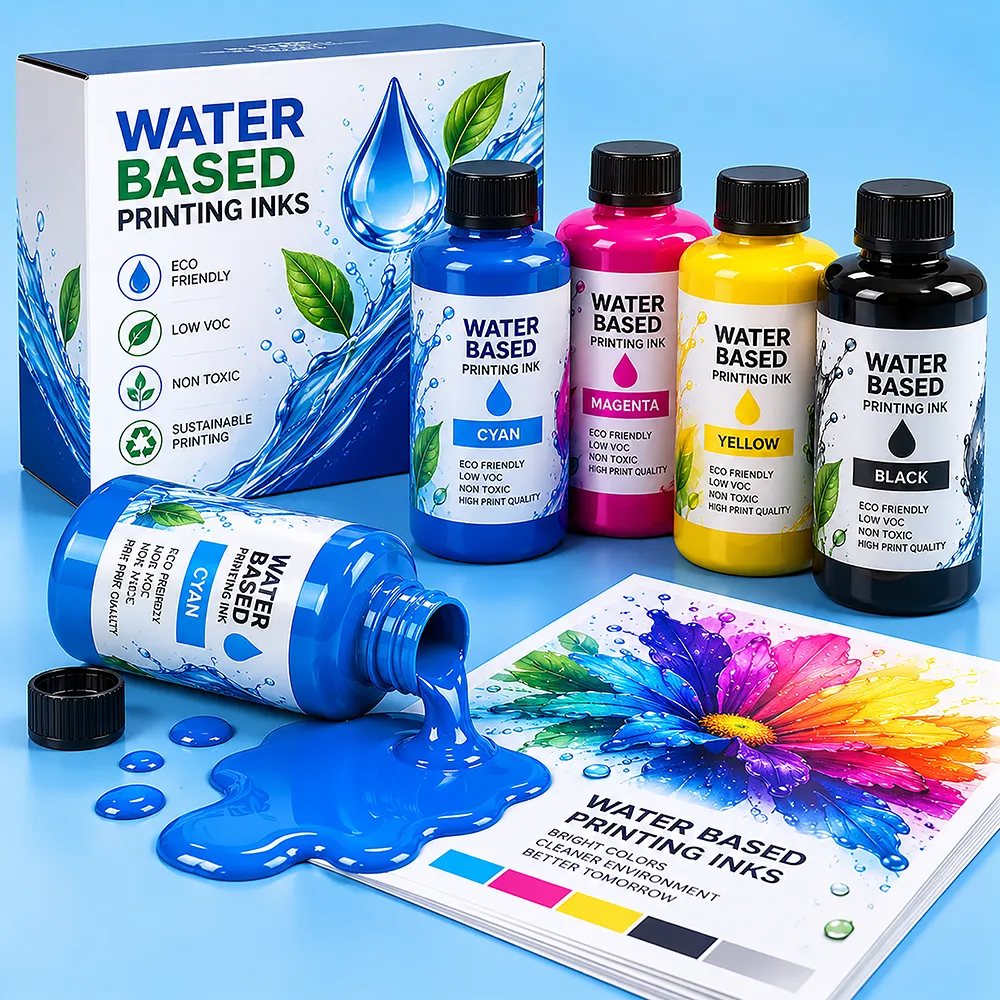
Printing inks bring packaging artwork to life with vibrant colors, clear details and consistent brand presentation. We offer a wide range of ink options, including Pantone colors, Pantone Metallic inks, oil-based inks and fluorescent inks for distinctive visual effects. Soy and vegetable-based inks provide versatile color reproduction, while water-based inks offer another practical printing option. Choose the right ink to reproduce logos, patterns, illustrations and branded artwork, turning creative ideas into attractive visuals with striking color and clarity.


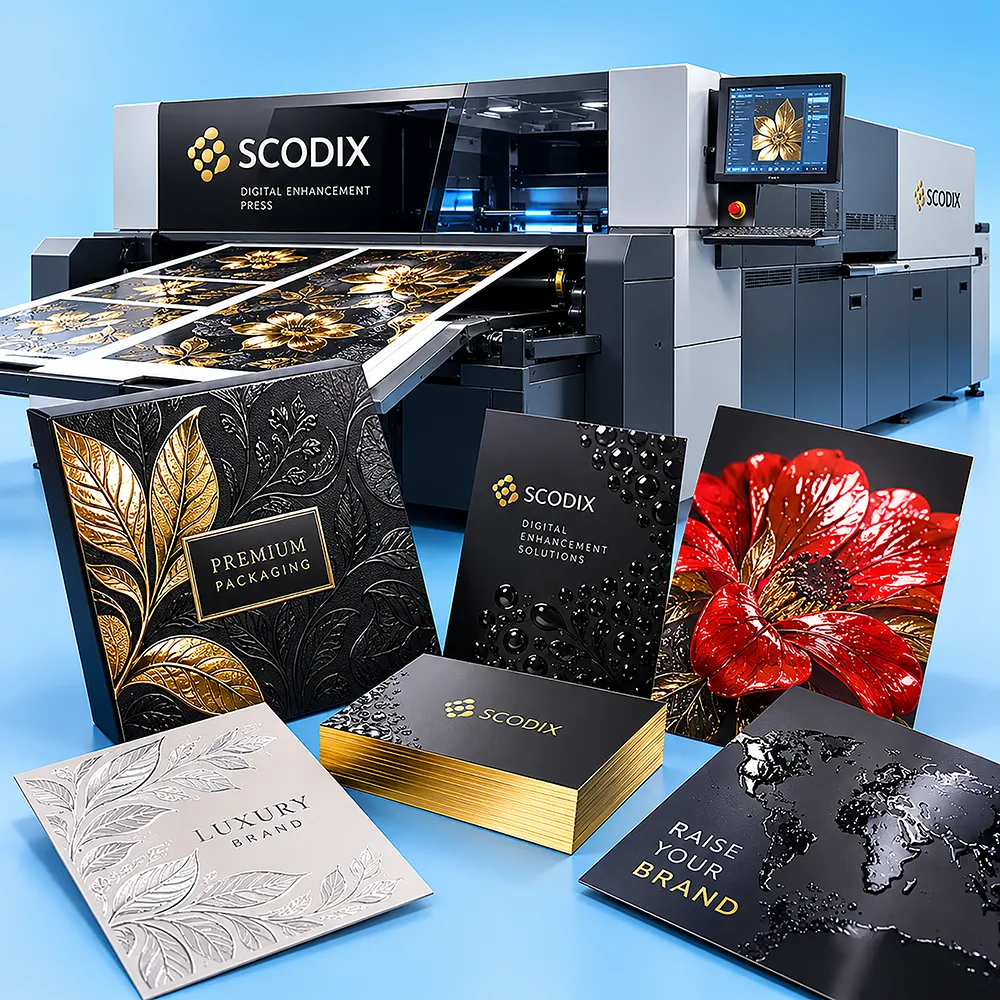
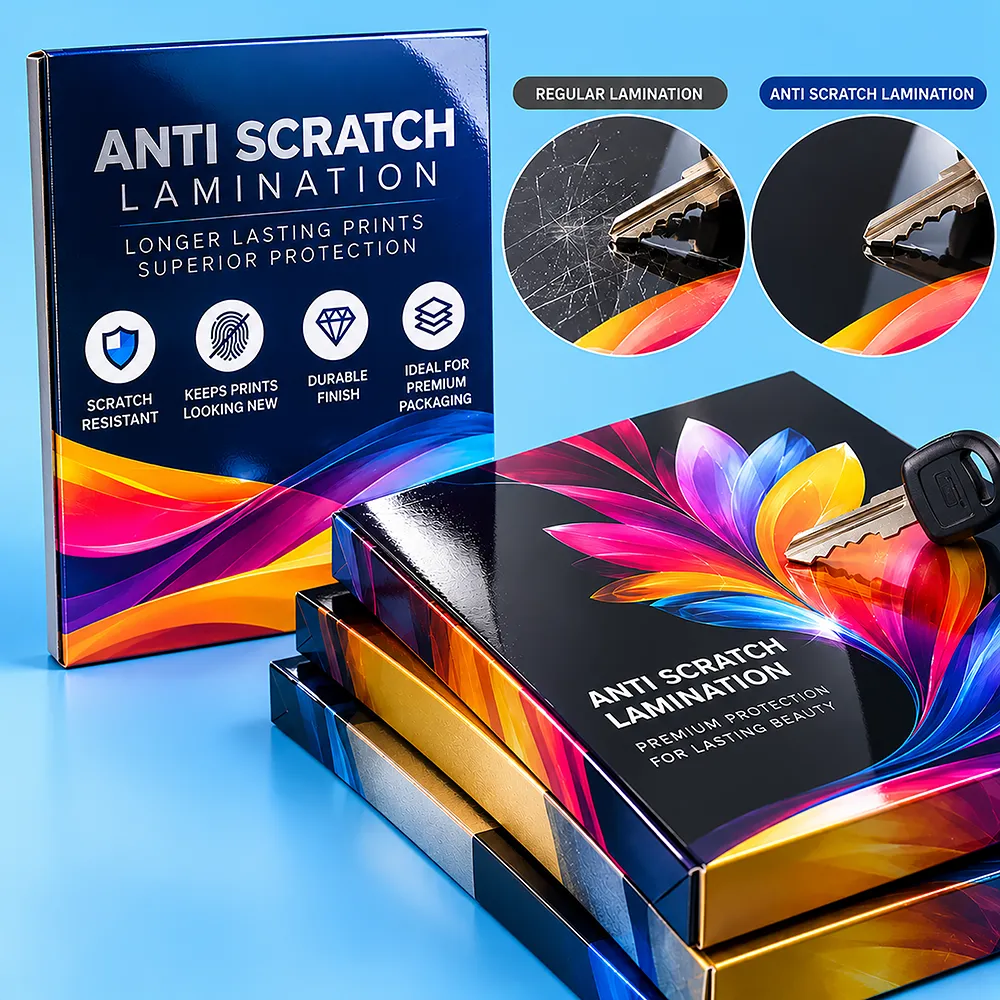
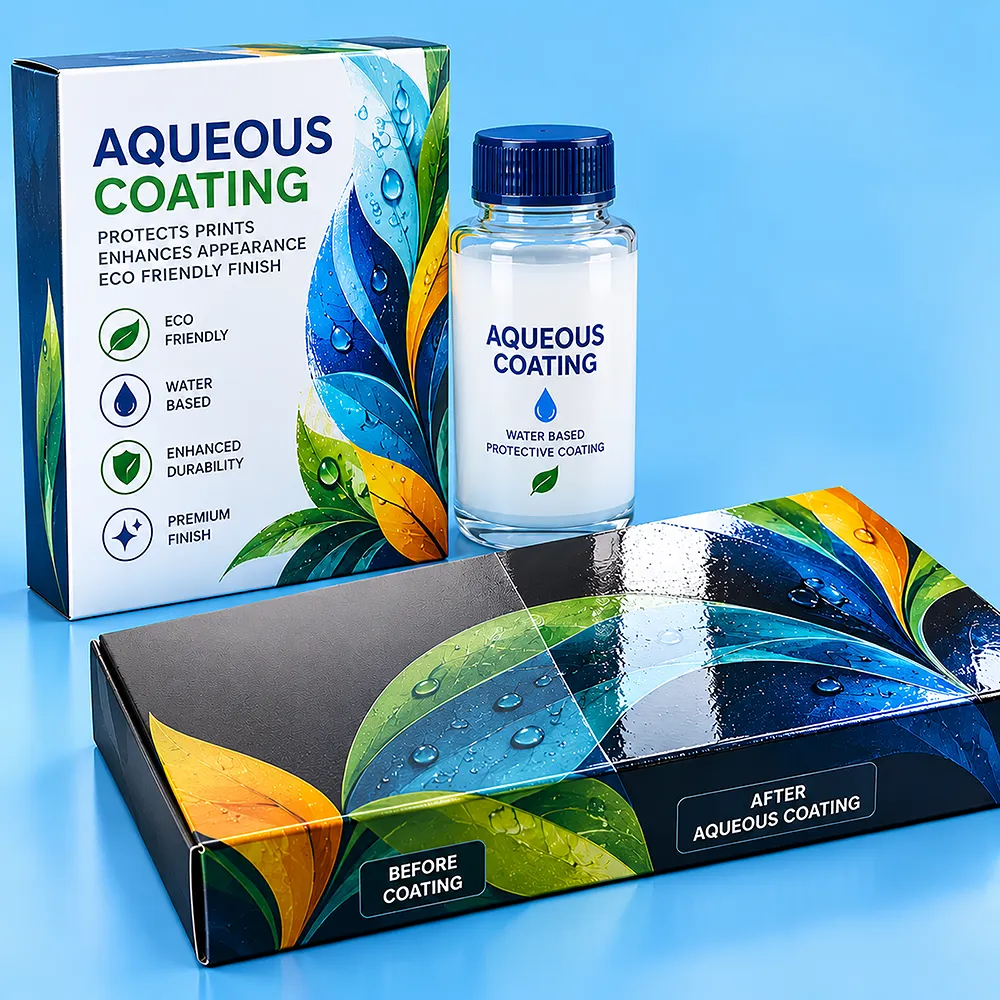
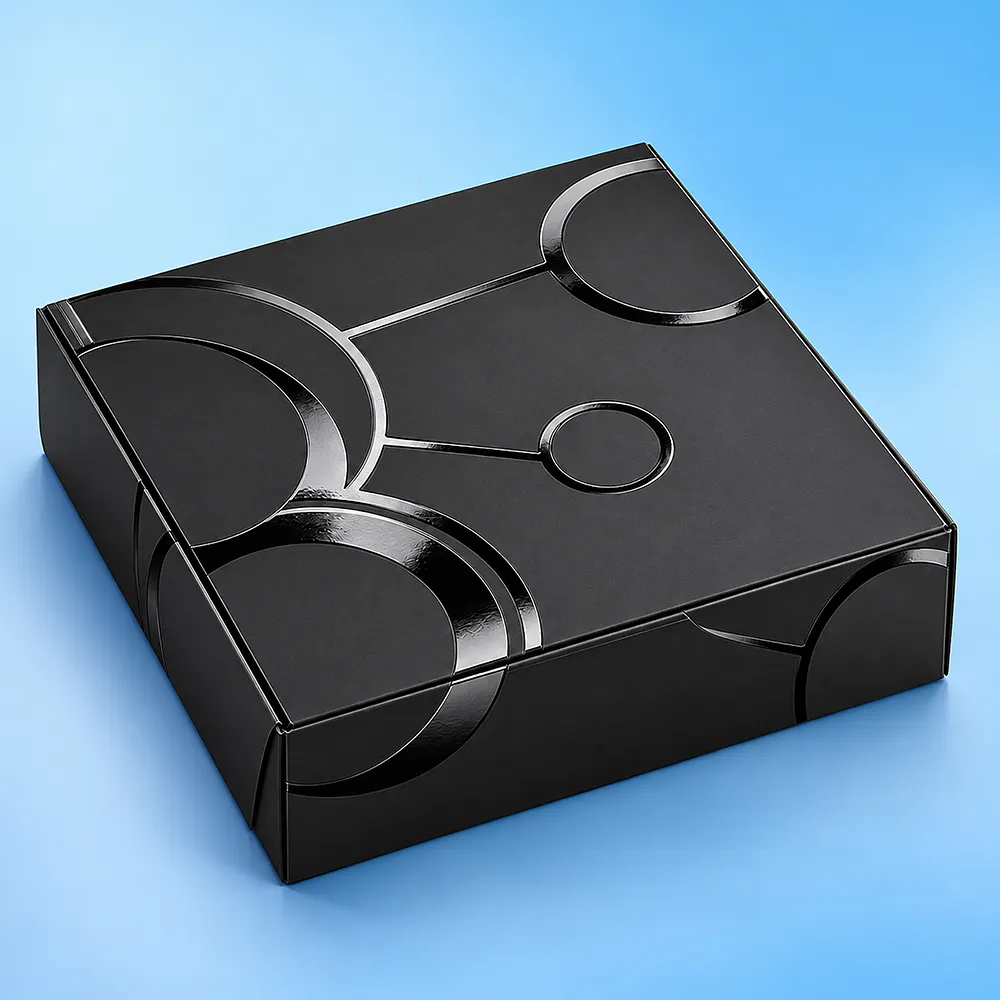
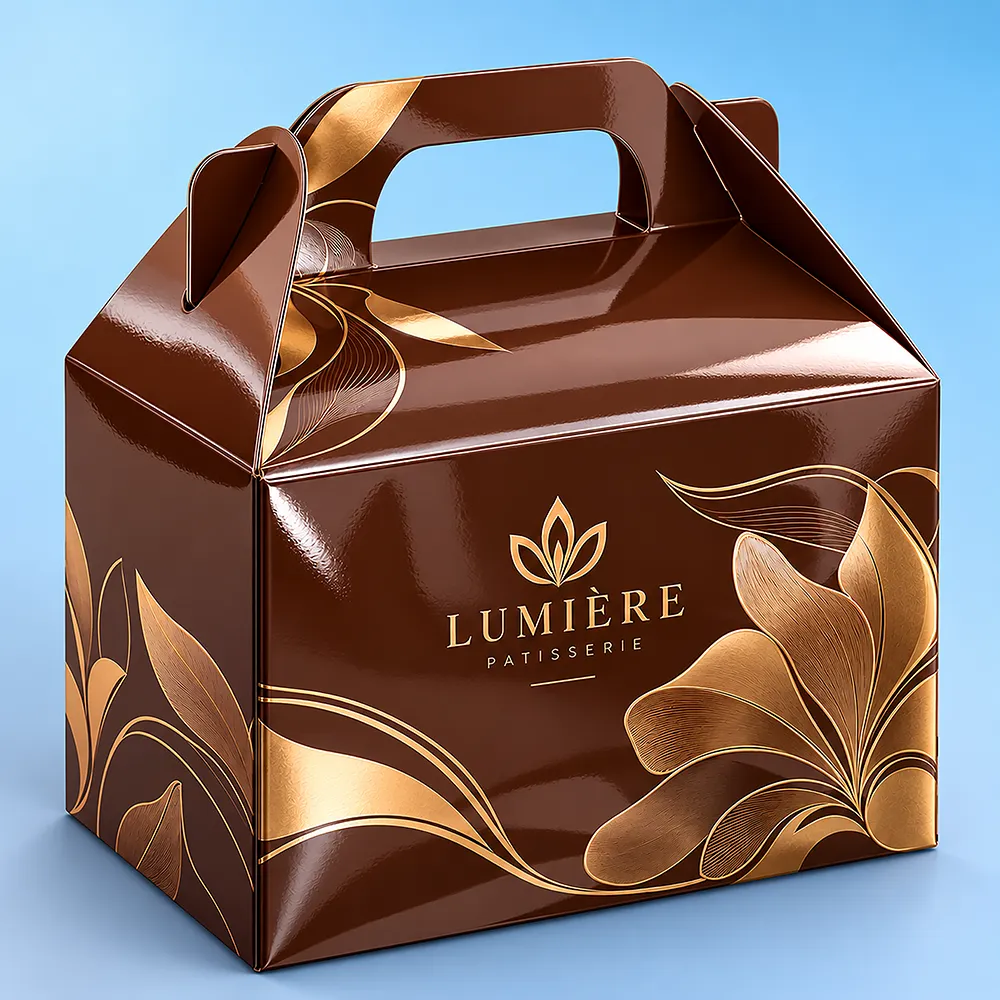
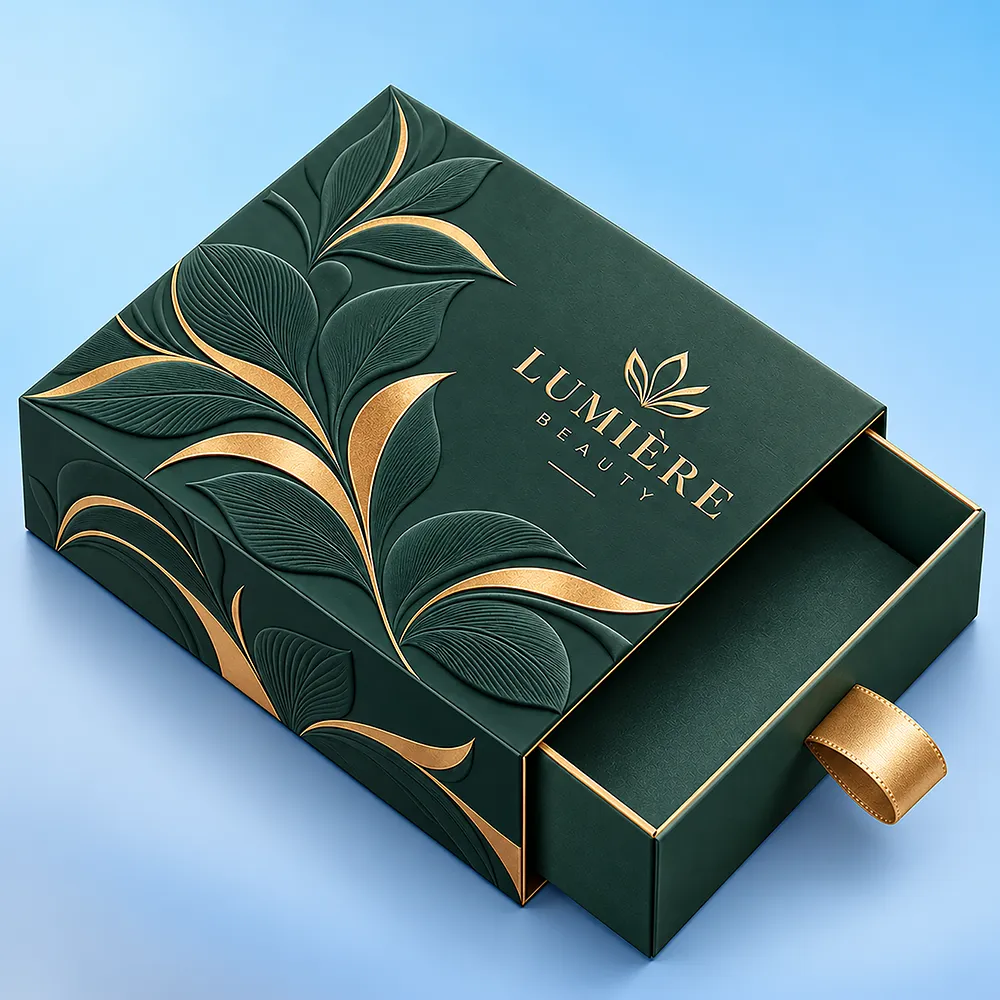
Premium finishes enhance the appearance and overall aesthetics of custom packaging. Matte and gloss laminations create smooth visual effects, while soft-touch adds a refined tactile feel. Foil stamping introduces metallic accents in gold, silver and other shades, while embossing and debossing add dimensional detail. Spot UV highlights selected design elements with added contrast and shine. Choose from versatile finishing options to make logos, patterns and branded artwork look more distinctive, polished and premium.


Packaging add-ons make custom packaging more attractive, presentable and visually captivating while increasing its perceived value. Gold foil adds a rich metallic accent, while silver foil creates a clean and sophisticated look. Holographic foil introduces eye-catching reflective effects that help selected design elements stand out. Embossing raises logos or patterns for added dimension, while debossing creates a refined recessed effect. Ribbons and handles add both decorative appeal and practical convenience, giving packaging a more distinctive and premium presentation.


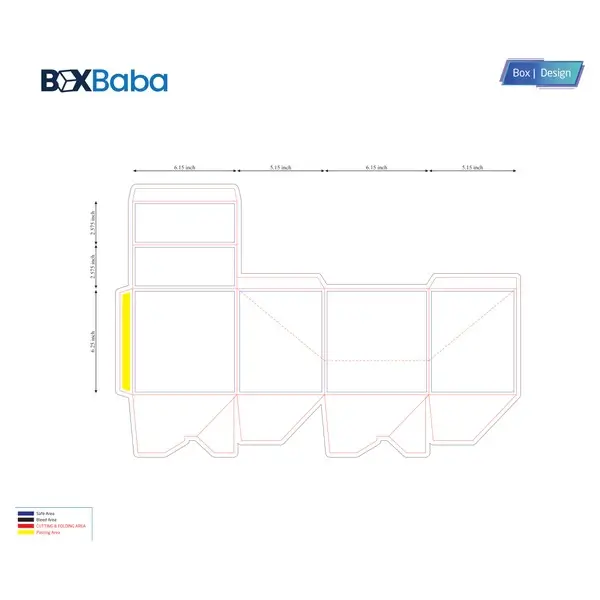
Our Artwork Preparation Guidelines help you prepare files for clean, accurate printing on your custom packaging. Always use the final BoxBaba-approved dieline and submit editable or print-ready artwork in the requested format, commonly AI, EPS or PDF. Prepare colors according to the approved CMYK or PMS workflow and use high-resolution graphics, typically around 300 DPI at final size where applicable. Extend backgrounds and edge-to-edge graphics into the designated bleed area. Keep important text, logos, barcodes and other critical artwork inside the safe area, and review your final digital proof carefully before approving the artwork for production.

The red cut line marks where the packaging material will be trimmed to create the final box shape. Keep important text and critical design elements safely inside the safe area and away from these cutting edges.
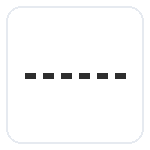
Perforation lines are shown as dotted lines when required and indicate areas designed for controlled tearing or separation. They may be used for tear-away sections or other functional packaging features.

The black bleed boundary shows how far backgrounds, colors and graphics should extend beyond the final cutting area. Extending artwork into this area helps prevent unwanted white edges after trimming.

The blue safe area identifies where important artwork should remain. Keep logos, text, barcodes and other essential design elements clear of cutting and folding edges.

The red crease and fold lines show where the box will bend during assembly. Avoid placing important text, logos or graphics directly across these lines where folding may affect their appearance.

The yellow pasting area show the flap used to glue and secure the box during assembly. Avoid placing important text, logos or graphics here because it may be covered when the box is formed.
| Measurement / Input | Why It Matters |
| Overall length | Establishes the main product footprint |
| Overall width or diameter | Defines the primary cross-section |
| Maximum depth | Accounts for the deepest part of the product |
| Widest point | Prevents the main body measurement from overlooking protrusions |
| Connector/thread area | Helps account for the connection end |
| Base dimensions | Identifies differences at the bottom of the battery |
| Button dimensions | Helps account for controls that extend from the body |
| Port location and size | Prevents charging or connection areas from being overlooked |
| Screen/display protrusion | Accounts for raised or irregular areas where applicable |
| Other protrusions | Captures features outside the main body |
| Finished weight | Useful for structural and material discussion when available |
| Intended orientation | Helps determine internal layout and presentation |
| Quantity per package | Determines whether the package is single-unit or multi-unit |
| Accessories | Identifies any additional components sharing the package |
| Potential Structure | When to Consider It |
| Folding carton | Straightforward retail battery packaging with a conventional carton presentation |
| Tuck-end-style folding carton | Retail configurations where the selected geometry and closure are suitable |
| Drawer structure | Presentation-focused packaging where a sliding opening supports the product experience |
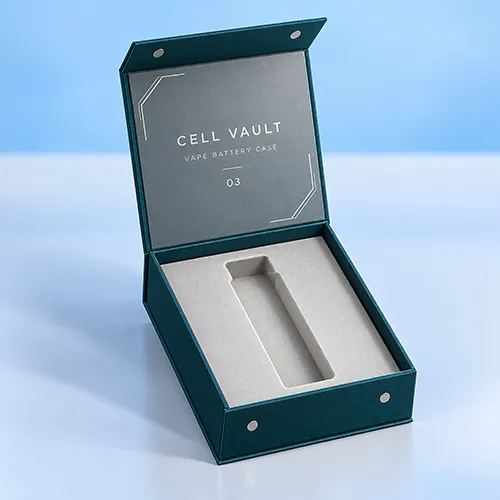
| Magnetic/premium structure | Premium presentation requirements where the selected structure and material support the mechanism |
| Specialty structure | Unusual battery geometry or a specific presentation requirement |
| Separate mailer/outer packaging | When a distinct shipping layer is required in addition to the retail battery carton |
| Material Direction | Packaging Consideration |
| Paperboard / cardboard | Suitable for retail-oriented carton structures where print presentation and folding structure are important |
| Kraft | Useful when the brand wants a natural visual direction and the selected structure/material combination supports the required artwork |
| Corrugated | More relevant when the packaging role involves a separate shipping, bulk-handling or outer-packaging requirement |
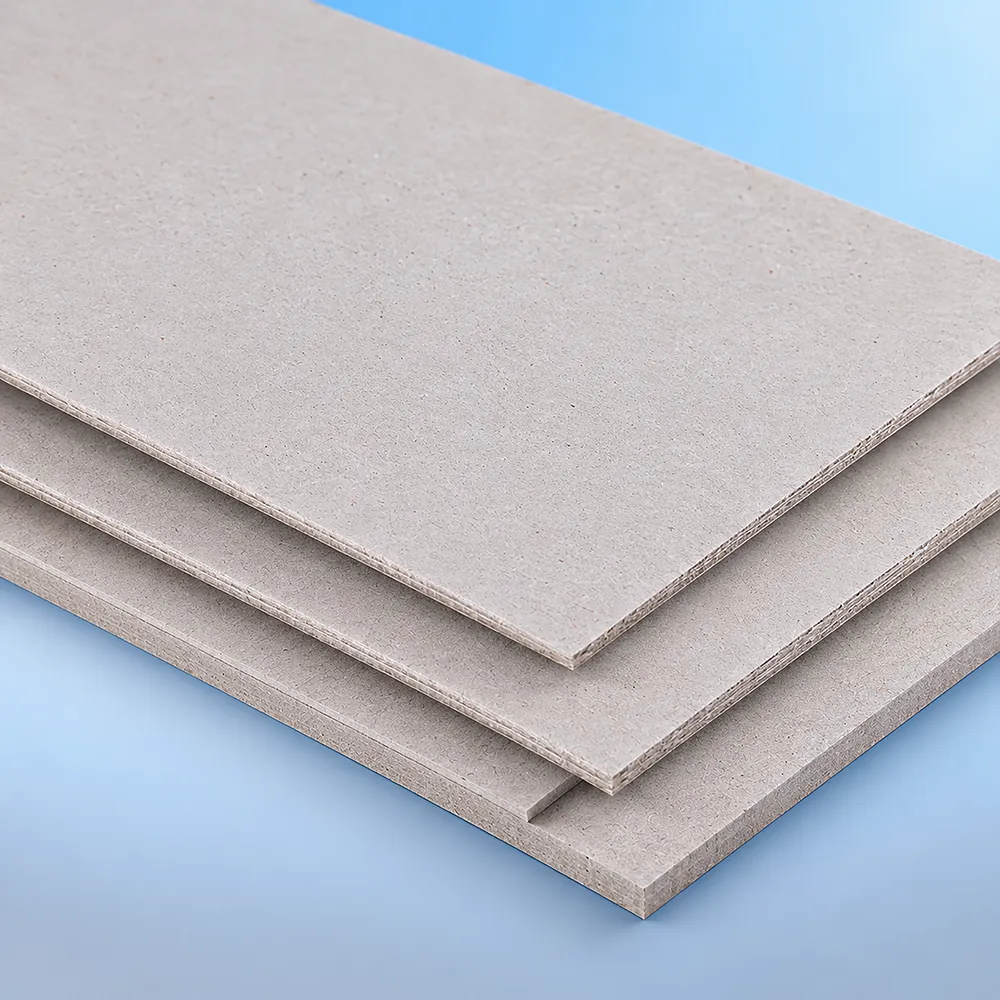
| Rigid greyboard | A potential direction for premium presentation structures where the project requires a more substantial format |
Find all the urgent questions you may have.