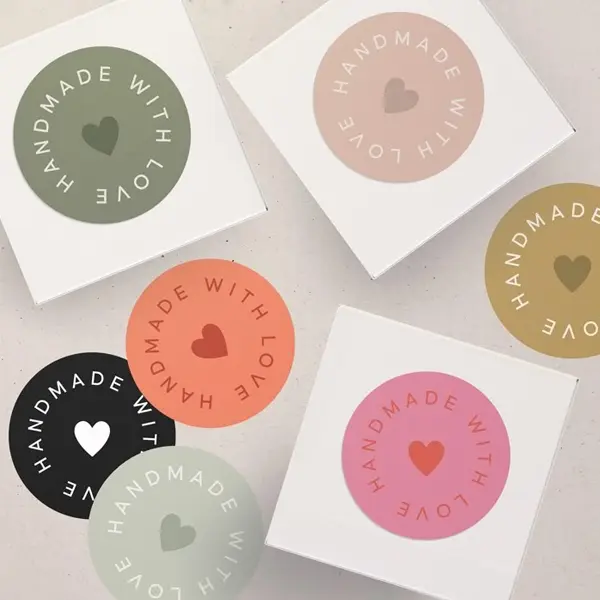
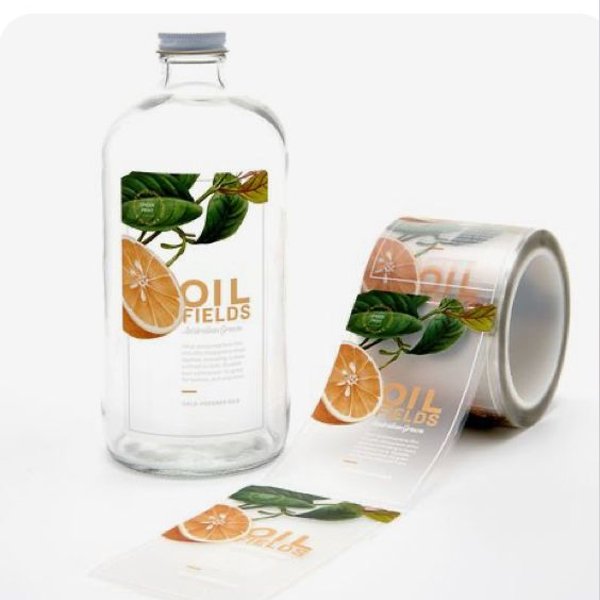
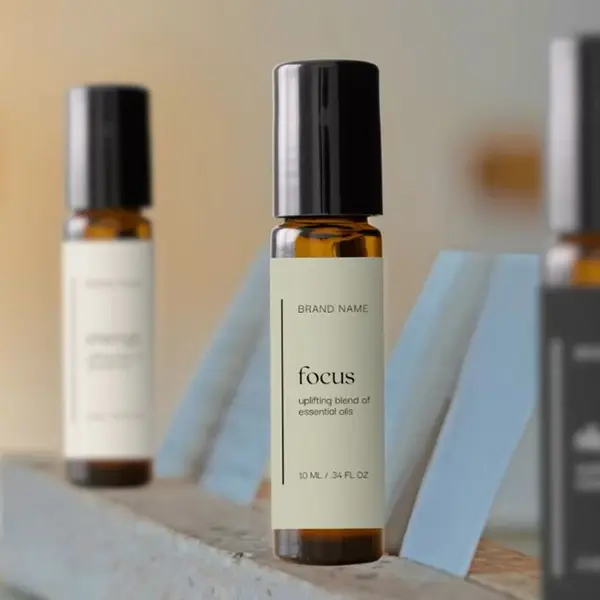
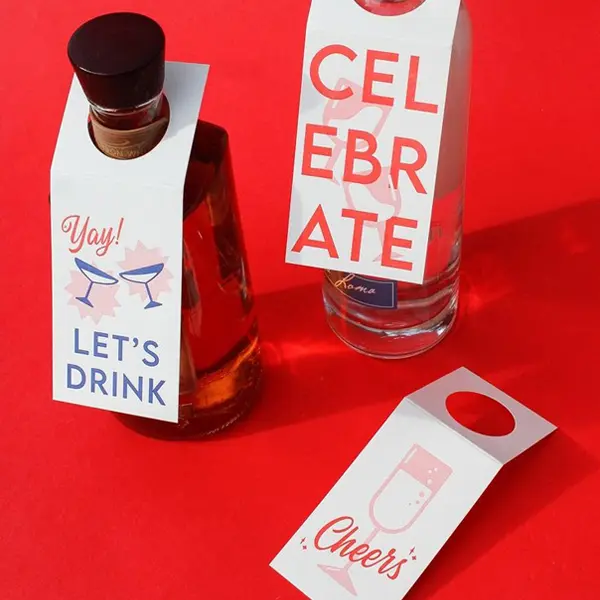
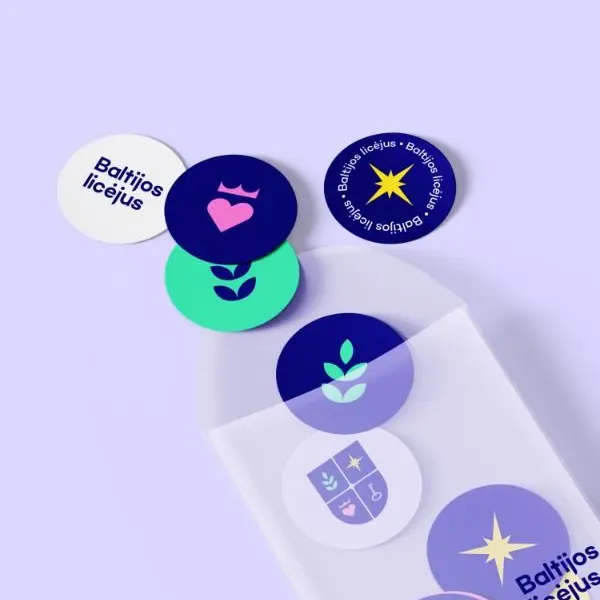
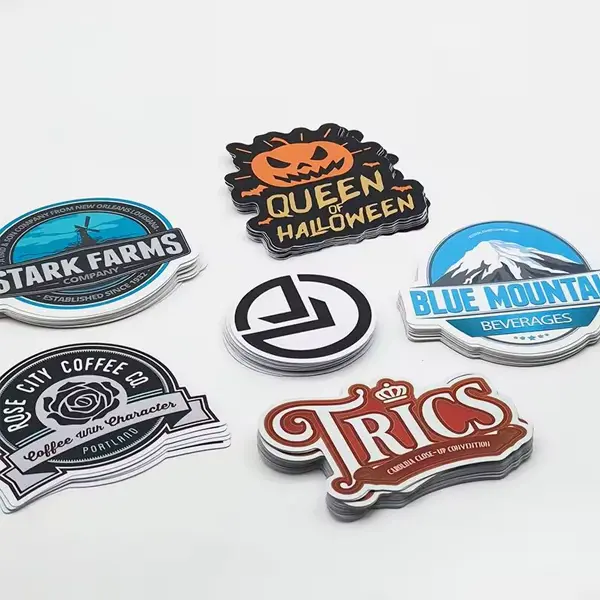
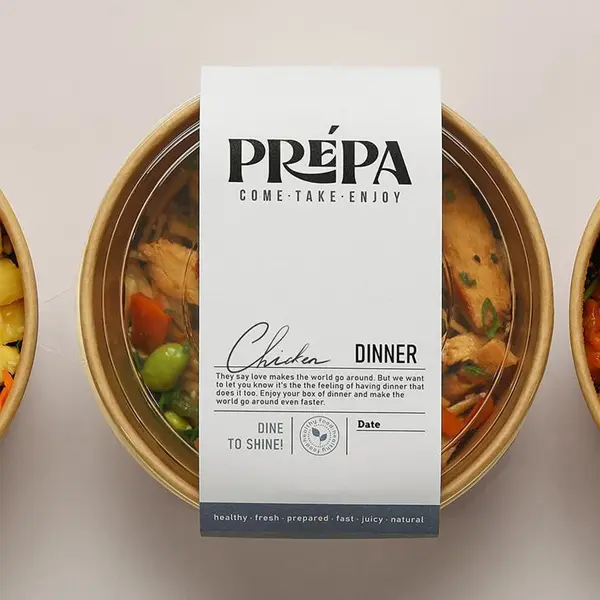
What Are Custom Labels?
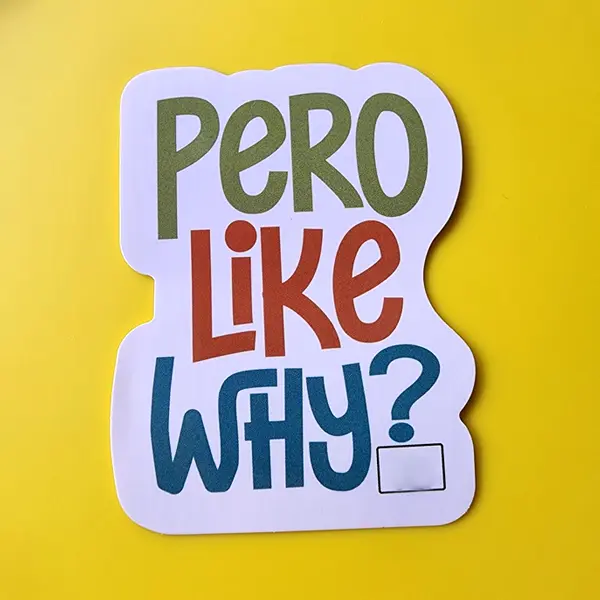
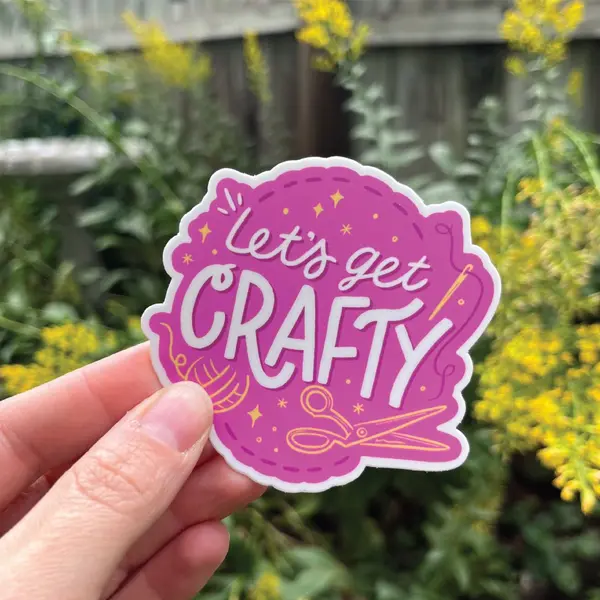
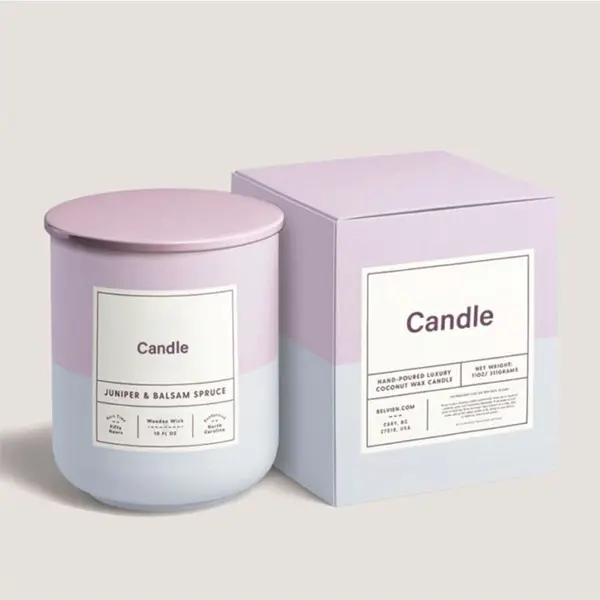
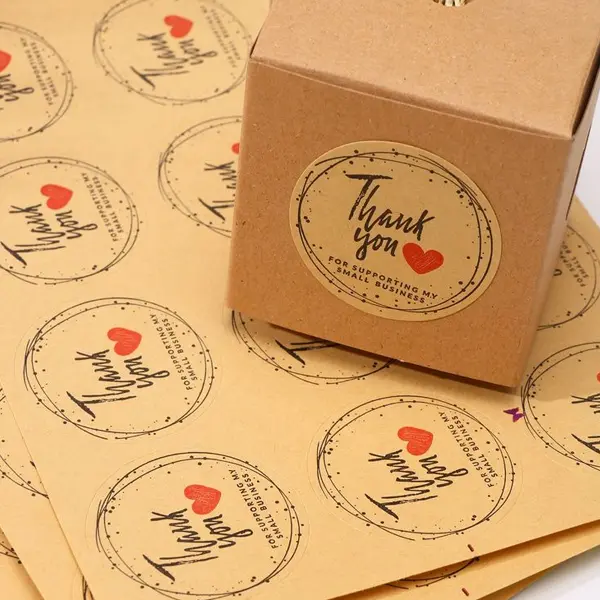
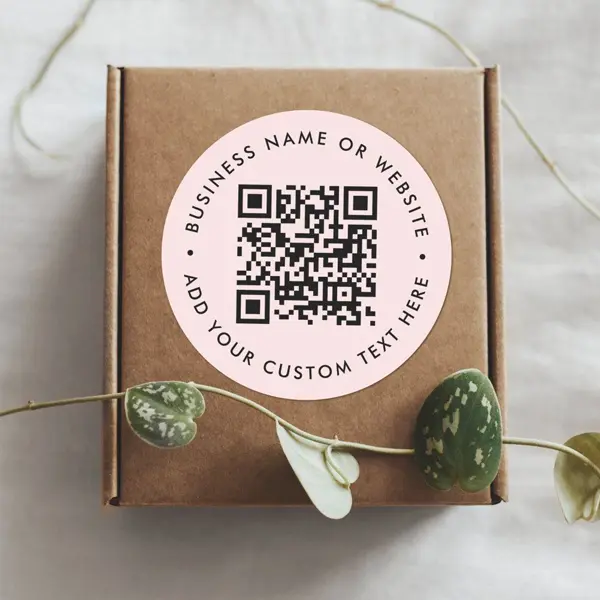
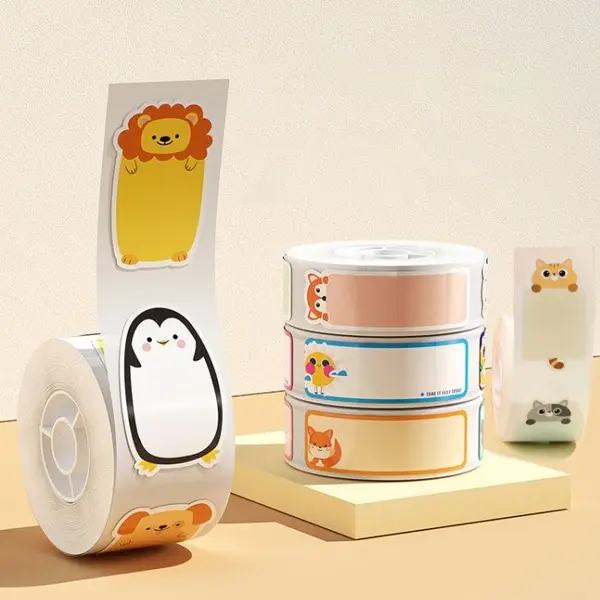
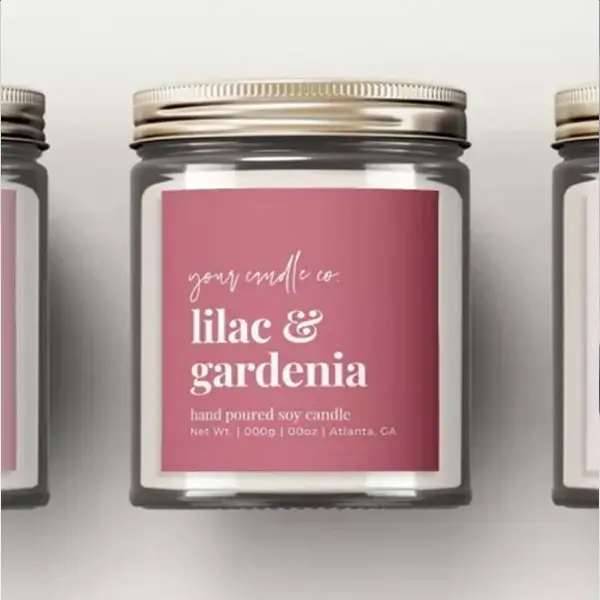
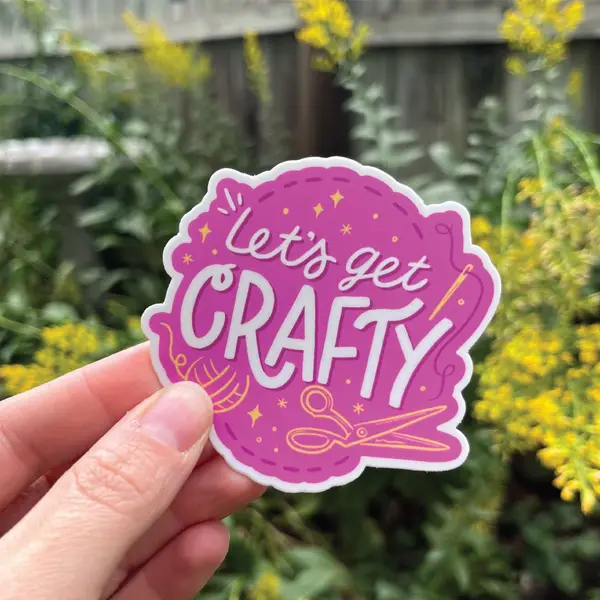
Custom labels are printed adhesive components developed for a specific product, container or packaging surface. Their dimensions, shape, material, adhesive, printing, finish and supply format should be planned around the actual application rather than selected only from a generic label size.
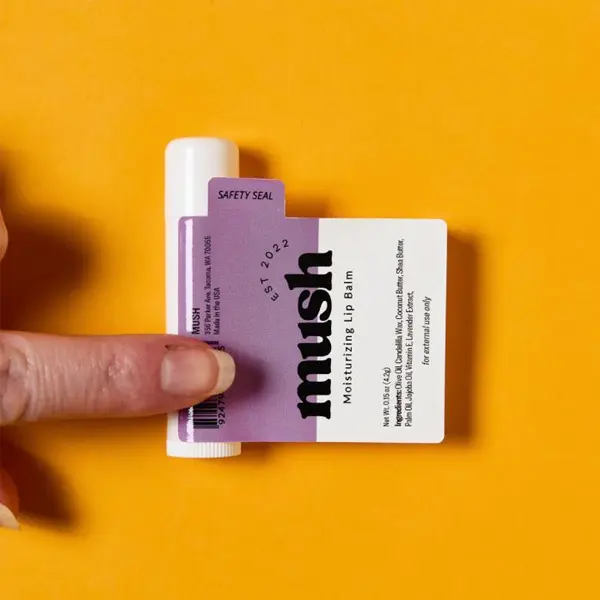
A label for a flat carton panel may require a different construction from a label applied to a curved bottle, tapered jar, squeezable tube or small lip balm container. Surface material, usable labeling area, expected exposure, application method and quantity by design can all affect the final specification.
This page provides a starting point for general product-label projects. For beauty and personal-care packaging, explore
Cosmetic Labels. For lip balm tubes, sticks, tins, pots and jars, continue to
Custom Lip Balm Labels.
Choose Labels According to the Packaging Surface
Start with the finished container or packaging component. The same artwork may require different dimensions, materials or adhesive directions when applied to different surfaces.
Labels for Bottles
Bottle labels should be planned around the usable wrap area, bottle circumference, curvature, taper, shoulder, base, seam position and cap clearance. Provide the bottle dimensions and clear photographs of the exact area where the label will be applied.
For wraparound labels, confirm whether the label edges should meet, overlap or leave a visible gap. Labels applied to sharply curved or tapered sections may require a reduced coverage area or a shape developed around the container profile.
Projects focused specifically on bottles can continue to
Custom Bottle Labels.
Labels for Jars
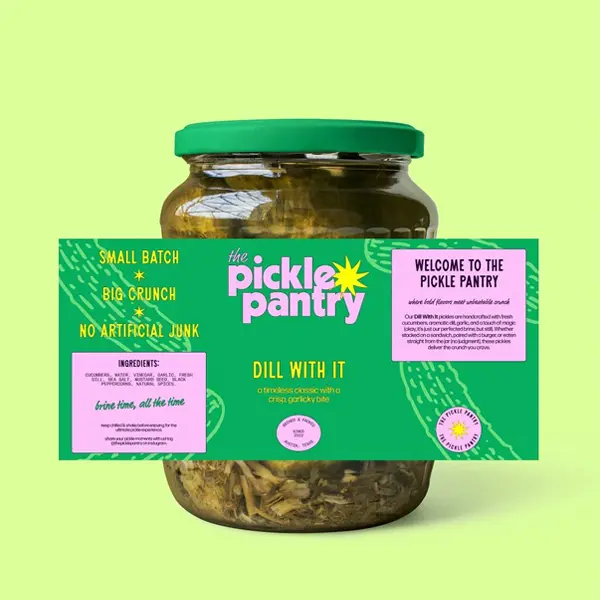
Jar-label planning may involve a front label, wraparound body label, lid label, base label or a combination of these components. Record each usable area separately because the jar body and lid may have different materials, textures and curves.
Confirm whether the jar is glass, plastic or another material and identify any molding lines, recessed panels, raised markings or strong tapers that could affect label contact.
For jar-specific applications, explore
Custom Jar Labels.
Labels for Tubes and Sticks
Tubes and stick containers often provide a narrow or strongly curved application area. The label should be developed around the usable width, height, circumference, closure position and the way the container will be handled or opened.
For squeezable tubes, also confirm whether the label area will flex during normal use. A representative container sample or detailed photographs can help communicate the shape and application requirements.
Labels for Tins and Pots
Tins and pots may use separate labels on the lid, side wall or base. Measure each location independently and confirm whether the lid rotates, slides, lifts or overlaps the body.
Small containers may have limited space for branding, product information, ingredients, warnings, barcode details and required legal text. Artwork hierarchy should be planned before the final label dimensions are approved.
Labels for Cartons, Pouches and Flat Packaging
Flat carton panels, envelopes and pouches can provide a simpler application surface, but folds, seams, closures, gussets and opening areas should remain clear. The label should not unintentionally cross a fold or interfere with the way the package opens unless that function is part of the approved design.
Custom Label Selection Guide
Use this table to identify the most relevant label route and the information required before quotation.
| Application |
Starting route |
Information to prepare |
| General product packaging |
Custom Labels |
Usable label area, surface material, shape, exposure, application method, quantity and artwork |
| Skincare, makeup or personal-care container |
Cosmetic Labels |
Container dimensions, product environment, ingredients or information-panel needs and quantity by SKU |
| Lip balm tube, stick, tin, pot or jar |
Custom Lip Balm Labels |
Exact container format, usable area, circumference, closure clearance and artwork variations |
| Bottle |
Custom Bottle Labels |
Bottle dimensions, circumference, taper, seam position, surface material and expected exposure |
| Jar |
Custom Jar Labels |
Body, lid and base dimensions, surface material, curvature, recessed areas and application location |
| Machine-applied label |
Custom Labels |
Applicator requirements, roll direction, core size, maximum roll diameter and label gap where available |
Information Needed for a Custom Label Quote
Prepare the following details before requesting a quotation:
- Product and packaging type
- Container or application-surface material
- Usable label width and height
- Container diameter or circumference where relevant
- Curvature, taper, seams or recessed areas
- Cap, lid, base and opening clearance
- Expected contact with moisture, oils, refrigeration, temperature changes or repeated handling
- Hand or machine application
- Preferred roll, sheet or individually cut format
- Total order quantity
- Quantity required for each artwork or SKU
- Number of shapes and sizes
- Artwork status
- Preferred printing or finishing direction
- Delivery destination
Clear product photographs, technical drawings, an existing dieline or a representative physical container can help explain the application surface more accurately.
How to Measure the Usable Label Area
- Identify the exact application location. Decide whether the label will be placed on the front, back, side, lid, base or around the complete container.
- Measure the usable width. Avoid including seams, strong curves, raised markings, recessed areas or opening components unless the label is intentionally designed around them.
- Measure the usable height. Leave appropriate clearance from the cap, lid, base, shoulder, fold and opening area.
- Record the diameter or circumference. This is important for cylindrical bottles, jars, tubes, tins and other wraparound applications.
- Check for taper. The top and bottom circumferences may differ. Provide measurements from both areas when the container narrows or widens.
- Mark seams and surface interruptions. Identify molding lines, recessed panels, handles, textured sections and other features that could affect label contact.
- Confirm the application direction. State how the label should appear when the container is standing, lying down or displayed on a shelf.
Do not enlarge a label only to fill the complete visible surface. The final dimensions should consider application tolerance, container variation, artwork clearance and the selected label construction.
Choose the Label Supply Format
Roll Labels
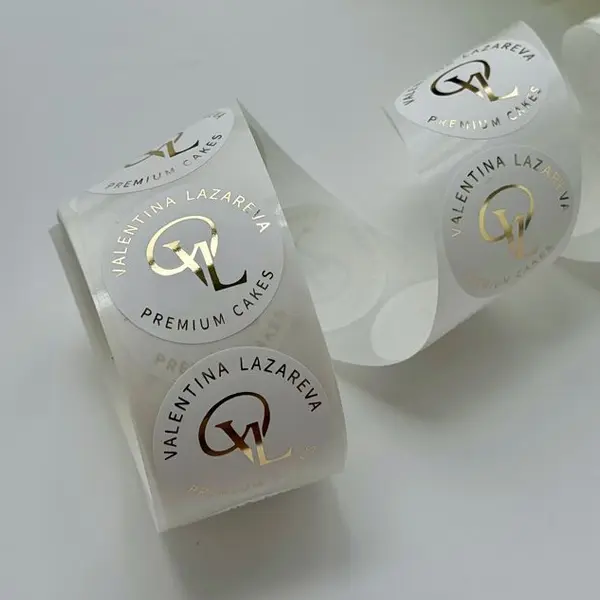
Roll labels may be considered for hand application, dispensers or automated labeling equipment. The correct roll setup depends on the label dimensions, quantity, application method and equipment requirements.
For machine application, provide available details for the unwind direction, leading edge, core size, maximum roll diameter, spacing between labels and applicator model. These requirements should be reviewed before production.
Sheet Labels
Sheet labels may suit projects where several labels need to be stored, distributed or applied manually from a flat sheet. The sheet layout depends on the individual label size, shape, spacing and quantity.
Sheet format should not automatically be selected only because an order is small. The best supply format depends on the complete application and handling process.
Individually Cut Labels
Individually cut labels may be useful for promotional packs, event distribution, manual organization or projects where labels need to be supplied as separate pieces.
Confirm whether the pieces require a backing shape larger than the printed label, an easy-peel feature or a specific packing arrangement.
Material and Adhesive Planning
The label material and adhesive should be evaluated together. A material that produces the desired appearance may still require a different adhesive direction when applied to glass, plastic, coated paperboard, textured packaging or a strongly curved container.
Possible material directions may include paper-based, clear, opaque, film-based or other project-appropriate label constructions. Final selection should consider:
- Application-surface material
- Surface texture and cleanliness
- Container curvature and taper
- Product filling and storage conditions
- Expected moisture, oil or temperature exposure
- Required transparency or opacity
- Printing and finishing requirements
- Application by hand or machine
- Intended period of use
Adhesive performance should not be described as universal across every container. When the application is sensitive, testing on the actual production container can help assess fit and handling before a larger production run.
Plan for the Product Environment
Explain how the labeled product will be filled, stored, transported, displayed and used. Relevant conditions may include:
- Dry indoor storage
- Refrigeration or temperature changes
- Condensation or occasional moisture
- Contact with oils, creams or product residue
- Repeated handling
- Flexible or squeezable containers
- Outdoor or extended light exposure
- Shipping inside another carton or mailer
Terms such as waterproof, oil-proof, weatherproof or permanent should not be used as blanket claims. The suitable material, adhesive and finish depend on the complete application and confirmed performance requirements.
Hand-Applied and Machine-Applied Labels
Hand Application
For hand application, consider how the operator will remove, align and press the label onto the product. Strong curves, clear materials and wraparound designs may require additional alignment planning.
Provide the preferred presentation format and identify whether labels will be applied individually, in batches or at multiple locations.
Machine Application
Machine-applied labels should follow the requirements of the labeling equipment and production line. Label size, leading edge, roll direction, core, roll diameter and spacing may all affect compatibility.
Do not approve a machine-applied production specification until the relevant applicator information has been reviewed.
Artwork and Cut-Line Planning
Artwork should be prepared on the approved label template or dieline. The final layout should account for the cut line, safe area, required bleed, container orientation and any overlap or gap in a wraparound application.
Depending on the product, artwork may need space for:
- Brand and product name
- Product type, variation or fragrance
- Net quantity or count
- Ingredients or material information
- Directions and warnings
- Barcode and QR code
- Batch, lot or date information
- Responsible business details
- Required legal or regulatory statements
Small text, barcodes and QR codes should be reviewed at the final printed dimensions rather than only at an enlarged screen view. The brand remains responsible for final legal, regulatory and artwork approval.
Clear and Transparent Label Considerations
Clear labels may allow the product or container color to remain visible, but the final appearance can be affected by the container color, product contents, surface reflections and printing construction.
Confirm whether selected artwork areas should appear transparent, translucent or opaque. Light-colored text and graphics may require an appropriate print construction to remain visible on dark or transparent containers.
Custom Labels for Beauty and Personal-Care Products
Beauty and personal-care labels may be applied to skincare bottles, serum containers, cream jars, makeup packaging, haircare bottles, tubes and other product formats. The label specification should consider container material, product residue, repeated handling and available space for product information.
Use the dedicated
Cosmetic Labels page for beauty-specific planning.
Custom Labels for Lip Balm Containers
Lip balm packaging often provides a small and strongly curved labeling area. Tubes, sticks, tins, pots and jars may each require different measurements, artwork layouts and closure clearance.
Use the dedicated
Custom Lip Balm Labels page for lip balm container guidance.
What Affects the Cost of Custom Labels?
The final quotation is influenced by the complete project specification, including:
- Finished label dimensions
- Shape and cut complexity
- Material and adhesive construction
- Printing requirements
- Finishing requirements
- Total order quantity
- Quantity per design or SKU
- Number of label sizes and shapes
- Roll, sheet or individually cut format
- Machine-application requirements
- Proofing or sample route
- Packing requirements
- Shipping method and destination
Provide the complete quantity breakdown when requesting a quotation. One total quantity divided across several designs may require different planning from the same quantity produced with one artwork file.
Proofing, Production and Shipping
Available proofing and sample routes are confirmed during quotation. Depending on the project, these may include an artwork proof, digital proof or physical sample.
The production schedule is confirmed after the label dimensions, material, adhesive direction, artwork, quantity, supply format and final specifications have been approved.
Shipping method, charges and estimated transit time are confirmed according to the completed order, delivery destination, packing format and required service.
Custom Label Production Process
- Share the application details. Provide the container, usable label area, surface material, exposure, application method, quantity and artwork status.
- Review the label direction. Confirm the initial dimensions, shape, material, adhesive and roll, sheet or individually cut format.
- Prepare or adjust the artwork. Place the design on the approved label template and check the cut line, safe area and orientation.
- Review the proofing route. Check the agreed digital proof, artwork proof or physical sample where applicable.
- Approve the final specification. Confirm the artwork, material, adhesive, quantity by SKU, production scope and shipping requirements.
- Begin production. Retain the approved specifications for related products and future repeat orders.
Why Choose BoxBaba for Custom Labels?
BoxBaba provides quote-based custom-label planning for bottles, jars, tubes, tins, cartons, pouches and other confirmed packaging surfaces. Projects can be developed around the actual application area, surface material, environment, application method, artwork and quantity rather than around a generic label format.
The quotation process can coordinate:
- Container and usable-area measurements
- Label shape and dimensions
- Material and adhesive direction
- Roll, sheet or individually cut supply
- Hand or machine application requirements
- Artwork and information-panel layout
- Printing and finishing direction
- Proofing, production and shipping specifications
Request a Custom Label Quote
Share the container dimensions, usable labeling area, surface material, expected exposure, application method, quantity by design, artwork status, preferred supply format and delivery destination to request a project-specific quotation.
Include photographs, technical drawings, existing label files, equipment specifications or a representative container sample when available.
Request a Custom Label Quote