

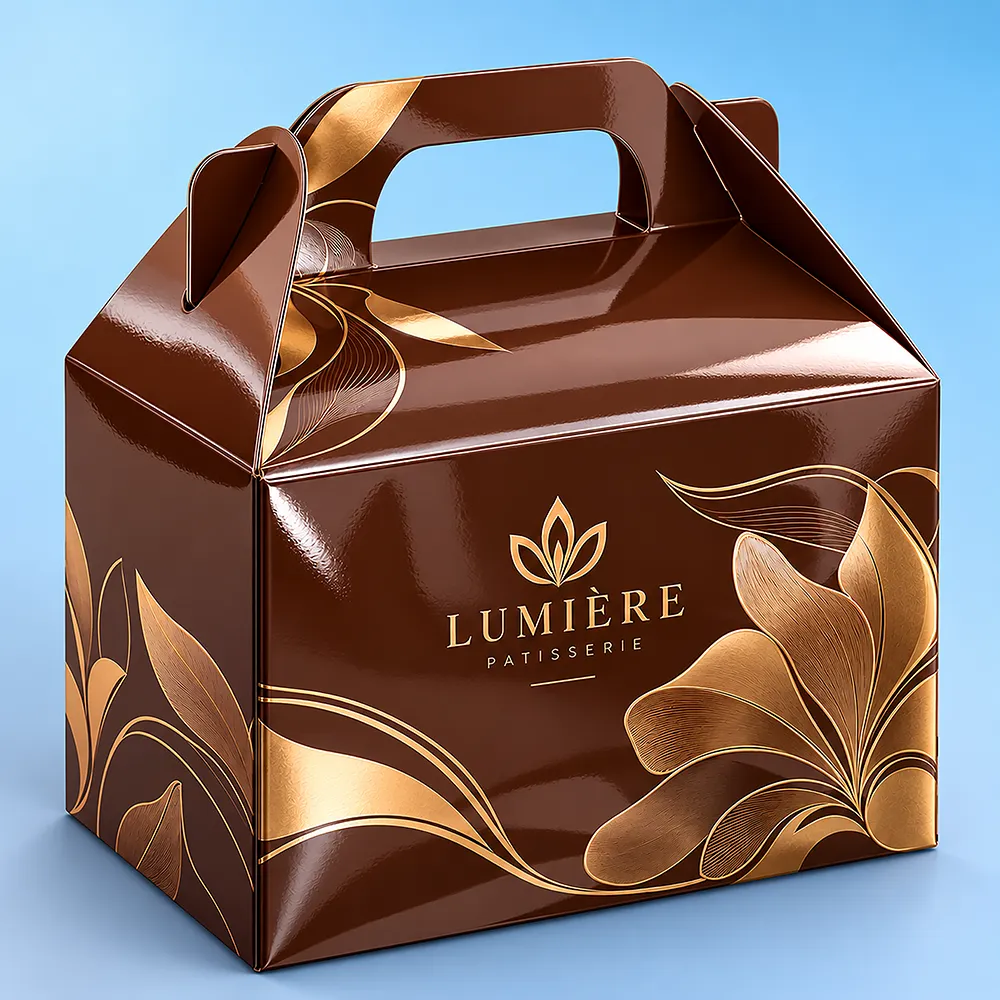
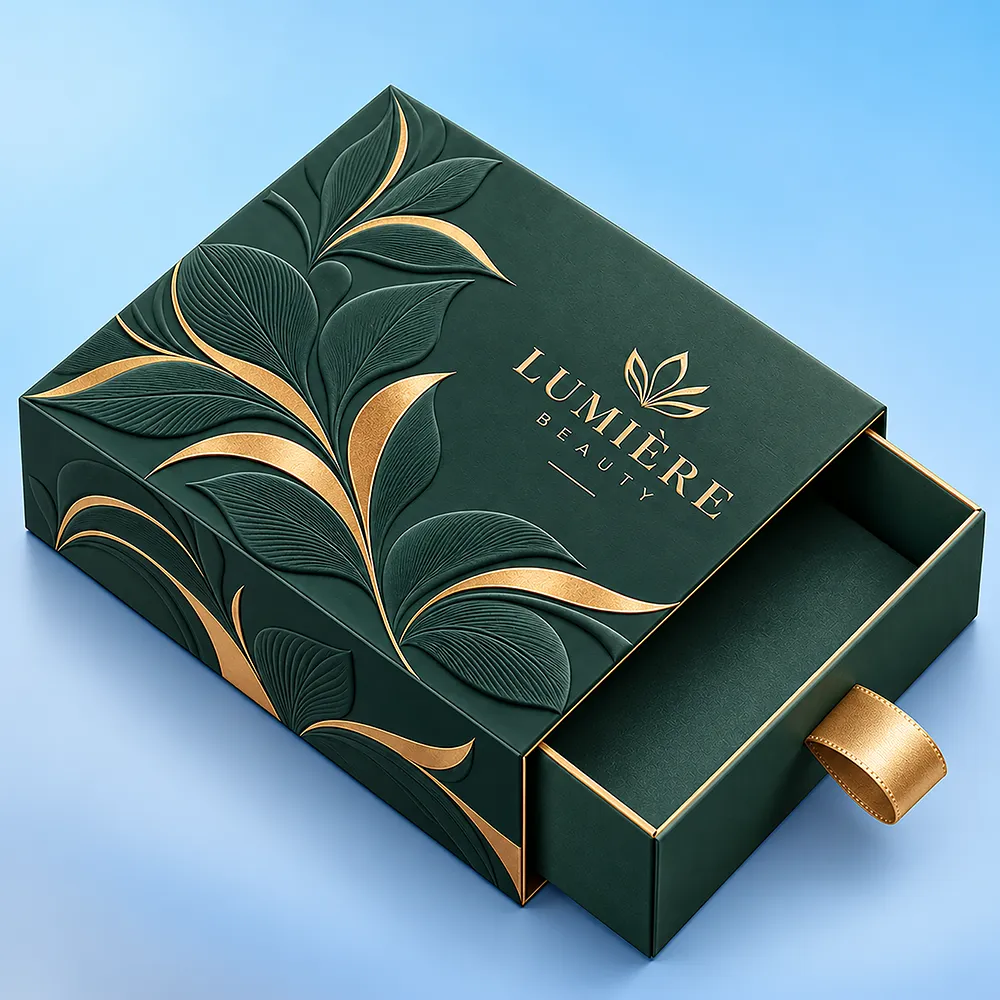
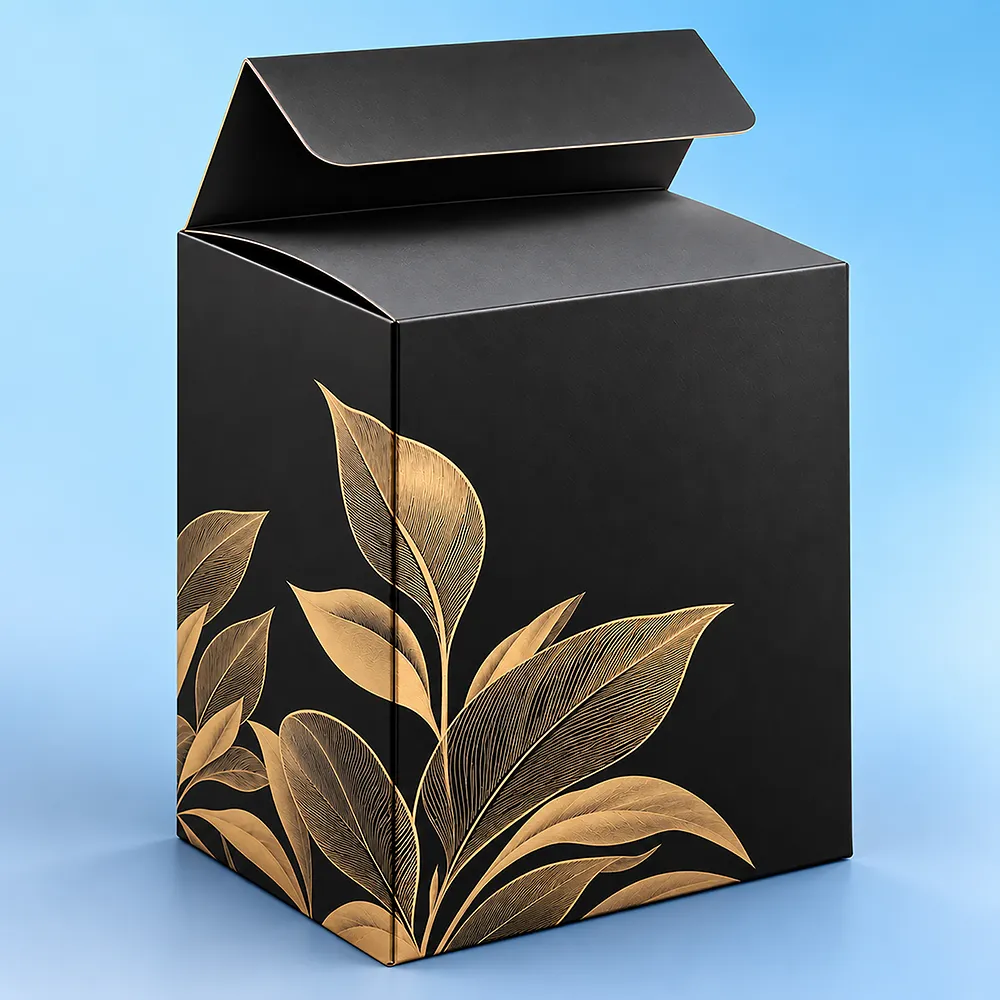
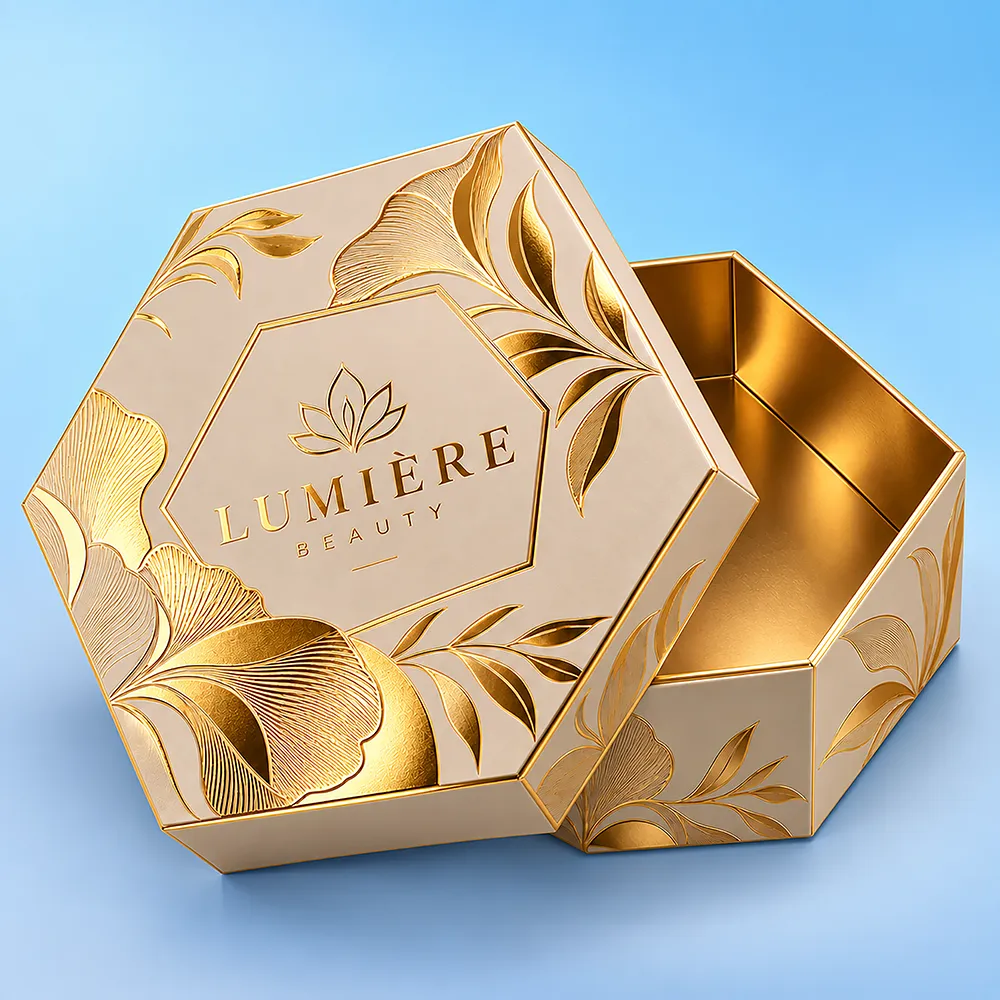

Custom Display Boxes

Custom display boxes organize packaged products for clear, accessible presentation on retail counters, shelves and other point-of-sale locations. BoxBaba develops each display around your finished product dimensions, required unit count, SKU arrangement, total loaded weight and available retail space. Choose from countertop displays, PDQ trays, shelf-ready cartons, dispenser boxes and other product-specific formats according to how shoppers view and remove merchandise. Customize your display with suitable paperboard or corrugated materials, printed headers, dividers, logo graphics and compatible finishes. Share your merchandise measurements, preferred arrangement and intended placement to configure wholesale display packaging with artwork and dieline support for consistent retail presentation, practical replenishment and straightforward ordering.
Trustpilot_Logo
5 out of 5 stars
4.5
Reviews 16 • Excellent

Custom Display Boxes – Custom Printed Packaging for Retail Products, Product Display & Branding

Custom display boxes made with durable materials and premium printing, ideal for showcasing products, enhancing retail presentation, attracting customers, and strengthening brand visibility on shelves.

What We Give

Create Custom Boxes Quick and Easy

Design

Get your custom boxes made in the required size, shape, and style.

Print

Upload your artwork and get it superbly printed the way you want.

Get it done

Order any quantity, enjoy a wholesale price, pay no extra for die plates.

Product Specification

Specification Available Options
Display Type Countertop, retail, PDQ, shelf-ready, dispenser and other custom display formats
Applications Cosmetics, personal care, packaged foods, supplements, retail accessories and other suitable products
Custom Sizes Based on product dimensions, retail footprint and display configuration
Display Capacity Customized according to unit count, SKU arrangement and loaded weight
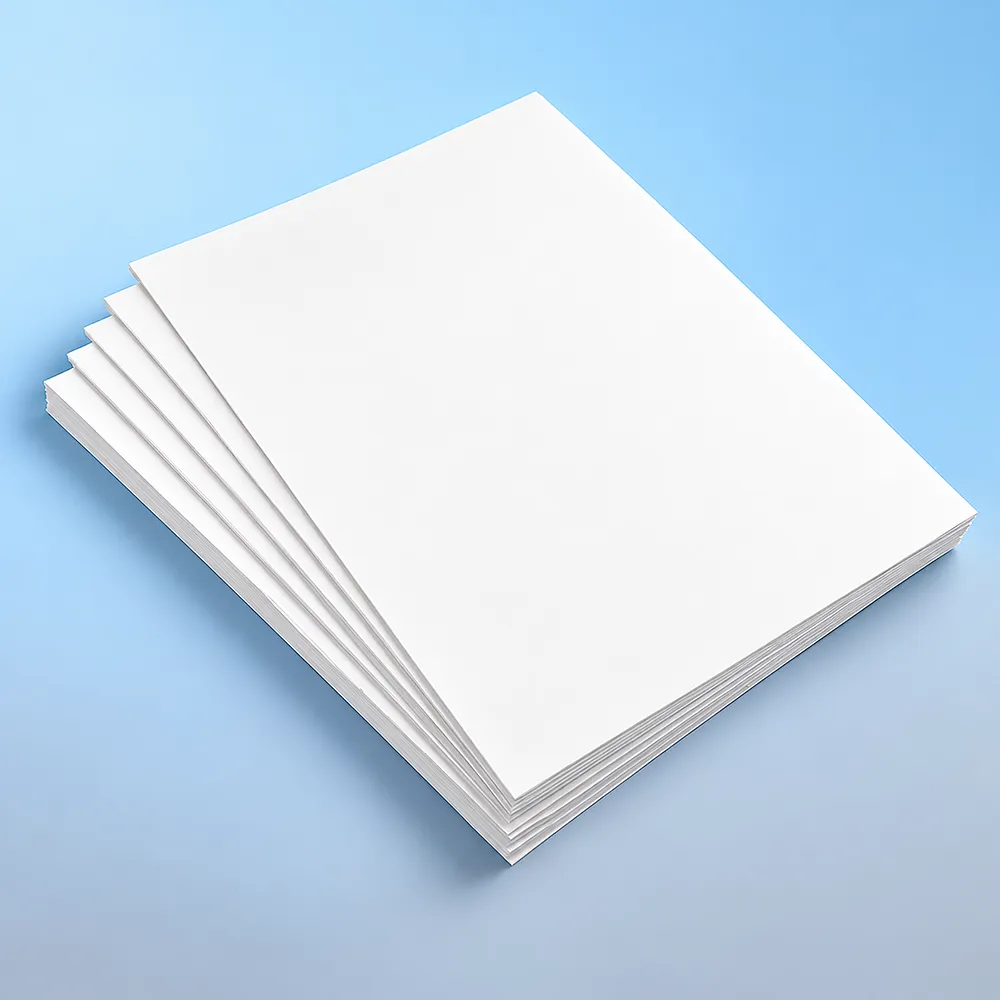
Material Options SBS paperboard, cardstock, kraft paperboard and suitable corrugated board
Structural Features Open fronts, printed headers, compartments, inserts, dividers and suitable die-cut openings
Printing Methods Digital, offset and flexographic printing, subject to material and production requirements
Finishing Options Matte, gloss, soft-touch, foil stamping, embossing, debossing and spot UV, where compatible
Artwork Support Dieline assistance, artwork support, 3D mockups and proofing
Minimum Order Quantity 100 units
Standard Turnaround 5–9 business days after artwork approval
Shipping Free shipping across the USA
Samples Free samples; sample delivery charges reimbursed on the first bulk order

Related Products

Stock Type & Thickness

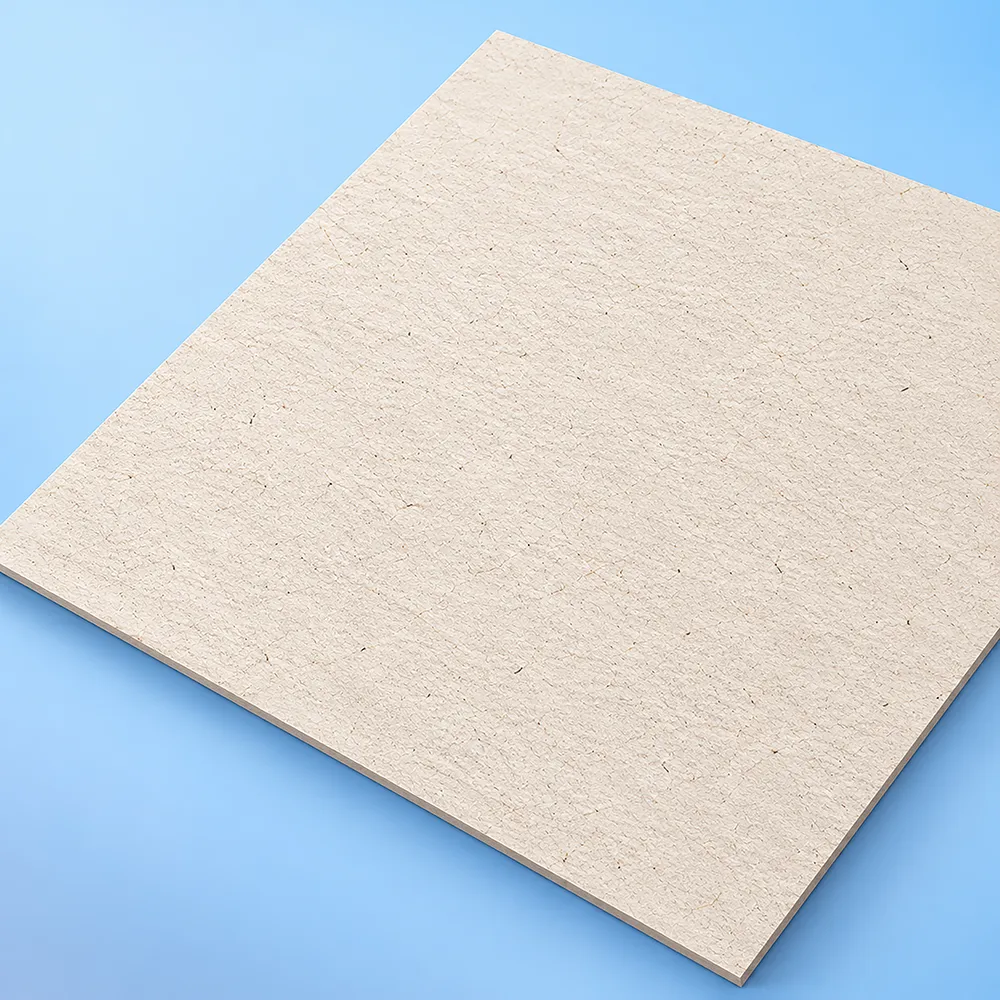
Cardboard

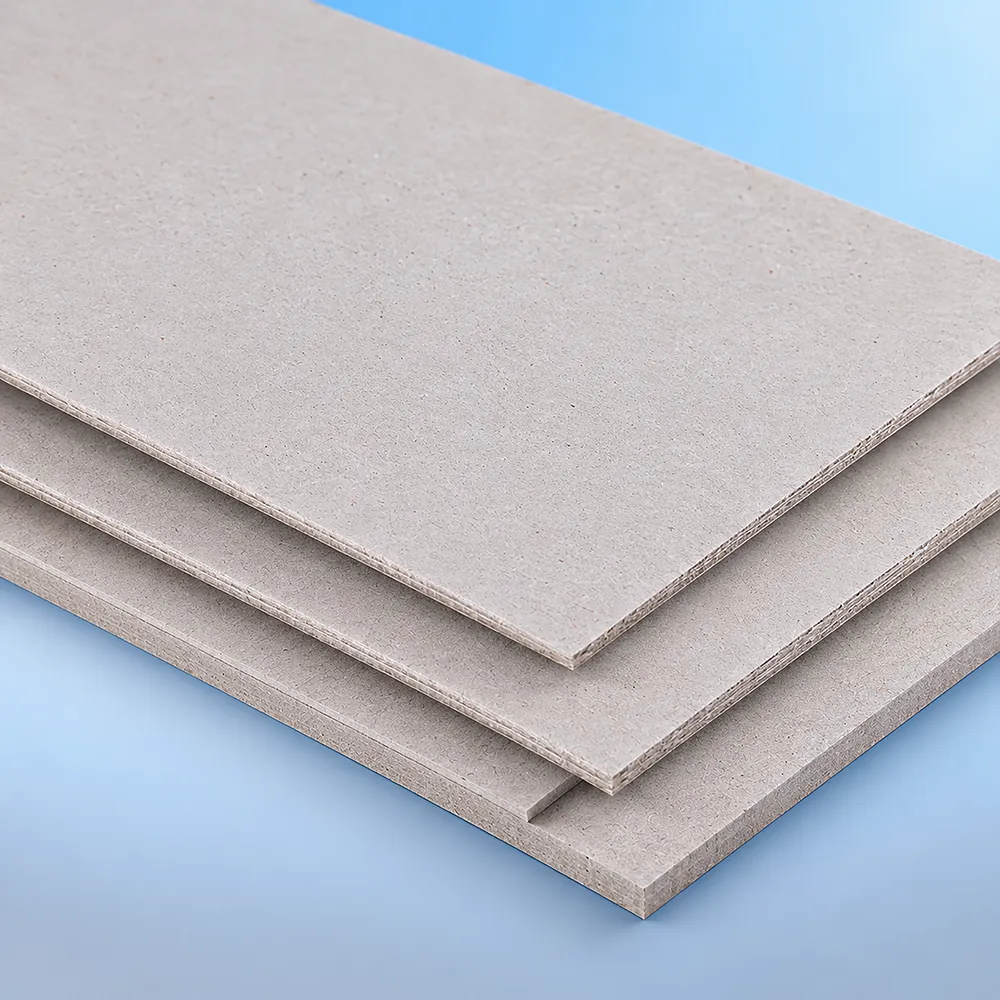
We use cardboard material with the least environmental impact and minimizes waste generation.

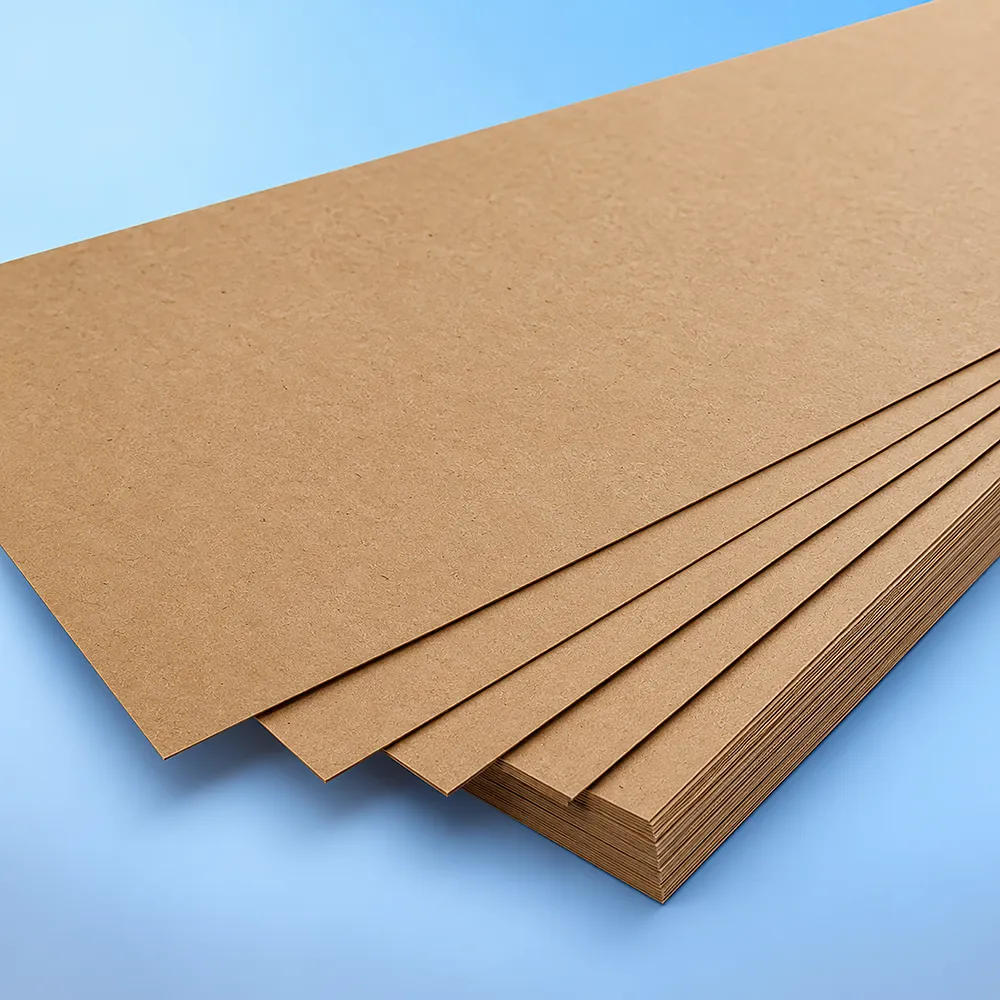
Kraft

Kraft paper is a strong, durable and reliable material that is widely used across many different industries.
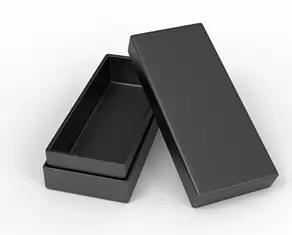
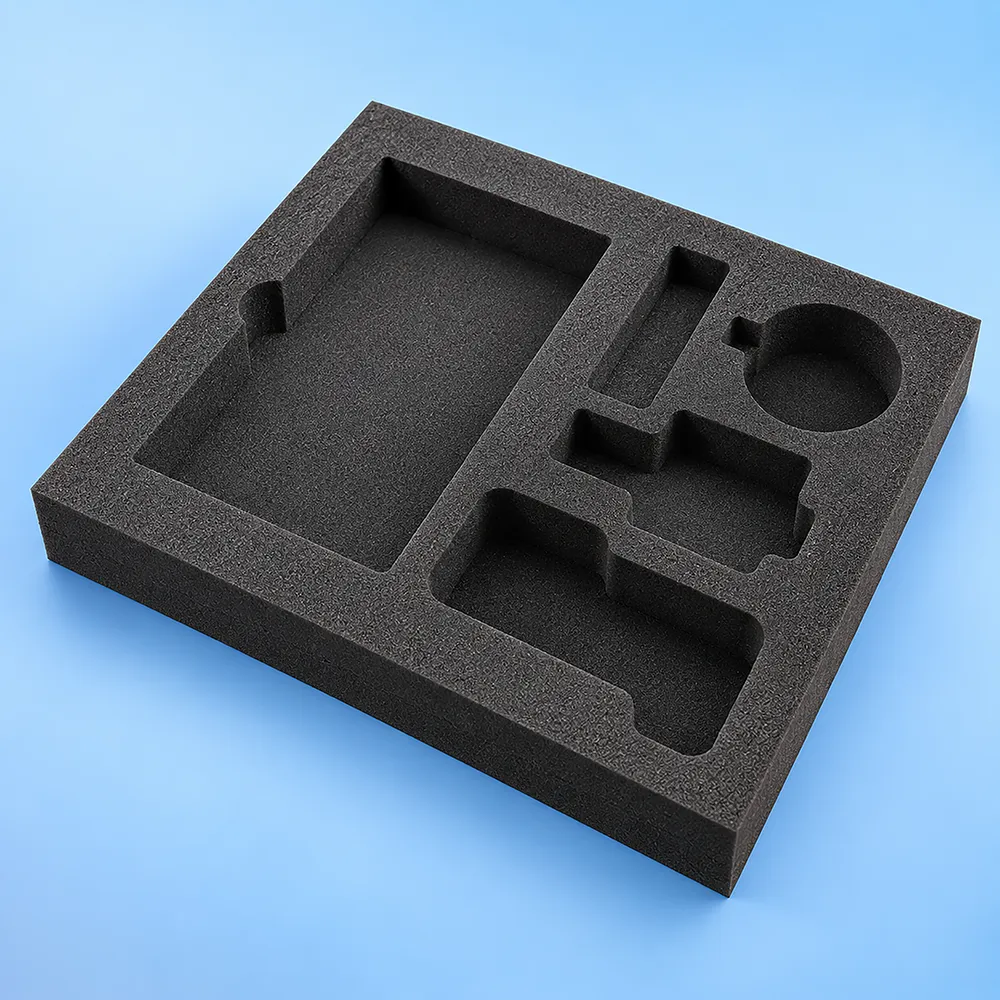
Rigid

Rigid is highly protective, affordable and recyclable material. These boxes provide maximum protection.
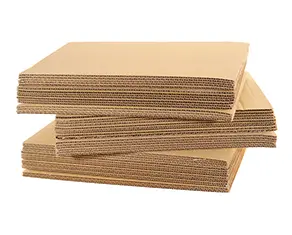
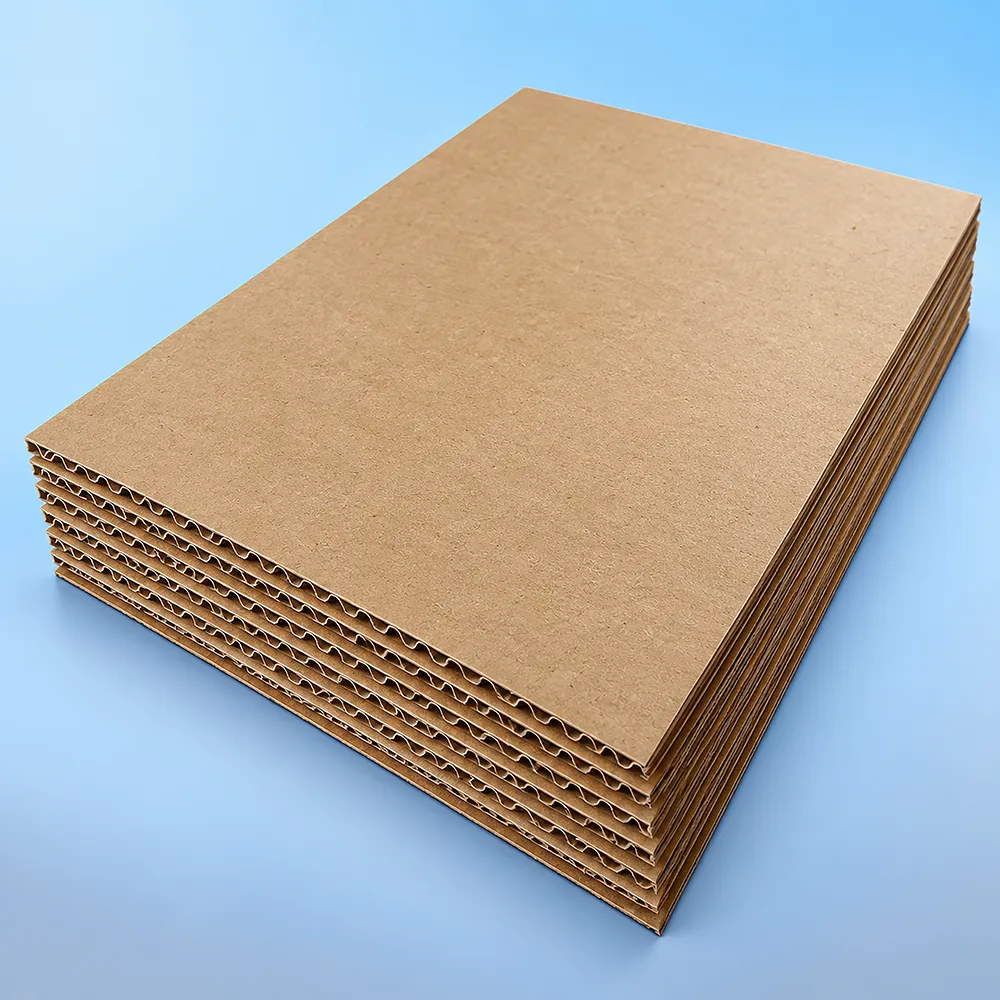
Corrugated

Corrugated material is easy to customize, cost effective and sustainable. It is also great for branding purposes.
Finishing Assortment

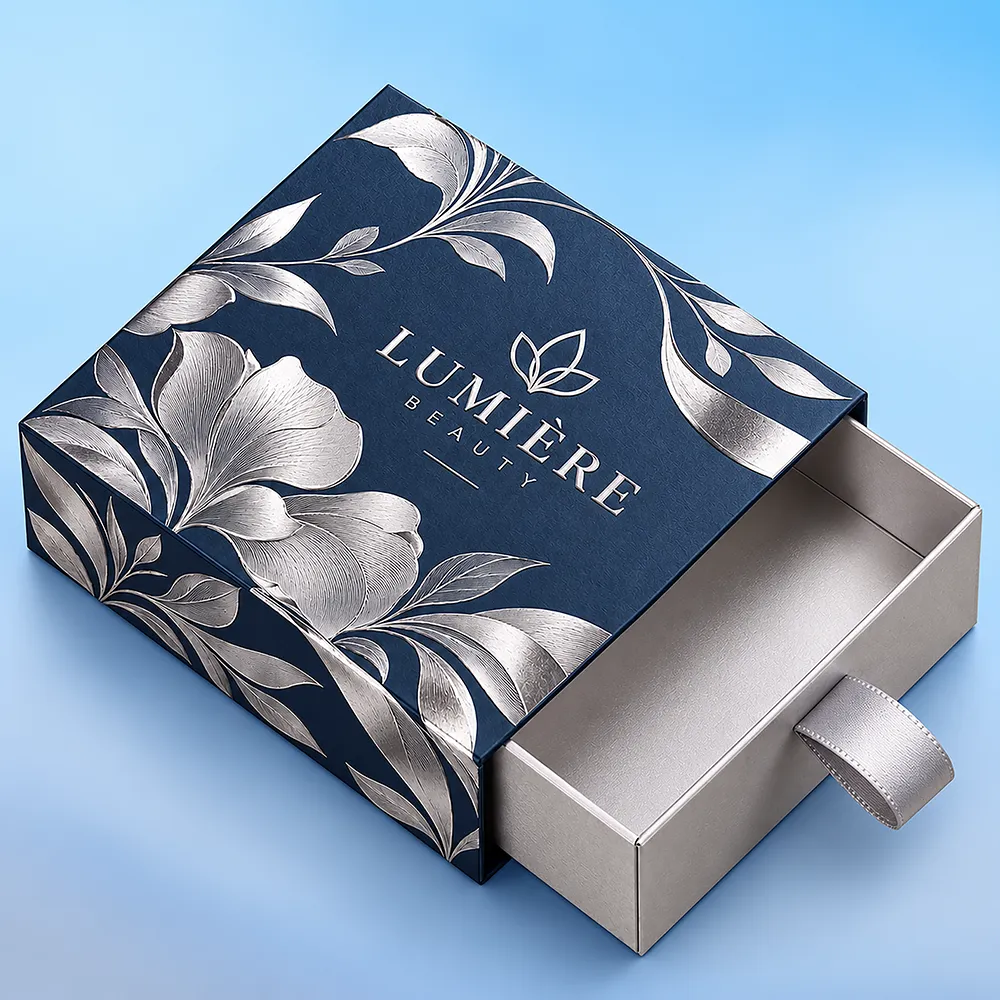
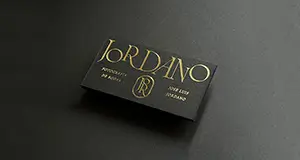
Foil Stamping

Foil Stamping

Enhance your packaging with premium foil stamping for a bold and luxurious appearance.

Spot UV

Spot UV

Our Spot UV coating adds a sleek shine and highlights key design elements beautifully.
Gloss-Lamination

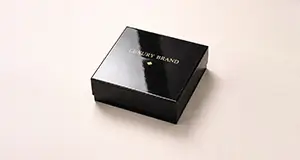
Gloss

Give your packaging a polished, glossy finish that enhances color and visual appeal.
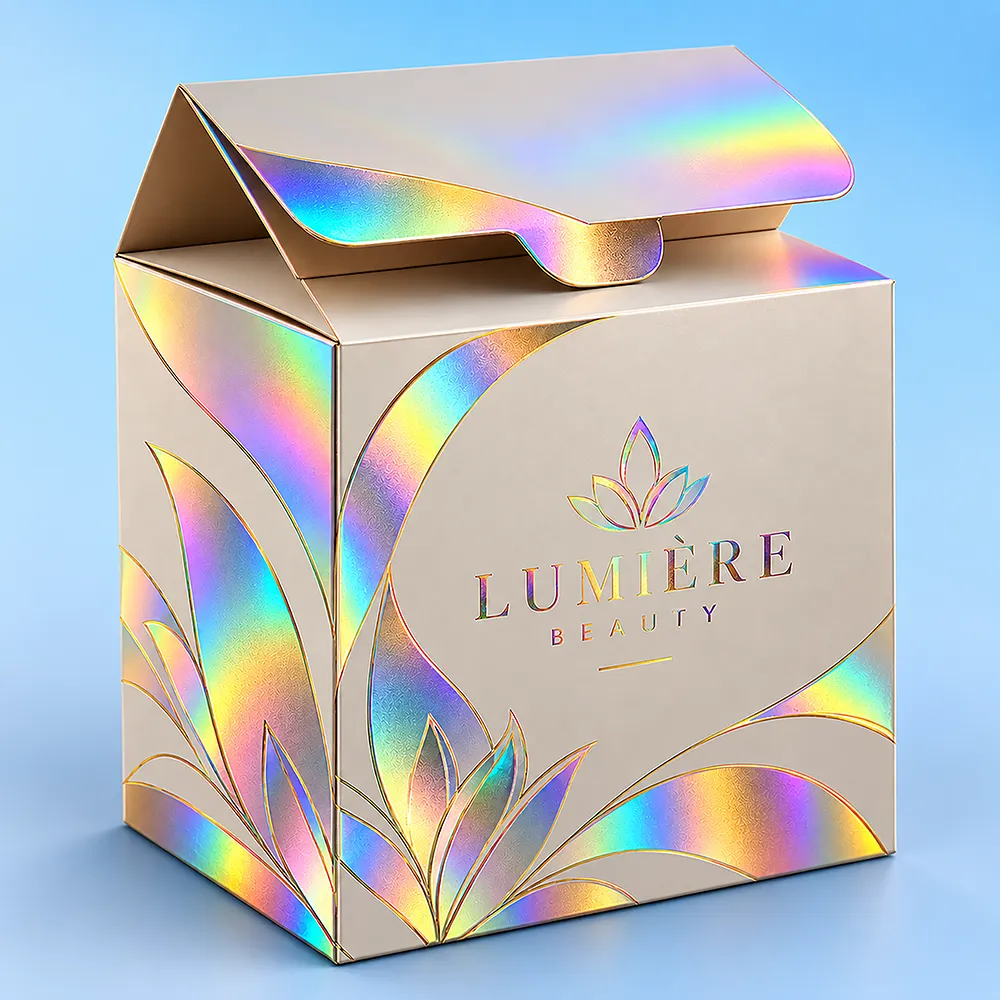
Holographic Foiling

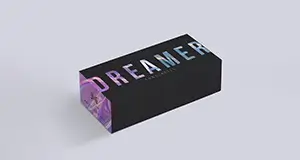
Holographic Foiling

Create eye-catching packaging with holographic foil effects that shimmer from every angle.
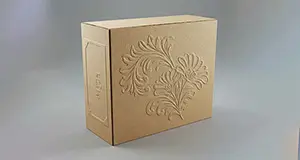
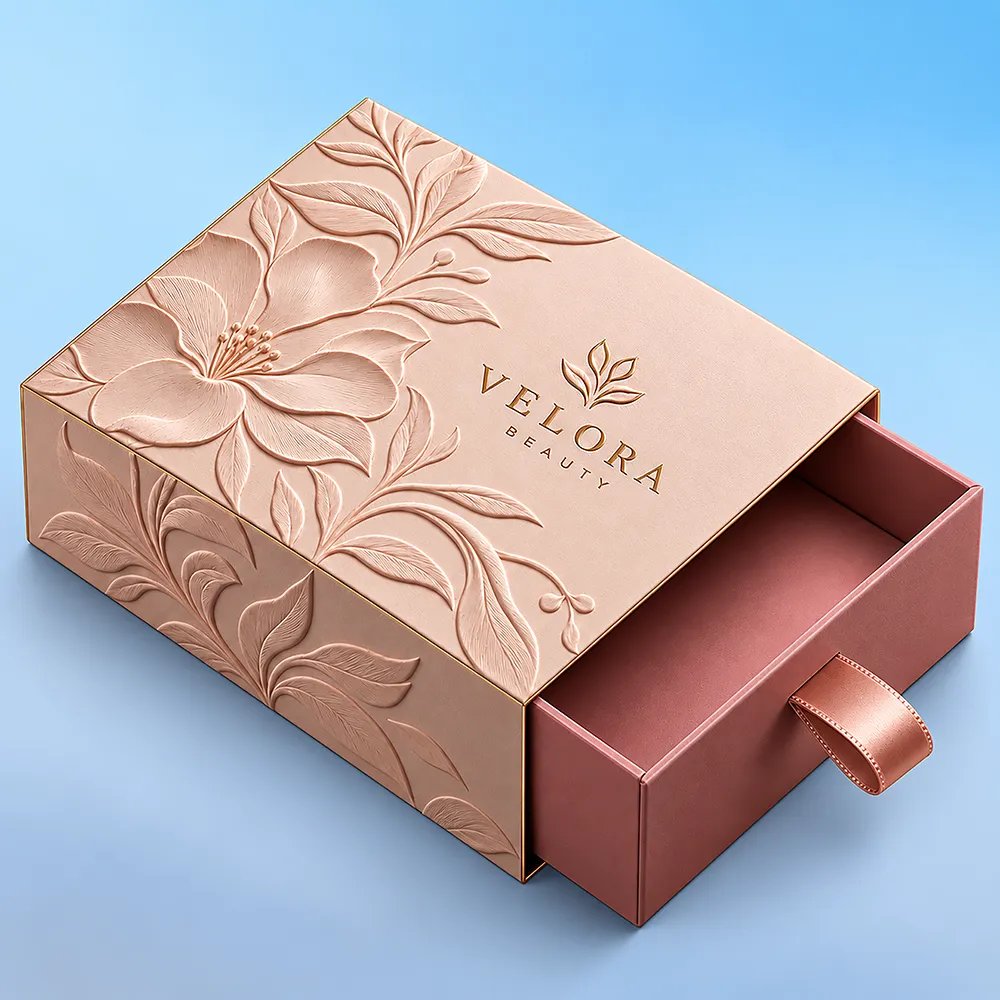
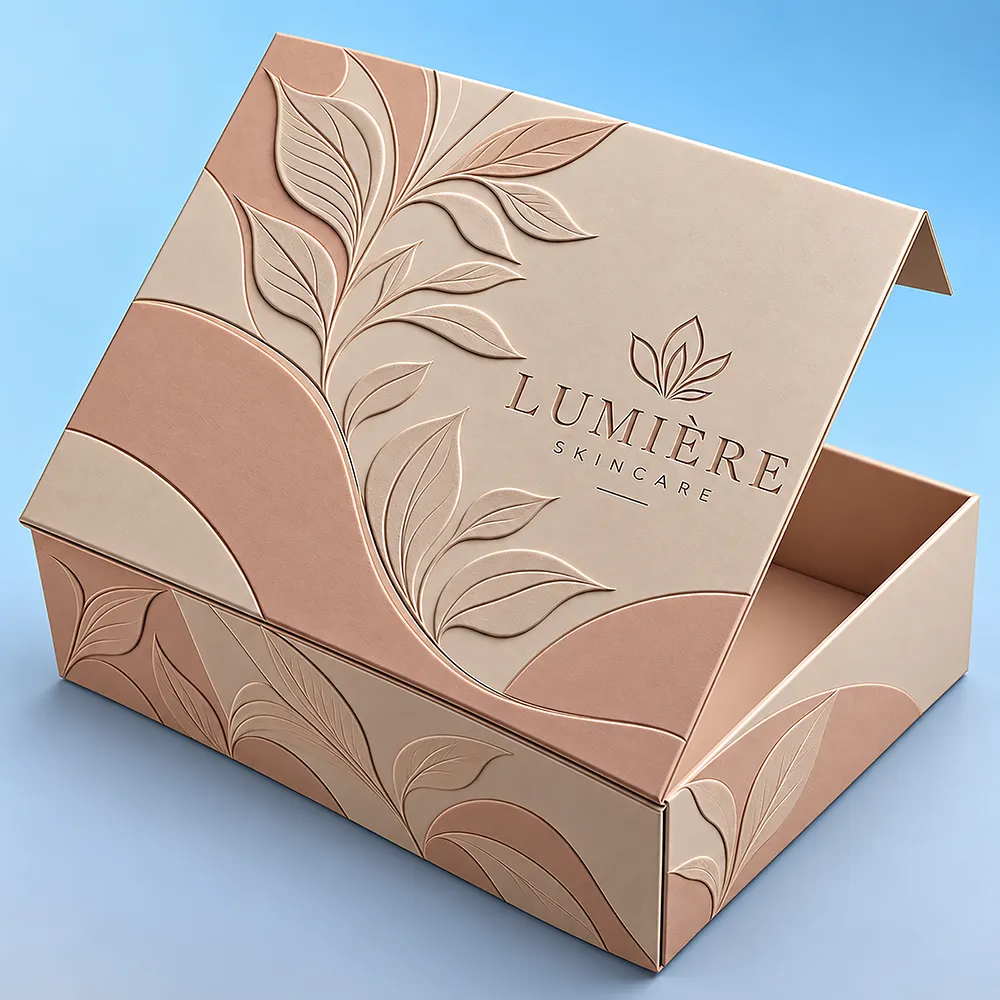
Embossing

Embossing

Add raised textures and elegant detailing to make your packaging stand out.
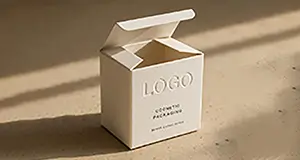
Debossing

Debossing

Create a refined pressed-in effect that adds depth and sophistication to your packaging.

Matte

Matte

Achieve a smooth matte finish that minimizes fingerprints and delivers a modern look.
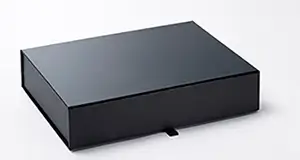
Soft Touch Lamination

Soft Touch Lamination

Protect your packaging with a silky-soft laminated finish for a premium feel.

Custom Display Packaging for Retail Products

Custom display packaging is designed to organize merchandise where customers can see and select it. Unlike an individual product carton, which typically contains one sellable item, a display box can hold multiple products in a defined arrangement. Retail display packaging can be placed at checkout counters, store shelves, promotional tables, beauty counters, pharmacies, convenience stores and other point-of-sale locations. The correct display structure depends on several factors: where it will sit, what it will hold, how many products it must organize, the combined loaded weight and how customers will remove individual units. Retail staff must also be able to replenish merchandise without unnecessarily disturbing the remaining arrangement. A compact countertop tray, for example, addresses a different requirement from a shelf-ready carton that arrives with products already arranged for store placement. Both can be custom printed, but their dimensions, internal layout and setup requirements may differ.

Available Styles for Custom Display Boxes

BoxBaba’s display-box range includes structures intended for different merchandising requirements. The display format should be selected according to the finished products, intended placement and retail workflow rather than appearance alone.

Countertop Display Boxes

Counter Top Display Boxes are compact structures designed for checkout counters, service desks, beauty counters and other locations where available display space is limited. They can organize small cartons, tubes, bottles, confectionery, cosmetic products and retail accessories. Depending on the merchandise, the structure may include a retaining front lip, header panel, compartments or fitted holders.

PDQ Trays and Shelf-Ready Displays

PDQ Trays and Boxes are suitable when products need to arrive in an organized, retail-ready configuration. A PDQ display can be planned around a defined quantity, product orientation and SKU arrangement, reducing the amount of setup required when merchandise reaches the store. For example, 24 units could be arranged in four rows of six or three rows of eight. A mixed-SKU assortment may require a different layout or additional dividers.

Retail Display Boxes

Retail Display Boxes support product presentation across counters, shelves, promotional areas and other in-store merchandising locations. These displays are suitable when the main requirement is a coordinated retail presentation rather than a particular dispensing or shipping-to-display mechanism. The layout can be developed around the product’s shopper-facing panel, unit arrangement, available retail space and intended replenishment method.

Perforated and Shipper-to-Display Boxes

A perforated display incorporates a planned removable section that can expose merchandise after the package reaches its retail location. A suitable shipper-to-display structure may combine transportation packaging with a retail-ready presentation, reducing the need to transfer every unit into a separate display.

Dispenser Display Boxes

Dispenser Boxes use a designated opening through which customers can remove individual products while the remaining units stay contained. The opening should be designed around the product’s finished width, depth, orientation and intended removal direction.

Die-Cut and Custom-Shaped Displays

Die-cut displays use custom openings, shaped headers, cutouts or holding positions when standard rectangular structures do not provide the required visibility or product support. Custom-cut features should be established before artwork is finalized. Opening positions can affect product retention, panel dimensions, visible graphics and the final assembly method. For a deeper comparison of display terminology and structural classifications, read our Types of Display Boxes guide.

Cardboard and Corrugated Material Options for Display Boxes

Material selection should follow the display’s size, structure, loaded weight, retail placement and printing requirements.

Cardboard Display Boxes

Cardboard Display Boxes can suit compact countertop and shelf displays carrying relatively lightweight merchandise. SBS paperboard and other suitable cardstock options provide a smooth surface for detailed graphics, brand colors and typography. Kraft paperboard can provide a natural-looking alternative where its appearance and structural properties suit the project. The final board specification should be selected after product dimensions, unit quantity, display layout and combined weight have been confirmed.

Corrugated Display Boxes

Corrugated Display Boxes use fluted board to provide additional rigidity for suitable display structures. Corrugated construction can be considered for larger displays, shelf-ready trays, shipper-to-display packaging and configurations that need greater structural support. The flute and board construction should be matched to the completed display rather than chosen solely according to the product category. Brands also requiring protective outer cartons or branded shipping packaging can explore Custom Corrugated Boxes.

Custom Sizes, Display Capacity and Product Arrangement

A custom display should be developed around the finished merchandise and the space available at the retail location. Start by measuring the products exactly as they will be presented. If an item has an individual retail carton, measure the finished carton. For an unpackaged bottle, tube or jar, include lids, closures and other projecting parts. Record the following information before developing the display:
  • Product dimensions: Maximum width, depth and height, including any closures or protrusions.
  • Product weight: Filled weight of each unit and expected total weight of the display’s contents.
  • Display quantity: Number of sellable units required in one display.
  • SKU arrangement: Number of flavors, shades, sizes or other product variations.
  • Product orientation: Whether items should stand upright, lie flat or be presented at an angle.
  • Retail footprint: Available counter or shelf width, depth and height.
  • Customer access: How shoppers will remove individual products.
  • Replenishment: How store staff will refill the display.
These details influence the required internal dimensions, material, partitions, header clearance and final structure.

How Do You Determine Display Capacity?

Display capacity depends on more than the total number of units. Two displays holding the same quantity may need completely different structures because of their product dimensions, arrangement, orientation and available retail footprint. A row of individually boxed products may remain organized in an open tray, while narrow tubes or irregularly shaped containers may need partitions or fitted holders. When several units are combined, their weight must also be considered. A proposed display should be evaluated in its intended loaded configuration rather than judged by its empty appearance.

Can One Display Hold Multiple SKUs?

Yes. Custom displays can organize a single product variation or a mixed assortment. Multiple SKUs may be arranged in separate rows, compartments, tiers or individual holding positions. The layout should preserve the intended product-facing panels and allow shoppers to remove units without disturbing adjacent merchandise. If product sizes differ, measure each SKU separately. Do not assume that one repeated compartment will fit every product variation.

Custom Display Boxes for Different Retail Products

Different merchandise requires different arrangements, support methods and display materials.

Cosmetic and Beauty Products

Cosmetic Display Boxes can organize makeup, skincare, beauty accessories and mixed cosmetic assortments. Depending on the product, a cosmetic display may require tiers, shade separation, fitted holders or dedicated spaces for product variations. For compact lip-care merchandise, Lip Balm Display Boxes can be developed around tube dimensions, flavor count, display capacity and available counter space.

Soap and Bath Products

Soap, bath bombs and other bath-and-body products may use open trays, compartments, partitions or fitted positions. Rectangular soap cartons, round bath bombs and irregular handmade products require different layouts. The display should therefore be planned around the finished sellable item rather than the product name alone.

Supplements and Wellness Products

Supplement cartons, jars, tubes and bottles can be organized in rows, tiers or partitioned configurations. When several filled containers are displayed together, their combined weight and stability become important structural considerations. Bottle dimensions should include caps and other projections, particularly when the display uses individual holding positions.

Food, Candy and Snack Products

Snack Display Boxes can organize individually packaged confectionery, snack bars and other retail food products. Flexible pouches, rigid cartons and individually wrapped items may require different arrangements or retaining features. Material and coating requirements should be confirmed according to whether the display holds finished food packages or will have direct contact with food.

Inserts, Dividers and Merchandising Features

Not every custom display requires a separate insert. Some products can remain organized inside a suitably designed open tray, while others need additional holding or separation features. Relevant options may include:
  • Dividers and partitions: Separate product variations and maintain a defined arrangement.
  • Fitted holders: Provide individual positions for suitable bottles, tubes and irregular products.
  • Header panels: Create an additional area for branding or product information.
  • Front retaining lips: Help keep merchandise inside the display while allowing customer access.
  • Tiered arrangements: Raise selected product rows where additional visibility is needed.
  • Die-cut openings: Create suitable product access areas or custom structural shapes.
  • Perforated panels: Allow approved structures to convert into an open retail display.
Each feature should address an actual product or merchandising requirement. Dividers and inserts occupy internal space, while larger headers affect overall height. These details should be established before the dieline and artwork are finalized.

Available Printing Methods for Custom Display Boxes

Custom printed display boxes can incorporate logos, product names, promotional graphics, brand colors, SKU identifiers and other suitable retail information. The appropriate printing method depends on the display material, order quantity, artwork and production specification. Potential methods include:
  • Digital printing: Can be suitable for compatible substrates and artwork requirements.
  • Offset printing: Can be considered for detailed graphics and suitable production quantities, depending on the selected display material and print configuration.
  • Flexographic printing: Can be used for appropriate corrugated packaging applications where the artwork and production requirements suit the process.
The final printing method should be confirmed during quotation and artwork review.

Finishing Options for Custom Display Boxes

Display packaging can incorporate decorative finishes where they are compatible with the selected material, printing method and structure.
  • Matte lamination creates a subdued, non-glossy appearance suitable for restrained branding and detailed typography.
  • Gloss lamination adds a reflective surface that can emphasize color-rich artwork.
  • Soft-touch lamination creates a smooth tactile finish for compatible printed surfaces.
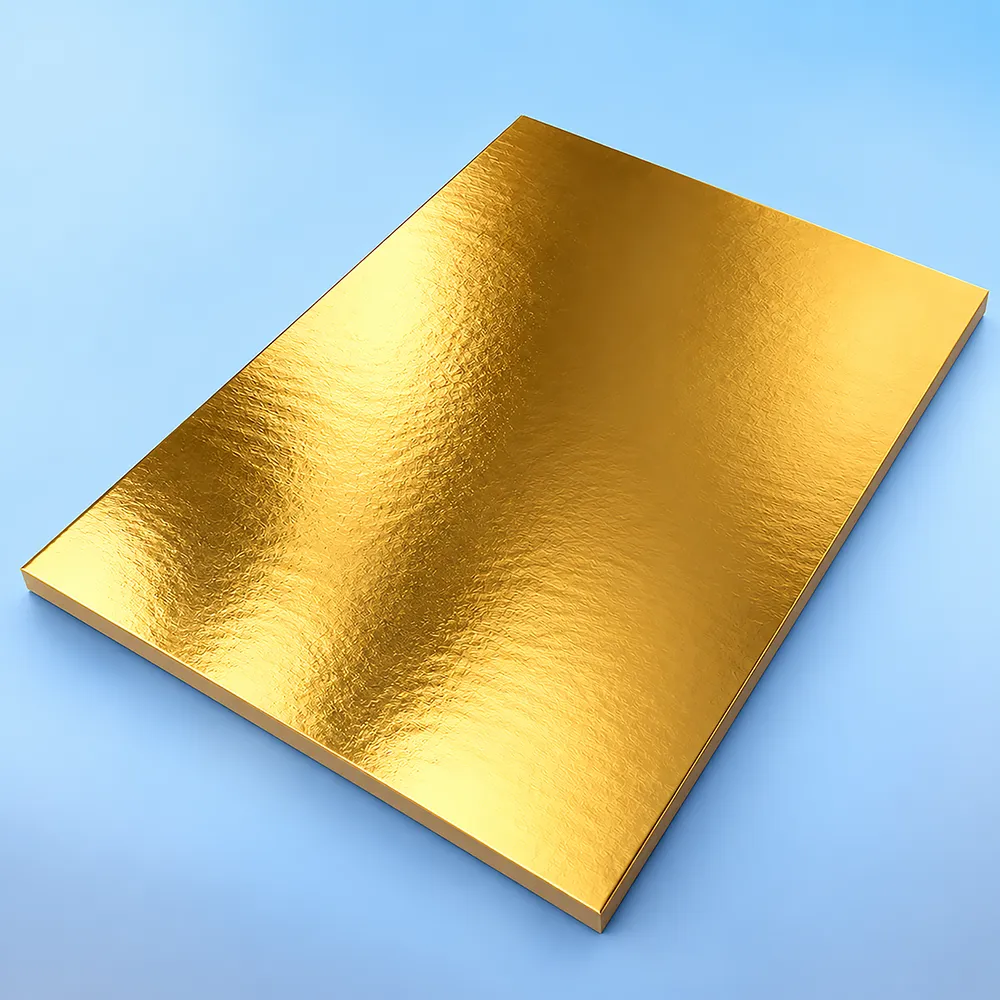
  • Foil stamping introduces metallic detailing to selected logos, text or decorative elements.
  • Embossing and debossing create raised or recessed details in suitable areas of the display.
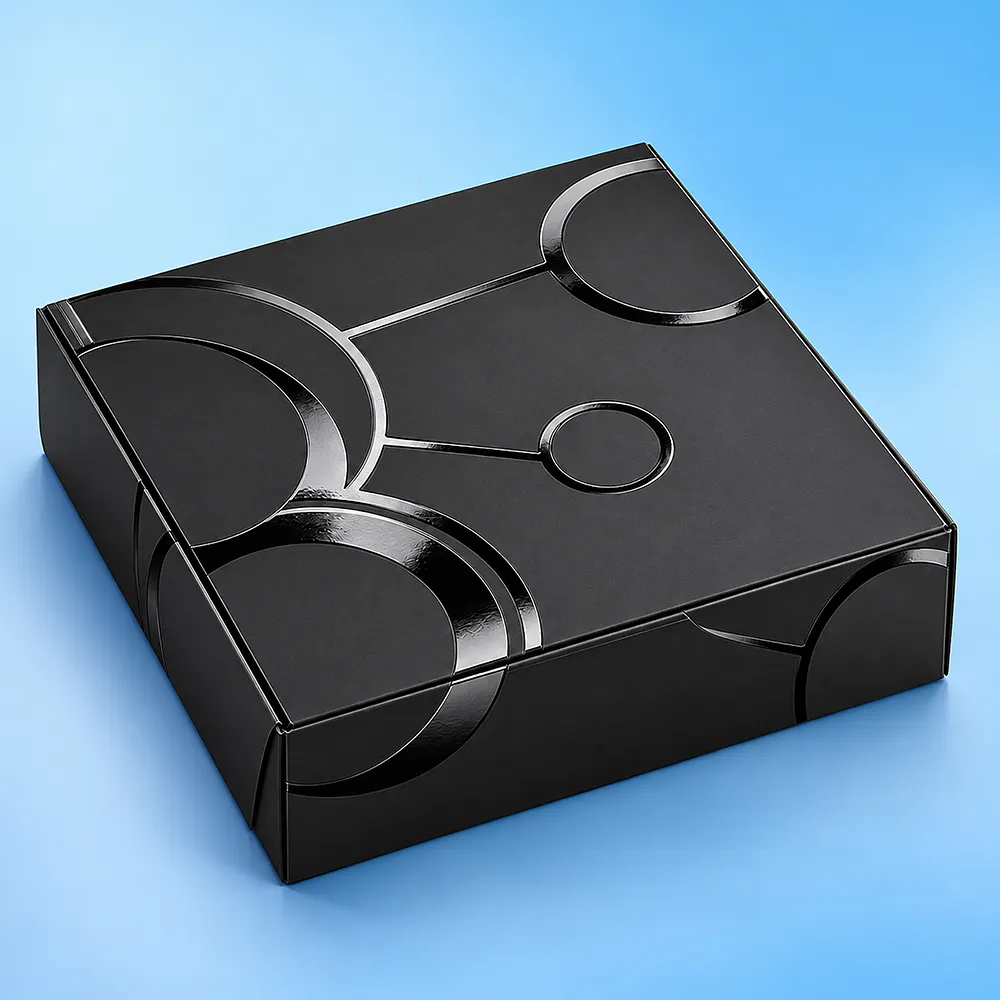
  • Spot UV adds selective gloss to appropriate printed artwork.
Finishing requirements should be reviewed alongside folds, glue areas, die-cut openings and perforations. A finish should support the intended display design rather than interfere with structural features or assembly.

Artwork, Dieline and Proofing for Display Packaging

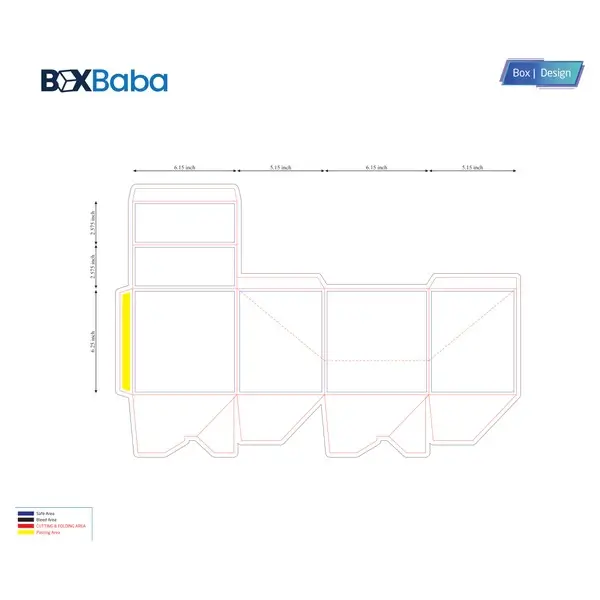
A display dieline defines the structure’s cut lines, crease lines, folding areas and assembly configuration. Product measurements, intended arrangement, retail footprint and material selection should be established before final artwork is placed on the dieline. The development process generally includes:
  1. Confirm the finished products, required quantity, SKU arrangement and intended retail placement.
  2. Establish the display structure, dimensions, board specification and relevant holding features.
  3. Prepare the dieline and position the artwork on the appropriate panels.
  4. Review the proof or 3D mockup and approve the final production specification.

What Affects the Cost of Custom Display Boxes?

Custom display boxes are quoted according to their actual specifications rather than one universal price. The main cost considerations include display dimensions, structure, material, order quantity, printing requirements, die-cut complexity, inserts, finishing and any special assembly or packing requirements. Providing accurate product measurements, intended unit quantity, merchandising requirements and artwork allows the quotation to reflect the proposed display configuration.

Why Choose BoxBaba for Custom Display Boxes?

  • Product-specific customization: Display dimensions and layouts are developed around your finished merchandise, unit quantity and retail requirements.
  • Material and structural options: Choose suitable paperboard or corrugated configurations with relevant dividers, headers and other display features.
  • Artwork and proofing support: Get assistance with dielines, branded artwork and 3D mockups before production approval.
  • Accessible order quantities: Start with an MOQ of 100 units and standard production of 5–9 business days after artwork approval.
  • Sampling and shipping: Free samples are available, with sample delivery charges reimbursed on the first bulk order, plus free shipping across the USA.

Order Custom Display Boxes Wholesale from BoxBaba

Request a custom display packaging quote based on your actual products and merchandising requirements. Share your finished product dimensions, unit weight, required display capacity, SKU arrangement, preferred display style, available retail footprint and order quantity. Include your artwork, material preferences and any requirements for dividers, headers, perforations, printing or finishing. BoxBaba can use these details to discuss the appropriate structure, dieline, proofing requirements and production specification. Place your order by calling +1 305 574 4357 or emailing sales@boxbaba.com.

Frequently Asked Questions

Find all the urgent questions you may have.

Custom display boxes are retail-ready packaging structures designed to organize and present merchandise on counters, shelves and other point-of-sale locations. Their dimensions, materials, printing and product arrangement can be customized according to the intended retail application.
Choose a countertop display when the available counter space and shopper access are the main requirements. A PDQ tray is more appropriate when merchandise needs to arrive in a defined retail-ready arrangement with limited setup at the store. Some structures can serve both purposes.
Measure the finished retail-ready products, then confirm the required unit quantity, SKU arrangement, orientation, combined loaded weight and available retail footprint. The final display dimensions should accommodate the products, structural material and any inserts or dividers.
Yes. Multiple products or variations can be organized using rows, compartments, dividers or other suitable holding arrangements. Products with different dimensions should be measured separately to establish an appropriate layout.
Paperboard can suit compact displays holding relatively lightweight products and requiring detailed printed graphics. Corrugated board can be considered when the display requires additional rigidity, a larger structure or support for a greater loaded weight. The final specification depends on the complete display configuration.
Yes. Suitable display structures can include printed headers, dividers, die-cut openings and customized branding. Feature availability and placement depend on the selected material, display design and product requirements.
BoxBaba provides free samples, with sample delivery charges reimbursed on the first bulk order. Dieline assistance, artwork support and digital 3D mockups are also available. Custom sample requirements and delivery arrangements should be confirmed for the specific project.
BoxBaba's minimum order quantity is 100 units. Final pricing depends on the display dimensions, structure, material, printing, finishing and total order quantity.
Standard production turnaround is 5–9 business days after artwork approval. Shipping and transit time are separate from the production period.
Yes. BoxBaba offers free shipping across the USA for its applicable custom display packaging orders. International shipping arrangements and any project-specific requirements should be confirmed when requesting a quote.

Get a Custom Quote