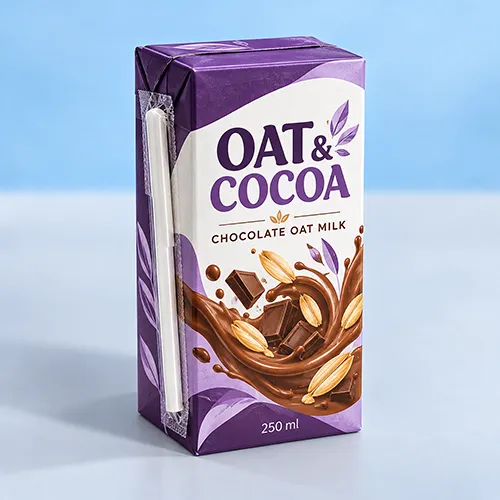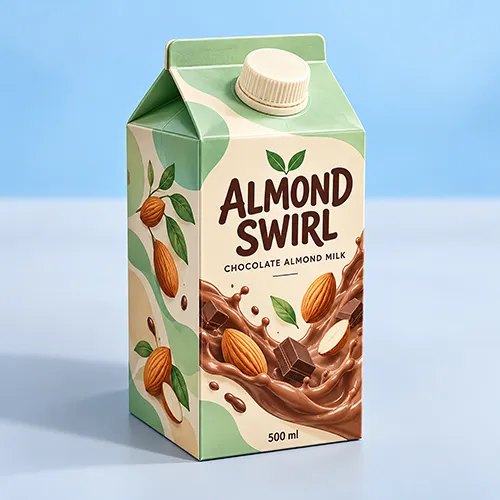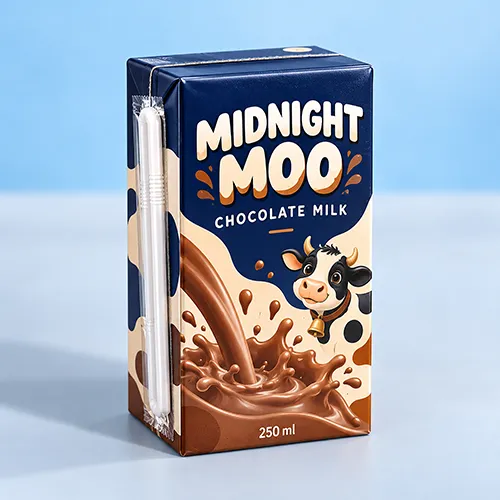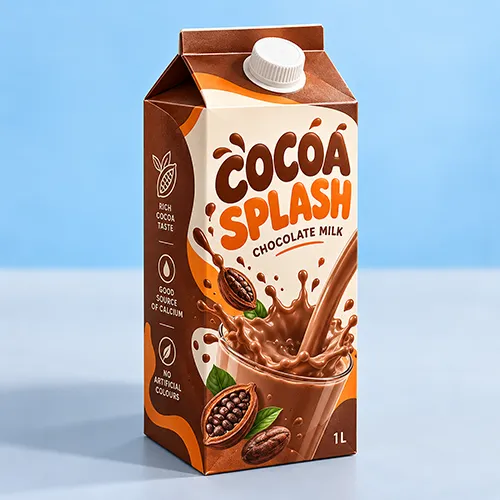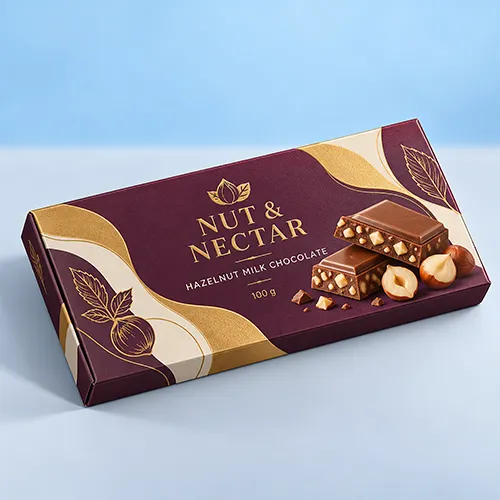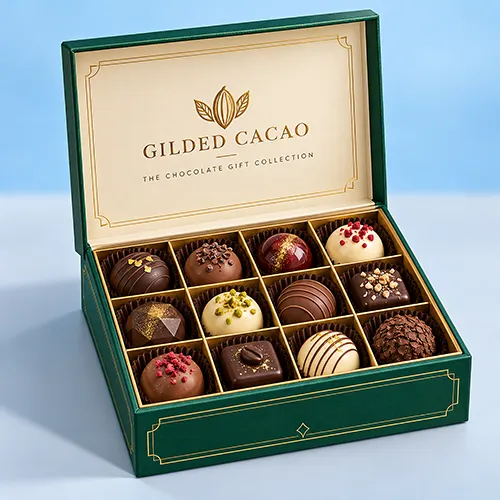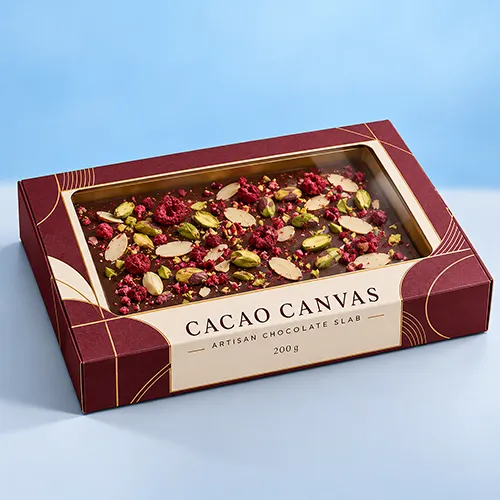

Custom Chocolate Milk Boxes

Custom Chocolate Milk Boxes are printed packaging solutions for dairy brands, beverage manufacturers, and private-label businesses selling chocolate milk in sealed bottles or cartons. Custom secondary packaging can include individual retail boxes, multipack carriers, display trays, and corrugated shipping cartons. BoxBaba offers made-to-size paperboard, kraft, and corrugated packaging with custom printing, suitable inserts, and branded finishing options. Our packaging supports retail presentation, product organization, and wholesale distribution, with standard custom-box orders starting from 100 units. Explore our custom food boxes or request packaging designed around your finished beverage containers.
Trustpilot_Logo
5 out of 5 stars
4.5
Reviews 16 • Excellent

Custom Chocolate Milk Boxes – Food-Grade Printed Cartons for Dairy Beverage Packaging

Custom chocolate milk boxes made with food-grade materials and high-quality printing, ideal for dairy beverage packaging, branding, freshness, and secure retail product presentation.

What We Give

Create Custom Boxes Quick and Easy

Design

Get your custom boxes made in the required size, shape, and style.

Print

Upload your artwork and get it superbly printed the way you want.

Get it done

Order any quantity, enjoy a wholesale price, pay no extra for die plates.

Related Products

Chocolate Milk Cartons vs. Secondary Packaging Boxes

Chocolate milk packaging can refer to two different types of packages. A primary beverage carton is the container that directly holds the liquid chocolate milk. It requires materials and sealing technology suitable for the product and its filling process. A secondary chocolate milk box holds one or more sealed bottles or beverage cartons. It provides printable branding space, product organization, retail presentation, or additional shipping support. These structures are not interchangeable.

Primary Chocolate Milk Beverage Cartons

Primary liquid packaging may include refrigerated gable-top cartons or specialized shelf-stable aseptic cartons. Such packaging requires consideration of:
  • Food-contact material suitability
  • Liquid-barrier requirements
  • Sealing and closure construction
  • Filling-equipment compatibility
  • Product processing conditions
  • Intended storage and distribution requirements
  • Appropriate testing and supporting documentation
A standard printed SBS or kraft box should not be assumed suitable for directly containing liquid chocolate milk. Projects requiring primary liquid-contact cartons must have their technical requirements and manufacturing availability separately confirmed in writing before ordering.

Secondary Chocolate Milk Packaging

Secondary packaging surrounds an already sealed chocolate milk container. Examples include printed single-bottle cartons, multipack boxes, retail carriers, and shipping cases. These structures are sized according to the actual finished containers rather than the milk liquid volume alone. For businesses coordinating chocolate beverages with other confectionery products, our custom chocolate boxes provide related packaging options for solid chocolate items.

How to Choose the Right Chocolate Milk Box Size

The correct chocolate milk box dimensions depend on the finished beverage container, including its cap, closure, carton folds, and any other projecting features. Two bottles containing the same volume of chocolate milk may have different shapes and external measurements. Therefore, volume should not be used as a substitute for packaging dimensions.

How to Measure Chocolate Milk Containers

Before ordering, confirm:
  1. Container type: Identify whether the product is supplied in a sealed bottle, gable-top carton, or another approved beverage package.
  2. Maximum dimensions: Measure the complete height, width, depth, or diameter, including the closure and any projections.
  3. Filled weight: Record the approximate weight of the completed sellable unit.
  4. Pack quantity: Specify whether each secondary box will hold one, two, four, six, or another number of units.
  5. Arrangement: Confirm upright positioning, row layout, and any dividers or bottle holders.
  6. Final fit: Allow appropriate space for insertion, removal, closures, and internal supports.
The internal dimensions should be established from the complete arrangement of finished containers.

Chocolate Milk Packaging by Beverage Volume

Common chocolate milk product formats may include:
Beverage Fill Volume Packaging Planning Consideration
200 mL Finished single-serve container dimensions and closure
250 mL Retail unit size, carton profile, and pack quantity
500 mL Container footprint, filled weight, and structural support
1 L Larger filled weight, base stability, and appropriate outer packaging
Custom Volume Actual container specifications and intended pack configuration
These fill volumes are examples only. They are not fixed BoxBaba box sizes or confirmed liquid-container manufacturing specifications. A 250 mL bottle and a 250 mL beverage carton may require different secondary boxes because their external shapes and dimensions can differ.

Chocolate Milk Packaging Styles for Retail and Distribution

The appropriate chocolate milk box structure depends on how the sealed beverage product will be sold, displayed, packed, and transported.

Individual Chocolate Milk Retail Boxes

An individual retail carton can provide printed branding around a sealed chocolate milk bottle or other suitable container. Folding cartons may be considered when the material thickness, closure design, and internal fit support the finished product. The carton should accommodate the complete bottle profile and should not place inappropriate pressure on caps or closures.

Chocolate Milk Multipack Boxes

Multipack packaging organizes several sealed chocolate milk units within one outer package. Suitable configurations may include two-, four-, or six-unit arrangements, depending on the container dimensions, weight, and intended handling. The box may incorporate partitions or fitted supports where needed. A multipack should be designed around the total loaded weight rather than the number of containers alone.

Chocolate Milk Bottle Carriers

Compatible paperboard carriers may be considered for sealed chocolate milk bottles sold as promotional sets, sampling collections, or grouped retail purchases. Some carrier formats can incorporate die-cut bottle positions, partitions, or suitable handles. The carrier construction and any handle must be evaluated according to the actual filled weight and intended handling requirements.

Chocolate Milk Retail Display Boxes

Retail display boxes can organize multiple sealed beverage units on counters, shelves, or promotional fixtures. The structure may include a display header, retaining front panel, dividers, or a removable display section, depending on the retail requirements. For dedicated point-of-sale solutions, explore our retail display boxes.

Corrugated Chocolate Milk Shipping Boxes

Corrugated cartons can provide additional structural support when transporting multiple sealed beverage containers. The selected shipping structure should be based on total packed weight, stacking requirements, unit arrangement, and handling conditions. Explore our custom corrugated boxes for shipping-oriented packaging options.

Inserts, Dividers, and Support for Chocolate Milk Containers

Packaging multiple filled beverage units may require internal supports to keep products organized and reduce unnecessary movement. Depending on the approved structure, BoxBaba can discuss appropriate paperboard inserts, partitions, and compatible corrugated dividers.

Bottle Holders and Die-Cut Inserts

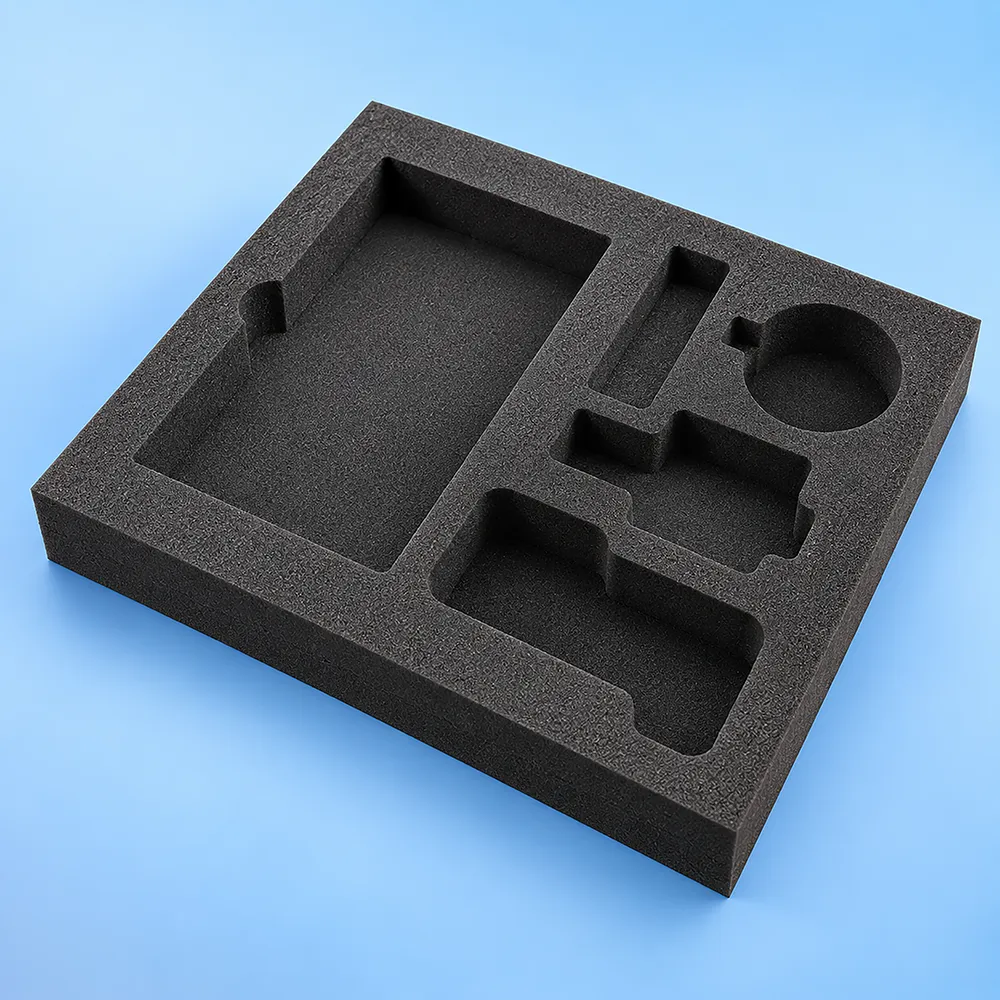
A fitted holder can position a sealed chocolate milk bottle inside an individual carton or multipack. The insert should account for the bottle maximum profile, weight, and removal requirements. Not every package needs an insert. A properly sized carton containing a suitable lightweight container may be able to function without one.

Dividers for Multipack Boxes

Cardboard or corrugated dividers can separate individual bottles or cartons within a multipack. The divider layout should accommodate the completed containers and allow practical packing. For heavier products, the board construction and complete load should be evaluated together.

Sample Fit and Stability Checks

Before bulk production, review a representative packed sample for:
  • Container fit and accessibility
  • Appropriate support beneath the products
  • Clearance around caps and closures
  • Divider positioning
  • Closure performance
  • Total package weight
  • Stability during ordinary handling
A fitted secondary box can contribute to organization and handling support, but its performance depends on the full packed configuration.

Refrigerated vs. Shelf-Stable Chocolate Milk Packaging

The storage requirements of chocolate milk depend on the milk-processing method and the primary container. Secondary printed packaging must be selected with those existing requirements in mind.

Packaging for Refrigerated Chocolate Milk

Refrigerated chocolate milk requires storage and distribution conditions appropriate to the beverage and its primary packaging. Outer retail or shipping boxes intended for cold environments should be evaluated for potential condensation exposure, material performance, and handling requirements. Standard uncoated paperboard should not automatically be assumed suitable for prolonged damp or refrigerated conditions.

Packaging for Shelf-Stable Chocolate Milk

Shelf-stable chocolate milk may use a specialized liquid-holding carton produced and filled under an appropriate validated process. Shelf stability does not result from placing an ordinary printed box around the product. The secondary packaging can provide merchandising and shipping functions, but it does not independently establish the beverage shelf life or microbiological safety.

Does Chocolate Milk Packaging Need a Liquid Barrier?

A package that directly contains liquid chocolate milk needs suitable liquid-contact surfaces, sealing performance, and any required barrier properties. Secondary retail cartons, multipack carriers, and shipping boxes are not automatically liquid-tight. If a project requires a direct-fill beverage carton, the appropriate construction and supply capabilities must be confirmed separately from the standard custom printed-box quotation.

Materials Used in Custom Chocolate Milk Boxes

Material selection determines print quality, folding performance, structural support, and suitability for the intended packaging environment. The following materials are appropriate to consider for different secondary-packaging applications.

SBS Paperboard

Solid Bleached Sulfate (SBS) paperboard provides a smooth white printing surface suitable for detailed graphics, product illustrations, and retail branding. It can be considered for compatible folding cartons and selected secondary sleeves. The required board thickness depends on the finished container dimensions, loaded weight, and box construction.

Kraft Paperboard

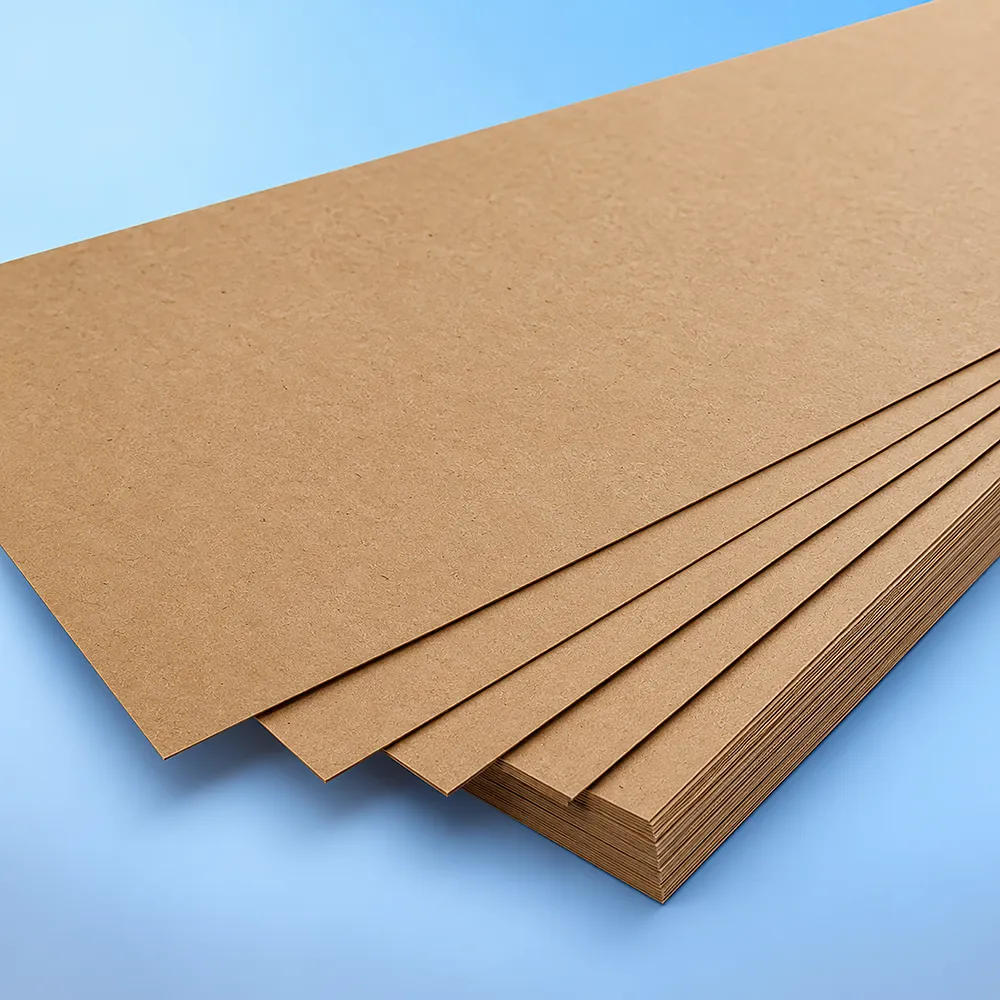
Kraft paperboard provides a natural brown appearance and may suit promotional carriers, outer cartons, and selected retail structures. The brown surface influences printed color appearance. Its suitability for any particular construction should be evaluated according to product weight, printing requirements, and storage conditions.

Coated Paperboard

Compatible coated paperboard can provide a smooth surface for printed retail packaging. Coatings may influence the appearance, handling, and surface properties of the finished box, but a decorative coating alone does not establish liquid-barrier or food-contact performance.

Corrugated Board

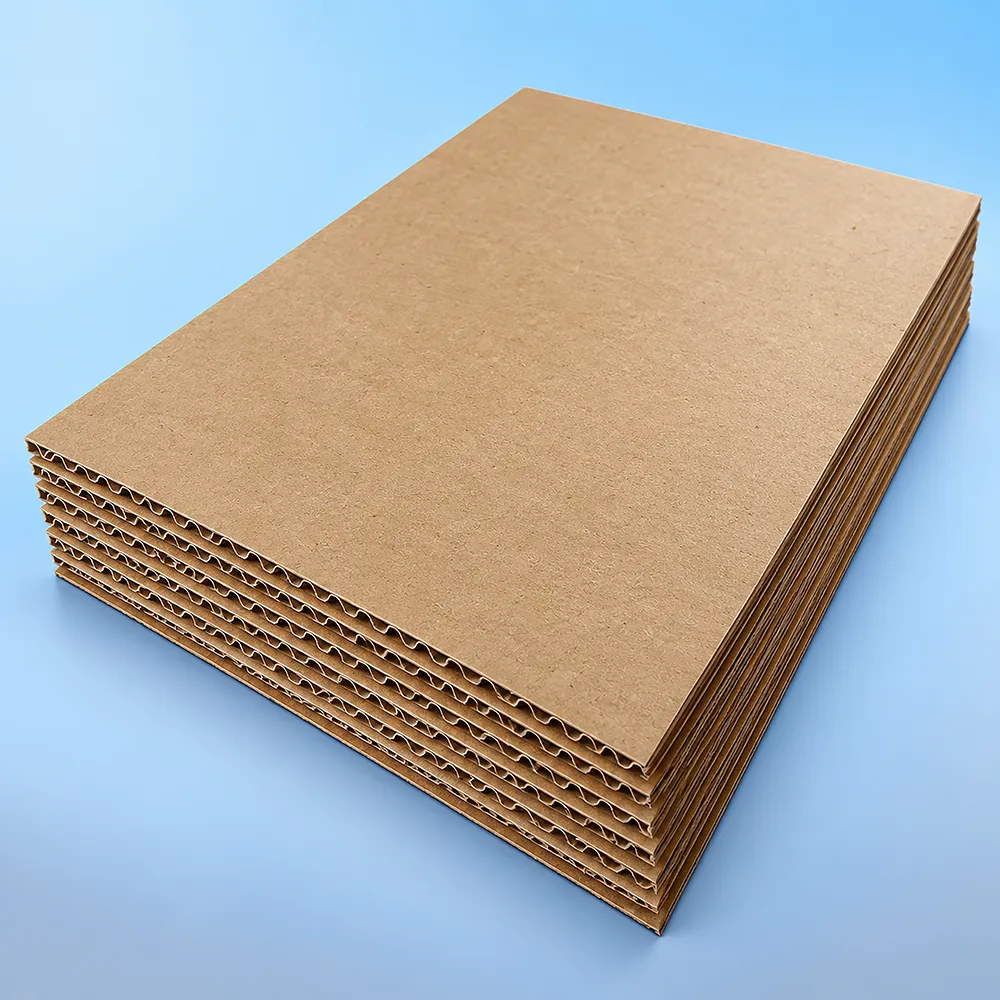
Corrugated board is suitable for evaluating multipack cases, shipping cartons, and other structures requiring additional support for several sealed beverage containers. The appropriate flute configuration and board strength depend on the combined load and distribution conditions.

Specialized Liquid-Packaging Materials

Primary dairy beverage cartons generally require a different material system from ordinary printed secondary boxes. Their construction may incorporate specialized coated or multilayer materials selected for the intended beverage, processing method, and filling equipment. The availability, regulatory documentation, and technical suitability of such materials must be confirmed for the particular primary-packaging project. Environmental claims, including recyclability, depend on the complete material construction and available collection systems rather than the use of paperboard alone.

Custom Printing and Finishing for Chocolate Milk Packaging

Printing plays an important role in communicating the chocolate milk brand, flavor, product variant, and other information on secondary cartons and multipack packaging. The selected printing method depends on the material, artwork, quantity, and intended handling environment.

Printing Methods

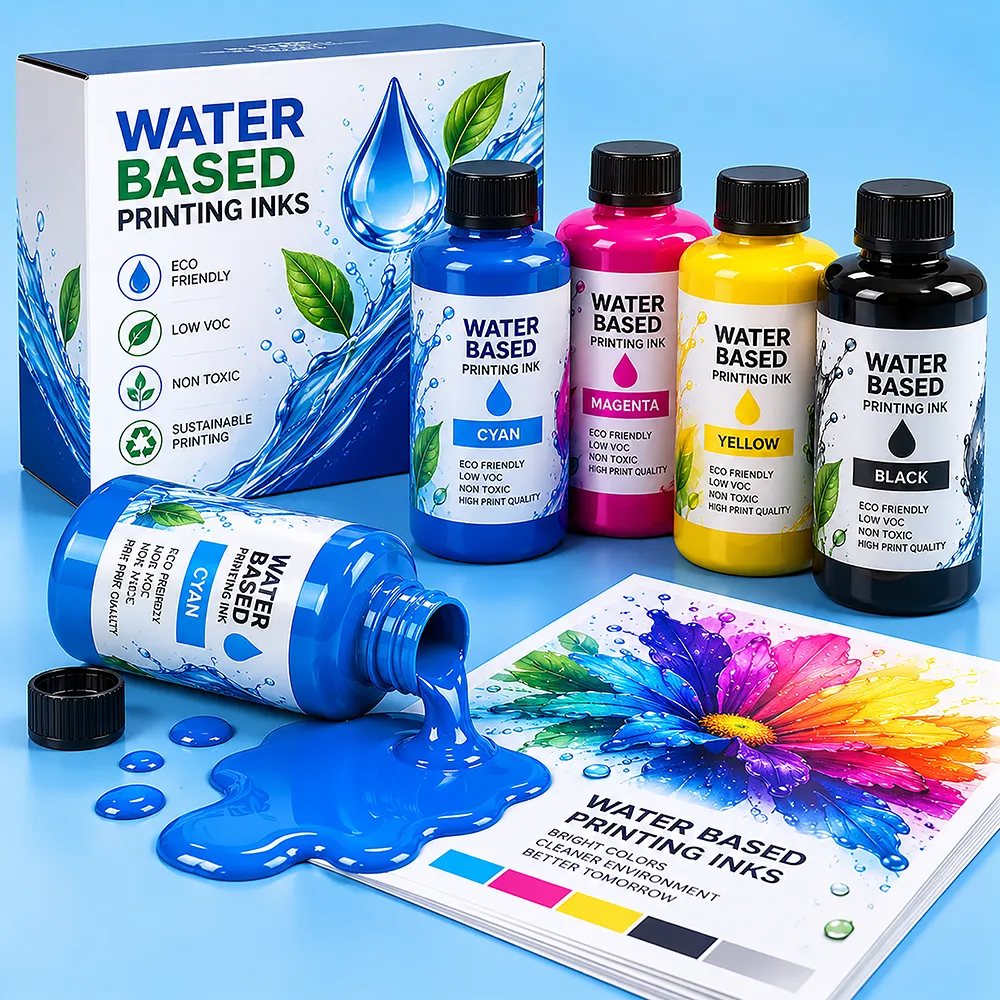
Offset Printing: Suitable for detailed images, full-color branding, and repeated printed-carton production runs. Digital Printing: Useful for selected smaller quantities or changing artwork versions, subject to material and finishing compatibility. Flexographic Printing: Suitable for certain scalable packaging applications and compatible substrates, particularly where the selected production process supports it. The final printing method should be selected according to the packaging structure and approved production specifications.

CMYK and Pantone/PMS Printing

CMYK supports full-color product illustrations, cocoa-themed branding, and decorative graphics. Pantone/PMS specifications may help communicate target colors for different chocolate milk product lines where supported. Final printed colors depend on the material, ink, coating, and production process. Exact color matching should not be assumed without suitable proofing.

Finishing Options for Secondary Packaging

Depending on the structure and material, available decorative options may include:
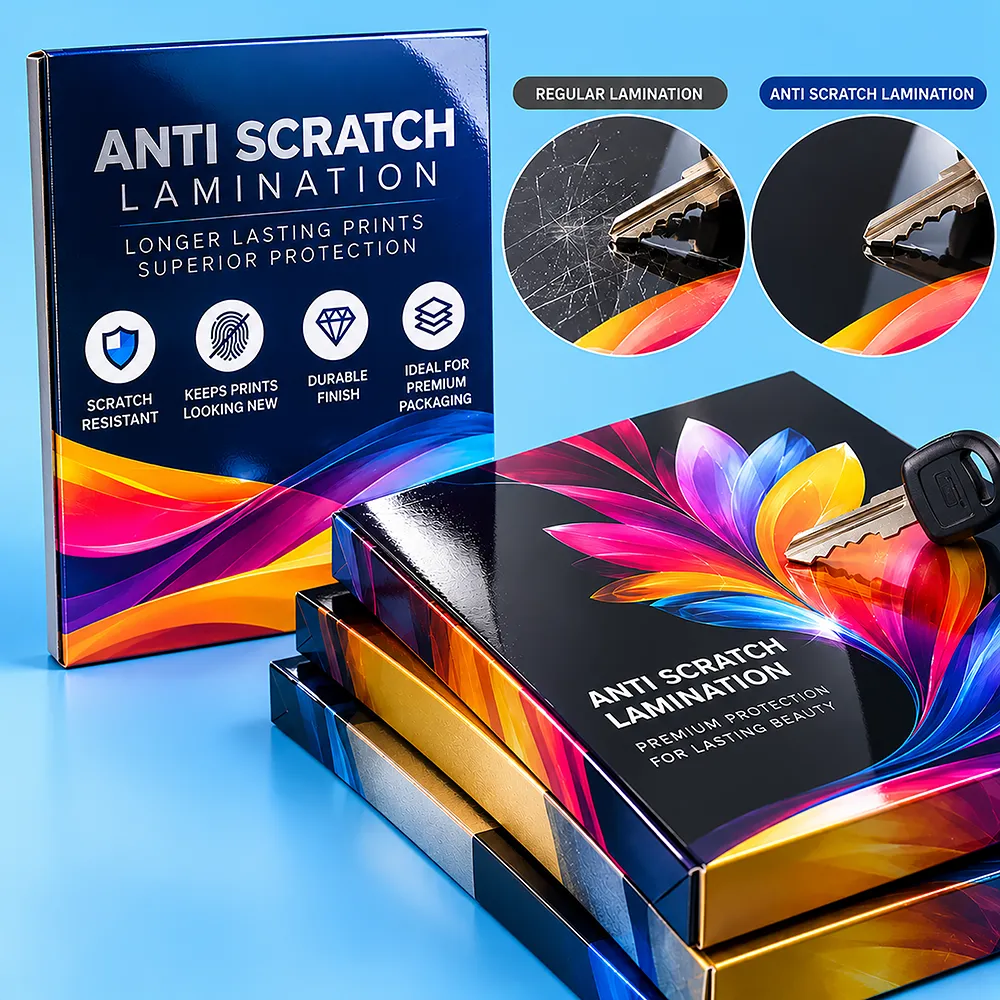
  • Matte Lamination: A subdued appearance for compatible retail cartons.
  • Gloss Lamination: A reflective surface for colorful branding.
  • Soft-Touch Finish: A tactile option for selected promotional cartons.
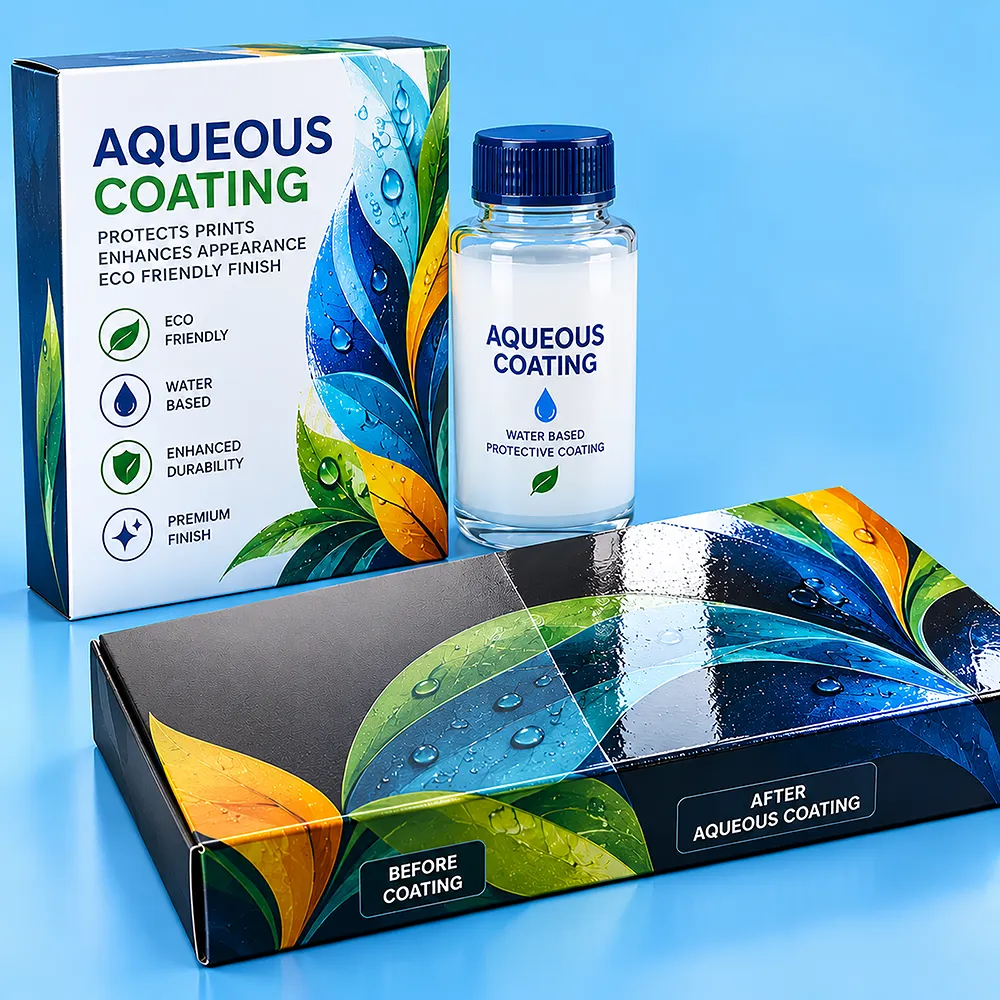
  • Aqueous Coating: A compatible printed-surface finish where appropriate.
  • Foil Stamping: Decorative branding for specialty or promotional packaging.
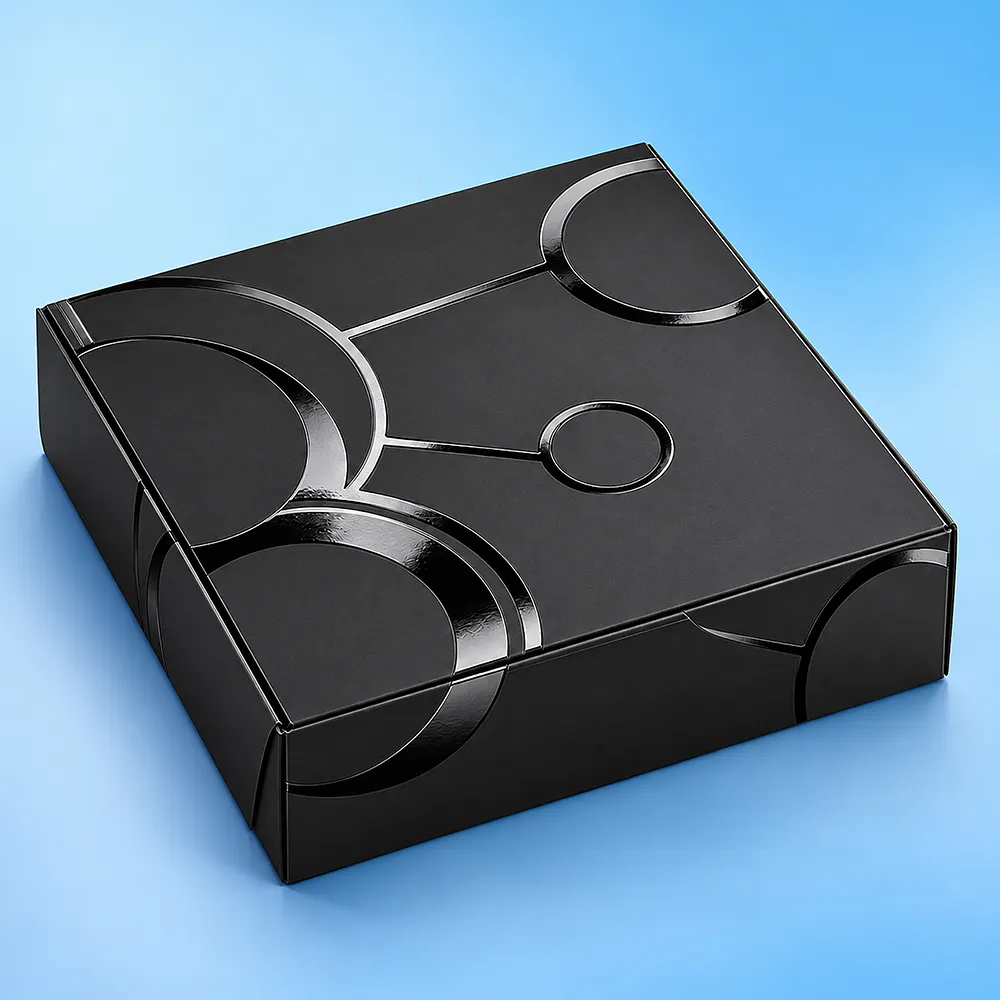
  • Embossing and Debossing: Raised or recessed design effects on suitable panels.
  • Spot UV: Selective gloss contrast on compatible printed surfaces.
These finishing options apply to suitable printed secondary packaging. They should not be assumed compatible with direct-liquid-contact beverage cartons, sealing areas, or filling equipment.

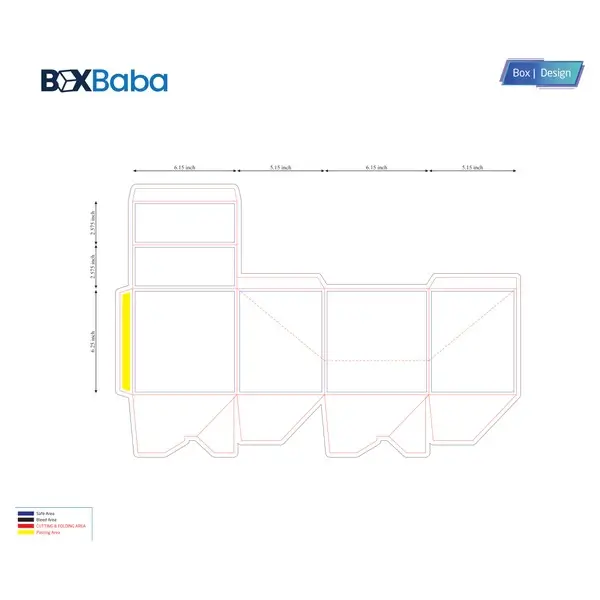
Artwork and Dieline Requirements

Artwork should follow the approved packaging dieline. Important considerations include:
  • Front, back, side, and top printing areas
  • Folding and glue zones
  • Product orientation within the package
  • Container visibility and window placement
  • Barcode and SKU locations
  • Approved product information
  • Finishing placement
  • Required bleed and safe margins
Different container sizes and pack quantities may require separate structural dielines. BoxBaba provides artwork assistance, custom dielines, and 3D mockups for compatible packaging projects.

Chocolate Milk Packaging Labels and Product Information

Chocolate milk brands may need to display product information on their sealed primary containers and, where applicable, on outer retail packaging. The required information depends on the product, packaging format, sales channel, and applicable market rules.

Nutrition and Ingredient Information

Space may be needed for buyer-approved:
  • Product name and chocolate flavor
  • Net quantity
  • Nutrition Facts
  • Ingredients
  • Milk and other applicable allergen declarations
  • Manufacturer or distributor information
  • Barcodes and product identifiers
  • Lot or batch information
  • Storage instructions and date coding where required
Milk is a major food allergen in the United States, and applicable allergen-labeling requirements should be reviewed by the beverage manufacturer.

Labeling for Multipacks

If a multipack uses a printed outer carton, the brand should determine which information must appear on that outer package. The labeling needs of an individually sold beverage unit may differ from those of a multi-unit retail pack. BoxBaba can allocate printable panel space according to approved artwork, but the beverage brand remains responsible for verifying the accuracy and regulatory suitability of its labeling.

Chocolate Milk Boxes Wholesale — MOQ, Pricing, and Ordering

BoxBaba supplies custom printed secondary packaging for dairy brands, beverage businesses, private-label companies, retailers, and promotional product programs. The standard minimum order quantity for custom boxes generally starts from 100 units, with the final minimum established according to the approved project.

What Affects Wholesale Chocolate Milk Box Pricing?

Pricing depends on:
  • Container dimensions and filled weight
  • Single-unit, multipack, display, or shipping structure
  • Material and board thickness
  • Number of beverage units per package
  • Insert and divider requirements
  • Printing method and artwork complexity
  • Decorative finishing options
  • Total quantity and number of printed versions
  • Sampling and tooling requirements
Packaging for several different bottle or carton sizes may require separate dimensions or dielines.

Samples and Proof Approval

BoxBaba offers free stock samples upon request. Customers initially pay the sample shipping charges, which are reimbursed with the first bulk order. Custom-printed samples are quoted separately, and their shipping charges are also reimbursable with the first bulk order. Before production, review the approved dimensions, materials, finished-container fit, printed artwork, and any internal support components. For projects involving unusual container shapes, heavy multipacks, or demanding storage conditions, discuss whether a production-representative physical sample is appropriate.

Production Time and Free USA Shipping

BoxBaba standard production turnaround is typically 5–9 business days after final artwork, proof, and required specifications are approved for qualifying standard packaging projects. Special materials, complex structures, additional sampling, or other technical requirements may affect production timing. Free shipping is available across the USA for custom packaging orders. Carrier transit time is separate from production. Specialized liquid-contact beverage-carton projects, where available, would require separate feasibility, quantity, testing, and timing confirmation rather than automatically using these standard printed-box terms.

What to Include in Your Chocolate Milk Packaging Quote Request

For an accurate quotation, provide:
  1. The finished beverage container type
  2. Fill volume and actual external container dimensions
  3. Filled weight and closure details
  4. Single-unit or multipack quantity
  5. Preferred retail, carrier, display, or shipping structure
  6. Material and insert requirements
  7. Printing specifications and artwork versions
  8. Intended storage and distribution conditions
  9. Total quantity and quantity per SKU
  10. Delivery destination and required timeline
If the project requires a liquid-contact carton, also provide the filling process, required barrier and seal specifications, container drawings, filling-equipment details, and any required technical or compliance documentation.

Why Choose BoxBaba for Custom Chocolate Milk Boxes?

BoxBaba offers made-to-order secondary packaging for sealed chocolate milk bottles and cartons, with customized dimensions, printed branding, compatible structural features, and wholesale ordering support. Our services include dieline assistance, 3D mockups, artwork support, and sample options for qualifying custom packaging projects. With standard custom-box minimums starting from 100 units, published production estimates, and free USA shipping, BoxBaba helps beverage brands plan printed cartons, multipack packaging, retail displays, and shipping boxes around their finished products.

Request Your Custom Chocolate Milk Boxes Quote

Create printed chocolate milk packaging designed around your sealed beverage containers, retail presentation, and distribution requirements. BoxBaba offers custom secondary cartons, multipack structures, compatible inserts, branded printing, and wholesale packaging solutions for dairy and beverage businesses. Request your Custom Chocolate Milk Boxes quote today. Phone: +1 305 574 4357 Email: sales@boxbaba.com

Frequently Asked Questions

Find all the urgent questions you may have.

Custom Chocolate Milk Boxes are made-to-order packaging solutions for chocolate milk products. They may include printed secondary cartons, multipack carriers, displays, and shipping boxes designed around already sealed beverage containers.
Standard printed secondary packaging does not hold liquid chocolate milk directly. Primary liquid-contact beverage cartons need specialized materials, seals, and filling-line compatibility. The availability and suitability of those structures must be confirmed separately in writing.
Custom secondary boxes can be designed around sealed containers with these fill volumes. Actual dimensions must be based on the finished bottle or carton, because liquid volume alone does not determine packaging size.
Gable-top describes a carton shape commonly associated with refrigerated dairy packaging. Aseptic packaging is a specialized product and filling system designed for appropriately processed beverages. The two terms describe different characteristics and should not be treated as interchangeable.
Secondary packaging can be planned around refrigerated products, but material performance under the intended storage and condensation conditions must be evaluated. Standard decorative paperboard is not automatically moisture-resistant.
Compatible multipack cartons, carriers, paperboard partitions, and corrugated dividers can be considered based on the finished container dimensions, pack quantity, and total weight.
For suitable secondary packaging, BoxBaba offers offset, digital, and compatible flexographic printing, CMYK and supported PMS specifications, plus finishes such as matte, gloss, soft-touch, foil, embossing, debossing, and spot UV.
Materials that directly contact milk must be suitable for their intended food-contact use. Ordinary secondary printed boxes do not automatically qualify as liquid-contact packaging. Any specific regulatory or certification requirement must be confirmed for the individual project.
BoxBaba standard custom-box MOQ generally starts from 100 units. Free stock samples are available, with initial shipping charges reimbursed on the first bulk order. Custom-printed samples are quoted separately. Specialized primary beverage cartons may have different requirements.
Standard qualifying custom-box production typically takes 5–9 business days after final approval. Complex projects may require more time. BoxBaba offers free USA shipping for custom packaging orders, with transit time separate from production.

Get a Custom Quote