






Sale!

Free Shipping

On All Orders

No Setup Charges

On Bulk Orders

Free Design Support

From Our Experts

100% Secure Payment

Safe & Encrypted

Bakery Box Sleeves

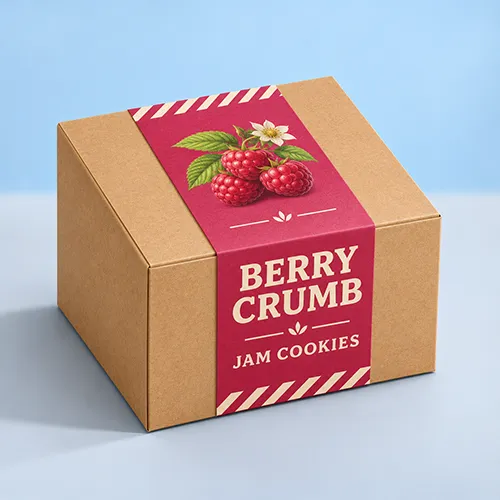
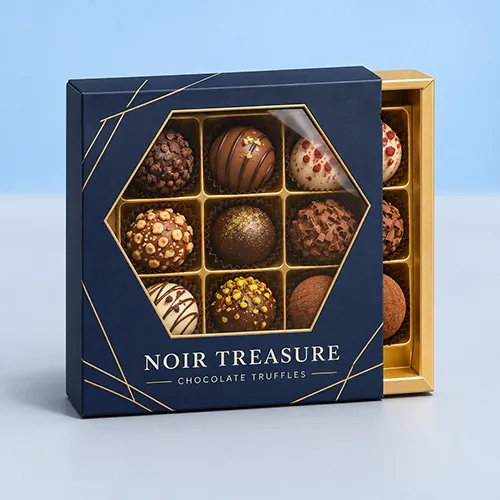
Custom Bakery Box Sleeves are printed paperboard outer wraps designed to fit around existing pastry, cookie, donut, cake, and dessert cartons. They add a branded surface for bakery logos, product names, seasonal designs, and retail information while the underlying box continues to contain the baked goods. BoxBaba develops custom bakery packaging for U.S. bakeries, pastry shops, cafés, dessert brands, retailers, and wholesale buyers. Our Bakery Box Sleeves can be customized by dimensions, sleeve width, paperboard material, printing, and compatible finishes. Each design is developed around the completed bakery carton, taking account of lid overhang, hinges, viewing windows, carrying features, and the intended application method. Standard orders are typically completed and delivered within approximately 5–9 business days after final artwork and order approval. This generally includes 3–5 business days for production and 2–4 business days for transit. Timelines may vary depending on order specifications, quantity and destination.
Availability: In stock
From Original price was: $1.21.Current price is: $0.33.
Per unit

Why Choose BoxBaba for Bakery Box Sleeves

Custom Bakery Box Sleeves for Branded Bakery Packaging

Custom bakery box sleeves enhance bakery packaging with printed logos, tailored sizes, attractive finishes, and branded designs for cakes, pastries, cookies, and retail presentation.

What We Give

Create Custom Boxes Quick and Easy

Quote & Design Support

Share your packaging requirements, get a competitive quote, and receive free design assistance from our team.

Artwork & Printing

Finalize your artwork, printing options, and finishes the way you want with help from our design team.

Production & Delivery

Once your artwork is approved, we’ll produce and deliver your custom boxes within an estimated 5–9 business days.

Related Products

In Stock
In Stock
In Stock

How Bakery Box Sleeves Work

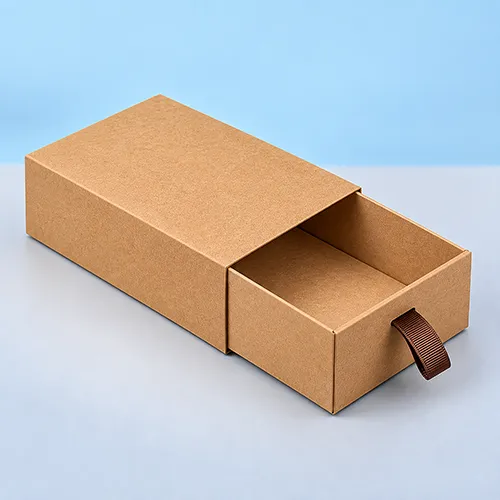
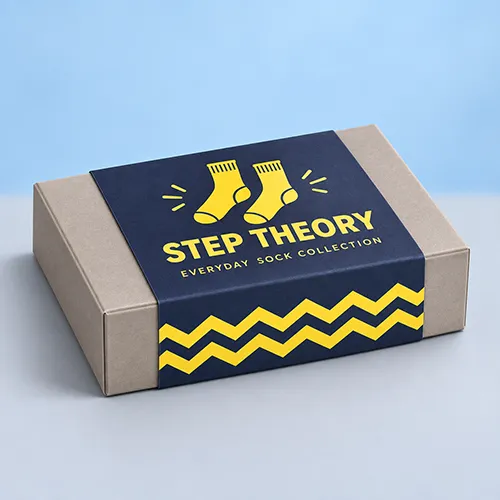
Bakery Box Sleeves fit around selected exterior surfaces of an existing bakery carton. The outer sleeve carries printed branding, while the bakery box provides the product-holding structure, lid, and any required internal supports. Depending on the approved construction, the sleeve may slide over the assembled box or be wrapped around it using a suitable joining method.

Bakery Box Sleeves for Existing Cartons

Bakery businesses may use the same suitable plain carton for several product collections and apply different printed sleeves to identify the contents. For example, a pastry shop might use one compatible box format for multiple pastry assortments and different sleeve artwork for each collection. This arrangement can support consistent branding without requiring a separate fully printed carton for every design. However, the completed boxes must have compatible exterior dimensions, opening methods, and wrapping requirements. The sleeve should be developed around the actual carton rather than assumed to fit any box with a similar stated size.

What Is Included in a Bakery Box Sleeve Order?

A standard sleeve-only order includes the specified printed paperboard outer component. The bakery box, cake board, food liner, pastry tray, and internal inserts are separate unless expressly included in the approved quotation. The final quotation should define the material, dimensions, printing, finishes, joining method, quantity, and number of artwork versions.

Bakery Box Sleeves vs. Complete Bakery Boxes

A Bakery Box Sleeve provides an additional exterior presentation surface. A complete bakery box provides the primary carton structure used to hold and present the baked goods. A sleeve does not automatically replace the carton lid, food-contact lining, internal inserts, or required shipping packaging. For complete packaging styles, explore our Custom Bakery Boxes. For other outer-sleeve packaging options, browse our Custom Sleeve Boxes category.

Bakery Sleeves vs. Belly Bands

A bakery sleeve can provide broader printed coverage across the chosen carton panels. A belly band generally uses a narrower strip and leaves more of the underlying box exposed. The distinction depends on actual coverage and construction rather than the product name alone. For narrow-wrap applications, review our Belly Band Sleeves.

Custom Bakery Box Sleeve Sizes and Fit

Correct sizing begins with the completed bakery carton, not only the pastries or desserts inside it. Different bakery boxes can have similar nominal dimensions but different lid overhangs, folds, hinges, windows, and opening features. These details influence the sleeve’s fit and removal.

How to Measure Bakery Boxes for Custom Sleeves

Begin with the actual bakery box fully assembled and closed. Measure its finished exterior length, width, and height. Include any projecting lid edges or other features along the intended wrapping path. Identify the desired sleeve width, position, and application direction. The sizing process is: Completed Bakery Carton → Lid, Window, and Handle Features → Sleeve Coverage → Wrapping Direction → Fold and Seam Allowances → Physical Fit → Approved Dieline If the carton is used with internal inserts, cake boards, or dividers, confirm that it maintains its intended exterior shape when packed. The final sleeve dimensions should account for the selected paperboard, folds, joining seam, and application requirements.

Bakery Sleeves for Hinged-Lid Boxes

Hinged-lid pastry, cookie, and donut boxes usually open along an attached fold or hinge. A sleeve that crosses the opening may need to be removed before the lid can be lifted. Closure tabs, raised lid edges, and other projecting details can also affect the outer wrap. The sleeve should be positioned so it does not unintentionally interfere with the carton’s normal closure.

Bakery Sleeves for Lid-and-Base Boxes

Some bakery and dessert cartons use separate lids and bases. A projecting lid can make the completed package wider or longer at the top than at the base. The sleeve must be sized around the actual exterior surfaces it covers, including the lid overhang. If the sleeve crosses both components, it will generally need to be removed before the lid can be lifted. For complete pastry carton options, explore our Pastry Boxes.

Sleeves for Tall Cake and Dessert Boxes

Tall cake boxes may require a different sleeve application method from shallow cookie cartons. The box height, lid shape, handling requirements, and presence of decorative contents can influence whether a slide-on sleeve is practical. For sensitive or tall packages, an approved wrap-around construction may be worth considering instead of forcing a closely fitted sleeve over the carton. The appropriate design should be evaluated with the actual completed bakery box. A printed outer sleeve should not be assumed to support the weight of a cake or protect delicate decorations during transit.

Sleeve Width, Coverage, and Orientation

The sleeve width determines how much of the original bakery carton remains visible. A narrower sleeve may provide enough room for a bakery logo and product name. A wider sleeve can accommodate larger graphics, flavor information, and seasonal designs. The sleeve should be oriented around the carton so that important artwork is visible in its intended retail position. Its coverage should also account for handles, opening tabs, and any viewing windows that must remain accessible.

Sleeve Fit and Removal

The sleeve should fit without excessive pressure or unwanted looseness. A tight sleeve may be difficult to apply or remove and could distort a lightweight carton. A loose sleeve may rotate or shift while the package is handled. Paperboard thickness, fold geometry, seam placement, coatings, and the carton surface all affect the fit. There is no universal clearance appropriate for every bakery carton. A physical structural sample can help assess whether the sleeve works with the intended packaging workflow before bulk production.

Bakery Box Sleeves for Window Bakery Boxes

Bakery cartons with transparent windows allow the contents to remain visible while the box is closed. A printed outer sleeve must be positioned with that viewing area in mind.

Keeping the Bakery Window Visible

For an existing window bakery carton, determine which portion of the transparent panel should remain visible. The sleeve can then be designed around a suitable width and position that preserves the intended view. If a broad printed sleeve would cover too much of the window, a narrower sleeve may be more appropriate. Window visibility should be evaluated with the sleeve applied to the actual closed carton, not only in a flat artwork mockup. For complete bakery cartons with viewing windows, explore our Window Bakery Boxes.

Window Openings in the Sleeve Itself

A bakery sleeve with its own die-cut viewing opening is a different construction from an ordinary solid printed sleeve. Such a design requires separate consideration of window position, remaining paperboard around the opening, alignment with the underlying carton, and any transparent film requirements. It should only be selected when the relevant window-sleeve construction has been reviewed and approved. An open cutout does not create a food-contact barrier or sealed viewing window.

Bakery Box Sleeves for Different Bakery Products

Bakery Box Sleeves may be developed for different product categories when their completed cartons and handling requirements are appropriate.

Pastry Box Sleeves

Pastry cartons may contain croissants, Danish pastries, assorted baked goods, or retail dessert collections. A printed sleeve can display the bakery’s logo, product assortment, and seasonal graphics. The design should account for the actual closed pastry-box dimensions and the location of the lid opening.

Cookie Box Sleeves

Cookie boxes may use outer sleeves to identify flavors, assorted collections, and promotional sets. If several cookie varieties use the same completed box dimensions, different printed sleeve designs may share a suitable structural layout. However, a different cookie count or arrangement may require a different carton, which would need a separate sleeve-fit check.

Donut Box Sleeves

Donut cartons may use branded sleeves for assorted flavors, gift collections, or promotional packaging. A sleeve should be designed around the completed donut box, including any hinged lid and transparent viewing area. For full donut packaging structures, explore our Donut Boxes.

Cake and Dessert Carton Sleeves

A printed sleeve can be considered for suitable cake and dessert cartons where its application does not disturb the enclosed product. The carton height, lid position, box strength, and handling method should be reviewed before selecting the sleeve configuration. The underlying bakery carton and any internal supports remain responsible for holding the product.

Bakery Gift and Seasonal Collections

Different printed sleeves may be used for holiday assortments, gift sets, and promotional bakery collections when the same compatible carton structure is retained. The artwork can change while the physical sleeve specification remains common, provided all relevant dimensions and assembly requirements match. Each artwork version should still receive its own approval.

Can One Bakery Sleeve Fit Multiple Product Lines?

A shared sleeve structure may be suitable for multiple bakery products when their completed cartons have compatible outside dimensions and application requirements. For example, a bakery may use one carton format for several cookie or pastry collections. The physical sleeve can then be developed around that common carton, while printed artwork identifies each product line. However, boxes described by the same nominal size may differ in lid overhang, material thickness, window position, or closure details. Before approving one common dieline, compare the finished cartons used for every relevant product. The recommended process is: Confirm Common Carton Specifications → Approve Sleeve Fit → Prepare Individual Artwork → Confirm Quantity per SKU This approach helps identify size differences before bulk production rather than assuming that one sleeve automatically fits every bakery assortment.

Bakery Packaging, Food Contact, and Handling

Bakery Box Sleeves are primarily secondary packaging components used around suitable existing bakery cartons. Their material and handling requirements should be evaluated separately from those of the primary food package.

Secondary Packaging vs. Direct Food Contact

The standard packaging relationship is: Baked Goods → Suitable Bakery Carton or Primary Package → Printed Outer Sleeve The underlying package provides the food-contact and product-holding functions required for the baked goods. A printed outer sleeve should not automatically be considered suitable for direct contact with unwrapped pastries or desserts. If direct contact is required, the paperboard, inks, coatings, adhesives, and intended use conditions need a separate material review.

Grease, Moisture, and Refrigeration

Bakery packages can encounter grease, frosting residue, humidity, and condensation. A sleeve fitted around a dry retail cookie box may require different materials from one used on a chilled dessert carton. Temperature changes and moisture may influence paperboard stiffness, printing, fold appearance, and adhesive performance. A decorative paperboard sleeve should not automatically be described as grease-resistant, moistureproof, or suitable for every refrigerated application. The intended storage and handling conditions should be included in the quotation requirements.

Lid Security and Product Protection

A sleeve that crosses the opening of a bakery box may affect how that box is opened. However, an ordinary sleeve is not automatically a secure closure or tamper-evident feature. Likewise, its presence does not establish protection against impacts, stacking pressure, or damage during parcel delivery. Any required closure-retention or transit-protection function must be specified and evaluated separately.

Printed Bakery Product Information

A bakery sleeve may provide space for logos, product names, ingredients, allergens, net quantity, barcodes, and other approved retail details. The usable printed area depends on the sleeve width and how the panels appear after assembly. Required information should not be concealed by the joining seam, folds, or underlying carton features. The bakery business is responsible for providing and approving accurate product information for its intended market.

Material Options for Bakery Box Sleeves

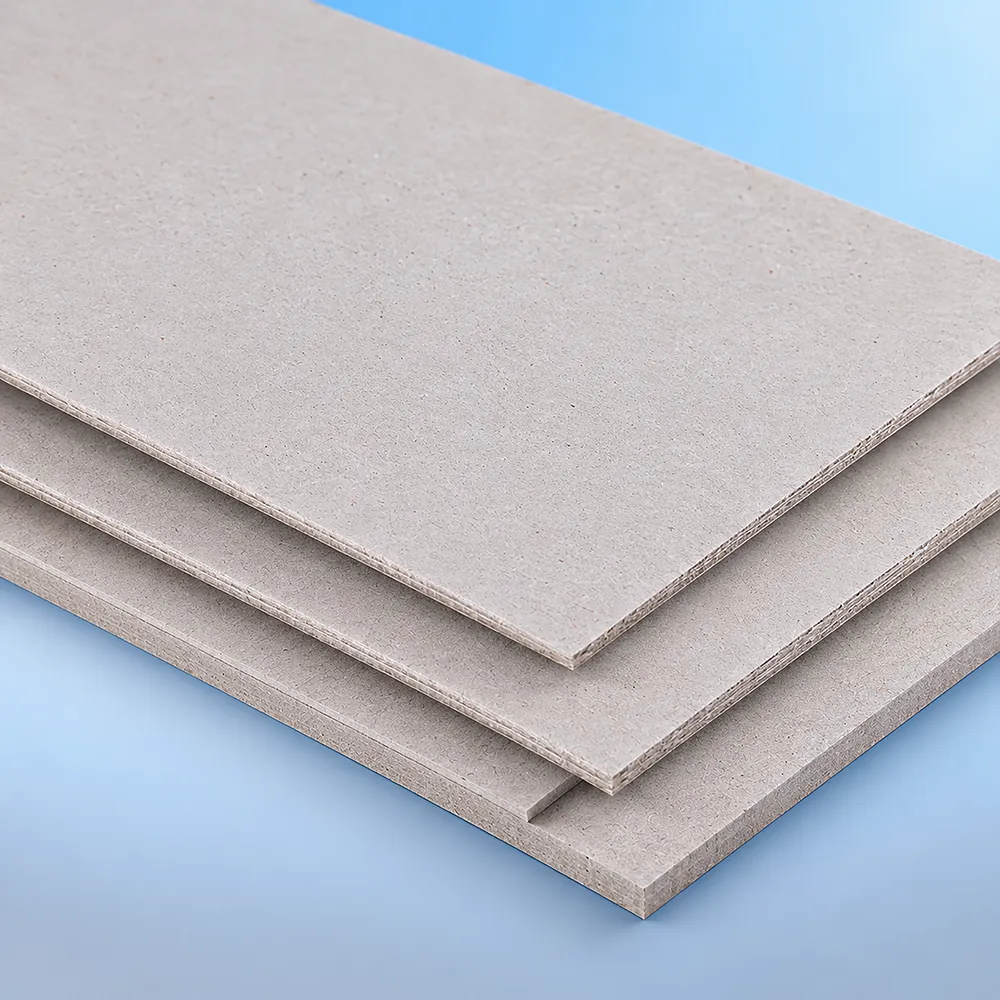
The chosen paperboard affects print quality, stiffness, fold performance, seam construction, and fit around the completed bakery carton. Material selection should reflect the actual application and handling conditions.

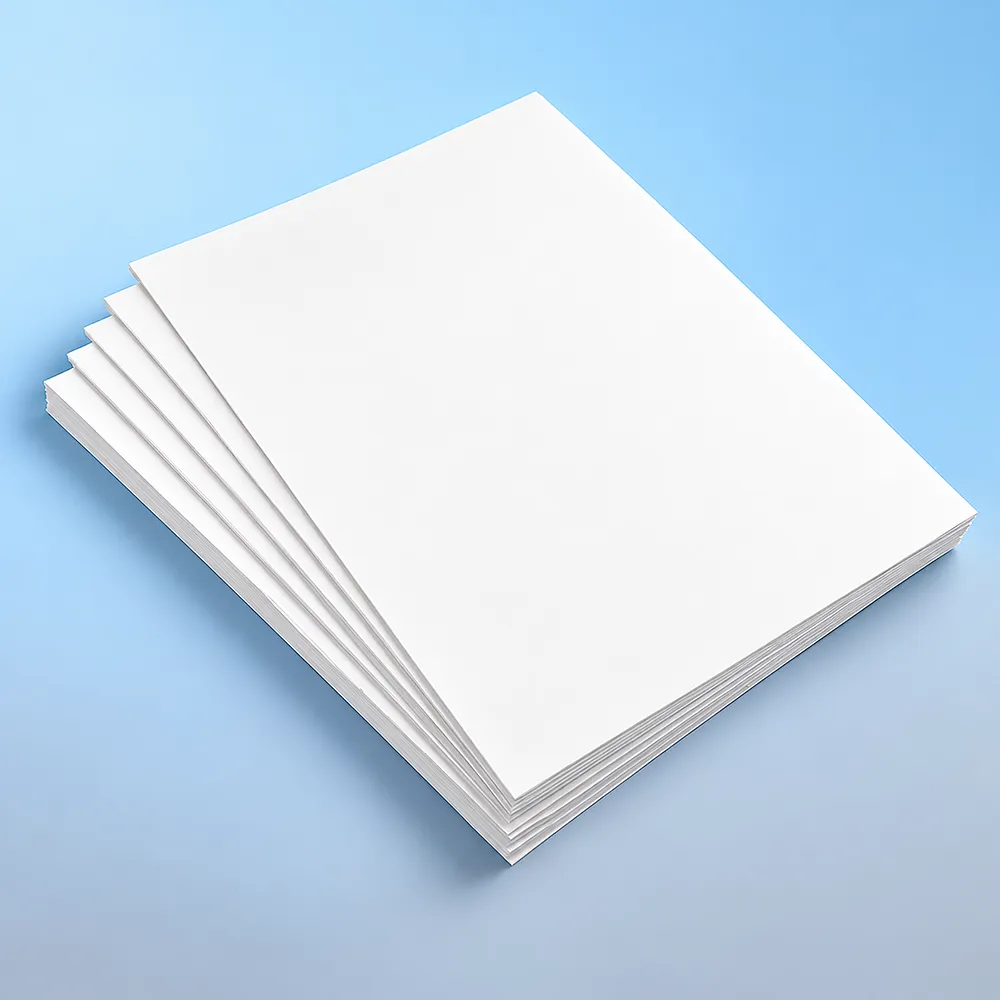
White Paperboard and SBS

Suitable white paperboard, including SBS grades, can provide a bright surface for logos, product photographs, illustrations, and detailed graphics. It may be suitable when the bakery wants strong printed contrast or a multicolor brand presentation. The stock should also support the required folds, seam, and sleeve application. A heavier board is not automatically better for every bakery carton.

Kraft Paperboard

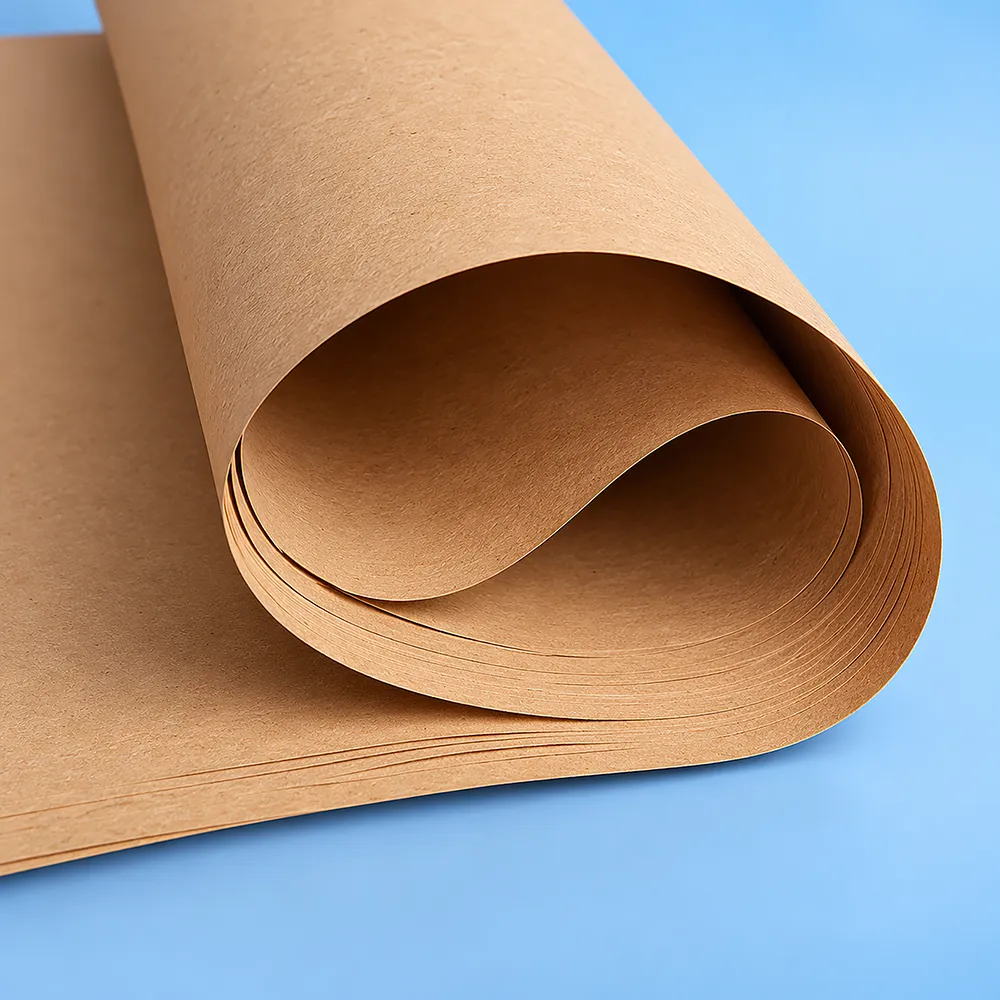
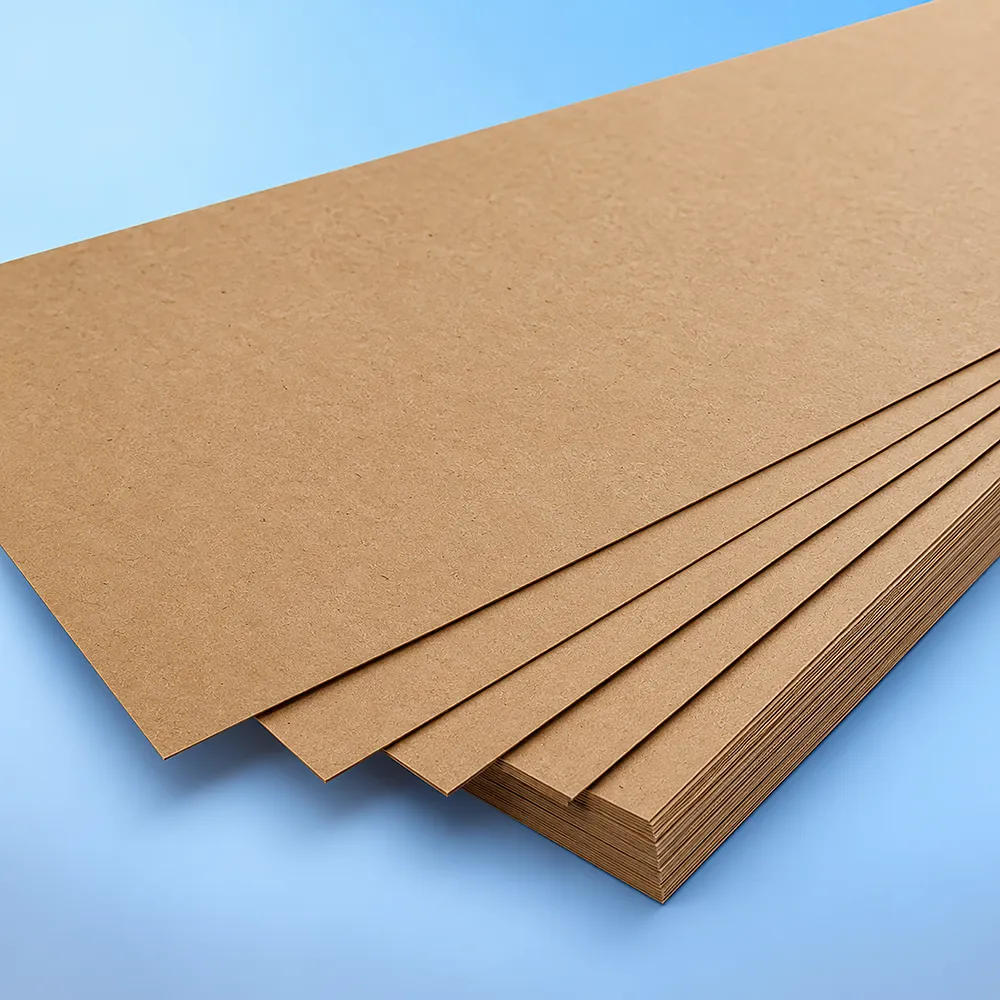
Kraft paperboard provides a natural brown surface for suitable bakery sleeve designs. It may work well with simple printed graphics, darker ink colors, and branding that incorporates the Kraft appearance. Printed colors can differ from those produced on white paperboard. For related Kraft constructions, explore our Kraft Sleeve Boxes. A natural brown appearance alone does not establish recycled content, biodegradability, food-contact suitability, or grease resistance.

Coated and Uncoated Paperboard

Coated stocks may provide a smoother printed appearance. Uncoated or compatible textured stocks can create different visual and tactile results. The surface also influences printing, folding, adhesive bonding, and friction between the sleeve and underlying carton. A decorative coating or lamination should not automatically be treated as a validated grease or moisture barrier.

Material Selection for Bakery Handling

The right material depends on the actual carton dimensions, sleeve coverage, intended printing, and handling environment. A sleeve used around a dry bakery gift box may encounter different conditions from one applied to refrigerated desserts. Where moisture exposure, unusual box geometry, or frequent handling is expected, discuss the application requirements before the final stock is selected.

Printing and Finishing for Bakery Box Sleeves

Custom Bakery Box Sleeve printing allows bakeries to display logos, product descriptions, seasonal graphics, promotional artwork, and approved product information. Printing reproduces the artwork on the selected paperboard. Finishing creates compatible decorative or tactile effects. These processes must be planned around the sleeve’s material, folds, seam, and intended application method.

Printing Methods for Bakery Box Sleeves

Offset printing may be suitable for detailed artwork and larger quantities when the chosen paperboard and production setup support the method. Digital printing may suit selected shorter runs or several seasonal artwork versions, depending on material and finishing compatibility. Flexographic printing may be considered for compatible paper-based substrates and repeat-production applications. The final selection depends on paperboard, quantity per artwork version, graphic complexity, ink coverage, color requirements, finishing, and production constraints. Not every printing process is suitable for every sleeve material or configuration.

CMYK and Pantone/PMS Printing

CMYK is commonly used for multicolor designs, product images, and decorative bakery graphics. Pantone/PMS references may support brand-color planning when the approved printing process permits them. Printed colors can vary according to the paperboard shade, ink, coating, and finishing. A digital proof helps confirm artwork placement and specifications but cannot guarantee exact physical color reproduction.

Finishing Options for Bakery Box Sleeves

Depending on the approved material and construction, compatible finishes may include:
  • Matte: A lower-sheen surface appearance.
  • Gloss: A reflective effect for suitable printed graphics.
  • Soft-touch: A tactile treatment on compatible paperboard.
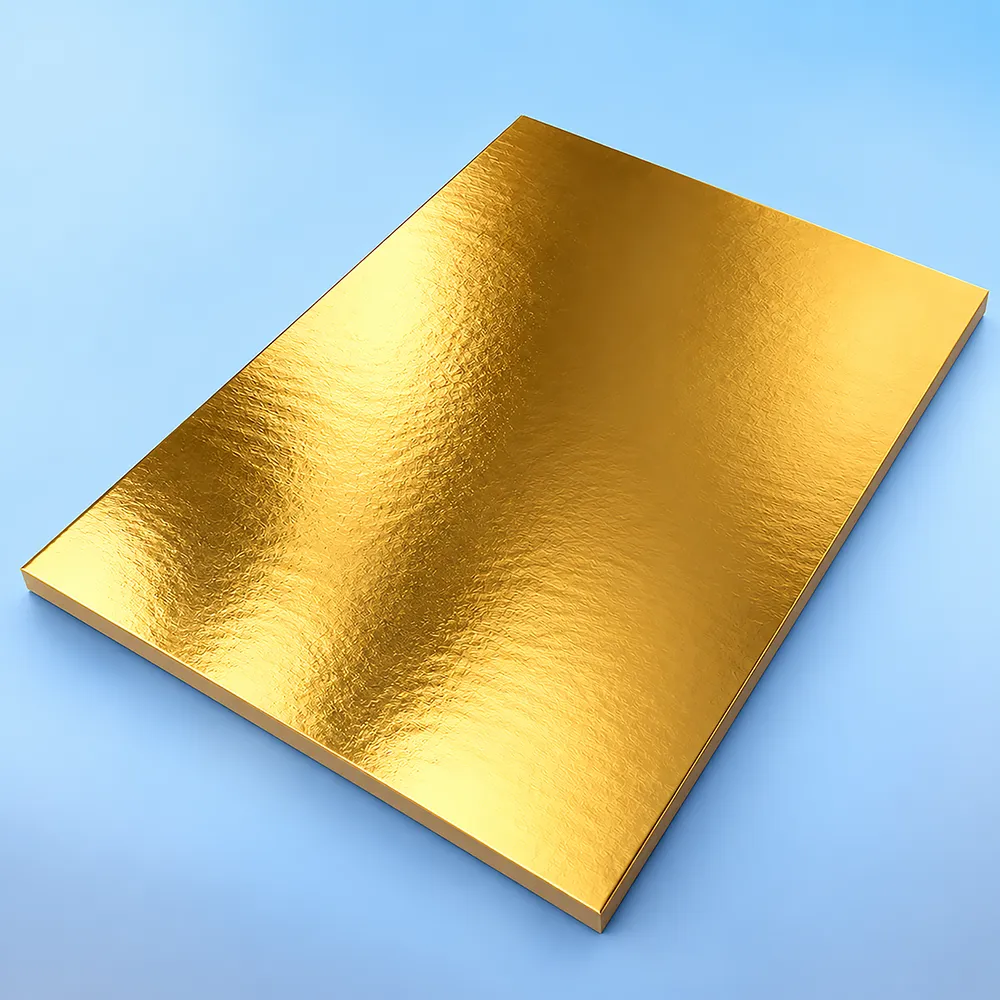
  • Foil stamping: Decorative metallic or specialty brand accents.
  • Embossing: Raised logos or design elements.
  • Debossing: Recessed branding details where suitable.
  • Spot UV: Selective gloss highlights on approved printed areas.
Not every finish works with every material, fold, or bakery handling condition.

Artwork and Finishing Around Folds and Seams

Important logos, product names, barcodes, and other information should remain readable after the sleeve is assembled. Avoid placing critical content across concealed overlaps or sharp folds. Foil stamping, embossing, debossing, and spot UV near tight creases may require adjustment. Coatings or lamination over adhesive areas can influence bonding. Finishes on contact surfaces can also affect how easily a sleeve moves over the underlying carton. Where the bakery box has a viewing window, artwork should be positioned so the intended display remains visible.

Bakery Box Sleeve Dielines and Artwork Preparation

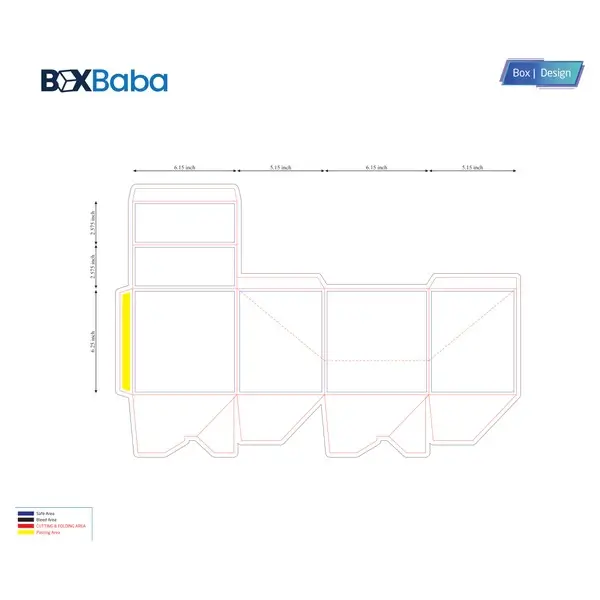
A Bakery Box Sleeve dieline identifies the flat structure used for printing, cutting, folding, and assembly. It shows the panels, cut lines, folds, joining seam, overlap, bleed, and artwork-safe areas. The layout must be designed around the actual completed bakery carton. Before artwork approval, review:
  • Finished carton exterior dimensions and lid overhang
  • Sleeve wrapping direction, width, and position
  • Hinges, tabs, handles, and existing windows
  • Fold positions and joining seam
  • Front, side, and back artwork panels
  • Customer-approved product names, ingredients, allergens, and other retail copy
  • Barcode and QR-code placement, where applicable
  • Selected stock, printing, and finishing
  • Quantity per artwork version
For additional structural guidance, read BoxBaba Dieline in Packaging Guide.

Samples, Proofing, and Wholesale Ordering

Samples and proofs help bakery businesses evaluate whether a proposed sleeve works with the existing carton and intended branding. Different proof types provide different information. Digital Artwork Proof: Helps check graphics, text, dimensions, and placement. 3D Mockup: Helps visualize the sleeve applied to the completed bakery carton. Blank Structural Sample: Can help assess fit, lid clearance, application, removal, seam location, and window visibility. Custom-Printed Sample: Provides a more representative physical reference for the approved stock, printing, finishing, and construction under the agreed sampling specifications. A digital mockup does not independently establish physical fit or material performance.

What Should Be Checked in a Bakery Sleeve Sample?

Evaluate the physical sample on the actual completed carton. Confirm that the sleeve can be applied conveniently, remains in its intended position, and can be removed without interfering with the bakery box’s opening method. Check that the window and handles remain usable, the carton closure is not unintentionally displaced, and the printed information stays visible. For refrigerated or moisture-sensitive applications, discuss appropriate representative handling conditions. These are recommended checks rather than claims that a particular packaging design has already passed testing.

Wholesale Minimum Order Quantity

Eligible BoxBaba custom packaging orders start from 100 units. The confirmed minimum and quotation depend on sleeve dimensions, paperboard, construction, printing, finishing, and artwork quantities. For multiple bakery collections, provide the quantity required for each printed version.

Free Samples and Custom-Printed Samples

Free stock samples are available under BoxBaba’s published sample policy. Customers pay the initial sample shipping charges, which are reimbursed with the first bulk order. Custom-printed samples are quoted separately according to material, printing, finishing, tooling, and production requirements. Shipping charges for custom-printed samples are also reimbursed with the first bulk order under the applicable policy.

Production Time and Free USA Shipping

Standard orders are typically completed and delivered within approximately 5–9 business days after final artwork and order approval. This generally includes 3–5 business days for production and 2–4 business days for transit. Timelines may vary depending on order specifications, quantity and destination. Specialty finishes, multiple artwork versions, sampling, or complex construction requirements may affect the confirmed schedule. Production and carrier transit are separate. BoxBaba provides free shipping across the USA under its Shipping Policy.

Why Choose BoxBaba for Bakery Box Sleeves?

BoxBaba supports custom packaging projects for U.S. bakeries, pastry shops, cafés, dessert brands, retailers, and wholesalers. Our packaging services include custom sizing, artwork and dieline assistance, suitable paperboard options, branded printing, compatible finishes, and applicable sample support. For Bakery Box Sleeves, the project can be planned around the completed bakery carton, its opening features, intended branding, and wholesale order requirements. Standard orders are typically completed and delivered within approximately 5–9 business days after final artwork and order approval. This generally includes 3–5 business days for production and 2–4 business days for transit. Timelines may vary depending on order specifications, quantity and destination.

Request a Custom Bakery Box Sleeves Quote

Need custom Bakery Box Sleeves for pastry cartons, cookie boxes, donut packaging, cake boxes, or seasonal dessert collections? BoxBaba can review your existing bakery-carton dimensions, lid and window features, intended sleeve coverage, material, printing, finishing, and assembly requirements before preparing your wholesale quotation. For accurate pricing, share the completed carton length, width, and height; box style and closure; any window or handle features; preferred sleeve position and wrap direction; artwork files; quantity per SKU; material and finishing preferences; and U.S. delivery destination. Request Your Custom Bakery Box Sleeves Wholesale Quote Today Phone: +1 305 574 4357 Email: sales@boxbaba.com Get custom printed Bakery Box Sleeves developed around your bakery cartons, retail presentation, and practical packing requirements, with artwork assistance and free shipping across the USA.

Packaging Partner for Your Success

At BoxBaba, innovation meets quality. We offer fully customized printed boxes, backed by a team that is responsive, reliable, and effortless to work with.

5000+

Clients Served

2.5M+

Boxes Delivered

98%+

Happy Clients

5+

Years of Trust

Frequently Asked Questions

Find all the urgent questions you may have.

Custom Bakery Box Sleeves are printed paperboard wraps fitted around suitable existing bakery cartons. A sleeve-only quotation covers the specified outer sleeve; the underlying bakery box, tray, liners, and baked goods are separate unless expressly included.
Measure the fully assembled, closed carton's exterior length, width, and height along the intended wrapping path. Include lid overhang, hinges, handles, tabs, and other features that affect sleeve fit.
They may be developed for compatible bakery cartons. The design must account for the lid, hinge, overhang, opening sequence, and sleeve removal. Physical sampling is useful when fit or access is sensitive.
That depends on its width and position. The sleeve can be planned to leave an existing bakery-box viewing window visible. A separate window cutout in the sleeve requires its own approved construction.
A common sleeve structure may work when the completed cartons share compatible exterior dimensions and application requirements. Different carton sizes, lid styles, or window positions may require separate sleeves.
Direct-food-contact suitability is not automatic because the standard sleeve is secondary packaging around a suitable bakery carton. Refrigerated applications require material and joining compatibility to be reviewed against the actual storage and condensation conditions.
Suitable white paperboard, SBS, Kraft paperboard, and compatible coated or uncoated stocks may be considered. Material selection depends on box dimensions, fold geometry, printing, sleeve fit, and handling conditions.
Yes. Offset, digital, or flexographic printing may be suitable, along with CMYK and supported Pantone/PMS workflows. Compatible matte, gloss, soft-touch, foil stamping, embossing, debossing, and spot UV options depend on the selected stock and construction.
Eligible BoxBaba orders start from 100 units. Free stock samples are available under the stated policy, with initial sample shipping charges reimbursed on the first bulk order. Custom-printed samples are quoted separately.
Our standard turnaround time is approximately 5–9 business days after final artwork and order approval, including 3–5 business days for production and 2–4 business days for shipping. Box structures, inserts, finishes, quantities, and multiple artwork versions may affect the final timeline.