








Sale!

Free Shipping

On All Orders

No Setup Charges

On Bulk Orders

Free Design Support

From Our Experts

100% Secure Payment

Safe & Encrypted

Tray and Sleeve Foundation Boxes

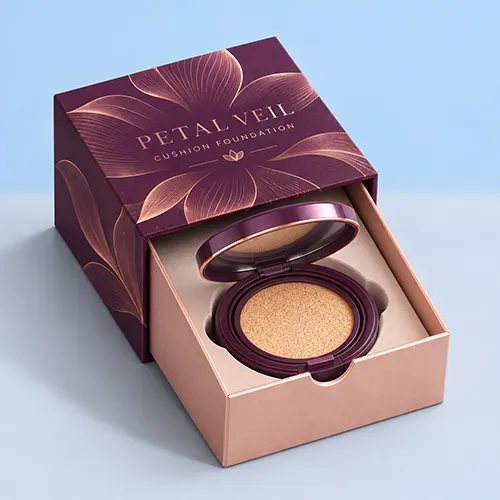
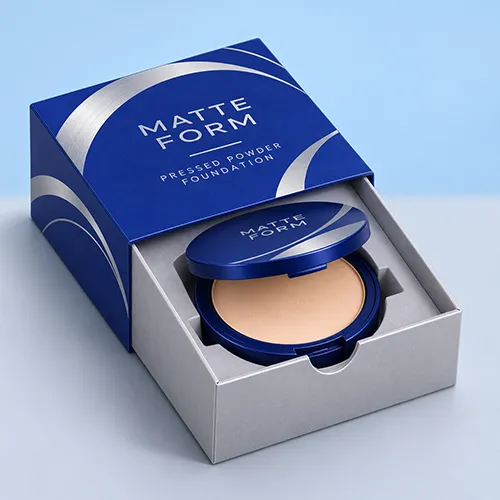
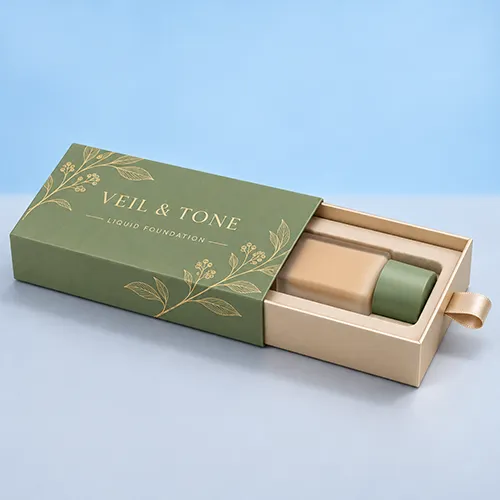
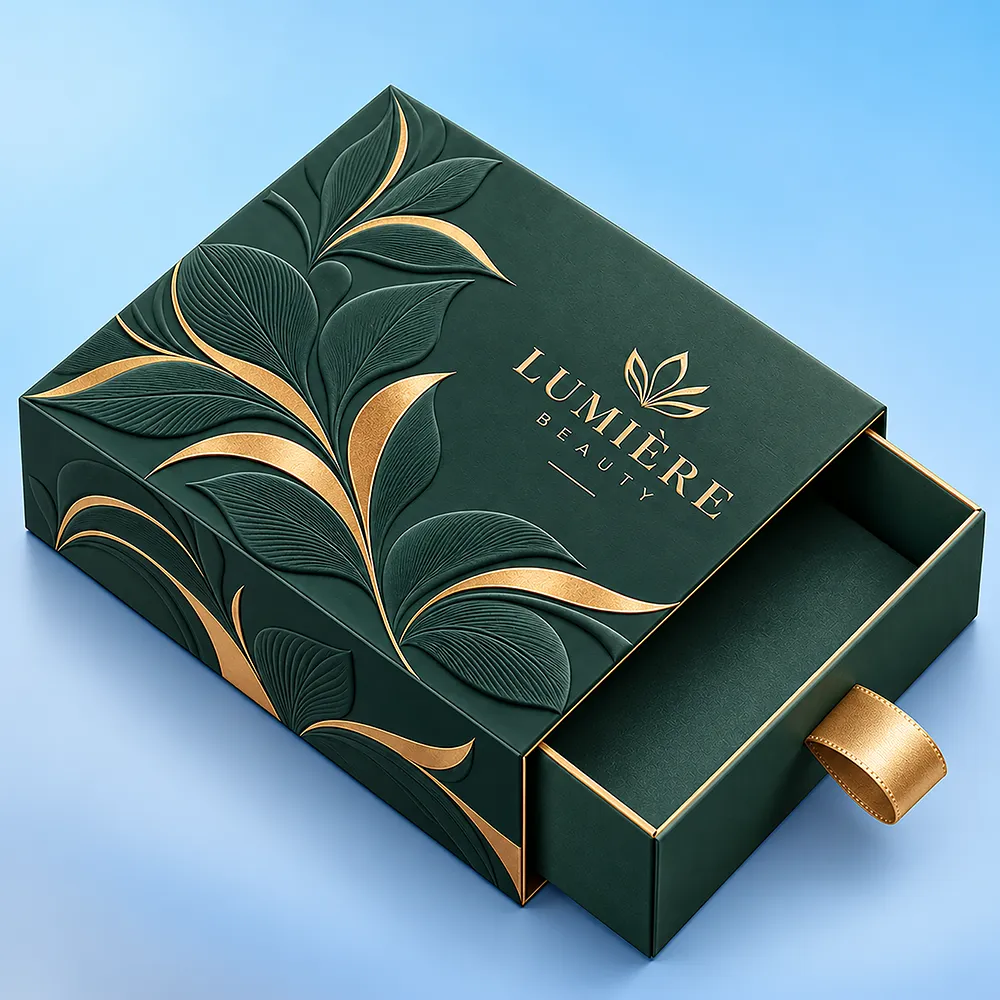
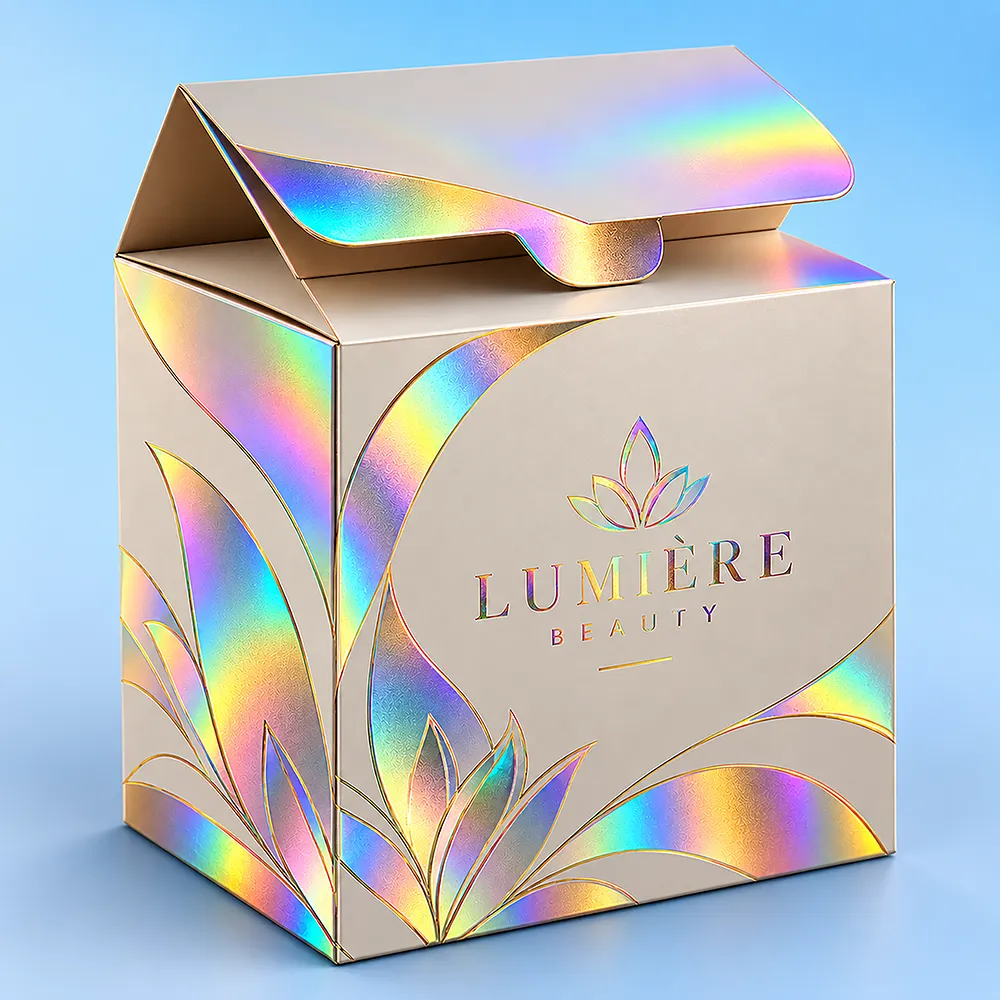
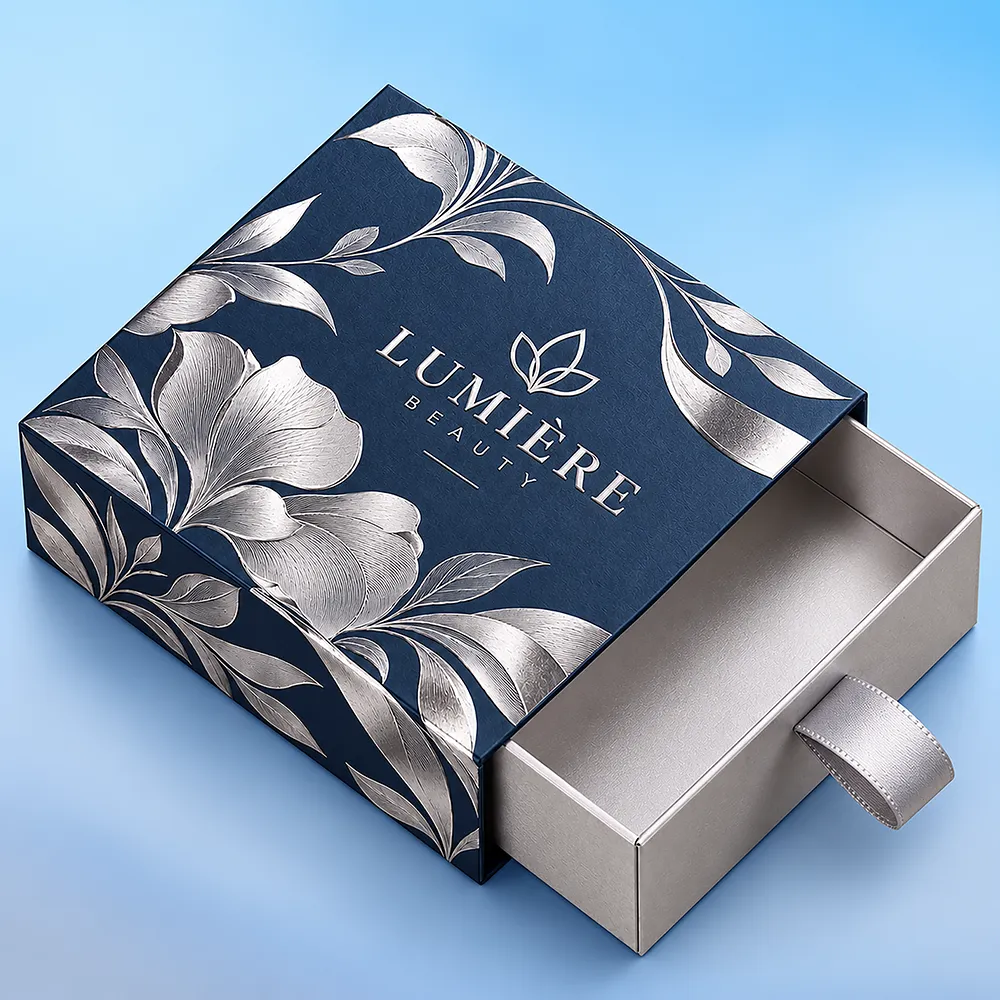
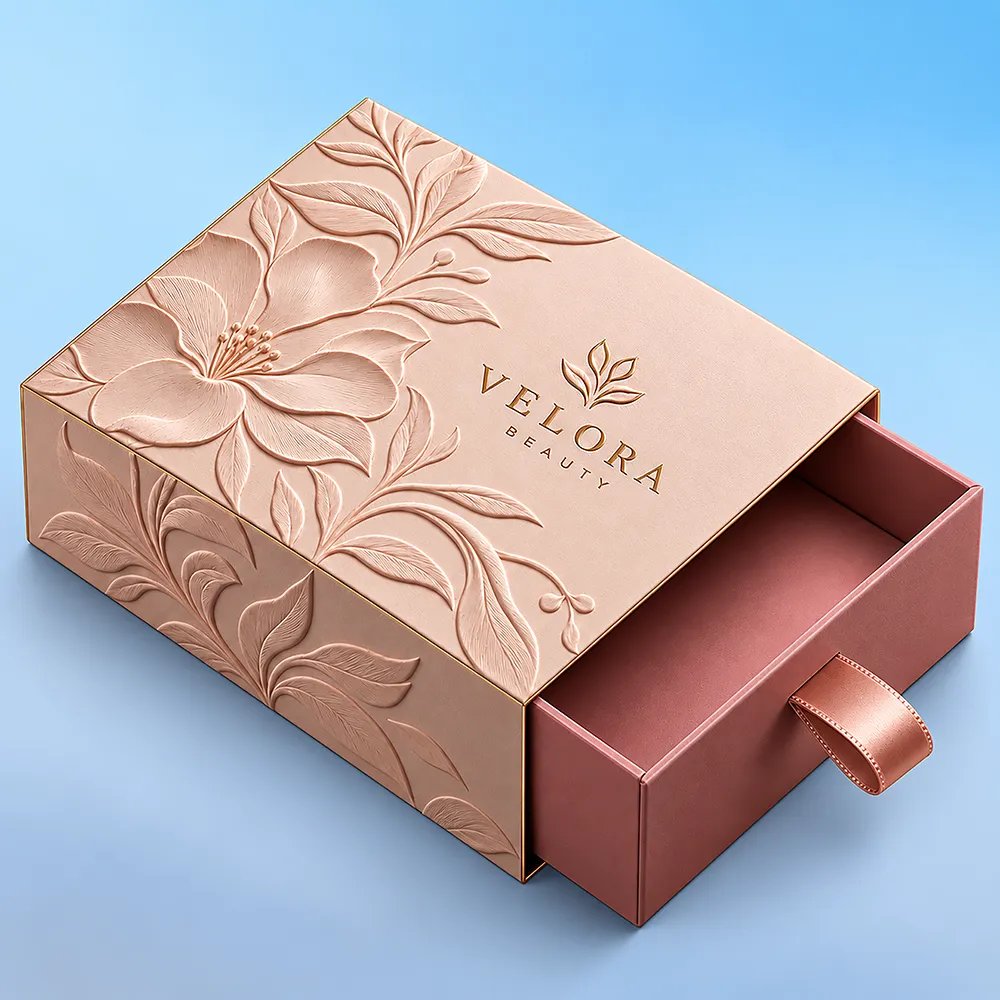
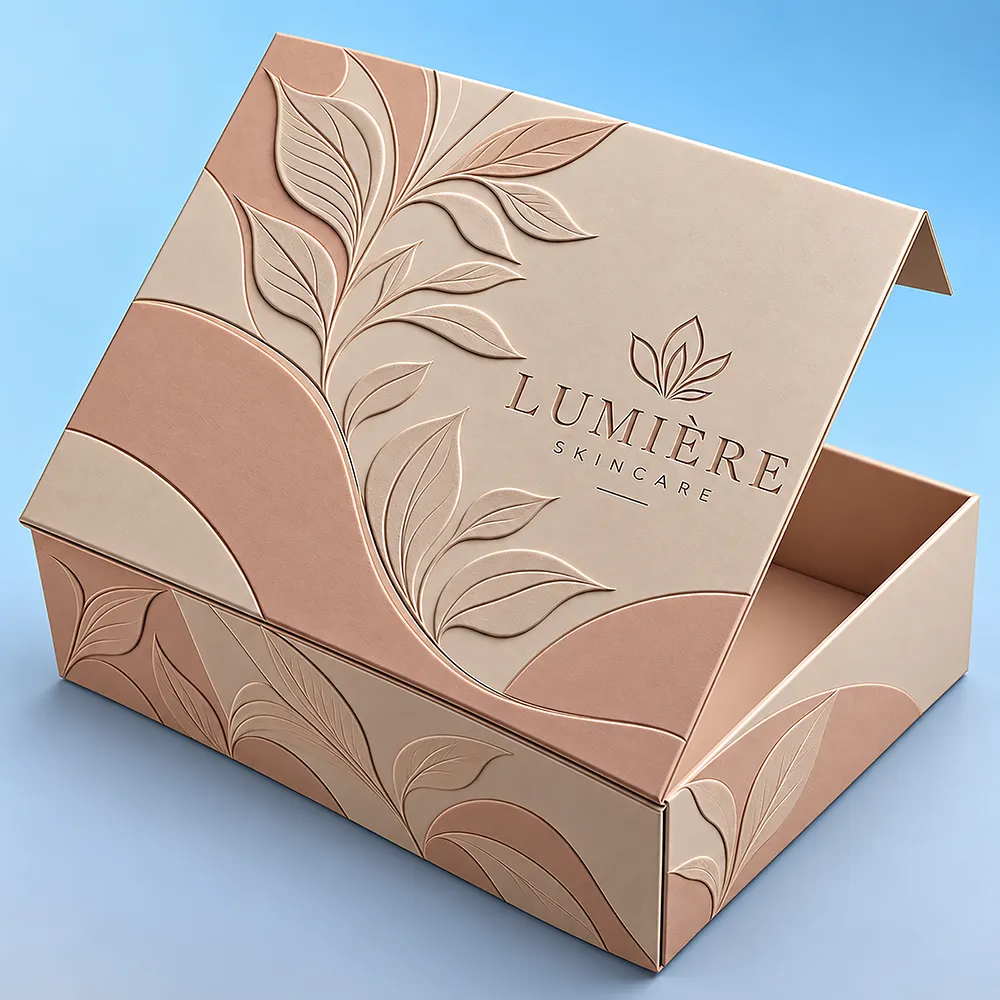
Custom Tray and Sleeve Foundation Boxes combine a fitted inner tray with a sliding outer sleeve to create an organized packaging presentation for liquid foundation bottles, pump containers, foundation sticks, compacts, and selected makeup sets. The inner tray provides the intended product-holding space, while the printed sleeve adds branded exterior coverage and a slide-open presentation for retail and gifting. BoxBaba provides custom packaging support for U.S. cosmetic brands, private-label manufacturers, beauty retailers, and wholesale packaging buyers. Customize the tray dimensions, sleeve fit, paperboard materials, printed artwork, and compatible finishes. Whether you are packaging one foundation bottle or presenting multiple shades in a collection, custom tray-and-sleeve foundation packaging can be planned around the finished product dimensions, closure profile, filled weight, and intended opening method. Eligible projects start from 100 boxes.
Availability: In stock
From Original price was: $1.21.Current price is: $0.33.
Per unit

Why Choose BoxBaba for Tray and Sleeve Foundation Boxes

Custom Tray and Sleeve Foundation Boxes for Premium Cosmetic Packaging

Custom tray and sleeve foundation boxes feature sliding outer sleeves, fitted bottle inserts, branded printing, and premium finishes for elegant makeup packaging and retail presentation.

What We Give

Create Custom Boxes Quick and Easy

Quote & Design Support

Share your packaging requirements, get a competitive quote, and receive free design assistance from our team.

Artwork & Printing

Finalize your artwork, printing options, and finishes the way you want with help from our design team.

Production & Delivery

Once your artwork is approved, we’ll produce and deliver your custom boxes within an estimated 5–9 business days.

Related Products

In Stock
In Stock
In Stock

Tray and Sleeve Foundation Box Construction and Benefits

How Do Tray and Sleeve Foundation Boxes Work?

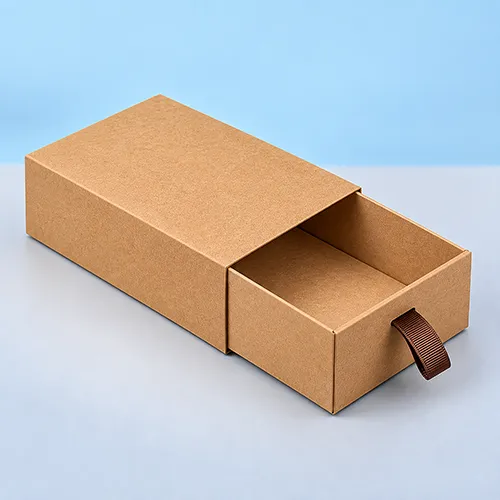
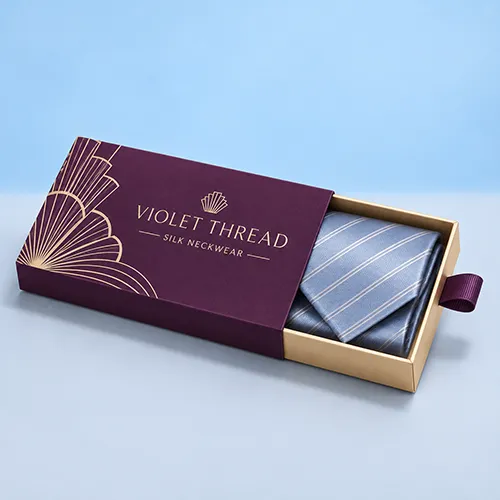
Tray and Sleeve Foundation Boxes use two separate components. The inner tray provides the product-holding space. The outer sleeve fits around the completed tray and provides printable panels for foundation branding, shade identification, and product information. When the package is opened, the tray slides outward to reveal the foundation product or arranged collection. This opening method differs from a conventional tuck-end foundation carton, which uses folded flaps, and from a simple standalone sleeve placed around an existing box. The inner tray and outer sleeve must be developed as a coordinated structure. Their dimensions, materials, and opening direction influence the final fit. For additional sleeve structures, explore BoxBaba Custom Sleeve Boxes collection.

Benefits of Custom Sliding Foundation Packaging

Organized presentation: The inner tray provides a defined arrangement for a foundation bottle, compact, stick, or compatible makeup collection. Sliding opening: The two-piece structure creates a different product-reveal experience from a traditional folding carton. Custom printed branding: The outer sleeve provides space for logos, foundation names, shade details, and approved product information. Flexible internal support: Inserts or dividers can be considered when the foundation container needs additional positioning. Coordinated shade collections: Foundation shades using identical physical containers may share a structural design while using different artwork. Actual structural performance depends on the approved construction. A decorative tray-and-sleeve package should not be described as leakproof, breakproof, or transit-tested without suitable evidence.

Tray and Sleeve Foundation Boxes vs. Standard Foundation Cartons

Standard foundation cartons may use straight-tuck, reverse-tuck, auto-lock, or other folding constructions. Tray-and-sleeve packaging instead uses an inner tray and a separate sleeve that slides around it. This distinction affects product access, internal dimensions, material usage, assembly requirements, and finishing placement. Businesses comparing multiple foundation packaging formats can review BoxBaba ustom Foundation Boxes page.

Custom Sizing and Foundation Container Fit

How to Measure Foundation Products for Tray-and-Sleeve Packaging

Foundation packaging should be designed around the complete finished container rather than the formula stated volume. A 1 oz foundation bottle, for example, could have a different external profile from another product with the same capacity because of its pump, shoulders, glass thickness, or cap. The recommended design sequence is: Finished Foundation Product → Product Orientation → Tray Interior → Completed Tray Exterior → Sleeve Interior → Sliding Fit Review → Approved Dieline Begin by measuring the product in its filled, closed, labeled, and sale-ready condition. Record its complete height, maximum width and depth, base footprint, and any projecting features such as pump actuators, dropper bulbs, caps, hinges, or latches. Confirm the filled product weight and intended orientation. These measurements are used to plan the tray interior and any necessary positioning support. After the tray is developed, its completed exterior dimensions establish the starting point for the outer sleeve. The final sliding allowance should be established using the selected stock, fold geometry, surface treatment, and physical sample. Do not assume one clearance value suits every foundation package. For additional measurement guidance, read BoxBaba Foundation Box Size Guide.

Packaging Liquid Foundation Pump Bottles

Pump foundation bottles require particular attention to the completed dispensing assembly. Measure the pump in its final closed, locked, or sale-ready position, including its actuator, spout, collar, and any protective overcap. A pump spout may extend beyond the bottle body, making it the controlling external measurement in one direction. The tray and any insert should avoid unnecessary pressure on the pump or actuator. For taller containers, the filled weight, base footprint, and center of gravity should also inform the proposed orientation and internal support.

Tray and Sleeve Boxes for Dropper and Airless Foundation Bottles

Dropper foundation bottles should be measured with the complete closure installed. Include the dropper bulb, cap, shoulders, neck, and widest exterior point. The tray or insert should use appropriate contact areas on the bottle body or base rather than forcing pressure against the dropper assembly. Airless foundation containers also require clearance around actuators, collars, and protective caps. Where the finished bottle is unusually tall or top-heavy, a more defined internal support arrangement may be necessary.

Packaging Foundation Sticks and Makeup Tubes

Foundation sticks and BB or CC cream tubes can have different dimensions and product-removal requirements from liquid foundation bottles. For foundation sticks, measure the complete capped height, maximum body width, twist base, and decorative collar where applicable. For squeeze tubes, record the filled tube length, maximum width and depth, cap profile, and sealed or crimped end. A horizontal tray may be appropriate for selected sticks and tubes. The tray should provide sufficient access for the finished product to be removed without unnecessary force. The final arrangement should follow the actual container rather than assuming all foundation products require upright positioning.

Tray and Sleeve Packaging for Compact Foundations

Cushion and pressed-foundation compacts generally require a flatter packaging layout than tall bottles. Measure the complete closed length, width, and thickness, including the hinge projection, latch, and any raised or decorated lid features. The tray should support the intended product orientation without placing unnecessary pressure on the hinge, latch, or decorated surface. Finger access may be needed when a flat compact sits within a shallow fitted tray. For a presentation-focused set, the product visible orientation as the tray opens should be considered before the dieline is finalized.

Single-Product and Multi-Foundation Gift Sets

A single-product tray can be developed around one foundation bottle, compact, or stick. A multi-product configuration requires additional planning around the number of items, individual dimensions, spacing, combined weight, orientation, and order of presentation. For example, a shade collection containing several identical pump bottles may use a repeated cavity arrangement. A mixed makeup set containing a foundation bottle, compact, and applicator may require compartments with different shapes and dimensions. Each complete product should be measured separately. The number of items alone cannot determine the finished box size.

Foundation Inserts, Sliding Fit, and Product Access

When Are Custom Inserts Needed?

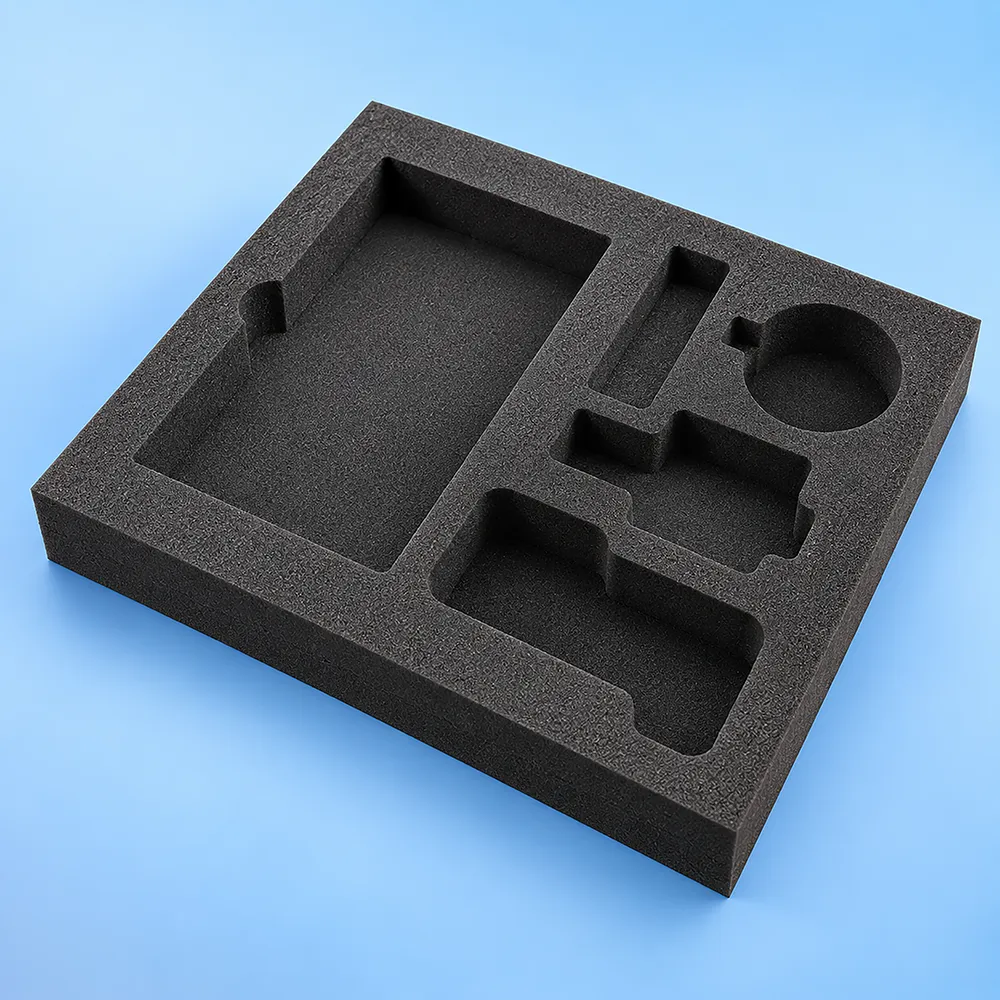
An insert may be appropriate when a foundation bottle needs additional positioning, when multiple products require separation, or when a presentation-focused tray has more open space than a single item occupies. Possible design directions include die-cut paperboard supports, folded platforms, or other compatible inserts approved for the project. Not every foundation product requires a separate insert. The insert should be developed around the complete product geometry, filled weight, and intended removal method.

Supporting Heavier Glass Foundation Bottles

Glass foundation bottles may require additional consideration because of their completed weight, base footprint, and potential sensitivity to impact. The inner tray should be reviewed for its ability to accommodate the filled product and any necessary support. A suitable insert may help limit unwanted movement, but it should not press against the pump, dropper, decorative finish, or fragile closure. A rigid-board structure or specialized insert should not be assumed necessary for every glass bottle. The correct choice depends on the actual container and approved packaging arrangement. The retail tray-and-sleeve box should be coordinated with separate shipping packaging where transport protection is required.

Sleeve Clearance and Sliding Access

The outer sleeve should move around the completed tray according to the intended opening direction. An excessively tight fit may cause difficult opening or visible rubbing. Excessive looseness may allow more movement than intended. The structural design should consider board thickness, folds, glue-seam placement, finger access, and any finishing treatments on the surfaces that slide against each other. The tray should also allow the foundation product to be removed without unnecessary pressure on its closure or decorated surfaces. A physical sample should be reviewed with the actual product before bulk production.

Using One Dieline Across Multiple Foundation Shades

A shared tray-and-sleeve dieline may support several foundation shades when the physical containers, closures, filled weight range, orientation, and internal arrangement remain compatible with the approved structure. Different shades may require separate artwork files for shade names, shade numbers, barcodes, or product information. Different bottle formats, cap designs, or compact dimensions may require separate structural specifications. Provide a quantity breakdown by shade and artwork version when requesting wholesale pricing.

Material Options for Tray and Sleeve Foundation Boxes

Material selection affects the outer sleeve print appearance, the tray stiffness, the fold behavior, and how the two components move against each other. The inner tray and outer sleeve may have different material requirements even when they form one assembled package.

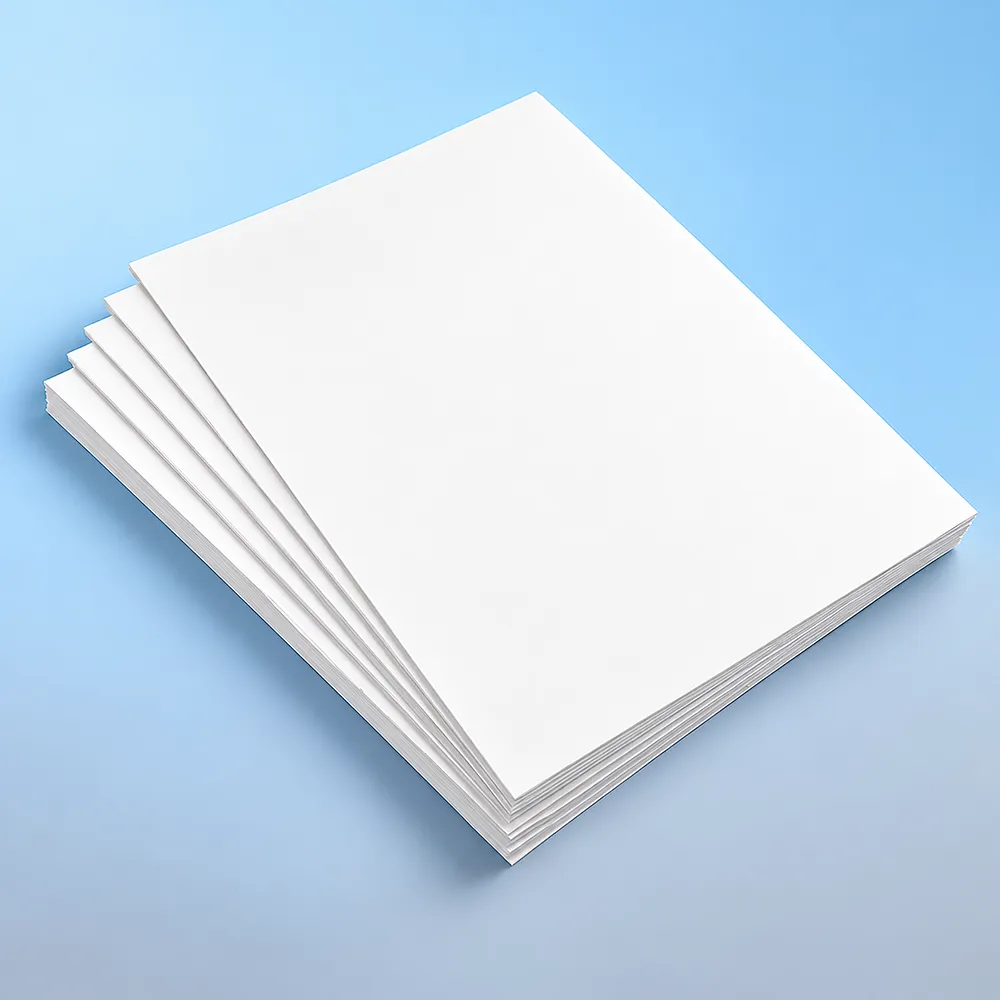
White Paperboard and SBS

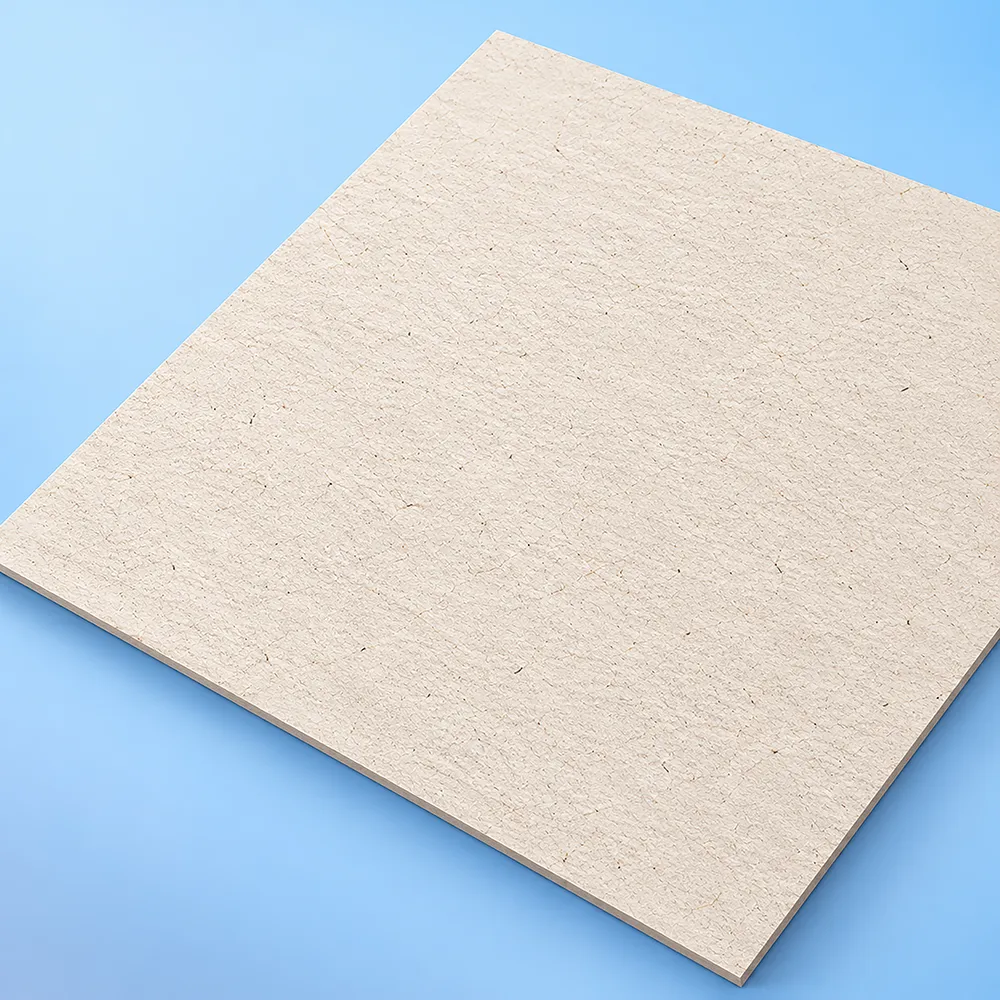
White paperboard, including suitable solid bleached sulfate (SBS) grades, provides a smooth surface for detailed foundation branding, shade identification, and multicolor printing. It can be appropriate for folding-carton tray-and-sleeve constructions when the selected grade supports the intended dimensions and loaded weight. The paperboard thickness should be considered when designing folds, tray walls, and the sleeve interior.

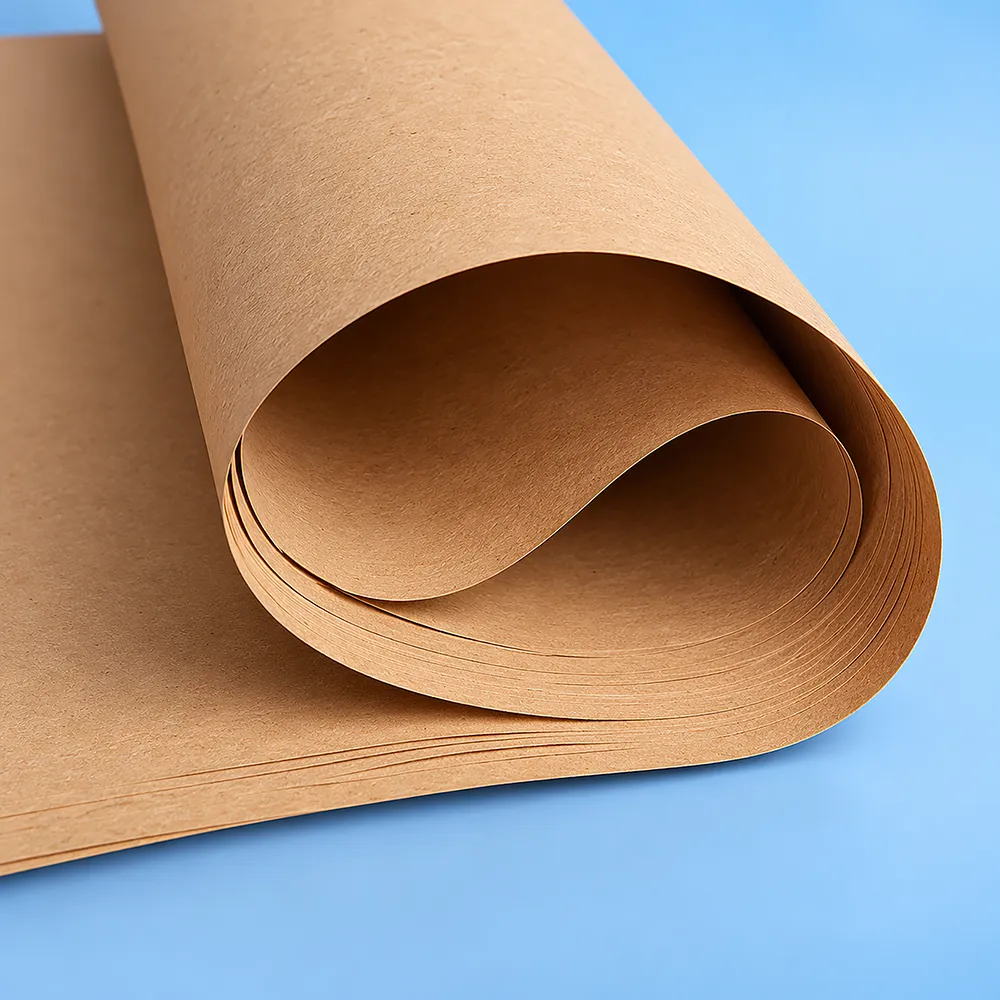
Kraft Paperboard

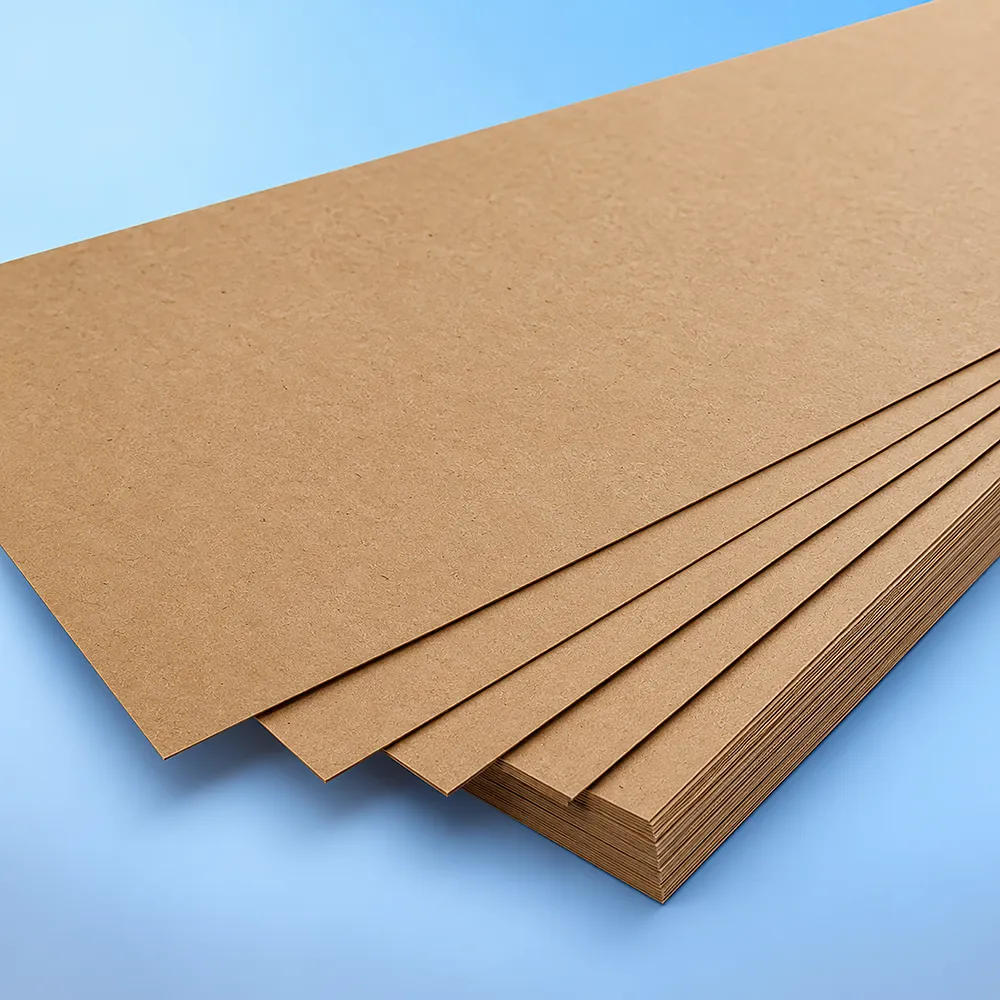
Kraft paperboard creates a natural-looking surface for selected cosmetic branding directions. Its underlying color may change the appearance of printed inks, particularly light shades and subtle gradients. For foundation packaging, this is important when artwork contains shade identification or color-sensitive design elements. Material and print proofing can help establish visual expectations before production approval. Kraft appearance alone does not establish recycled content, certified sourcing, or a specific environmental benefit.

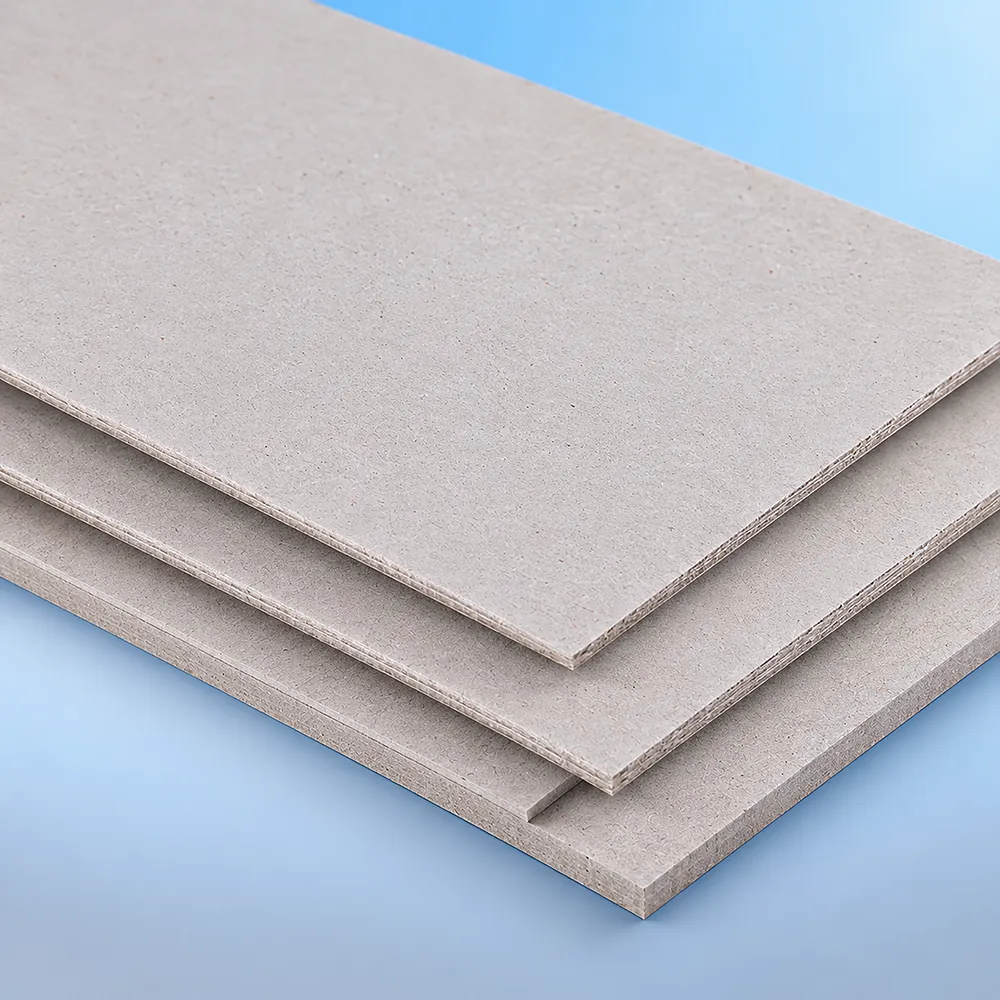
Folding Carton Stock vs. Rigid-Board Construction

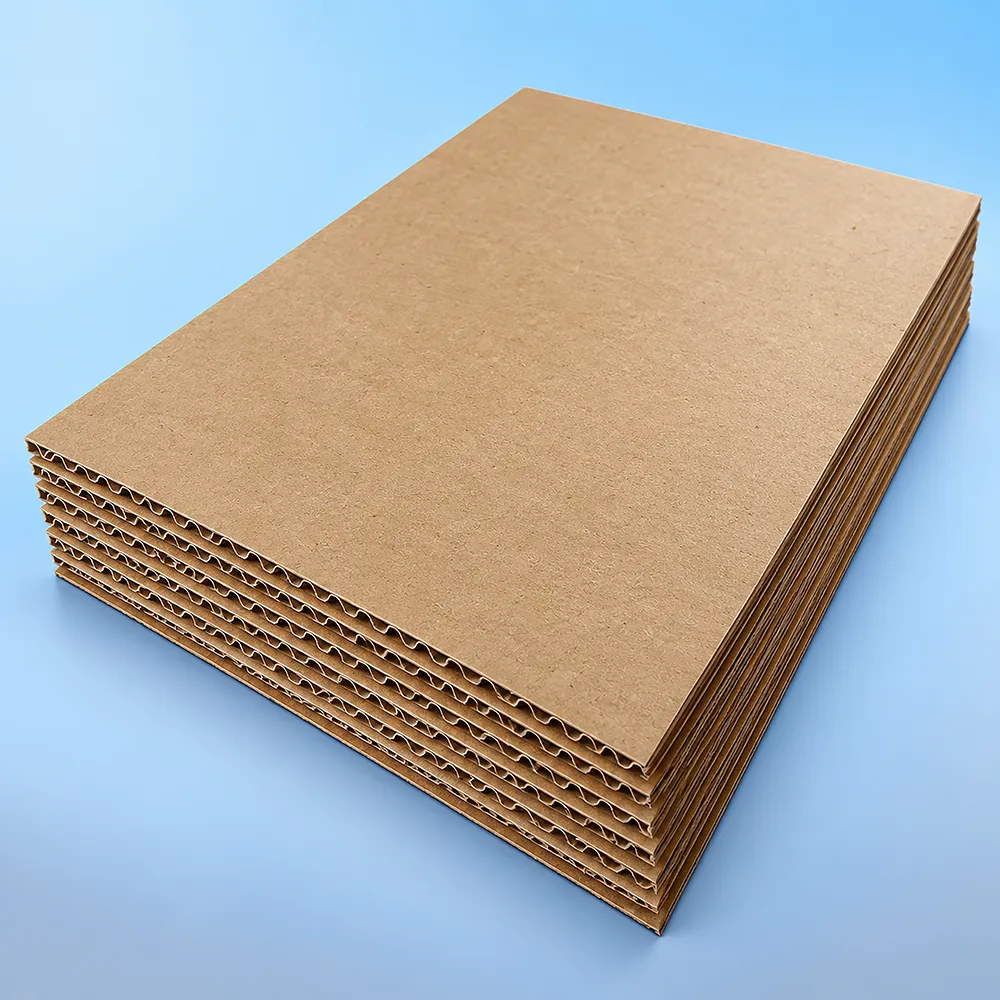
Suitable folding-carton paperboard can be considered for many tray-and-sleeve foundation packages. Rigid-board construction may be appropriate for selected presentation boxes or multi-product gift sets where the approved design requires a more substantial structure. Rigid board and heavier folding-carton stock are not interchangeable terms. The correct material choice depends on the finished product dimensions, loaded tray weight, desired presentation, assembly requirements, and handling conditions.

Insert and Shipping Materials

Paperboard inserts may be considered for suitable foundation bottle or compact positioning needs. Other insert materials should be reviewed according to their compatibility with the selected product and approved structure. For ecommerce fulfillment and wholesale shipping, separate corrugated cartons and suitable packing arrangements may be needed. The printed retail tray-and-sleeve package should not be treated as a complete, tested shipping system without appropriate evidence.

Printing and Finishing for Tray and Sleeve Foundation Boxes

Custom printing allows brands to coordinate the outer sleeve with their foundation product identity, shade range, and retail presentation. Printing produces the graphics, text, and colors. Finishing creates decorative or tactile surface effects where compatible with the chosen material and structure.

Custom Printing Methods

Offset printing is suitable for many medium- and larger-volume projects requiring detailed graphics and consistent printed layouts. Digital printing can be considered for selected smaller runs or multiple artwork versions when supported by the approved stock and production process. Flexographic printing may be suitable for compatible materials, repeat graphics, and project quantities where the method is appropriate. The recommended process depends on material selection, quantity, artwork complexity, color specifications, finish requirements, and production constraints. CMYK printing is commonly used for multicolor artwork. Pantone/PMS references may help communicate specific brand colors where the chosen process supports them. Final printed appearance depends on the stock, ink system, coating, printing process, and approved proof.

Finishing Options for Tray and Sleeve Foundation Boxes

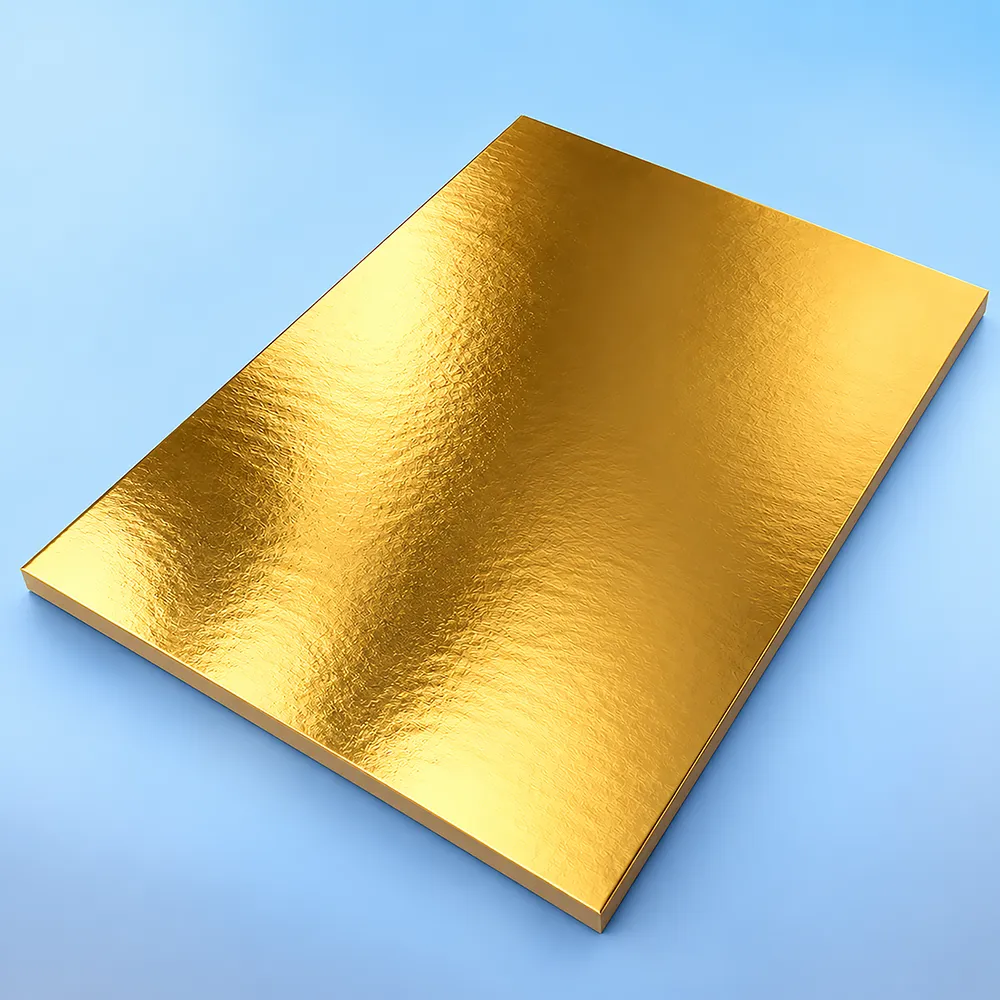
Matte finishing: Creates a subdued, lower-reflection surface for compatible printed designs. Gloss finishing: Adds a more reflective appearance to selected packaging surfaces. Soft-touch finishing: Provides a tactile effect where suitable for the chosen material and construction. Foil stamping: Highlights selected logos, product names, or approved artwork through decorative foil. Embossing: Creates raised design elements in compatible paperboard. Debossing: Produces recessed graphics or lettering where supported by the material. Spot UV: Adds selective gloss to specified artwork areas. The final finishing combination should be reviewed for compatibility with the stock, artwork, folds, glue areas, and sliding surfaces. Raised finishes or heavily textured coatings near high-contact areas may affect the movement between the tray and outer sleeve.

Artwork Placement Across the Sliding Package

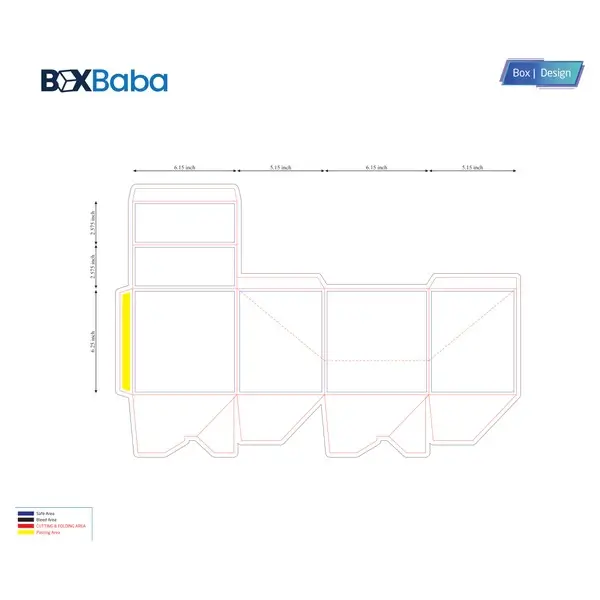
The outer sleeve usually provides the principal visible branding surface when the package is closed. The inner tray may also carry approved artwork or product messaging that becomes visible as it slides outward. The two components move independently, so any graphic intended to align between them should be checked in both open and closed positions. Important text, shade codes, and barcodes should remain clear of glue seams, critical folds, and areas hidden after assembly. The approved dieline should identify the cut lines, creases, glue flaps, bleed, safe zones, and finishing locations.

Shade Identification and Printed Color Expectations

Foundation packaging often needs clear identification across multiple shades and undertones. The design may allocate space for shade names, numbers, color references, SKU identifiers, and barcodes. A printed foundation shade swatch can help distinguish products within a collection, but it should not be represented as an exact match to the foundation formula. Printed color appearance varies with the board, ink, coating, finishing, lighting, and approved production process. Shade-critical graphics should be reviewed using the appropriate proofing method.

Foundation Product Information and Labeling

Tray-and-sleeve foundation packaging can be designed with space for buyer-approved information such as product name, shade, net contents, ingredients, directions, warnings, barcodes, and other applicable details. The responsible cosmetic brand should provide the approved wording and verify the labeling requirements for its products and sales market. Essential information should not be placed across glue seams, critical folds, or areas concealed by the assembled structure. The secondary paperboard packaging does not replace the primary cosmetic container or establish product regulatory compliance.

Samples, Proofing, and Wholesale Ordering

Review Your Tray and Sleeve Foundation Box Before Production

Different proofing methods help evaluate different parts of the packaging project. Digital artwork proof: Helps review graphics, text, shade identification, layout, and approved artwork placement. 3D mockup: Provides a visual representation of the intended tray-and-sleeve package. Blank physical structural sample: Allows a physical check of the product fit, tray dimensions, sleeve movement, opening direction, and any specified insert. Printed production-intent sample: May be appropriate where printing, color-sensitive artwork, finishing, and assembled construction need additional review. A digital proof or 3D mockup cannot establish the actual physical fit or sliding performance of the finished package.

What to Check in a Physical Structural Sample

Evaluate the sample using the finished foundation product in its sale-ready condition. Check that the bottle or compact fits its intended tray position, that sensitive closures are not unnecessarily compressed, and that the foundation can be removed as designed. Review sleeve alignment, opening direction, finger access, and any rubbing between decorated surfaces. For heavier products or multi-item sets, assess the actual loaded arrangement rather than an empty tray alone. Any required adjustments should be reflected in the approved dieline before bulk production.

What Determines Tray and Sleeve Foundation Box Pricing?

Pricing depends on the complete approved structure. Important factors include the tray and sleeve dimensions, material choice, insert requirements, printing method, finishing, order quantity, and artwork variations. A compact single-foundation presentation and a multi-shade foundation gift set may have substantially different component and assembly requirements. The cost should therefore be assessed using the actual product configuration rather than foundation fill volume alone.

Information Required for a Wholesale Quote

Provide the following project details:
  • Finished foundation product format and container material.
  • Complete closed height, maximum width and depth, and base footprint.
  • Pump, dropper, cap, overcap, or compact hinge/latch dimensions.
  • Filled product weight and intended orientation.
  • Number of foundation products per package.
  • Desired tray arrangement and insert requirements.
  • Number of shades, SKUs, and artwork variations.
  • Quantity required per SKU.
  • Printing, material, and finishing preferences.
  • Product photographs or technical drawings, if available.
  • U.S. shipping destination and requested delivery date.
Accurate measurements and artwork details help establish a project-specific quotation and suitable proofing requirements.

Why Choose BoxBaba for Tray and Sleeve Foundation Boxes?

BoxBaba provides custom packaging support for U.S. beauty brands, private-label businesses, cosmetic manufacturers, and wholesale packaging buyers. Custom dimensions: Foundation packaging can be planned around the actual container and the intended tray-and-sleeve structure. Artwork assistance: Dielines, 3D mockups, and artwork support are available as applicable to the project. Minimum quantities: Eligible custom packaging projects begin from 100 boxes. Production planning: Standard orders are typically completed and delivered within approximately 5–9 business days after final artwork and order approval. This generally includes 3–5 business days for production and 2–4 business days for transit. Timelines may vary depending on order specifications, quantity and destination. Sample support: Free samples are available under the stated policy, with eligible sample delivery charges reimbursed against the first bulk order. Project-specific printed sample arrangements are confirmed separately. Shipping: Free shipping across the USA is available under the applicable standard offer. For related beauty packaging options, explore BoxBaba Custom Cosmetic Boxes category. For broader structure comparisons, BoxBaba Foundation Packaging Boxes Guide explains other foundation packaging formats and their intended applications.

Request a Custom Quote for Tray and Sleeve Foundation Boxes

Create coordinated foundation packaging with custom Tray and Sleeve Foundation Boxes developed around your product dimensions, sliding tray requirements, and brand presentation. Share your finished foundation container measurements, closure profile, filled weight, orientation, product count, desired tray construction, insert requirements, shade and SKU quantities, artwork, material, finishing preferences, and U.S. delivery destination. BoxBaba can review your proposed packaging configuration and prepare a custom quotation based on the approved specifications. Phone: +1 305 574 4357 Email: sales@boxbaba.com  

Packaging Partner for Your Success

At BoxBaba, innovation meets quality. We offer fully customized printed boxes, backed by a team that is responsive, reliable, and effortless to work with.

5000+

Clients Served

2.5M+

Boxes Delivered

98%+

Happy Clients

5+

Years of Trust

Frequently Asked Questions

Find all the urgent questions you may have.

Custom Tray and Sleeve Foundation Boxes are two-piece secondary packages featuring an inner product-holding tray and a sliding outer sleeve. They are designed for suitable foundation bottles, sticks, compacts, and makeup sets, with custom printed branding on the exterior.
The intended structure contains an inner tray and an outer sleeve. The quotation should confirm the exact supplied components, assembly format, and any optional inserts or dividers.
Different foundation formats can be considered for custom tray-and-sleeve packaging when the structure suits their dimensions and weight. Pump bottles, airless containers, sticks, tubes, and compacts require different measurements and internal arrangements.
Measure the complete filled and closed product, including the pump, cap, overcap, shoulders, base, and any projecting parts. The tray interior is developed around that product, and the outer sleeve is then sized around the completed tray exterior.
They may be suitable when the approved tray, material, and internal support accommodate the completed bottle weight and shape. Heavier or top-heavy bottles may require additional structural consideration. A decorative sleeve should not be assumed to provide tested impact protection.
Not always. Some product arrangements may fit within a suitable tray without a separate insert. Glass bottles, irregular containers, and multi-product collections may require additional positioning support depending on the approved design.
Yes, when the physical containers, closures, weights, orientation, and internal arrangements are compatible with the same approved structure. Individual shades may still require different artwork, shade labels, and barcodes.
BoxBaba supports custom printing, with offset, digital, and flexographic methods considered according to project suitability. Compatible finishing options may include matte, gloss, soft-touch, foil stamping, embossing, debossing, and spot UV.
Eligible custom orders start from 100 boxes. Free samples are available under the stated policy. Structural samples can be discussed for fit and sliding-access review, while project-specific printed sample conditions should be confirmed separately.
Our standard turnaround time is approximately 5–9 business days after final artwork and order approval, including 3–5 business days for production and 2–4 business days for shipping. Box structures, inserts, finishes, quantities, and multiple artwork versions may affect the final timeline.