



























Sale!

Free Shipping

On All Orders

No Setup Charges

On Bulk Orders

Free Design Support

From Our Experts

100% Secure Payment

Safe & Encrypted

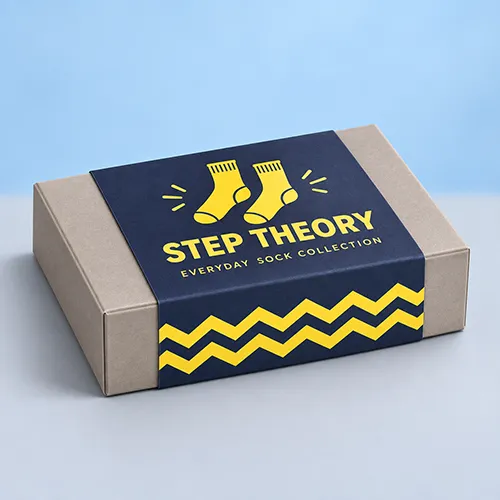
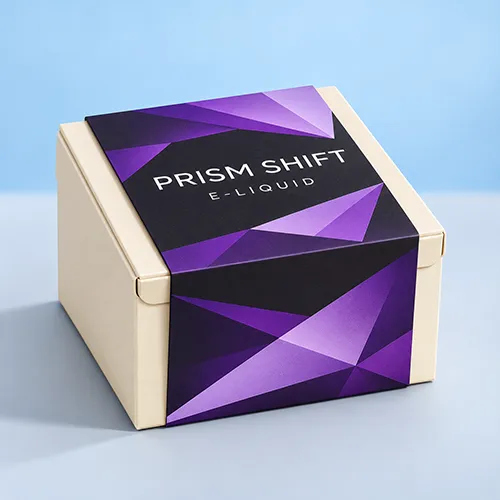
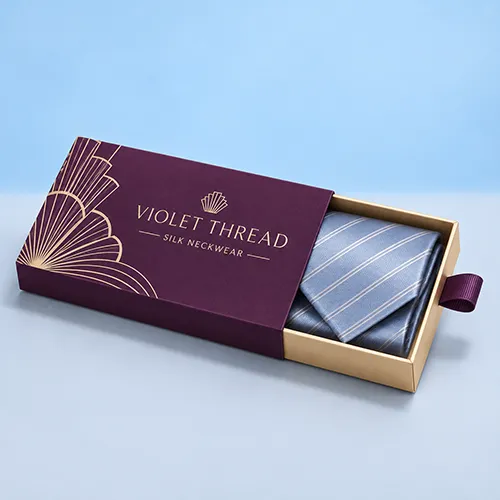
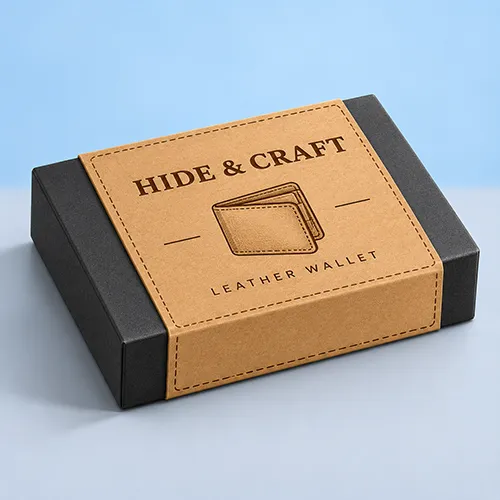
Rigid Tray and Sleeve Boxes

Custom rigid tray and sleeve boxes are two-piece presentation packages featuring a formed rigid-board inner tray and matching outer sleeve. The tray holds and organizes the product, while the sleeve provides branded exterior coverage and a sliding opening. BoxBaba offers custom rigid tray and sleeve packaging for U.S. jewelry brands, cosmetic businesses, gift suppliers, electronics companies, and wholesale packaging buyers. Each package can be developed around the finished product dimensions, weight, accessories, and presentation requirements. Choose custom tray dimensions, suitable rigid-board construction, printed paper wraps, compatible finishes, and product-specific inserts where needed. Standard orders are typically completed and delivered within approximately 5–9 business days after final artwork and order approval. This generally includes 3–5 business days for production and 2–4 business days for transit. Timelines may vary depending on order specifications, quantity and destination.
Availability: In stock
From Original price was: $1.21.Current price is: $0.33.
Per unit

Why Choose BoxBaba for Rigid Tray and Sleeve Boxes

Custom Rigid Tray and Sleeve Boxes for Luxury Packaging

Custom rigid tray and sleeve boxes combine sturdy sliding trays with branded outer sleeves, offering premium presentation, protective inserts, elegant finishes, and tailored packaging.

What We Give

Create Custom Boxes Quick and Easy

Quote & Design Support

Share your packaging requirements, get a competitive quote, and receive free design assistance from our team.

Artwork & Printing

Finalize your artwork, printing options, and finishes the way you want with help from our design team.

Production & Delivery

Once your artwork is approved, we’ll produce and deliver your custom boxes within an estimated 5–9 business days.

Related Products

In Stock
In Stock
In Stock

How Rigid Tray and Sleeve Boxes Work

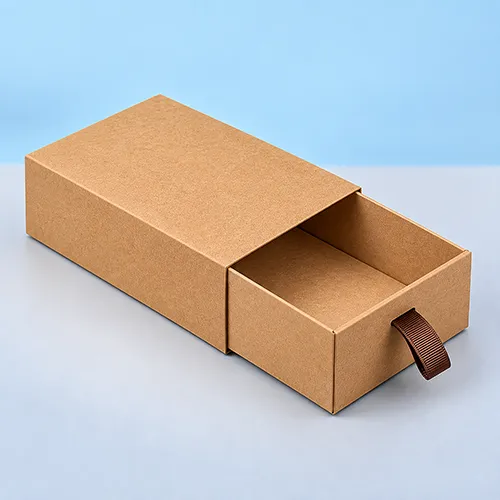
Rigid tray and sleeve boxes combine two structural components that function as one package. The inner rigid tray holds the product and any approved inserts or accessories. The outer rigid sleeve surrounds the tray and forms the main branded exterior. The customer opens the package by sliding the tray out of the sleeve. This creates a different access experience from a magnetic closure box, hinged box, or removable lid-and-base design.

Rigid Inner Tray for Product Presentation

The inner tray is developed around the finished product dimensions, weight, orientation, and required arrangement. A simple tray may be suitable for a single item. Multi-product sets may require compartments or a suitable insert so that each component has an intended position. The tray depth and usable interior space should also allow the customer to remove the product without unnecessary difficulty.

Rigid Outer Sleeve for Branding and Sliding Access

The outer sleeve is a formed structure fitted around the completed rigid tray. Its visible surfaces can carry printed logos, product information, graphics, and approved finishes. The structural design must also allow the tray to slide through the sleeve as intended. Because the two components move relative to one another, the sleeve interior and completed tray exterior must be specified together.

Rigid Tray and Sleeve Boxes vs. Folding Tray and Sleeve Boxes

The primary difference is construction. Rigid tray and sleeve boxes use formed rigid-board components, usually covered with decorative paper wraps. They are designed to maintain their assembled form. Folding tray and sleeve boxes use suitable scored and folded paperboard components. Their construction, storage, assembly, and material requirements differ from those of rigid boxes. The appropriate choice depends on the product, presentation requirements, handling, and purchasing budget. Explore our Custom Sleeve Boxes category for related packaging formats.

Are Rigid Tray and Sleeve Boxes the Same as Rigid Drawer Boxes?

They can be. A rigid drawer box commonly uses a rigid outer sleeve and a sliding inner tray. The term rigid tray and sleeve box can describe that same physical structure. For this reason, the construction should be defined by the actual materials, components, opening method, and product requirements rather than the marketing name alone. Buyers comparing these descriptions can review our existing Custom Rigid Drawer Boxes offering. For non-sliding rigid packaging styles, browse Custom Rigid Boxes.

Custom Rigid Tray and Sleeve Box Sizes and Sliding Fit

Accurate sizing begins with the finished product, not an estimated box exterior. The inner tray must fit the contents and any required insert. The outer sleeve is then developed around the completed tray.

How to Measure Products for Rigid Tray and Sleeve Boxes

Start by measuring the finished product length, width, height, and approximate weight. Include accessories, instruction cards, manuals, certificates, cables, or other items that will be packed inside the box. If an insert is required, identify its intended purpose and arrangement before the tray dimensions are finalized. The structural design follows this sequence: Finished Product → Insert Requirements → Tray Interior → Completed Tray Exterior → Sleeve Interior → Sliding Clearance → Approved Drawings Each measurement affects the next.

Tray Interior vs. Sleeve Interior Dimensions

Measurement Purpose
Finished Product Dimensions Identify the space required for the actual contents
Usable Tray Interior Establish space for the product and approved inserts
Completed Rigid Tray Exterior Determine the outside size of the formed and wrapped inner tray
Rigid Sleeve Interior Establish the available space for the completed tray to slide
Overall Box Exterior Identify the finished package dimensions for storage and distribution planning
Rigid-board thickness and decorative wrap layers affect the completed dimensions. The sleeve should therefore be sized from the assembled tray exterior, not from the bare product dimensions.

How Tight Should a Rigid Tray Fit Inside the Sleeve?

The tray should slide as intended without excessive resistance or unwanted looseness. If the fit is too tight, opening may become difficult and the wrapped surfaces may scuff. Excessive clearance can allow unwanted movement during handling. The appropriate fit depends on rigid-board dimensions, assembly, surface wraps, coatings, finishing, and the intended opening method. There is no universal clearance suitable for every rigid tray-and-sleeve package. A physical structural sample can help assess the fit before bulk production.

Opening Direction and Product Access

The opening direction should be established during structural planning. Depending on the approved design, the tray may be accessed using an exposed edge, finger-access feature, or suitable pull arrangement. The access method should be evaluated alongside the tray loaded weight, available gripping area, and customer removal requirements. Pull ribbons, stops, thumb notches, and other features should not be assumed to be included unless specified in the quotation.

Custom Inserts and Interior Product Arrangement

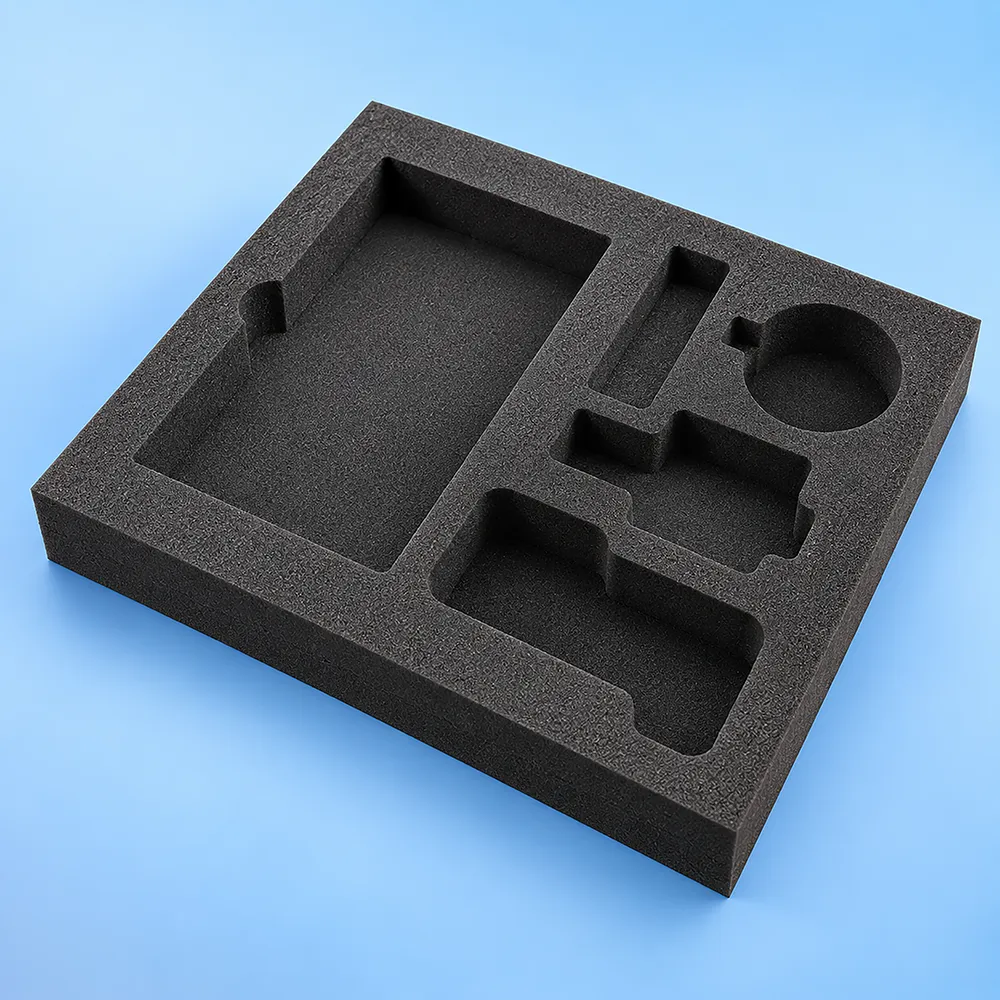
Rigid tray and sleeve boxes can accommodate product-specific inserts when the contents require defined positioning or presentation. An insert may be useful when a package contains several accessories, products of different heights, or an item that needs a more deliberate presentation position. Suitable insert materials and configurations should be selected around the actual product.

When Does a Rigid Tray Need an Insert?

An insert may be appropriate when the product would otherwise move excessively, multiple components need separate spaces, or the product orientation matters. However, not every rigid tray requires an insert. The final design should account for the usable tray interior, insert thickness, product fit, and removal access.

Product Removal and Presentation

The customer should be able to remove the product without unnecessary difficulty. An overly tight insert may make removal awkward, even when the product fits correctly. Depending on the approved construction, the interior may require a suitable access opening or lifting arrangement. A fitted insert helps organize the presentation, but it does not automatically establish tested protection against shipping impacts.

Rigid Tray and Sleeve Boxes for Retail Products

Rigid tray and sleeve packaging can be developed for products that benefit from a formed presentation box and a sliding opening.

Jewelry and Watches

Rigid sliding-tray packaging can present suitable jewelry, watches, and accessories. The interior arrangement should reflect the item dimensions, shape, and required positioning. For jewelry sets, an insert may help establish separate presentation spaces, subject to the approved design. Explore Custom Jewelry Boxes for additional jewelry packaging formats.

Cosmetics and Skincare Sets

Rigid tray and sleeve boxes may be considered for packaged skincare collections, cosmetic accessories, and presentation gift sets. Bottle and jar measurements should include caps, pumps, droppers, and other projecting components. When several products are packed together, the tray and insert layout should be planned before final dimensions are approved. For other beauty packaging structures, browse Custom Cosmetic Boxes.

Electronics and Accessories

A rigid sliding tray can provide an organized layout for compatible electronic devices, accessories, cables, and documentation. The design should account for the full product set, approximate weight, and intended removal sequence. Where products are fragile or will be transported through parcel networks, their protective packaging requirements should be evaluated separately.

Corporate Gifts and Retail Collections

A rigid tray and sleeve structure may suit coordinated gift sets, promotional collections, and presentation kits. For multi-item packages, the tray should provide appropriate space for each component while keeping the opening and removal process practical. The package should be developed around the completed set rather than a generic gift-box dimension.

Material Options for Rigid Tray and Sleeve Boxes

Rigid tray and sleeve boxes use formed structural board combined with suitable visible wrap materials. These materials perform different functions. The rigid board establishes the shape of the tray and sleeve. Decorative paper wraps provide the finished exterior and interior appearance where specified.

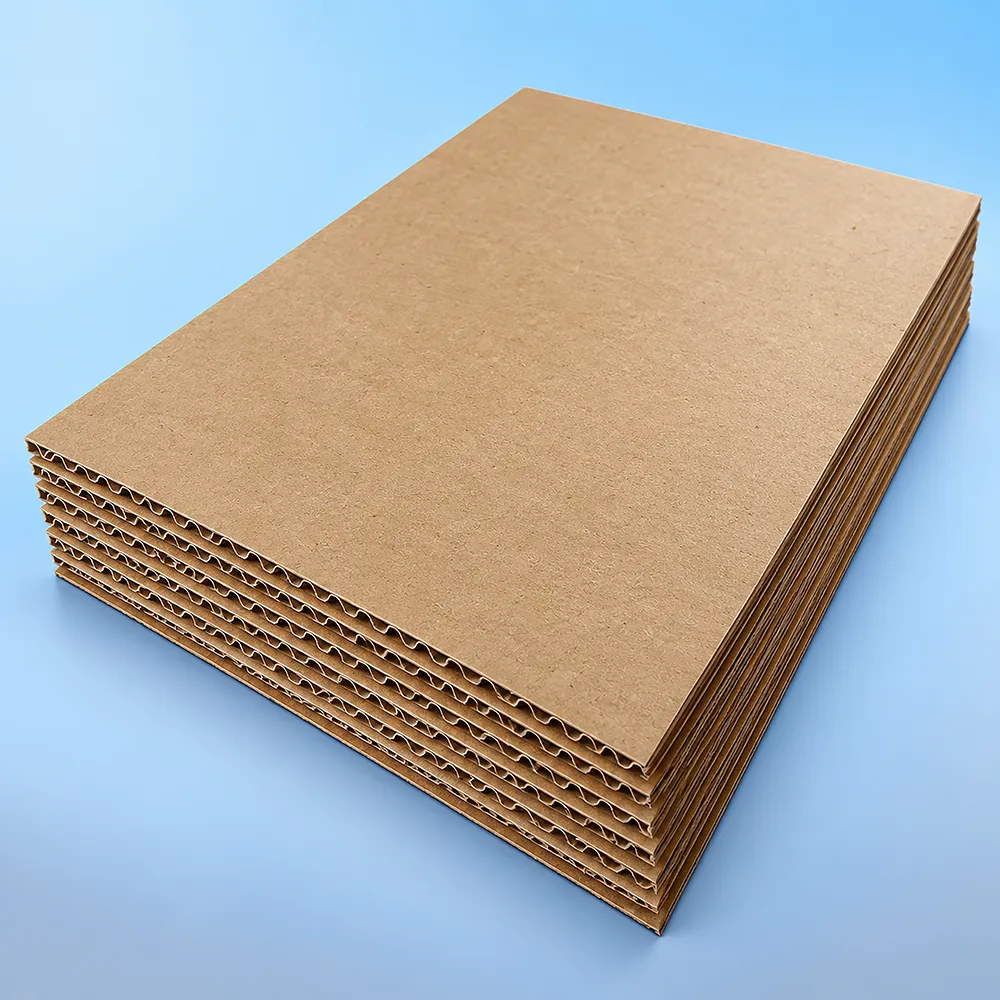
Rigid Chipboard and Grayboard

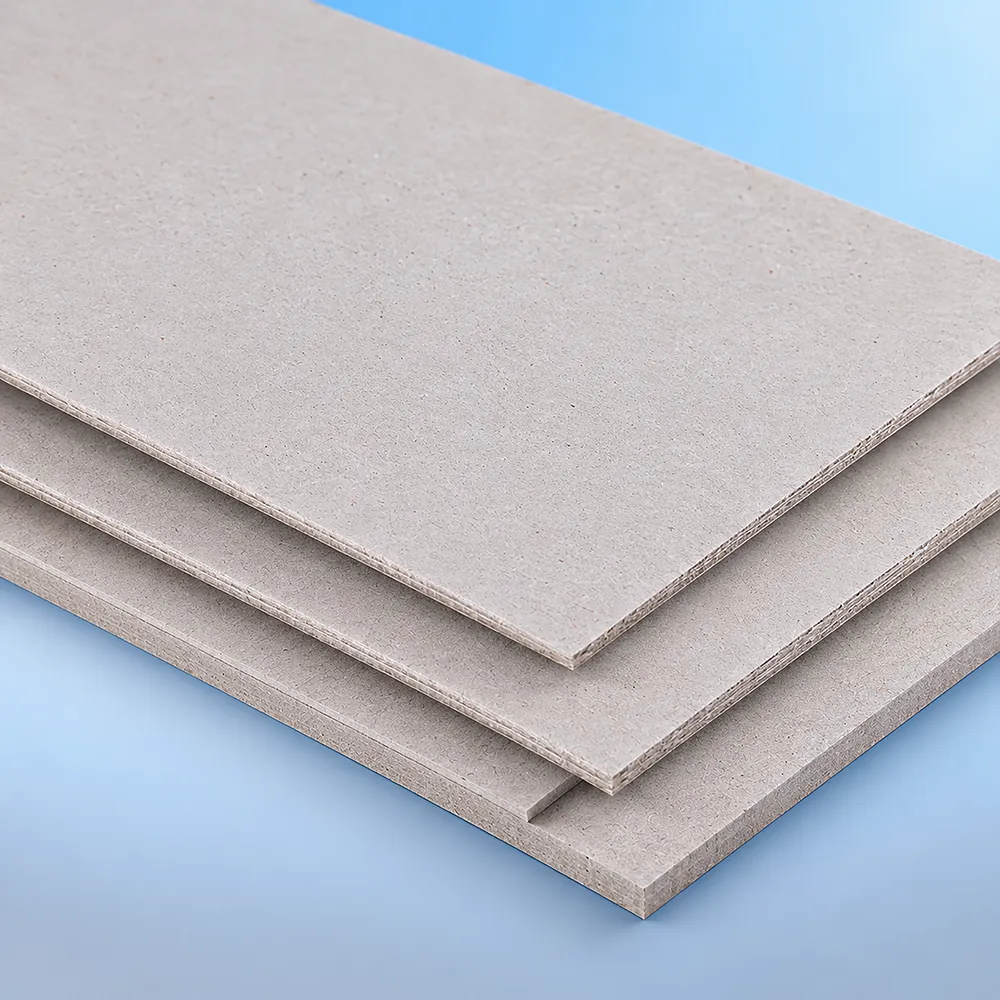
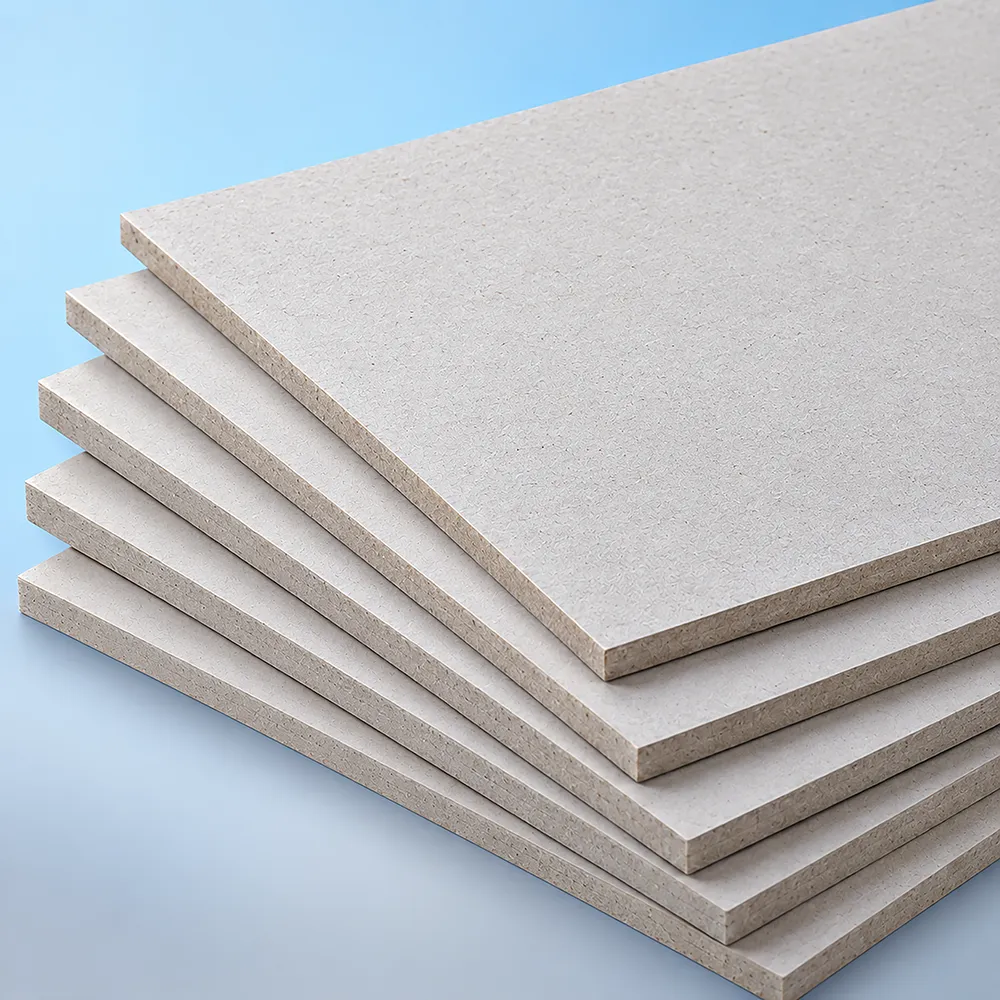
Suitable rigid chipboard or grayboard may be used to form the inner tray and outer sleeve. Unlike ordinary folding-carton stock, rigid board is generally assembled into a formed structure that retains its shape. Board selection should consider package dimensions, product weight, tray depth, assembly, and intended handling. A fixed board thickness should not be selected without reviewing the actual construction.

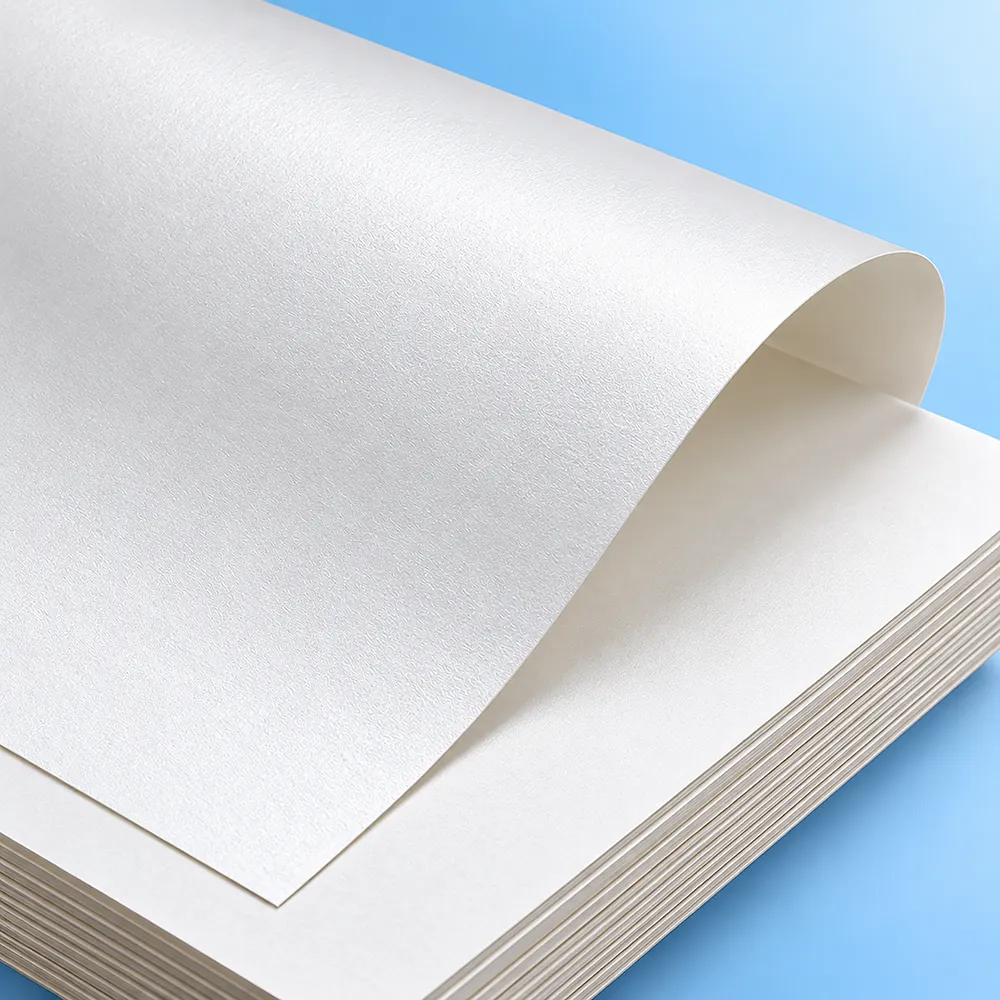
Printed Paper Wraps

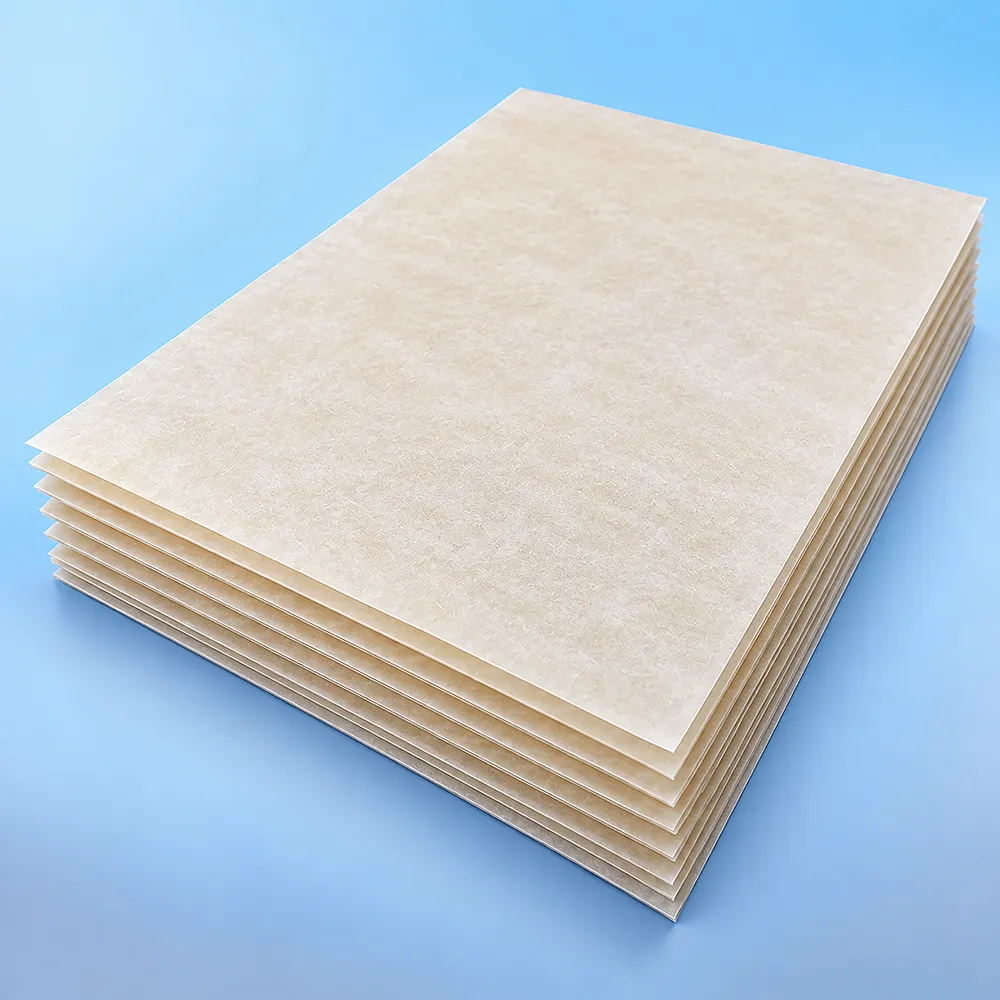
Decorative paper wraps create the visible surfaces of many rigid packages. Suitable coated, uncoated, printed, or specialty papers can be considered according to the intended appearance and finishing. The paper wrap and structural board must be specified as separate components. A printed wrap may affect surface texture, edge appearance, friction, and the visual presentation of the completed package.

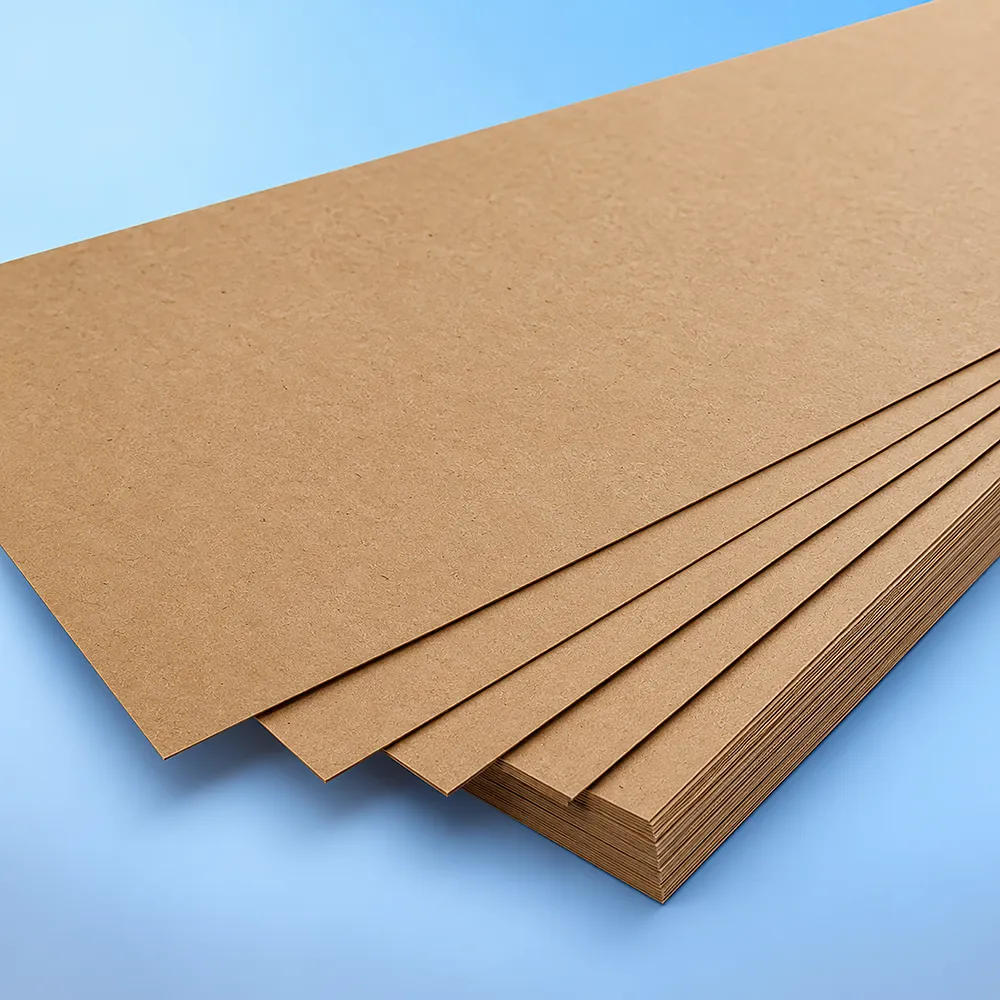
Specialty and Kraft Wrap Options

Compatible specialty papers and Kraft-style decorative wraps may be considered for selected projects. These change the visible surface rather than replacing the rigid structural core. The selected material must be reviewed for print appearance, corner wrapping, finishing compatibility, and contact with the sliding tray. A natural Kraft appearance does not automatically establish recycled content or environmental certification.

Materials for Inserts

Product-specific inserts may use suitable paperboard or other approved materials according to the intended product arrangement. The insert must fit within the completed tray and should not interfere with the product placement or removal. Material availability and exact specifications should be confirmed as part of the quotation.

Printing and Finishing for Rigid Tray and Sleeve Boxes

Custom rigid tray and sleeve packaging can carry logos, product names, brand colors, illustrations, and decorative artwork on the outer sleeve and suitable inner-tray surfaces. Printing reproduces the design on a printable material. Finishing creates selected visual or tactile effects. For wrapped rigid packaging, the artwork is commonly printed on a suitable paper wrap before that material is applied to the structural board.

Printing Methods for Rigid Tray and Sleeve Packaging

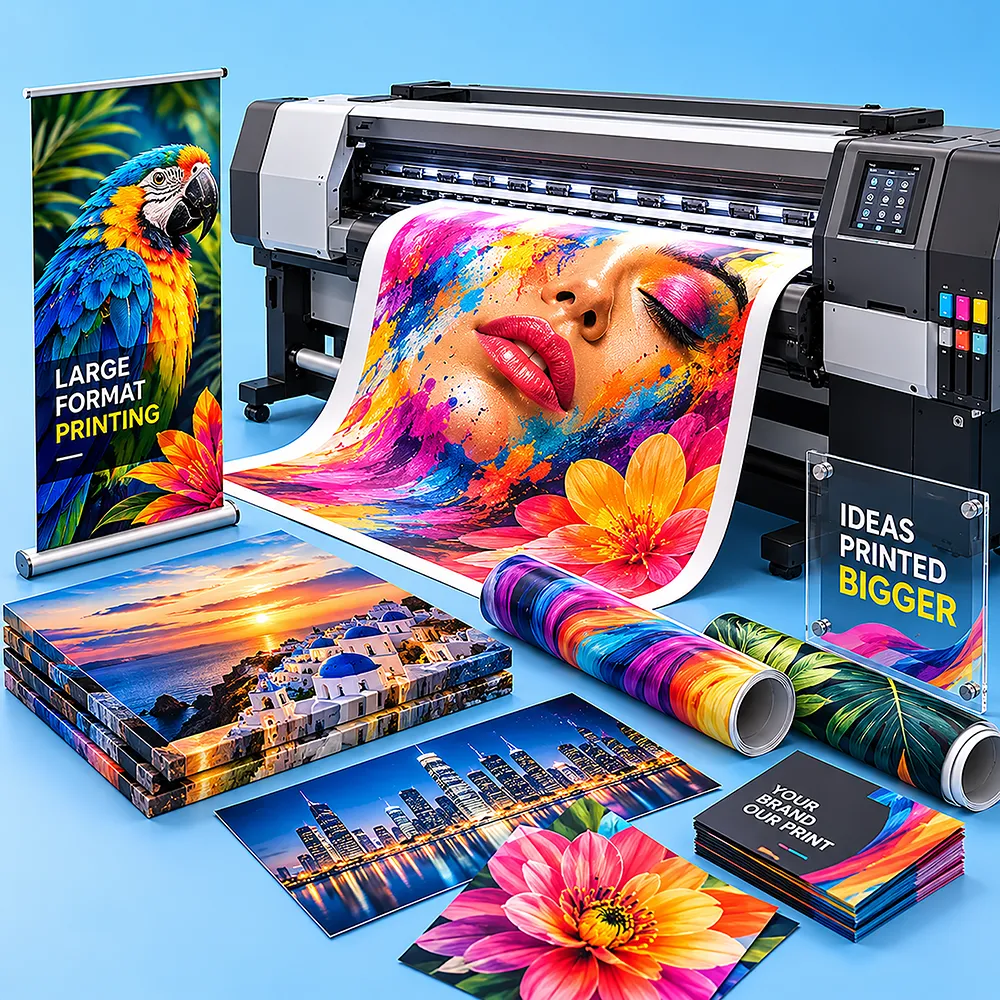
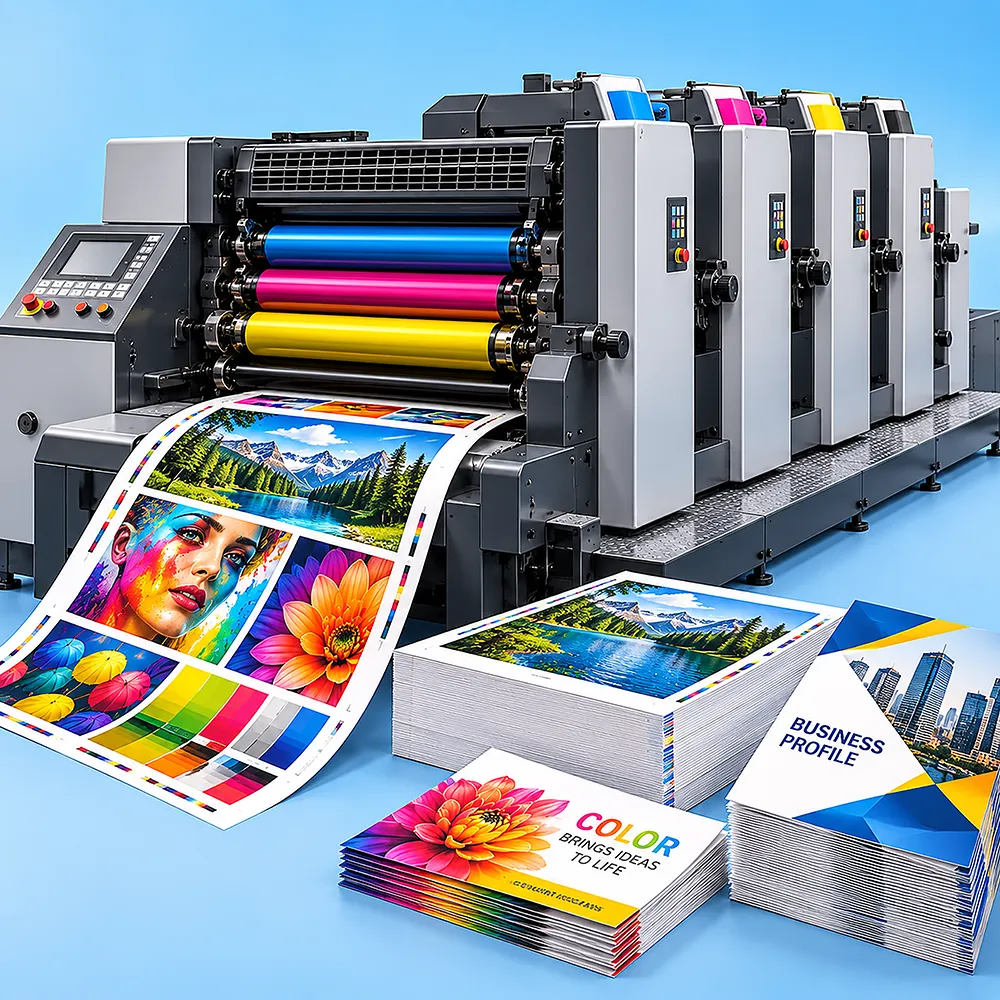
Offset printing can be appropriate for detailed artwork and larger production quantities on compatible wrap materials. Digital printing may be considered for selected shorter runs or artwork versions when the chosen paper and finishing requirements are suitable. Flexographic printing may be appropriate for compatible paper-based wrap or liner applications where the project and production process support it. It is not automatically the default printing method for formed rigid-board packaging. Printing method selection depends on the wrap substrate, artwork complexity, quantity, color requirements, and finishing. Direct printing on the rigid structural core should not be assumed to use the same process as printing the decorative wrap.

CMYK and Pantone/PMS Color Matching

CMYK printing is commonly used for multicolor graphics, illustrations, and photographic artwork. Pantone/PMS references may support brand-color planning where the selected process and material allow them. Final color appearance may vary according to paper shade, texture, ink, coatings, and finishing. Digital proofs help verify artwork and placement but do not guarantee an exact physical color match.

Finishing Options for Rigid Tray and Sleeve Boxes

Depending on the material and approved construction, compatible finishes may include:
  • Matte: A lower-sheen appearance for selected printed surfaces.
  • Gloss: A reflective treatment that emphasizes printed graphics.
  • Soft-touch: A tactile finish for suitable wrap materials.
  • Foil stamping: Decorative metallic or specialty accents.
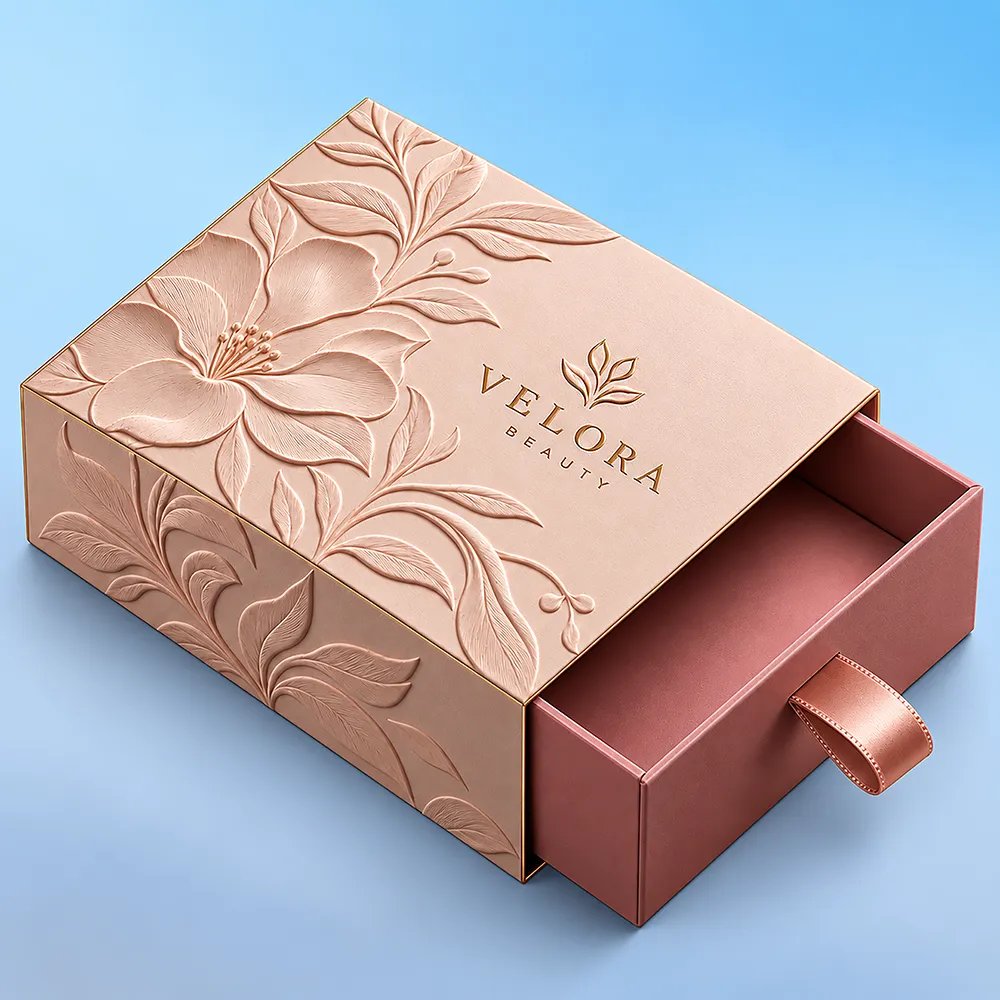
  • Embossing: Raised logos and design elements where compatible.
  • Debossing: Recessed decorative details where compatible.
  • Spot UV: Selective gloss effects on suitable printed surfaces.
Not every finish is compatible with every wrap material or rigid construction.

Finishing Around Wrapped Edges and Sliding Surfaces

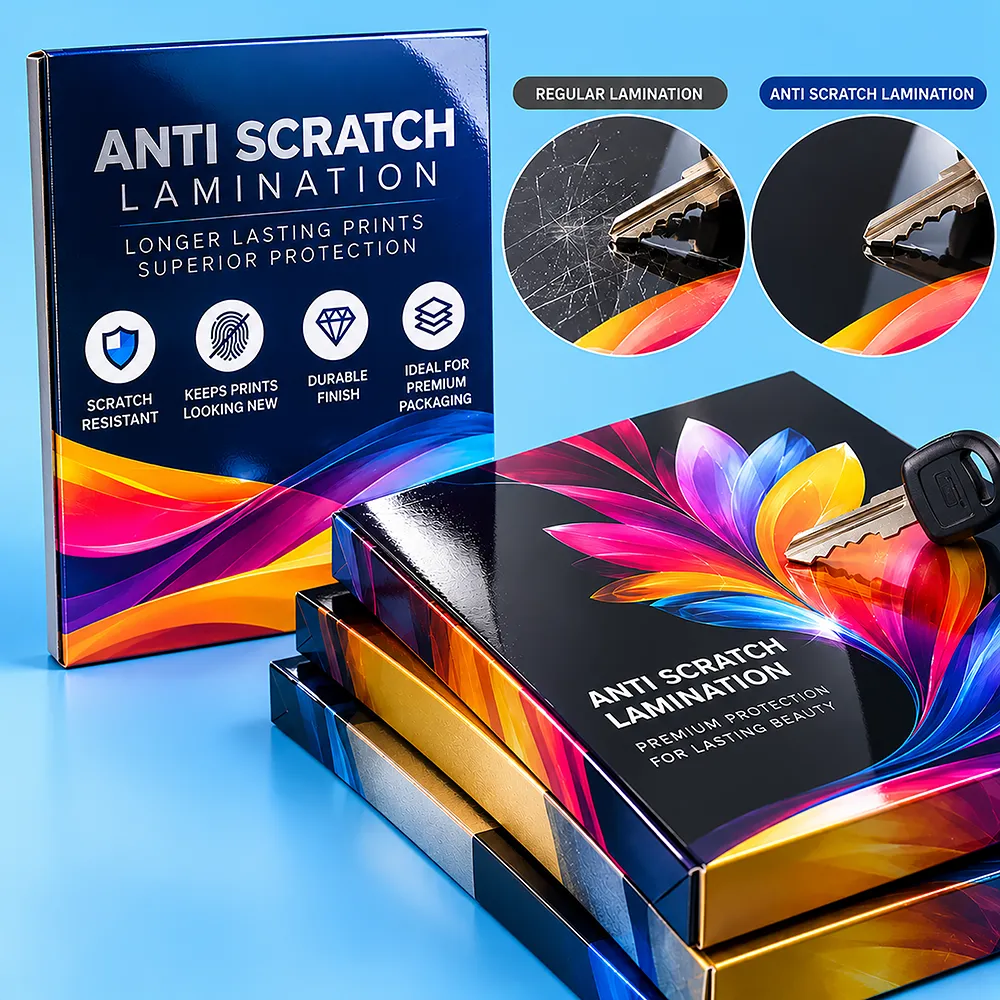
Rigid tray and sleeve boxes require particular attention to areas where the two components contact one another. Coatings and lamination can affect surface friction and the appearance of the sliding tray after repeated handling. Decorative finishes should also be reviewed around wrapped edges, corners, joints, and opening features. Foil stamping, embossing, debossing, and spot UV should be positioned according to the approved material and artwork layout. If both the tray and sleeve carry printed branding, prepare component-specific artwork and finishing instructions.

Dielines and Artwork Preparation for Rigid Tray and Sleeve Boxes

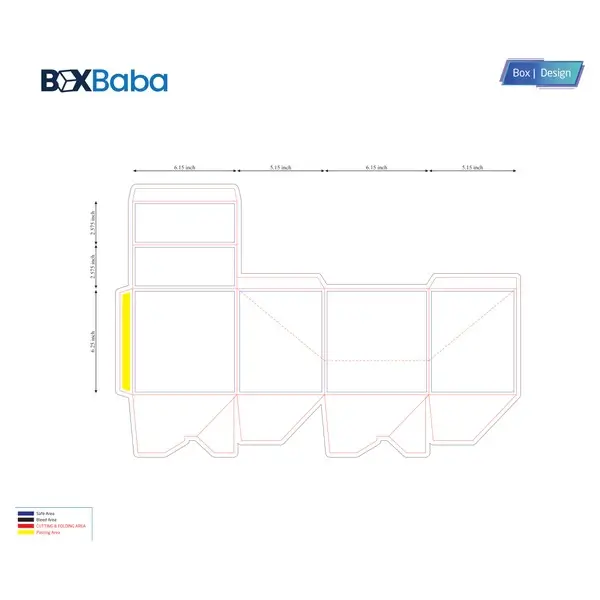
A rigid tray-and-sleeve package requires structural drawings and artwork layouts for both components. The approved construction information should identify the component dimensions, joints, wrapped edges, visible surfaces, artwork-safe areas, and opening features. The artwork should be evaluated in three positions: Closed package: The outer sleeve displays the primary brand identity. Partially opened package: The inner tray and sleeve become visible together. Fully opened package: The product, insert, and approved interior graphics are revealed. A continuous graphic across independently moving components should not be assumed to stay aligned throughout the opening movement. Important text, QR codes, and barcodes should also remain clear of critical joints, edges, and obscured areas. For more information, read our Dieline in Packaging Guide.

Samples, Proofing, and Wholesale Ordering

Sampling helps buyers evaluate the intended appearance, structure, and opening behavior before approving bulk production. Different sample and proof types provide different information. Digital artwork proof: Used to review graphics, text, dimensions, and placement. 3D mockup: Helps visualize the intended assembled package and sliding reveal. Blank structural sample: Can help evaluate rigid tray fit, sleeve movement, product placement, inserts, and access. Custom-printed sample: Provides a more representative physical reference for the selected structural materials, wrapping papers, printing, and finishing under the agreed sample specifications. A digital mockup alone cannot verify the physical sliding fit or final printed appearance.

Minimum Order Quantity

Eligible BoxBaba custom packaging projects start from 100 boxes. The confirmed MOQ for rigid tray and sleeve boxes depends on dimensions, rigid construction, board and wrap materials, quantity, inserts, artwork, and finishing. Complex rigid configurations may require a project-specific minimum.

Sample Policy

Free stock samples are available under BoxBaba stated policy. Customers pay initial sample shipping charges, which are reimbursed with the first bulk order. Custom-printed samples are quoted separately according to the selected material, printing, finishing, tooling, and production requirements. Their shipping charges are also reimbursed with the first bulk order under the applicable policy.

Production and Shipping

Standard orders are typically completed and delivered within approximately 5–9 business days after final artwork and order approval. This generally includes 3–5 business days for production and 2–4 business days for transit. Timelines may vary depending on order specifications, quantity and destination. Rigid construction, specialty finishes, custom inserts, sampling, and other project-specific requirements may affect the confirmed schedule. Production time is separate from shipping transit. BoxBaba offers free shipping across the USA under its applicable standard shipping offer.

Why Choose BoxBaba for Rigid Tray and Sleeve Boxes?

BoxBaba supports custom rigid packaging projects for U.S. brands, retailers, wholesalers, and eCommerce businesses. Customization services include product-specific dimensions, artwork and dieline assistance, suitable materials, compatible printing and finishing options, and applicable sampling support. Eligible custom packaging projects start from 100 units, with standard total turnaround time of 5–9 busines days after final approval and free shipping across the USA. Our team can review the product, rigid tray, outer sleeve, inserts, artwork, and opening requirements before preparing a wholesale quotation.

Request a Custom Rigid Tray and Sleeve Boxes Quote

Need custom rigid tray and sleeve boxes for jewelry, watches, cosmetics, electronics accessories, or premium gift sets? BoxBaba can review your product dimensions, rigid-board structure, inner tray design, outer sleeve fit, inserts, artwork, and finishing requirements before preparing a wholesale quotation. For an accurate quote, share the finished product dimensions and approximate weight, number of items per box, preferred opening direction, insert requirements, branding and artwork details, finishing preferences, quantity per SKU, and U.S. delivery destination. Request Your Custom Rigid Tray and Sleeve Boxes Wholesale Quote Today Phone: +1 305 574 4357 Email: sales@boxbaba.com Get rigid tray-and-sleeve packaging developed around your product dimensions, presentation requirements, and branding needs, with artwork assistance and free shipping across the USA.

Packaging Partner for Your Success

At BoxBaba, innovation meets quality. We offer fully customized printed boxes, backed by a team that is responsive, reliable, and effortless to work with.

5000+

Clients Served

2.5M+

Boxes Delivered

98%+

Happy Clients

5+

Years of Trust

Frequently Asked Questions

Find all the urgent questions you may have.

Rigid tray and sleeve boxes are two-piece packages featuring a formed rigid-board inner tray and matching outer sleeve. The tray holds the product and slides through the sleeve, which provides the main exterior branding surface.
They can be. Both terms may describe a rigid outer sleeve with a sliding inner tray. Buyers should compare the actual construction and included components rather than assuming the names identify different products.
Rigid versions use formed structural board and typically have decorative wrapped surfaces. Folding versions use suitable scored and folded paperboard. They differ in material, assembly, storage, and presentation requirements.
A complete rigid tray-and-sleeve package includes the inner tray and matching outer sleeve as specified in the quotation. Inserts, dividers, ribbons, and other accessories are included only when separately approved.
Provide the finished product length, width, height, approximate weight, and accessories. The usable tray interior is developed first, followed by the completed tray exterior and matching sleeve interior.
The tray should slide as intended without excessive resistance or unwanted looseness. The appropriate fit depends on the rigid-board construction, wrapped surfaces, finishing, and opening method. Physical sampling can help assess this relationship.
Suitable rigid chipboard or grayboard forms the main structure, while compatible printed or decorative papers create the visible wrapped surfaces. Final material selection depends on product and construction requirements.
Yes, product-specific inserts and compatible printing or finishing options can be considered. Available treatments may include CMYK printing, supported Pantone/PMS workflows, foil stamping, embossing, debossing, and spot UV, depending on the approved materials and design.
Eligible BoxBaba custom packaging orders start from 100 boxes, with final minimums confirmed for complex rigid projects. Free stock samples are available under the stated policy, while custom-printed samples are quoted separately.
Our standard turnaround time is approximately 5–9 business days after final artwork and order approval, including 3–5 business days for production and 2–4 business days for shipping. Box structures, inserts, finishes, quantities, and multiple artwork versions may affect the final timeline.