






Sale!

Free Shipping

On All Orders

No Setup Charges

On Bulk Orders

Free Design Support

From Our Experts

100% Secure Payment

Safe & Encrypted

Jewelry Tray and Sleeve Boxes

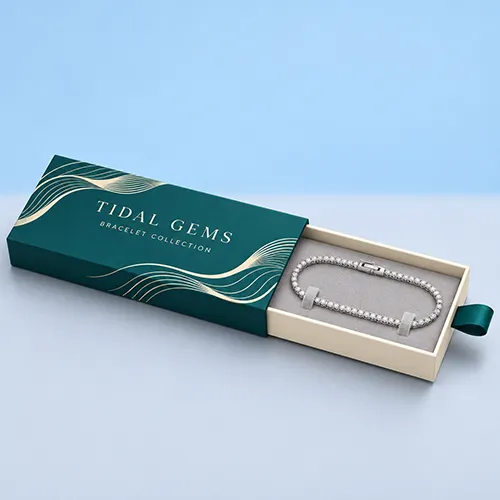
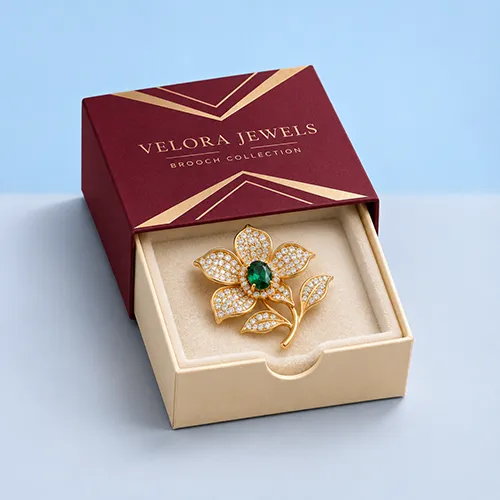
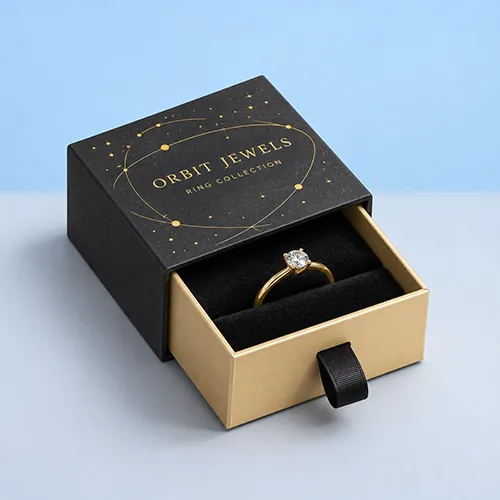
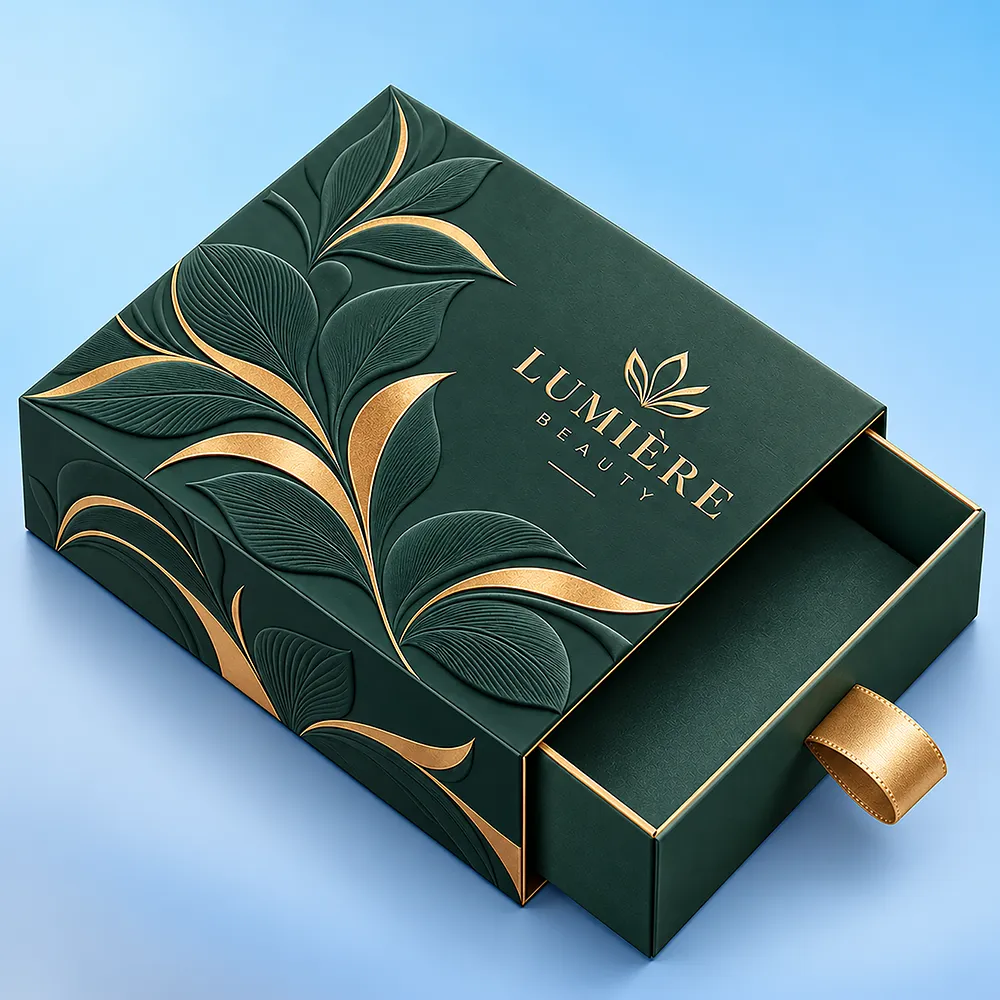
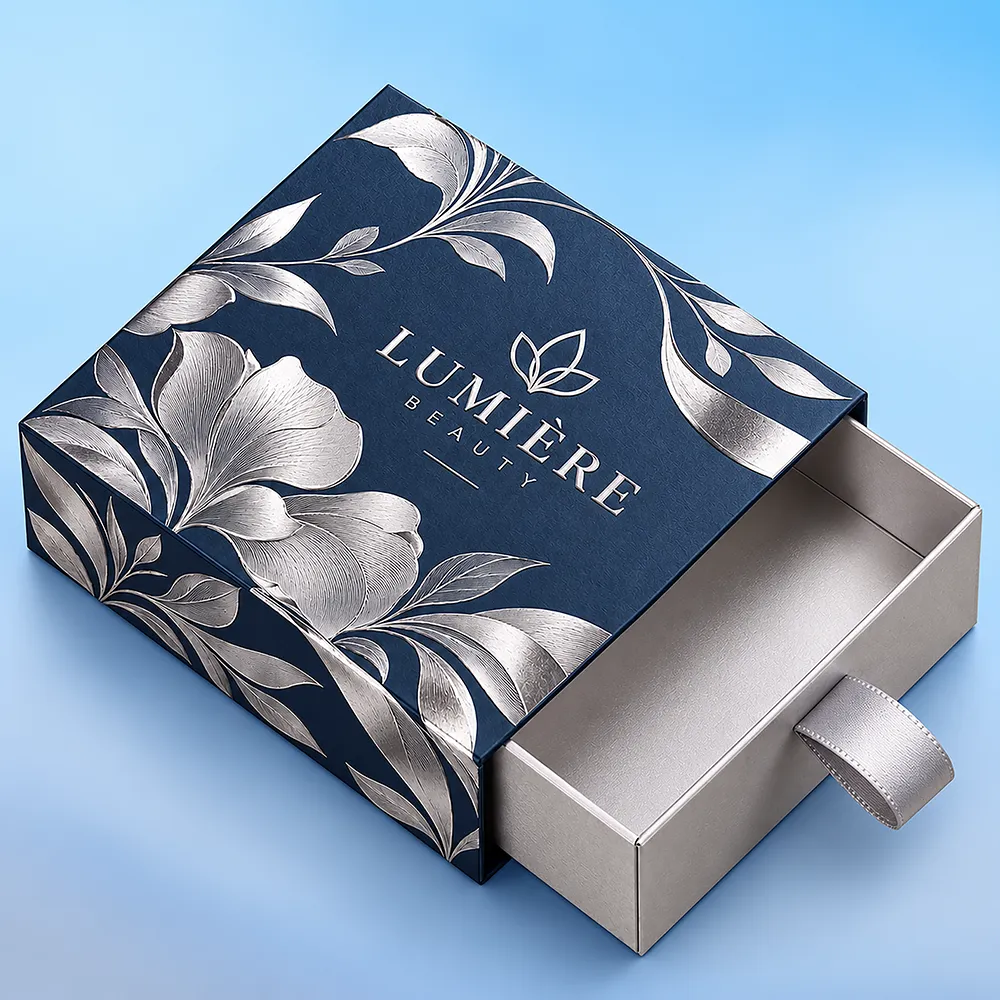
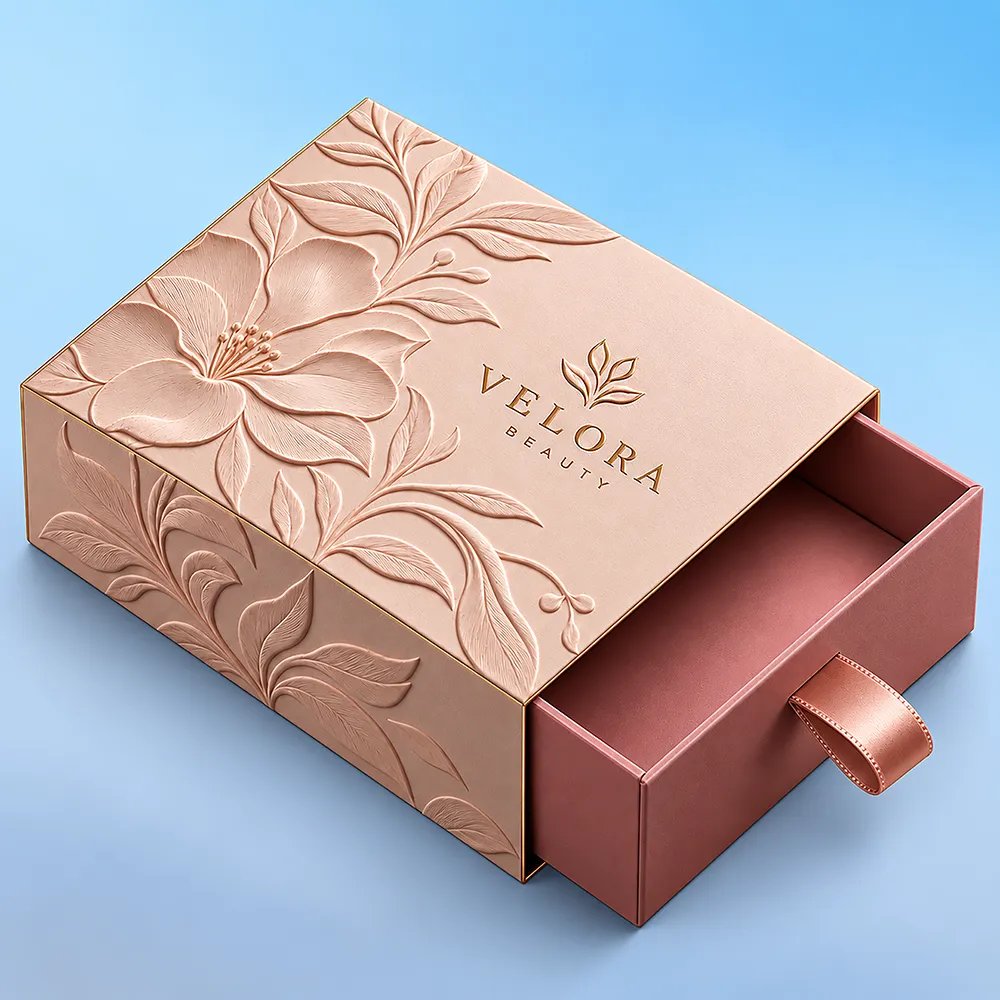
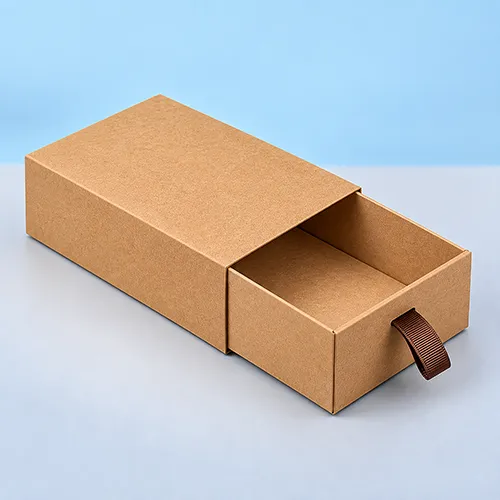
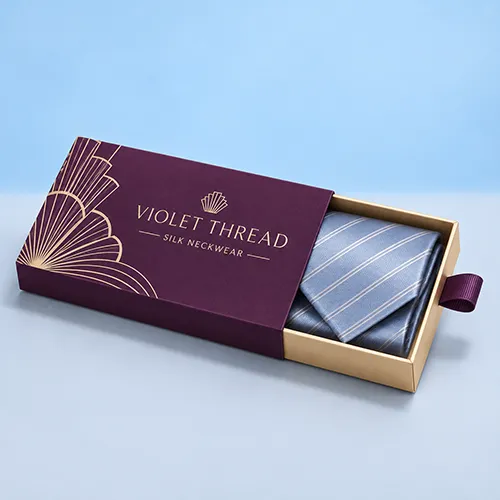
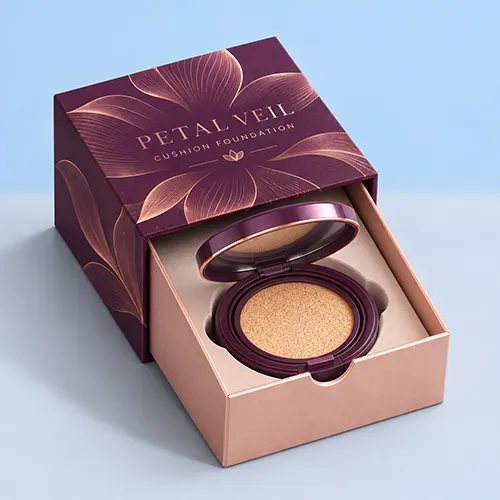
Custom Jewelry Tray and Sleeve Boxes feature a printed outer sleeve and a separate sliding inner tray designed for rings, necklaces, earrings, bracelets, pendants, and compatible jewelry gift sets. The sliding construction creates an organized presentation while providing dedicated surfaces for logos, collection artwork, and gift messages. BoxBaba develops custom packaging for U.S. jewelry brands, boutiques, independent designers, gift retailers, and wholesale buyers. Our Jewelry Tray and Sleeve Boxes can be customized around the finished jewelry dimensions, desired display orientation, tray depth, and suitable holding components. Depending on the approved configuration, the packaging may use folding paperboard or a separately specified rigid construction, with compatible insert, printing, and finishing options. Standard orders are typically completed and delivered within approximately 5–9 business days after final artwork and order approval. This generally includes 3–5 business days for production and 2–4 business days for transit. Timelines may vary depending on order specifications, quantity and destination.
Availability: In stock
From Original price was: $1.21.Current price is: $0.33.
Per unit

Why Choose BoxBaba for Jewelry Tray and Sleeve Boxes

Custom Jewelry Tray and Sleeve Boxes for Luxury Jewelry Packaging

Custom jewelry tray and sleeve boxes feature sliding outer sleeves, fitted jewelry inserts, branded printing, and premium finishes for elegant retail presentation and gifting.

What We Give

Create Custom Boxes Quick and Easy

Quote & Design Support

Share your packaging requirements, get a competitive quote, and receive free design assistance from our team.

Artwork & Printing

Finalize your artwork, printing options, and finishes the way you want with help from our design team.

Production & Delivery

Once your artwork is approved, we’ll produce and deliver your custom boxes within an estimated 5–9 business days.

Related Products

In Stock
In Stock
In Stock

How Jewelry Tray and Sleeve Boxes Work

Jewelry Tray and Sleeve Boxes use two coordinated packaging components: an inner tray and an outer sleeve. The outer sleeve provides the primary exterior branding. The tray slides out to present the selected jewelry piece or collection. Where a piece requires additional positioning, a suitable holder or insert should be incorporated into the tray design before the final box dimensions are approved.

Outer Sleeve and Inner Jewelry Tray

The outer sleeve is developed around the completed exterior dimensions of the inner tray. The tray provides the space for the jewelry and any approved supporting materials. When the package is closed, the sleeve displays the brand identity. As the tray opens, the jewelry and any interior presentation details become visible. The correct design sequence is: Finished Jewelry → Display Arrangement and Holder → Tray Interior → Completed Tray Exterior → Sleeve Interior → Sliding Fit → Approved Dieline The tray’s usable interior dimensions and its assembled exterior dimensions are different. Material thickness, folded walls, joining areas, and any installed holder influence the final structure.

What Is Included in a Jewelry Tray and Sleeve Box Order?

The product is defined by a coordinated inner tray and outer sleeve. The approved quotation should identify their materials, dimensions, printing, finishing, and supply format. Additional components, such as ring-positioning supports, necklace presentation cards, earring holders, fabric linings, or specialized insert materials, must be specified separately. The jewelry itself and any required outer shipping packaging are not included unless expressly stated.

Jewelry Tray and Sleeve Boxes vs. Regular Jewelry Boxes

Jewelry Tray and Sleeve Boxes use a sliding opening rather than a conventional hinged lid, tuck closure, or lift-off cover. Other packaging constructions may be more appropriate when a sliding reveal is not required. Explore our Custom Jewelry Boxes for broader jewelry packaging styles. For additional sleeve-based structures, browse Custom Sleeve Boxes.

Jewelry Tray and Sleeve Boxes vs. Rigid Drawer Boxes

A jewelry tray-and-sleeve structure may be made from suitable folding paperboard or a separately approved rigid-board construction. Folding paperboard uses scored and folded panels. Rigid-board drawer packaging typically uses formed, wrapped components. Both may create a sliding presentation, but they differ in material, assembly, and construction requirements. For rigid-board applications, explore our Custom Rigid Drawer Boxes. The desired structure should be specified before the quotation is prepared.

Custom Jewelry Tray and Sleeve Box Sizes

Correct sizing begins with the actual jewelry and how it will be displayed. A ring, necklace, or pair of earrings cannot be accurately sized for packaging from its product name alone. The insert or display holder may also influence the finished tray dimensions.

How to Measure Jewelry for Custom Tray and Sleeve Boxes

Measure representative finished jewelry pieces in their intended display arrangement. Record the maximum length, width, and height, including raised settings, stones, clasps, posts, backs, or decorative projections. If the jewelry will be mounted on a card or holder, the dimensions of that complete arrangement should be considered. The packaging should provide adequate space for the item and allow convenient removal without excessive pressure on delicate components.

Jewelry Box Measurement Guide

Component Measurement Purpose
Finished Jewelry Length and Width Determines the product’s presentation footprint
Maximum Jewelry Height Establishes required clearance around raised components
Stone or Setting Projection Influences tray depth and holder positioning
Pendant Dimensions Determines the visible necklace presentation area
Chain and Clasp Arrangement Helps establish necklace layout and access
Earring Posts or Backs Determines clearance behind or around the earring holder
Display Holder Exterior Defines the space required by the mounted jewelry arrangement
Tray Interior Provides usable space for jewelry and approved inserts
Completed Tray Exterior Determines the outside dimensions the sleeve must accommodate
Sleeve Interior Defines the opening through which the completed tray slides
The final box dimensions depend on the approved tray geometry, holder materials, paperboard thickness, and sleeve fit.

Jewelry Tray and Sleeve Boxes for Rings

Ring packaging should be planned around the finished ring, including its band and raised setting. A plain wedding band and an engagement ring with a tall gemstone setting may require different tray depths.

Ring Setting Height and Tray Depth

Measure the ring’s outside profile, band thickness, setting height, and any projecting stones. The desired display orientation determines how the ring sits inside its holder. A ring displayed upright may need different vertical clearance from one presented flat. Tray depth should therefore be finalized only after the intended ring and holder arrangement is established.

Ring Holders and Customer Access

A suitable ring holder can be considered when the selected presentation requires a defined position. Its material and opening should correspond to the actual ring profile and intended removal method. The holder should not apply unnecessary pressure to the setting, stone, or decorative surfaces. The use of a holder does not automatically establish scratch protection or impact resistance. For alternative ring packaging formats, explore our Ring Boxes.

Jewelry Tray and Sleeve Boxes for Necklaces and Pendants

Necklace packaging must account for the pendant, chain, clasp, and intended display arrangement. The full chain length does not necessarily determine the tray length because the chain may be arranged around a suitable presentation holder.

Necklace and Pendant Measurements

Start with the pendant’s maximum length, width, and thickness. Determine the intended pendant position and how the remaining chain will be arranged. A necklace displayed with its pendant centered may require a different holder from one packed with the chain folded inside a compartment. Chain flexibility, clasp position, and decorative elements should be considered when preparing the tray layout.

Necklace Holders and Chain Positioning

A suitable necklace holder may include approved features for arranging the chain and displaying the pendant. The chosen structure should also allow customers to remove the necklace without unnecessary difficulty. An unpartitioned tray does not automatically prevent chains from moving or tangling. The holder material, chain arrangement, and product-contact surfaces should be evaluated with representative finished jewelry. For other pendant presentation formats, explore our Pendant Boxes.

Jewelry Tray and Sleeve Boxes for Earrings and Bracelets

Different jewelry categories require different presentation measurements and holding methods.

Earring Tray and Sleeve Packaging

Stud earrings should be measured with their posts and backs. Hoop earrings require clearance based on their outside diameter and thickness. Drop earrings should be measured using their full hanging length and any projecting decorative parts. If an earring display card is used, the completed card-and-earring arrangement should determine the required tray space. Suitable card-holding or positioning features may be considered according to the approved construction. For other earring packaging options, explore our Earring Boxes.

Bracelet and Bangle Packaging

Flexible bracelets and rigid bangles have different packaging requirements. A chain bracelet can be arranged according to the intended display, while a rigid bangle generally requires space based on its finished external diameter and profile. Clasp positions, charms, stones, or other projections can influence the tray and holder design. The selected package should be evaluated around the actual finished item.

Multipiece Jewelry Gift Sets

A coordinated jewelry set may contain a necklace and earrings, several bracelets, or another compatible combination. The tray should be developed around the complete assortment rather than the number of items alone. Different pieces may require separate positions or holder configurations to support the intended presentation and removal sequence.

Jewelry Inserts, Holders, and Product Positioning

The inner tray provides the primary display area, but it does not automatically position every jewelry item. A holder or insert should be specified when the jewelry requires a defined presentation arrangement.

Choosing the Right Jewelry Insert

The insert should match the jewelry’s profile, orientation, and removal requirements. Possible configurations include suitable ring supports, necklace presentation cards, earring holders, and compartments for coordinated gift sets. The appropriate choice depends on the actual product and approved supply options. The final quotation should identify the insert type, dimensions, material, attachment, and quantity.

Paperboard, Foam, and Fabric-Style Holders

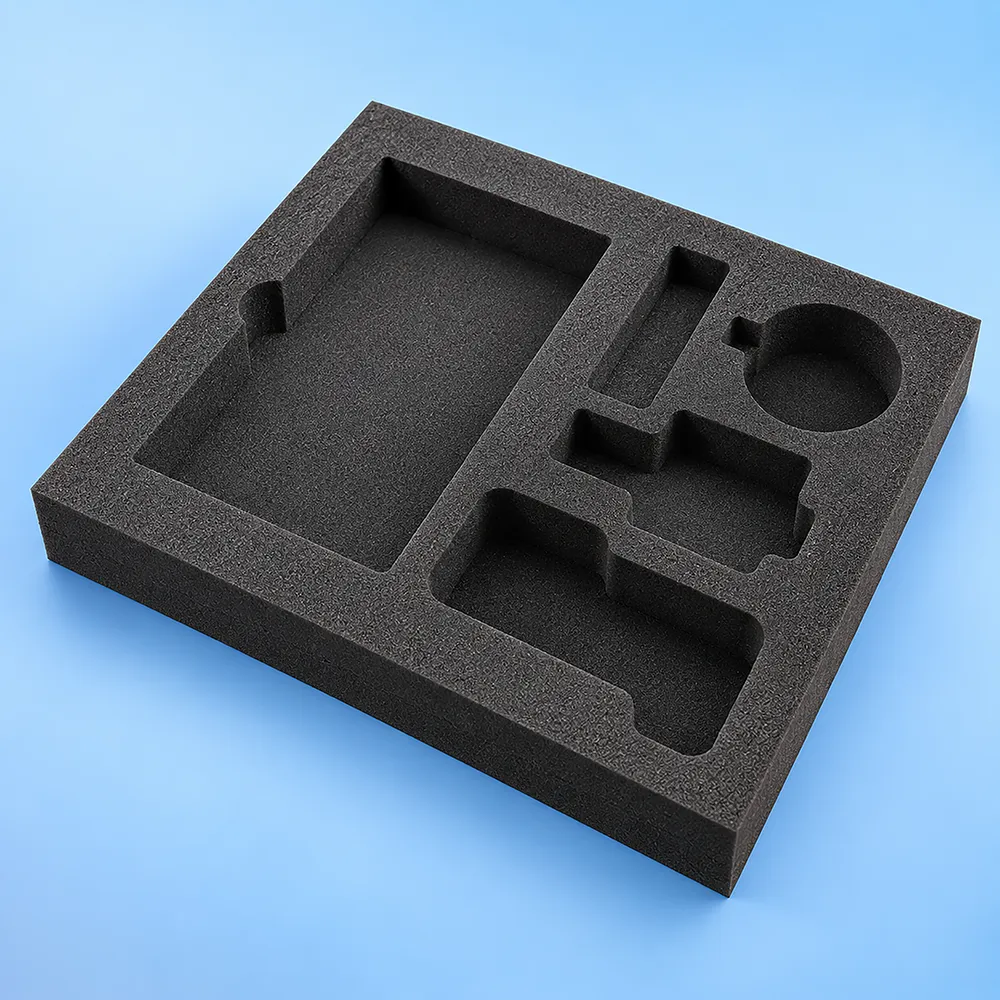
Suitable paperboard supports may be considered for selected display-card and folded-insert applications. Foam or fabric-style holders may also be discussed where available for the approved jewelry packaging configuration. These materials have different contact, appearance, stiffness, and assembly characteristics. An outer soft-touch finish is not the same as a soft lining intended to contact jewelry. Any velvet, satin, foam, or other specialized holder should be specifically identified in the approved quotation.

Jewelry Contact and Surface Care

Polished metal, plating, gemstones, pearls, and other jewelry surfaces may react differently to packaging contact and handling. The selected holder should be evaluated against the actual finished jewelry. A paperboard tray or decorative sleeve does not automatically provide scratch prevention, anti-tarnish performance, or protection against surface reactions. Where such performance is essential, the packaging materials and contact conditions require product-specific evaluation.

Sliding Fit, Tray Access, and Assembly

A sliding tray is a defining feature of Jewelry Tray and Sleeve Boxes. The intended opening should allow the tray to move without excessive friction or uncontrolled looseness.

Tray Exterior vs. Sleeve Interior

The completed tray includes its wall thickness, folds, and joining areas. Its exterior dimensions are therefore different from its usable interior dimensions. The outer sleeve must be sized around the assembled tray rather than the jewelry alone. Material thickness, coatings, finishing, folds, and seam placement influence the completed fit. There is no universal sliding clearance suitable for every jewelry tray-and-sleeve box.

Opening Direction and Grip Access

The opening direction should be established before the artwork is finalized. A suitable exposed tray edge, finger-access feature, or another approved opening detail may help the customer begin opening the package. The jewelry should not need to be pulled directly to move the tray. If a ribbon pull, tray stop, or other specialized component is required, its construction and inclusion must be confirmed.

Tray Position and Product Access

The structure should be evaluated with the jewelry in its intended position. Consider how the tray behaves when partially opened, whether the jewelry remains in the intended display arrangement, and whether individual pieces are accessible. A tray-retention or stop mechanism must not be assumed unless it is specifically part of the approved design. Physical sampling can help evaluate these requirements before bulk production.

Jewelry Collections, Branding, and Multiple SKUs

Jewelry brands may use a common tray-and-sleeve structure for different collections when the products and holder arrangements are compatible. Different printed artwork can identify collections, seasonal ranges, product categories, or gift campaigns. However, a shared outer box does not automatically mean one insert will fit every jewelry item. For example, a ring and a pendant might use the same outer tray dimensions but require different holders. The recommended workflow is: Confirm Jewelry Dimensions → Approve Tray and Holder → Verify Sleeve Fit → Prepare Artwork Variations → Confirm Quantity per SKU If the jewelry or holder changes, the tray configuration should be checked again.

Jewelry Packaging and Shipping Considerations

Jewelry Tray and Sleeve Boxes are retail and gift presentation structures. They should not automatically be described as tested shipping containers.

Scratch and Abrasion Considerations

The packaging surfaces that contact jewelry can affect its condition. The material, contact points, product movement, and handling method should be evaluated when selecting the holder. A decorative outer sleeve alone does not establish scratch prevention.

Necklace Tangling and Jewelry Movement

A necklace arranged on a suitable holder may behave differently from loose jewelry placed inside a tray. The same applies to earrings on display cards and bracelets in appropriately sized compartments. The packaging should be evaluated with the intended finished pieces. Do not assume that the tray-and-sleeve structure alone prevents tangling, movement, or damage.

E-Commerce and Parcel Shipping

A presentation box may require an additional shipping carton or mailer when used for eCommerce orders. The complete shipping system should be evaluated according to the jewelry, presentation box, and expected distribution conditions. A tray-and-sleeve jewelry box does not automatically provide tested transit protection.

Material Options for Jewelry Tray and Sleeve Boxes

The chosen materials affect the package’s appearance, stiffness, folding, tray construction, and sliding fit. The outer sleeve, inner tray, and jewelry holder may require different materials because they perform different functions.

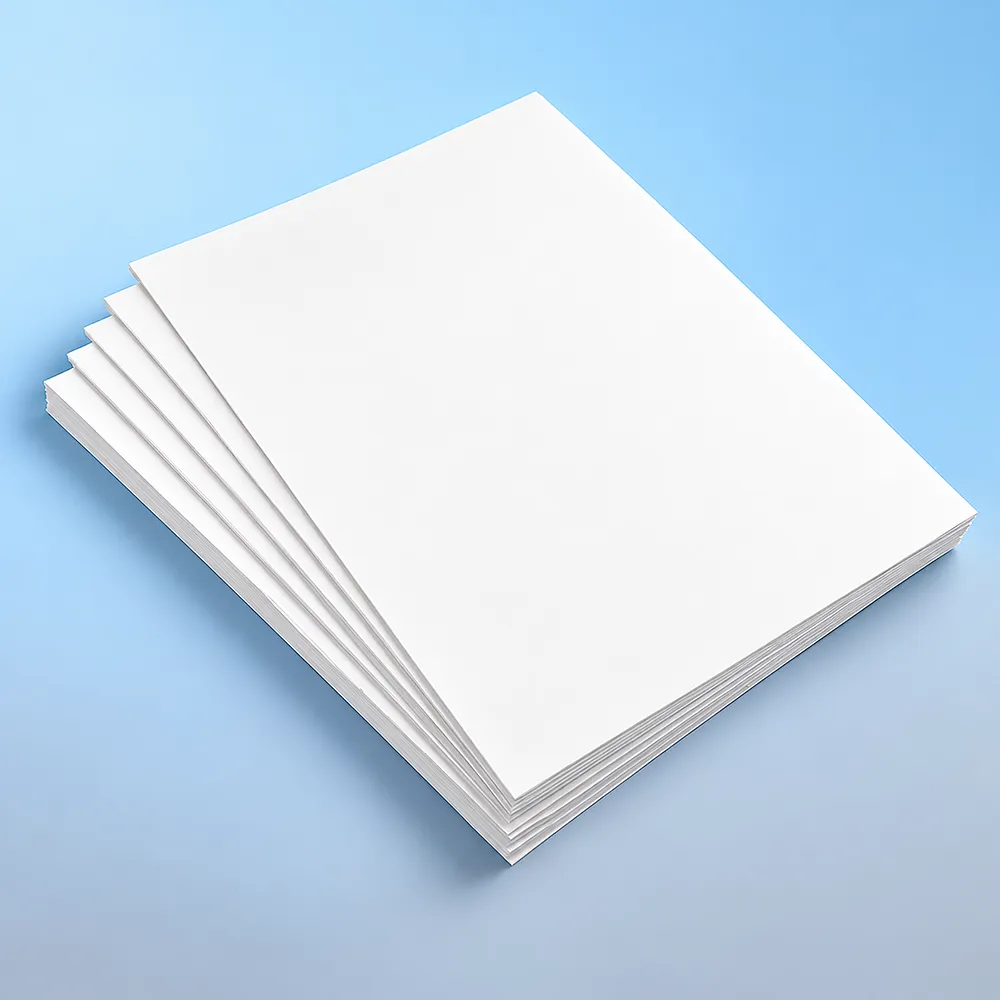
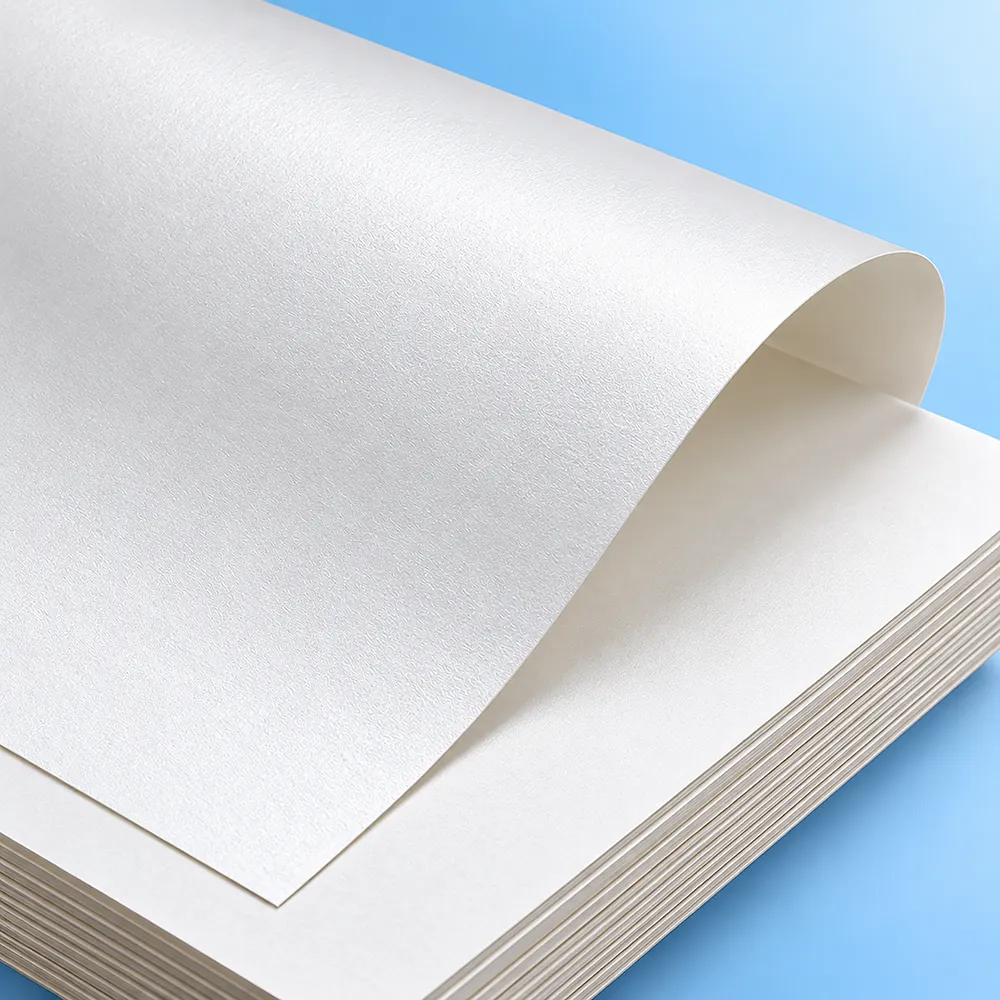
White Paperboard and SBS

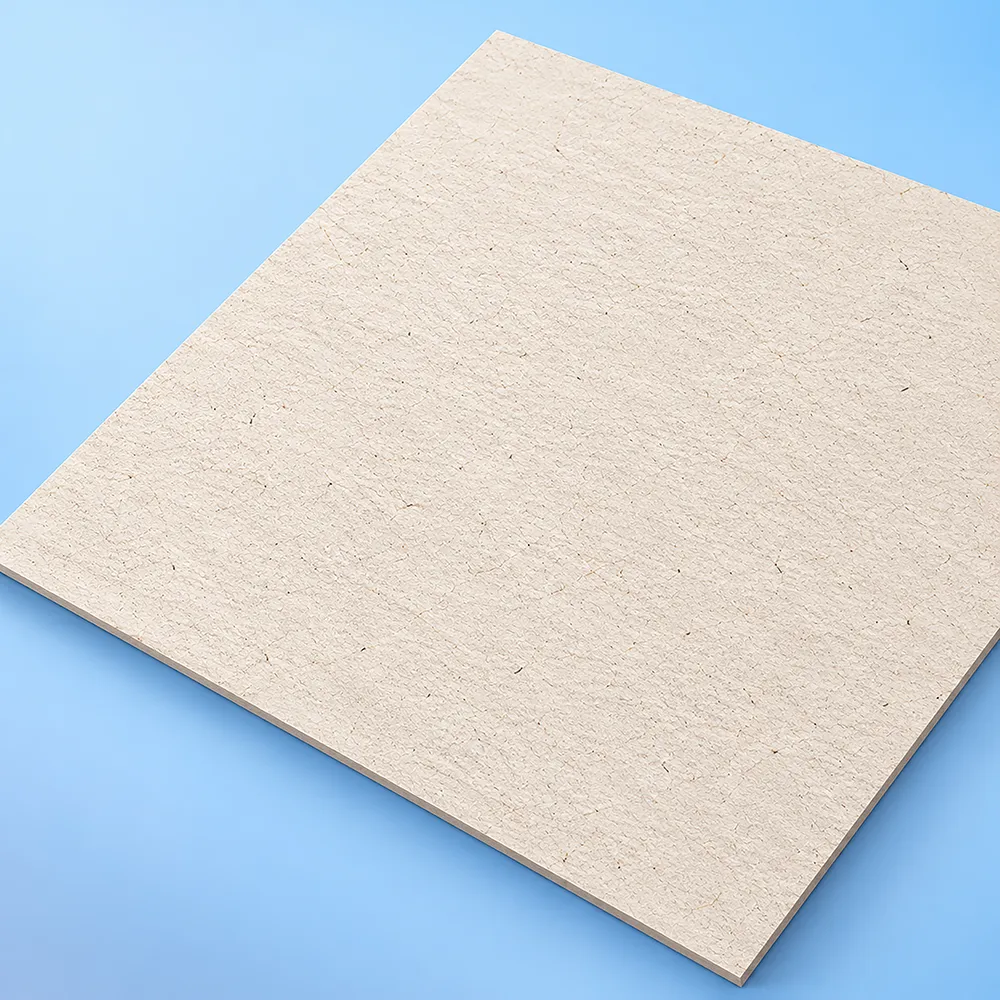
Suitable white paperboard, including SBS grades, provides a bright surface for detailed logos, graphics, and decorative printing. It may be appropriate for selected folding-carton sleeve and tray structures. The material should support the required dimensions, folds, joining areas, and opening movement. A heavier folding stock should not automatically be described as rigid setup-board packaging.

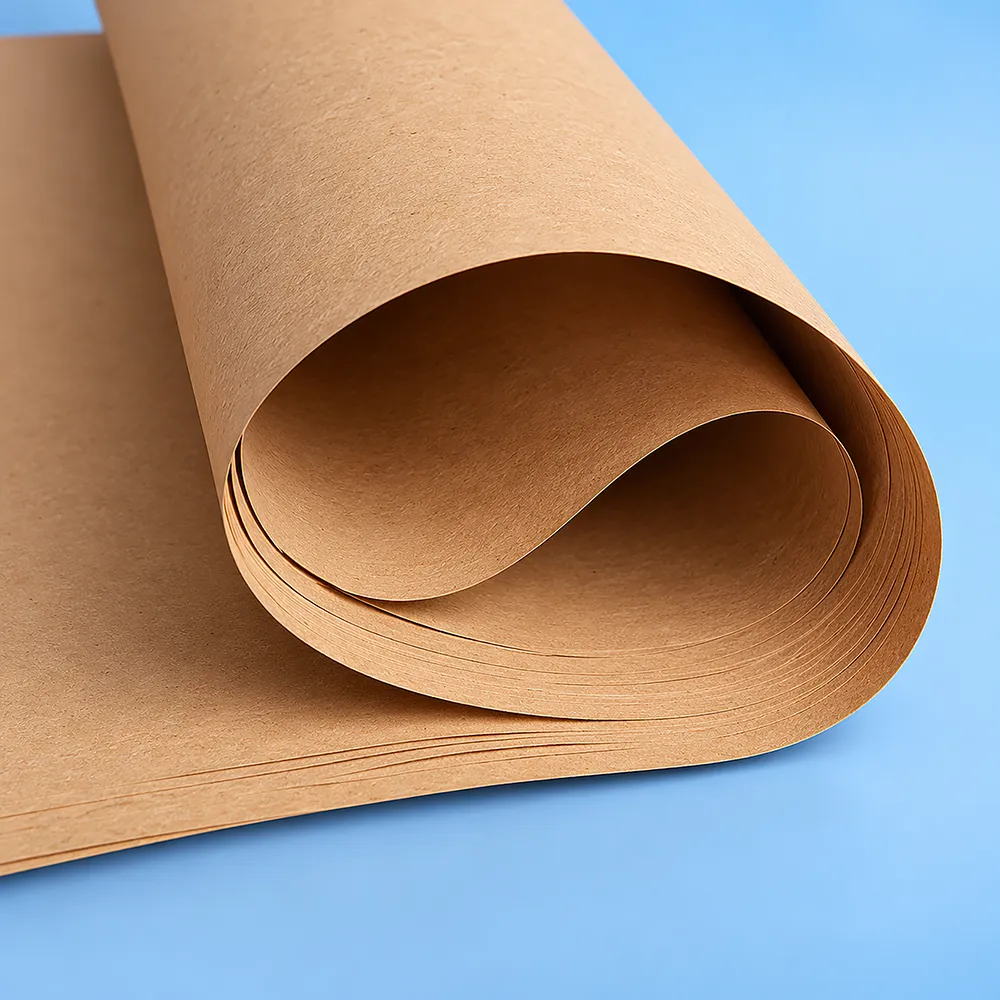
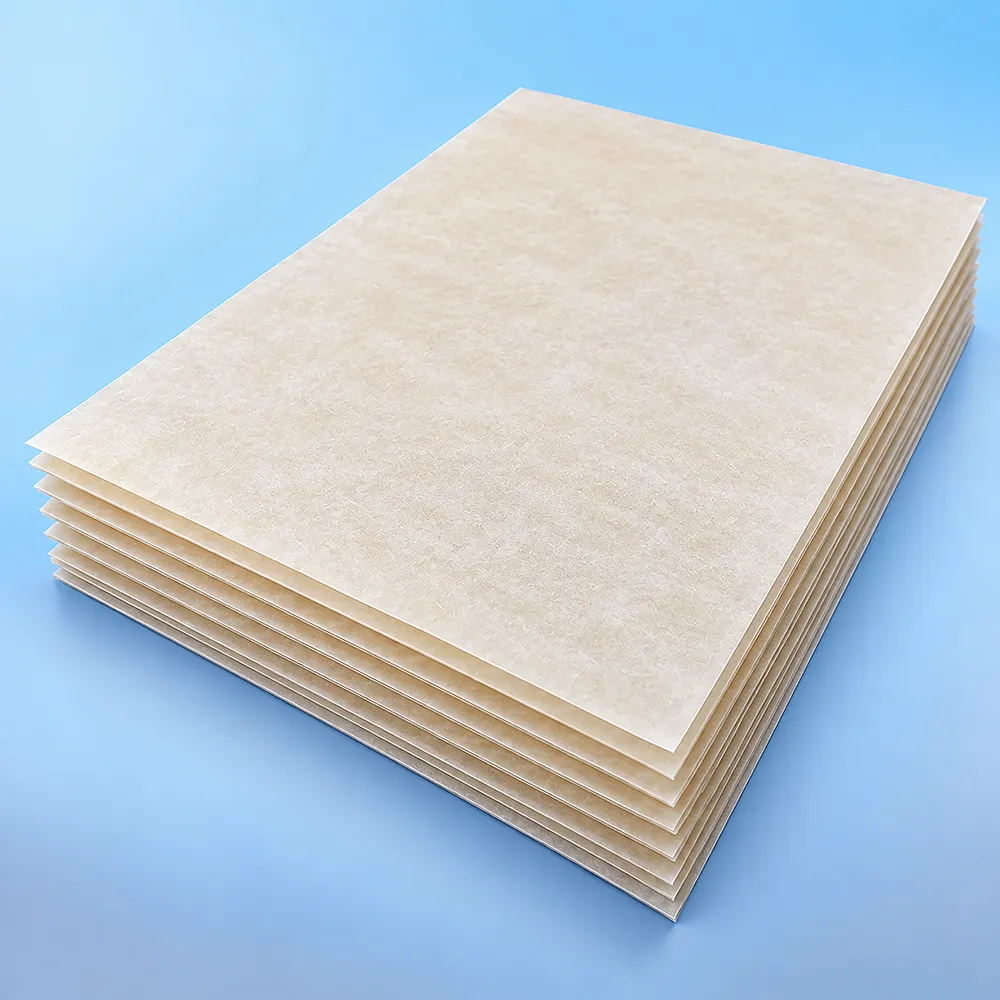
Kraft Paperboard

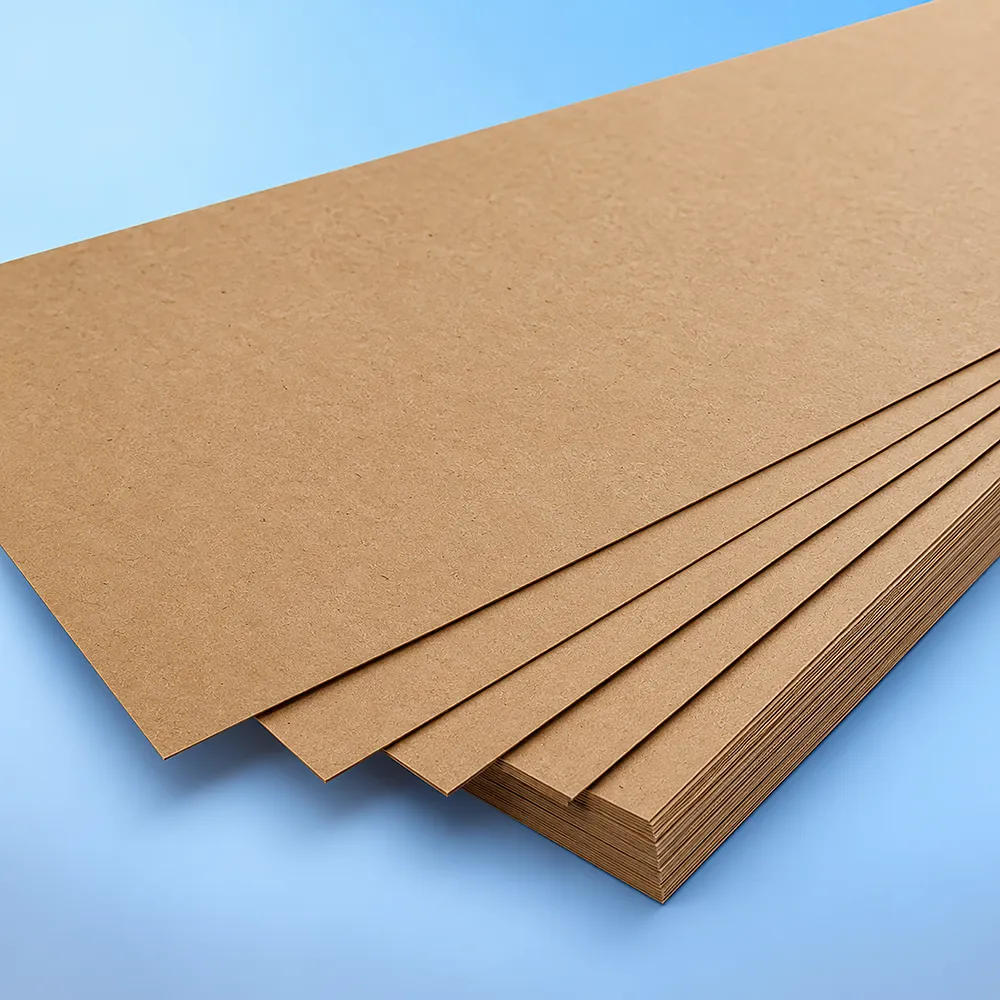
Kraft paperboard offers a natural brown appearance for suitable jewelry packaging designs. It may work well with minimalist branding, contrasting typography, and artwork that incorporates the Kraft surface. Printed colors can vary compared with white paperboard. For other Kraft-focused jewelry packaging, explore our Kraft Jewelry Boxes. Kraft appearance alone does not establish recycled content, recyclability, biodegradability, or environmental certification.

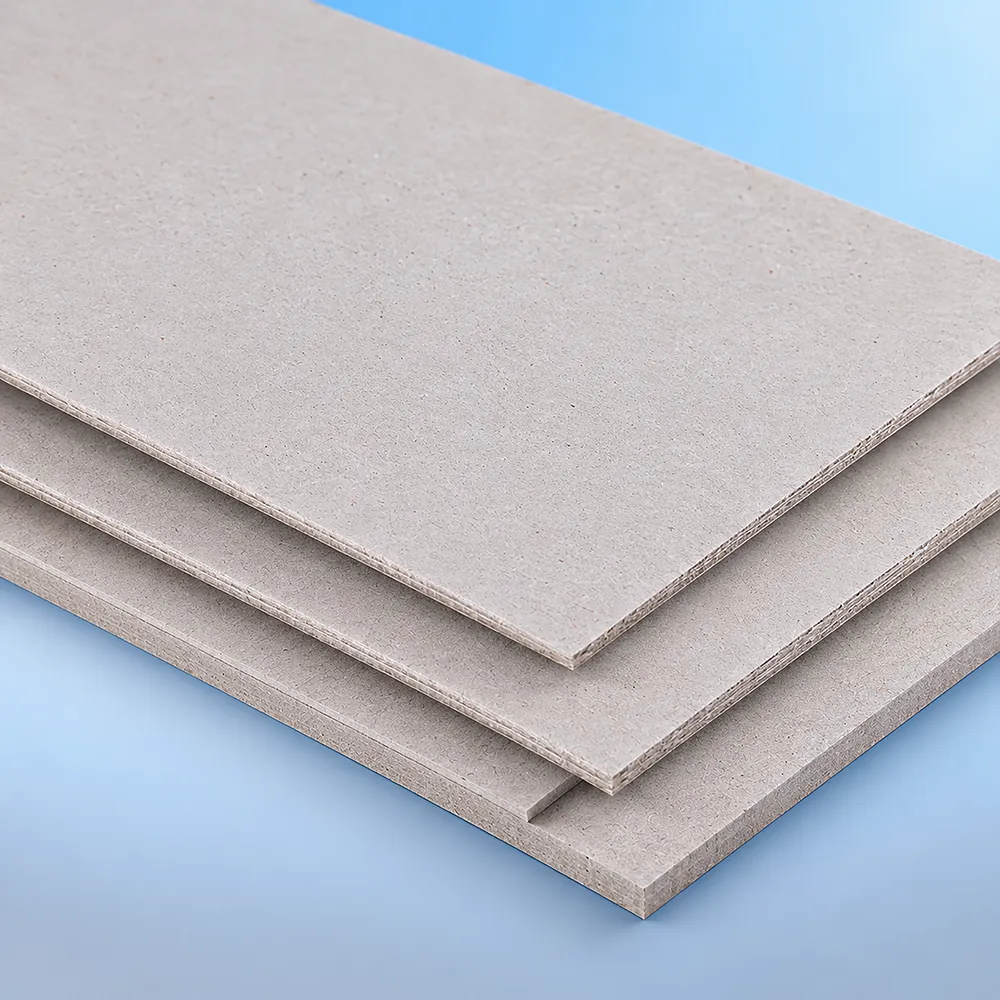
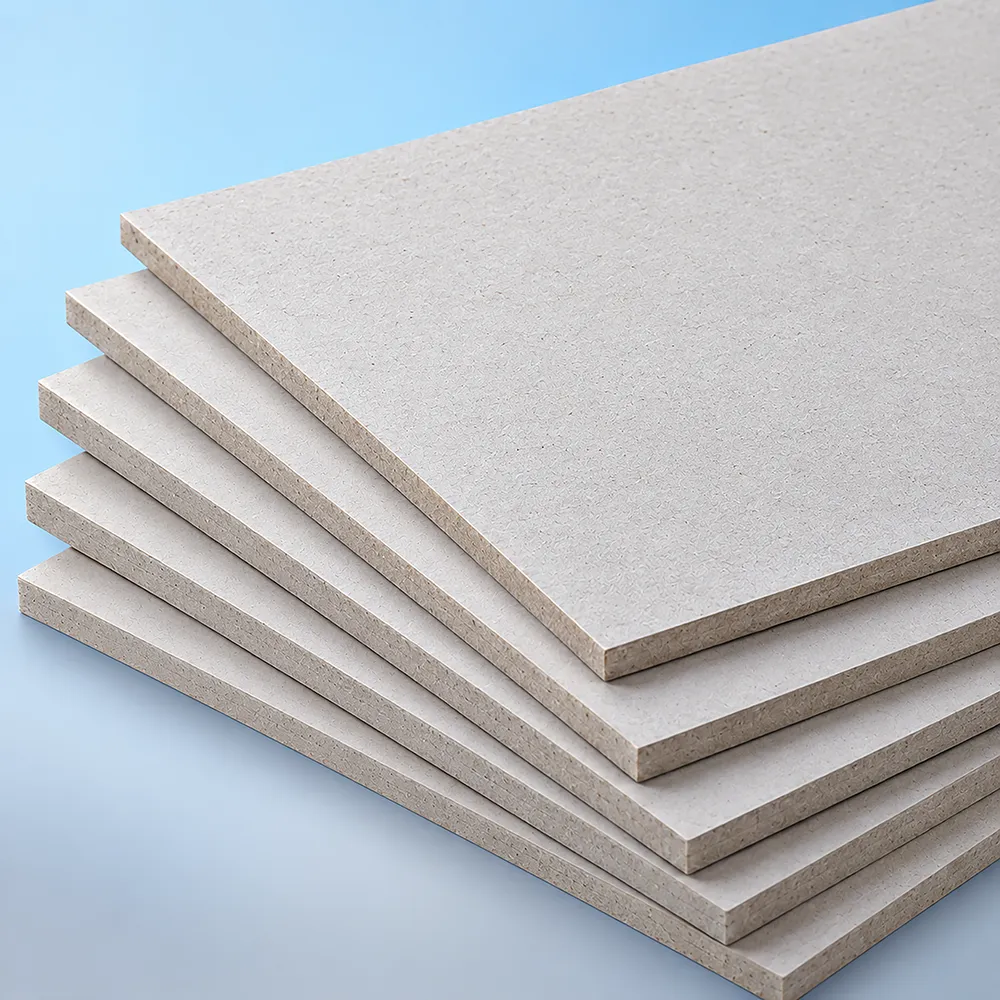
Folding Paperboard vs. Rigid Board

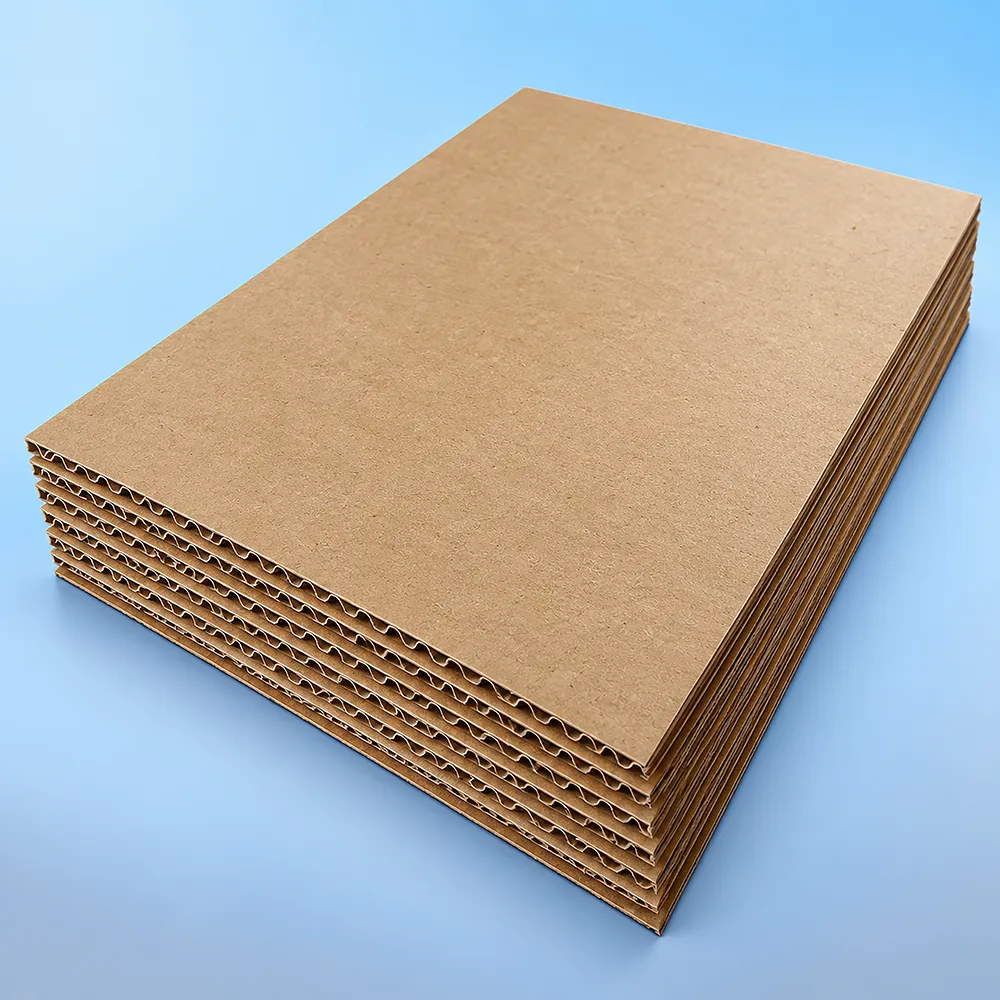
Folding paperboard and rigid-board packaging use different constructions. Folding paperboard is scored and folded to create the required panels. Rigid-board packages use formed, wrapped components and may require different assembly and finishing methods. Both constructions may support a sliding opening, but they should not be treated as interchangeable. If a formed rigid jewelry drawer box is required, that structure must be specifically approved.

Jewelry Insert and Holder Materials

The holder material should be selected according to the jewelry’s finished surface, dimensions, contact requirements, and presentation. Paperboard, foam, fabric-style, or other suitable insert directions may be considered where supported by the selected configuration. The exact material and attachment method should be confirmed before production. A decorative surface treatment should not be represented as tested jewelry-contact protection without supporting evaluation.

Printing and Finishing for Jewelry Tray and Sleeve Boxes

Custom printing allows jewelry brands to display logos, collection names, decorative artwork, and gift messages on suitable sleeve and tray surfaces. Printing reproduces the artwork on the selected material. Finishing creates compatible decorative or tactile effects. The two processes should be planned around the box construction, handling, and intended opening movement.

Printing Methods for Jewelry Tray and Sleeve Boxes

Offset printing may suit detailed artwork and larger quantities when the selected stock and production setup support it. Digital printing may be appropriate for selected shorter runs or multiple collection artwork versions, depending on material and finishing compatibility. Flexographic printing may be considered for compatible paper-based substrates and repeat-production applications. The final method depends on paperboard, quantity per artwork, design complexity, color requirements, print coverage, and finishing. Not every printing method is suitable for every tray-and-sleeve construction.

CMYK and Pantone/PMS Printing

CMYK can reproduce multicolor illustrations, patterns, gradients, and decorative artwork. Pantone/PMS references may support brand-color planning where the selected printing process permits them. Printed colors can vary with paperboard shade, inks, coatings, and decorative finishes. A digital proof helps confirm artwork positioning and specifications but does not guarantee exact physical color reproduction.

Finishing Options for Jewelry Tray and Sleeve Boxes

Depending on the approved material and construction, compatible finishes may include:
  • Matte: A lower-sheen printed appearance.
  • Gloss: A reflective finish for suitable artwork.
  • Soft-touch: A tactile treatment on compatible surfaces.
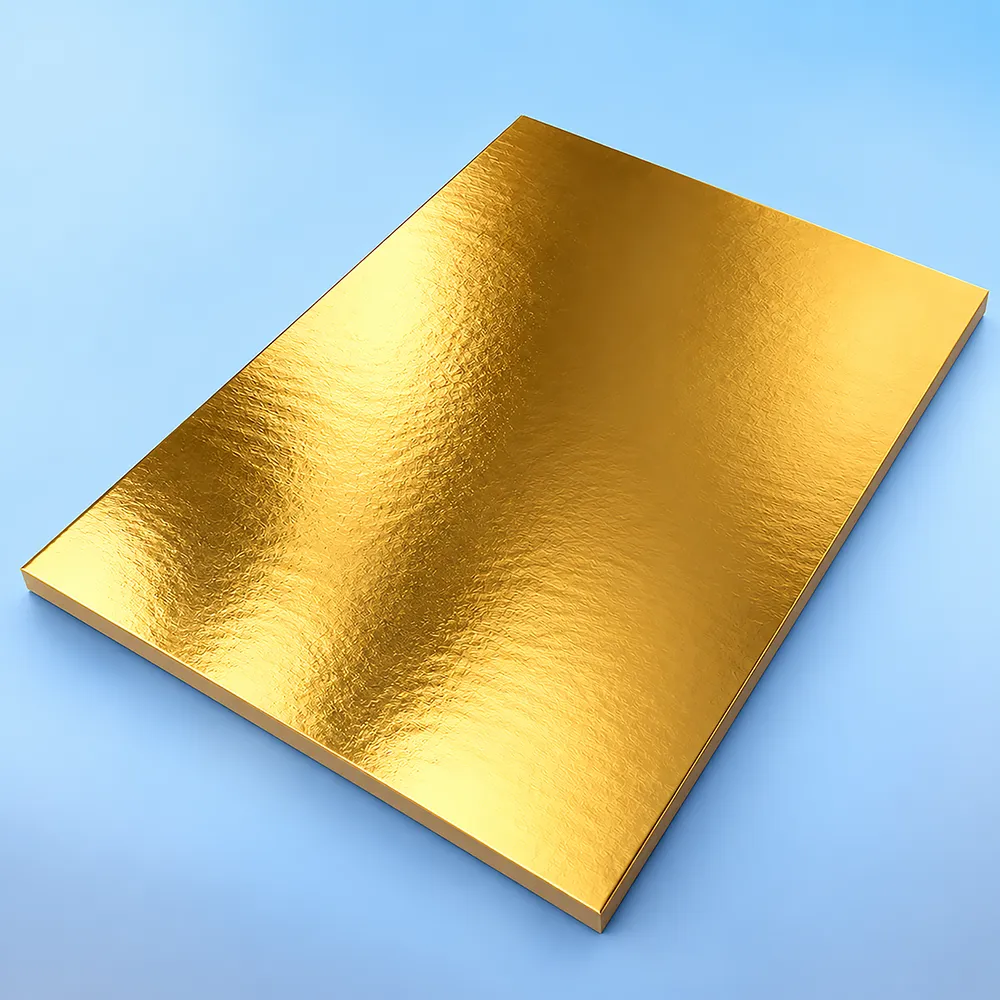
  • Foil stamping: Decorative metallic or specialty accents for logos and collection names.
  • Embossing: Raised branding or decorative details.
  • Debossing: Recessed artwork on suitable materials.
  • Spot UV: Selective gloss highlights on approved printed areas.
Not every treatment works with every stock, fold, seam, or sliding surface.

Artwork Around Folds, Seams, and Sliding Areas

Jewelry tray-and-sleeve boxes use separate components with their own dielines. Important logos, collection names, barcodes, and gift text should remain clear of concealed seams and critical folds. Foil stamping, embossing, debossing, and spot UV near sharp creases may require adjustments. Coatings or lamination around adhesive areas can affect bonding. Finishes on sliding-contact surfaces may also influence friction or visible scuffing. Artwork for the inner tray and outer sleeve should be reviewed in the assembled position.

Branding the Sliding Reveal

The packaging can be designed around three presentation stages: Closed Package: Outer sleeve displays the primary jewelry brand. Partially Opened Package: Tray branding and part of the jewelry arrangement become visible. Open Tray: Jewelry and any approved interior presentation details are revealed. The intended artwork should support the selected opening direction. Graphics spanning independently moving components should not be expected to remain aligned throughout the sliding movement.

Jewelry Tray and Sleeve Box Dielines

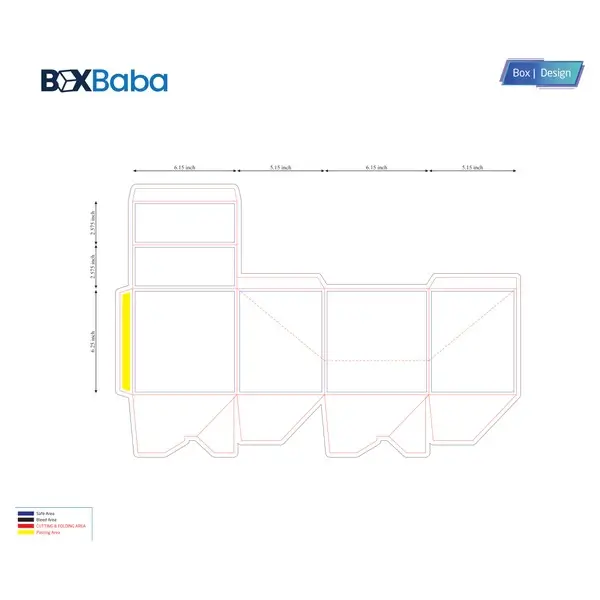
The outer sleeve and inner tray generally require separate structural layouts. Any specified holder or insert may require additional dimensions or cutting details. The dielines identify cut lines, folds, seams, overlaps, bleed, and artwork-safe areas. Before approval, confirm the finished jewelry dimensions, intended display, holder requirements, tray interior, completed tray exterior, sleeve interior, opening direction, and joining seam. Also confirm the selected materials, printing, finishes, and quantities for each artwork version. For further structural guidance, read BoxBaba Dieline in Packaging Guide.

Samples, Proofing, and Wholesale Ordering

Samples help jewelry brands evaluate the package before bulk production. Different proof types provide different information. Digital Artwork Proof: Helps review dimensions, logos, artwork placement, text, and printed-panel layout. 3D Mockup: Helps visualize the closed sleeve, sliding tray, jewelry arrangement, and opening presentation. Blank Structural Sample: Can help evaluate physical tray dimensions, sliding movement, holder positioning, and access to the jewelry. Custom-Printed Sample: Provides a more representative reference for the approved material, artwork, printing, finishing, and construction under the agreed sample specification. A digital mockup cannot independently establish physical fit, jewelry-contact suitability, or final printed color.

What Should Be Checked in a Physical Sample?

Evaluate the package using actual jewelry or suitable representative pieces. Check the clearance for ring settings, pendants, earring posts, bracelet profiles, and other projecting parts. Review the holder’s contact points and the ease of placing and removing the jewelry. Test the intended tray opening, sleeve fit, seam placement, and printed-panel visibility. Check whether the assembled components show excessive friction, unwanted movement, or scuffing. These are recommended evaluations rather than claims of completed structural or transit testing.

Wholesale Minimum Order Quantity

Eligible BoxBaba custom packaging orders start from 100 units. The confirmed minimum and quotation depend on box dimensions, material, tray construction, jewelry holders, printing, finishes, and artwork versions. For multiple jewelry collections, provide quantities by physical box configuration and printed design.

Free Samples and Custom-Printed Samples

Free stock samples are available under BoxBaba’s stated policy. Customers pay initial sample shipping charges, which are reimbursed with the first bulk order. Custom-printed samples are quoted separately according to their materials, printing, finishing, tooling, and production requirements. Shipping charges for custom-printed samples are also reimbursed with the first bulk order under the applicable policy.

Production Time and Free USA Shipping

Standard orders are typically completed and delivered within approximately 5–9 business days after final artwork and order approval. This generally includes 3–5 business days for production and 2–4 business days for transit. Timelines may vary depending on order specifications, quantity and destination. Jewelry packaging with specialized holders, rigid-board construction, or complex finishing may require a different confirmed production schedule. Production time does not include carrier transit. BoxBaba offers free shipping across the USA under its Shipping Policy.

Why Choose BoxBaba for Jewelry Tray and Sleeve Boxes?

BoxBaba supports U.S. jewelry brands, independent designers, retailers, gift suppliers, and wholesale buyers with custom packaging services. Our services include made-to-size packaging, artwork and dieline assistance, compatible printing and finishing, and available sample support. For Jewelry Tray and Sleeve Boxes, packaging can be planned around the finished jewelry, tray presentation, holder requirements, and collection-specific artwork. Eligible custom packaging projects start from 100 units, with standard total turnaround time of 5–9 busines days after final approval and free shipping across the USA.

Request a Custom Jewelry Tray and Sleeve Boxes Quote

Need custom Jewelry Tray and Sleeve Boxes for engagement rings, wedding bands, necklaces, earrings, bracelets, pendants, or branded jewelry gift sets? BoxBaba can review your finished jewelry dimensions, desired display orientation, tray construction, insert requirements, material, artwork, and finishing preferences before preparing a wholesale quotation. For accurate pricing, share the jewelry length, width, and maximum height; raised settings or other projections; item count; preferred tray-and-sleeve construction; holder or insert requirements; artwork files; quantity per design; and U.S. delivery destination. Request Your Custom Jewelry Tray and Sleeve Boxes Wholesale Quote Today Phone: +1 305 574 4357 Email: sales@boxbaba.com

Packaging Partner for Your Success

At BoxBaba, innovation meets quality. We offer fully customized printed boxes, backed by a team that is responsive, reliable, and effortless to work with.

5000+

Clients Served

2.5M+

Boxes Delivered

98%+

Happy Clients

5+

Years of Trust

Frequently Asked Questions

Find all the urgent questions you may have.

Jewelry Tray and Sleeve Boxes are two-component presentation packages featuring an inner sliding tray and an outer printed sleeve. They can be developed for suitable rings, necklaces, earrings, bracelets, pendants, and jewelry collections.
The product uses a coordinated outer sleeve and inner tray. Their specifications are defined in the approved quotation. Specialized ring holders, necklace supports, earring cards, foam inserts, and fabric linings are included only when specifically approved and quoted.
Measure the finished jewelry's maximum length, width, and height in its intended presentation arrangement. Include raised settings, pendants, clasps, earring backs, and other projections. Any selected display holder must also be considered.
A suitable ring tray-and-sleeve design may be developed around the actual ring and its approved holder. Setting height, band profile, display orientation, and removal access should all be reviewed before the tray is sized.
They may be developed for compatible necklaces and pendants. The design should account for the pendant footprint, chain arrangement, clasp position, and any selected holder. A basic tray alone does not automatically prevent chain tangling.
A common outer box may be suitable when the dimensions are compatible, but the tray or holder may need to change. Earring posts, backs, bracelet profiles, and different item counts should be considered separately.
Suitable holder materials may be considered according to the selected project. Paperboard, foam, fabric-style, or other appropriate inserts must be confirmed for availability, dimensions, contact requirements, and inclusion in the quotation.
Folding paperboard and rigid-board drawer packaging use different structures. A selected jewelry package may be developed in an approved material, but rigid construction must be specifically confirmed rather than assumed to be standard.
Suitable printing may include offset, digital, or flexographic methods with CMYK and supported Pantone/PMS workflows. Compatible finishes may include matte, gloss, soft-touch, foil stamping, embossing, debossing, and spot UV, depending on the selected material and construction.
Eligible custom orders start from 100 boxes. Our standard turnaround time is approximately 5–9 business days after final artwork and order approval, including 3–5 business days for production and 2–4 business days for shipping. Box structures, inserts, finishes, quantities, and multiple artwork versions may affect the final timeline. Free samples are available; custom-printed samples are treated separately.