






Sale!

Free Shipping

On All Orders

No Setup Charges

On Bulk Orders

Free Design Support

From Our Experts

100% Secure Payment

Safe & Encrypted

Tray and Sleeve Ring Boxes

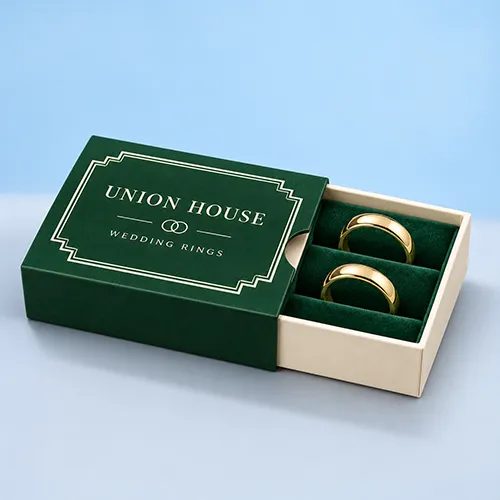
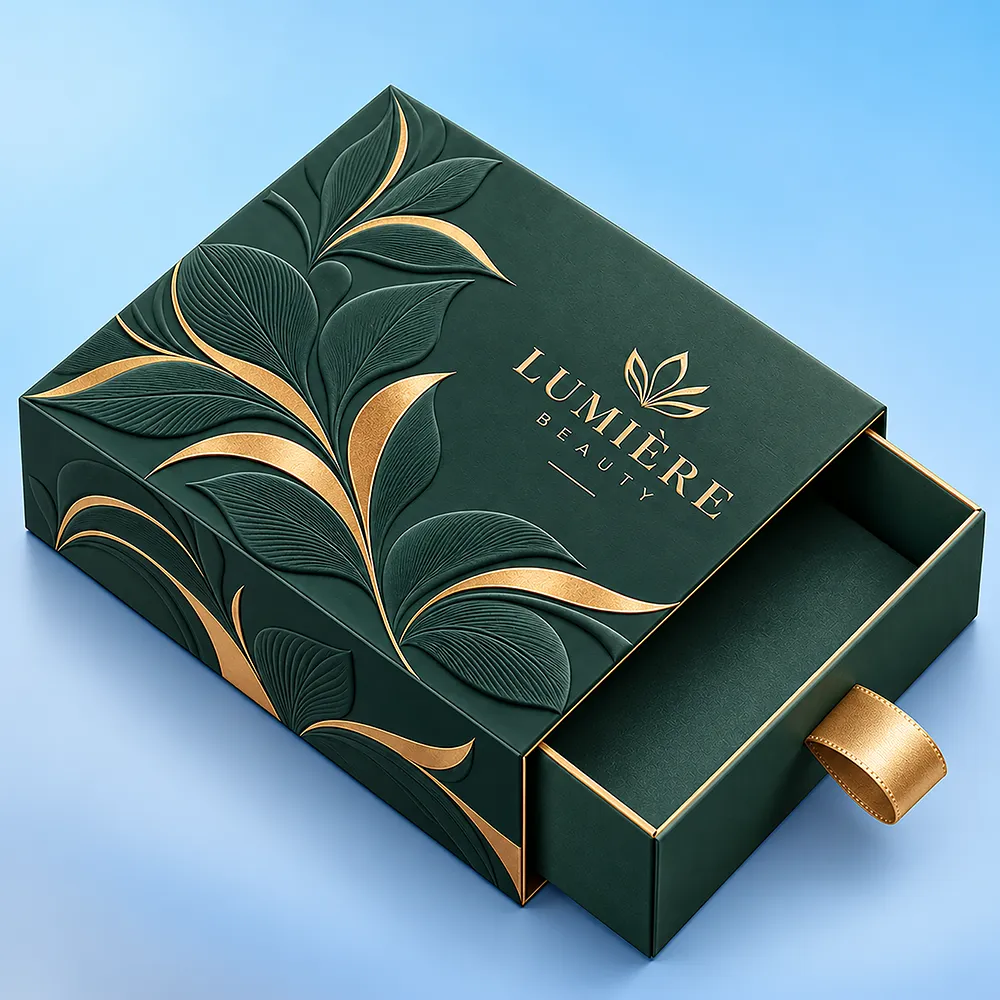
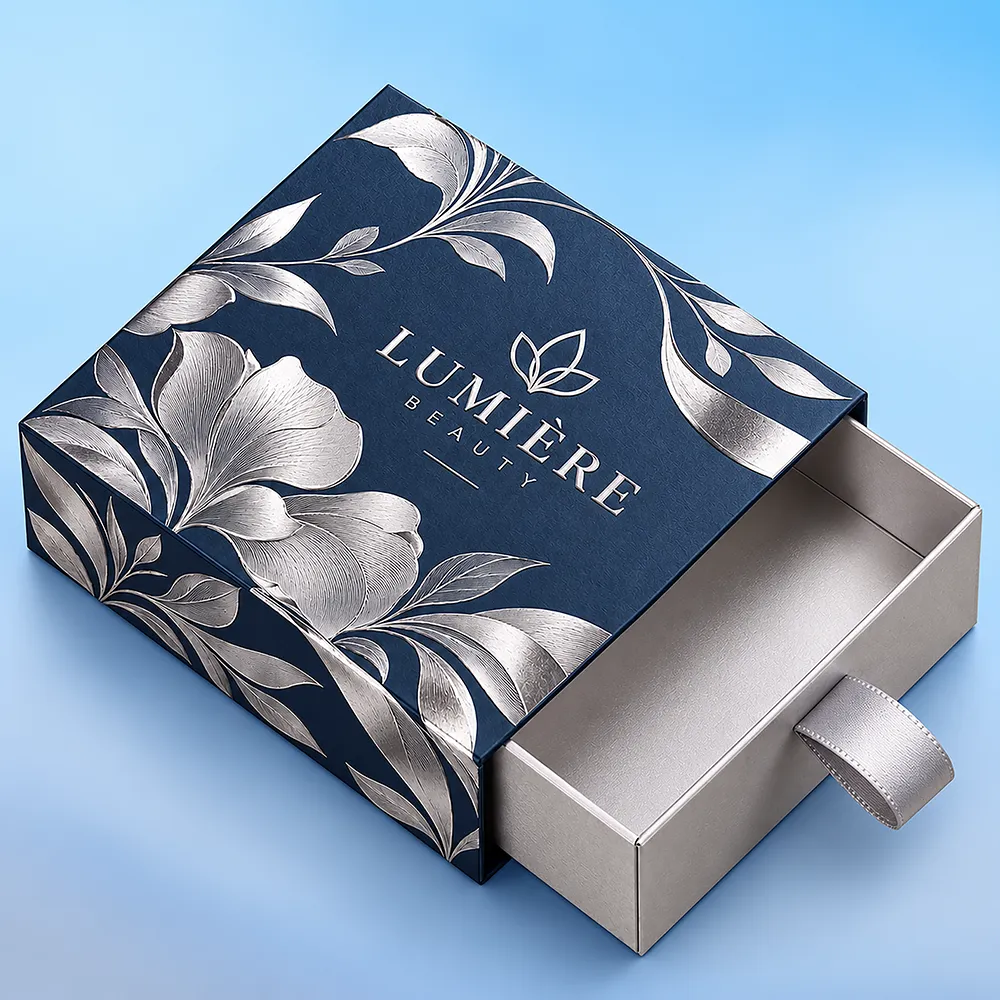
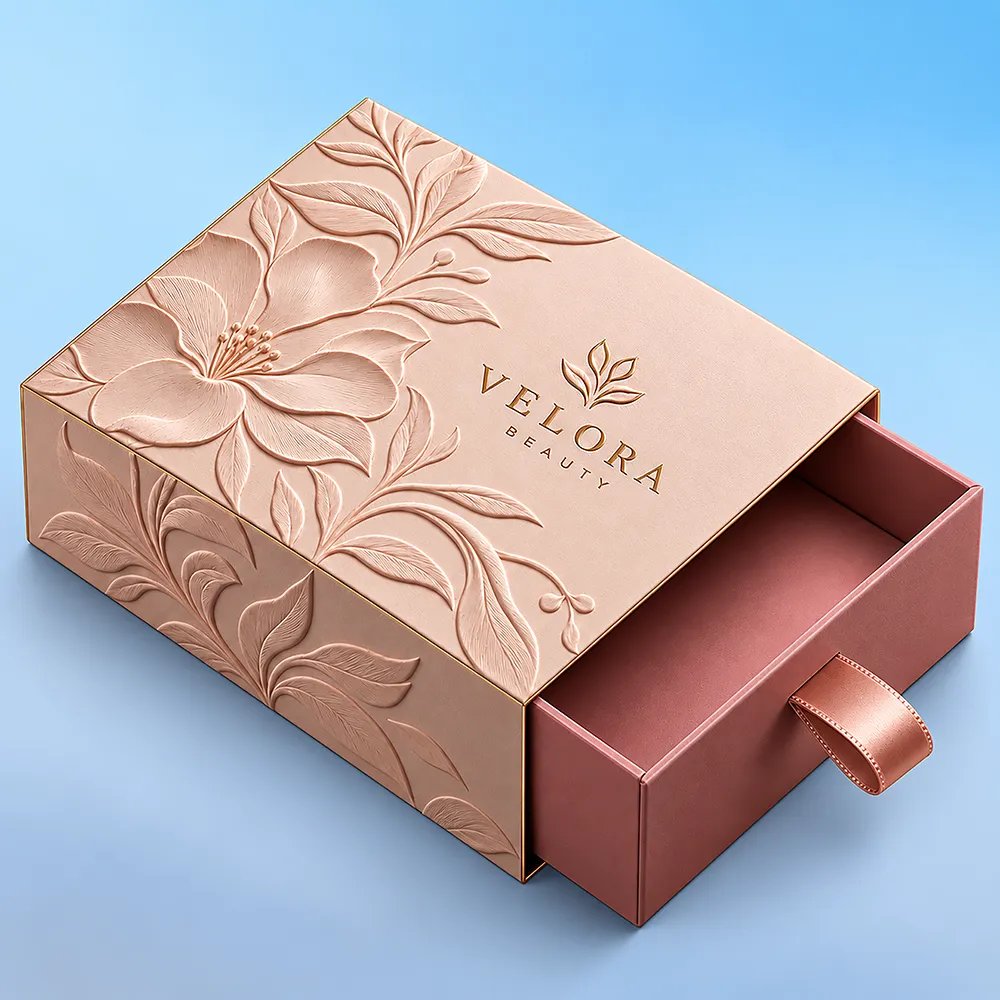
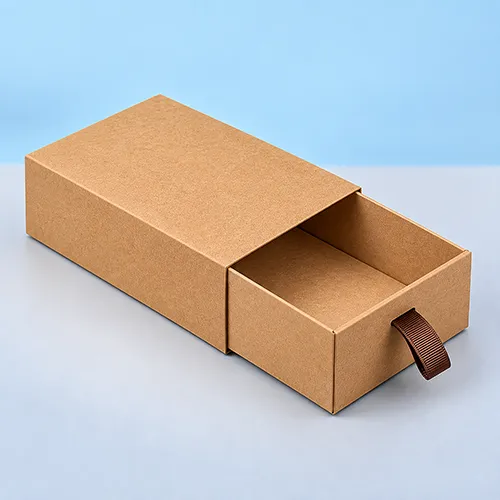
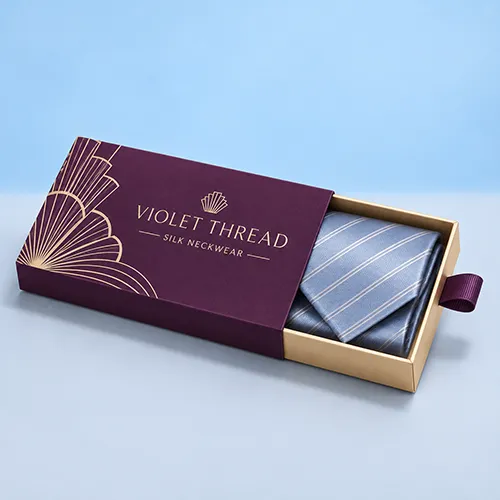
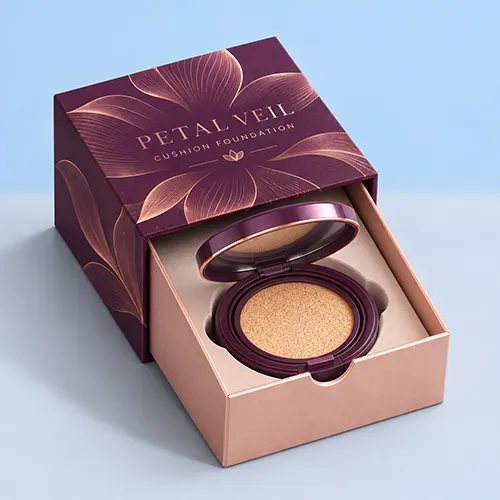
Custom Tray and Sleeve Ring Boxes feature a ring-holding inner tray and a sliding outer sleeve, creating a coordinated packaging presentation for engagement rings, wedding bands, fashion rings, and jewelry gift sets. The tray provides space for the ring and its display holder, while the printed sleeve adds branded exterior coverage and a slide-open presentation for retail and gifting. BoxBaba provides custom packaging support for U.S. jewelers, ring designers, bridal retailers, and wholesale buyers. Customize the tray dimensions, sleeve fit, material selection, artwork, and compatible finishing options. Suitable ring holders and inserts can be considered according to the band dimensions, gemstone setting, and intended display orientation. Whether you need packaging for a single engagement ring or a coordinated pair of wedding bands, tray-and-sleeve packaging can be developed around your actual jewelry presentation requirements. Eligible custom packaging orders begin from 100 boxes, with dieline and artwork assistance available.
Availability: In stock
From Original price was: $1.21.Current price is: $0.33.
Per unit

Why Choose BoxBaba for Tray and Sleeve Ring Boxes

Custom Tray and Sleeve Ring Boxes for Premium Jewelry Packaging

Custom tray and sleeve ring boxes feature sliding outer sleeves, fitted ring holders, branded printing, and elegant finishes for jewelry retail presentation and gifting.

What We Give

Create Custom Boxes Quick and Easy

Quote & Design Support

Share your packaging requirements, get a competitive quote, and receive free design assistance from our team.

Artwork & Printing

Finalize your artwork, printing options, and finishes the way you want with help from our design team.

Production & Delivery

Once your artwork is approved, we’ll produce and deliver your custom boxes within an estimated 5–9 business days.

Related Products

In Stock
In Stock
In Stock

Tray and Sleeve Ring Box Construction and Benefits

How Do Tray and Sleeve Ring Boxes Work?

Tray and Sleeve Ring Boxes use two coordinated components: an inner tray and a separate outer sleeve. The ring is positioned in the tray, typically using an appropriate display holder when the approved design requires one. The loaded tray slides into the outer sleeve to form the assembled package. When the customer opens it, the tray slides outward to reveal the ring. This differs from a conventional hinged ring box, a lift-off lid box, or a standalone printed sleeve wrapped around an existing jewelry case. The tray determines the ring presentation and product-holding space. The outer sleeve provides branded coverage and the sliding opening. Buyers comparing other constructions can explore BoxBaba Custom Sleeve Boxes collection.

Benefits of Custom Sliding Ring Packaging

Organized ring presentation: The inner tray provides a defined space for a ring and its approved display holder. Distinctive product reveal: The tray slides through the sleeve, creating an opening experience different from conventional hinged or lift-off lid jewelry boxes. Branded exterior: The sleeve provides printable panels for jewelry logos, collection names, artwork, and approved product information. Flexible display arrangements: A suitable holder may be considered for different band profiles, stone settings, and single- or multiple-ring presentations. Coordinated packaging: Multiple ring designs may share one outer structure when their holder dimensions and approved display requirements are compatible. The actual performance depends on the complete construction. A decorative sleeve alone does not guarantee scratch prevention, loss prevention, or tested shipping protection.

Tray and Sleeve Ring Boxes vs. Standard Ring Boxes

Traditional ring boxes commonly use hinged lids, removable covers, or other jewelry-specific closures. Tray-and-sleeve packaging uses a separate ring-holding tray that slides through an outer sleeve. This changes the opening movement, insert requirements, assembly, surface finishing, and artwork layout. For broader ring packaging styles, including conventional jewelry presentation boxes, explore BoxBaba Ring Boxes page.

Custom Sizing and Fit for Tray and Sleeve Ring Boxes

How to Measure Rings for Sliding Tray Packaging

Ring packaging should be developed around the finished ring and its intended display holder. A ring U.S. size describes its finger fit, but it does not establish the outside dimensions of a gemstone setting, band width, signet face, or decorative design. The recommended sizing sequence is: Finished Ring → Ring Display Orientation → Holder or Insert Dimensions → Tray Interior → Completed Tray Exterior → Sleeve Interior → Sliding Fit → Approved Dieline Begin by identifying how the ring should appear when the tray opens. Measure the overall external dimensions of the finished ring, including the band, setting, stone, prongs, and other projections. Next, establish the intended holder arrangement and the space needed for ring insertion and removal. The tray interior is then developed around the completed ring-and-holder arrangement. Once the finished tray exterior dimensions are established, the outer sleeve can be sized around the tray. The appropriate sliding clearance depends on material thickness, folds, seams, and finishing. It must be confirmed through the approved physical construction rather than assumed from a universal tolerance.

Why Ring Size Alone Is Not Enough

Two rings with the same U.S. size can require different packaging. A narrow wedding band may occupy relatively little space above its holder. A solitaire engagement ring may have a raised gemstone, prongs, and a setting that extends well beyond the band. A wide signet ring may require more lateral space because of its decorative face. Therefore, buyers should supply the ring size together with the actual outside measurements and a photograph or drawing of the intended presentation.

Packaging Engagement Rings and Solitaire Settings

Engagement rings often require additional attention to gemstone and setting clearance. Measure the finished ring maximum external dimensions, including the stone height, prongs, basket, halo, and any raised decorative features. The ring holder should support the intended band position without applying unnecessary pressure to the gemstone or setting. The tray depth must account for the complete ring-and-holder arrangement in the approved presentation orientation. A raised solitaire should not be forced into a holder or tray developed only around a conventional wedding band.

Tray and Sleeve Boxes for Wedding Bands

Wedding bands may have simpler profiles than many engagement rings, but their dimensions still vary. Important measurements include the band width, thickness, external diameter, and any decorative or raised features. A single-band presentation may require a compact holder arrangement. A pair of wedding bands may need separate positioning areas so the intended display remains organized. Where two rings share a tray, their combined arrangement should be measured before the outer box dimensions are finalized.

Signet Rings, Fashion Rings, and Statement Designs

Signet rings and statement rings may have broad faces, raised decorative elements, or irregular profiles. Their maximum external dimensions may be controlled by the ring top design rather than its band. The display holder should be developed around the intended orientation and should not create unnecessary contact with raised or delicate features. For wide rings or irregular designs, a physical sample or accurate dimensional drawing can help establish the correct presentation.

Can Multiple Ring Sizes Share One Box Design?

A shared tray-and-sleeve structure may work across several ring sizes when the approved ring holder and overall display arrangement remain compatible. However, differences in shank thickness, band width, and setting height may require changes to the insert. Using one outer box across several SKUs should not be confused with using one universal holder for every ring. When planning a collection, identify which ring styles can share the outer structure and which require different internal supports.

Ring Inserts, Display Positioning, and Sliding Access

When Does a Tray and Sleeve Ring Box Need an Insert?

An insert may be useful when the ring requires a defined position within the tray. Possible options include a suitable slotted ring holder, folded paperboard support, or another compatible insert approved for the project. Not every ring package uses the same holder construction. The correct insert depends on ring geometry, display orientation, jewelry surface characteristics, and the intended removal method.

Ring Slots and Band Positioning

A ring slot is designed to receive an appropriate part of the ring band and establish its display position. The slot should be selected around the actual shank width, thickness, shape, and desired ring orientation. An excessively loose slot may allow unwanted ring movement or tilting. An excessively tight slot may make insertion and removal difficult. The holder should be evaluated with the finished ring rather than sized from a ring number alone. A ring slot should not require excessive force or place unnecessary pressure against the setting.

Gemstone, Prong, and Setting Clearance

The ring holder and tray must account for the parts of the ring extending beyond the band. Tall stone settings, halos, prongs, raised shoulders, and decorative faces can influence tray depth and the available space above the insert. The intended display should allow the ring to be presented without unnecessary contact between the setting and surrounding packaging. The ring must also be practical to remove from its holder. Where the setting is unusual or especially delicate, the exact contact areas should be evaluated before approving production.

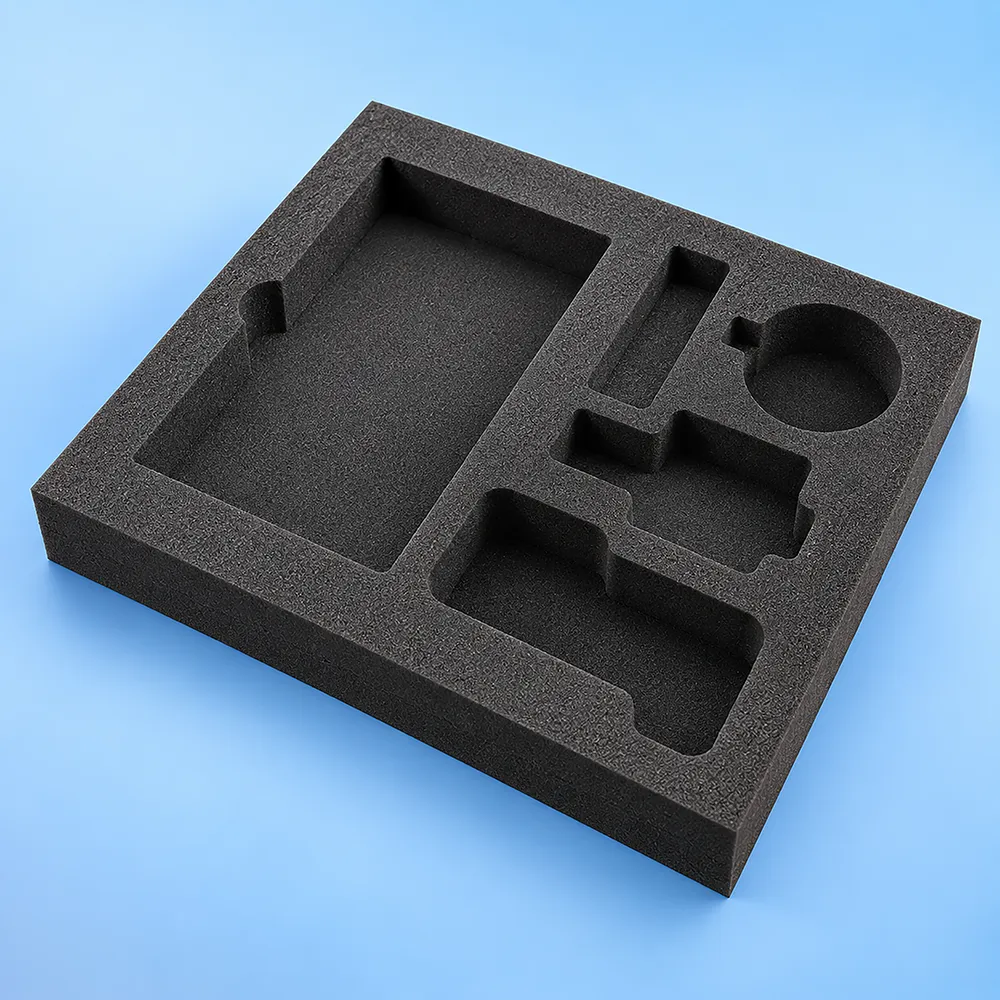
Foam, Velvet, and Paperboard Ring Holders

Different insert materials may provide different display appearances and positioning characteristics. A paperboard holder may be suitable for selected lightweight ring presentations. Foam-based or fabric-covered holders may be considered for other jewelry displays when compatible and available for the approved project. The selected material should be assessed against the ring finish, setting, and intended contact points. A soft-looking insert does not automatically guarantee scratch prevention or compatibility with every gemstone, plating, or decorative treatment.

Single-Ring and Multiple-Ring Gift Sets

A single-ring tray generally requires one approved display position. A two-ring presentation may need separate slots or holders arranged for a coordinated reveal. For stacking-ring collections, the design should reflect whether the rings will be displayed together or individually. The final tray dimensions should account for the complete ring arrangement, its holder, and the space needed to remove the jewelry. Product count alone is not sufficient for determining the box dimensions.

Sliding Fit and Finger Access

The completed tray should move through the outer sleeve according to the intended opening direction. An excessively tight sleeve can make opening difficult or create rubbing between packaging surfaces. An excessively loose sleeve may permit more movement than intended. The design should consider board thickness, folds, glue seams, finish treatments, and the intended area used to pull or push the tray. Because ring boxes can be compact, product access should be evaluated carefully. The buyer should be able to withdraw the tray and remove the ring without unnecessary force. Ribbon pulls, magnets, special locking features, and tray stops should not be assumed to be included unless they form part of the approved design.

Retail Presentation vs. Shipping Protection

Tray-and-sleeve ring boxes are primarily retail and presentation packages. For ecommerce or wholesale distribution, the completed retail box may require a separate corrugated shipping carton and suitable protective packing. The ring holder, retail package, and outer shipping materials serve different functions. Specific scratch resistance, movement limits, or transport performance should not be guaranteed without appropriate evidence.

Material Options for Tray and Sleeve Ring Boxes

Material selection affects the tray stiffness, the sleeve printing surface, fold quality, and sliding behavior. The inner tray and outer sleeve may use different materials when the approved construction requires them.

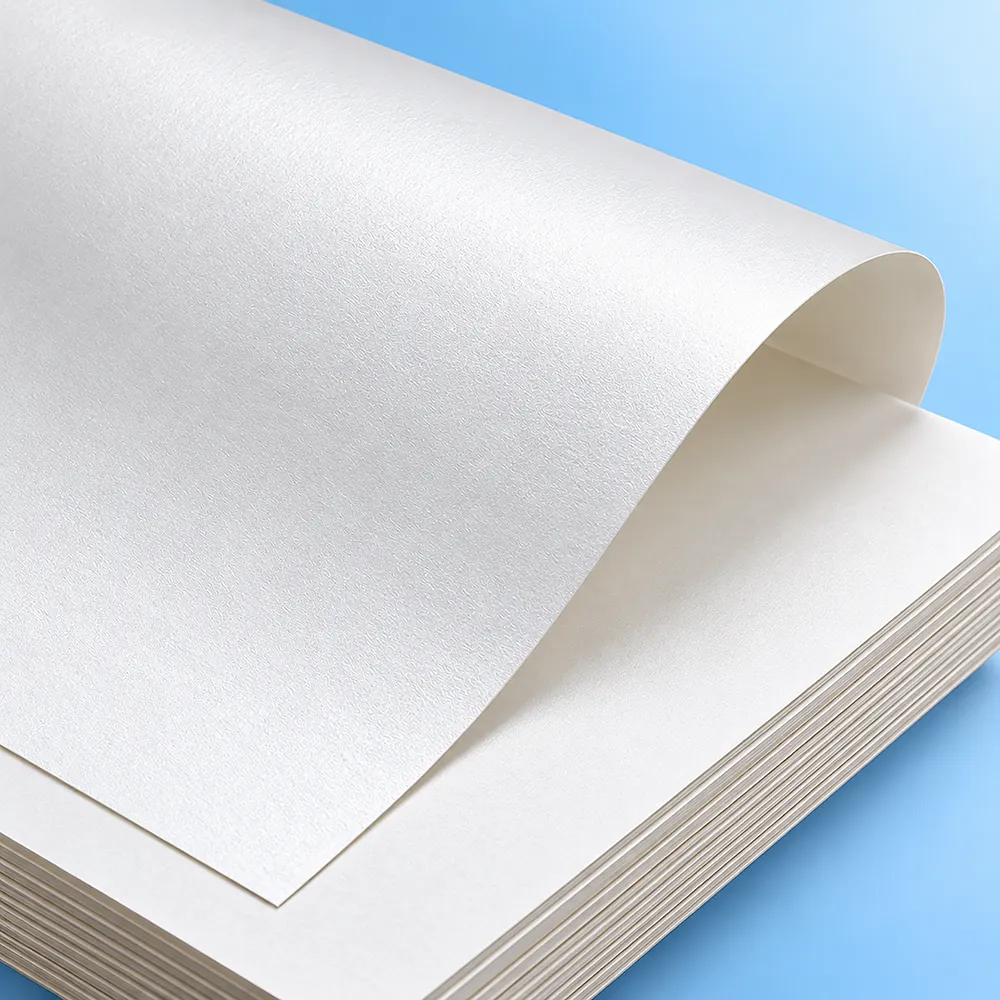
White Paperboard and SBS

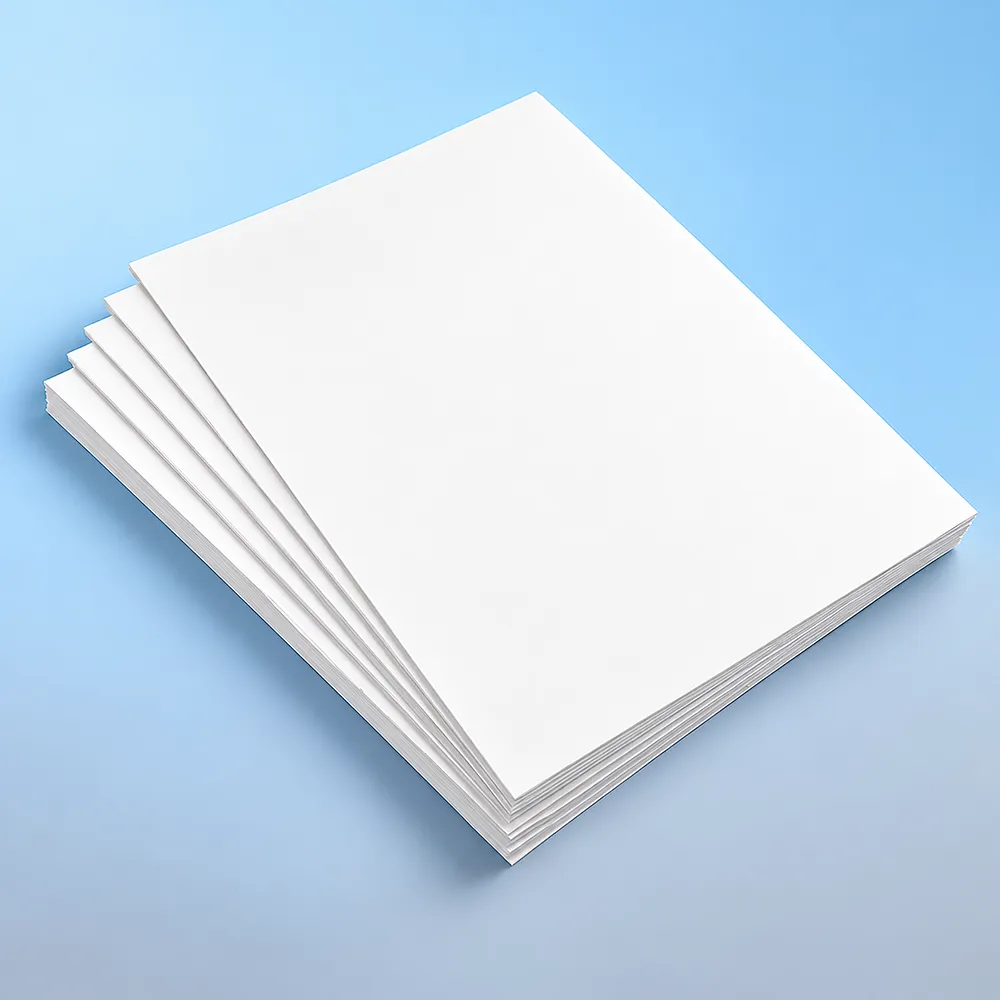
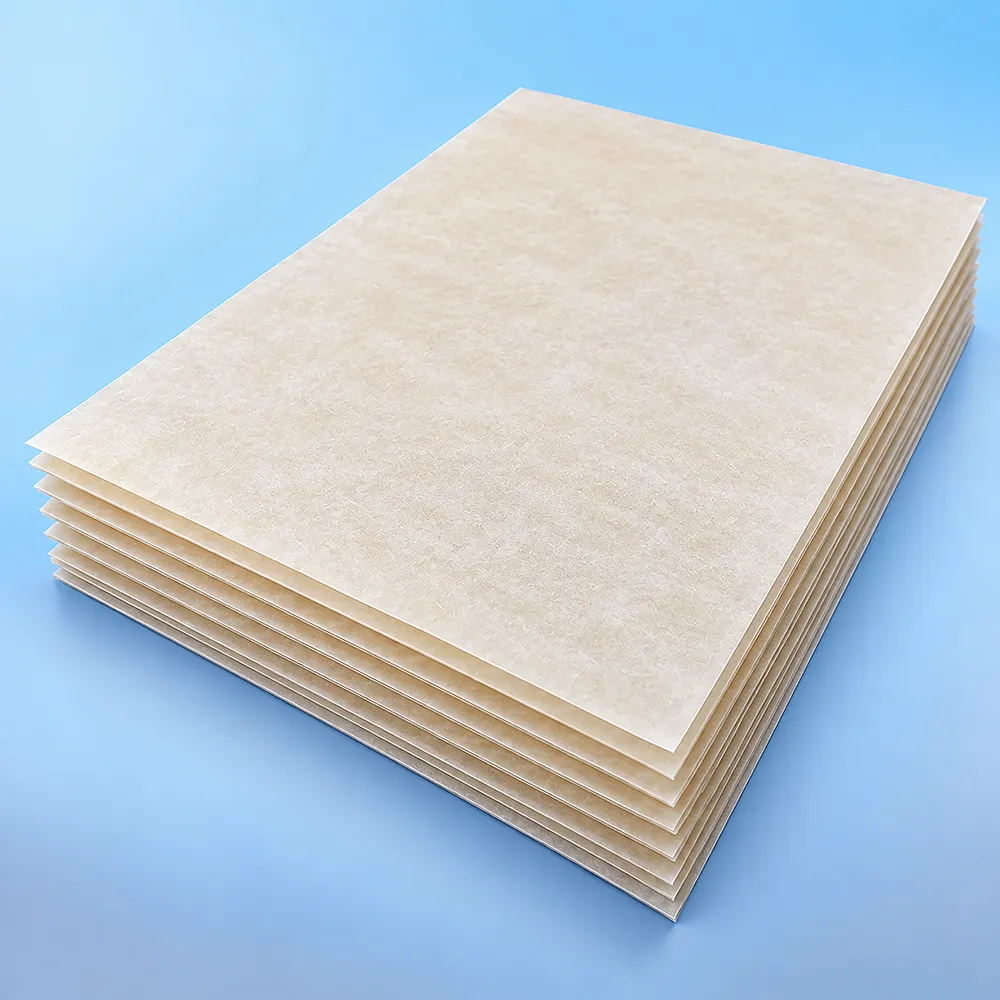
White paperboard, including suitable solid bleached sulfate (SBS) grades, provides a smooth surface for detailed jewelry branding and printed artwork. It may be suitable for selected folding-carton tray-and-sleeve structures. The stock should support the intended tray dimensions, sleeve folds, and assembly requirements. Board thickness must be considered when developing the tray exterior and sleeve interior.

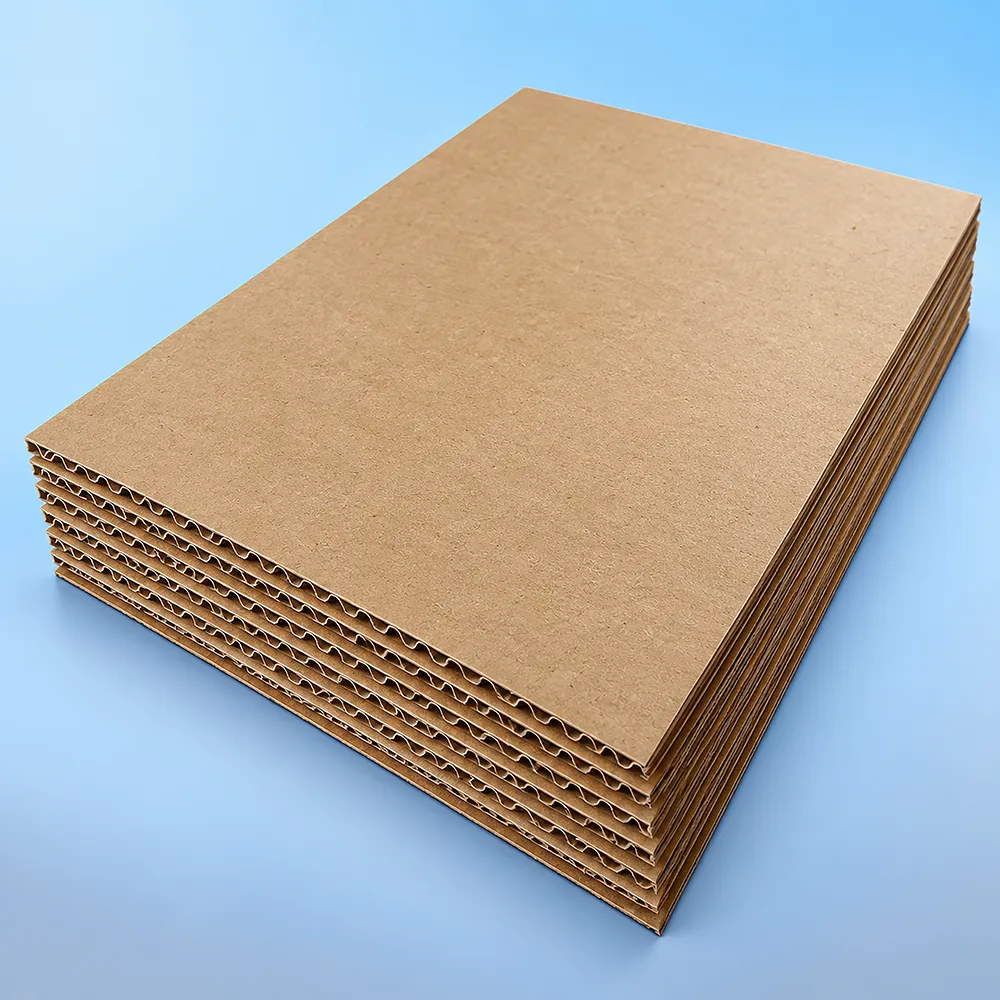
Kraft Paperboard

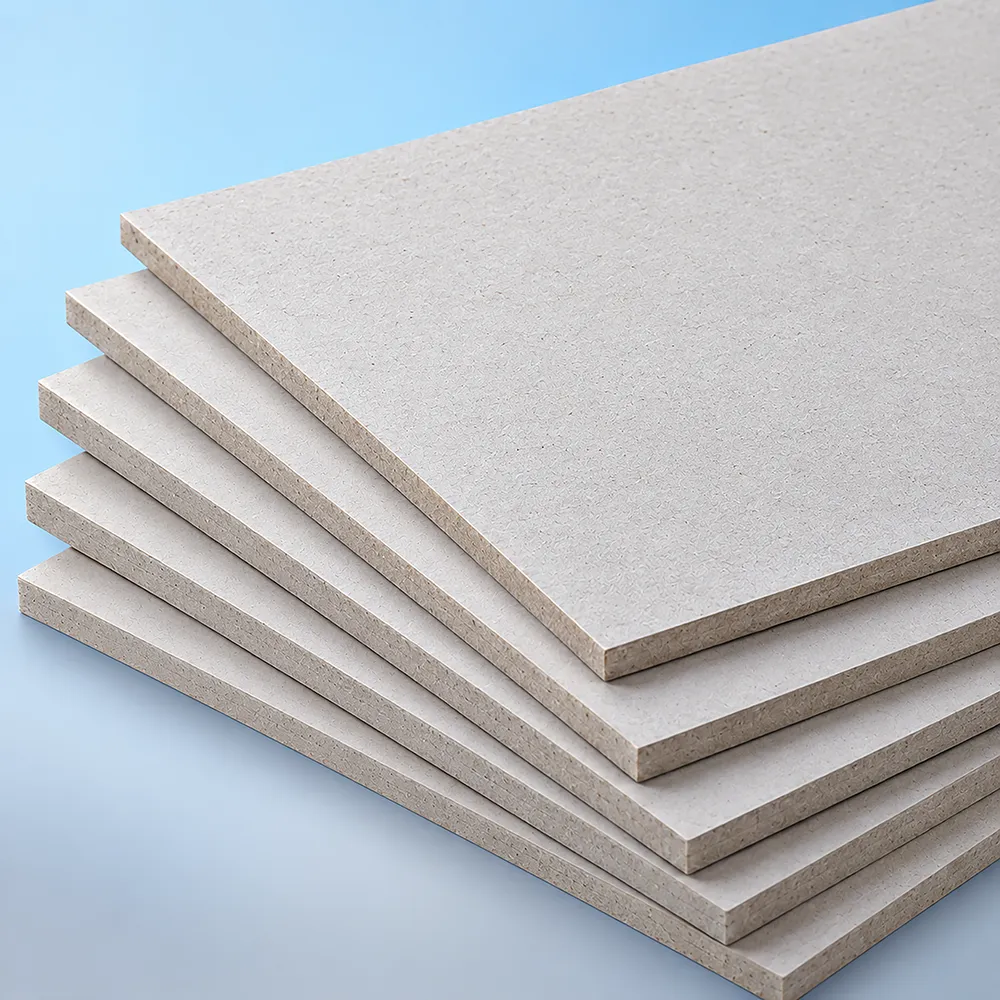
Kraft paperboard provides a natural-looking packaging surface for selected ring collections. Its base color can affect the appearance of printed graphics, particularly lighter colors and subtle artwork. The selected Kraft stock should be evaluated for stiffness, crease quality, printability, and the intended sliding movement. A Kraft appearance alone does not establish recycled content, environmental certification, or other specific sustainability benefits.

Folding Carton vs. Rigid-Board Construction

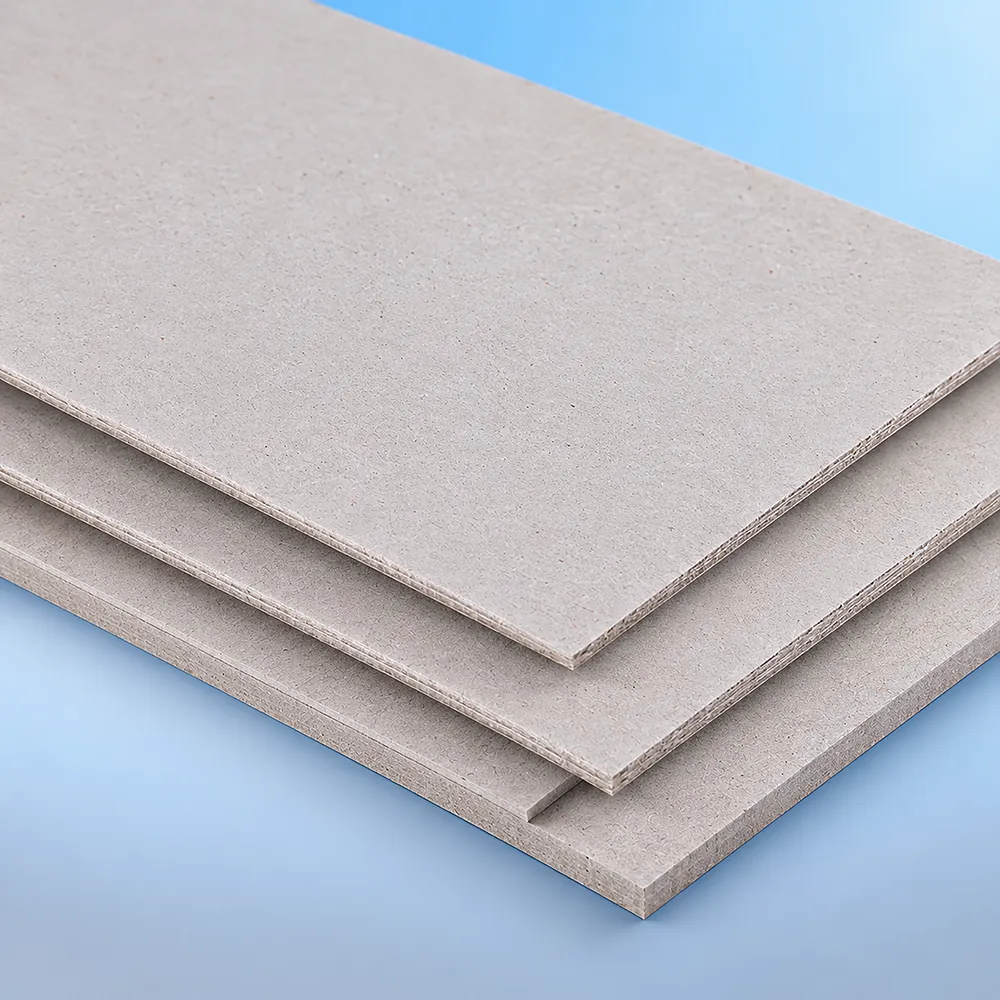
Folding-carton paperboard may be suitable for selected compact ring packages when the approved design provides an appropriate tray and holder arrangement. Rigid-board construction may be considered for presentation-focused jewelry packaging where the desired structure and assembly justify it. Rigid board and heavy folding-carton stock are different constructions. The appropriate choice depends on the ring arrangement, tray dimensions, holder requirements, presentation goals, and project specifications. For buyers comparing other sliding constructions, BoxBaba also offers Custom Rigid Drawer Boxes.

Ring Holder and Shipping Materials

Suitable paperboard, foam-based, or fabric-covered holders may be considered according to the approved ring packaging design. The exact holder material, surface treatment, and ring-contact areas should be confirmed before production. For ecommerce distribution, a separate corrugated shipping package may be required. The decorative retail box should not be treated as a complete, tested shipping-protection system without supporting evidence.

Printing and Finishing for Tray and Sleeve Ring Boxes

Custom printing allows jewelry brands to coordinate the exterior sleeve with logos, collection names, color palettes, and decorative artwork. Printing produces the text, graphics, and colors. Finishing adds decorative or tactile surface effects. Both must be compatible with the approved material and sliding construction.

Custom Printing Methods

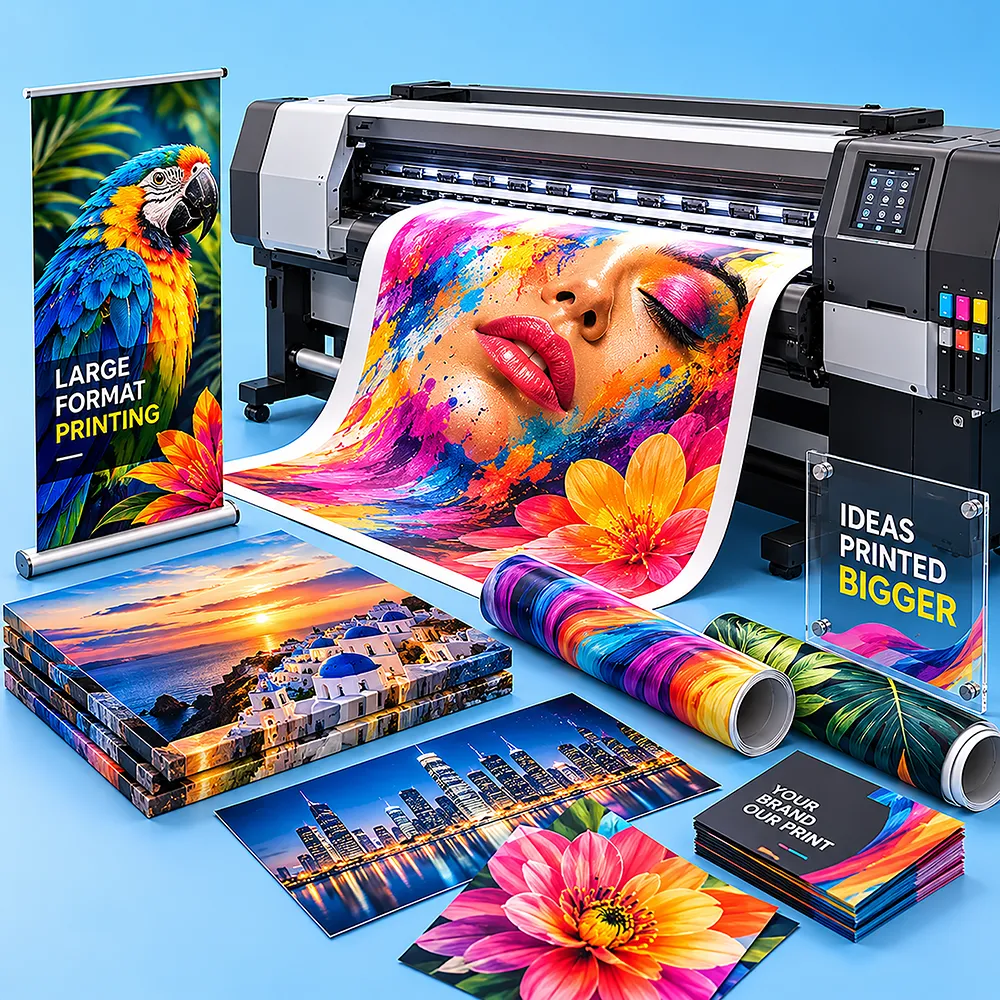
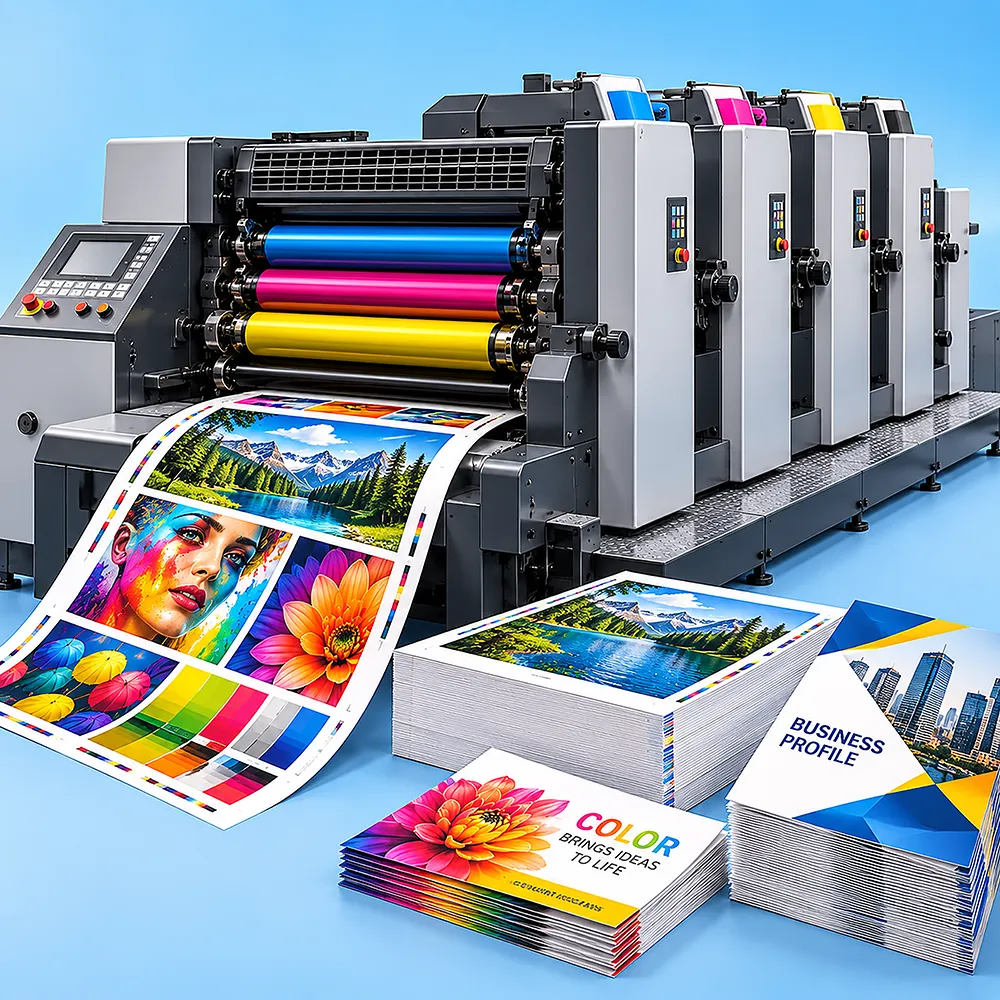
Offset printing is suitable for many medium- and larger-volume orders requiring detailed graphics and consistent printed layouts. Digital printing may be appropriate for selected smaller quantities or artwork variations when supported by the chosen material and production process. Flexographic printing can be considered for compatible substrates and production quantities where technically suitable. The printing method depends on paperboard stock, quantity, artwork complexity, brand-color requirements, finishing combinations, and production constraints. CMYK is commonly used for multicolor artwork. Pantone/PMS references may communicate specific brand-color targets when supported by the approved print workflow. Exact printed appearance depends on the substrate, inks, coatings, printing method, and proof.

Finishing Options for Tray and Sleeve Ring Boxes

Matte: Creates a lower-reflection appearance for understated branding. Gloss: Provides a more reflective surface. Soft-touch: Adds a tactile effect where compatible with the material. Foil stamping: Highlights selected logos, collection names, or decorative elements. Embossing: Creates raised design details in suitable paperboard. Debossing: Produces recessed lettering or graphics where supported by the stock. Spot UV: Adds selective gloss to designated artwork areas. Not every finishing combination is suitable for every material or sliding structure. Raised or textured treatments near the tray sliding surfaces may affect movement or contribute to visible rubbing. The chosen finishes should be reviewed against folds, glue seams, cut edges, and the completed assembly.

Branding the Inner Tray and Outer Sleeve

The outer sleeve generally carries the main visible branding when the ring box is closed. The inner tray may provide additional space for approved graphics or a message visible when the box opens. The tray and sleeve move independently, so any artwork intended to align across them should be evaluated in open and closed positions. Because ring boxes often have relatively small printable panels, logos, text, and barcodes should be sized and positioned for the available space. Important information should remain clear of glue seams, critical fold lines, and areas hidden after assembly. For artwork preparation, read BoxBaba Dieline in Packaging Guide.

Branding Multiple Ring Collections and SKUs

A shared tray-and-sleeve structure may be used for multiple ring collections when the approved outer dimensions and holder arrangements remain compatible. Separate artwork may be needed for collection names, jewelry descriptions, SKU identifiers, or barcodes. Different ring profiles and setting heights may require different insert specifications even when the outer sleeve remains unchanged. For more general personalized ring packaging, explore BoxBaba Branded Ring Boxes.

Samples, Proofing, and Wholesale Ordering

Review Your Ring Packaging Before Bulk Production

Different proofing methods help buyers evaluate different aspects of the project. Digital artwork proof: Helps review printed graphics, text, and panel placement. 3D mockup: Illustrates the intended appearance of the assembled box. Blank physical structural sample: Allows a practical check of ring holder fit, tray dimensions, sleeve movement, and product access. Printed production-intent sample: May be appropriate when the relationship between stock, printing, finishing, and assembly requires additional review. A digital mockup does not prove that a physical ring will fit or remain positioned as intended.

What to Check in a Physical Structural Sample

Evaluate the sample using the finished ring. Check that the holder accommodates the band shape and thickness without unnecessary force. Review the space around gemstones, prongs, the ring face, and other raised features. Confirm that the ring is presented at the intended angle and can be removed without excessive resistance. Check the sliding movement, tray alignment, finger access, and any rubbing between finished surfaces. If a box is intended for multiple ring styles, evaluate the representative rings and holder configurations before bulk production.

What Determines Tray and Sleeve Ring Box Pricing?

Pricing depends on the complete packaging specification. Important factors include tray and sleeve dimensions, selected materials, holder construction, printing, finishing, order quantity, artwork versions, and assembly requirements. A simple single-ring presentation and a more elaborate paired-ring gift set may require different components and production processes. Quotations should therefore be prepared around the actual ring display and approved structure rather than ring size alone.

Information Needed for a Wholesale Quote

Provide the following information:
  • Ring type and U.S. size for reference.
  • Overall external dimensions of the finished ring.
  • Band width and thickness.
  • Gemstone, setting, or signet-face dimensions.
  • Intended ring display orientation.
  • Number of rings per box.
  • Preferred ring holder or insert requirements.
  • Tray-and-sleeve construction preference.
  • Quantity by SKU and artwork version.
  • Printing, material, and finishing preferences.
  • U.S. shipping destination and required delivery date.
Photographs of the ring and its intended presentation, along with dimensional drawings when available, can help clarify the holder and tray requirements.

Why Choose BoxBaba for Tray and Sleeve Ring Boxes?

BoxBaba provides custom packaging support for U.S. jewelry brands, engagement ring retailers, wedding jewelry businesses, and wholesale buyers. Custom dimensions: Packaging can be developed around the finished ring and approved display arrangement. Artwork support: Dielines, 3D mockups, and artwork assistance are available as applicable. Low minimum orders: Eligible custom packaging projects begin from 100 boxes. Production planning: Standard orders are typically completed and delivered within approximately 5–9 business days after final artwork and order approval. This generally includes 3–5 business days for production and 2–4 business days for transit. Timelines may vary depending on order specifications, quantity and destination. Sample support: Free samples are available under the stated policy, with eligible sample delivery charges reimbursed on the first bulk order. Custom-printed sample terms are confirmed separately. USA shipping: Free shipping is available across the United States under applicable standard offer terms. For broader comparisons of jewelry presentation structures and inserts, read BoxBaba Best Rigid Boxes for Jewelry Brands guide.

Request a Custom Quote for Tray and Sleeve Ring Boxes

Create a coordinated jewelry presentation with custom Tray and Sleeve Ring Boxes developed around your finished rings, preferred display holders, and branded sliding packaging. Share your ring dimensions, band width, gemstone or setting height, intended display orientation, holder requirements, tray-and-sleeve construction, material, printing artwork, finishing preferences, quantity by SKU, and U.S. delivery destination. BoxBaba can review your packaging requirements and prepare a custom quotation based on the approved specifications. Phone: +1 305 574 4357 Email: sales@boxbaba.com  

Packaging Partner for Your Success

At BoxBaba, innovation meets quality. We offer fully customized printed boxes, backed by a team that is responsive, reliable, and effortless to work with.

5000+

Clients Served

2.5M+

Boxes Delivered

98%+

Happy Clients

5+

Years of Trust

Frequently Asked Questions

Find all the urgent questions you may have.

Custom Tray and Sleeve Ring Boxes are two-piece jewelry packages featuring an inner ring-holding tray and a sliding outer sleeve. The tray provides the presentation area, while the sleeve creates printed exterior branding and a slide-open experience.
The intended construction includes an inner tray and outer sleeve. A separate ring holder or insert should be specified in the approved quotation. The supplied components depend on the selected packaging design.
Different ring types can be considered through custom sizing and suitable display arrangements. Engagement rings, wedding bands, signet rings, and fashion rings may have different requirements based on the band, setting, and decorative features.
No. Ring size describes finger fit but does not determine the full external profile. The band width, shank thickness, stone height, setting, and intended holder arrangement should also be measured.
Tall settings require sufficient space above and around the finished ring. The holder and tray should be developed so the stone, prongs, and other projecting features are not unnecessarily compressed or obstructed during insertion and removal.
A two-ring arrangement can be considered when the selected tray supports it. Separate holder positions or a suitable shared display should be developed around the complete pair and the intended opening presentation.
Suitable box materials may include white paperboard, SBS, Kraft paperboard, compatible folding-carton stock, and approved rigid-board construction. Ring holders may use suitable paperboard, foam, or fabric-covered materials when confirmed for the selected project.
BoxBaba offers custom printing support using offset, digital, and flexographic methods where appropriate. Compatible finishes may include matte, gloss, soft-touch, foil stamping, embossing, debossing, and spot UV, subject to the chosen material and construction.
Eligible custom packaging projects start from 100 boxes. Free samples are available under BoxBaba stated policy. A physical structural sample can help evaluate ring-holder fit and sliding access, while custom-printed sample terms should be confirmed separately.
Our standard turnaround time is approximately 5–9 business days after final artwork and order approval, including 3–5 business days for production and 2–4 business days for shipping. Box structures, inserts, finishes, quantities, and multiple artwork versions may affect the final timeline.