








Free Shipping

On All Orders

No Setup Charges

On Bulk Orders

Free Design Support

From Our Experts

100% Secure Payment

Safe & Encrypted

Candy Dispenser Boxes

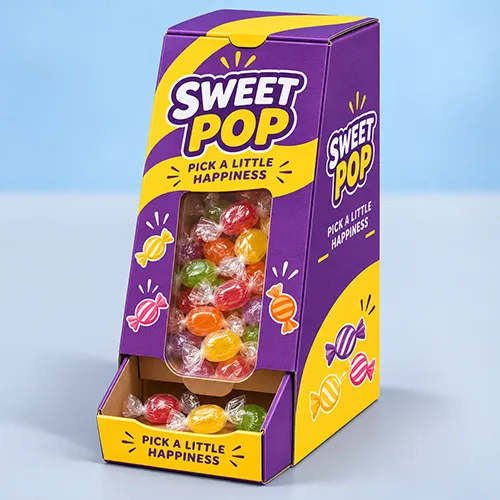
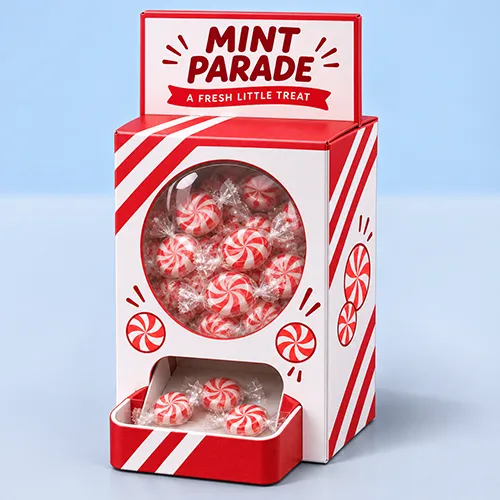
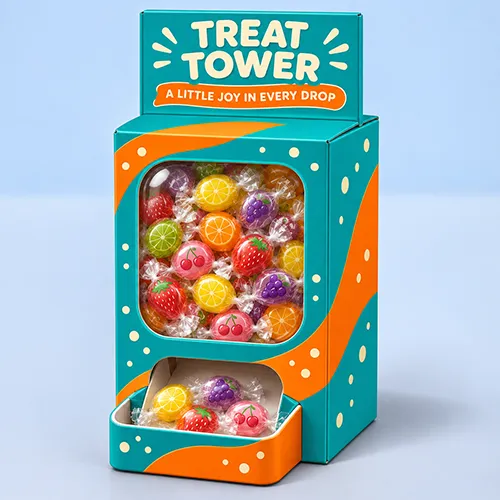
Create custom candy dispenser boxes for individually wrapped candies, caramels, chews, and other compatible packaged confectionery. These printed cardboard cartons are designed to organize wrapped treats and provide access through a designated dispensing opening. Choose custom dimensions, suitable front-access cutouts, perforated openings, and compatible internal dividers based on candy-wrapper dimensions, quantity, and intended retail placement. Add logos, product information, and branded printing for candy shops, confectionery manufacturers, retailers, and promotional programs. BoxBaba supports custom packaging quotations starting from 100 boxes, with artwork assistance, dieline support, and free shipping across the USA under applicable terms.

Why Choose BoxBaba for Candy Dispenser Boxes

Custom Candy Dispenser Boxes | Wholesale | BoxBaba

Display and dispense individually wrapped candies with custom candy dispenser boxes featuring easy-access openings, sturdy paperboard construction, tailored capacity, and branded printing.

How It Works

Custom Packaging Made Quick & Easy

Quote & Design Support

Share your packaging requirements, get a competitive quote, and receive free design assistance from our team.

Artwork & Printing

Finalize your artwork, printing options, and finishes the way you want with help from our design team.

Production & Delivery

Once your artwork is approved, we’ll produce and deliver your custom boxes within an estimated 5–9 business days.

Related Products

What Are Candy Dispenser Boxes?

Candy dispenser boxes are cardboard cartons that hold multiple individually wrapped candies and provide access through a designated opening. Unlike an ordinary closed candy box, a dispenser is intended to remain accessible while wrapped candies are removed. Depending on the approved structure, a carton may have a front opening, removable perforated panel, or suitable lower outlet. The structure should be developed around the actual finished candy wrappers, required quantity, packed arrangement, and expected removal method. The key difference is that a candy dispenser provides continued product access, not simply storage or an exposed retail display. For more controlled-access packaging styles, explore BoxBaba Custom Dispenser Boxes category.

Candy Dispenser Boxes vs. Candy Display Boxes

Candy dispensers and candy displays serve different retail functions.
Packaging Style Primary Function Customer Access
Standard Candy Box Contains packaged confectionery Through the main carton closure
Open Candy Display Shows packaged candies for direct selection From an exposed tray or compartment
Candy Dispenser Box Provides continued access through a planned opening Through a defined dispensing aperture
Perforated Display Box Converts a closed carton into an open display Through a removed front or top panel
A perforated opening can form part of a dispenser, but it does not automatically create a controlled gravity-feed system. If your primary requirement is an open countertop tray for individually wrapped candy bars or other confectionery packs, explore BoxBaba Custom Display Boxes instead.

Candy Formats Suitable for Dispenser Packaging

The dispenser should be designed around the completed candy wrapper rather than the unwrapped confectionery.

Individually Wrapped Hard Candies

Wrapped hard candies can have compact shapes, but the finished wrapper may extend beyond the candy itself. Twisted ends, folded wrappers, or sealed edges influence the space each unit occupies. For irregular wrappers, the dispenser should be reviewed using representative wrapped samples.

Wrapped Caramels and Chewy Candies

Caramels, taffies, and chewy sweets may be supplied in folded or twisted wrappers. The candy finished shape and the flexibility of its wrapping can affect how units settle inside a carton. A direct-access opening may be preferable when the wrapped units do not move consistently through a narrow outlet.

Foil-Wrapped Chocolates and Confectionery

Foil-wrapped chocolates and similar products may have round, square, or irregular profiles. Their dimensions, wrapper folds, and packed weight should be considered when choosing the carton. Because chocolate products can be temperature-sensitive, a standard printed dispenser should not be described as providing temperature control or preventing melting.

Small Packaged Candy Products

Some confectionery products are supplied as small sealed packets rather than individually wrapped pieces. These may require a dispenser designed for flat packets or a suitable product channel. The structure should reflect the actual retail-ready package rather than assuming that all candies behave alike.

Choose the Right Candy Dispenser Structure

The best opening depends on candy-wrapper geometry, packed arrangement, and intended customer access.
Dispenser Structure Suitable Application Main Consideration
Front-Access Dispenser Direct retrieval of wrapped candies Opening width, finger access, and retention
Lower-Access Dispenser Compatible wrapped units positioned above an outlet Product movement, bridging, and retaining-edge design
Perforated Dispenser Creating the opening when the carton is first used Tear path and remaining panel support
Divided Dispenser Separating compatible candy varieties Channel width, compartment capacity, and access

Front-Access Candy Dispenser Boxes

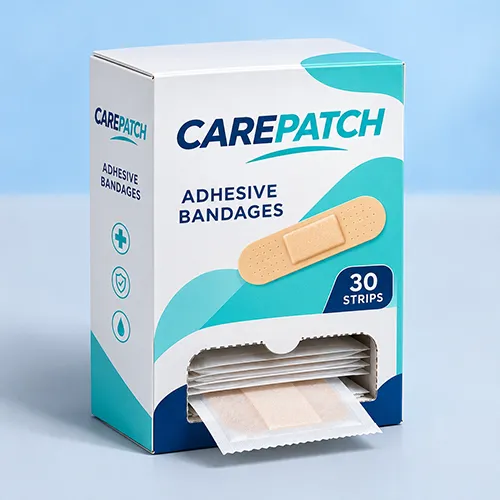
A front-access dispenser provides an opening through which customers retrieve wrapped candy. This configuration may suit products that require direct hand access rather than relying on automatic movement. The opening should provide enough space for the full wrapper profile, including any twisted ends or folded edges. A suitable retaining edge can help keep the remaining candies inside the carton.

Lower-Opening Candy Dispensers

A lower opening can be considered for wrapped candies that may move toward the outlet as units are removed. However, candy shape, wrapper friction, stack weight, and the surrounding structure affect product movement. Wrapped candies can settle irregularly, overlap, or form a bridge above the outlet. For that reason, a gravity-assisted configuration should be evaluated with representative products before approval.

Perforated Candy Dispenser Boxes

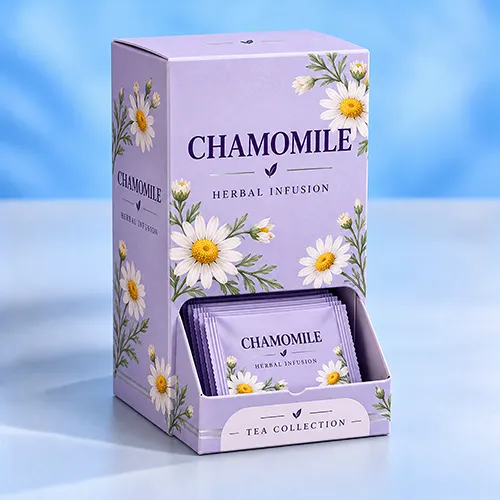
A perforated dispenser includes a removable section that creates an access opening when first used. The tear-out panel should be positioned to preserve the support needed around the remaining opening. Important product information should remain on permanent panels rather than a removable section.

Multi-Compartment Candy Dispensers

Suitable dividers may be considered when different candy flavors or compatible product varieties need separate sections. Each compartment should be developed around its assigned wrapped-candy dimensions and quantity. Candy products with substantially different wrapper shapes may require separate dispensing channels or different carton structures.

How to Measure Wrapped Candy for a Custom Dispenser Box

Measure each candy in its finished retail-ready wrapper, including twists, folds, seals, and the widest part of the packaged unit. The confectionery unwrapped dimensions alone are not sufficient for determining the dispenser size.

Required Candy Measurements

Provide the following information:
  • Finished length: The overall packaged length, including twisted or sealed ends.
  • Finished width: The maximum width of the wrapped product.
  • Maximum thickness or height: The thickest part of the completed wrapped candy.
  • Wrapper extensions: Twists, folded ends, tabs, and other projecting features.
  • Unit weight: The weight of one finished wrapped candy.
  • Candy count: The required number of units per dispenser.
  • Packing arrangement: How the units will be placed inside the carton.
  • Withdrawal direction: How customers should remove the candy.
For irregularly shaped candy, representative finished samples are especially useful.

Measure the Complete Candy Arrangement

After establishing the finished unit dimensions, arrange the required candy quantity in its intended packed configuration. Measure the occupied space and total weight. Irregular wrapped sweets may not form an even stack. Their arrangement can change as the carton is moved or emptied. For this reason, the number of candies alone does not determine the final carton size.

Internal Dimensions, External Dimensions, and Opening Size

Internal dimensions determine the usable space for wrapped candies and any internal supports. External dimensions determine the completed carton footprint and suitability for the intended counter or shelf. The dispensing opening has separate width, height, and position requirements. These measurements should be specified individually and reviewed together. For general sizing guidance, see BoxBaba How to Measure a Box Dimension Correctly guide.

Candy Dispenser Capacity and Product Arrangement

Candy dispenser capacity depends on the completed wrapper dimensions, candy quantity, product arrangement, and available carton space. A specified count does not establish one universal dispenser size.

Single-Variety Candy Dispensers

A single-variety dispenser holds one designated candy product. This can simplify structural planning when the wrapped candies have consistent external dimensions. The chosen opening should still be evaluated for practical access at different fill levels.

Assorted Candy Dispensers

A mixed assortment may include candies with different flavors, colors, or wrapper styles. If the wrapped units differ in size or shape, the dispenser must be assessed for their combined arrangement. Separate compartments may help maintain flavor organization where suitable.

Countertop Capacity and Footprint

The requested candy quantity affects the internal volume, but the arrangement also determines the external footprint. A tall, narrow carton may behave differently from a wider dispenser containing the same number of wrapped units. Provide the available counter width, depth, and height when the packaging is intended for a particular display area.

Dispensing Access, Candy Movement, and Retention

A practical candy dispenser should give customers access while keeping the remaining wrapped sweets within the intended carton area.

Opening Clearance

The outlet should accommodate the finished candy wrapper, including twisted or folded edges. An opening sized only around the unwrapped sweet may restrict removal.

Wrapper Friction and Bridging

Wrapped candies do not always move evenly. Irregular candy shapes may become lodged against one another, while wrapper folds can catch near the outlet. This can create bridging, where several units remain above the opening rather than moving toward it. A physical sample helps establish whether the selected structure supports the intended removal method.

Retaining Edges

A suitable retaining lip may help keep the remaining candies inside the carton. However, an overly restrictive edge can make retrieval difficult. The opening and retaining structure should be developed together.

Full and Partially Depleted Dispensers

The behavior of wrapped candies can change as the carton empties. The opening should therefore be reviewed with a full load, partially depleted contents, and only a few units remaining. Reliable one-at-a-time candy dispensing should not be guaranteed without evaluating the actual wrapped products and approved structure.

Loading, Refilling, and Retail Placement

The loading process should be defined before approving the dispenser structural design.

Loading the Candy

Depending on the carton construction, wrapped candies may be loaded through a suitable top, rear, or assembly opening. The loading method should support the intended candy arrangement and be practical for the business filling the cartons.

Single-Fill and Refillable Designs

Some dispensers may be intended for one initial filling and replacement after use. Other projects may need repeated replenishment. The refill requirement should be established during structural development because not every folding dispenser is intended for repeated reuse.

Candy Dispensers for Retail Counters

Custom candy dispenser packaging may be considered for candy shops, convenience stores, checkout counters, reception areas, and promotional settings. A countertop structure should be developed around the available display space, product count, user access, and branding panels. If the project only needs an exposed tray for product presentation, our Retail Display Boxes may be a more appropriate direction.

Candy Packaging and Product Protection

The intended Candy Dispenser Boxes product is a secondary carton for individually wrapped confectionery. The individual candy wrapper remains responsible for its applicable product-contact and protective functions. An ordinary printed paperboard dispenser should not be described as providing direct food-contact compliance, moisture-barrier performance, temperature control, or guaranteed candy freshness without evidence applicable to the actual packaging structure. If the candy is intended to touch the dispenser directly, suitable materials, inks, coatings, and product-specific compliance requirements must be established separately. The standard wrapped-candy dispenser concept should not be extended to loose, unwrapped candy without that additional review.

Material Options for Candy Dispenser Boxes

Material selection should be based on the loaded weight, carton dimensions, dispensing opening, intended placement, and printing requirements.

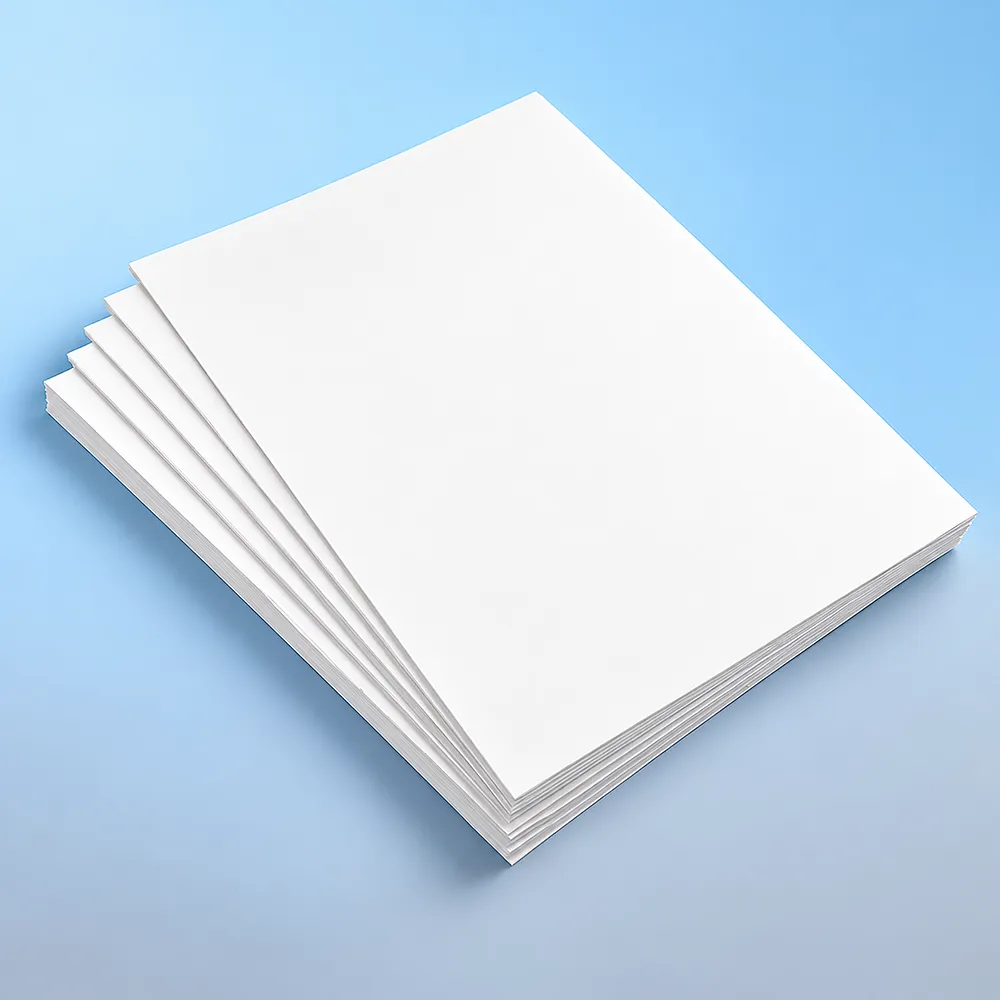
White SBS Paperboard

White SBS paperboard provides a smooth printing surface for colorful confectionery branding, illustrations, product descriptions, and promotional graphics. It may be suitable for compact folding dispensers when the selected board specification provides adequate support around the opening.

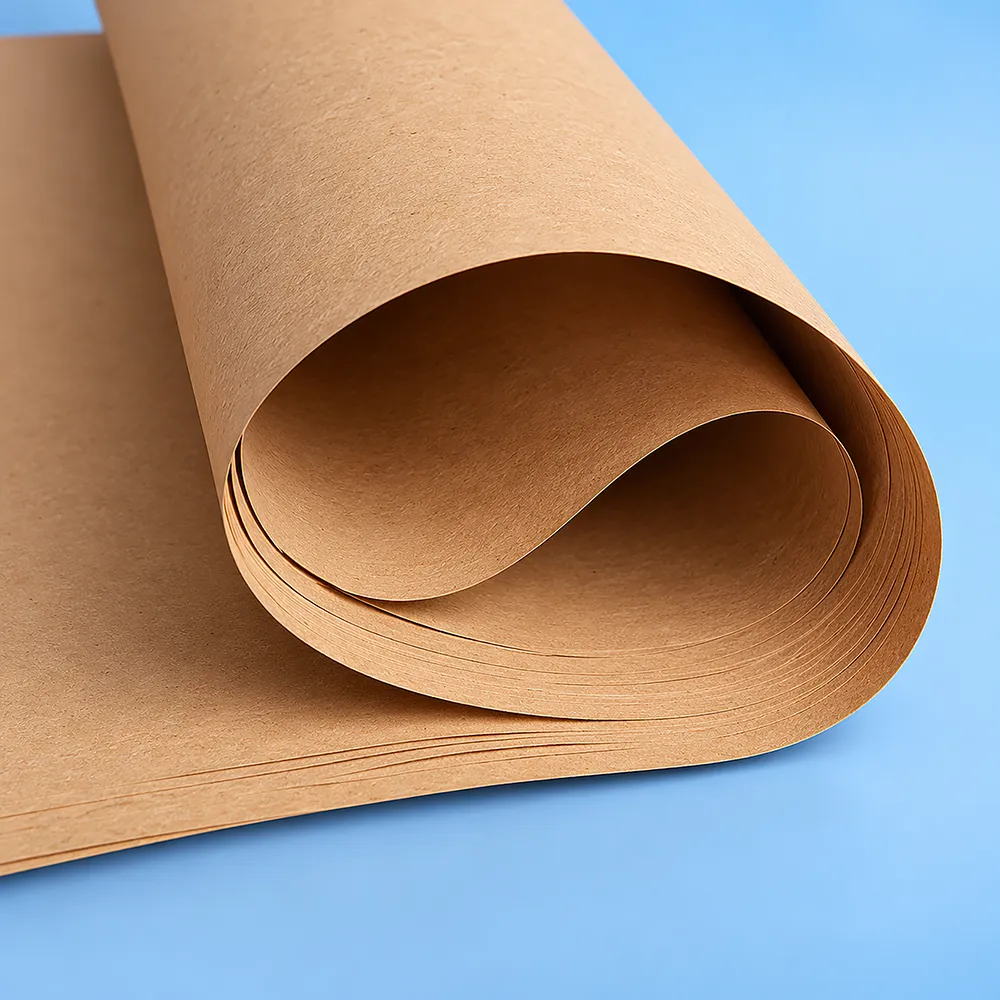
Kraft Paperboard

Kraft paperboard offers a natural brown appearance for compatible dispenser designs. It can complement branding developed around a natural-colored substrate. However, light colors and fine artwork may appear different from the same design printed on white paperboard. A kraft appearance does not automatically establish recycled content, recyclability, or environmental certification.

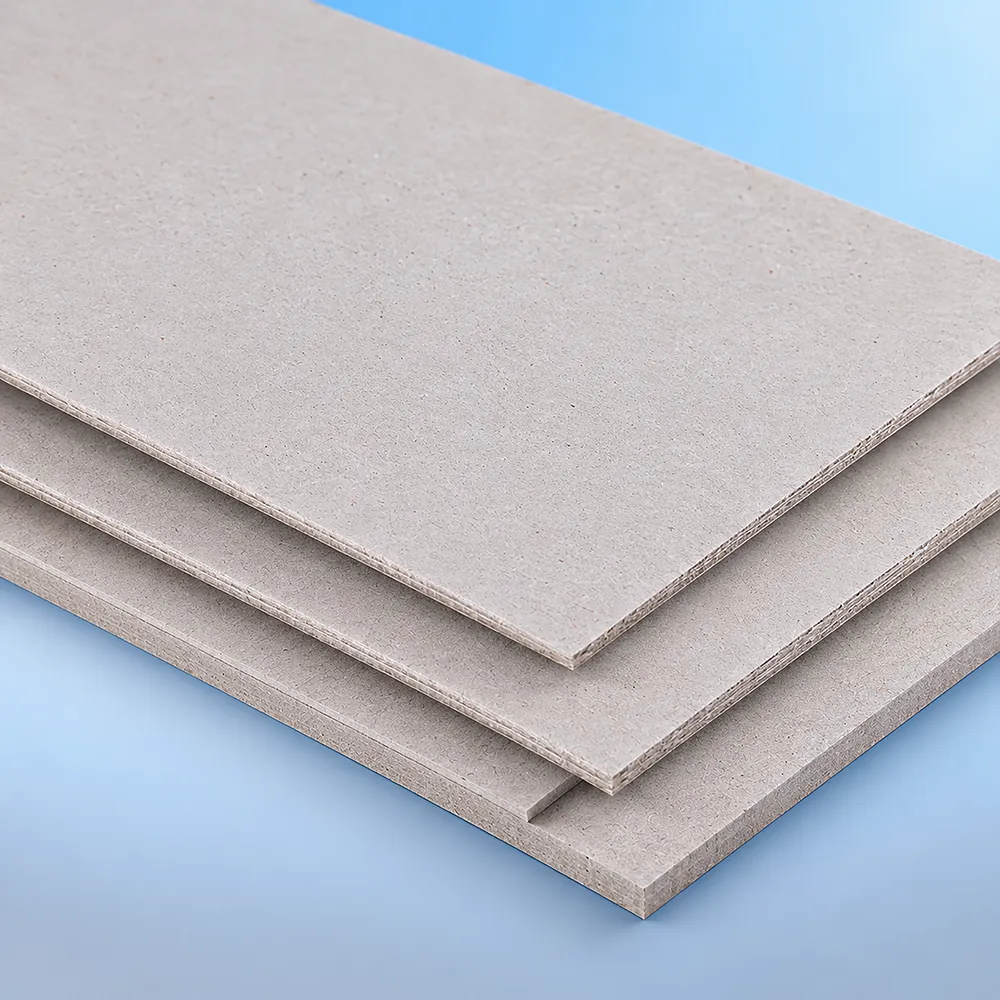
Corrugated Board

Corrugated board may be considered for larger candy dispensers or specialized constructions requiring a fluted material. Its suitability depends on the total wrapped-candy weight, carton size, opening geometry, and intended handling. Corrugated construction alone does not establish that the dispenser is suitable as an outer shipping carton.

Structural Support Around the Opening

A dispensing cutout or perforated panel changes the amount of material supporting the carton. Wide apertures, narrow retaining edges, and large branded headers may influence the required board specification. Material choice and the complete structural design should therefore be reviewed together.

Printing & Finishing for Custom Candy Dispenser Boxes

Custom printed candy dispenser boxes can carry brand logos, candy flavors, promotional graphics, barcodes, and buyer-approved product information. The printing and finishing combination should suit the selected material, artwork, order quantity, and carton construction. Printing applies graphics to the substrate, while finishing changes its surface appearance or adds decorative effects.

Offset Printing

Offset printing can suit detailed multicolor candy branding on compatible paperboard substrates. It may be suitable for repeat wholesale production where the quantity and artwork requirements justify conventional printing setup.

Digital Printing

Digital printing may suit compatible shorter runs or orders requiring multiple artwork versions. For example, a candy brand may use a common dispenser structure with different printed graphics for seasonal promotions or flavor collections.

Flexographic Printing

Flexographic printing may be considered for suitable corrugated constructions and repeat-production applications. Its suitability depends on the board surface, artwork detail, color requirements, and order quantity. Not every printing process is appropriate for every dispenser structure.

CMYK and Pantone/PMS Color Options

CMYK printing supports colorful product graphics, patterns, and confectionery branding. Pantone/PMS references can communicate brand-color targets where supported by the selected printing method. The appearance of printed colors depends on the material, inks, coatings, and finishing. Exact matching across different substrates should not be assumed.

Matte, Gloss, and Soft-Touch Finishes

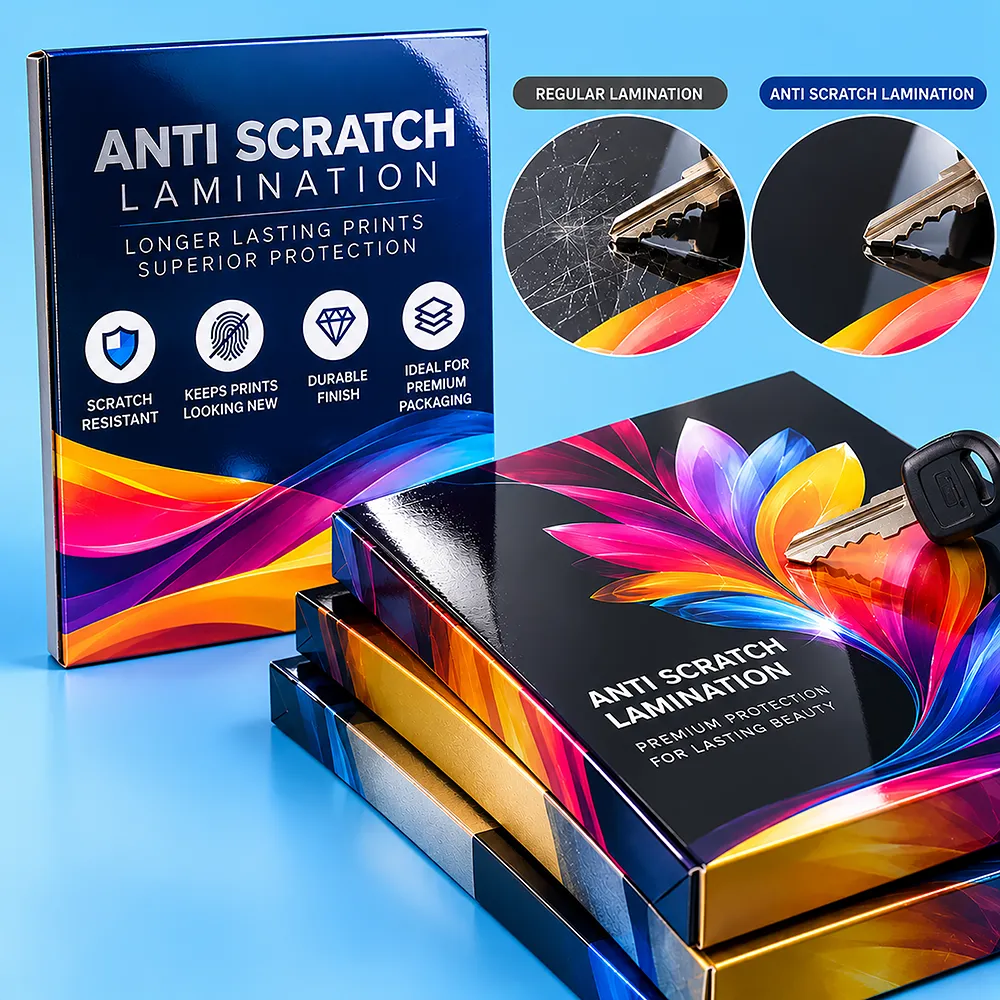
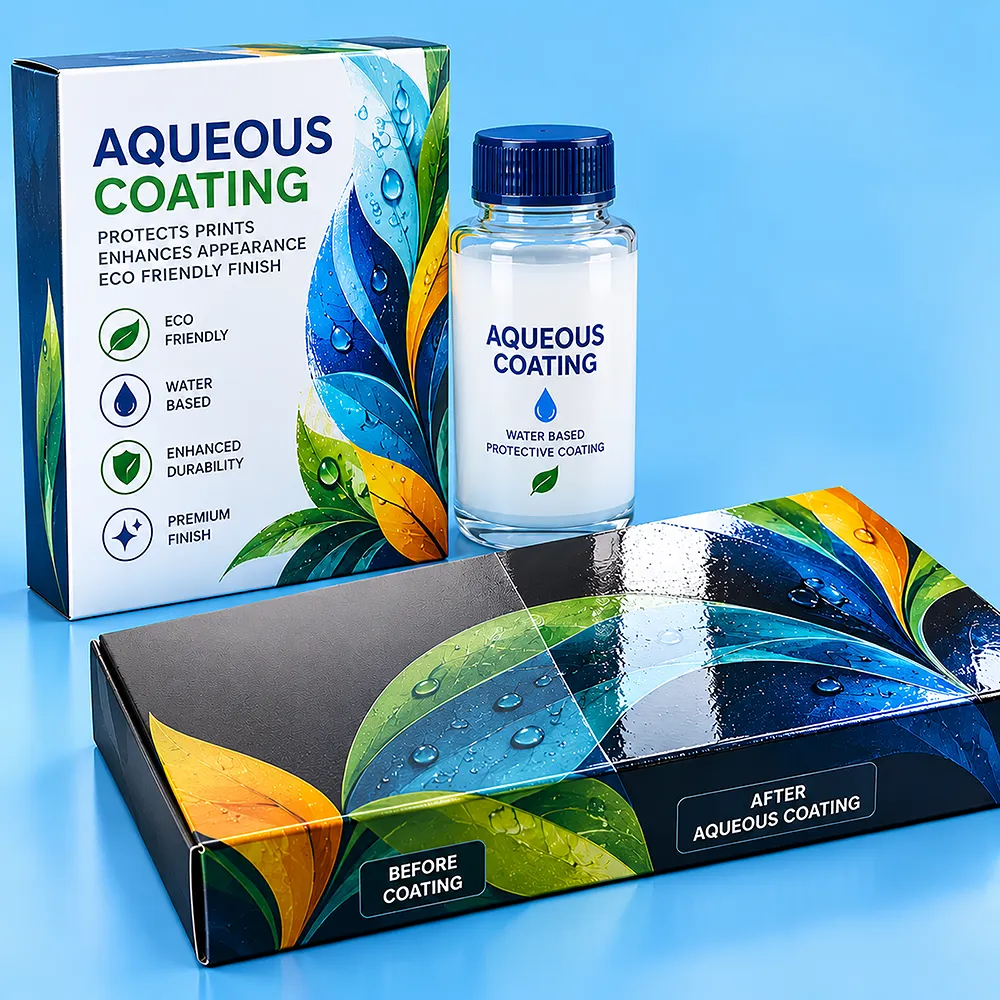
Matte and gloss treatments can produce different visual appearances on compatible printed cartons. Soft-touch finishing may create a different tactile effect where the selected material and structure allow it. Coatings and laminations are different processes and should be reviewed for their suitability. These finishes do not independently establish food-contact suitability or a verified protective barrier.

Foil Stamping, Embossing, Debossing, and Spot UV

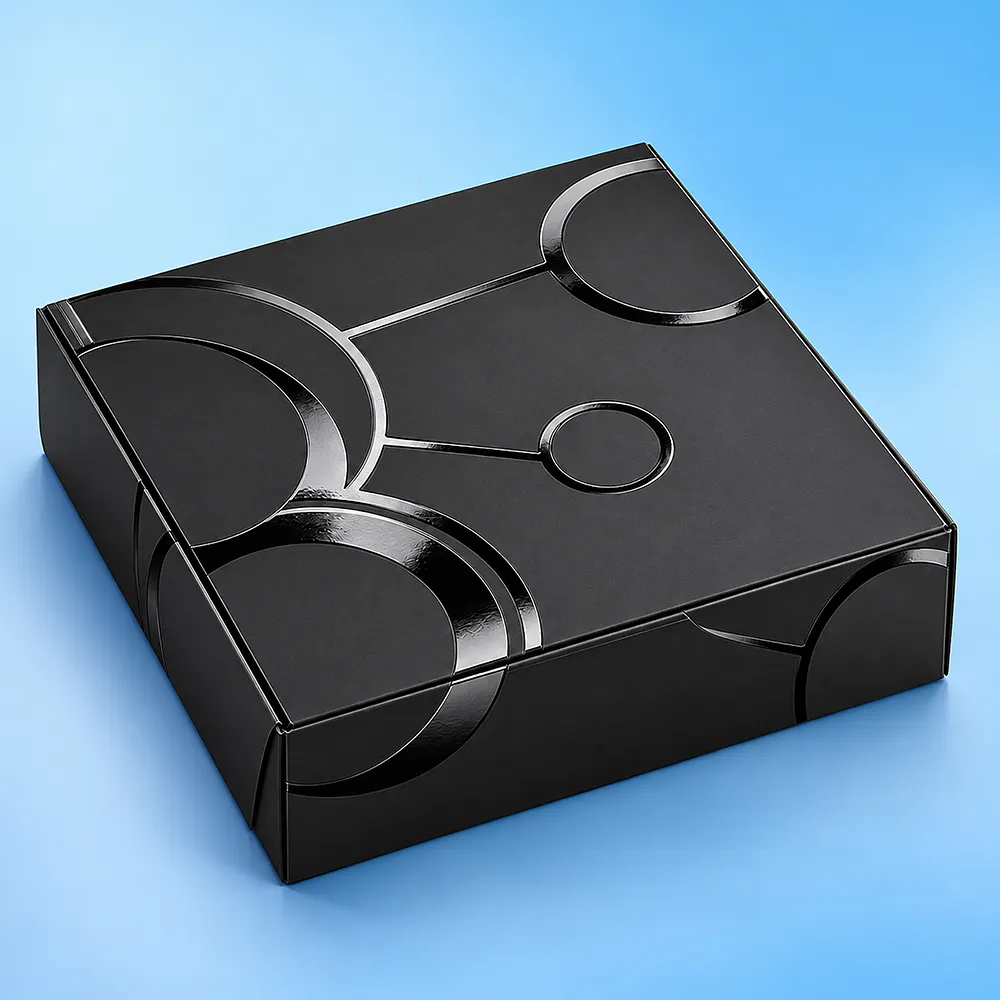
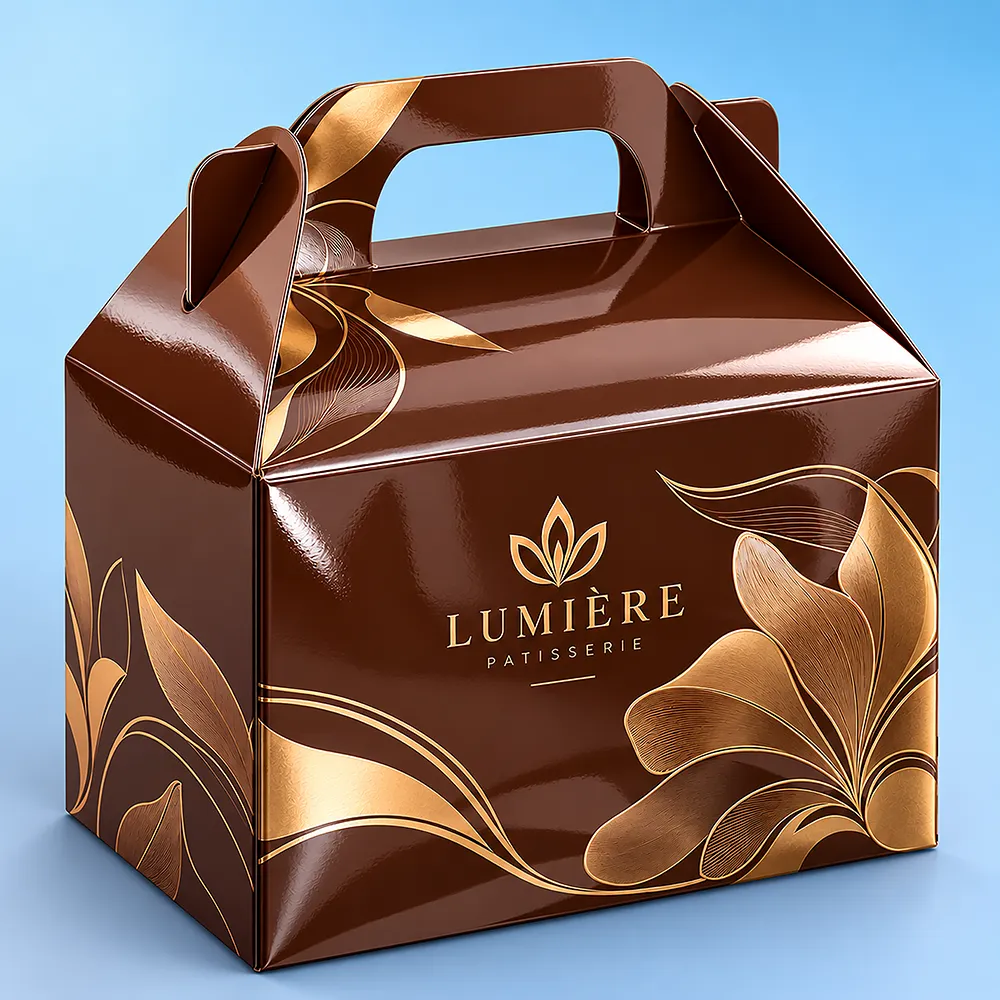
Compatible specialty finishing options may include foil stamping, embossing, debossing, and spot UV. They can emphasize selected brand elements on suitable permanent panels. The placement should not interfere with the dispensing opening, perforations, folds, closures, or glue areas. Decorative foil does not replace the required individual candy wrapper.

Artwork Placement Around Dispensing Openings

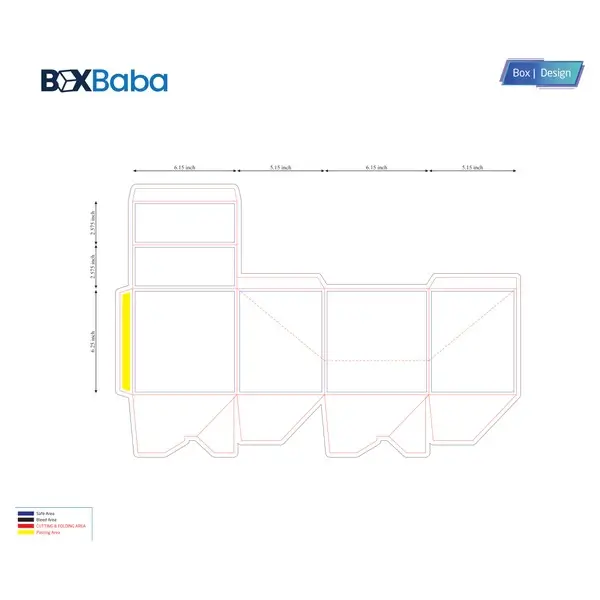
The approved dieline should identify die-cut paths, perforations, fold lines, glue tabs, bleed areas, and safe zones. Keep important product information and scannable codes on permanent panels rather than removable tear-out sections. If the carton has a curved opening, shaped header, or narrow retaining edge, artwork and finishing should be reviewed around those features. For detailed technical guidance, read our Dieline in Packaging Guide.

Candy Product Information and Branding

Candy dispenser boxes can provide space for brand-approved product descriptions, flavor identification, promotional messages, quantities, barcodes, and other appropriate packaging information. Where applicable, the responsible candy brand must provide and approve relevant ingredient, allergen, manufacturer, and other labeling information. The carton design should preserve adequate permanent space for information that must remain available during use. BoxBaba artwork assistance does not constitute regulatory approval of the confectionery product or its labeling.

Samples and Proofing Before Wholesale Production

Sampling helps evaluate whether the proposed candy dispenser meets its appearance, fit, and access requirements.

Digital Artwork Proofs

A digital proof helps review artwork placement, branding, text, and the relationship between graphics and the carton dieline. It does not demonstrate how wrapped candies will move through the opening.

3D Mockups

A 3D mockup helps visualize the assembled carton, planned opening, and available branding panels. It supports visual review but does not establish dispensing performance.

Physical Structural Samples

Where arranged, a physical sample can be evaluated using representative wrapped candy. Useful review points include:
  1. Confirming that the intended candy quantity fits.
  2. Checking complete wrapper dimensions and twisted-end clearance.
  3. Evaluating access to the first wrapped candy.
  4. Reviewing candy movement near the opening.
  5. Checking whether wrappers catch or products bridge above the outlet.
  6. Reviewing retaining edges and internal dividers.
  7. Checking access at different fill levels.
  8. Confirming loading and replenishment requirements.
  9. Reviewing the loaded carton footprint and intended placement.
These are recommended checks, not claims that a particular BoxBaba dispenser has already passed functional testing. BoxBaba offers free samples under its applicable policy. Initial sample shipping charges are reimbursed with the first bulk order. Custom-printed or project-specific samples may have separate terms.

Order Candy Dispenser Boxes Wholesale

BoxBaba supports custom packaging quotations for confectionery brands, candy shops, private-label businesses, retailers, and wholesale distributors. The standard minimum order quantity starts from 100 boxes.

What Affects Wholesale Pricing?

The price depends on the approved carton dimensions, material, dispensing opening, perforation requirements, internal features, printing, finishing, assembly method, quantity, and artwork versions. A simple front-access carton may have different production requirements from a dispenser with multiple compartments or a more complex outlet. Exact unit prices and quantity breaks are confirmed through quotation.

Multiple Candy Flavors and Artwork Versions

Different candy varieties may share one structural dieline when the wrapped-unit dimensions, quantities, and dispensing requirements remain compatible. Separate flavors or seasonal collections may still require different printed artwork. Provide the required carton quantity for each SKU or artwork version when requesting wholesale pricing.

Repeat Orders and Inventory Planning

For future production, retain the approved dieline, material specification, opening dimensions, product arrangement, and artwork files. Any change in candy-wrapper size, shape, count, or packing method should be reviewed before reusing the original structure.

Production and Shipping

For qualifying standard cartons, BoxBaba production baseline is approximately 5–9 business days after final artwork, proof, and order specifications are approved. Complex structures, specialized finishing, physical sampling, or other project requirements may affect the confirmed schedule. Production time and shipping time are separate. Free shipping across the USA is available under applicable standard order terms.

Why Choose BoxBaba for Candy Dispenser Packaging?

BoxBaba supports custom packaging projects with made-to-size carton specifications, artwork assistance, dieline support, suitable material choices, and compatible printing and finishing methods. Candy dispenser packaging can be developed around the finished wrapped confectionery, required count, access method, and intended retail placement. With a standard MOQ starting from 100 boxes, available proofing and sample arrangements, and free shipping across the USA under applicable terms, BoxBaba supports initial and repeat wholesale packaging quotations.

Request a Custom Candy Dispenser Box Quote

Order custom candy dispenser boxes developed around your finished wrapped confectionery, desired quantity, dispensing opening, and branded presentation. Share the candy type, finished wrapper dimensions, maximum thickness, twist or seal details, unit weight, required count, preferred packing arrangement, opening and refill requirements, artwork status, quantities by SKU, and USA delivery destination. Request Your Custom Candy Dispenser Box Quote to discuss suitable structures, materials, printing, samples, and wholesale production. Phone: +1 305 574 4357 Email: sales@boxbaba.com

Packaging Partner for Your Success

At BoxBaba, innovation meets quality. We offer fully customized printed boxes, backed by a team that is responsive, reliable, and effortless to work with.

5000+

Clients Served

2.5M+

Boxes Delivered

98%+

Happy Clients

5+

Years of Trust

Frequently Asked Questions

Find all the urgent questions you may have.

The standard packaging quotation is for custom printed empty cartons. Candy manufacturing, wrapping, and filling are not included unless separately agreed.
Compatible individually wrapped hard candies, chews, caramels, and other packaged confectionery may be considered. The structure should be developed around the finished wrapped units.
The standard concept is for individually wrapped products. Direct-contact applications require separate confirmation of suitable materials, inks, coatings, and applicable compliance requirements.
Measure the finished wrapped candy, including twisted ends, folds, and maximum thickness. Then establish the required count, packed arrangement, and intended dispensing direction.
Individual access can be a design objective, but reliable one-at-a-time dispensing depends on candy shape, wrapper friction, packing arrangement, and the outlet. It should be evaluated using actual products.
A front-access opening may be more suitable when wrappers have long twisted ends or irregular profiles. The final choice should follow the actual candy format and intended use.
Suitable dividers or channels may be considered for compatible products. Each compartment should match the intended wrapped-candy dimensions and quantity.
Compatible folding structures may be supplied flat or pre-glued. If repeated refilling is required, it should be included in the structural specification because not every dispenser is intended for reuse.
Yes. BoxBaba offers samples under its applicable policy. A physical sample is particularly useful when candy movement, opening clearance, or retaining edges need evaluation.
BoxBaba standard MOQ starts from 100 boxes. Qualifying standard production is approximately 5–9 business days after final artwork and specification approval, subject to the confirmed project schedule. Shipping and delivery are separate.