









Free Shipping

On All Orders

No Setup Charges

On Bulk Orders

Free Design Support

From Our Experts

100% Secure Payment

Safe & Encrypted

Sachet Dispenser Boxes

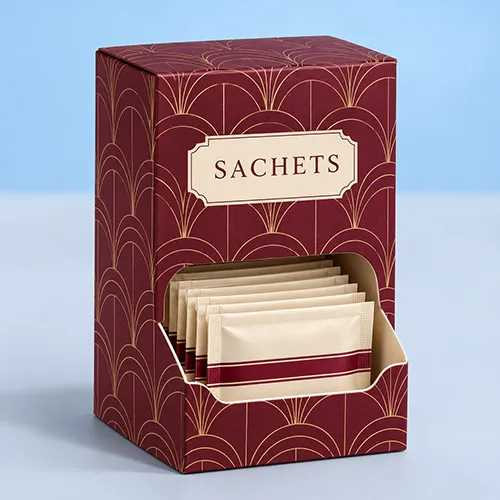
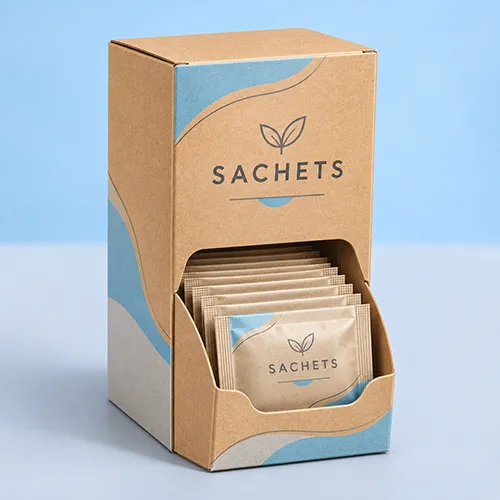
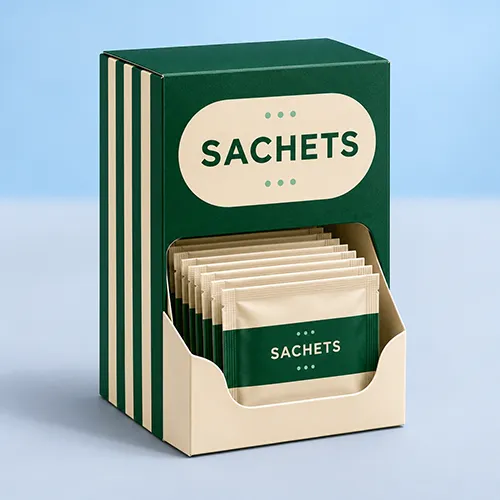
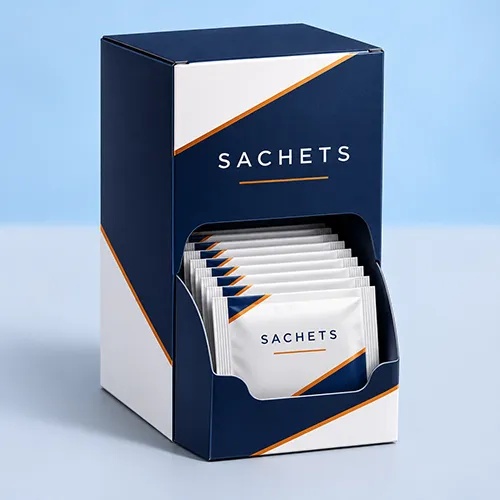
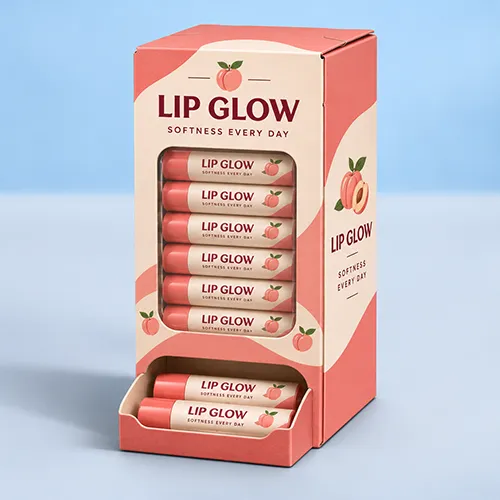
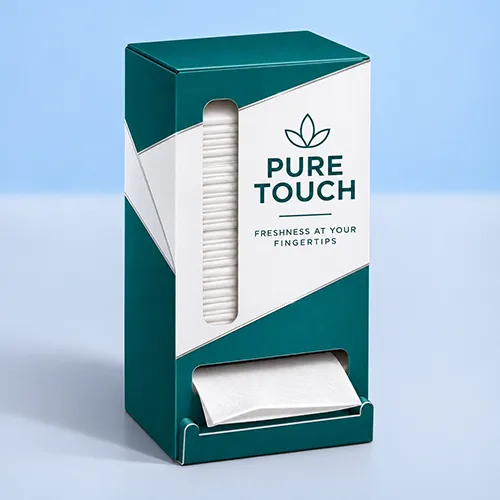
BoxBaba offers custom sachet dispenser boxes for brands that need an organized way to present and dispense individually sealed sachets, single-serve packets, and compatible stick packs. These printed cardboard cartons are suitable for retail counters, hospitality supply programs, promotional packaging, and wholesale distribution. Choose custom carton dimensions, suitable front-access openings, perforated panels, and internal compartments according to your sachet size, quantity, and intended dispensing method. Add branded graphics, product identification, and compatible finishing options to create packaging suited to your business requirements. Order custom printed sachet dispenser boxes wholesale starting from 100 boxes, with dieline assistance, artwork support, and free shipping across the USA under applicable terms.

Why Choose BoxBaba for Sachet Dispenser Boxes

Custom Sachet Dispenser Boxes | Wholesale | BoxBaba

Organize and dispense single-use sachets with custom sachet dispenser boxes featuring convenient access openings, tailored capacity, sturdy paperboard construction, and branded printing.

How It Works

Custom Packaging Made Quick & Easy

Quote & Design Support

Share your packaging requirements, get a competitive quote, and receive free design assistance from our team.

Artwork & Printing

Finalize your artwork, printing options, and finishes the way you want with help from our design team.

Production & Delivery

Once your artwork is approved, we’ll produce and deliver your custom boxes within an estimated 5–9 business days.

Related Products

What Are Custom Sachet Dispenser Boxes?

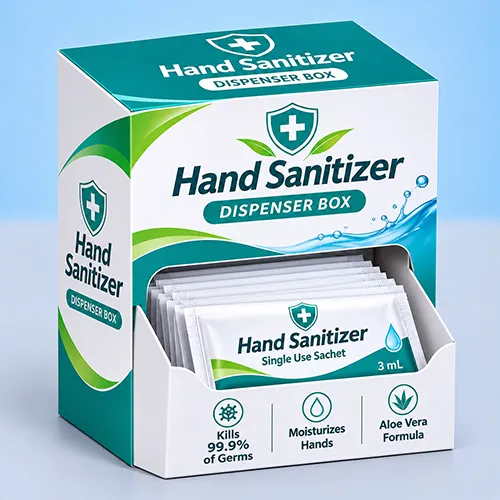
Sachet dispenser boxes are cardboard cartons designed to contain multiple sealed sachets while providing access through a designated opening. Unlike a conventional closed folding carton, a dispenser is developed so users can retrieve packets as needed without repeatedly opening the main closure. Depending on the structure, the carton may incorporate a front cutout, a perforated access panel, or a compatible lower outlet. The dispensing opening must suit the finished sachet, including its seal margins, maximum thickness, and intended orientation. The sachet contains the product. The dispenser carton organizes the sachets and provides access to them. For the broader range of cardboard packaging with built-in dispensing features, explore BoxBaba Custom Dispenser Boxes category.

Sachet Dispenser Boxes vs. Sachet Packets

These two packaging products perform different functions.
Feature Sachet Dispenser Box Individual Sachet Packet
Packaging Role Secondary, multi-unit carton Primary flexible package
Main Purpose Organization and dispensing access Product containment and sealing
Typical Material Paperboard or suitable corrugated board Flexible material selected for the packaged product
Opening Die-cut slot, perforated panel, or suitable dispensing aperture Tear notch, cut edge, or another individual opening feature
Sizing Basis Completed sachet dimensions and quantity Product volume, fill conditions, and sealing requirements
Product Protection Does not independently establish barrier performance Must be specified for the actual product requirements
If your project requires individual flexible packages rather than an outer dispenser, explore BoxBaba Custom Sache t Packets.

Sachet Formats Suitable for Dispenser Packaging

The appropriate dispenser depends on the finished packet format, not simply the product inside it.

Flat Sachet Dispenser Boxes

Flat sachets are suitable candidates for dispensers when their dimensions and packing arrangement support the chosen opening. These sachets may have sealed edges on three or four sides. The dispenser should accommodate the full width, length, and filled thickness of each completed packet. A relatively flat sachet may be arranged upright, horizontally, or in a suitable channel, depending on the intended withdrawal method.

Stick Pack Dispenser Boxes

Stick packs are elongated flexible packets that can have a narrow tubular or flattened filled profile. Their length, end seals, and filled cross-section influence the space required inside the carton. A stick pack dispenser may need a different channel arrangement and access opening from a dispenser holding wider rectangular sachets. For this reason, the same structure should not automatically be used for both formats.

Sachets With Filled Bulges

Some sachets contain liquids, gels, powders, or granular products that create a noticeable filled center. The maximum filled thickness can be substantially different from the thickness of the sealed edges. These packets may stack unevenly or move differently through a narrow outlet. A direct-access opening may be more suitable than a gravity-assisted arrangement when packet movement is inconsistent.

Sachets With Tear Notches and Seal Extensions

Heat-sealed margins and tear notches are important details in sachet dispenser design. Sealed edges may become caught against neighboring packets or the opening. The design should account for the actual packet outline, including any tabs, notches, or extended seals that influence withdrawal.

Choose the Right Sachet Dispenser Box Structure

The dispensing configuration should be selected according to the sachet format, intended placement, and required access method.
Dispenser Style Suitable Application Important Design Factor
Front-Access Dispenser Direct retrieval of sealed sachets Opening clearance and retaining-edge position
Lower-Access Dispenser Compatible sachets arranged above an outlet Packet movement, friction, and orientation
Perforated Dispenser Opening a previously enclosed carton for use Tear path and remaining structural support
Multi-Channel Dispenser Separate flavors or compatible product variants Divider dimensions and independent access

Front-Access Sachet Dispenser Boxes

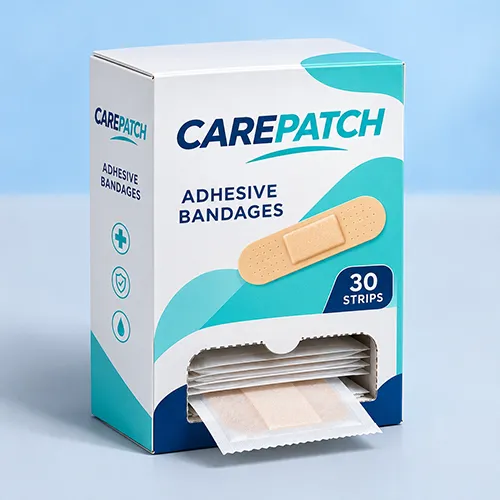
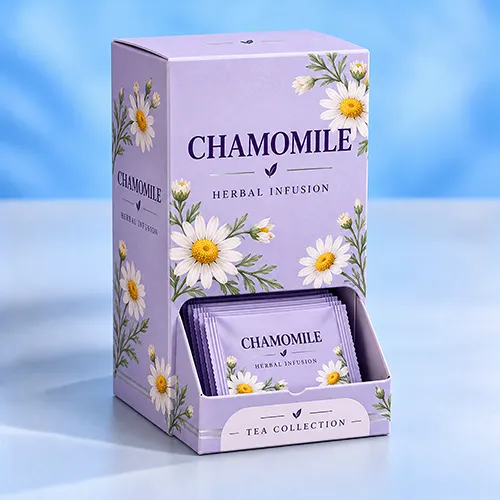
Front-access dispensers use a designated opening through which customers or staff retrieve the packaged sachets. This configuration can work for compatible packets arranged in a stack or accessible row. A retaining edge may help maintain the position of the remaining sachets while keeping them within reach. The aperture should accommodate the maximum finished packet profile and the intended removal movement.

Lower-Opening Sachet Dispensers

A lower opening can be considered when sachets are intended to move toward a dispensing outlet. However, flexibility, uneven fill distribution, seal margins, and wrapper friction can affect how packets move. A lower outlet should therefore be assessed using representative filled sachets. Gravity-assisted access is not the same as guaranteed one-at-a-time dispensing.

Perforated Sachet Dispenser Boxes

A perforated panel can keep the dispensing area enclosed until the carton is first opened. Removing the panel exposes the planned outlet. The remaining carton structure should retain enough support for the packaged contents. Perforation is an opening feature and should not be confused with a controlled gravity-feed system or a conventional open retail display.

Multi-Channel Sachet Dispensers

Internal dividers may be considered when different flavors, packet types, or product variants need separate access. Each compartment should have sufficient space for its assigned sachets and their seal margins. Where packet formats vary substantially, a shared dispensing structure may be impractical.

How to Measure Sachets for a Custom Dispenser Box

Measure a sachet after filling and sealing, not as an empty flexible package. The actual finished unit determines how it fits inside the carton and whether it can pass through the intended opening.

Required Sachet Measurements

Provide the following information:
  • Finished length: The maximum overall length, including sealed ends.
  • Finished width: The maximum width across the completed packet.
  • Maximum filled thickness: The thickest part of the filled sachet.
  • Seal margins: The dimensions and orientation of sealed edges.
  • Tear features: Notches, tabs, or other features that affect the finished profile.
  • Unit weight: The weight of one filled sachet.
  • Packing orientation: The direction in which sachets will be stacked or arranged.
  • Withdrawal direction: How users will retrieve the packet.
For stick packs, also record the filled cross-section and end-seal orientation.

Measure the Complete Sachet Stack

After measuring an individual sachet, arrange the required number of packets in the intended configuration. Record the complete stack dimensions and combined weight. Flexible sachets may compress, overlap, or settle differently depending on their contents. Simply multiplying one sachet nominal thickness by the required count may not accurately describe the finished stack.

Internal Box Dimensions vs. External Dimensions

Internal dimensions determine usable packing space. External dimensions determine the assembled carton footprint. The dispensing aperture has separate width, height, and position requirements. These measurements should be specified independently, then reviewed together during structural development. For more information, read our How to Measure a Box Dimension Correctly guide.

Sachet Dispenser Capacity and Product Arrangement

A sachet dispenser capacity depends on the finished packet dimensions, required quantity, packing orientation, and number of compartments. Two dispensers holding the same number of sachets may need different carton dimensions.

Single-Product Dispensers

A single-product dispenser contains one specified sachet format in a consistent arrangement. This can simplify structural planning when all packets have compatible dimensions and are intended to be removed in the same direction.

Assorted Sachet Dispensers

A multi-product dispenser may use separate compartments for compatible flavors or product variants. For example, a drink-mix supplier may want different sections for two powdered beverage flavors. The final layout should account for the required number of packets in each section rather than dividing the space equally without considering demand.

Capacity vs. Countertop Footprint

A higher packet count may require more internal volume, but arrangement also affects the finished footprint. A tall single-channel design can occupy a different counter area from a shorter multi-channel carton holding the same total quantity. Buyers should specify any maximum width, depth, or height required for retail shelves, beverage stations, or supply areas.

Dispensing Access and Sachet Retention

The dispenser should allow users to retrieve packets while maintaining the intended arrangement of the remaining products.

Opening Clearance

The access opening should accommodate the completed sachet, including its filled center and sealed edges. A narrow opening may restrict withdrawal even when the sachets fit comfortably inside the carton.

Retaining Edges and Packet Movement

A suitable retaining lip can help keep remaining sachets inside the carton. However, an overly restrictive lip may make retrieval difficult. The aperture and retaining structure should be developed together, particularly for packets with uneven filled thickness.

Access as the Carton Empties

The position of the remaining sachets changes as packets are removed. The design should therefore be reviewed when the carton is full, partially depleted, and nearly empty. A physical sample can help determine whether the opening, packet arrangement, or retaining structure needs adjustment. Consistent one-at-a-time dispensing should be treated as a product-specific design objective requiring evaluation.

Sachet Dispenser Boxes for Different Applications

Custom sachet dispenser packaging may be considered for several types of finished sealed products.

Coffee, Sugar, and Sweetener Sachets

Compatible coffee, sugar, and sweetener packets may be organized in dispenser cartons for cafés, hotels, beverage stations, and hospitality programs. The structure should be selected according to packet dimensions, quantity, and intended self-service access.

Drink Mixes and Nutritional Stick Packs

Sealed single-serve beverage powders and compatible stick packs may be arranged in dispensers designed around their finished dimensions. A dispenser holding long stick packs may need a different opening and orientation from one holding flat drink-mix sachets.

Cosmetic Sample Sachets

Individually sealed cosmetic samples may be placed in suitable dispensers for retail sampling or promotional programs. The carton should match the completed sample packet. The primary sachet remains responsible for the formulation required containment and packaging performance.

Other Compatible Sealed Packets

Similar structures may be considered for suitable sealed condiment packets and other single-serve products. The material and opening should be selected for the actual finished packet and intended use. An ordinary paperboard dispenser does not independently establish product-contact suitability, medical compliance, or moisture-barrier performance.

Material Options for Sachet Dispenser Boxes

Material selection should reflect the loaded weight, carton dimensions, dispensing opening, number of compartments, and printing requirements.

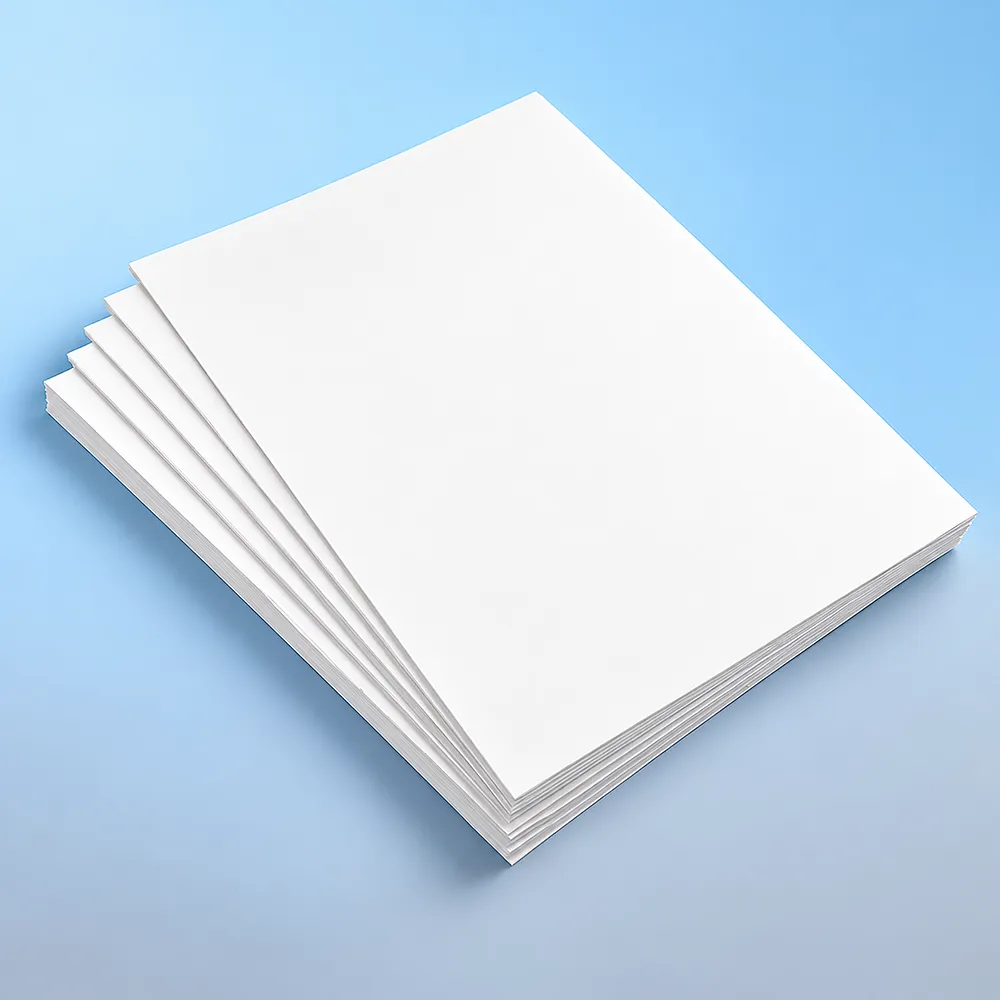
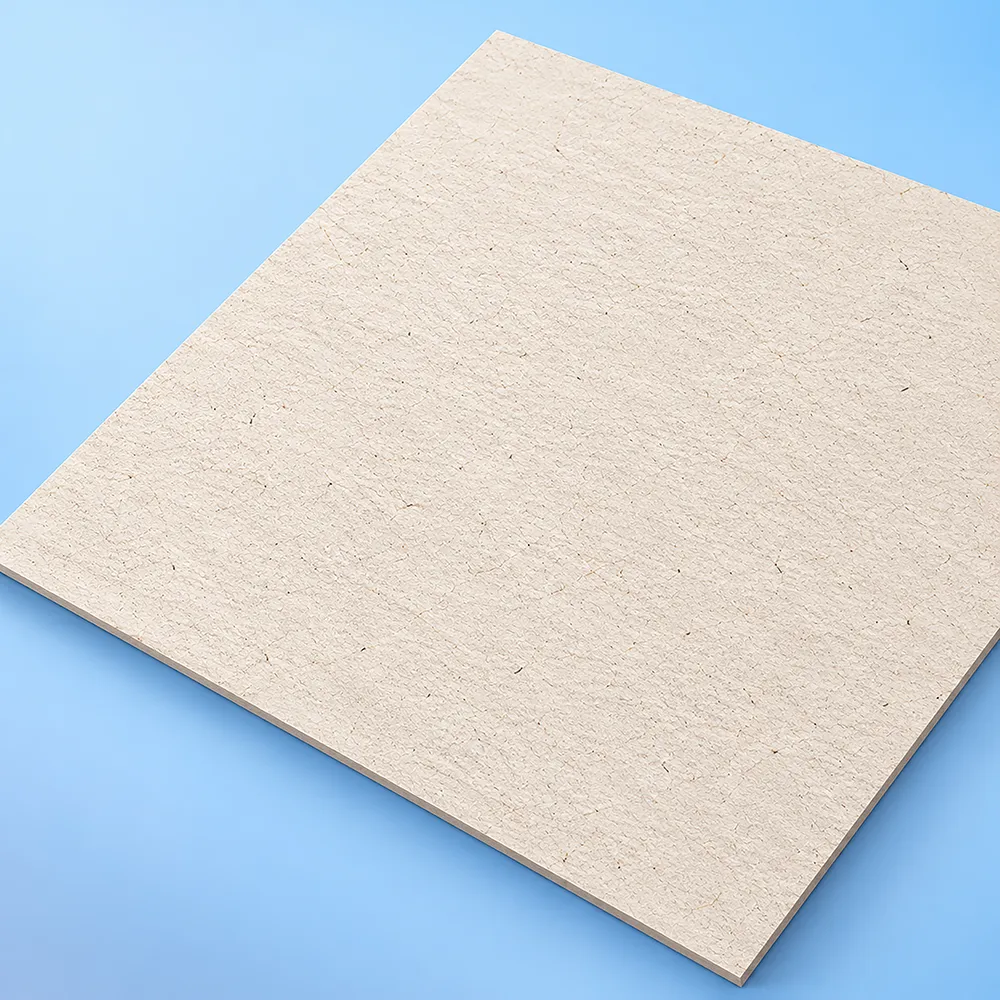
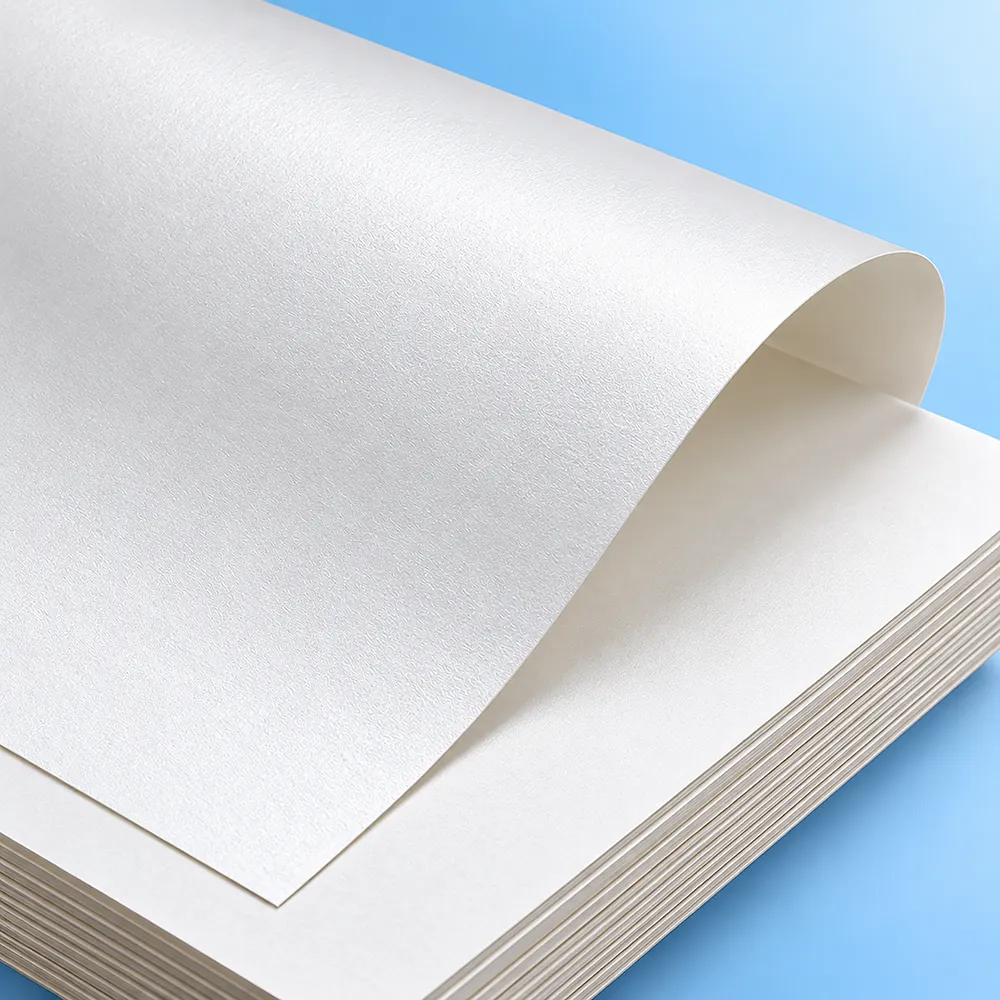
White SBS Paperboard

White SBS paperboard provides a smooth printing surface for logos, product information, and detailed graphics. It can be suitable for compact folding dispensers when the selected specification provides adequate support around the opening.

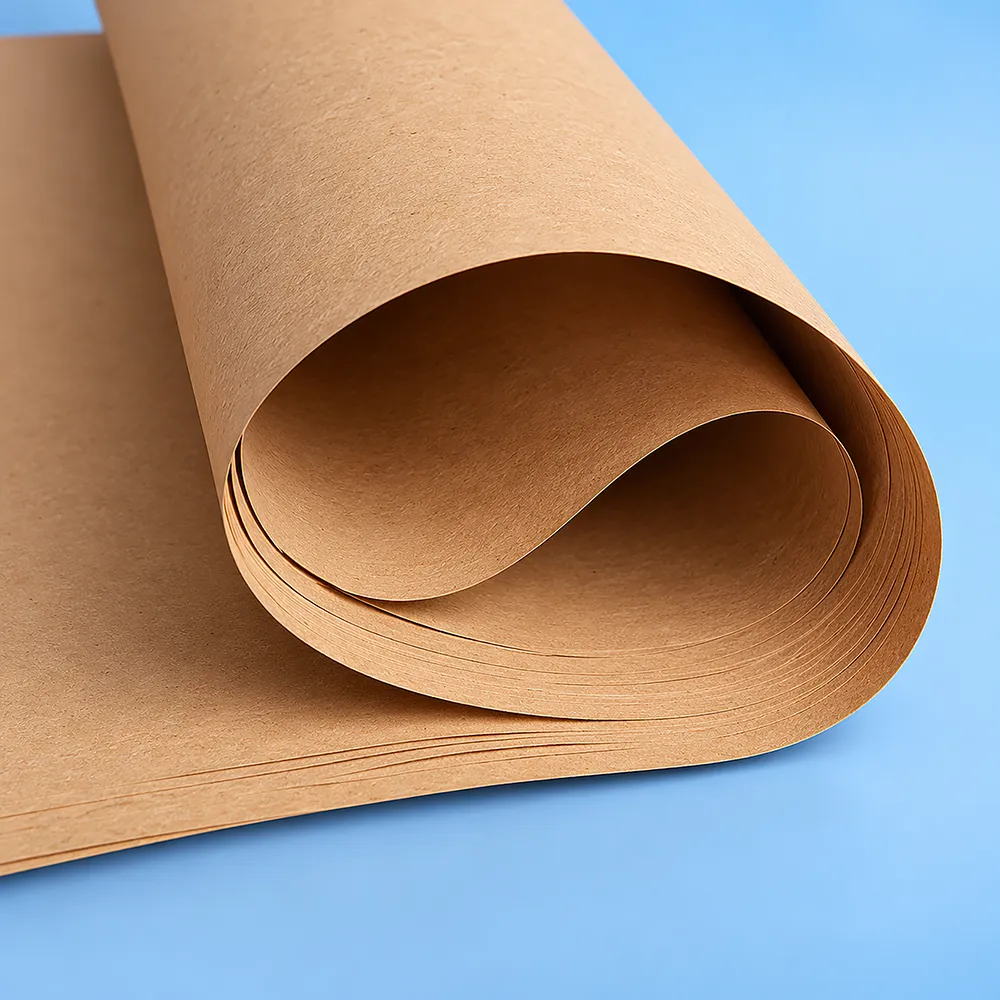
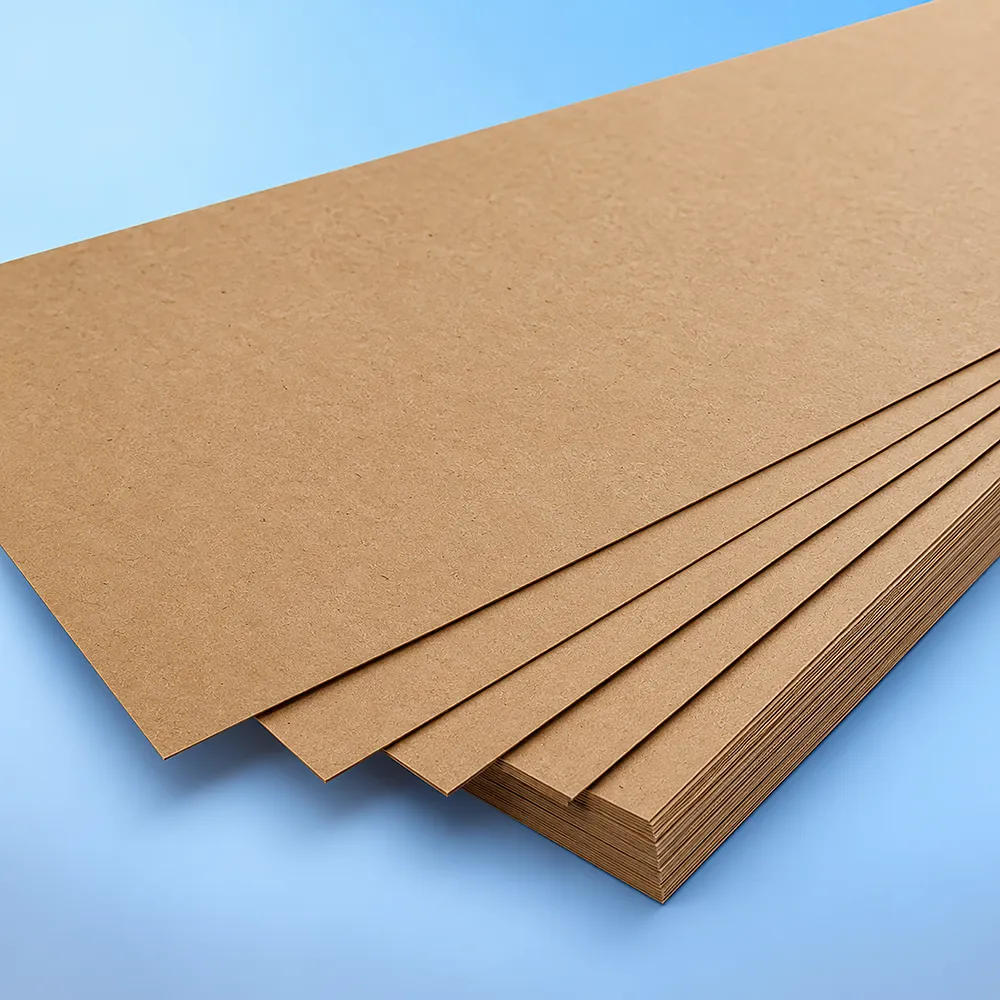
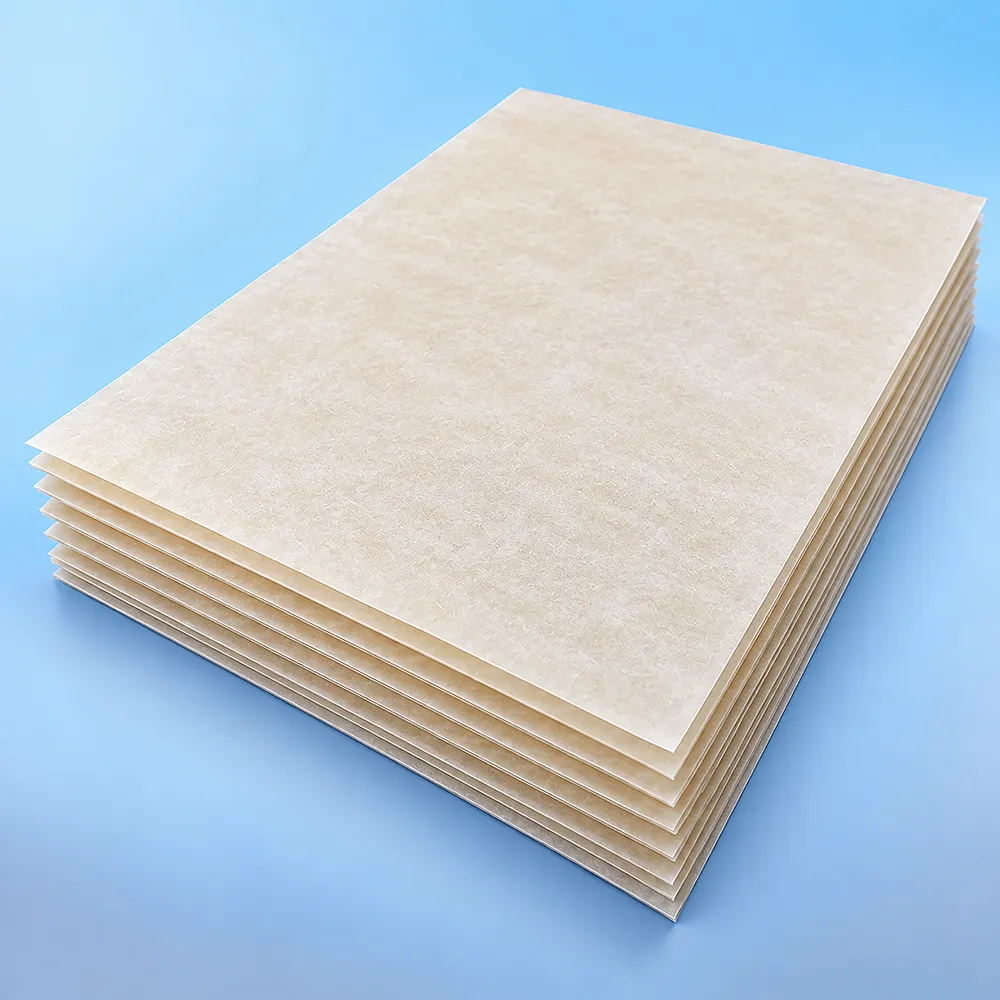
Kraft Paperboard

Kraft paperboard offers a natural brown appearance for compatible dispenser structures. It may suit branding designed around the substrate color and simpler graphics. Printed colors may appear different from the same artwork on white paperboard. Kraft appearance alone does not establish recycled content, recyclability, or environmental certification.

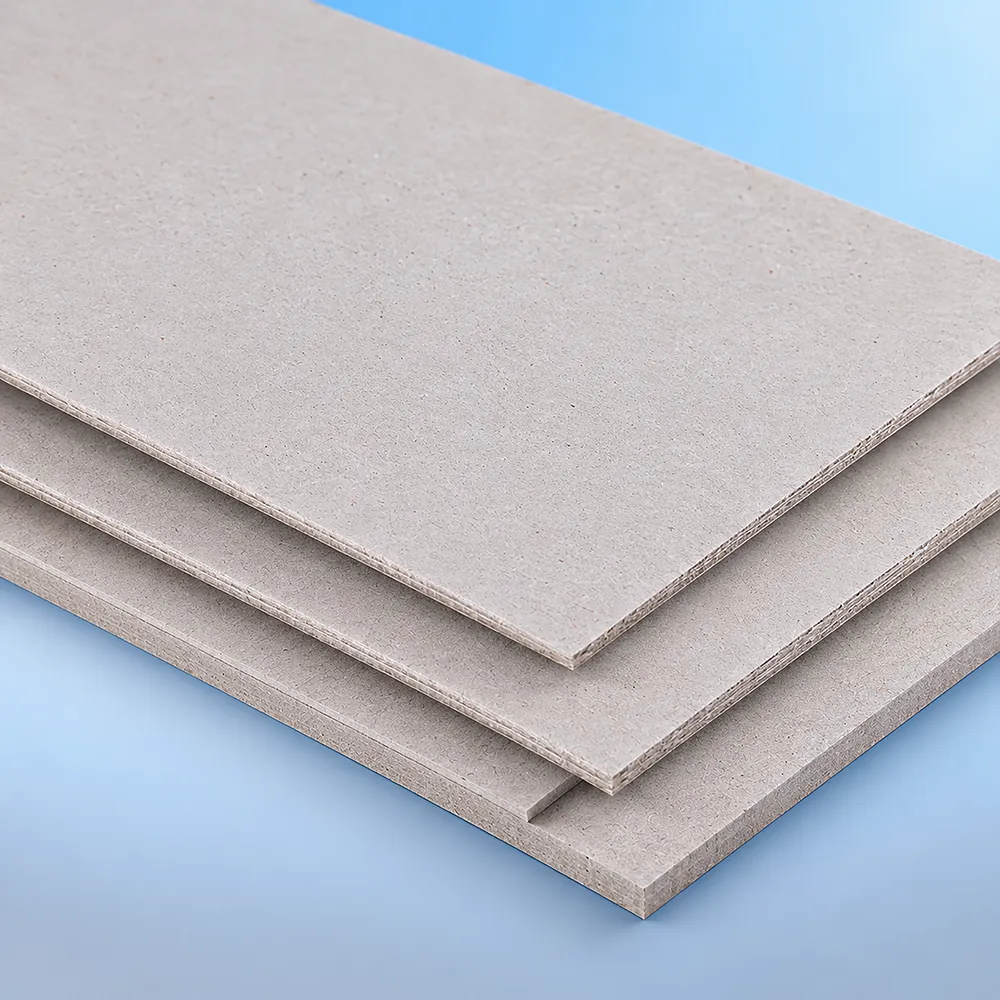
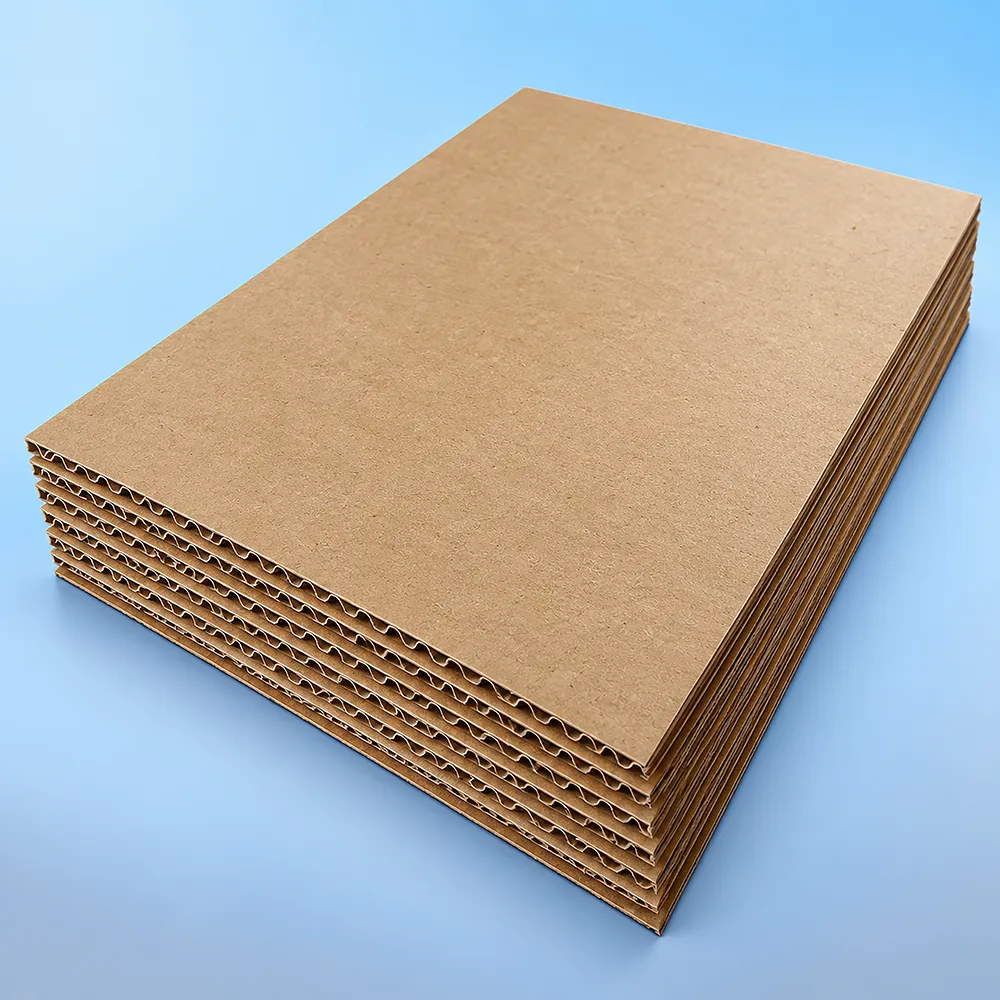
Corrugated Board

Corrugated board may be considered for larger dispensers or structures that benefit from fluted material. Its suitability depends on the filled carton weight, opening dimensions, structural supports, and intended handling. Corrugated construction does not automatically establish that the dispenser is suitable as an outer shipping carton.

Material Selection Around the Opening

Die-cut and perforated openings change the amount of material supporting the carton panel. A wide cutout, narrow retaining edge, or multi-channel arrangement can influence the required board specification. Material and structure should therefore be reviewed together rather than selected independently.

Printing & Finishing for Custom Sachet Dispenser Boxes

Custom printed sachet dispenser boxes can carry logos, flavors, product names, promotional graphics, barcodes, and buyer-approved packaging information. Printing applies artwork to the material. Finishing changes its surface appearance or adds decorative effects. The most appropriate combination depends on the carton material, quantity, graphics, and opening structure.

Offset Printing

Offset printing can suit detailed multicolor graphics on compatible paperboard materials. It may be considered for repeat wholesale orders where the quantity, stock, and artwork support conventional print setup.

Digital Printing

Digital printing may be suitable for compatible shorter runs or projects requiring multiple printed versions. For example, a brand may use one approved structural dieline with separate printed artwork for different flavors.

Flexographic Printing

Flexographic printing may be considered for suitable corrugated constructions and repeat-production applications. The board surface, artwork detail, color requirements, and order quantity influence whether it is appropriate. Not every printing method is suitable for every dispenser structure.

CMYK and Pantone/PMS Color Options

CMYK printing supports full-color product graphics and branding. Pantone/PMS references can communicate specific brand-color targets when supported by the selected printing method. Final color appearance depends on the material, ink system, coatings, and finishing. Exact matching across different substrates should not be assumed.

Matte, Gloss, and Soft-Touch Finishes

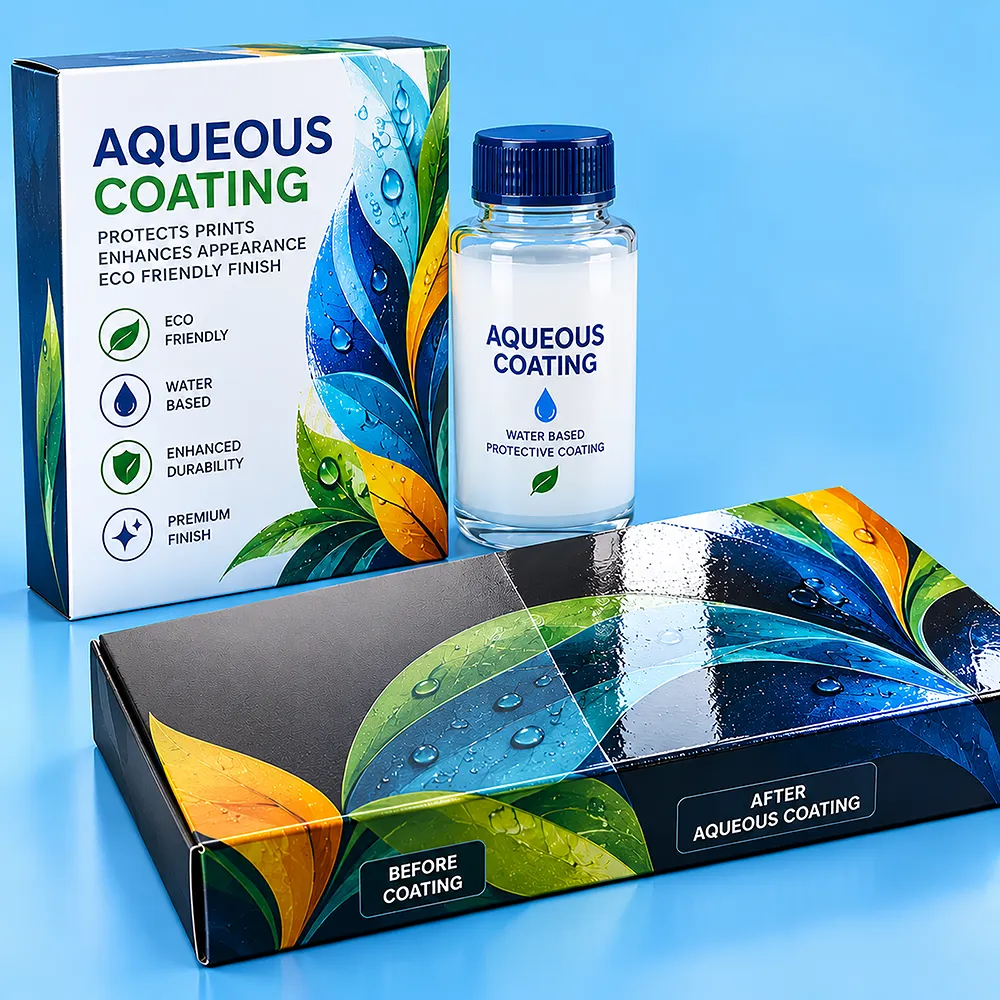
Matte and gloss treatments can create different printed appearances. Soft-touch finishing may provide a distinctive tactile effect where compatible with the carton material. The selected finish should suit the intended use, artwork, and budget. Coatings and laminations are different processes, and neither should be described as creating a verified barrier for the contents of the individual sachets.

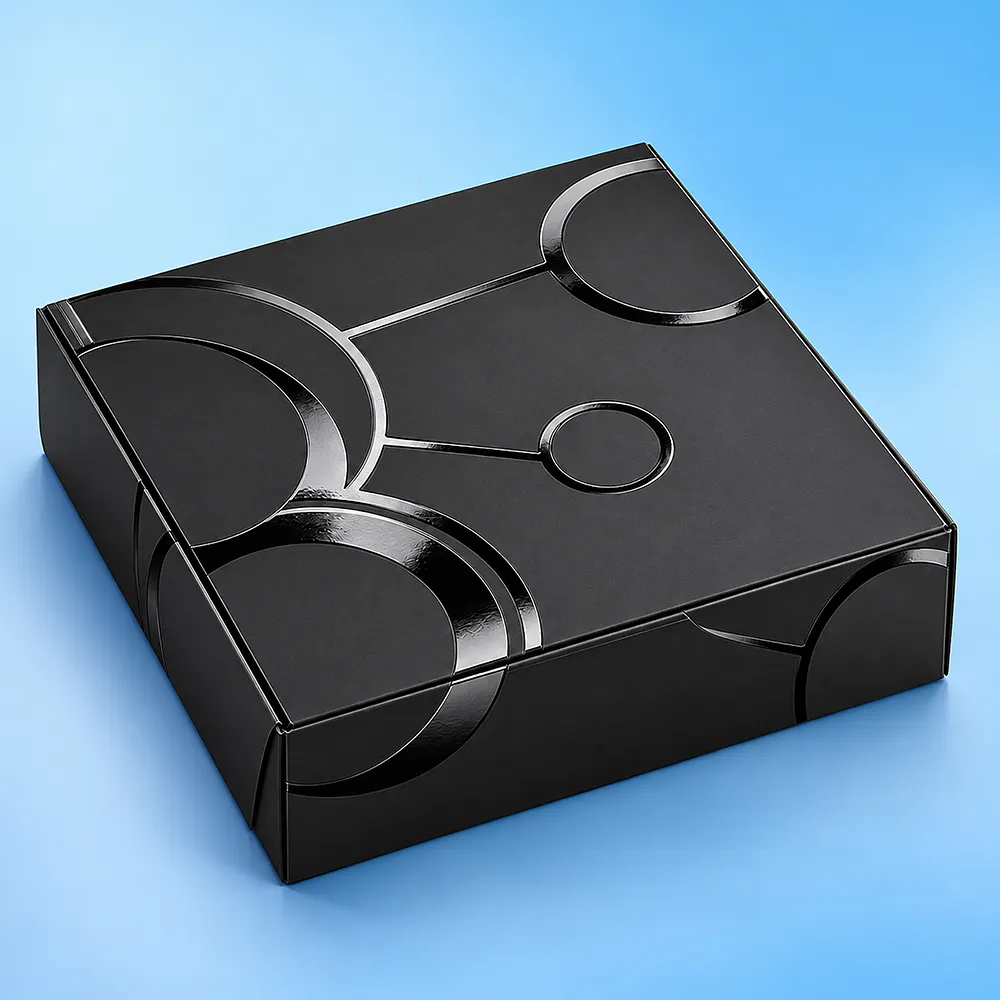
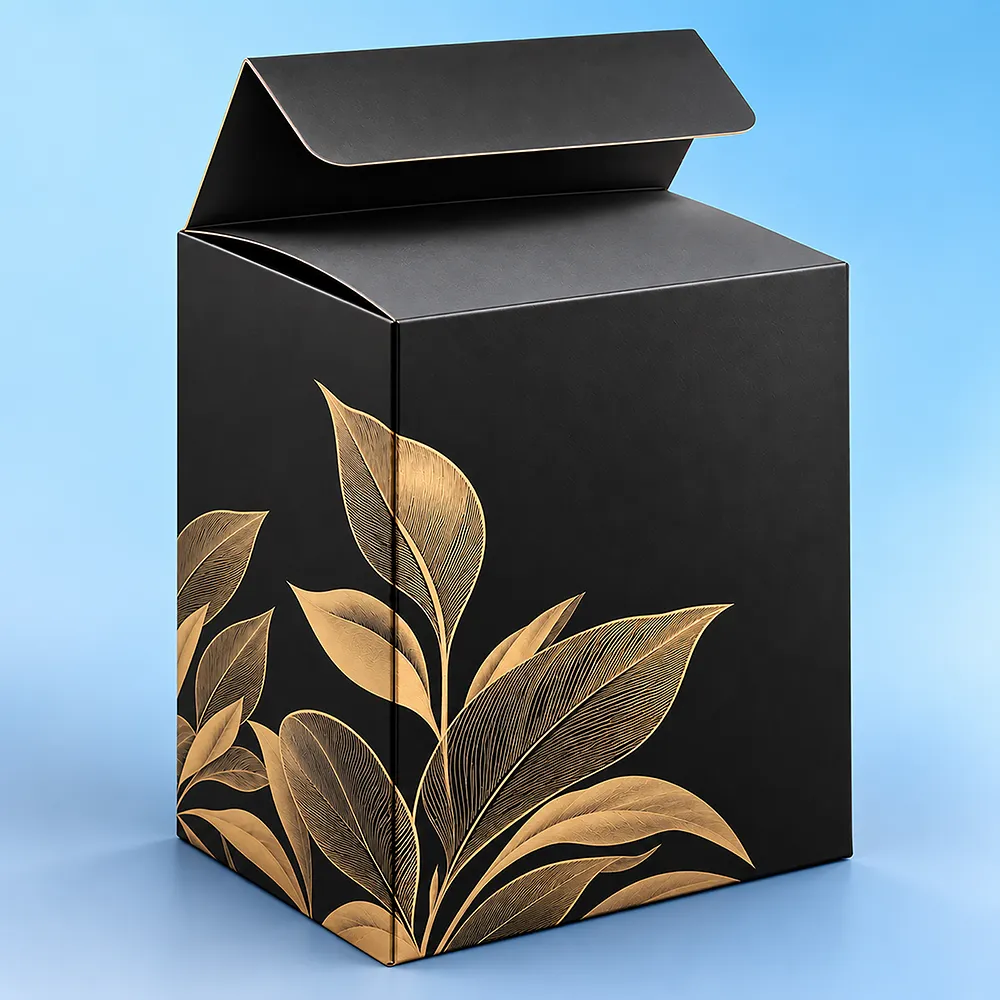
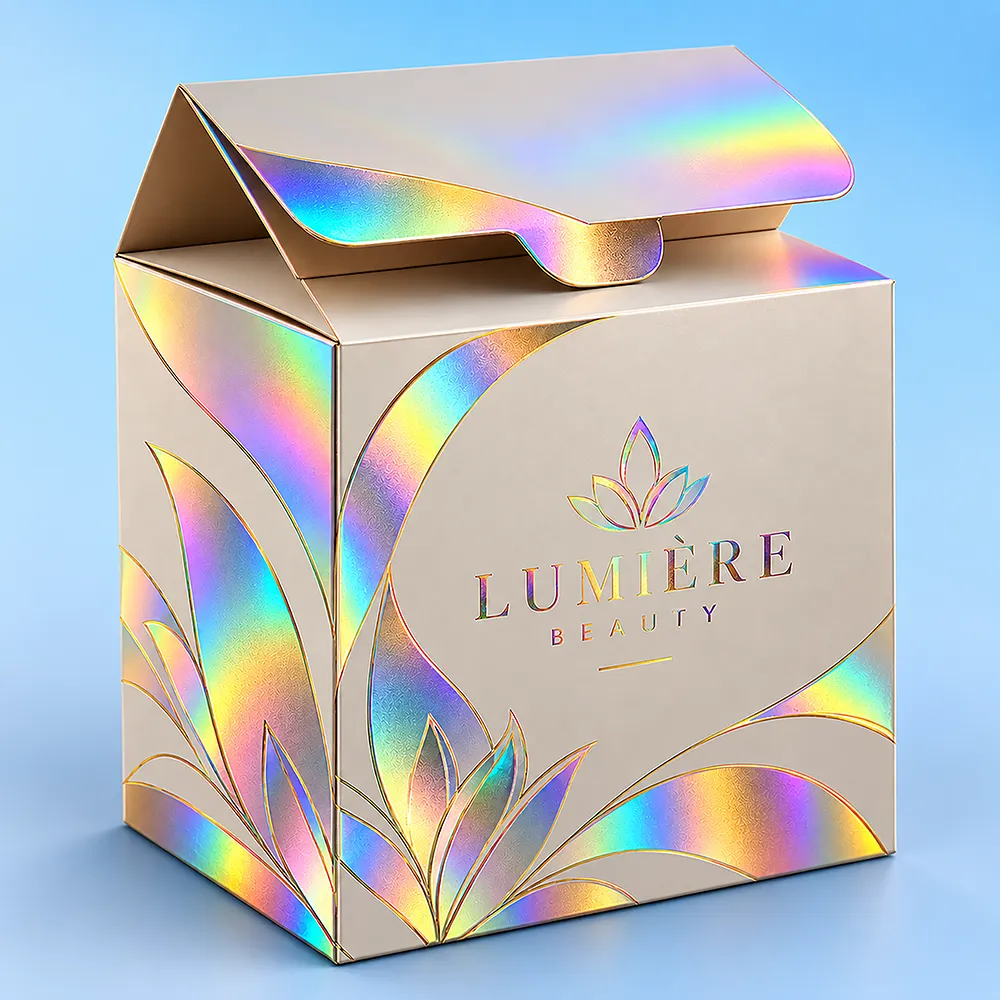
Foil Stamping, Embossing, Debossing, and Spot UV

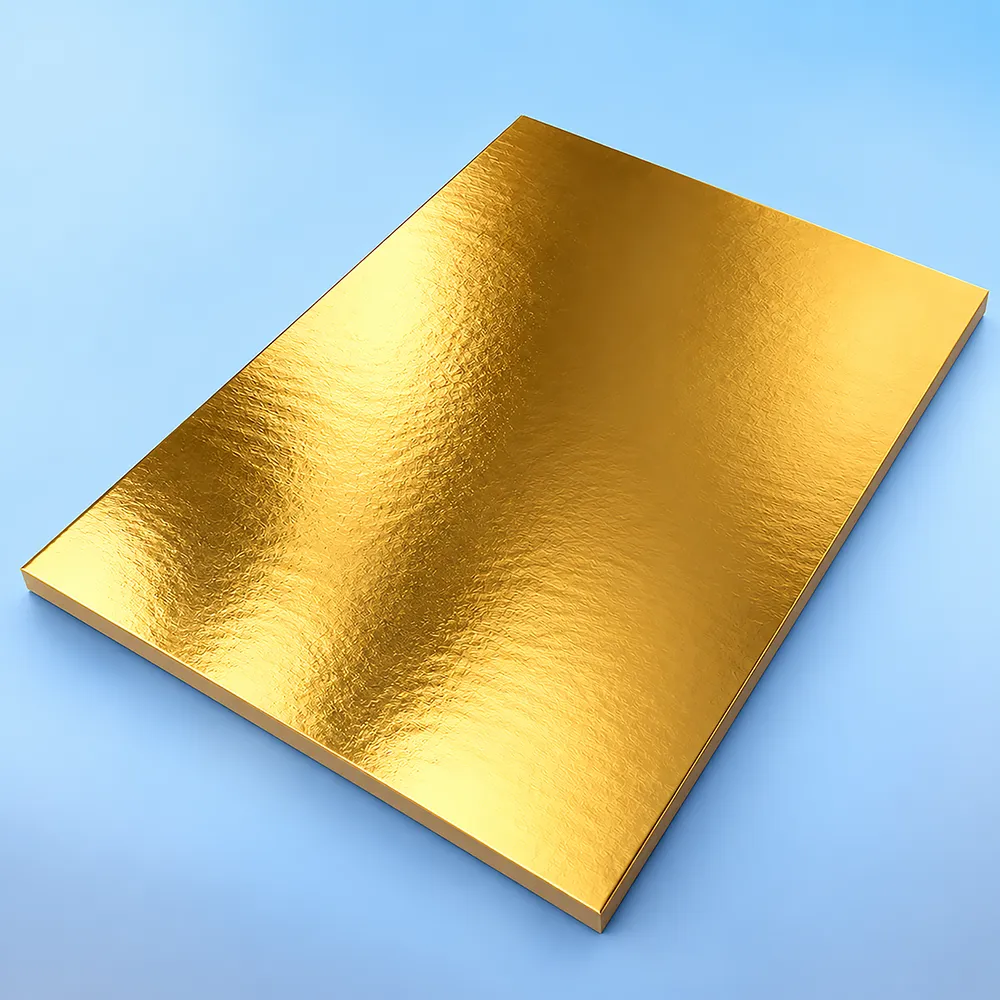
Compatible specialty finishing options may include foil stamping, embossing, debossing, and spot UV. These features can highlight selected brand elements, but their placement should not interfere with dispensing openings, perforations, folds, closures, or glue areas. Decorative foil is not a substitute for the sachet primary packaging.

Artwork Placement Around Openings

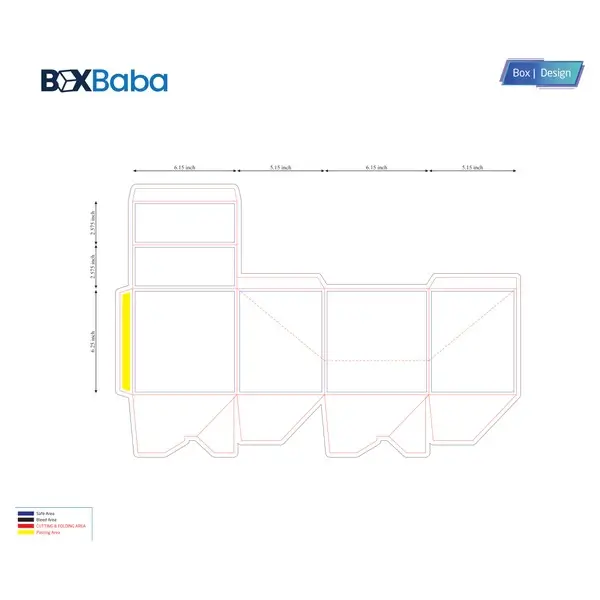
The approved dieline should identify die-cut paths, perforations, fold lines, bleed, safe areas, glue tabs, and closure panels. Keep essential product information and scannable codes on permanent panels rather than removable tear-out sections. Finishing placement should also be reviewed near curved apertures, narrow retaining edges, and structural folds. For more information, see our Dieline in Packaging Guide.

Loading and Refilling Sachet Dispenser Cartons

The loading process should be considered before the final carton structure is approved. Depending on the construction, sachets may be loaded through a top, rear, or suitable assembly opening. For divided dispensers, each product variant should be placed in its intended compartment. If repeated refilling is required, that should be included in the structural requirements. A disposable folding carton should not automatically be described as reusable dispensing equipment.

Samples and Proofing Before Wholesale Production

Samples and proofs help evaluate the proposed dispenser before a bulk packaging order is approved.

Digital Artwork Proofs

A digital proof helps review the artwork, panel layout, barcodes, and relationship between graphics and the dieline. It does not demonstrate how sachets move through the dispensing opening.

3D Mockups

A 3D mockup helps visualize the assembled carton and the location of its opening. It is useful for presentation review but does not replace a physical structural sample.

Physical Structural Samples

Where arranged, a physical sample can be filled with representative sachets. Useful checks include:
  1. Confirming that the required packet count fits.
  2. Checking the completed sachet and seal-margin clearance.
  3. Reviewing first-packet access.
  4. Evaluating packet movement through the opening.
  5. Checking access when the carton is partly depleted.
  6. Reviewing retaining edges and dividers.
  7. Confirming loading or refilling requirements.
  8. Checking the finished counter or shelf footprint.
These are recommended evaluations, not claims that a particular BoxBaba carton has already passed functional testing. BoxBaba offers free samples under its applicable policy. Initial sample shipping charges are reimbursed with the first bulk order. Custom-printed or project-specific sample terms should be confirmed separately.

Order Sachet Dispenser Boxes Wholesale

BoxBaba supports custom packaging quotations for brands, private-label suppliers, retailers, hospitality businesses, and wholesale procurement teams. The standard minimum order quantity starts from 100 boxes.

What Affects Wholesale Pricing?

Pricing depends on the approved carton dimensions, material, opening structure, internal dividers, printing, finishing, order quantity, and number of artwork versions. A single-compartment dispenser may have different production requirements from a carton with multiple product channels. Exact unit prices and quantity discounts are determined through quotation.

Multiple SKUs and Artwork Versions

Several sachet products may share one structural dieline when their finished dimensions, capacity, and dispensing requirements remain compatible. Different product varieties may still require separate printed artwork and identification. Specify the number of cartons required for each SKU when requesting wholesale pricing.

Repeat Orders and Inventory Planning

For repeat orders, retain the approved dieline, material, opening dimensions, packet arrangement, and artwork files. Any change in sachet size, filled thickness, seal construction, count, or packing arrangement should be reviewed before reusing the original structure.

Production and Shipping

For qualifying standard cartons, BoxBaba standard production baseline is approximately 5–9 business days after final artwork, proof, and order specifications are approved. Custom structures, specialized finishing, sampling, and other project requirements may affect the confirmed production schedule. Production time is separate from shipping and delivery. Free shipping across the USA is available under applicable order terms.

Why Choose BoxBaba for Sachet Dispenser Packaging?

BoxBaba supports custom printed packaging with made-to-size carton development, artwork assistance, dieline support, material choices, and compatible printing and finishing options. The dispenser specification can be developed around the actual sachet dimensions, quantity, opening design, and intended retail or supply location. With a standard starting MOQ of 100 boxes, available proofing and sampling, and free shipping across the USA under applicable terms, BoxBaba supports custom packaging quotations for new and repeat wholesale projects.

Request a Custom Sachet Dispenser Box Quote

Order custom sachet dispenser boxes developed around your finished packet dimensions, quantity, dispensing opening, and branded presentation. Share the sachet format, finished length and width, maximum filled thickness, seal margins, packet count, packing arrangement, preferred opening, number of channels, loading or refill requirements, artwork status, quantities by SKU, and USA delivery destination. Request Your Custom Sachet Dispenser Box Quote to discuss suitable materials, structural options, printing, sampling, and wholesale production. Phone: +1 305 574 4357 Email: sales@boxbaba.com

Packaging Partner for Your Success

At BoxBaba, innovation meets quality. We offer fully customized printed boxes, backed by a team that is responsive, reliable, and effortless to work with.

5000+

Clients Served

2.5M+

Boxes Delivered

98%+

Happy Clients

5+

Years of Trust

Frequently Asked Questions

Find all the urgent questions you may have.

The standard order covers the custom printed cartons. Filled sachets, product filling, and primary sachet manufacturing are not included unless separately agreed.
Possibly, but not automatically. Their length, width, filled thickness, seal configuration, and dispensing behavior may differ. Each format should be evaluated before using a shared structure.
Measure the finished filled sachet, including sealed edges and maximum thickness. Then establish the required packet count, packing arrangement, and access direction.
Individual packet dispensing can be a design objective, but consistent performance depends on the actual packets, opening, and stacking arrangement. It should be evaluated using physical samples.
A direct-access opening may be more practical when packets have pronounced filled centers or irregular profiles. The final design should be selected after evaluating representative sachets.
Suitable dividers and channels may be considered when the different sachets are compatible with the proposed structure. Each section should match its assigned packet dimensions and quantity.
An ordinary paperboard dispenser does not independently guarantee moisture protection, oxygen resistance, or shelf-life performance. Those requirements belong to the relevant primary packaging specification.
Compatible folding-carton structures may be supplied flat or pre-glued. Refillable access should be specified during structural development because not every disposable dispenser is intended for repeated use.
Yes. BoxBaba offers samples under its applicable policy. A physical sample is especially useful when packet clearance, retention, or dispensing performance needs evaluation.
BoxBaba standard MOQ starts from 100 boxes. Qualifying standard production is approximately 5–9 business days after final artwork and specification approval, subject to the confirmed project schedule. Shipping is separate.