











Free Shipping

On All Orders

No Setup Charges

On Bulk Orders

Free Design Support

From Our Experts

100% Secure Payment

Safe & Encrypted

Tissue Dispenser Boxes

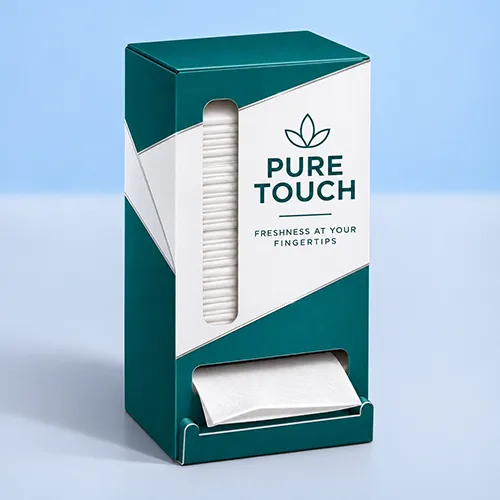
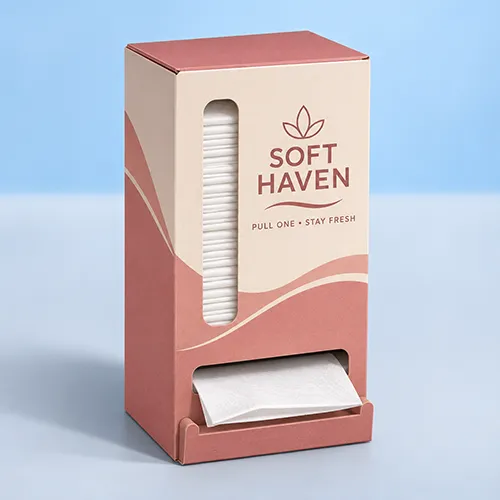
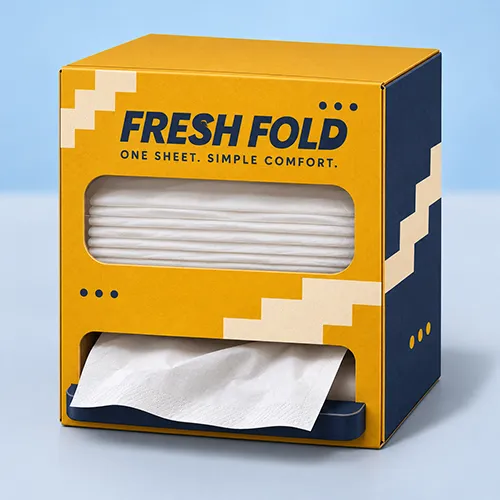
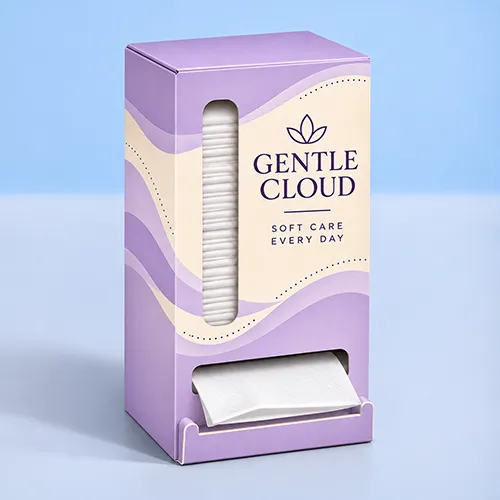
BoxBaba offers custom tissue dispenser boxes designed to hold folded facial tissues and provide convenient access through a designated opening. These made-to-size cardboard cartons are suitable for tissue brands, hospitality suppliers, private-label businesses, and wholesale distributors seeking practical packaging with custom printed branding. Choose rectangular or cube-style tissue dispensers with compatible oval cutouts, dispensing slots, and perforated openings. Each design is developed around the actual tissue-fold arrangement, sheet count, ply, packed stack dimensions, and intended withdrawal method. Order custom printed tissue dispenser boxes wholesale starting from 100 cartons, with artwork and dieline assistance and free shipping across the USA.

Why Choose BoxBaba for Tissue Dispenser Boxes

Custom Tissue Dispenser Boxes | Wholesale | BoxBaba

Package and dispense facial tissues with custom tissue dispenser boxes featuring convenient pull-out openings, sturdy paperboard construction, tailored sizing, and branded printing.

How It Works

Custom Packaging Made Quick & Easy

Quote & Design Support

Share your packaging requirements, get a competitive quote, and receive free design assistance from our team.

Artwork & Printing

Finalize your artwork, printing options, and finishes the way you want with help from our design team.

Production & Delivery

Once your artwork is approved, we’ll produce and deliver your custom boxes within an estimated 5–9 business days.

Related Products

What Are Custom Tissue Dispenser Boxes?

Custom tissue dispenser boxes are paperboard cartons designed to hold folded tissue stacks while allowing sheets to be withdrawn through a planned opening. Unlike ordinary storage boxes, tissue dispensers connect the folded tissue arrangement with a suitable access aperture. Depending on the tissue format, the opening may allow direct access to the stack or help support pop-up dispensing. For example, interfolded tissues can be arranged so withdrawing one sheet helps present the next. Flat-stacked tissues may require an opening that allows users to reach the remaining sheets directly. The correct tissue dispenser design depends on the tissue-fold format, packed stack dimensions, and intended withdrawal behavior—not sheet count alone. For packaging involving other products and dispensing mechanisms, explore our Custom Dispenser Boxes category.

Choose Tissue Dispenser Boxes by Fold and Withdrawal Method

Tissue fold and opening design should be considered together. The same carton may not work equally well for two different tissue arrangements.
Tissue Arrangement Intended Access Main Design Consideration
Interfolded tissue stack Potential pop-up dispensing Fold relationship, opening geometry, and retention
Flat-stacked tissues Direct reach-in access Opening width and access as the stack becomes smaller
Upright folded arrangement Top withdrawal in a suitable upright carton Fold geometry, stack positioning, and opening location

Interfolded Tissue Dispenser Boxes

Interfolded tissues are arranged so neighboring sheets overlap through the folding pattern. When the fold, stack, and opening work together, withdrawing one tissue may help present the next sheet. However, interfolding alone does not guarantee one-at-a-time dispensing. Tissue flexibility, folding accuracy, stack compression, and opening design affect the result. A physical sample is useful when consistent pop-up behavior is important.

Flat-Stacked Tissue Dispenser Boxes

Flat-stacked tissues do not necessarily present the next sheet automatically. These products may require a wider opening that allows users to reach the stack. Because the stack becomes lower during use, the distance between the remaining tissues and the top opening can increase. This should be considered during structural development.

V-Fold, Z-Fold, and Other Tissue Arrangements

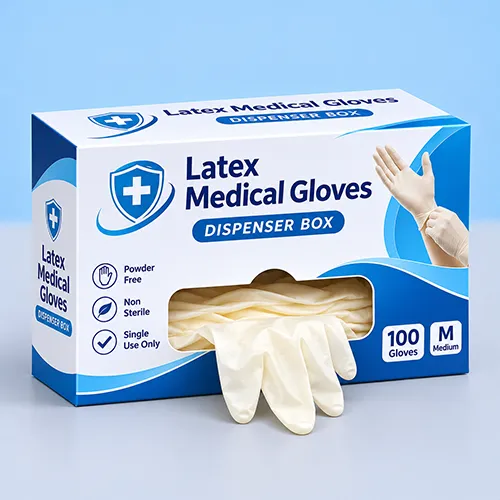
Different folding formats can change both the occupied stack dimensions and withdrawal behavior. A fold designation should not be treated as a complete carton specification. The actual folded tissue sample is more useful for determining the finished box dimensions and dispensing opening. If the project involves another flexible product, such as disposable gloves, our Latex Medical Glove Dispenser Boxes address a different packing and withdrawal requirement.

Rectangular vs. Cube Tissue Dispenser Boxes

Rectangular and cube-style tissue cartons serve different placement and stack-configuration requirements.

Rectangular Tissue Dispenser Boxes

Rectangular cartons generally provide a wider, lower package profile. They can suit compatible facial tissue stacks used on desks, office counters, hotel surfaces, or retail shelves. Their longer upper panel may accommodate an oval or slot-shaped opening, depending on the tissue-fold arrangement.

Cube Tissue Dispenser Boxes

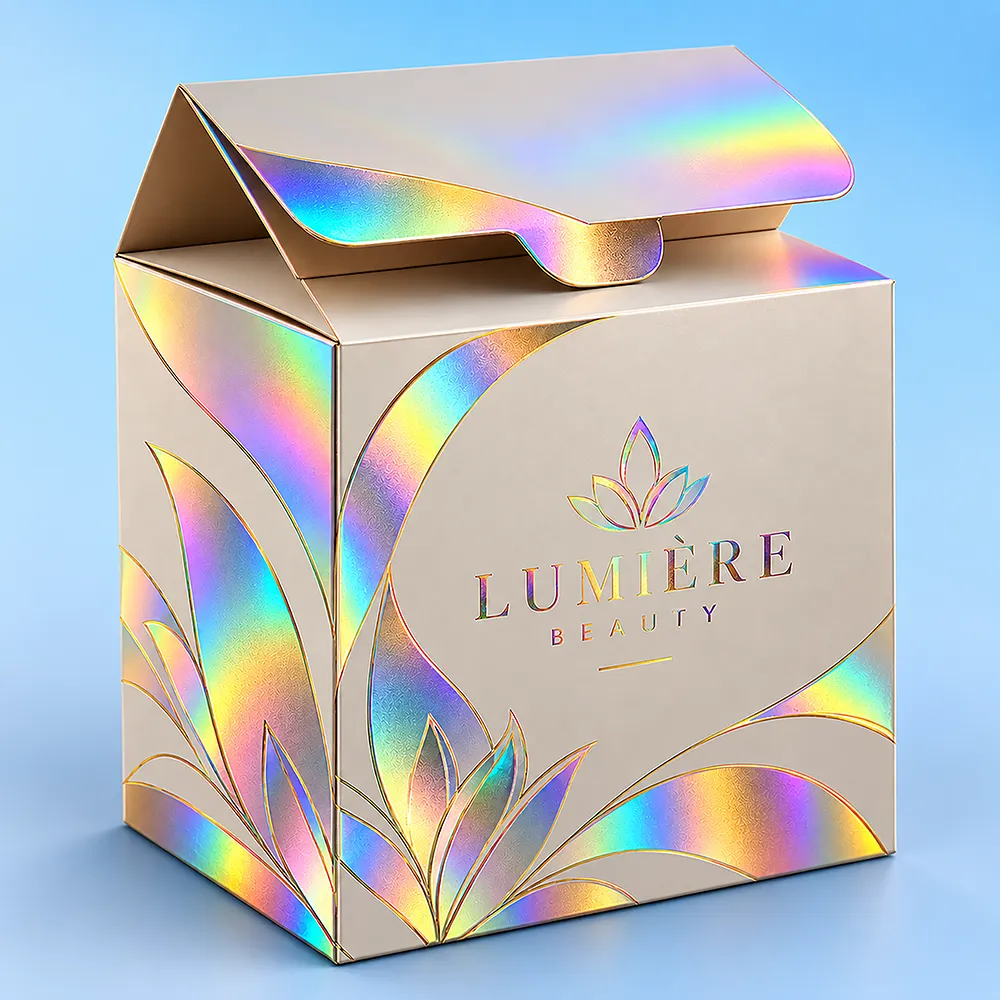
Cube-style tissue cartons use a more upright structure with a smaller horizontal footprint. They may suit reception desks, guest rooms, office workstations, and other locations where surface space is limited. However, the tissue-fold arrangement must be compatible with the upright structure. A flat tissue stack should not simply be placed into a cube carton without checking the folding, loading, and withdrawal method.

Which Tissue Box Shape Should You Choose?

Choose the carton shape by considering the finished tissue stack, available placement space, desired dispensing direction, and required branding area. A rectangular design is not universally better for dispensing, and a cube design does not automatically hold more tissues. The actual packed configuration determines suitability.

How to Determine Tissue Dispenser Box Size and Capacity

The correct custom tissue dispenser box size depends on the folded tissue dimensions, ply, sheet count, packing arrangement, and finished stack height. Two tissue products with the same reported sheet count may require different box sizes.

Measure the Finished Tissue Stack

Before requesting a custom carton, establish:
  • Folded length: The longest dimension of the tissue in its packed form.
  • Folded width: The width of the folded sheet.
  • Stack height: The occupied height of the complete tissue pack.
  • Sheet count: The required number of tissues in the carton.
  • Ply: The number of layers in each tissue.
  • Fold arrangement: Interfolded, flat-stacked, or another specified configuration.
  • Stack weight: The combined weight of the packed tissues.
  • Withdrawal direction: How users are expected to remove the sheets.
Measure a representative tissue stack in its intended packing condition. Tissue compression and settling can affect the final occupied space.

How Do Sheet Count and Ply Affect Box Dimensions?

Sheet count identifies the quantity of tissues, while ply identifies the layers making up each tissue. Increasing the sheet count may increase the required stack capacity. Changing the ply can also change stack thickness. However, neither factor alone determines the carton dimensions. The actual folded sheet size and packing arrangement must also be considered.

Internal Dimensions vs. External Dimensions

The internal dimensions describe the usable space for the packed tissues. External dimensions describe the finished assembled carton, including the selected board and folding construction. The dispensing opening is a separate measurement and should be planned around tissue access. For a detailed measurement framework, see our How to Measure a Box Dimension Correctly guide.

Tissue Dispenser Opening Styles and Functional Design

The dispensing opening affects how tissues are accessed, how the next sheet is presented, and how much support remains around the cutout.

Oval Tissue Dispensing Openings

Oval openings are a familiar option for compatible facial tissue cartons. The opening length, width, and position should be established around the tissue-fold arrangement and intended pulling direction.

Slot and Rectangular Openings

Straight slots may suit some folded tissue configurations, while wider rectangular cutouts may provide easier reach-in access for flat-stacked products. The opening should be evaluated with the actual tissue rather than selected only for its appearance.

Perforated Tear-Out Panels

A perforated tear-out panel allows users to uncover the dispensing opening when first using the tissue carton. The perforation should be designed so the intended section can be removed without unnecessarily weakening the remaining panel. Important printed information should stay outside the removable area.

When Is a Film Slit Needed?

Some tissue dispensing systems use a flexible film with a slit to help retain a partially exposed sheet near the opening. A film slit is not required for every tissue carton. Its usefulness depends on the tissue arrangement and intended withdrawal behavior. If a film-retention feature is part of your required specification, discuss its construction and availability with BoxBaba before approving the design.

Preventing Common Tissue Dispensing Problems

Tissue dispensing should be evaluated beyond whether the stack fits inside the carton.

Difficulty Removing the First Tissue

A tightly packed stack or unsuitable aperture may make the initial sheet difficult to reach or withdraw. The opening and initial tissue position should be reviewed together, especially where the packing arrangement places pressure on the top sheet.

Tissue Tearing During Withdrawal

Tissues may tear when the opening creates excessive resistance or the packed stack does not release as intended. Opening geometry, tissue characteristics, and packing compression can influence this behavior.

The Next Tissue Falling Back Into the Box

As the carton empties, the uppermost tissue may sit farther below the dispensing opening. In some pop-up configurations, the next sheet can fall back into the carton rather than remain accessible. This is one reason to review withdrawal behavior when the box is full, partly empty, and nearly empty. These considerations guide structural evaluation; they are not guarantees that a particular carton will eliminate tearing or fallback.

Material Options for Custom Tissue Dispenser Boxes

Material selection should reflect the tissue-stack weight, carton size, dispensing opening, folding requirements, printed artwork, and intended use.

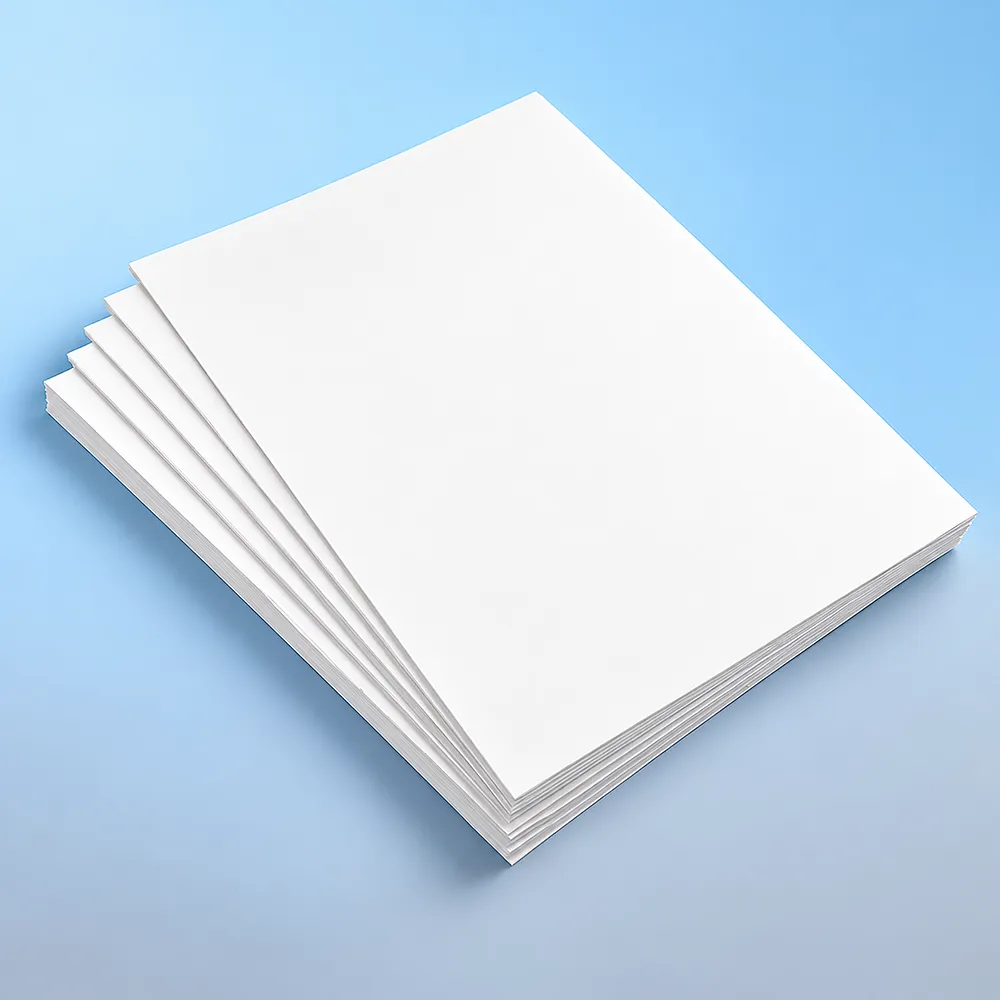
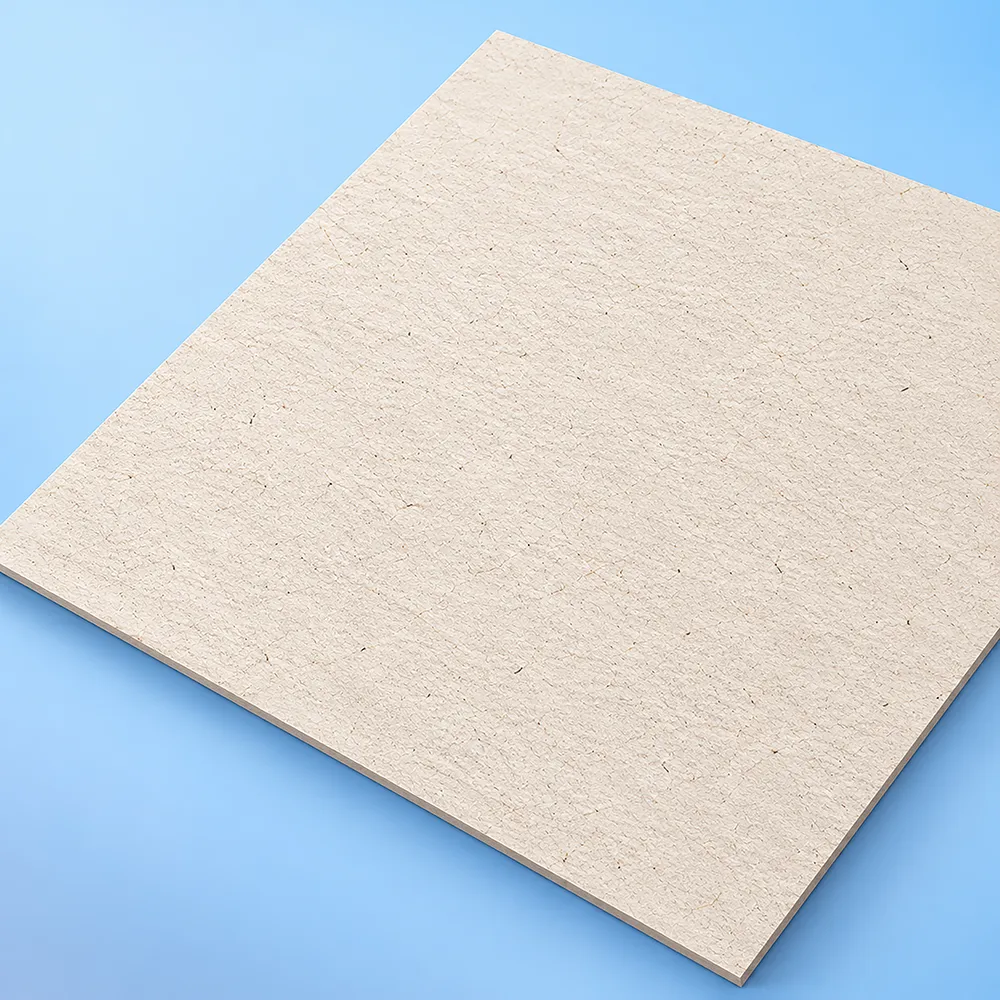
White SBS Paperboard

White SBS paperboard offers a smooth surface for detailed graphics, tissue-brand logos, product information, and full-color printing. It can suit compatible folding tissue cartons where the selected board provides appropriate support around the dispensing opening.

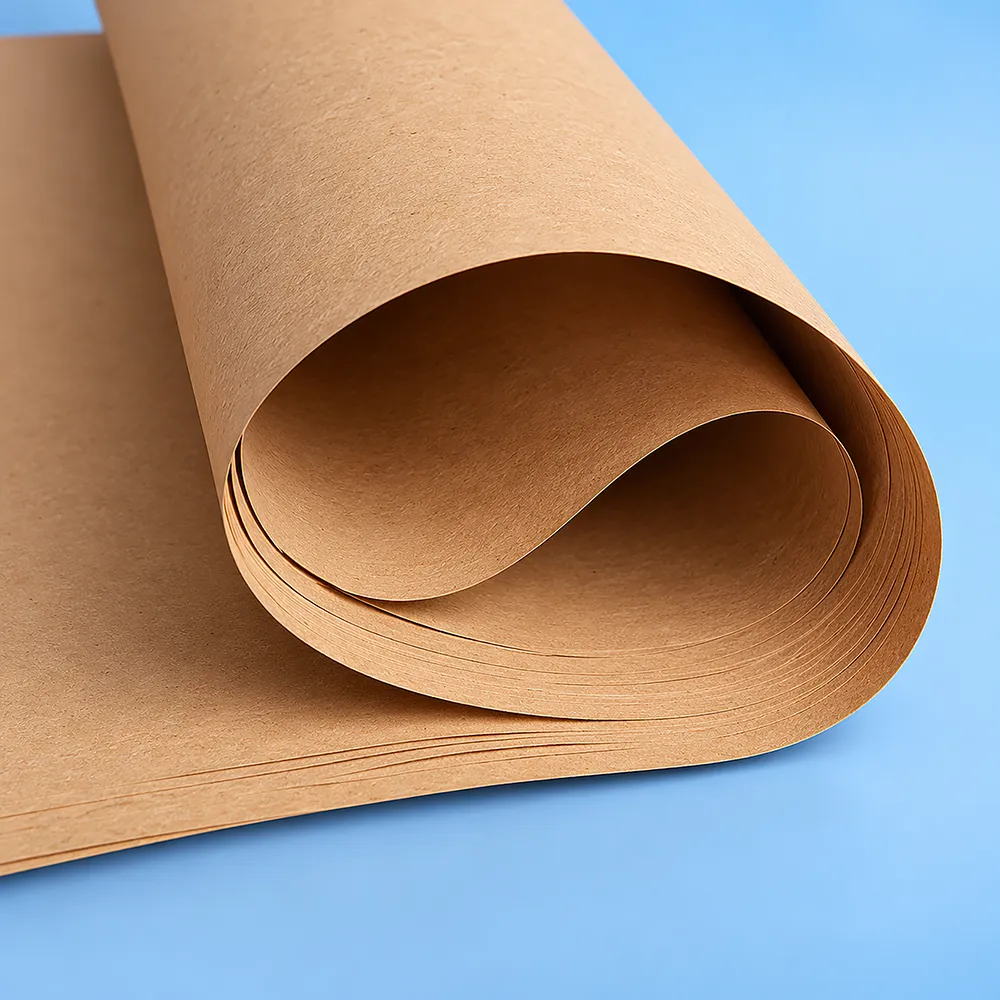
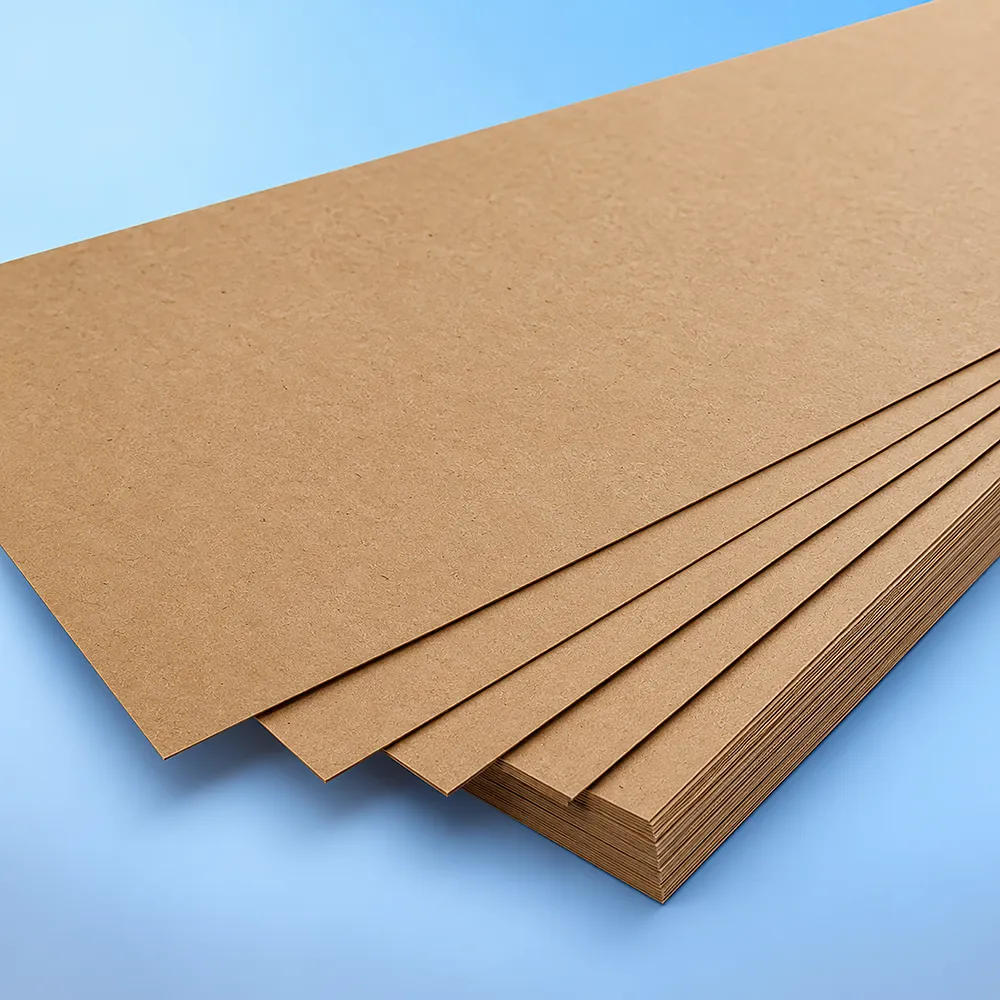
Kraft Paperboard

Kraft paperboard provides a natural brown appearance for suitable tissue dispenser designs. It can work with restrained graphics or branding that complements the substrate color. Printed colors may appear different from those on white paperboard, particularly when artwork includes pale colors or fine detail. Kraft appearance alone does not prove recycled content or environmental performance. For more material guidance, explore our Kraft Paperboard Boxes.

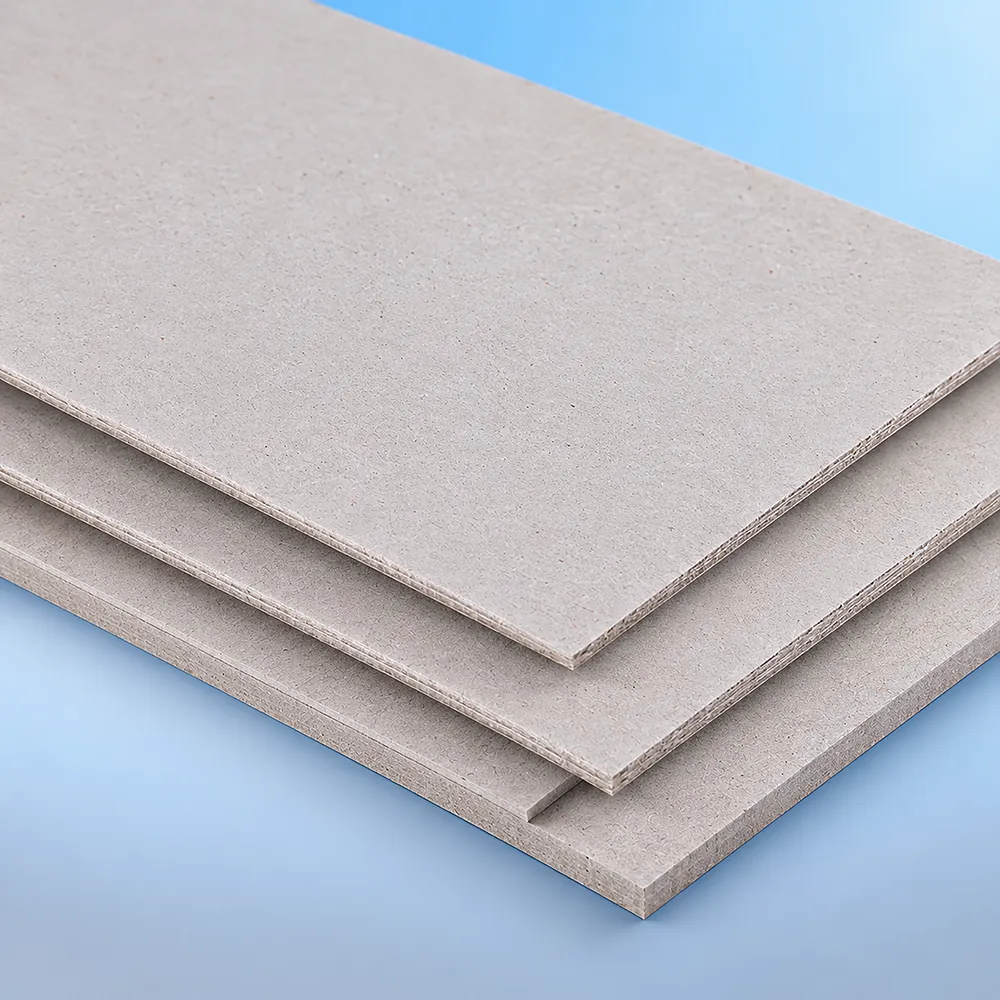
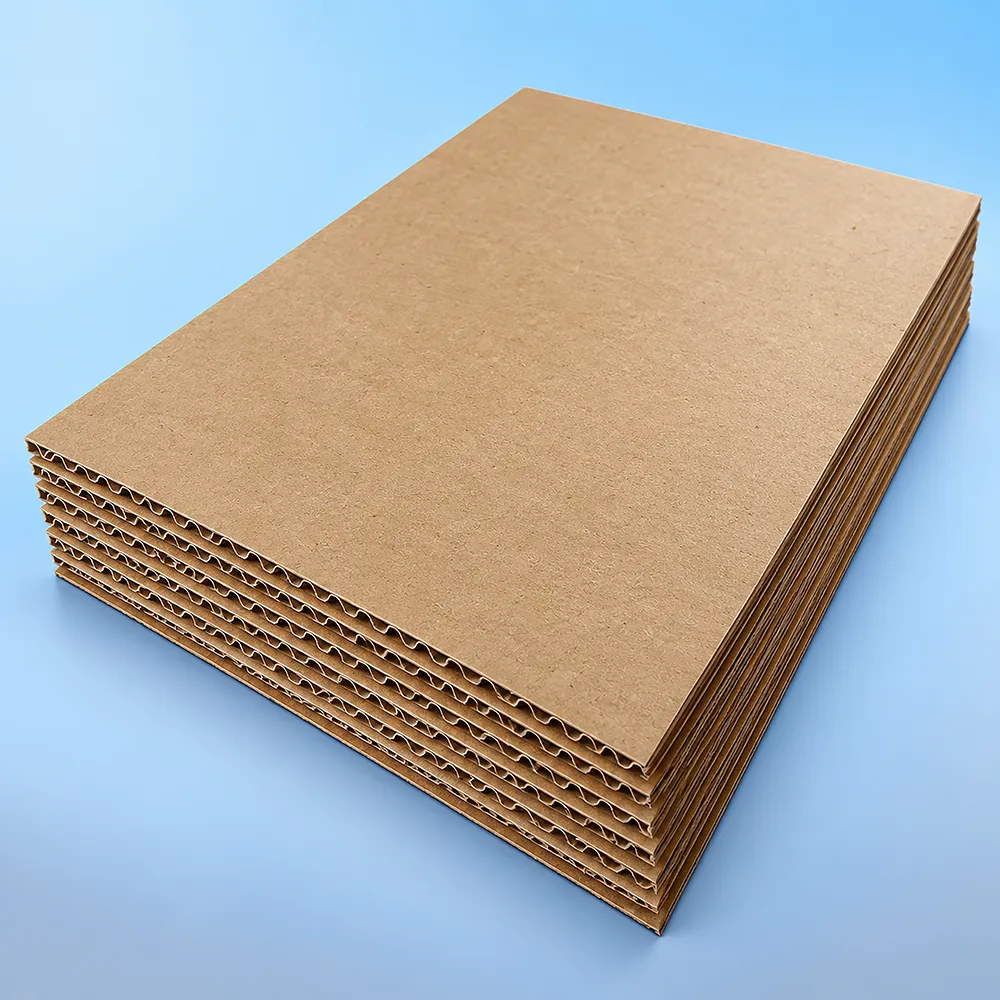
Corrugated Board

Corrugated board may be considered for larger or specialized tissue dispenser structures that require a fluted construction. It is not automatically necessary for a compact facial tissue carton. The final board selection should reflect the loaded carton, opening geometry, and handling requirements. Corrugated construction alone does not establish parcel-shipping suitability.

Materials for Different Use Environments

Tissue cartons may be placed in bathrooms, hotel rooms, offices, and other everyday settings. A standard paperboard dispenser should not be described as waterproof or moisture-proof. If the package requires specific resistance to moisture or another environmental condition, the complete material and finishing specification must be reviewed separately.

Printing & Finishing for Custom Tissue Dispenser Boxes

Custom printed tissue dispenser boxes can feature brand logos, product names, illustrations, promotional graphics, sheet-count information, ply details, and scannable retail codes. The printing method should be chosen according to the carton material, artwork complexity, order quantity, color requirements, and compatible finishes. Printing applies graphics to the packaging substrate. Finishing changes the appearance or surface characteristics of the printed carton.

Offset Printing

Offset printing can suit detailed full-color artwork on compatible paperboard substrates. It may be appropriate for tissue brands managing repeat printed packaging programs where conventional setup matches the order quantity.

Digital Printing

Digital printing may be suitable for compatible shorter runs or projects requiring multiple artwork versions. For example, a hotel group may require different branding for separate properties while retaining an approved common carton structure.

Flexographic Printing

Flexographic printing can be considered for suitable corrugated constructions and repeat-production applications. Its suitability depends on board surface, artwork detail, color requirements, and order quantity. Not every printing method is suitable for every tissue dispenser structure.

CMYK and Pantone/PMS Colors

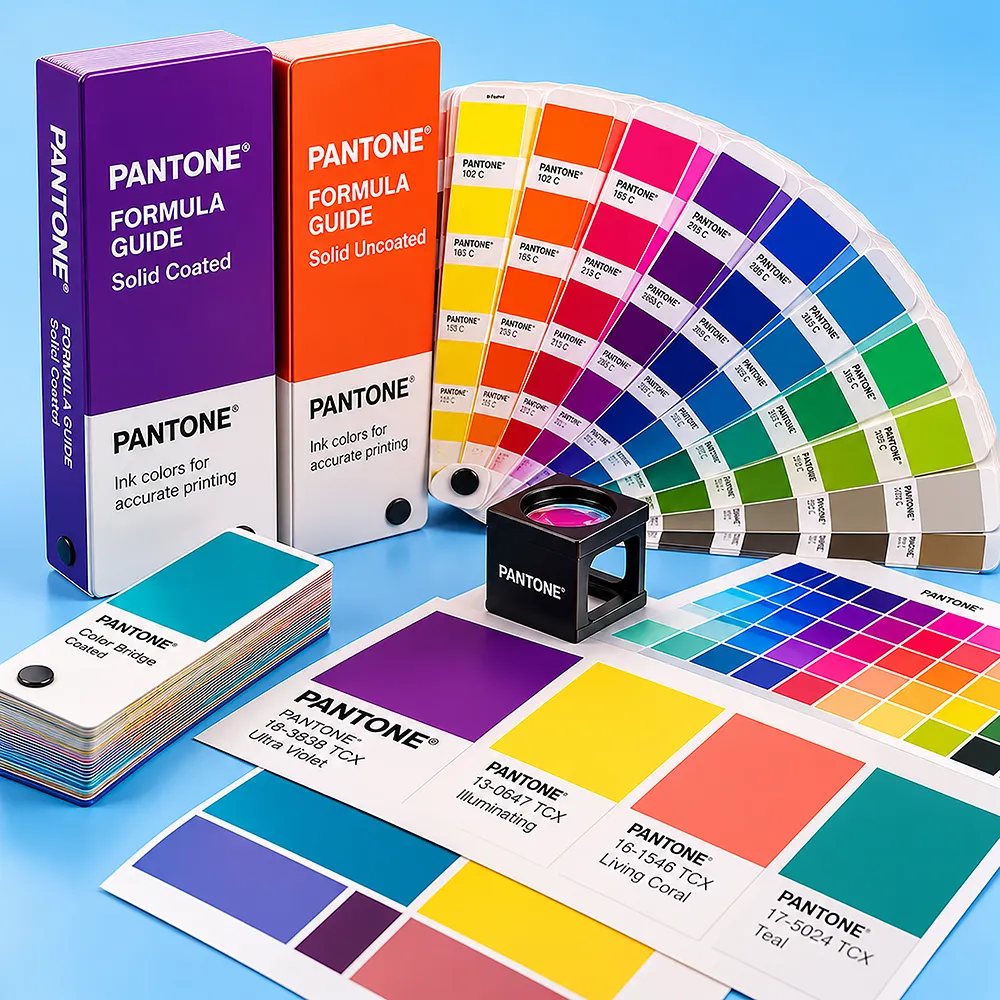
CMYK printing supports process-color graphics and multicolor branding. Pantone/PMS references can communicate specific brand-color targets where supported by the selected printing method. Printed color can vary according to material, coating, ink system, and production conditions. Exact color reproduction should not be assumed across different substrates.

Matte, Gloss, Soft-Touch, and Specialty Finishes

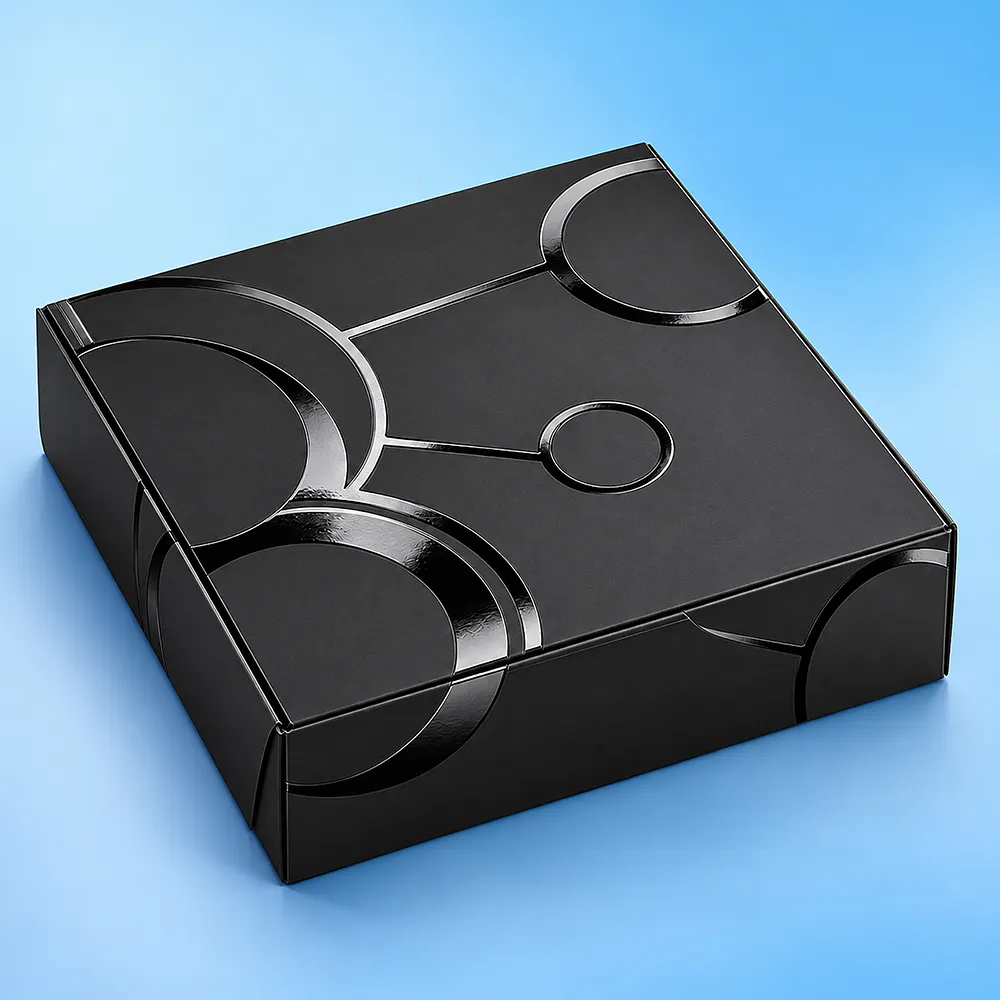
Depending on the approved material and construction, compatible options may include matte and gloss treatments, soft-touch finishing, foil stamping, embossing, debossing, and spot UV. Matte or gloss treatments affect the overall surface appearance. Foil stamping and spot UV can emphasize selected brand elements, while embossing or debossing adds physical texture. The finish should support the intended presentation without interfering with the dispensing opening, folding structure, or carton assembly. Coatings and laminations are not interchangeable terms, and neither should be represented as a certified moisture barrier without product-specific evidence.

Artwork Placement Around Tissue Openings

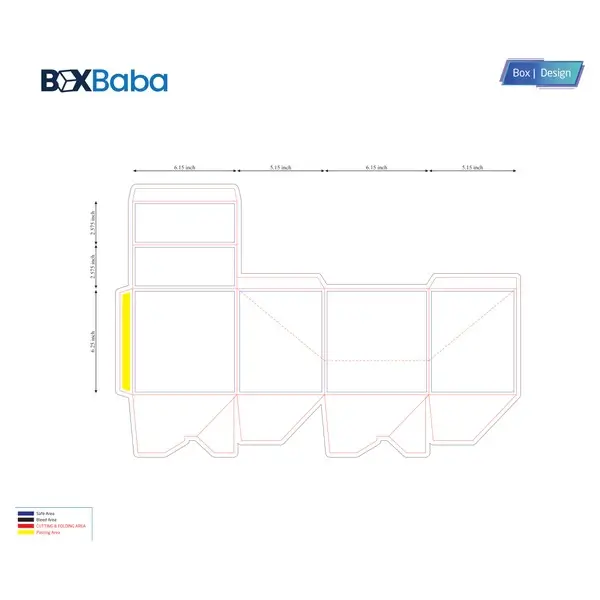
The carton dieline should identify die-cut apertures, perforations, folds, glue areas, and removable sections. Keep logos, required product information, and barcodes on suitable panels that remain intact after opening. Finishes such as foil, embossing, and spot UV should be reviewed for compatibility around curved aperture edges, perforations, closures, fold lines, and glue zones. For more technical guidance, read our Dieline in Packaging Guide.

Filling, Assembly, and Supply Format

Tissue dispenser cartons should be designed around the intended filling operation. Depending on the approved construction, boxes may be supplied flat-packed or in a suitable pre-glued format. The tissue stack should be placed in the required orientation so its folds align with the dispensing opening. If the customer operates an automated filling line, machine-related carton dimensions, closing requirements, and packing orientation should be established before approving the dieline. BoxBaba standard offer for this product is the custom packaging carton. Tissue manufacturing or filling services are not included unless separately agreed.

Samples and Proofing Before Bulk Production

Sample review helps determine whether the proposed tissue dispenser meets the project visual and functional requirements. Digital artwork proofs help verify graphics, panel placement, text, and the approved dieline. 3D mockups help visualize the assembled carton and the proposed position of the dispensing opening. Physical structural samples, where arranged, allow buyers to check the tissue stack inside the proposed carton. For functional review, check that the tissue quantity fits, the first sheet is accessible, subsequent sheets can be withdrawn as intended, and the carton maintains suitable support after opening. Also evaluate access when the carton is full, partially depleted, and nearly empty, including any tissue tearing or fallback. These are recommended evaluation steps, not claims that BoxBaba has already performed specific dispensing tests. BoxBaba offers free samples under its applicable policy. Sample delivery charges are reimbursed on the first bulk order, while custom printed or project-specific samples may require separate arrangements.

Custom Tissue Dispenser Boxes Wholesale

BoxBaba supports custom tissue dispenser packaging for facial tissue brands, private-label suppliers, hotels, hospitality procurement teams, and wholesale distributors. The standard minimum order quantity starts from 100 boxes.

What Affects Tissue Dispenser Box Pricing?

Wholesale pricing depends on the approved carton dimensions, material, opening configuration, printing method, finishes, order quantity, structural complexity, and number of artwork versions. A standard folding carton and a specialized opening or film-retention design may have different production requirements. Actual unit pricing and quantity breaks are determined during quotation.

Multiple SKUs and Artwork Versions

Tissue brands may offer different sheet counts, ply specifications, fragrances, or printed designs. Multiple versions may use a common structural dieline when the finished tissue-stack dimensions and dispensing requirements remain compatible. Any change in tissue fold, stack height, or opening requirements should be reviewed before reusing an approved structure.

Repeat Orders and Production Planning

For repeat orders, retain the approved dieline, material, opening dimensions, artwork files, and tissue-packing specifications. For qualifying standard carton orders, production typically takes approximately 5–9 business days after final artwork and specification approval. Confirm the applicable schedule during quotation, especially for specialized constructions or finishes. Production and transit are separate stages. Free shipping across the USA is available under applicable standard order terms.

Why Choose BoxBaba for Tissue Dispenser Packaging?

BoxBaba supports made-to-size tissue dispenser cartons with compatible material options, custom printing, artwork assistance, and dieline support. Our customization process considers the actual tissue-fold arrangement, stack dimensions, sheet count, and dispensing opening before the packaging specification is finalized. With a standard starting MOQ of 100 boxes, available proofing and sampling arrangements, and free USA shipping under applicable terms, BoxBaba supports new packaging projects and repeat wholesale requirements.

Request a Custom Tissue Dispenser Box Quote

Get custom tissue dispenser boxes developed around your folded tissue dimensions, required capacity, dispensing opening, and branded artwork. Share your tissue fold format, ply, sheet count, packed stack measurements, preferred carton shape, opening requirements, total order quantity, artwork status, and USA delivery destination. Request Your Custom Tissue Dispenser Box Quote from BoxBaba to discuss suitable materials, structural design, printing, and wholesale production. Phone: +1 305 574 4357 Email: sales@boxbaba.com

Packaging Partner for Your Success

At BoxBaba, innovation meets quality. We offer fully customized printed boxes, backed by a team that is responsive, reliable, and effortless to work with.

5000+

Clients Served

2.5M+

Boxes Delivered

98%+

Happy Clients

5+

Years of Trust

Frequently Asked Questions

Find all the urgent questions you may have.

The standard product is the custom printed carton. Tissue supply and filling are not included unless separately agreed for the project.
Yes, a carton can be designed around an appropriate interfolded tissue format. Actual pop-up behavior depends on the fold, stack arrangement, and opening design and should be evaluated with representative tissues.
Not automatically. Rectangular and cube formats have different dimensions and may require different tissue-fold configurations and dispensing openings.
Not always. Different ply counts may change the packed stack height. A shared carton can be considered when the resulting stack dimensions and withdrawal behavior remain compatible.
You can specify that requirement during quotation. BoxBaba must confirm whether the selected film material, construction, and manufacturing process are available for the project.
As the tissue stack becomes lower, the next sheet may no longer be retained near the opening. Fold arrangement, opening geometry, and any suitable retention feature can influence this behavior.
Ordinary paperboard tissue cartons should not be assumed to be waterproof. Any specialized moisture-resistance requirement needs a separate material and construction review.
Yes. Compatible tissue cartons can be printed with approved logos, brand colors, property names, and other artwork. The final printing method depends on the material and order specifications.
It may be reused when the packed stack dimensions, carton structure, and dispensing requirements remain compatible. Changes to the product folding or capacity may require a revised dieline.
BoxBaba standard MOQ starts from 100 boxes. Qualifying standard carton production is typically approximately 5–9 business days after artwork and specification approval, with shipping and any project-specific sampling scheduled separately.