

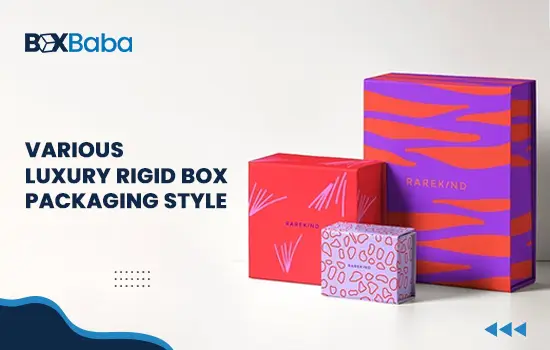
- Rigid boxes are non-collapsible premium boxes made from 800gsm–2000gsm chipboard.
- They are used for luxury products, electronics, jewelry, cosmetics, PR kits, and gourmet packaging.
- The most popular styles are two-piece, magnetic closure, drawer, telescoping, shoulder & neck, clamshell, and collapsible.
- Rigid packaging increases perceived value, enhances unboxing, and improves product protection.
What Are Rigid Boxes?
Rigid boxes are premium packaging boxes made from thick greyboard or chipboard that does not fold flat. They are wrapped in printed or specialty paper to create a durable and luxury presentation.
Unlike folding cartons, rigid boxes:
- Ship fully assembled
- Maintain structural integrity
- Feel heavier and more substantial
- Deliver a high-end retail experience
Typical board thickness ranges from 800gsm to 2000gsm, depending on product weight and protection needs.
You can explore full structural options in our main collection of premium rigid packaging solutions. The durability of rigid packaging depends heavily on the materials used. Learn more in our guide to rigid box materials.
How Rigid Boxes Are Manufactured
Rigid packaging feels different because it is built differently.
1. Chipboard Cutting & V-Grooving
Instead of folding thick board directly, manufacturers cut a precise V channel into the board.
This technique allows sharp 90-degree folds without cracking.
Result:
- Crisp edges
- Clean corners
- Professional finish
2. Wrapping Process
The chipboard core is wrapped in printed paper, leatherette, linen, or specialty stock.
Two common finish types:
- Partial Finish – Wrap covers the outside and folds slightly inward.
- Full Finish – Wrap covers both interior and exterior for seamless luxury.
3. Assembly & Pressure Bonding
High-pressure bonding removes air bubbles and ensures perfect lid alignment.
This labor-intensive process explains why rigid boxes cost more than folding cartons.
Rigid Boxes vs Folding Cartons vs Corrugated Boxes
If you’re choosing packaging, here is the difference:
Rigid Boxes
- 800gsm–2000gsm board
- Non-collapsible
- Ultra-premium presentation
- Used for luxury retail
Folding Cartons
- 250gsm–400gsm paperboard
- Ships flat
- Lower cost
- Used for everyday retail
Corrugated Boxes
- Fluted layered board
- Designed for shipping
- Strong but not luxury
- Used for transit protection
Rigid packaging is about presentation and perceived value, not just protection.
For a deeper structural comparison, see our guide on rigid packaging versus folding cartons.
10 Main Types of Rigid Boxes Explained
Below are the most popular rigid box styles used in luxury packaging.
1. Two-Piece Rigid Boxes
A two-piece rigid box consists of a base and a separate removable lid.
It is also known as a setup box or top-and-bottom box.
Best for:
- Candles
- Watches
- Tech accessories
- Luxury gift packaging
The lid can be partial depth or full telescoping.
Explore structural variations in Two Piece Rigid Boxes for premium retail applications.
2. Telescoping Rigid Boxes
A telescoping rigid box is a variation of the two-piece design.
The lid extends fully down the base, covering the entire height.
This creates:
- Seamless exterior walls
- Strong friction fit
- Slow-release unboxing effect
Used for:
- High-end smartphones
- Gourmet chocolates
- Collector editions
3. Magnetic Closure Rigid Boxes
Magnetic rigid boxes feature a hinged lid secured with concealed magnets.
They are also called flip-top or book-style magnetic boxes.
Why brands prefer them:
- Smooth open-and-close action
- Reusable design
- Premium tactile snap closure
Luxury skincare, PR kits, and influencer packaging often use Magnetic Closure Boxes because they combine elegance with durability.
4. Drawer (Slide) Rigid Boxes
Drawer rigid boxes include an outer sleeve and an inner sliding tray.
Also called matchbox-style packaging.
Key features:
- Ribbon pull tab
- Thumb notch opening
- Custom foam inserts
Commonly used for:
- Jewelry
- Macarons
- Small cosmetics
Premium sliding designs are available in Drawer Rigid Boxes, ideal for delicate retail products.
5. Shoulder & Neck Rigid Boxes
This design includes a raised inner tray (neck) between the lid and base.
The lid rests on the shoulder, creating a layered effect.
Why it’s premium:
- Visible structural depth
- Strong lid alignment
- Elevated luxury aesthetic
Signature perfume and luxury watches often use Shoulder Neck Rigid Boxes to enhance presentation impact.
6. Clamshell Rigid Boxes
Clamshell boxes are single-piece constructions with a hinged opening.
They open like a book or jewelry case.
Common uses:
- Electronics
- Media kits
- Medical devices
They often include precision die-cut inserts for exact product fit.
7. Custom Shape Rigid Boxes (Hexagon & Cylinder)
Rigid packaging is not limited to square shapes.
Specialty options include:
- Cylinder tube boxes
- Hexagon rigid boxes
These designs require advanced wrapping equipment and offer strong shelf appeal.
Used for:
- Luxury spirits
- Premium teas
- Rolled apparel
8. Collapsible Rigid Boxes
Collapsible rigid boxes ship flat but assemble into a rigid structure using magnets or adhesive corners.
Benefits:
- Up to 70% freight savings
- Easier storage
- Maintains luxury appearance
Many apparel brands choose Collapsible Rigid Boxes to balance cost and presentation.
9. Book-Style Rigid Boxes
Book-style rigid boxes open like hardcover books.
They provide large interior surfaces for storytelling and branding.
Often used for:
- PR launches
- Corporate kits
- Premium welcome packages
10. Slipcase Rigid Boxes
A slipcase is a rigid sleeve that allows an inner box or product to slide out.
Common for:
- Collector books
- Limited edition sets
- Premium publications
How to Choose the Right Type of Rigid Box
Selecting the right rigid packaging depends on three key factors.
1. Product Weight & Fragility
Heavier items require thicker board (1200gsm–2000gsm).
Fragile products benefit from:
- EVA foam
- PU foam
- Molded pulp
- Velvet lining
Your insert matters as much as your box.
2. Branding & Finishing
Luxury rigid packaging supports:
- Hot foil stamping
- Embossing and debossing
- Spot UV
- Soft-touch lamination
- Matte or gloss finishes
These tactile details increase perceived value immediately.
Structured presentation styles such as Rigid Set Up Boxes allow precise branding execution.
3. Budget & MOQ Considerations
Rigid boxes are labor-intensive.
Costs are influenced by:
- Board thickness
- Full vs partial wrap
- Insert material
- Finishing techniques
- Order volume
If shipping cost is a concern, collapsible structures reduce volumetric freight significantly.
Are Rigid Boxes Eco-Friendly?
Yes — but it depends on materials.
The greyboard core is usually recyclable and often made from post-consumer waste.
For sustainable rigid packaging:
- Choose uncoated kraft wraps
- Use vegetable-based inks
- Avoid heavy plastic laminations
- Select molded pulp inserts
Magnetic closures and foil finishes may require separation before recycling.
Final Thoughts
Rigid boxes are not just packaging.
They are a brand positioning tool.
From classic lift-off designs to magnetic closures and drawer-style packaging, each structure offers a different customer experience.
If your goal is to elevate perceived value, strengthen retail presence, and create memorable unboxing moments, rigid packaging remains the gold standard.
Explore the full range of premium rigid packaging structures to match your product and branding strategy.
FAQs
What are rigid boxes made of?
Rigid boxes are made from thick chipboard or greyboard (800gsm–2000gsm) wrapped in printed or specialty paper.
Why are rigid boxes expensive?
They require thicker materials, manual assembly, precision V-grooving, and are shipped fully assembled.
What thickness is best for rigid packaging?
800gsm–1000gsm works for light cosmetics.
1200gsm–2000gsm is recommended for electronics or heavy items.
Can rigid boxes ship flat?
Traditional rigid boxes cannot.
However, collapsible rigid designs can ship flat and assemble later.
What industries use rigid packaging?
Jewelry, luxury cosmetics, electronics, gourmet food, watches, apparel, and PR marketing brands.