

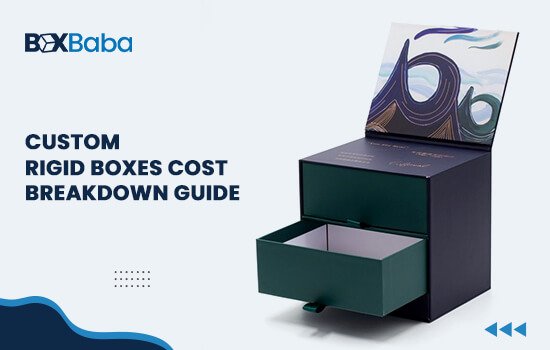
Rigid box pricing refers to the cost of manufacturing premium packaging made from thick greyboard wrapped with printed paper or specialty materials. The price of custom rigid boxes depends on several production factors including box size, board thickness, printing method, finishing techniques, inserts, and order quantity.
Because rigid packaging requires dense materials and manual assembly, it usually costs more than folding cartons. However, the durability and premium presentation of rigid packaging often justify the investment for brands selling luxury or high-value products.
Understanding how rigid box pricing works helps businesses choose packaging that balances cost efficiency, product protection, and brand presentation.
Average Cost of Custom Rigid Boxes
The cost of custom rigid boxes varies depending on the complexity of the packaging design and the production volume.
Simple rigid packaging designs are generally more affordable, while luxury packaging that includes magnetic closures, foam inserts, or specialty finishes can cost significantly more due to additional manufacturing steps.
Small rigid boxes used for cosmetics or jewelry packaging typically cost less per unit than large presentation boxes designed for electronics or premium gift sets. Packaging complexity, materials, and finishing techniques all influence the final price.
Manufacturers usually determine rigid packaging pricing after evaluating materials, structural design, printing requirements, finishing effects, and production quantity.
Why Rigid Boxes Cost More Than Standard Packaging
Rigid boxes are manufactured using thicker board materials and specialized construction processes.
Unlike folding cartons, rigid boxes are built using dense greyboard panels that are wrapped with printed paper and assembled into a solid structure. These boxes are not designed to ship flat, which means they require additional labor and assembly during production.
The use of thicker materials, decorative finishes, and manual assembly steps increases manufacturing costs but provides stronger protection and a more premium packaging experience.
To understand how rigid packaging structures are produced, see our detailed guide on rigid box materials.
Rigid packaging is commonly used for luxury products because it offers durability and high-end presentation. You can explore the most common packaging styles in our guide to types of rigid boxes.
Main Factors That Affect Rigid Box Pricing
Several production elements influence the total cost of rigid packaging.
Box Size and Dimensions
The dimensions of a rigid box directly affect how much material is required during manufacturing.
Larger boxes require more greyboard and wrapping paper, which increases material usage and production cost. Larger packaging also increases shipping weight and storage space requirements.
Small rigid boxes designed for cosmetics or jewelry typically require fewer materials and therefore cost less than large packaging designs used for electronics or gift presentation.
Board Thickness
Rigid packaging strength depends on the thickness of the greyboard used during manufacturing.
Most rigid boxes are produced using board thickness ranging from 800gsm to 2000gsm. Thicker board provides greater structural strength but also increases material cost.
Luxury packaging for electronics or collector items often uses thicker board materials, while cosmetic packaging may use lighter board thickness to reduce cost.
Printing and Finishing Options
Printing and finishing techniques play an important role in rigid packaging pricing.
High-quality printing methods such as offset printing are commonly used to achieve detailed graphics and accurate brand colors. Packaging designs that require multiple colors or complex artwork may increase printing costs.
After printing, finishing techniques such as foil stamping, embossing, and soft-touch lamination may be applied to enhance packaging design.
These finishing effects improve brand visibility and customer perception but also add additional production steps. You can explore these decorative techniques in our guide to rigid box finishing options.
Custom Inserts
Rigid packaging frequently includes interior inserts designed to protect products and improve presentation.
Insert materials may include foam inserts, cardboard dividers, molded pulp trays, or plastic inserts depending on the product type.
Foam inserts are often used for fragile products such as electronics or luxury accessories because they provide strong shock absorption. Businesses looking for protective packaging solutions can explore options such as custom foam inserts.
The type of insert used inside the packaging can significantly affect the overall cost.
Order Quantity and Production Volume
Rigid packaging manufacturing typically requires minimum order quantities because specialized tools and production setup are required.
When packaging is produced in larger volumes, the cost per unit decreases because setup expenses and manufacturing costs are distributed across a larger number of boxes.
Small production runs usually have higher per-unit costs, while bulk orders often reduce pricing significantly.
Manufacturing Setup and Tooling Costs
Custom rigid packaging may require specialized tooling during production.
Manufacturing tools such as cutting dies, embossing plates, and foil stamping molds are used to shape the packaging and apply decorative finishes. These tools are typically created during the initial setup phase of production.
Although tooling increases the initial packaging cost, the same tools can often be reused for future production runs, which helps reduce long-term manufacturing expenses.
Shipping and Logistics Costs
Shipping and logistics can also influence the overall cost of rigid packaging.
Unlike folding cartons that ship flat, rigid boxes are usually transported fully assembled. This increases packaging volume during transportation and may raise shipping costs.
Some businesses choose collapsible rigid box designs to reduce shipping volume while maintaining the appearance of premium packaging.
Cost Comparison by Rigid Box Type
Different rigid packaging structures have different manufacturing costs.
Simple packaging structures such as lift-off lid boxes are usually more affordable because they use a straightforward base and lid design.
For example, Two Piece Rigid Boxes are often considered one of the most cost-efficient rigid packaging styles.
More complex packaging designs may require additional assembly steps. Packaging styles such as Drawer Rigid Boxes include sliding trays and outer sleeves that increase production complexity.
Premium packaging designs such as Magnetic Closure Boxes require embedded magnets and additional assembly steps, which can increase manufacturing cost.
How Finishing Choices Impact Packaging Cost
Finishing techniques can significantly influence rigid packaging pricing.
Luxury finishes such as foil stamping, embossing, debossing, and soft-touch lamination require specialized machinery and additional manufacturing processes.
Although these techniques increase production cost, they also improve the visual appeal and perceived value of the packaging. For many luxury brands, the improved customer experience justifies the additional cost.
Rigid Boxes vs Folding Cartons: Cost Perspective
Rigid packaging is typically more expensive than folding cartons.
Folding cartons are produced using thinner paperboard and can be shipped flat, which reduces production and shipping costs.
Rigid boxes, however, provide stronger structural protection and a more premium appearance.
To understand the structural differences between these packaging types, see our detailed comparison of rigid boxes vs folding cartons.
When Rigid Packaging Is Worth the Investment
Rigid packaging is commonly used for products where presentation and durability are important.
Luxury watch brands often use rigid boxes with foam inserts to protect delicate components, while perfume packaging frequently uses rigid boxes with magnetic closures and decorative finishes.
Products that benefit from rigid packaging include cosmetics, jewelry, electronics, premium gifts, and collector items.
Luxury brands frequently invest in rigid packaging because it enhances product presentation and creates memorable unboxing experiences. Our article on how luxury brands use rigid packaging explains how packaging design contributes to brand identity.
Tips for Reducing Rigid Packaging Costs
Businesses can control packaging costs by adjusting several design factors.
Reducing box size, simplifying finishing techniques, or selecting lighter board thickness can help lower production expenses. Increasing order quantity can also reduce the cost per unit.
Selecting the right structural packaging design is equally important. Simpler rigid packaging styles often deliver premium presentation while keeping manufacturing costs manageable.
Understanding Rigid Packaging Beyond Pricing
Pricing is only one part of rigid packaging design. Materials, structure, and finishing techniques all influence packaging performance and visual presentation.
The materials used to construct rigid packaging determine how strong the box will be and how well it supports decorative finishes. Our guide to rigid box materials explains how greyboard and chipboard contribute to packaging durability.
Structural packaging style also affects presentation and manufacturing cost. Our article on types of rigid boxes explores the most widely used rigid packaging designs across industries.
Luxury brands frequently combine premium materials with decorative finishes to create distinctive packaging experiences.
Final Thoughts
Rigid box pricing depends on multiple production factors including materials, structural design, printing methods, finishing techniques, inserts, and order quantity.
Although rigid packaging generally costs more than lightweight packaging formats, it offers superior durability and a premium appearance that many brands rely on to elevate their products.
By understanding how rigid packaging costs are determined, businesses can choose packaging solutions that balance production budget with strong brand impact.
FAQs
How much do rigid boxes usually cost?
Rigid box pricing varies depending on size, materials, finishing techniques, inserts, and order quantity. Smaller rigid boxes may cost less per unit, while large luxury packaging designs may cost significantly more.
Why are rigid boxes expensive?
Rigid boxes require thick board materials, specialized tooling, decorative finishing techniques, and manual assembly during manufacturing. These factors increase production cost compared to lightweight packaging.
Are rigid boxes worth the cost?
Rigid packaging is often worth the investment for products that require strong protection and premium presentation. Many luxury brands rely on rigid packaging to enhance product perception and improve customer experience.
Can rigid box pricing be reduced?
Businesses can reduce rigid packaging costs by simplifying design, reducing finishing effects, selecting lighter materials, or increasing order quantity.