

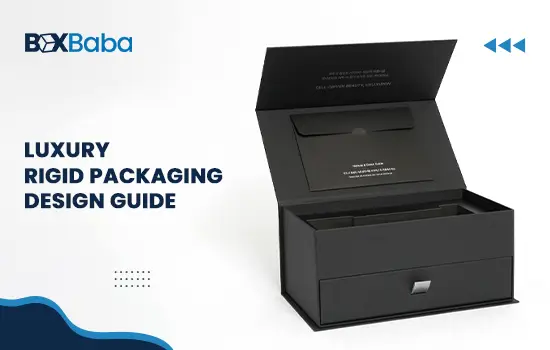
Luxury rigid packaging design plays a critical role in how premium products are presented and perceived. For many high-end brands, packaging is not simply a protective container. It is an extension of the brand identity and a key part of the customer experience.
Rigid packaging is widely used for luxury goods because it provides superior structural strength and a refined visual appearance. These boxes are constructed from thick board materials that are wrapped with decorative papers or specialty finishes. The result is packaging that feels substantial, durable, and visually impressive.
Industries such as cosmetics, electronics, jewelry, and luxury retail frequently rely on rigid packaging to create a memorable unboxing experience that reinforces brand value.
Understanding the design strategy behind luxury rigid packaging helps businesses create packaging that communicates quality, strengthens brand recognition, and elevates product perception.
Businesses looking for premium packaging solutions can explore our full range of custom rigid boxes.
What Is Luxury Rigid Packaging Design?
Luxury rigid packaging design is the process of creating premium packaging structures using thick board materials, decorative wraps, and brand-focused design elements.
Rigid boxes are typically manufactured from dense greyboard panels wrapped with printed paper, textured materials, or specialty coatings. Because these boxes are non-collapsible, they maintain their structure and provide excellent product protection.
Luxury packaging design goes beyond functionality. It also focuses on visual aesthetics, tactile experience, and the emotional interaction customers have when opening the package.
When executed properly, rigid packaging communicates craftsmanship, exclusivity, and premium brand positioning.
To better understand structural variations used in rigid packaging, see our guide on types of rigid boxes.
Core Principles of Luxury Packaging Design
Luxury packaging design is guided by several design principles that influence how customers perceive the product.
One of the most important principles is visual simplicity. Many luxury brands prefer minimal design layouts because simplicity communicates sophistication and confidence.
Material quality is another essential factor. Thick board combined with high-quality wrap materials creates packaging that feels durable and substantial in the customer’s hands.
Consistency with brand identity is also critical. Packaging colors, typography, and decorative finishes should reflect the brand’s overall visual style.
When these design principles work together, the packaging communicates exclusivity and craftsmanship while supporting the product’s premium positioning.
Structural Design in Luxury Rigid Packaging
The structure of a rigid box significantly influences both presentation and functionality.
Different rigid packaging structures provide unique visual and practical advantages depending on the product type.
Some packaging designs focus on minimalism, while others emphasize elaborate presentation or interactive opening experiences.
One of the most widely used structures in luxury packaging is the magnetic closure rigid box. This design features concealed magnets that allow the lid to close smoothly and securely, creating a refined opening experience.
You can explore this packaging style in our guide to magnetic closure rigid boxes.
Other rigid packaging structures include lift-off lid boxes, drawer-style packaging, and shoulder neck designs. Each structure creates a different type of customer interaction with the packaging.
Selecting the right structure helps ensure that the packaging complements the product inside.
Premium Finishing Techniques for Luxury Packaging
Finishing techniques play an essential role in luxury packaging design because they enhance both visual appeal and tactile experience.
One widely used finishing technique is foil stamping. This process applies metallic foil to the packaging surface using heat and pressure. Gold and silver foil are frequently used to highlight brand logos and decorative elements.
Embossing is another popular technique. It raises design elements above the packaging surface, creating texture and depth.
Soft-touch lamination is commonly used in luxury cosmetic packaging because it produces a velvet-like texture that enhances the tactile experience of the box.
Spot UV coating can also be applied to specific areas of the packaging surface to create contrast between matte and glossy elements.
These finishing methods transform rigid packaging into a premium visual statement. Our guide on rigid box finishing options explains how these techniques influence packaging design.
Customization in Luxury Rigid Packaging
Customization is one of the defining characteristics of luxury packaging design. Premium brands rarely rely on generic packaging formats because custom packaging allows them to express brand identity more effectively.
Rigid packaging can be customized through printing, materials, structural design, and interior inserts.
Offset printing allows high-resolution graphics and precise brand imagery. Pantone color matching ensures packaging colors remain consistent with brand guidelines.
Exterior wrap materials can include textured paper, linen paper, leatherette finishes, or specialty coated papers that create distinctive tactile experiences.
Interior packaging inserts are also important. Foam inserts, molded pulp trays, or custom cardboard inserts can secure products while enhancing presentation.
These customization options allow brands to create packaging that reflects both the product’s quality and the company’s brand identity.
Branding and Storytelling Through Packaging
Luxury packaging design is closely connected to brand storytelling.
Packaging is often the first physical interaction a customer has with a product. Because of this, it serves as a powerful communication tool for brand identity.
Design elements such as typography, color palette, and logo placement influence how customers perceive the brand.
Luxury brands typically rely on subtle branding rather than overly complex graphics. Minimal design paired with premium finishes often communicates luxury more effectively.
When packaging design reflects the brand’s identity and values, it becomes a storytelling medium that strengthens customer connection.
Creating a Memorable Unboxing Experience
The unboxing experience has become an important element of modern product marketing.
Customers frequently share product packaging on social media platforms, making packaging design a powerful marketing asset.
Rigid packaging naturally supports this experience because of its sturdy structure and refined opening mechanisms.
Magnetic closures, ribbon pulls, and custom inserts can transform the act of opening the box into a memorable moment.
Luxury packaging design focuses on creating anticipation and excitement while reinforcing the premium value of the product.
Material Selection in Luxury Rigid Packaging
Material selection has a major influence on both durability and visual quality.
Most rigid boxes are constructed using greyboard made from compressed recycled paper fibers. This material provides strong structural support while maintaining sustainability benefits.
The greyboard is wrapped with printed paper, textured materials, or decorative coatings that define the exterior appearance of the packaging.
Some luxury packaging designs incorporate textured wrap papers, fabric finishes, or specialty coatings to create distinctive tactile experiences.
Selecting the right materials ensures the packaging maintains both durability and premium visual appeal.
To understand the structural materials used in rigid packaging, see our guide on rigid box materials.
Sustainability in Luxury Packaging Design
Sustainability has become increasingly important in luxury packaging design.
Many brands are adopting recyclable greyboard materials and environmentally responsible printing processes to reduce environmental impact.
Water-based coatings, soy-based inks, and recyclable wrap materials allow brands to maintain premium packaging quality while supporting sustainable practices.
These environmentally responsible design strategies allow companies to balance luxury presentation with modern sustainability expectations.
Why Luxury Brands Choose Rigid Packaging
Rigid packaging has become the preferred packaging format for premium products because it combines durability with refined presentation.
The thick structural board protects delicate items while decorative finishes and structured design elevate the overall visual appearance.
Industries that frequently use rigid packaging include cosmetics, jewelry, electronics, premium confectionery, and luxury retail products.
For brands seeking packaging that reflects product quality and enhances brand identity, rigid packaging offers one of the most effective solutions.
Many companies leverage these strategies to strengthen product perception and improve customer experience. Our article on how luxury brands use rigid packaging explores how premium brands apply rigid packaging design in practice.
Final Thoughts
Luxury rigid packaging design combines structural strength with refined visual presentation. By selecting high-quality materials, thoughtful structural designs, and premium finishing techniques, brands can create packaging that enhances product perception and strengthens brand identity.
For businesses focused on premium product presentation, investing in well-designed rigid packaging can significantly improve brand recognition and customer engagement.
FAQs
What is luxury rigid packaging?
Luxury rigid packaging refers to premium packaging made from thick board materials and enhanced with decorative finishes to create high-end product presentation.
Why do luxury brands use rigid boxes?
Rigid boxes provide strong protection and a premium appearance that enhances product perception and customer experience.
What finishes are used in luxury rigid packaging?
Common finishing techniques include foil stamping, embossing, debossing, spot UV coating, and soft-touch lamination.
What industries use luxury rigid packaging?
Luxury rigid packaging is commonly used in cosmetics, jewelry, electronics, premium gift packaging, and high-end retail products.