

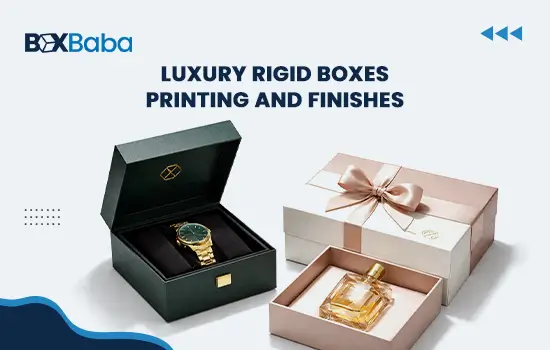
Rigid box finishing options refer to the decorative surface treatments applied to packaging after printing and manufacturing. These finishing techniques improve the visual appearance, tactile feel, and perceived value of packaging.
Common rigid box finishing techniques include foil stamping, embossing, debossing, spot UV coating, soft-touch lamination, and gloss or matte lamination. Luxury brands often combine multiple finishing effects to create packaging that looks premium and feels distinctive.
When applied correctly, these finishing techniques transform rigid packaging into a powerful branding tool that enhances product presentation and strengthens customer perception.
What Are Rigid Box Finishing Options?
Rigid box finishing options are surface treatments applied after the box structure has been printed and assembled. These finishing techniques enhance packaging design by adding texture, shine, contrast, or protective coatings.
Finishing plays a critical role in luxury packaging because it allows brands to highlight logos, improve the tactile experience of packaging, and create visual depth. Many premium custom rigid boxes rely on advanced finishing techniques to differentiate products on retail shelves.
To understand how rigid packaging is constructed before finishing is applied, it is helpful to explore the materials used in rigid box manufacturing. Our guide to rigid box materials explains how greyboard, chipboard, and wrap papers form the foundation of luxury rigid packaging.
Different structural styles also influence which finishes work best. You can explore the most common structural designs in our article on types of rigid boxes.
Printing vs Finishing in Rigid Packaging
Printing and finishing are two separate stages in rigid box production.
Printing is responsible for applying graphics, branding, and color designs onto the packaging surface. This is usually done through offset printing or digital printing methods.
Finishing is applied after printing to enhance the surface of the packaging. These treatments improve durability, highlight branding elements, and create unique visual effects that elevate product presentation.
In luxury packaging, printing and finishing are often combined to create packaging that feels premium and visually distinctive.
Why Finishing Matters in Luxury Packaging
Packaging is often the first physical interaction a customer has with a brand. Because of this, finishing techniques are widely used in premium rigid packaging to strengthen brand perception.
Luxury brands invest in finishing effects to communicate quality and exclusivity. Finishes such as foil stamping and embossing highlight logos and brand elements, while coatings such as soft-touch lamination improve the tactile feel of packaging.
These techniques are frequently used in high-end packaging structures like Magnetic Closure Boxes, which offer large surfaces for decorative branding and luxury presentation.
You can see how premium companies incorporate these techniques into their packaging strategies in our guide on how luxury brands use rigid packaging.
Most Popular Rigid Box Finishing Techniques
Rigid packaging uses a variety of finishing techniques to enhance design and presentation.
Foil Stamping
Foil stamping is a luxury packaging finishing technique that applies metallic or pigmented foil to the packaging surface using heat and pressure. A thin foil layer is transferred onto specific areas of the box, typically logos or decorative graphics.
Foil stamping is widely used because it produces reflective metallic effects that enhance brand visibility and create a premium appearance. Gold and silver foil are the most common options, although holographic and rose-gold finishes are also popular in luxury packaging.
Packaging styles such as Gold Embossed Boxes often combine foil stamping with embossing to achieve a high-end visual effect.
Embossing
Embossing is a finishing technique that raises design elements above the surface of the box. A metal die presses the material upward, creating a three-dimensional effect.
Embossing adds texture and depth to packaging, making logos and design elements more noticeable. This tactile effect improves brand recognition and enhances the luxury feel of packaging.
Premium packaging designs such as Embossed Boxes commonly use this technique to create distinctive brand presentation.
Debossing
Debossing works opposite to embossing. Instead of raising the design, the surface is pressed inward.
This finishing technique creates a subtle yet sophisticated branding effect. Debossing is often used in minimalist packaging designs where understated elegance is preferred.
Luxury cosmetic and jewelry packaging frequently combines debossing with foil stamping to create striking contrast.
Spot UV Coating
Spot UV coating applies a glossy layer to selected areas of the packaging surface. This technique creates contrast between matte and glossy elements.
Spot UV is typically used to highlight logos, product names, or graphic patterns. The reflective finish increases visual impact and makes branding elements stand out.
Because rigid packaging offers a stable surface, it supports precise UV coating applications that maintain design clarity.
Soft-Touch Lamination
Soft-touch lamination adds a smooth, velvet-like texture to the packaging surface. This finish creates a luxurious tactile experience that encourages customers to interact with the product packaging.
Soft-touch coatings are widely used in cosmetics and luxury retail packaging because they improve the feel of the packaging while also protecting printed graphics.
Packaging designs such as Shoulder Neck Rigid Boxes frequently use this finish to enhance high-end presentation.
Matte vs Gloss Lamination
Lamination is a protective coating applied over printed packaging surfaces.
Matte lamination creates a smooth, non-reflective finish that gives packaging a modern and sophisticated appearance. Many luxury packaging designs such as Matte Black Boxes use matte lamination to create an elegant visual style.
Gloss lamination produces a shiny surface that enhances colors and improves graphic clarity. This finish is often used in retail packaging where vibrant visuals are important.
Anti-Scratch Lamination
Anti-scratch lamination is a specialized protective coating designed to prevent surface damage during shipping and handling. This finish keeps packaging looking new even after transportation and retail display.
Luxury electronics and premium retail products often use anti-scratch coatings to maintain the visual quality of packaging.
Combining Multiple Finishing Techniques
Luxury packaging rarely relies on a single finishing effect. Many high-end rigid boxes combine several finishing techniques to create distinctive packaging.
For example, foil stamping may be combined with embossing to create raised metallic logos, while spot UV can be paired with matte lamination to create visual contrast.
Rigid packaging structures provide the durability needed to support these complex finishing techniques. Designs such as Drawer Rigid Boxes often feature multiple finishing layers that enhance the unboxing experience.
How Finishing Techniques Are Applied During Production
Rigid box finishing is applied after the structural box has been manufactured.
First, greyboard panels are cut and wrapped with printed paper to create the box structure. Once the rigid box is assembled, finishing techniques are applied using specialized equipment.
Foil stamping presses use heat and pressure to transfer foil onto the packaging surface. Embossing dies shape the packaging material to create raised textures, while UV coating machines apply glossy finishes to specific areas of the design.
Because rigid packaging uses thick board materials, it can support more complex finishing techniques than lightweight packaging formats. This is one of the reasons rigid boxes are widely used for luxury retail packaging.
How to Choose the Right Finishing Option
Choosing the right finishing technique depends on several factors including brand identity, product type, and budget.
Luxury brands often select finishes that emphasize elegance and tactile quality. Cosmetics packaging frequently uses soft-touch coatings, while jewelry packaging often combines foil stamping and embossing to highlight branding.
Budget considerations also influence finishing choices. Some packaging designs achieve a premium appearance with minimal finishing techniques. Structures such as Two Piece Rigid Boxes can maintain an elegant presentation with simple but high-quality finishes.
Are Luxury Finishes Eco-Friendly?
Some finishing techniques can affect recyclability, while others support sustainable packaging practices.
Eco-friendly finishing options include water-based coatings, recyclable laminations, and vegetable-based printing inks. These finishes allow brands to maintain premium packaging aesthetics while reducing environmental impact.
Sustainable rigid packaging often combines recycled greyboard with environmentally responsible coatings and inks.
Understanding Rigid Packaging Beyond Finishing
Finishing techniques are only one part of rigid packaging design. Materials, structure, and box style also influence how packaging performs and how luxury products are presented.
The materials used in rigid packaging affect how well finishes adhere to the box surface. Our guide to rigid box materials explains how greyboard and chipboard contribute to packaging durability.
Structural design also plays a major role in packaging performance. Different rigid box designs offer different surfaces for branding and decorative finishes. Our article on types of rigid boxes explains the most common rigid packaging styles used in luxury products.
Rigid packaging is widely used in industries where durability and presentation matter. Our guide to best rigid boxes for jewelry brands explores how packaging design influences luxury product presentation.
Rigid boxes also differ significantly from lighter packaging formats. You can learn more about these differences in our comparison of rigid boxes vs folding cartons.
Final Thoughts
Rigid box finishing techniques play an important role in luxury packaging design. By combining strong structural materials with premium finishes, brands can create packaging that enhances product presentation and strengthens brand perception.
When chosen carefully, finishing options allow businesses to transform rigid packaging into a powerful tool for storytelling, branding, and customer experience.
FAQs
What is the most popular rigid box finishing technique?
Foil stamping and embossing are among the most widely used finishing techniques in luxury rigid packaging.
Do finishing techniques increase packaging cost?
Yes. Finishing processes such as foil stamping and embossing require additional manufacturing steps and specialized equipment.
What finishing option creates the most luxurious packaging?
Soft-touch lamination combined with foil stamping is commonly considered one of the most premium finishing combinations.
Can multiple finishes be applied to one rigid box?
Yes. Many luxury packaging designs combine embossing, foil stamping, and spot UV coating to create distinctive packaging.