

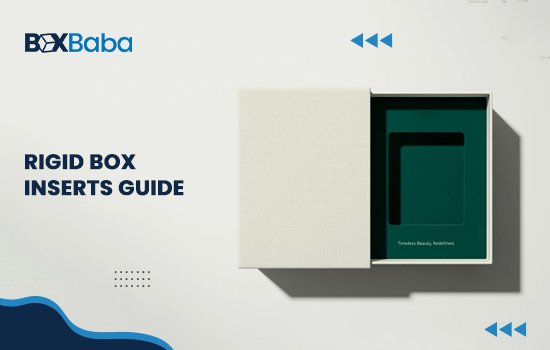
Rigid boxes are widely used in luxury packaging because they provide strong structure, durability, and premium presentation. However, the exterior packaging alone is not enough to fully protect or display the product inside.
Rigid box inserts play a crucial role in packaging design by holding products securely in place and improving the visual presentation when the package is opened. These inserts prevent movement during shipping, reduce product damage, and enhance the unboxing experience.
Luxury brands in industries such as cosmetics, electronics, jewelry, and premium retail frequently rely on carefully designed packaging inserts to ensure both product protection and refined presentation.
Understanding the different types of rigid box inserts helps businesses choose packaging solutions that balance protection, aesthetics, and cost.
What Are Rigid Box Inserts?
Rigid box inserts are interior packaging components designed to hold products securely inside rigid boxes. These inserts are usually customized to match the shape and size of the product so that the item remains stable during storage or transportation.
In addition to providing protection, inserts also improve product presentation. When a rigid box is opened, the insert frames the product and creates a clean, organized layout that enhances the perceived value of the item.
Rigid box inserts can be manufactured from several materials including foam, molded pulp, cardboard, velvet, and thermoformed plastics depending on the level of protection required.
To better understand the structural materials used in rigid packaging, see our guide on rigid box materials.
Why Inserts Are Important in Rigid Packaging
Rigid box inserts serve several important functions in packaging design.
The primary purpose of an insert is product protection. Inserts prevent products from shifting or colliding with the box walls during transportation. This protection is particularly important for fragile products such as electronics, glass bottles, and luxury accessories.
Inserts also improve presentation. When a product sits inside a precisely shaped insert, it appears centered and organized inside the packaging.
For luxury brands, inserts play a key role in the unboxing experience. A well-designed insert creates a structured presentation that reinforces product quality and brand attention to detail.
EVA Foam Inserts
EVA foam is one of the most widely used materials for rigid box inserts.
EVA foam is a dense, flexible material known for its excellent shock absorption and durability. It can be precisely die-cut to match the exact shape of a product, creating a secure fit that prevents movement during shipping.
Because of its protective properties, EVA foam is frequently used in packaging for electronics, luxury watches, premium accessories, and delicate retail products.
Many rigid packaging designs rely on custom foam inserts to create tailored product protection and refined presentation.
PU Foam Inserts
PU foam inserts are another common material used in rigid packaging.
PU foam is softer and more compressible than EVA foam, making it suitable for lighter or more delicate products. This material provides gentle cushioning while still supporting the product inside the packaging.
Jewelry packaging often uses PU foam inserts because the soft material protects delicate items such as rings, bracelets, or necklaces.
In many luxury packaging designs, PU foam inserts are covered with velvet or fabric materials to enhance the visual appearance of the interior packaging.
Molded Pulp Inserts
Molded pulp inserts are becoming increasingly popular as sustainable packaging solutions.
Molded pulp is made from recycled paper fibers that are shaped using specialized molds. The result is an insert that matches the shape of the product while providing moderate shock absorption.
This material is biodegradable and environmentally friendly, making it an attractive option for brands that prioritize sustainability.
Molded pulp inserts are commonly used in electronics packaging, consumer goods packaging, and eco-friendly retail products.
Cardboard Inserts
Cardboard inserts are one of the most economical insert options used in rigid packaging.
These inserts are typically made from folded or die-cut paperboard that creates compartments inside the box. Cardboard inserts are suitable for products that do not require heavy shock protection but still need structured presentation.
They are frequently used for cosmetics gift sets, subscription boxes, and retail packaging where multiple items must be separated inside a single package.
Because cardboard is recyclable and lightweight, it is often chosen for environmentally conscious packaging designs.
Velvet and Fabric Inserts
Velvet inserts are commonly used in luxury packaging to enhance product presentation.
These inserts typically consist of foam or cardboard cores that are covered with velvet or fabric materials. The soft texture creates a premium appearance and protects delicate surfaces from scratches.
Luxury jewelry packaging, watch packaging, and premium gift boxes frequently use velvet inserts to create a high-end interior presentation.
Thermoformed Plastic Inserts
Thermoformed inserts are created by heating plastic sheets and molding them into product-specific shapes.
These inserts provide strong structural support and are often used for electronics, tools, and precision components.
Because thermoformed plastic inserts are transparent or semi-transparent, they allow the product to remain visible inside the packaging.
While they provide excellent durability, some brands prefer alternative materials such as molded pulp to support sustainability goals.
Die-Cut Inserts for Custom Packaging
Die-cut inserts are customized inserts produced using precision cutting tools that match the exact dimensions of the product.
This technique allows packaging designers to create cavities that perfectly fit the product shape.
Die-cut inserts can be manufactured from foam, cardboard, molded pulp, or plastic materials depending on the packaging requirements.
Luxury rigid boxes frequently use die-cut inserts to ensure the product remains centered and protected inside the packaging.
Many premium packaging structures, including magnetic closure rigid boxes, use die-cut inserts to enhance product presentation and stability.
Industries That Use Rigid Box Inserts
Rigid box inserts are used across many industries that require secure and visually appealing packaging.
Cosmetics brands often use foam or cardboard inserts to organize skincare products or makeup sets.
Jewelry brands commonly use velvet or PU foam inserts to protect delicate items while enhancing presentation.
Electronics packaging frequently relies on EVA foam or thermoformed plastic inserts to protect fragile components during shipping.
Luxury gift packaging and premium retail packaging also use custom inserts to create structured product displays inside rigid boxes.
Choosing the Right Insert Material
Selecting the correct insert material depends on several factors including product weight, fragility, and brand positioning.
Fragile products such as electronics or glass bottles usually require foam inserts because they offer superior shock absorption.
Brands focusing on sustainability may prefer molded pulp or cardboard inserts because these materials are recyclable and biodegradable.
For luxury presentation packaging, velvet-covered foam inserts are often chosen to create a premium interior appearance.
Packaging designers must balance protection, sustainability, cost, and visual presentation when selecting insert materials.
How Inserts Improve the Unboxing Experience
The unboxing experience has become a key part of modern packaging design.
Customers often associate well-organized packaging with product quality and brand professionalism.
Rigid box inserts help create this experience by presenting the product in a balanced and visually appealing layout.
When a product sits securely inside a custom-shaped insert, the packaging feels intentional and refined.
For luxury brands, this level of presentation can significantly influence customer perception and brand loyalty.
Final Thoughts
Rigid box inserts are an essential part of premium packaging design. While the rigid box structure provides durability and visual appeal, inserts ensure that products remain secure and properly presented inside the packaging.
By selecting the appropriate insert materials and design, brands can improve product protection, enhance presentation, and create a more memorable unboxing experience.
For businesses developing custom rigid packaging, choosing the right insert solution is an important step in creating packaging that reflects product quality and brand value.
FAQs
What are rigid box inserts used for?
Rigid box inserts are interior packaging components designed to hold products securely inside packaging while improving presentation and protecting items during transportation.
What material is best for rigid box inserts?
Foam inserts such as EVA foam provide excellent shock protection, while molded pulp and cardboard inserts offer more sustainable alternatives.
Are foam inserts recyclable?
Some foam materials can be recycled, but molded pulp and cardboard inserts are typically more environmentally friendly options.
Can inserts be customized for different products?
Yes. Inserts can be die-cut or molded to match the exact shape of the product to ensure a secure fit inside the packaging.